
1565
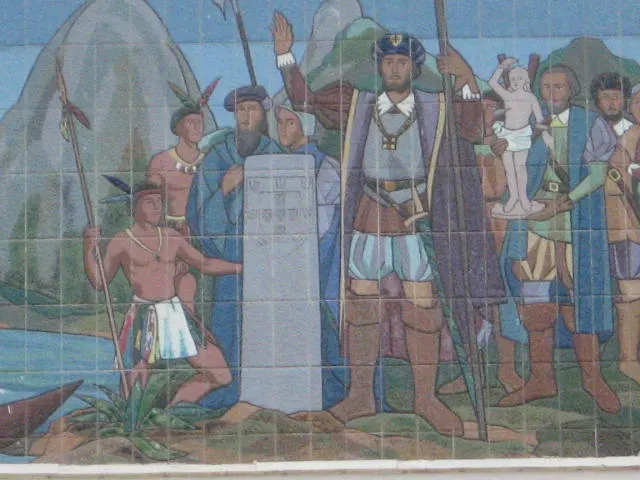 The founding of Rio de Janeiro shown in a tiled mural.Image:
world · Americas
The Portuguese found Rio de Janeiro
On 1 March 1565 the Portuguese commander Estácio de Sá landed at the entrance to Guanabara Bay and founded the settlement of São Sebastião do Rio de Janeiro, named after King Sebastião of Portugal and his patron saint. The Jesuits Manuel da Nóbrega and José de Anchieta were with him. The aim was to drive out the French, who had built a colony in the bay a decade earlier. Estácio de Sá was mortally wounded by an arrow in the fighting, but the city survived and grew into one of the great cities of the Americas.
Source: Rio de Janeiro City Hall (MultiRio): A fundação da cidade de São Sebastião do Rio de Janeiro ↗ Thomas Moran’s painting The Grand Canyon of the Yellowstone, 1872.Image:
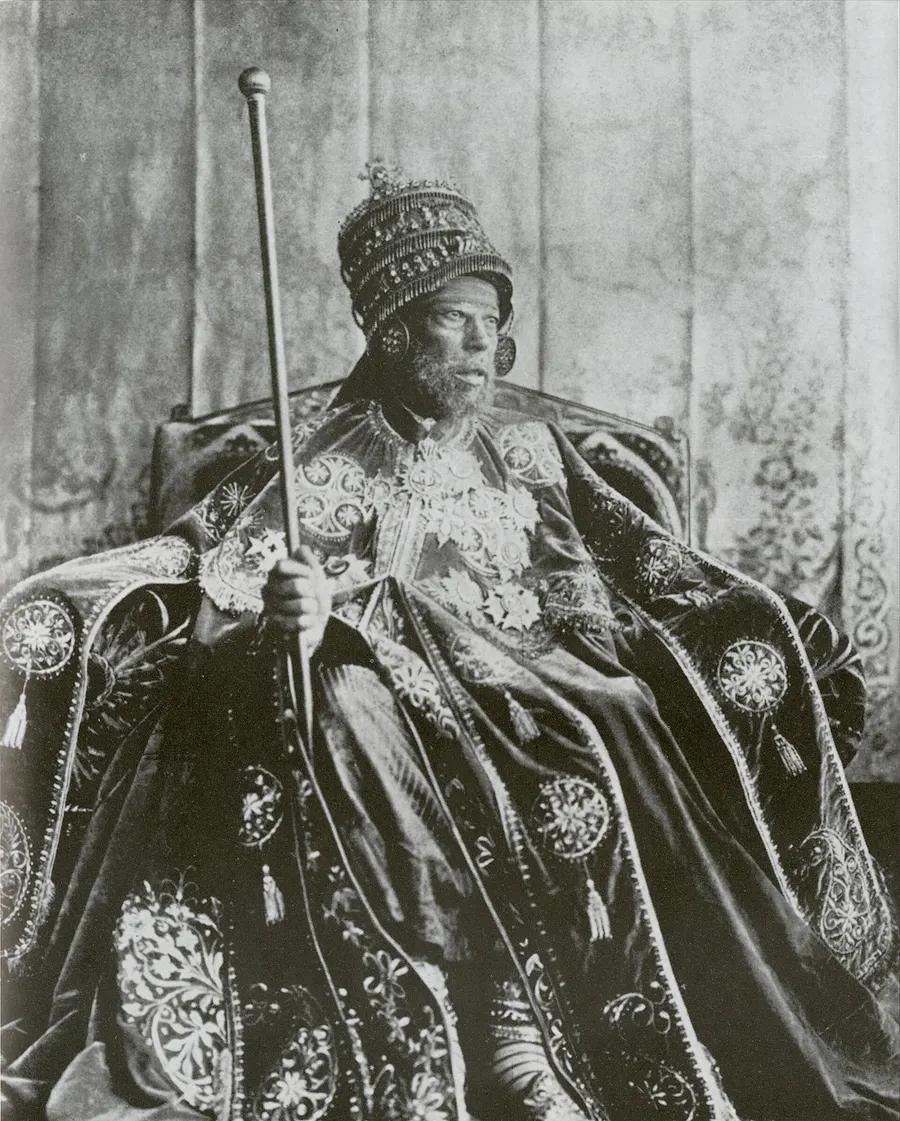 Emperor Menelik II of Ethiopia in his coronation robes.Image:
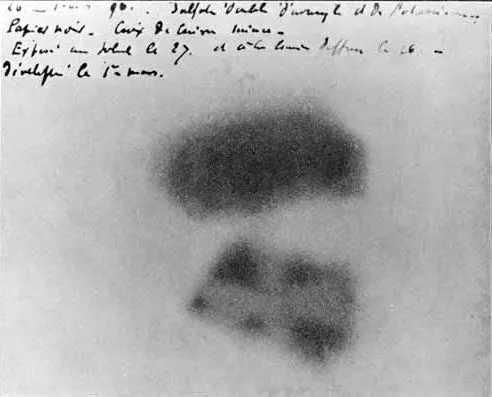 One of Henri Becquerel’s photographic plates, darkened by radiation from uranium salts, with his handwritten notes.Image:
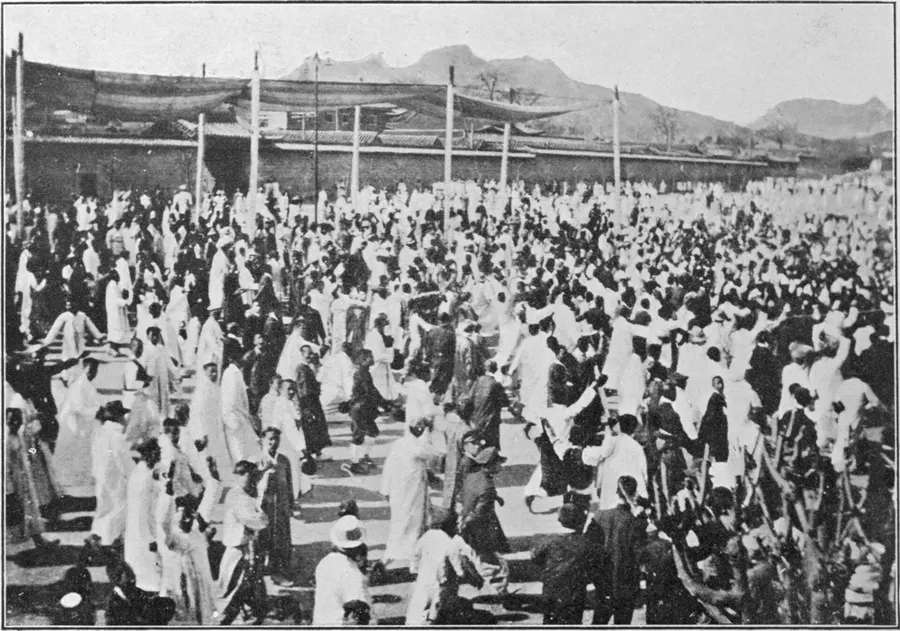 A peaceful independence demonstration in Seoul, March 1919.Image:
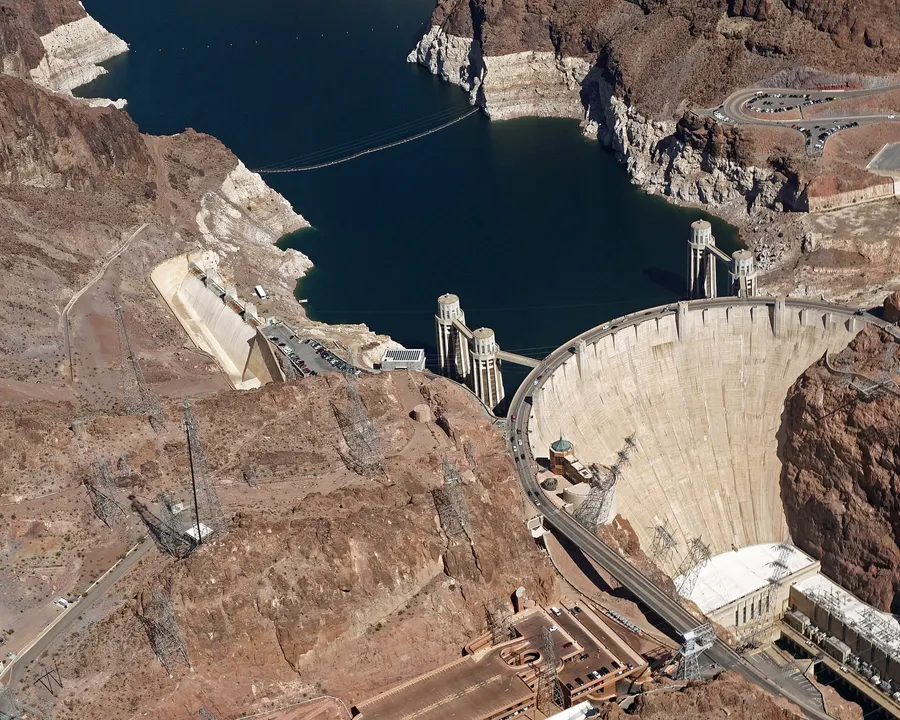 Hoover Dam and Lake Mead from the air, 2017.Image:
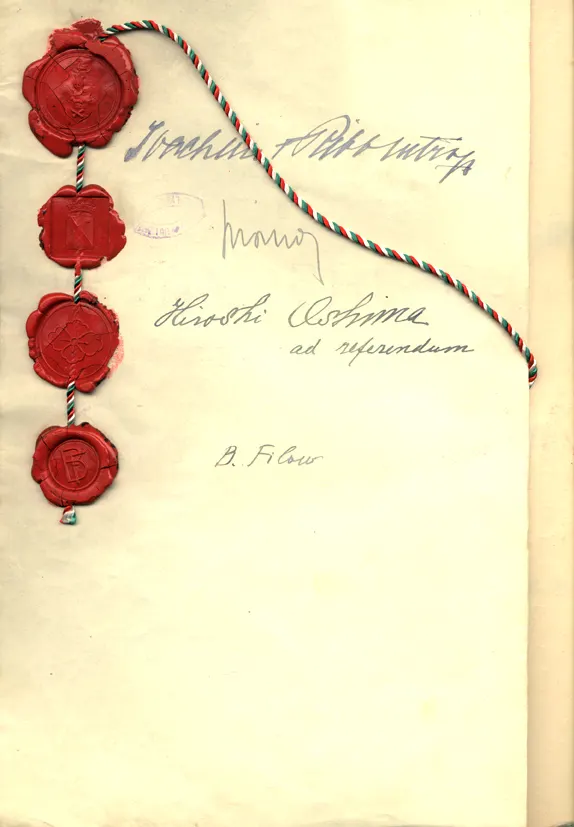 The sealed protocol of Bulgaria’s accession to the Tripartite Pact, Vienna, 1 March 1941.Image:
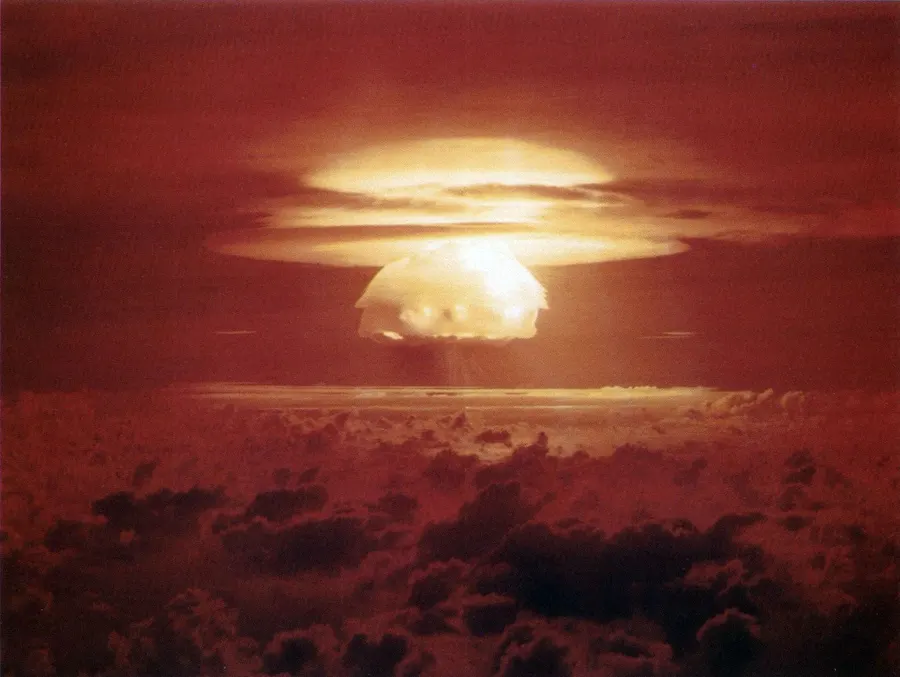 The Castle Bravo fireball over Bikini Atoll, 1 March 1954.Image:
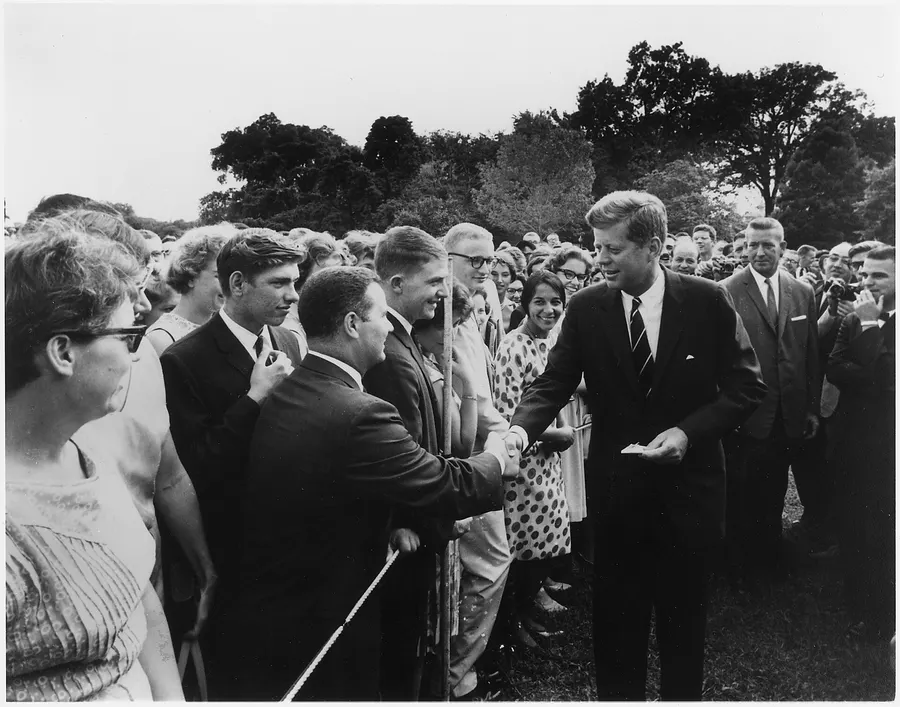 President Kennedy greets Peace Corps volunteers at the White House, August 1962.Image:
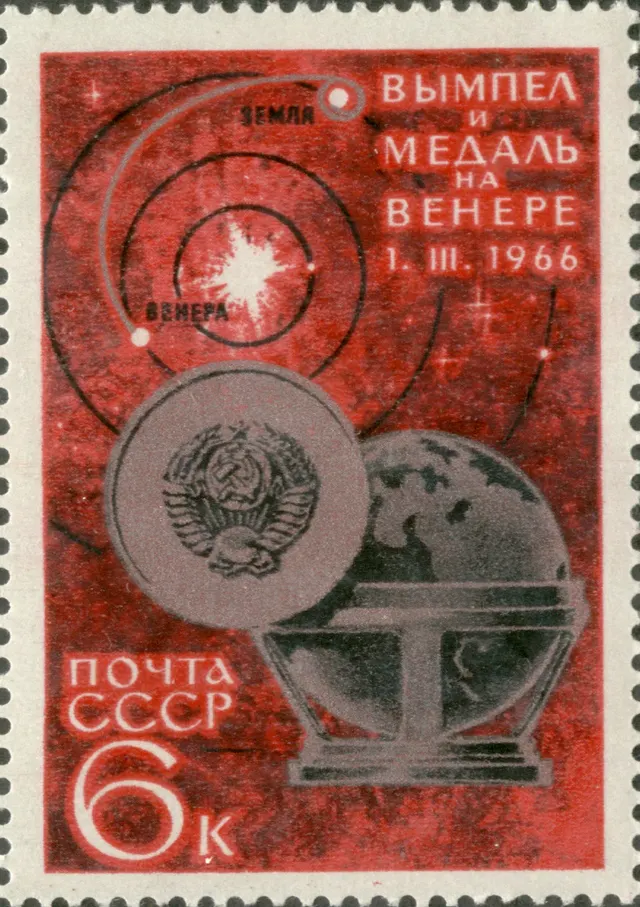 A Soviet stamp of 1966 celebrating the pennant and medal carried to Venus, dated 1.III.1966.Image:
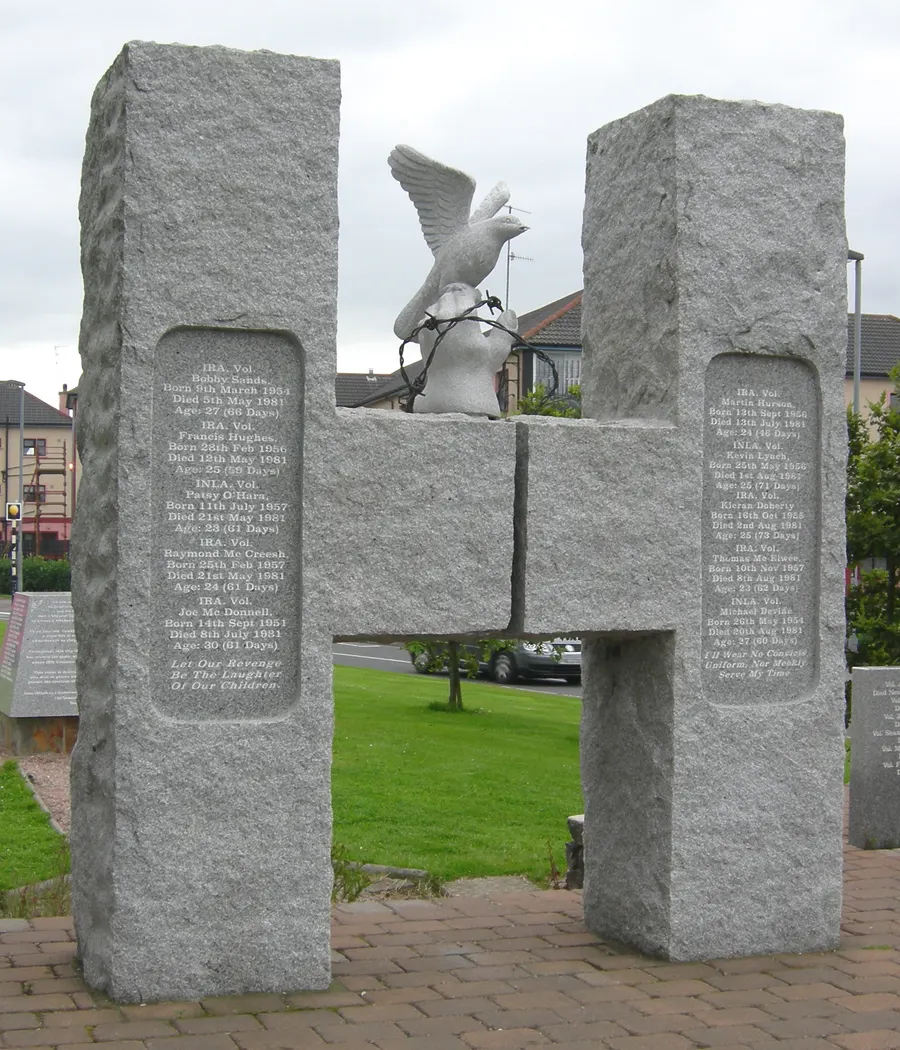 The H-Block monument to the hunger strikers in Derry.Image:
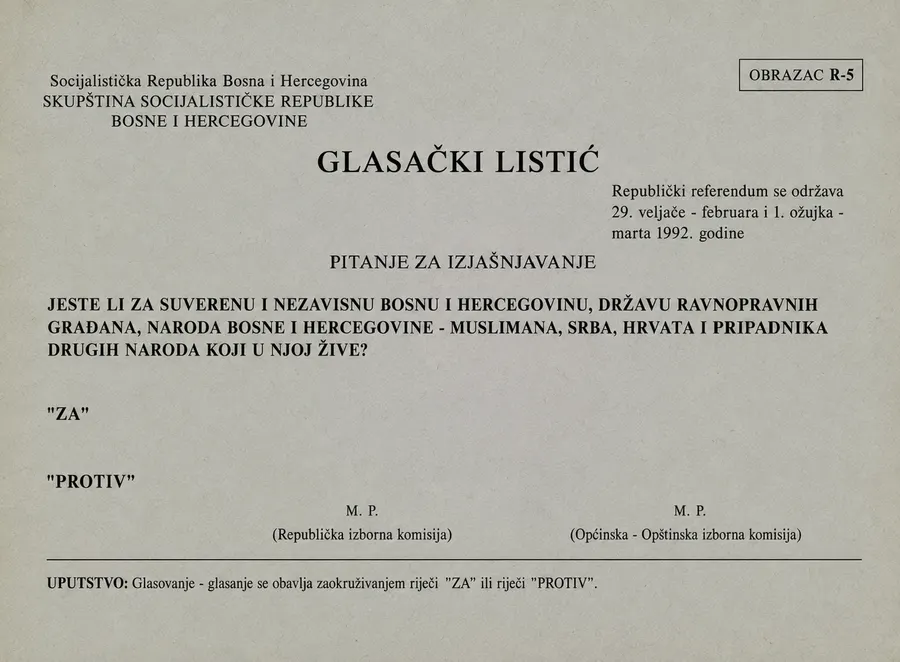 A ballot paper from the referendum of 29 February and 1 March 1992.Image: