Explore 28 February

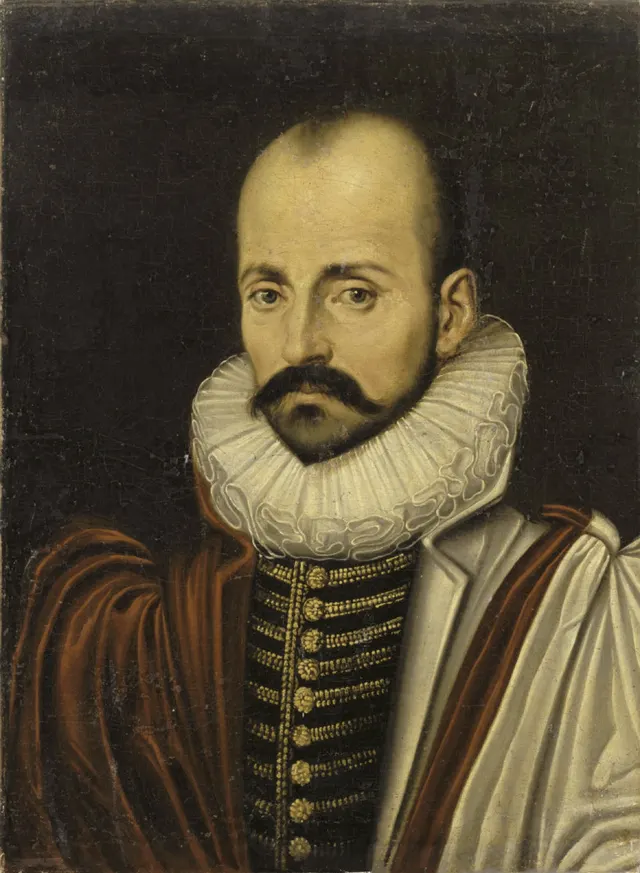
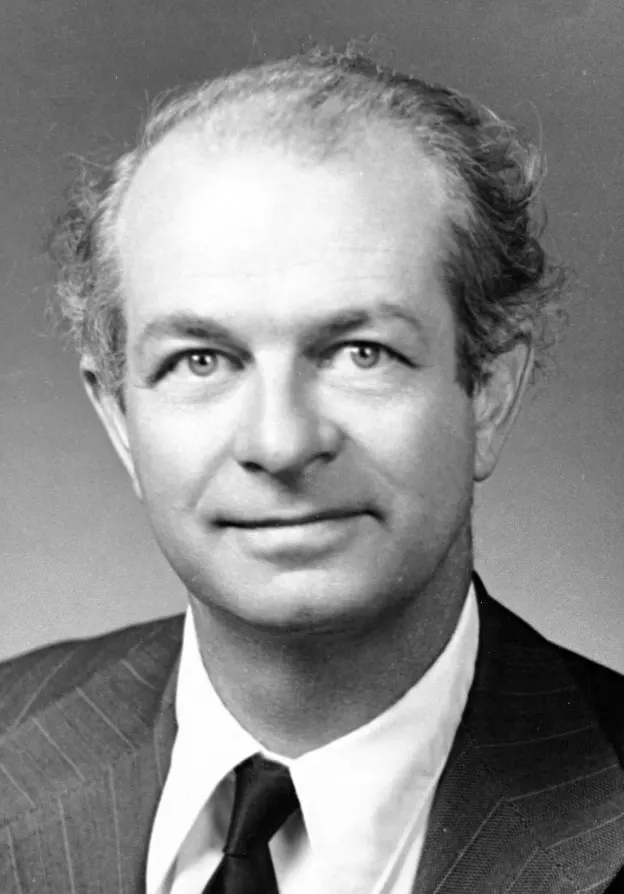
Explore 28 February: Britain gives up its protectorate over Egypt, unrest sweeps Taiwan, Sweden’s prime minister is shot in a Stockholm street and a pope steps down for the first time in six centuries. Meet Michel de Montaigne, Linus Pauling and Mario Andretti, born on this date.

This day through time →11 verified events across 3 eras

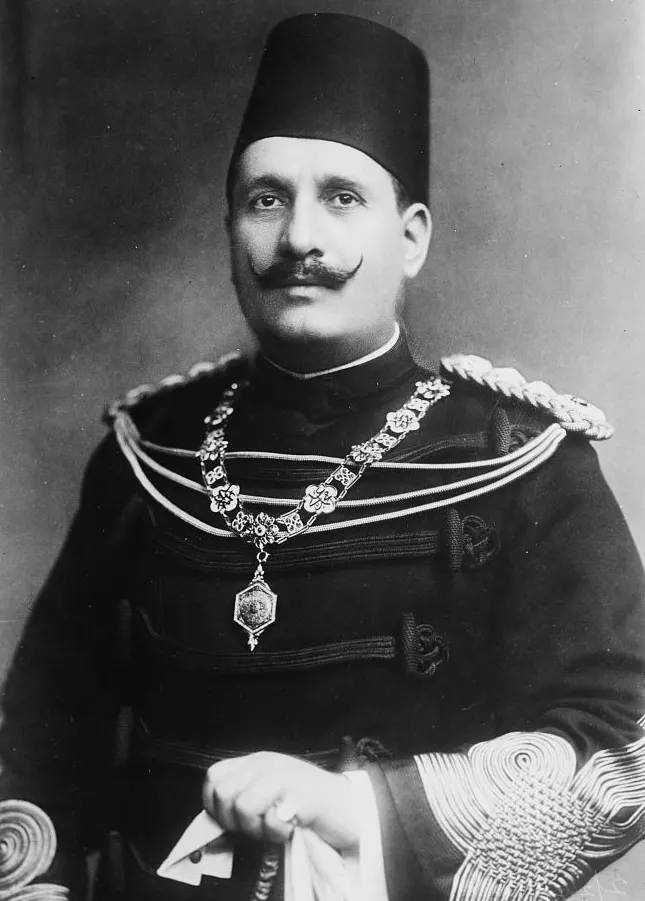
Fuad I, who became Egypt's first king a fortnight after the declaration.
Fuad I, who became Egypt’s first king a fortnight after the declaration.
Image creditBain News Service (publisher) · Public domainResized and cropped for display.

Britain declares Egypt independent

On 28 February 1922, after three years of unrest that began with the revolution of 1919, Britain announced that its protectorate over Egypt was at an end and recognised the country as an independent sovereign state. The step was urged on London by the High Commissioner in Cairo, Lord Allenby.

The independence was limited. Britain kept control of four ‘reserved’ matters: the security of imperial communications, Egypt’s defence, the protection of foreigners and minorities, and Sudan. The sultan, Fuad, took the title of king in March.

Read the full storyHistory & Timeline →Source: UK Parliament, Historic Hansard: Statement on Egypt, House of Lords, 28 February 1922 ↗
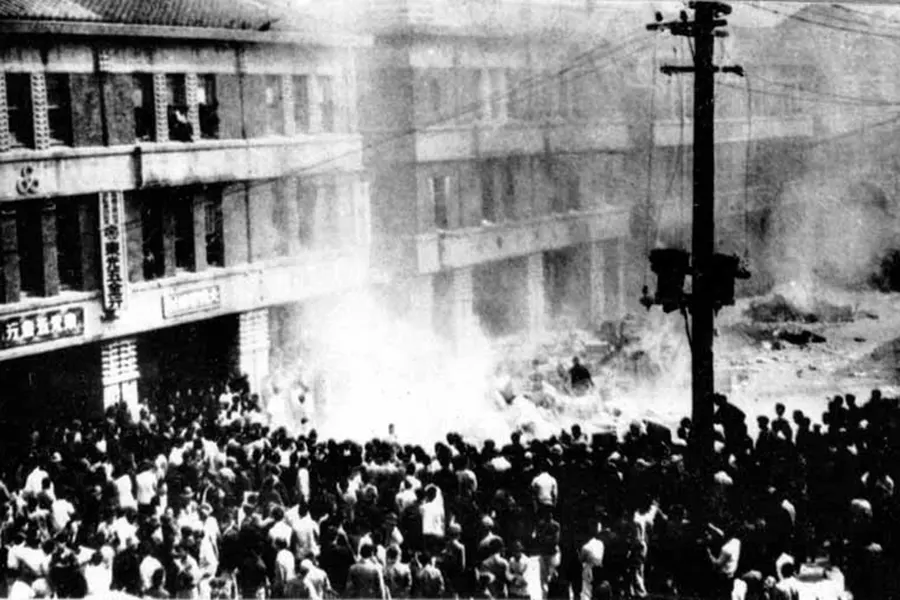
Crowds at the Taipei branch of the Monopoly Bureau, 1947.
Image creditUnknown photographer · Public domainResized and cropped for display.

Unrest spreads across Taiwan: the 228 Incident

On the evening of 27 February 1947 officials of the government tobacco monopoly in Taipei seized a street seller’s cigarettes, and the confrontation turned violent. On 28 February protests against the Nationalist administration of Governor Chen Yi spread across the island.

Once troops arrived from the mainland in March the uprising was put down with great force. Estimates of the dead range from about 10,000 to 30,000. The subject was forbidden for decades; Taiwan’s president apologised in 1995, and 28 February is now Peace Memorial Day.

Read the full storyHistory & Timeline →Source: Office of the President, Republic of China (Taiwan): President Tsai attends ceremonies for the 73rd anniversary of the 228 Incident ↗
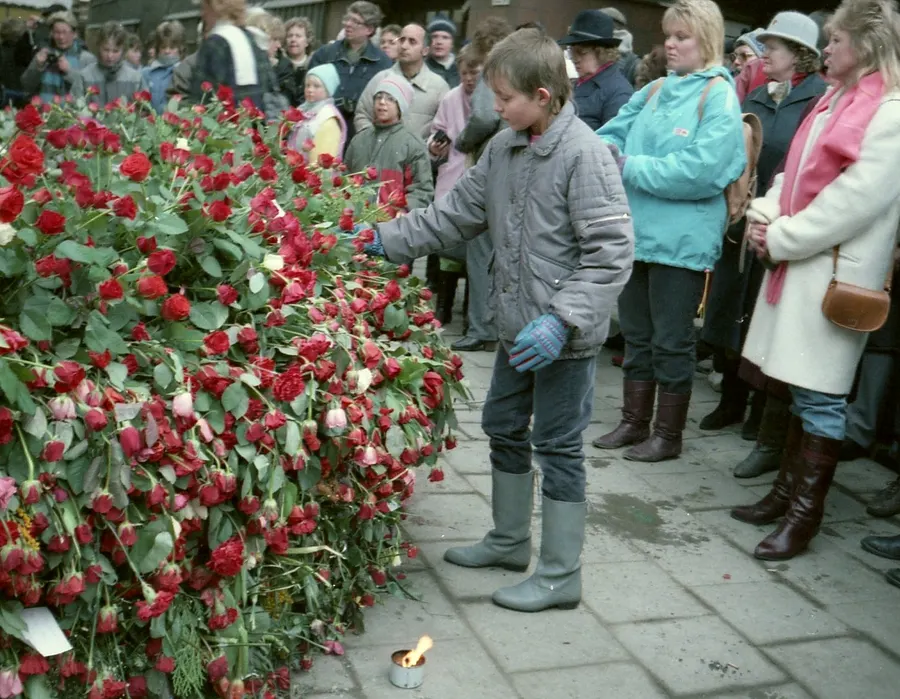
Stockholm residents lay roses where Olof Palme was shot, 3 March 1986.
Image creditHolger Ellgaard · CC BY-SA 3.0Resized and cropped for display.

Sweden’s prime minister is shot in Stockholm

Late on the evening of 28 February 1986, Olof Palme was walking home from a cinema on Sveavägen in central Stockholm with his wife, Lisbeth, and no bodyguards. A gunman shot him in the back and wounded Lisbeth. Palme was declared dead in hospital shortly after midnight.

It was the first killing of a Swedish head of government since King Gustav III in 1792. One man was convicted and then acquitted on appeal; in 2020 prosecutors named another suspect, who had died in 2000, and closed the case.

Read the full storyHistory & Timeline →Source: Encyclopaedia Britannica: Olof Palme ↗
Crowds in St Peter's Square at Benedict XVI's last general audience, 27 February 2013.
Crowds in St Peter’s Square at Benedict XVI’s last general audience, 27 February 2013.
Image creditCanonLawJunkie · CC BY-SA 3.0Resized and cropped for display.

A pope steps down

At eight o’clock in the evening on 28 February 2013 the resignation of Pope Benedict XVI took effect and the See of Rome fell vacant. He had announced his decision on 11 February, saying that his strength of mind and body was no longer adequate to the office.

He was the first pope to resign in nearly 600 years, since Gregory XII in 1415. Benedict spent his last hours as pope at Castel Gandolfo; on 13 March the cardinals elected his successor, Francis.

Read the full storyHistory & Timeline →Source: Holy See: Declaratio of Pope Benedict XVI, 11 February 2013 ↗
♙
PEOPLE

Born Today

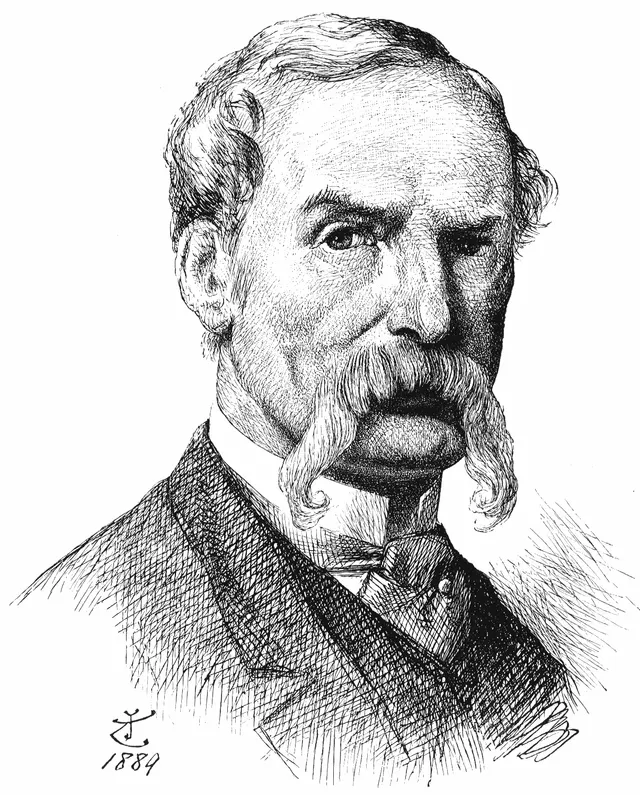
John Tenniel
Image creditJohn Tenniel · Public domainResized and cropped for display.

John Tenniel

English illustrator of Alice’s Adventures in Wonderland and Punch’s leading cartoonist.

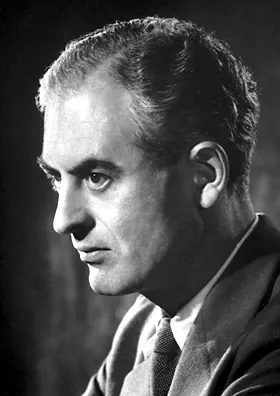
Peter Medawar
Image creditUnknown · Public domainResized and cropped for display.

Peter Medawar

Brazilian-born British biologist whose work on graft rejection made organ transplants possible, Nobel laureate in 1960.

Daniel Tsui
Image creditIstvan Hargittai · CC BY 4.0Resized and cropped for display.

Daniel Tsui

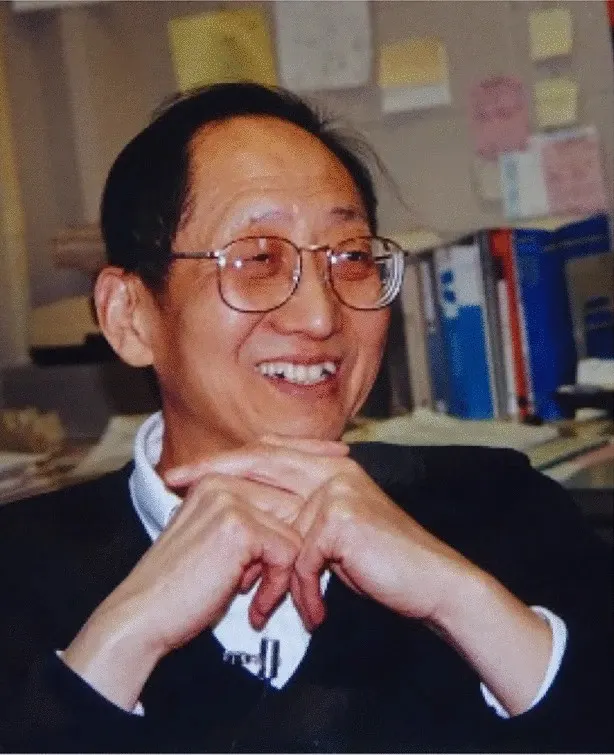
Chinese-born American physicist who shared the 1998 Nobel Prize for the fractional quantum Hall effect.

Mario Andretti
Image creditUnited Autosports · CC BY-SA 2.0Resized and cropped for display.

Mario Andretti

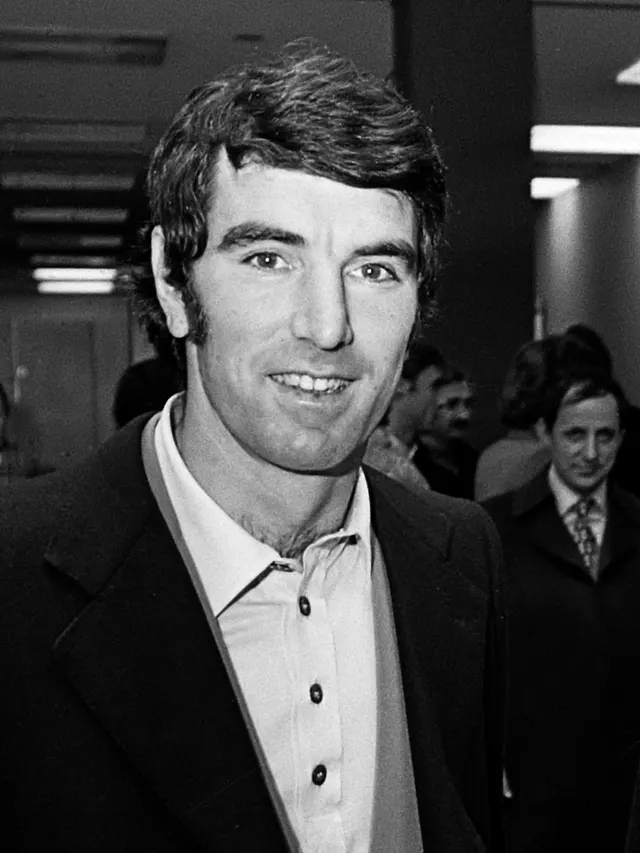
Italian-born American racing driver, Formula One world champion in 1978 and Indianapolis 500 winner.

◉
IDEAS THAT CHANGED THINGS

Firsts, Science & Discoveries

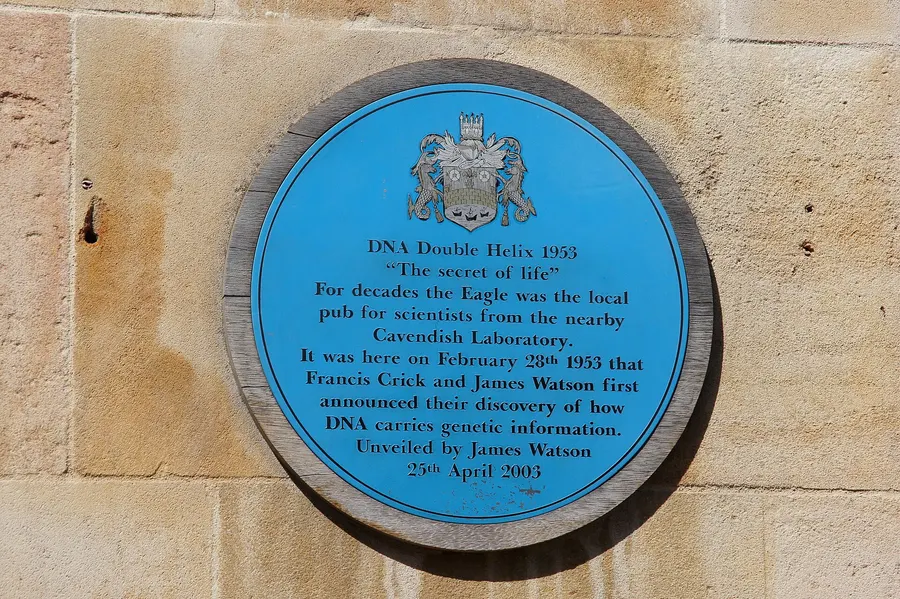
The blue plaque outside the Eagle pub in Cambridge, where Crick and Watson announced their discovery.
Image creditChris Sampson · CC BY 2.0Resized and cropped for display.

Crick and Watson crack the structure of DNA

On 28 February 1953, shuffling cardboard models of DNA’s four bases in the Cavendish Laboratory in Cambridge, James Watson saw that the pairs A-T and C-G have the same shape and could form the rungs of a twisted ladder. With Francis Crick he quickly built the double helix. Watson later recalled Crick telling lunchtime drinkers at the Eagle pub that they had found the secret of life.

Their model rested on X-ray evidence from Rosalind Franklin and Maurice Wilkins at King’s College London. It was published in Nature in April 1953, and Watson, Crick and Wilkins shared the Nobel Prize in 1962, after Franklin’s death.

Read the full storyHistory & Timeline →Source: US National Library of Medicine, Profiles in Science: The discovery of the double helix, 1951-1953 ↗
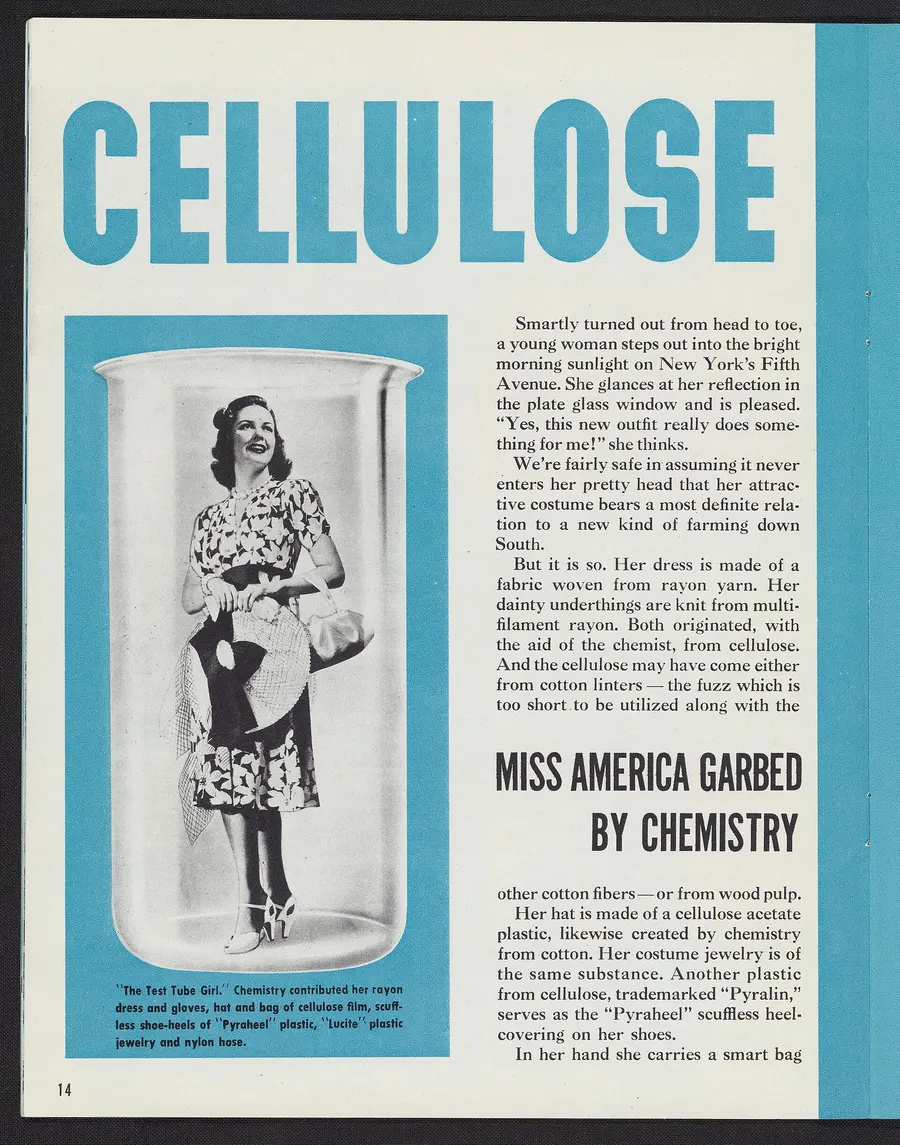
DuPont's 'Test Tube Girl', dressed in the firm's synthetic materials including nylon stockings, from a 1940 booklet.
DuPont’s ‘Test Tube Girl’, dressed in the firm’s synthetic materials including nylon stockings, from a 1940 booklet.
Image creditDuPont (Science History Institute collection) · Public domainResized and cropped for display.

Nylon is made for the first time

On 28 February 1935 Wallace Carothers’s research team at DuPont’s Experimental Station in Wilmington, Delaware, produced a new polymer from adipic acid and hexamethylenediamine. Each ingredient has six carbon atoms, so it was known as fibre 66.

Strong, elastic and silky, it became nylon, the first fully synthetic fibre made commercially. Nylon stockings went on sale in 1939 and 1940 and caused a sensation, before nylon was diverted to parachutes and other war work.

Read the full storyHistory & Timeline →Source: American Chemical Society: Wallace Carothers and the development of nylon, National Historic Chemical Landmark ↗
♫
MUSIC • FILM • BOOKS • CULTURE

Culture Stories

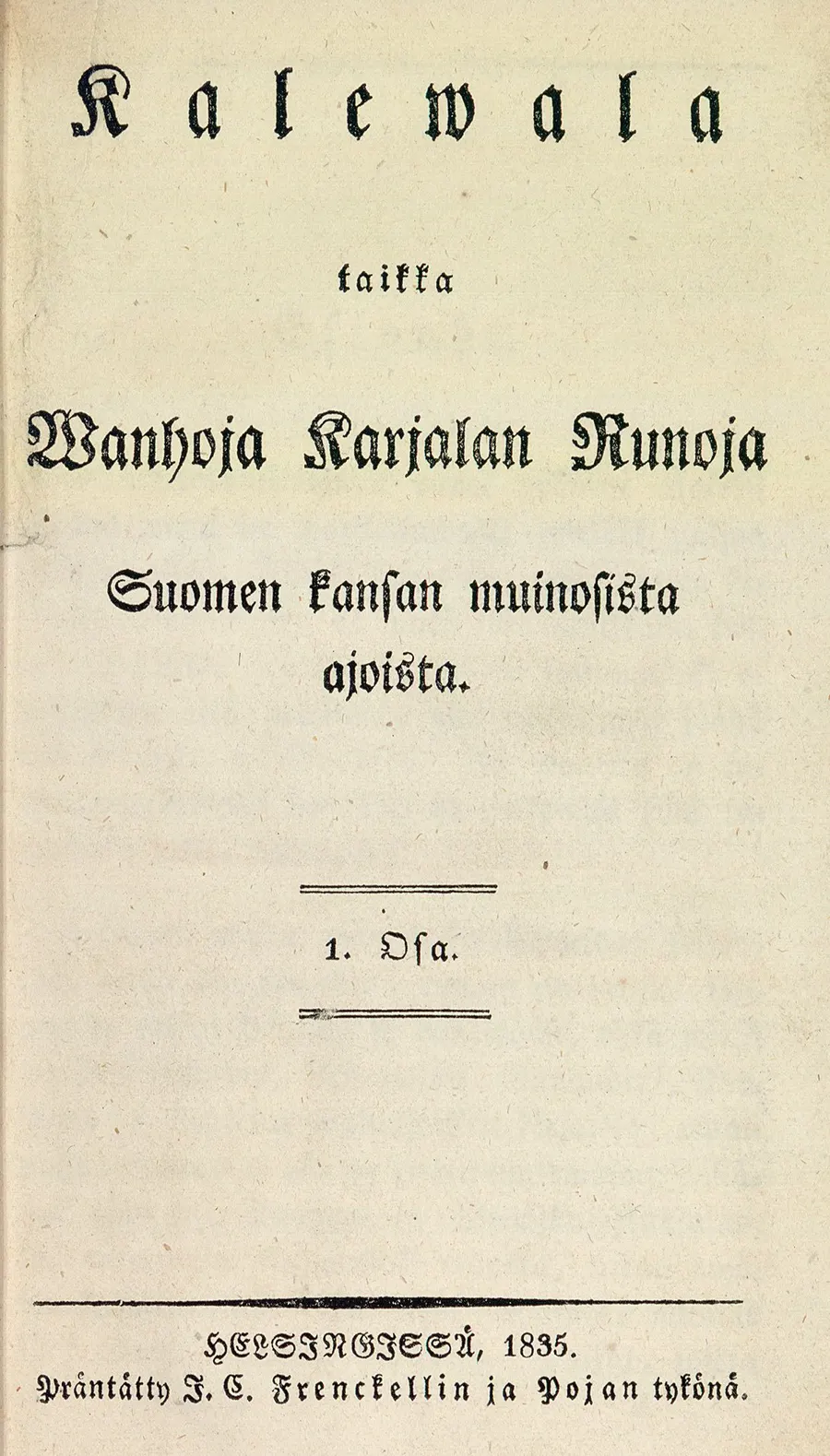
The title page of the first edition of the Kalevala, 1835.
Image creditElias Lönnrot · Public domainResized and cropped for display.

Lönnrot signs the preface to the Kalevala

The country doctor Elias Lönnrot spent years collecting folk poems from singers in Finland and Karelia. He wove them into a single epic, the Kalevala, and signed its preface on 28 February 1835.

The book gave Finns, then ruled by Russia, a national epic in their own language and fed a growing sense of identity. An expanded edition followed in 1849, and 28 February is celebrated in Finland as Kalevala Day, the day of Finnish culture.

Read the full storyHistory & Timeline →Source: Kalevala Society: The Kalevala, an introduction ↗
The cast of M*A*S*H in a CBS publicity photograph, 1974.
Image creditCBS Television · Public domainResized and cropped for display.

Record audience says goodbye to M*A*S*H

After eleven seasons, the American comedy-drama M*A*S*H, set in an army field hospital during the Korean War, ended on 28 February 1983 with a two-and-a-half-hour episode, ‘Goodbye, Farewell and Amen’.

An average of almost 106 million Americans watched on CBS. It is still the most-watched episode of any scripted series in American television history.

Read the full storyHistory & Timeline →Source: Deseret News archives: M*A*S*H ended with a record-setting finale ↗
✦
LIVES REMEMBERED

Remembered Today

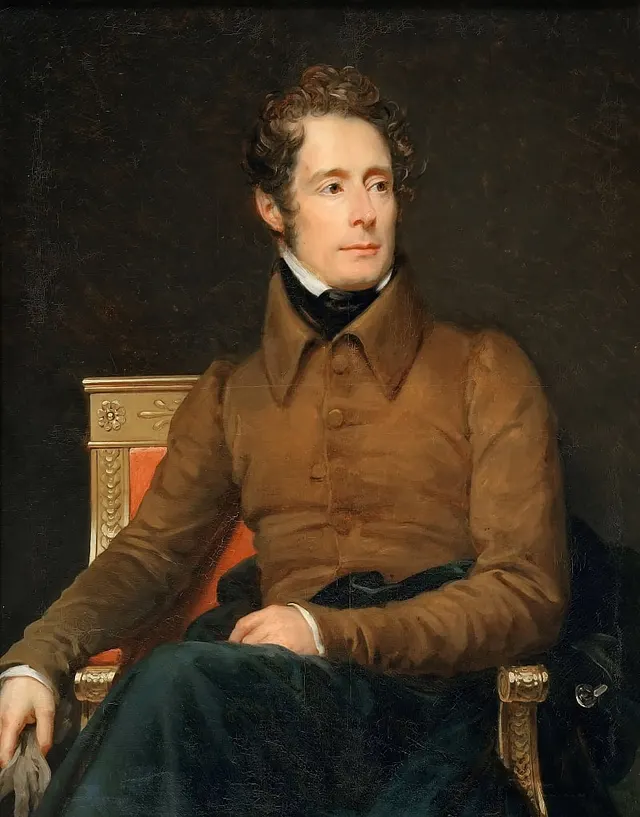
Alphonse de Lamartine
Image creditFrançois Gérard · Public domainResized and cropped for display.

Alphonse de Lamartine

French Romantic poet who led the provisional government of 1848.

Charles Nicolle
Image creditRoland Huet · Public domainResized and cropped for display.

Charles Nicolle

French microbiologist in Tunis who showed that lice spread typhus, Nobel laureate in 1928.

☉
AROUND THE WORLD

Observances & Anniversaries

HISTORY & TIMELINE

Finished the highlights?

Follow 28 February chronologically, from the Middle Ages to the modern day, with 11 verified events and the sources behind them.

This day through time →