Explore 30 January

Explore 30 January: Spain signs away the Dutch Republic at Münster, Charles I is beheaded in Whitehall, Mahatma Gandhi is shot in Delhi and the Tet Offensive begins in Vietnam. Meet Franklin D. Roosevelt, Vanessa Redgrave and Boris Spassky, born on 30 January.

This day through time →10 verified events across 3 eras

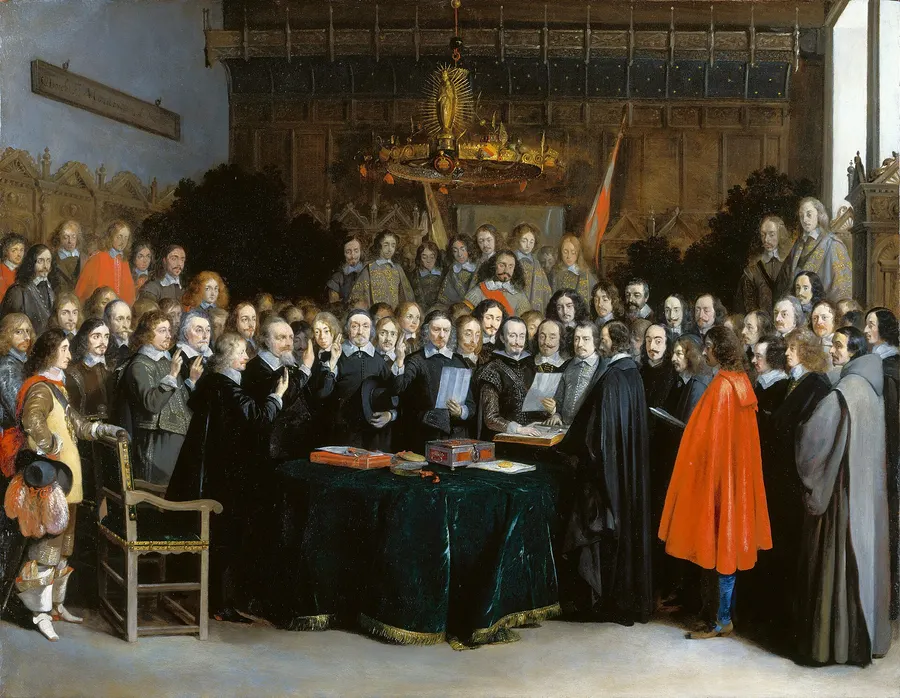
The Ratification of the Treaty of Münster, painted by Gerard ter Borch, who was present, in 1648 (Rijksmuseum).
Image creditGerard ter Borch · Public domainResized and cropped for display.

Spain accepts Dutch independence at Münster

The northern provinces of the Netherlands rose against their Spanish Habsburg rulers in the 1560s and declared their independence in 1581, but Spain never accepted it. Apart from a twelve-year truce, the Eighty Years’ War dragged on for generations while the Dutch Republic grew into Europe’s richest trading nation.

Peace was finally negotiated at Münster in Westphalia as part of the wider settlement of Europe’s wars, and the treaty between Spain and the Dutch was signed on 30 January 1648. Spain recognised the United Provinces as a free and sovereign state. The ratification was sworn in Münster’s town hall on 15 May, a scene painted by Gerard ter Borch.

Read the full storyHistory & Timeline →Source: Encyclopaedia Britannica: Peace of Westphalia ↗
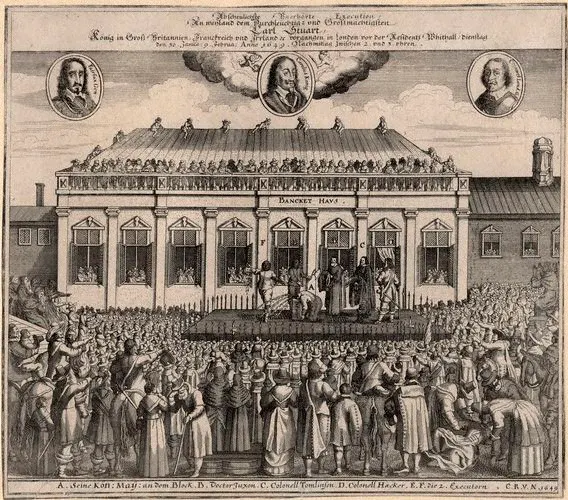
A German print of 1649 showing the execution of Charles I on the scaffold outside the Banqueting House, Whitehall.
Image creditUnknown authorUnknown author · Public domainResized and cropped for display.

Charles I is beheaded in Whitehall

Charles I had fought and lost two civil wars against Parliament, and his secret dealings to raise new armies convinced the leaders of the victorious New Model Army that there could be no peace while he lived. After Parliament was purged of his supporters, a special court tried him for treason against the people of England and sentenced him to death.

On 30 January 1649 he walked across St James’s Park to the Banqueting House in Whitehall, stepped out through a window onto a scaffold, and was beheaded before a huge crowd. He is the only English monarch to be tried and executed. The monarchy was abolished and England was ruled as a republic until his son Charles II returned in 1660.

Read the full storyHistory & Timeline →Source: Historic Royal Palaces: the execution of Charles I ↗
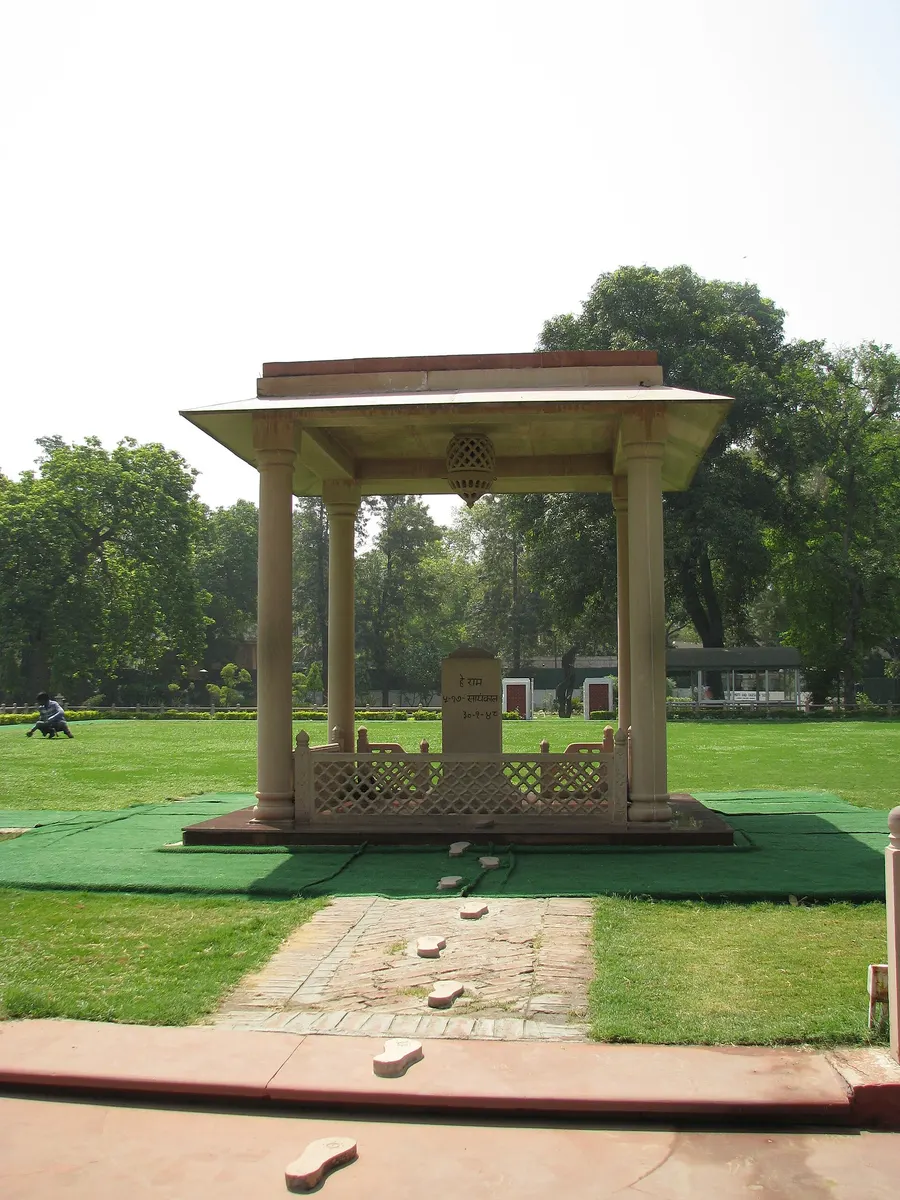
The memorial pavilion at Gandhi Smriti, formerly Birla House, in New Delhi, where Gandhi was shot.
Image creditWilson Loo Kok Wee · CC BY-SA 2.0Resized and cropped for display.

Mahatma Gandhi is shot in Delhi

India won its independence in August 1947, but partition into India and Pakistan was followed by terrible violence between Hindus, Muslims and Sikhs. Gandhi, now 78, fasted and pleaded for peace, and angered Hindu nationalists who believed he was too generous to Muslims and to Pakistan.

On the evening of 30 January 1948, as he walked out to his daily prayer meeting in the garden of Birla House in New Delhi, a Hindu nationalist named Nathuram Godse stepped forward and shot him three times at close range. Gandhi died within minutes. That night Jawaharlal Nehru told the nation on the radio that ‘the light has gone out of our lives’. Godse was tried and hanged in 1949.

Read the full storyHistory & Timeline →Source: Encyclopaedia Britannica: assassination of Mahatma Gandhi ↗
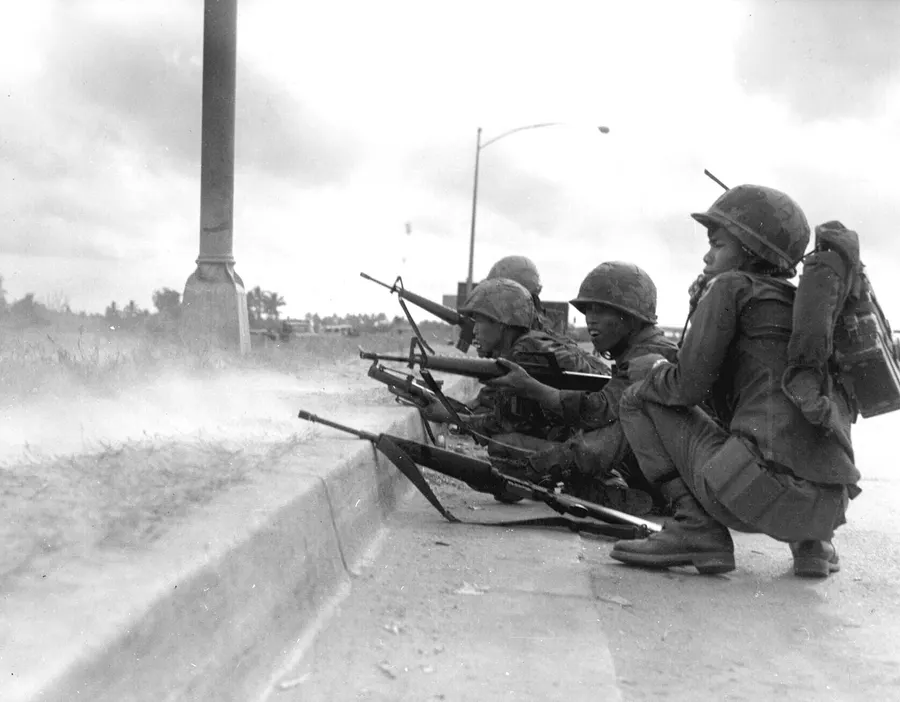
South Vietnamese Rangers defending Saigon during the Tet Offensive, 1968.
Image creditUS military personnel · Public domainResized and cropped for display.

The Tet Offensive begins in Vietnam

By the end of 1967 American commanders were telling the public that they were winning in Vietnam. North Vietnam and the Viet Cong planned a surprise: a general offensive during Tet, the lunar new year, when a truce was expected and many South Vietnamese soldiers were on leave.

Attacks on towns in the centre of South Vietnam began in the early hours of 30 January 1968, and in the early hours of the 31st some 85,000 troops struck Saigon and 36 of the 44 provincial capitals at once, even breaking into the grounds of the US embassy. The attackers were beaten back with heavy losses, but the shock turned many Americans against the war, and in March President Lyndon Johnson said he would not seek re-election.

Read the full storyHistory & Timeline →Source: US Office of the Historian: the Tet Offensive, 1968 ↗
♙
PEOPLE

Born Today

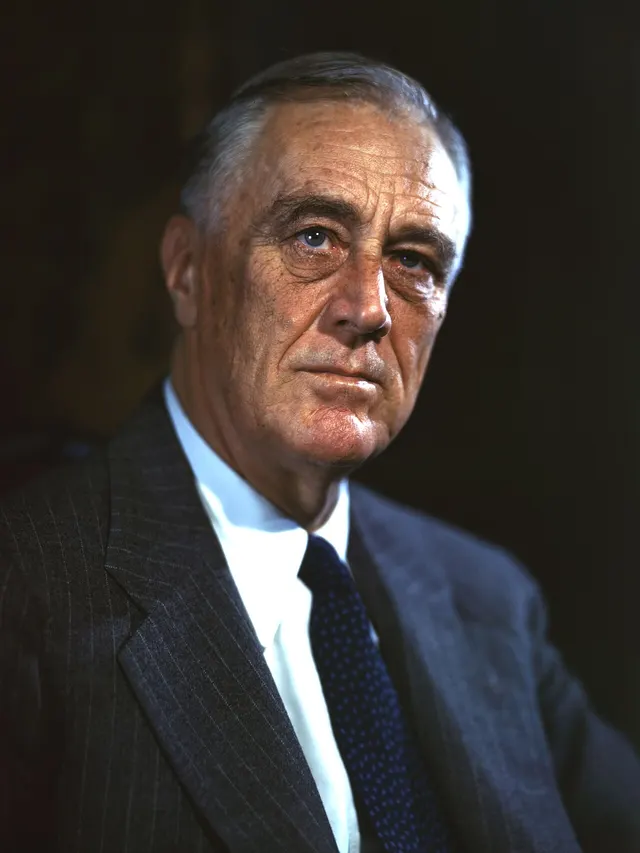
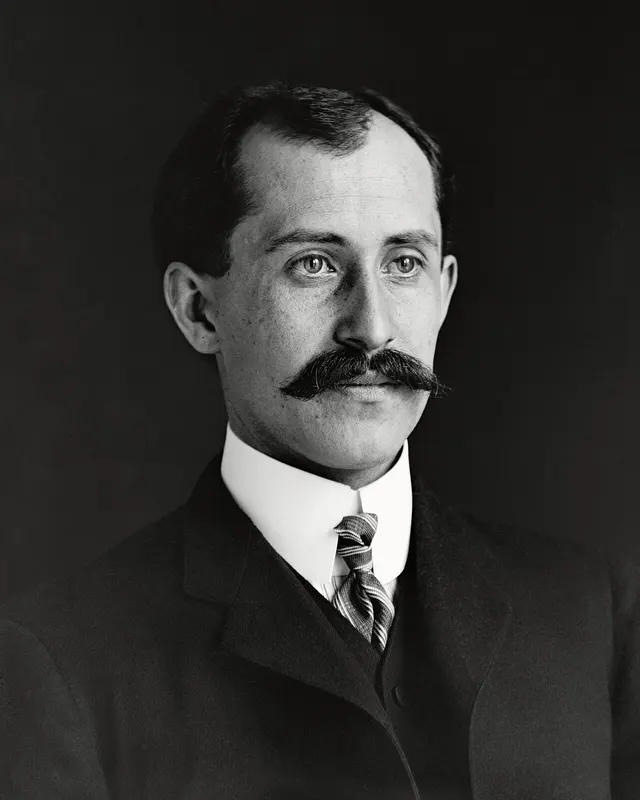
Franklin D. Roosevelt
Image creditLeon Perskie · CC BY 2.0Resized and cropped for display.

Franklin D. Roosevelt

President of the United States through the Depression and the Second World War.

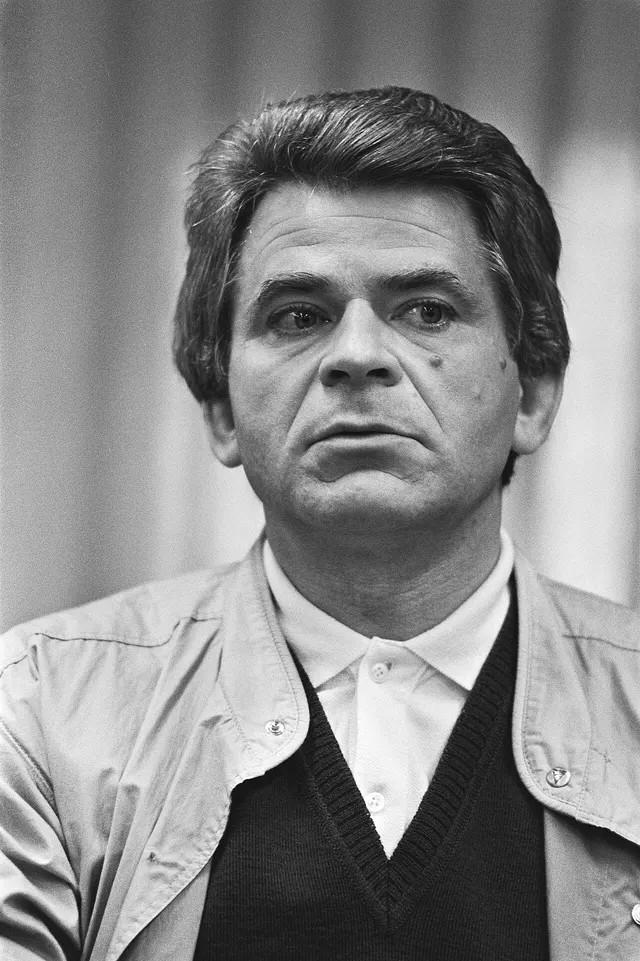
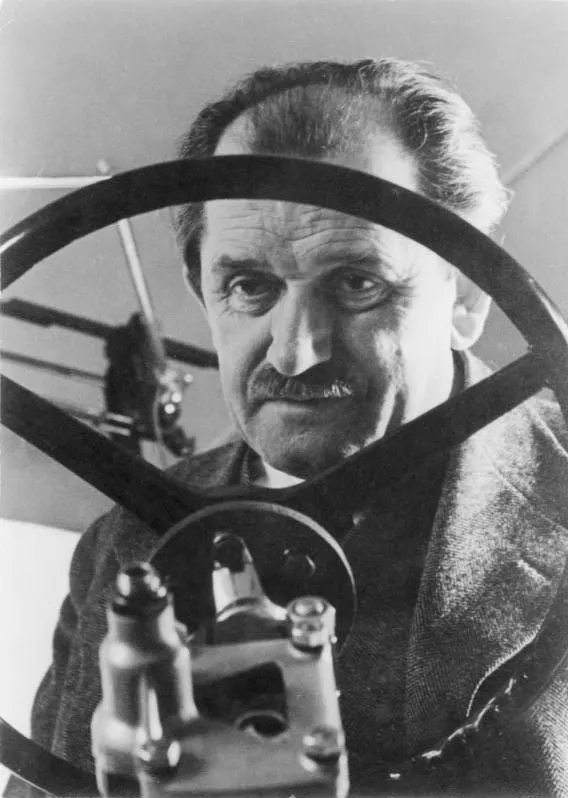
Boris Spassky
Image creditRob Bogaerts for Anefo · CC0Resized and cropped for display.

Boris Spassky

Soviet chess world champion who lost his title to Bobby Fischer in 1972.

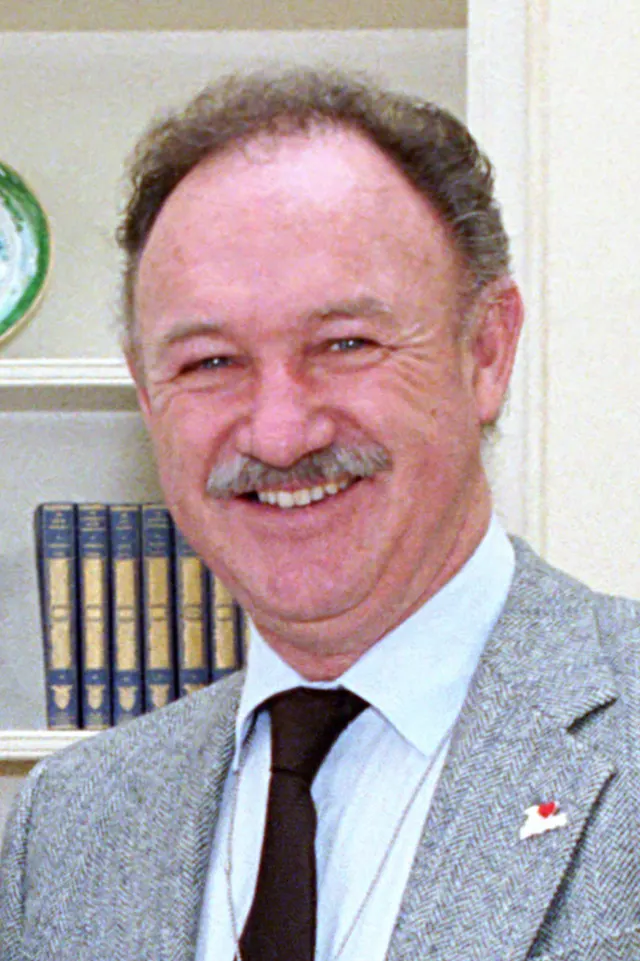
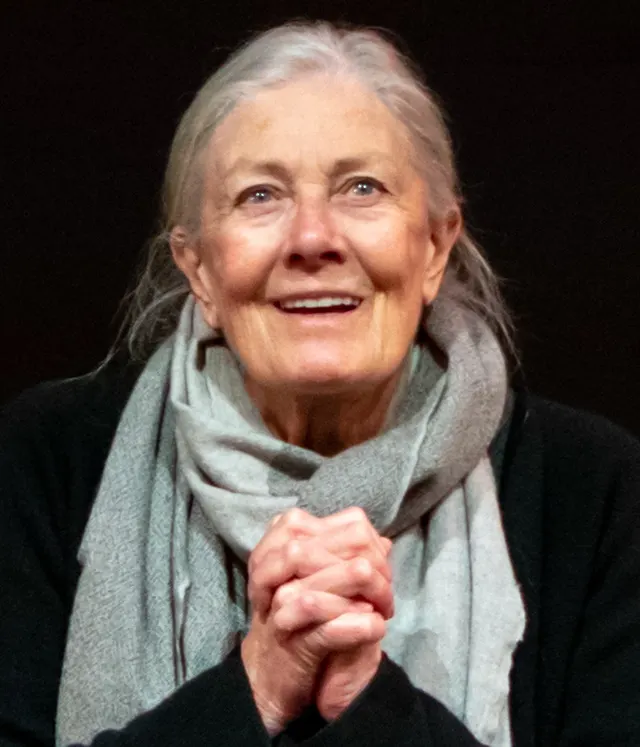
Vanessa Redgrave
Image creditRaph_PH · CC BY 2.0Resized and cropped for display.

Vanessa Redgrave

English stage and screen actor, winner of an Oscar for Julia.

◉
IDEAS THAT CHANGED THINGS

Firsts, Science & Discoveries

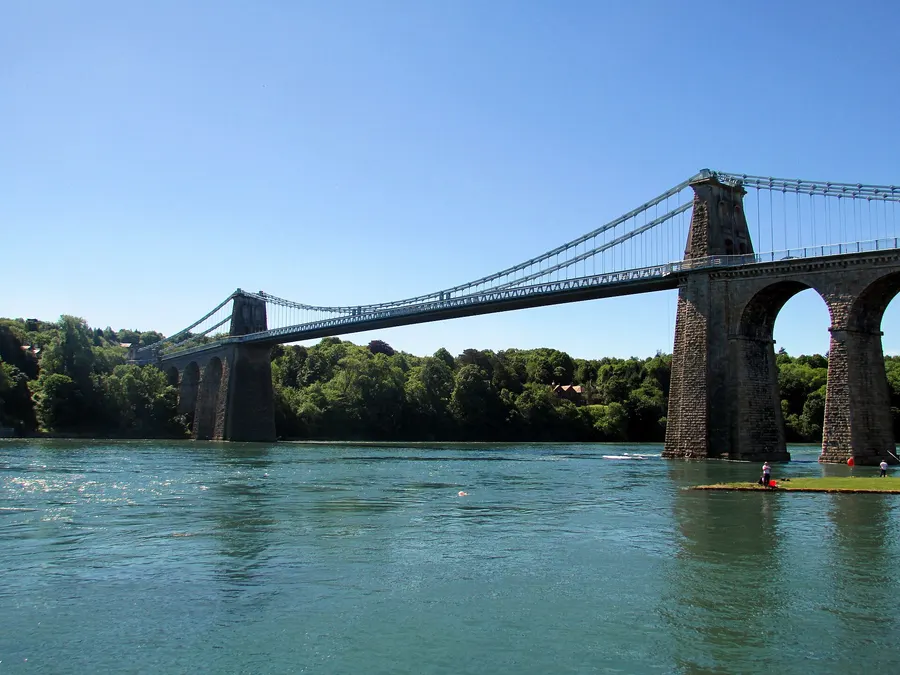
Thomas Telford's Menai Suspension Bridge between mainland Wales and Anglesey.
Thomas Telford’s Menai Suspension Bridge between mainland Wales and Anglesey.
Image creditReading Tom from Reading, UK · CC BY 2.0Resized and cropped for display.

The Menai Suspension Bridge is completed

The road from London to Holyhead, the port for Dublin, ended at the Menai Strait, where travellers had to cross to Anglesey by ferry through dangerous currents. The engineer Thomas Telford was asked to improve the whole route and designed a bridge high enough for the tall ships of the Royal Navy to pass beneath.

His iron suspension bridge, hung from sixteen great chains with a span of 579 feet and 100 feet of clearance above the water, was completed on 30 January 1826. It was the longest suspension bridge in the world at the time, and it is still in use.

Read the full storyHistory & Timeline →Source: Welsh Government: iconic Menai Suspension Bridge marks 200th anniversary ↗
♫
MUSIC • FILM • BOOKS • CULTURE

Culture Stories

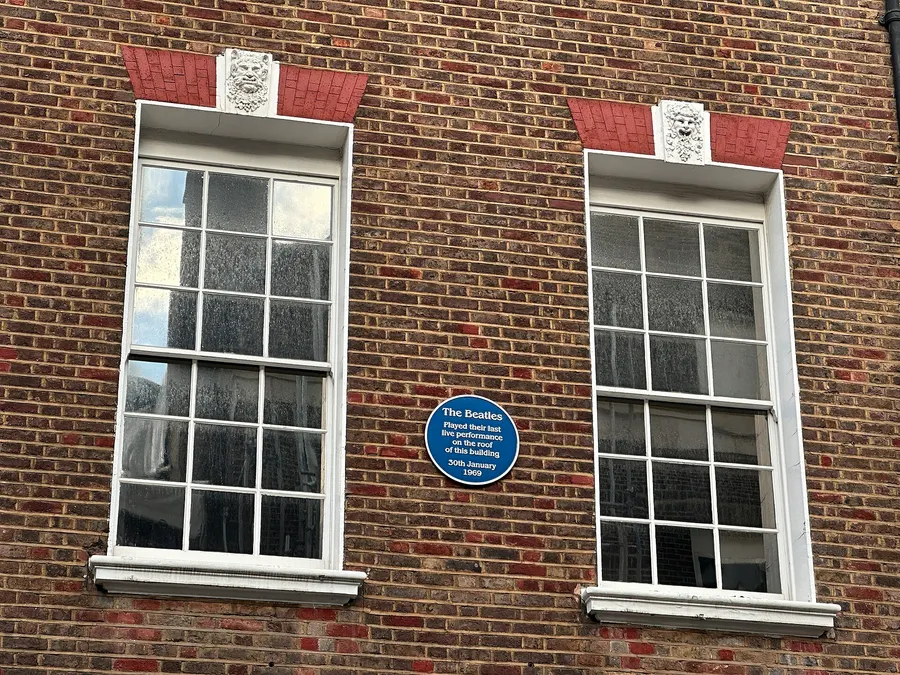
The plaque at 3 Savile Row, London, where the Beatles played on the roof on 30 January 1969.
Image creditMatt Brown · CC BY 2.0Resized and cropped for display.

The Beatles play their last concert, on a London rooftop

The Beatles had not played a concert since 1966. In January 1969 they were being filmed rehearsing new songs, and after arguing about where to end the project with a live show, they decided at short notice to play on the roof of their company, Apple, at 3 Savile Row in London.

At lunchtime on 30 January 1969, with Billy Preston on keyboards, they played for about 42 minutes, including Get Back, Don’t Let Me Down and I’ve Got a Feeling, while office workers crowded the neighbouring roofs and the street below. Police arrived after complaints about the noise and the set came to an end. It was the band’s last public performance.

Read the full storyHistory & Timeline →Source: The Beatles (official site): 30 January 1969, the Beatles play their legendary rooftop gig ↗
✦
LIVES REMEMBERED

Remembered Today

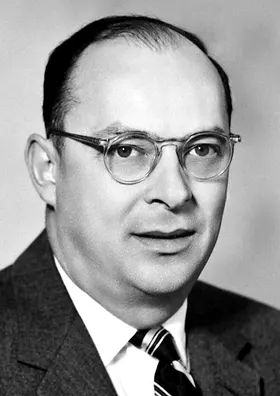
John Bardeen
Image creditNobel foundation · Public domainResized and cropped for display.

John Bardeen

American physicist who shared two Nobel Prizes, for the transistor and for superconductivity.

☉
AROUND THE WORLD

Observances & Anniversaries

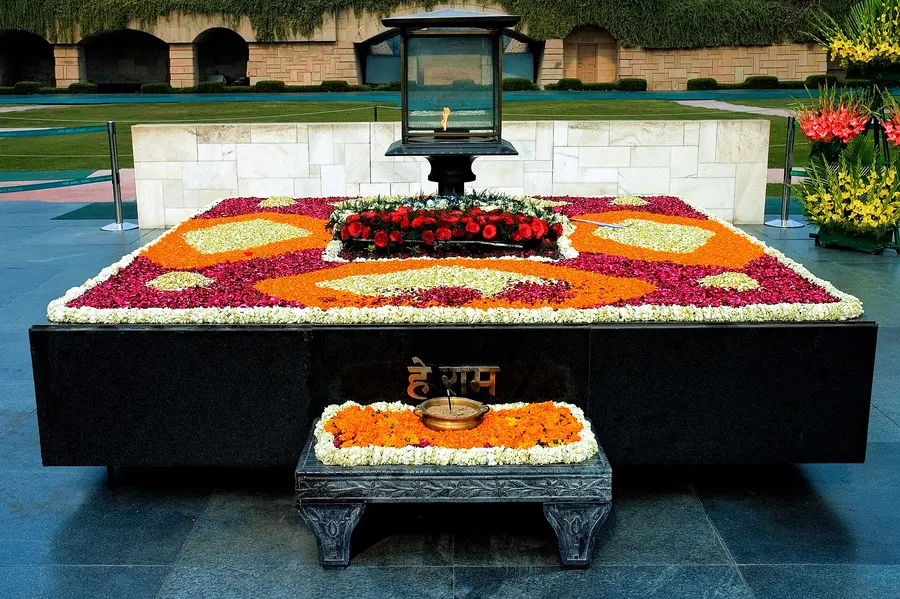
Raj Ghat in Delhi, the memorial marking the place of Gandhi's cremation.
Raj Ghat in Delhi, the memorial marking the place of Gandhi’s cremation.
Image creditHumayunn Niaz Ahmed Peerzaada from Mumbai, India · CC BY-SA 2.0Resized and cropped for display.

Martyrs’ Day in India

On the anniversary of Gandhi’s assassination India remembers those who gave their lives for the country’s freedom. The president, vice-president and prime minister lay wreaths at Raj Ghat, and at 11 in the morning the country is asked to keep two minutes’ silence.

Source: Ministry of Home Affairs, Government of India: observance of silence on 30 January, Martyrs’ Day ↗
HISTORY & TIMELINE

Finished the highlights?

Follow 30 January chronologically, from the Middle Ages to the modern day, with 10 verified events and the sources behind them.

This day through time →