Explore 4 February

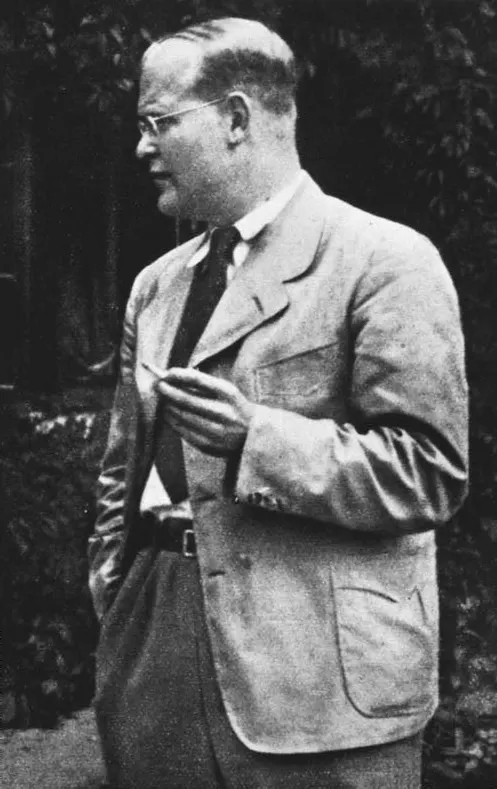
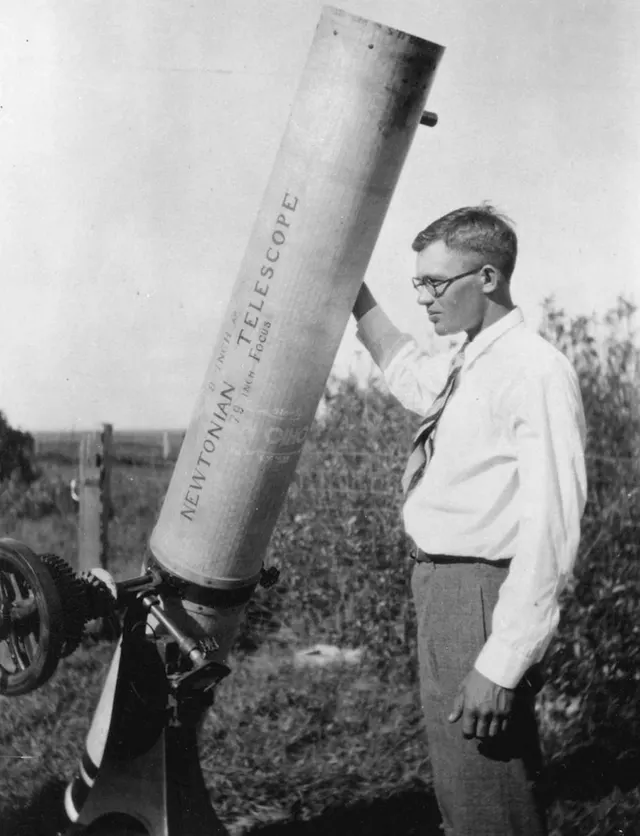
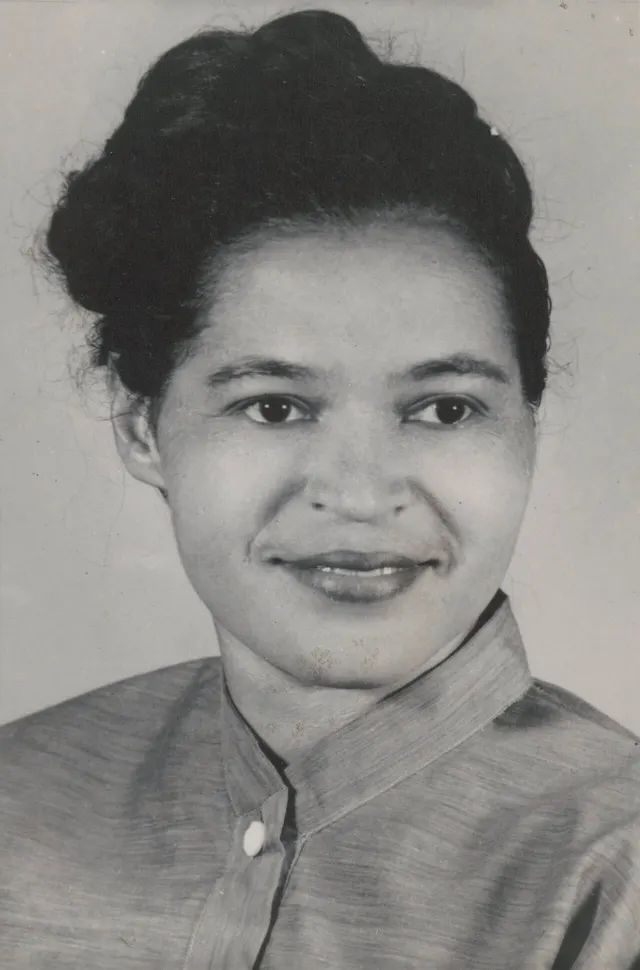
Explore 4 February: America’s electors choose George Washington as the first president, revolutionary France abolishes slavery in its colonies, Churchill, Roosevelt and Stalin meet at Yalta and Ceylon becomes independent. Meet Rosa Parks, Charles Lindbergh and Dietrich Bonhoeffer, born on 4 February.

This day through time →8 verified events across 3 eras

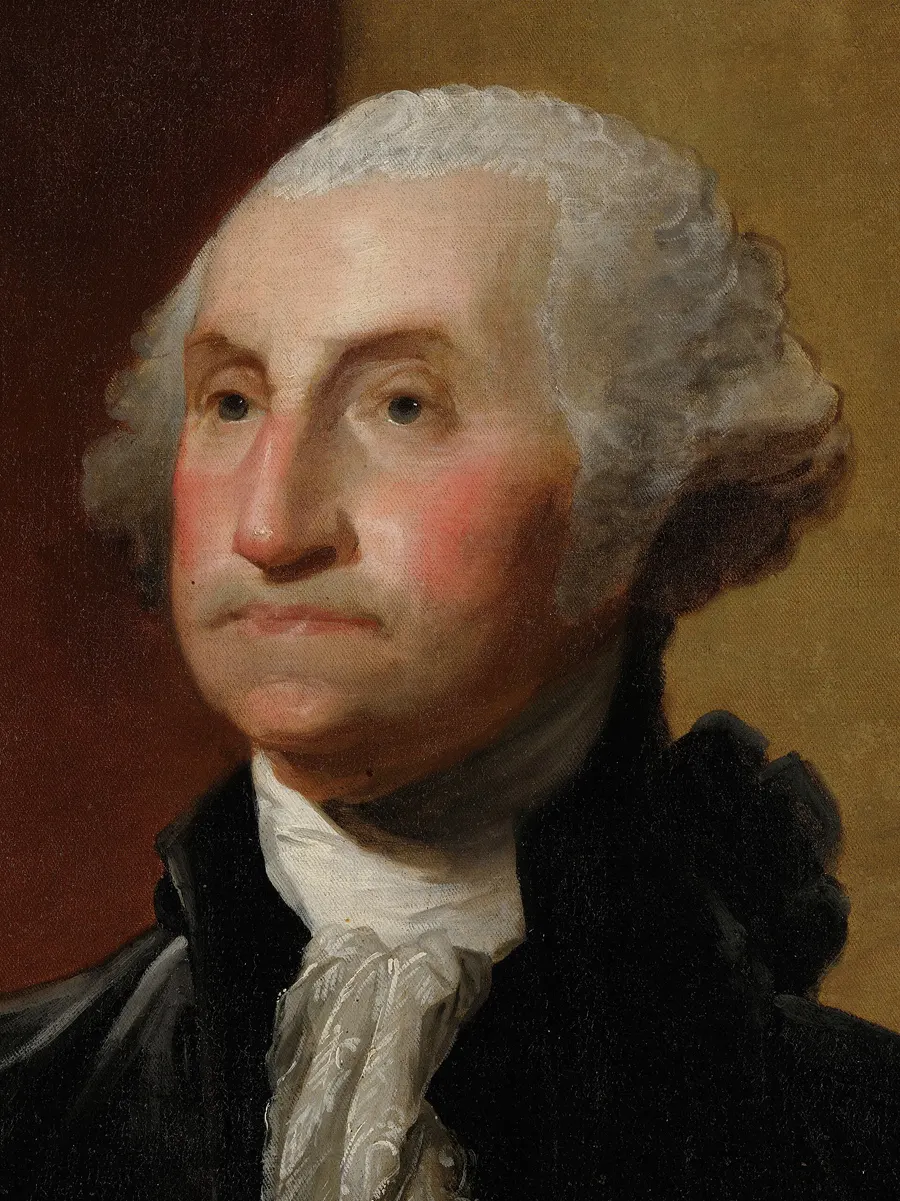
George Washington, a detail from Gilbert Stuart's portrait.
George Washington, a detail from Gilbert Stuart’s portrait.
Image creditGilbert Stuart · Public domainResized and cropped for display.

America’s electors choose George Washington as the first president

The new Constitution of the United States created a president chosen not directly by the voters but by electors from each state. Everyone expected the office to go to George Washington, the commander who had won the War of Independence and presided over the convention that wrote the Constitution.

On 4 February 1789 the electors met in their states and cast their ballots. Every one of the 69 voted for Washington, the only time a president has been elected unanimously; John Adams came second and became vice-president. The votes could not be counted until Congress gathered enough members in April, and Washington took the oath of office in New York on 30 April.

Read the full storyHistory & Timeline →Source: George Washington’s Mount Vernon: presidential election of 1789 ↗
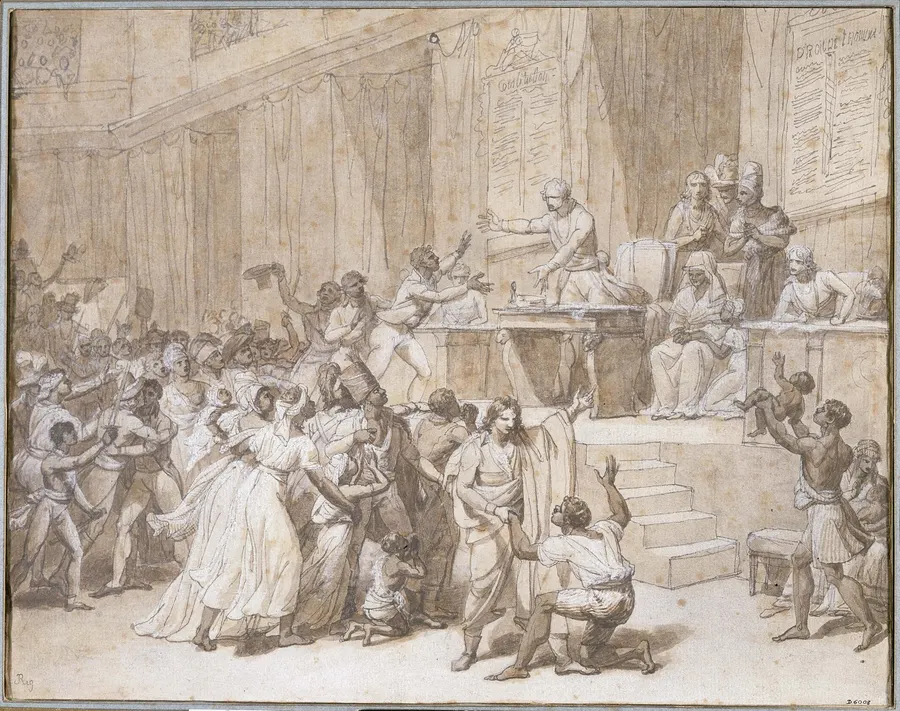
The abolition of slavery proclaimed at the Convention, a drawing attributed to Nicolas-André Monsiau.
Image creditAttribué à Monsiaux ou Monsiau, Nicolas-André (Paris, en 1754 - Paris, 31–05–1837), dessinateur · CC0Resized and cropped for display.

Revolutionary France abolishes slavery in its colonies

France’s Caribbean colonies, above all Saint-Domingue, were worked by hundreds of thousands of enslaved Africans. In 1791 they rose in revolt, and by 1793 the French commissioners on the island had freed the enslaved people there to win them to the Republic’s side against Britain and Spain.

The day before, deputies from Saint-Domingue, among them the formerly enslaved Jean-Baptiste Belley, had taken their seats in the National Convention in Paris. On 4 February 1794, 16 Pluviôse Year II in the revolutionary calendar, the Convention voted to abolish slavery in all French colonies and to make all their men citizens. It was the first abolition of its kind, but it was never applied in some colonies, and Napoleon restored slavery in 1802. France finally ended it in 1848.

Read the full storyHistory & Timeline →Source: Assemblée nationale: Dufay and Danton, 4 February 1794 ↗
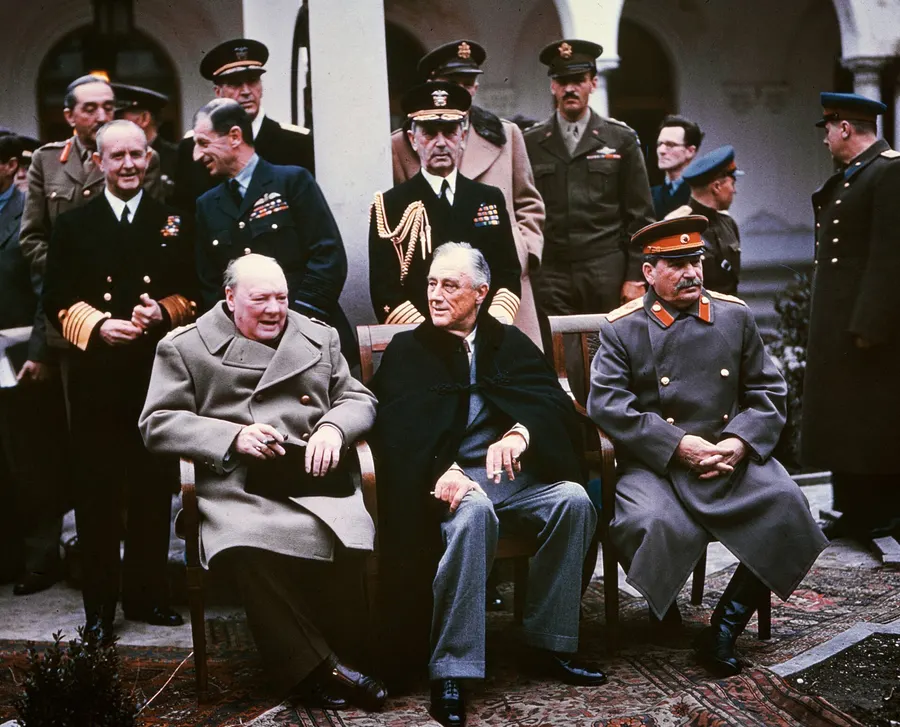
Winston Churchill, Franklin Roosevelt and Joseph Stalin at Yalta, February 1945, with their military and diplomatic staff behind them.
Image creditPhotograph from the Army Signal Corps Collection in the U.S. National Archives. · Public domainResized and cropped for display.

Churchill, Roosevelt and Stalin meet at Yalta

By early 1945 Germany was close to defeat, with Soviet armies less than a hundred miles from Berlin. The leaders of the three main Allied powers needed to agree how to finish the war and what should follow it.

They met at the Livadia Palace, near Yalta in Crimea, where the first full session opened on 4 February 1945. Over a week they agreed to divide Germany into zones of occupation, to hold a conference to found the United Nations, and that the Soviet Union would join the war against Japan after Germany surrendered. Stalin promised free elections in Poland and the rest of liberated Eastern Europe, a promise that was not kept, and Yalta became a byword for the division of Europe in the Cold War.

Read the full storyHistory & Timeline →Source: US Department of State, Office of the Historian: the Yalta Conference, 4-11 February 1945 ↗
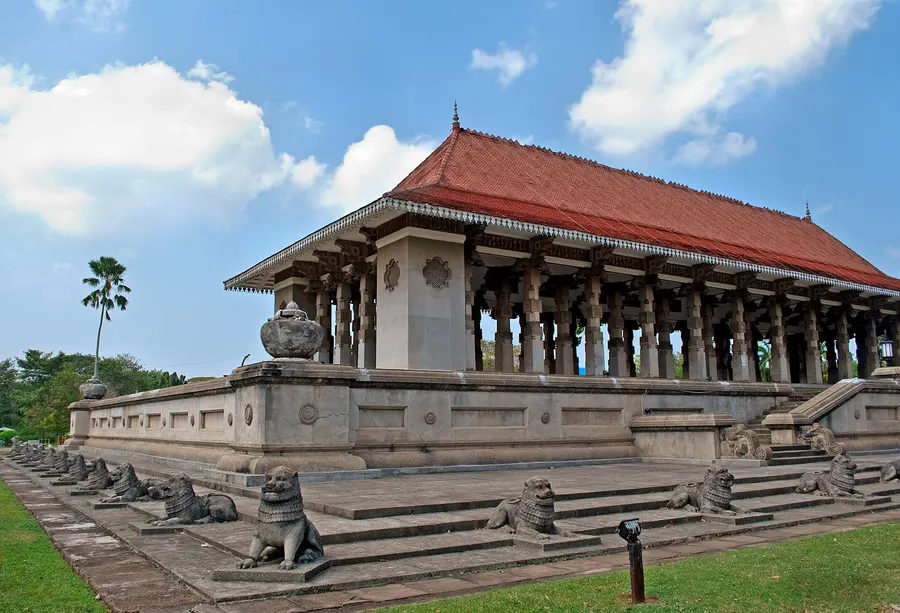
The Independence Memorial Hall in Colombo, built to commemorate the independence of 1948.
Image creditCharaka Ranasinghe · CC BY 2.0Resized and cropped for display.

Ceylon becomes independent

The island of Ceylon had been ruled by the Portuguese, the Dutch and, from 1796, the British, who built its tea and rubber plantations. Unlike India, it won its freedom largely through negotiation, and in 1931 it became one of the first colonies to give every adult the vote.

On 4 February 1948 a new constitution came into force and Ceylon became an independent dominion within the Commonwealth, with D. S. Senanayake as its first prime minister and the British monarch as head of state. The country became a republic in 1972 and took the name Sri Lanka. 4 February is kept as its Independence Day.

Read the full storyHistory & Timeline →Source: Department of National Archives of Sri Lanka: dominion status ↗
♙
PEOPLE

Born Today

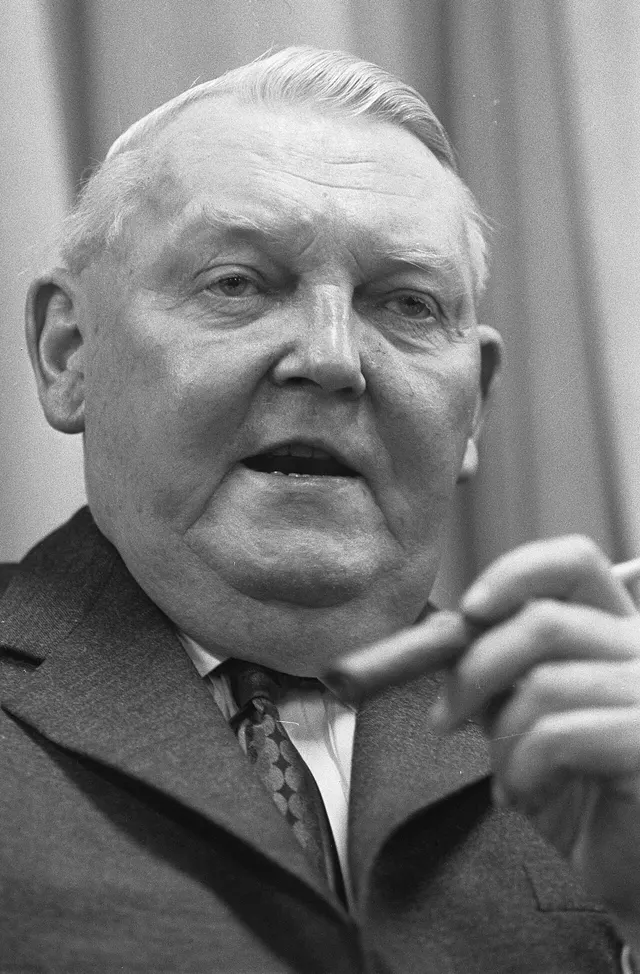
Ludwig Erhard
Image creditEric Koch for Anefo · CC0Resized and cropped for display.

Ludwig Erhard

Economics minister behind West Germany’s post-war ‘economic miracle’, later chancellor.

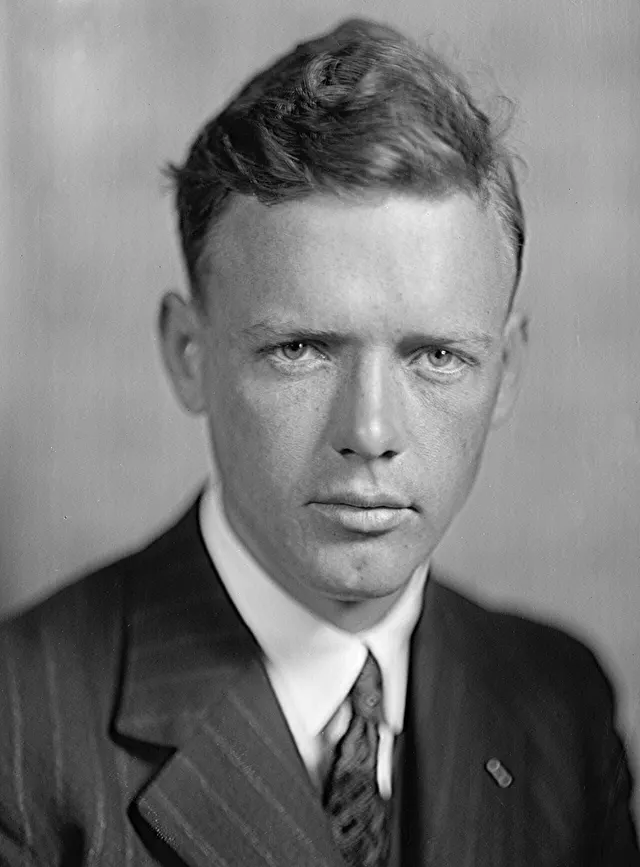
Charles Lindbergh
Image creditHarris & Ewing · Public domainResized and cropped for display.

Charles Lindbergh

American aviator who made the first solo non-stop flight across the Atlantic in 1927.

☆
SPORTING HISTORY

Sporting Moments

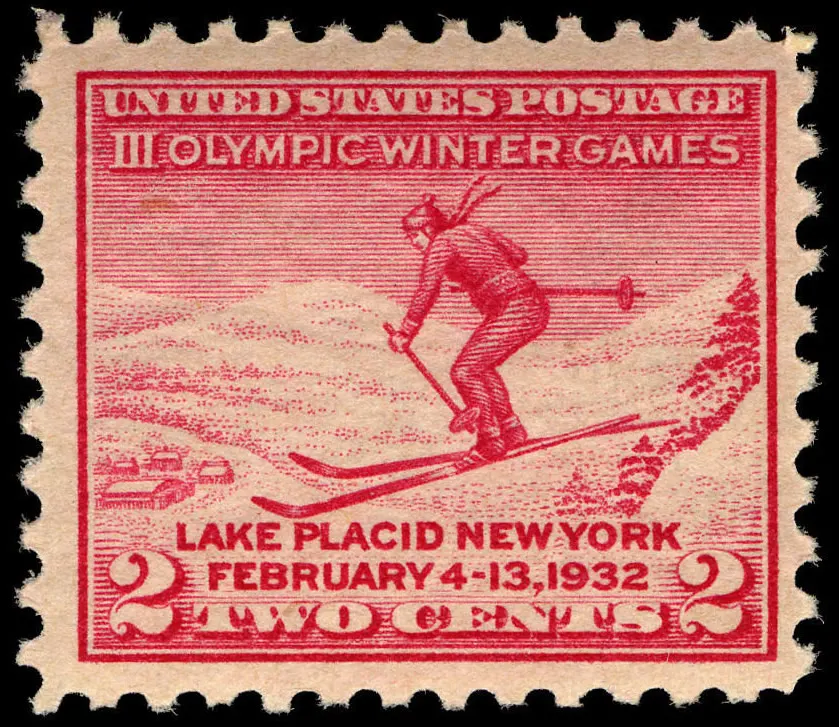
The two-cent US stamp issued for the III Olympic Winter Games at Lake Placid, 1932.
Image creditBureau of Engraving and Printing · Public domainResized and cropped for display.

The Winter Olympics open at Lake Placid

Lake Placid, a village in the Adirondack mountains of New York State, won the third Winter Olympics against bigger rivals, largely thanks to the energy of a local doctor, Godfrey Dewey. The Great Depression made the journey too costly for many teams.

The Games were opened on 4 February 1932 by the governor of New York, Franklin D. Roosevelt. Only 17 nations took part, and more than half of the roughly 250 athletes came from the United States and Canada. It was the first Winter Games to put medal winners on a podium.

Read the full storyHistory & Timeline →Source: Olympics.com: Lake Placid 1932 ↗
✦
LIVES REMEMBERED

Remembered Today

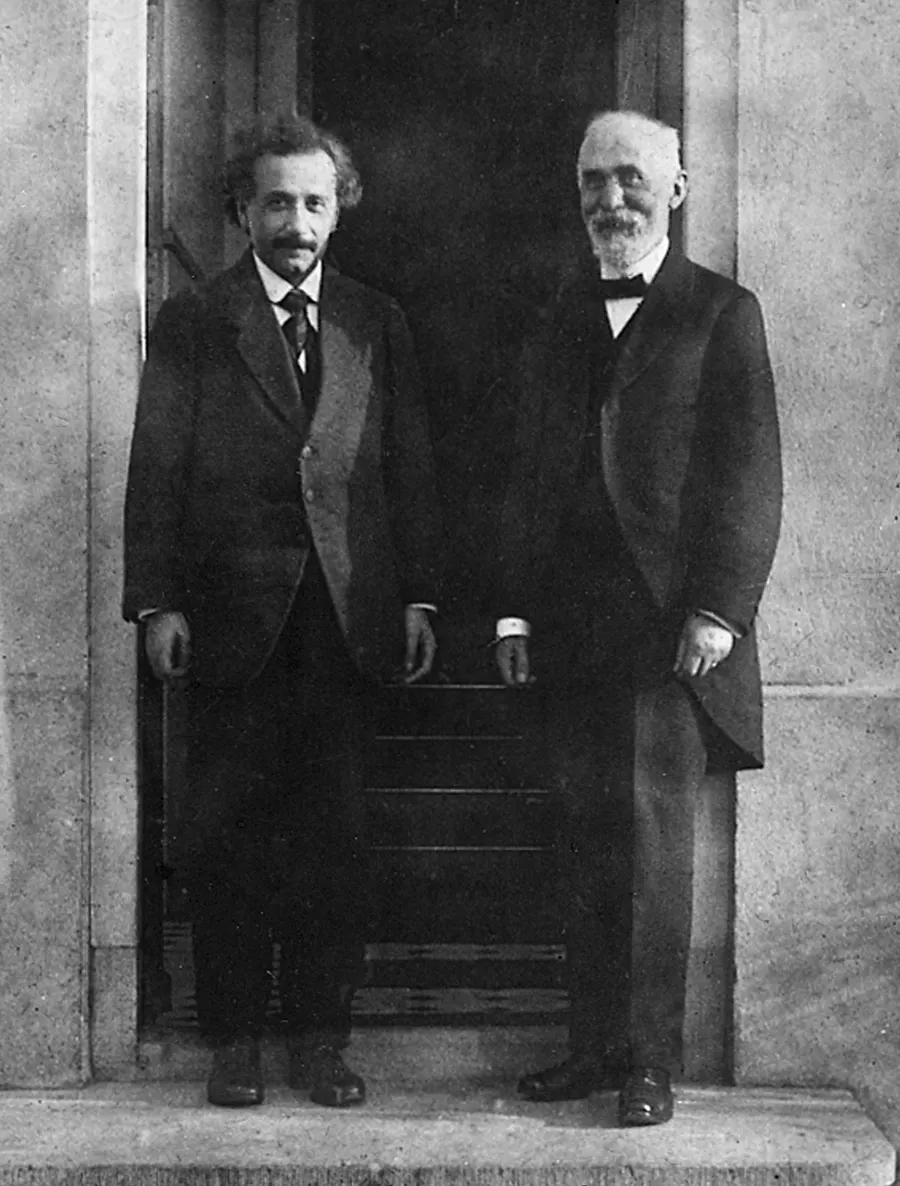
Hendrik Lorentz
Image creditPaul Ehrenfest · Public domainResized and cropped for display.

Hendrik Lorentz

Dutch physicist whose work on electrons and light paved the way for relativity; Nobel laureate 1902.

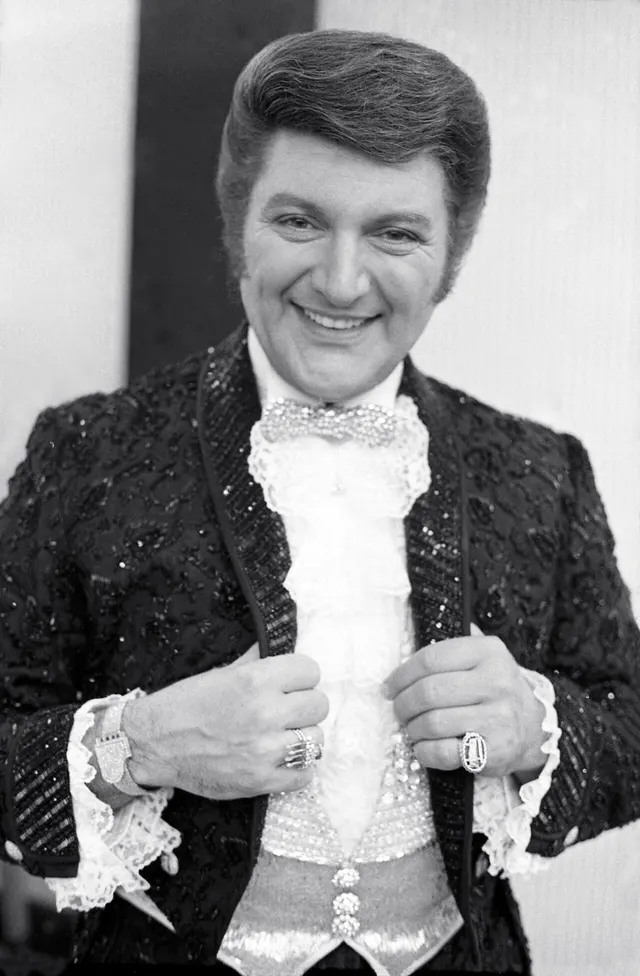
Liberace
Image creditAllan warren · CC BY-SA 3.0Resized and cropped for display.

Liberace

American pianist and showman famed for his glittering costumes.

☉
AROUND THE WORLD

Observances & Anniversaries

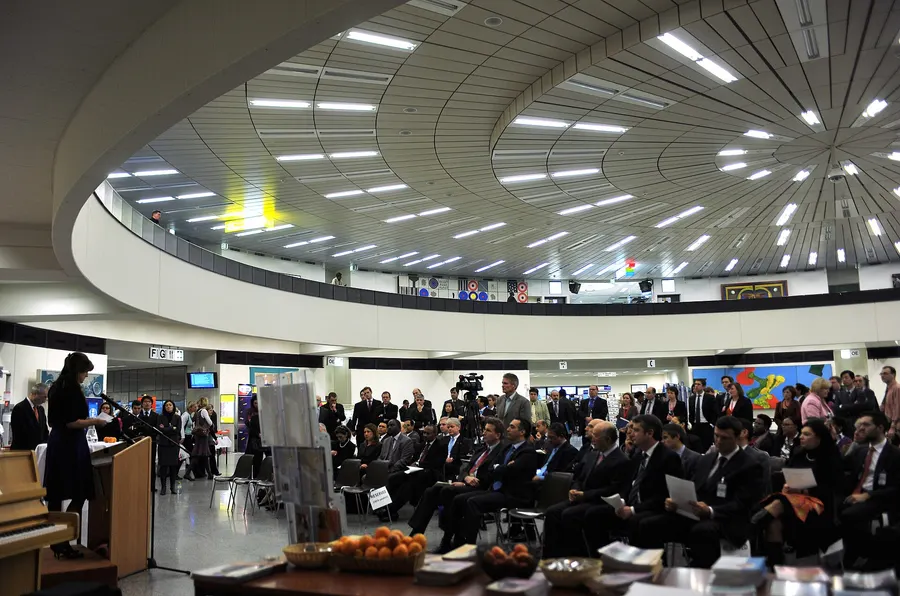
A World Cancer Day event at the Vienna International Centre, hosted by the International Atomic Energy Agency, 2011.
Image creditIAEA Imagebank · CC BY-SA 2.0Resized and cropped for display.

World Cancer Day

Led by the Union for International Cancer Control since 2000, World Cancer Day on 4 February asks governments and people everywhere to do more to prevent cancer, find it early and treat it well. Hundreds of events take place each year, in hospitals, schools, parks and online.

Source: Union for International Cancer Control: World Cancer Day ↗
HISTORY & TIMELINE

Finished the highlights?

Follow 4 February chronologically, from the Middle Ages to the modern day, with 8 verified events and the sources behind them.

This day through time →