
HISTORY & TIMELINE
4 February

A journey through
4 February in history

The fourth day of February has seen the Southern states meet to found the Confederacy, the first shots of the Philippine-American War, the opening of the Lake Placid Winter Olympics and a great earthquake in Guatemala. This timeline follows 4 February from the eighteenth century to the twentieth.

JUMP THROUGH TIME
III
A CHANGING WORLD

Early Modern Era

Exploration, political change, scientific development and expanding global connections.

1789
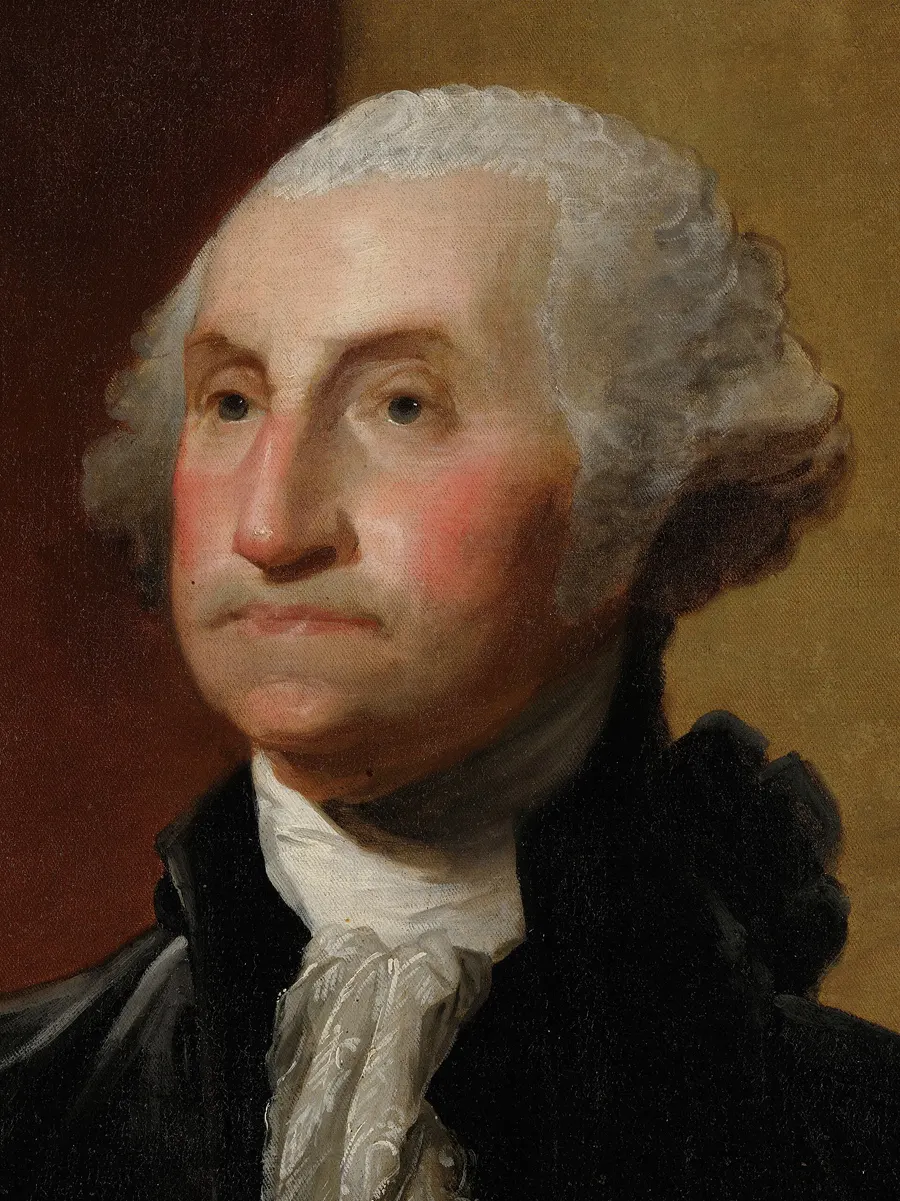
George Washington, a detail from Gilbert Stuart's portrait.George Washington, a detail from Gilbert Stuart’s portrait.Image: Gilbert Stuart · Public domain
politics · Americas

America’s electors choose George Washington as the first president

The new Constitution of the United States created a president chosen not directly by the voters but by electors from each state. Everyone expected the office to go to George Washington, the commander who had won the War of Independence and presided over the convention that wrote the Constitution. On 4 February 1789 the electors met in their states and cast their ballots. Every one of the 69 voted for Washington, the only time a president has been elected unanimously; John Adams came second and became vice-president. The votes could not be counted until Congress gathered enough members in April, and Washington took the oath of office in New York on 30 April.

Source: George Washington’s Mount Vernon: presidential election of 1789 ↗
1794
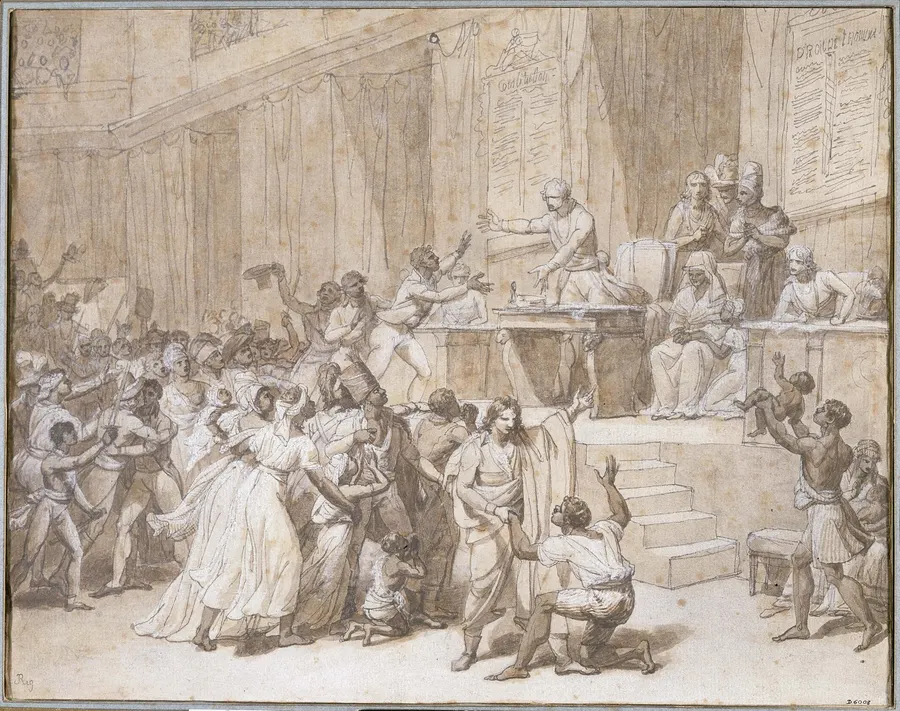
The abolition of slavery proclaimed at the Convention, a drawing attributed to Nicolas-André Monsiau.The abolition of slavery proclaimed at the Convention, a drawing attributed to Nicolas-André Monsiau.Image: Attribué à Monsiaux ou Monsiau, Nicolas-André (Paris, en 1754 - Paris, 31–05–1837), dessinateur · CC0
world · Europe

Revolutionary France abolishes slavery in its colonies

France’s Caribbean colonies, above all Saint-Domingue, were worked by hundreds of thousands of enslaved Africans. In 1791 they rose in revolt, and by 1793 the French commissioners on the island had freed the enslaved people there to win them to the Republic’s side against Britain and Spain. The day before, deputies from Saint-Domingue, among them the formerly enslaved Jean-Baptiste Belley, had taken their seats in the National Convention in Paris. On 4 February 1794, 16 Pluviôse Year II in the revolutionary calendar, the Convention voted to abolish slavery in all French colonies and to make all their men citizens. It was the first abolition of its kind, but it was never applied in some colonies, and Napoleon restored slavery in 1802. France finally ended it in 1848.

Source: Assemblée nationale: Dufay and Danton, 4 February 1794 ↗
IV
THE NINETEENTH CENTURY

The 1800s

Industry, empire, invention, reform and a century of enormous transformation.

1861
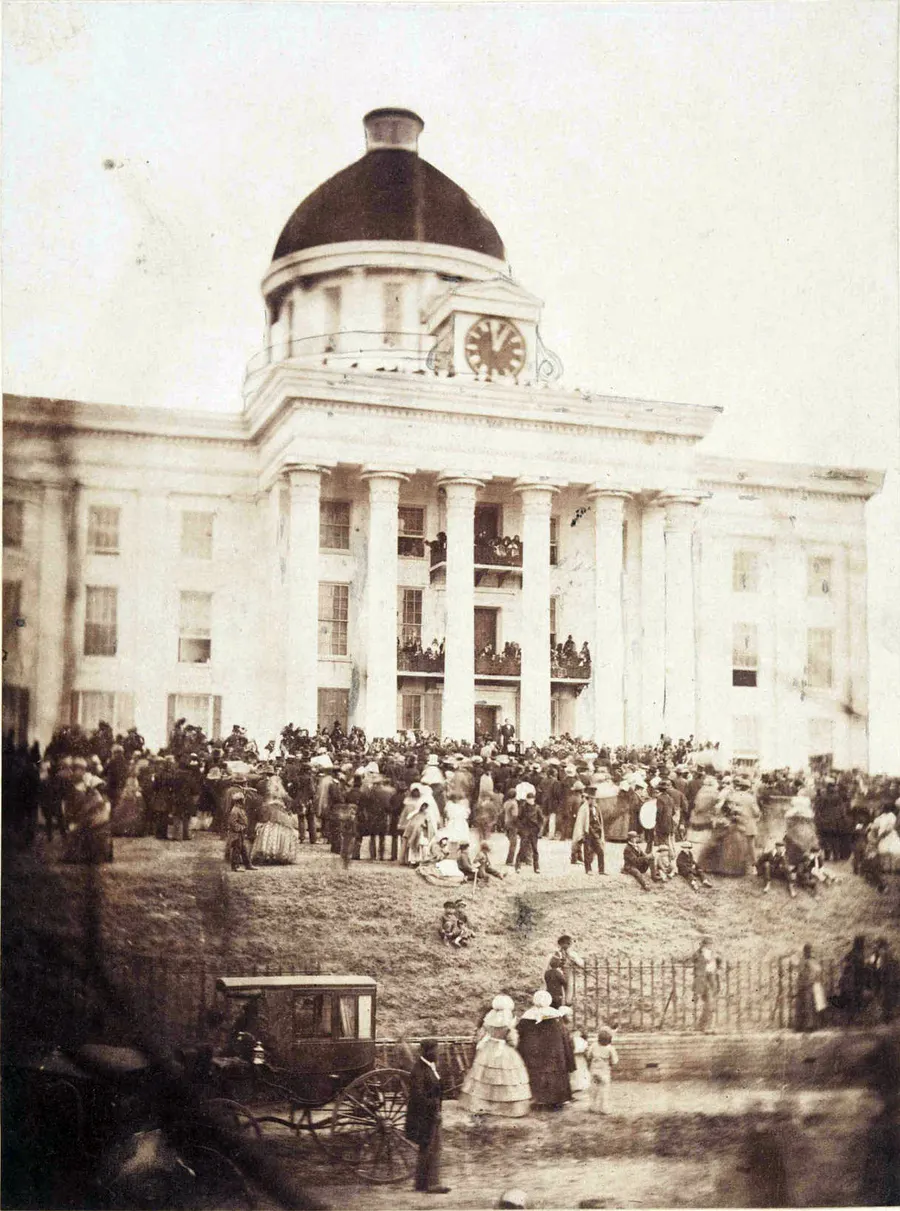
Crowds at the Alabama State Capitol in Montgomery for the inauguration of Jefferson Davis, 18 February 1861.Crowds at the Alabama State Capitol in Montgomery for the inauguration of Jefferson Davis, 18 February 1861.Image: Archibald Crossland McIntyre of Montgomery, Alabama · Public domain
world · Americas

Southern states meet in Montgomery to found the Confederacy

After Abraham Lincoln’s election, seven slave states in the Deep South voted to leave the Union. On 4 February 1861 delegates from six of them gathered in the Alabama State Capitol in Montgomery. Within days they adopted a provisional constitution for the Confederate States of America and chose Jefferson Davis as president. The Civil War began two months later.

Source: US National Park Service: first Confederate capitol, 4 February 1861 ↗
1899
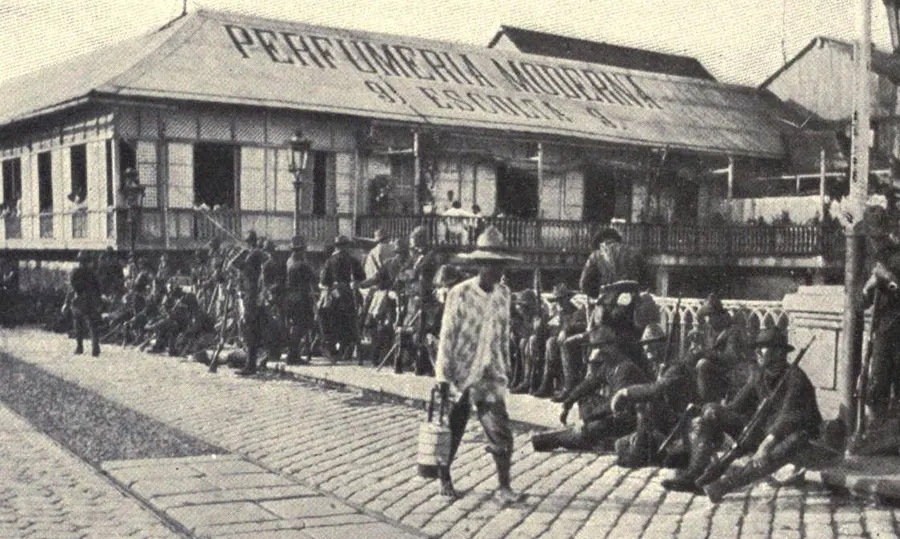
American troops guarding the bridge over the Pasig River in Manila on the afternoon the Spanish surrendered the city, August 1898.American troops guarding the bridge over the Pasig River in Manila on the afternoon the Spanish surrendered the city, August 1898.Image: Unknown authorUnknown author · Public domain
world · Asia

Shots at a Manila bridge start the Philippine-American War

Spain had given the Philippines to the United States at the end of 1898, but the Filipino revolutionaries led by Emilio Aguinaldo had already declared independence. On the night of 4 February 1899 an American sentry near the San Juan bridge on the edge of Manila fired on Filipino soldiers, and fighting spread along the lines. The war that followed lasted until 1902 and cost the lives of some 20,000 Filipino soldiers and as many as 200,000 civilians.

Source: US Department of State, Office of the Historian: the Philippine-American War, 1899-1902 ↗
V
THE TWENTIETH CENTURY

The 1900s

War and peace, technological leaps, social change, politics, sport and popular culture.

1932
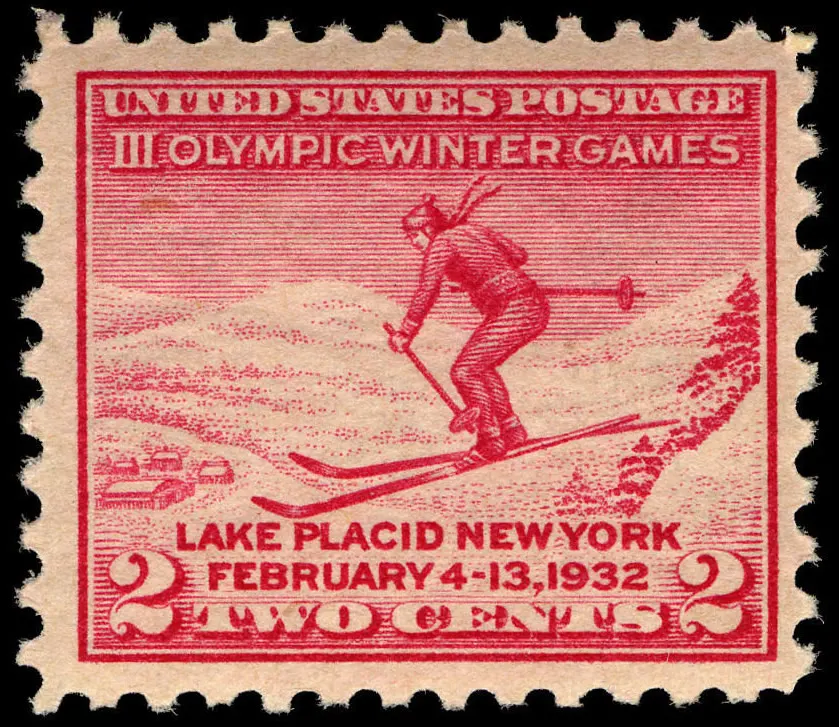
The two-cent US stamp issued for the III Olympic Winter Games at Lake Placid, 1932.The two-cent US stamp issued for the III Olympic Winter Games at Lake Placid, 1932.Image: Bureau of Engraving and Printing · Public domain
sport · Americas

The Winter Olympics open at Lake Placid

Lake Placid, a village in the Adirondack mountains of New York State, won the third Winter Olympics against bigger rivals, largely thanks to the energy of a local doctor, Godfrey Dewey. The Great Depression made the journey too costly for many teams. The Games were opened on 4 February 1932 by the governor of New York, Franklin D. Roosevelt. Only 17 nations took part, and more than half of the roughly 250 athletes came from the United States and Canada. It was the first Winter Games to put medal winners on a podium.

Source: Olympics.com: Lake Placid 1932 ↗
1945
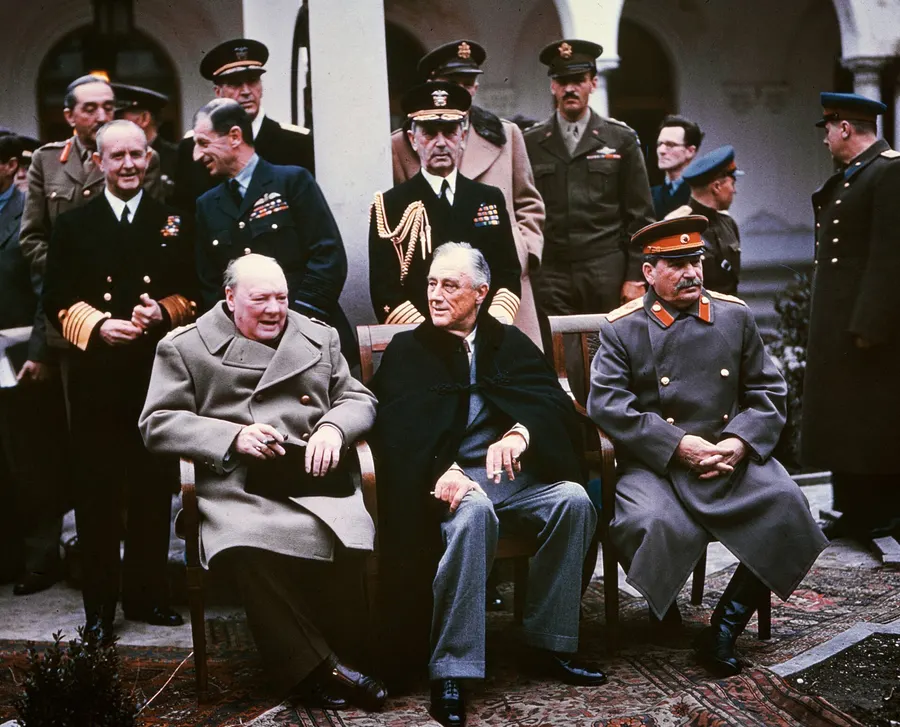
Winston Churchill, Franklin Roosevelt and Joseph Stalin at Yalta, February 1945, with their military and diplomatic staff behind them.Winston Churchill, Franklin Roosevelt and Joseph Stalin at Yalta, February 1945, with their military and diplomatic staff behind them.Image: Photograph from the Army Signal Corps Collection in the U.S. National Archives. · Public domain
world · Europe

Churchill, Roosevelt and Stalin meet at Yalta

By early 1945 Germany was close to defeat, with Soviet armies less than a hundred miles from Berlin. The leaders of the three main Allied powers needed to agree how to finish the war and what should follow it. They met at the Livadia Palace, near Yalta in Crimea, where the first full session opened on 4 February 1945. Over a week they agreed to divide Germany into zones of occupation, to hold a conference to found the United Nations, and that the Soviet Union would join the war against Japan after Germany surrendered. Stalin promised free elections in Poland and the rest of liberated Eastern Europe, a promise that was not kept, and Yalta became a byword for the division of Europe in the Cold War.

Source: US Department of State, Office of the Historian: the Yalta Conference, 4-11 February 1945 ↗
1948
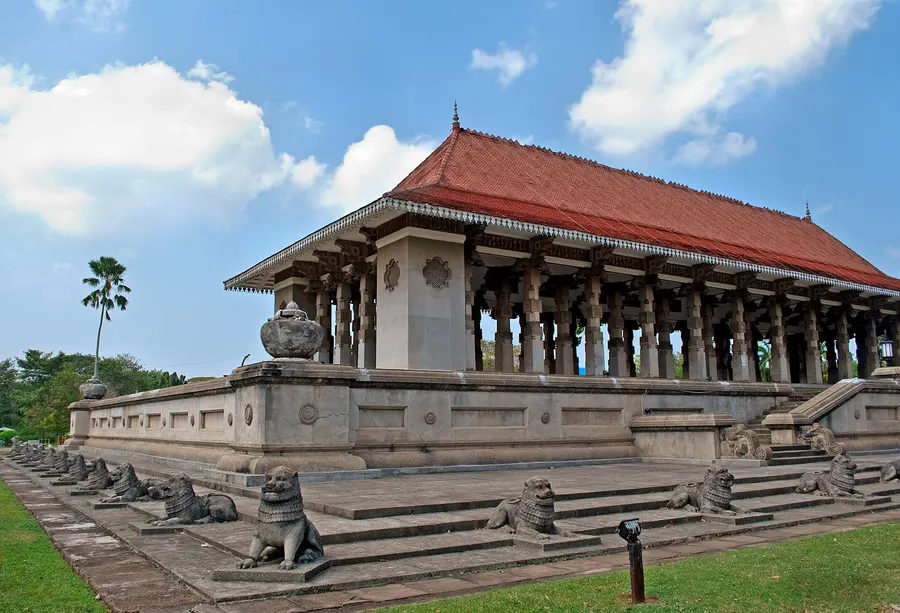
The Independence Memorial Hall in Colombo, built to commemorate the independence of 1948.The Independence Memorial Hall in Colombo, built to commemorate the independence of 1948.Image: Charaka Ranasinghe · CC BY 2.0
politics · Asia

Ceylon becomes independent

The island of Ceylon had been ruled by the Portuguese, the Dutch and, from 1796, the British, who built its tea and rubber plantations. Unlike India, it won its freedom largely through negotiation, and in 1931 it became one of the first colonies to give every adult the vote. On 4 February 1948 a new constitution came into force and Ceylon became an independent dominion within the Commonwealth, with D. S. Senanayake as its first prime minister and the British monarch as head of state. The country became a republic in 1972 and took the name Sri Lanka. 4 February is kept as its Independence Day.

Source: Department of National Archives of Sri Lanka: dominion status ↗
1976
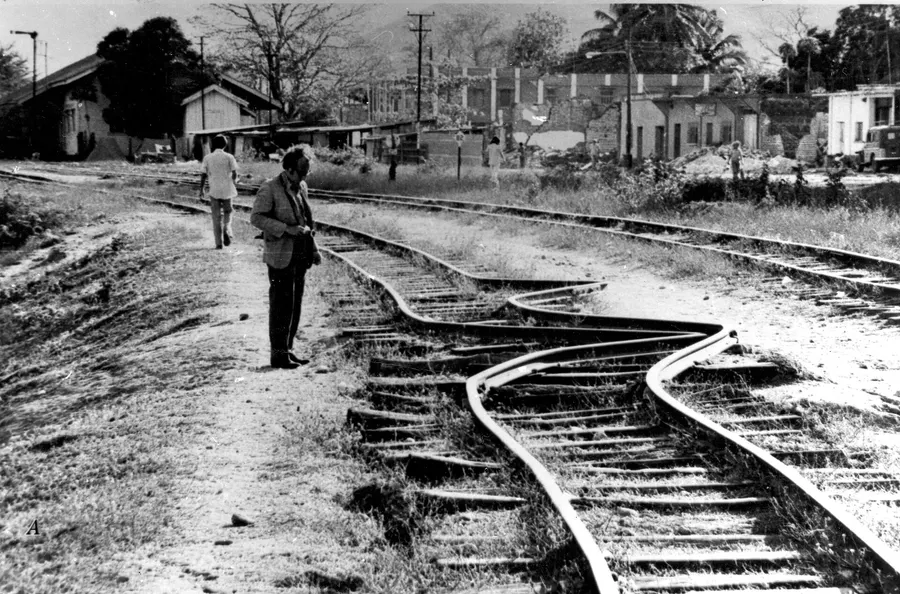
Railway lines bent by the ground shaking at Gualán, Guatemala, 1976 (US Geological Survey).Railway lines bent by the ground shaking at Gualán, Guatemala, 1976 (US Geological Survey).Image: U.S. Geological Survey · Public domain
world · Americas

A great earthquake strikes Guatemala

In the early hours of 4 February 1976 the Motagua fault slipped along more than 200 kilometres, causing a magnitude 7.5 earthquake across Guatemala. Towns of adobe houses collapsed on their sleeping inhabitants: more than 22,000 people died, over 76,000 were injured and about a million were left homeless.

Source: US Geological Survey: the Guatemalan earthquake of February 4, 1976, a preliminary report ↗
WHY THESE MOMENTS?

Significance before volume

This page is not the longest possible list of events. It is a chronological journey through 4 February, where each entry is chosen for historical significance, human interest and reliability.

Facts are checked against authoritative museums, archives, universities and reference works. Where sources disagree, the page says so.

EXPLORED THE DEEPER STORY?

Return to the highlights of 4 February

Discover the lighter side of the date with famous birthdays, culture, firsts and lives remembered.

Explore This Day →
← PREVIOUS DAY3 February
HISTORY & TIMELINE4 February
NEXT DAY →5 February