
HISTORY & TIMELINE
1 February

A journey through
1 February in history

The first day of February has seen slavery abolished in Mauritius, Puccini’s La bohème open in Turin, Trygve Lie chosen as the first head of the United Nations and four students sit down at a whites-only lunch counter in Greensboro. This timeline follows 1 February from the seventeenth century to the twenty-first.

III
A CHANGING WORLD

Early Modern Era

Exploration, political change, scientific development and expanding global connections.

1662
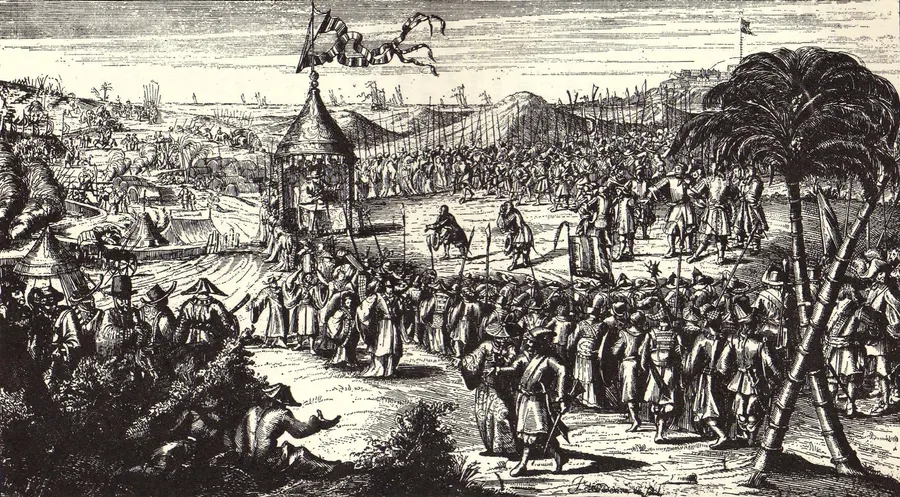
The surrender of Fort Zeelandia on Formosa in 1662, from an engraving by Jan van Baden published in 1675.The surrender of Fort Zeelandia on Formosa in 1662, from an engraving by Jan van Baden published in 1675.Image: Jan van Baden · Public domain
world · Asia

Koxinga drives the Dutch from Taiwan

The Dutch East India Company had ruled part of Taiwan, which Europeans called Formosa, from its stronghold of Fort Zeelandia since the 1620s. Zheng Chenggong, known in the West as Koxinga, was a Chinese commander fighting to restore the fallen Ming dynasty against the new Qing rulers of China, and he needed a secure base. In April 1661 he landed on Taiwan with a force of more than 25,000 men and laid siege to the fort. After nine months, with its garrison worn down by hunger and disease and no relief arriving from Batavia, Fort Zeelandia surrendered on 1 February 1662 on generous terms, and the Dutch sailed away. Koxinga died a few months later, but his family ruled Taiwan until 1683, and he is honoured as a hero on both sides of the Taiwan Strait.

Source: Encyclopaedia Britannica: Zheng Chenggong ↗
IV
THE NINETEENTH CENTURY

The 1800s

Industry, empire, invention, reform and a century of enormous transformation.

1835
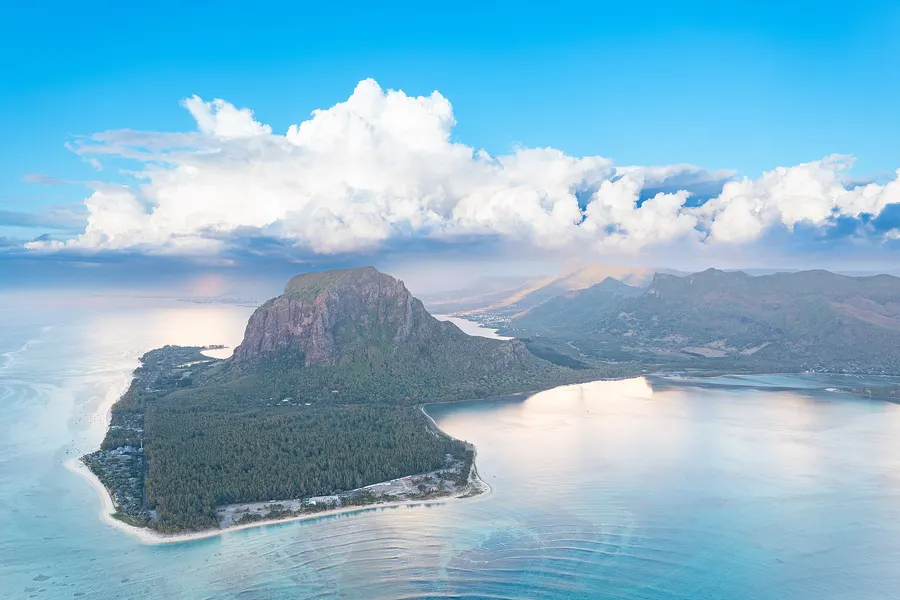
Le Morne Brabant in south-west Mauritius, a refuge for escaped slaves and now a UNESCO World Heritage Site.Le Morne Brabant in south-west Mauritius, a refuge for escaped slaves and now a UNESCO World Heritage Site.Image: "dronepicr" · CC BY 2.0
politics · Africa

Slavery is abolished in Mauritius

The Indian Ocean island of Mauritius was a British colony of sugar plantations worked by enslaved people brought from Madagascar, Mozambique and elsewhere. Under Britain’s Slavery Abolition Act, slavery ended there on 1 February 1835. The planters were paid compensation; the freed people were not, and most had to leave the estates, which then brought in indentured labourers from India. The day is a public holiday in Mauritius, marked at the mountain of Le Morne, where runaway slaves once took refuge.

Source: UNESCO Memory of the World: the slave trade and slavery records in Mauritius (1721-1892) ↗
1896
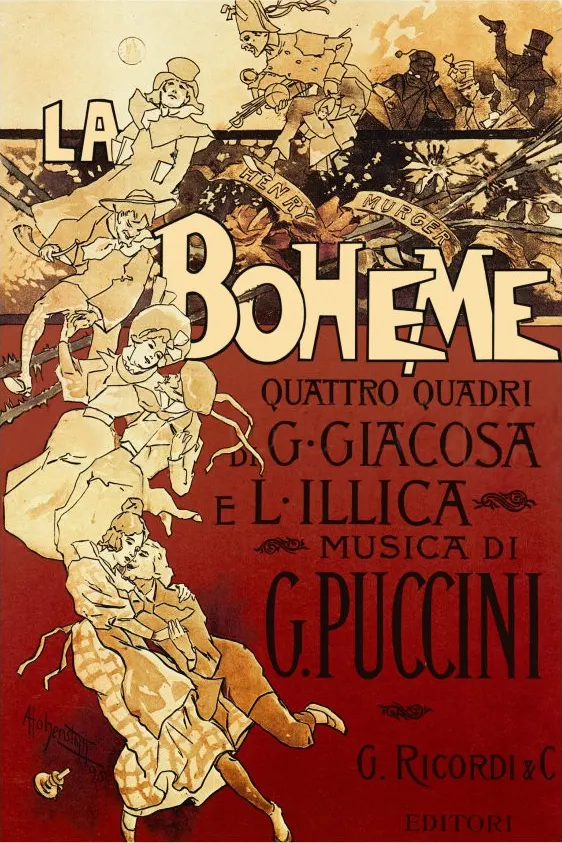
Adolfo Hohenstein's 1896 poster for La bohème, published by Ricordi.Adolfo Hohenstein’s 1896 poster for La bohème, published by Ricordi.Image: Adolfo Hohenstein · Public domain
culture · Europe

Puccini’s La bohème opens in Turin

Giacomo Puccini based his fourth opera on Henri Murger’s stories of poor young artists in the Latin Quarter of Paris: the poet Rodolfo, the painter Marcello and the seamstress Mimì, whose love ends with her death from tuberculosis. It was first performed at the Teatro Regio in Turin on 1 February 1896, conducted by the 29-year-old Arturo Toscanini. The critics were cool, but the audience applauded at length, and La bohème soon became one of the most loved and most often performed operas in the world.

Source: Teatro Regio Torino: La bohème ↗
V
THE TWENTIETH CENTURY

The 1900s

War and peace, technological leaps, social change, politics, sport and popular culture.

1908
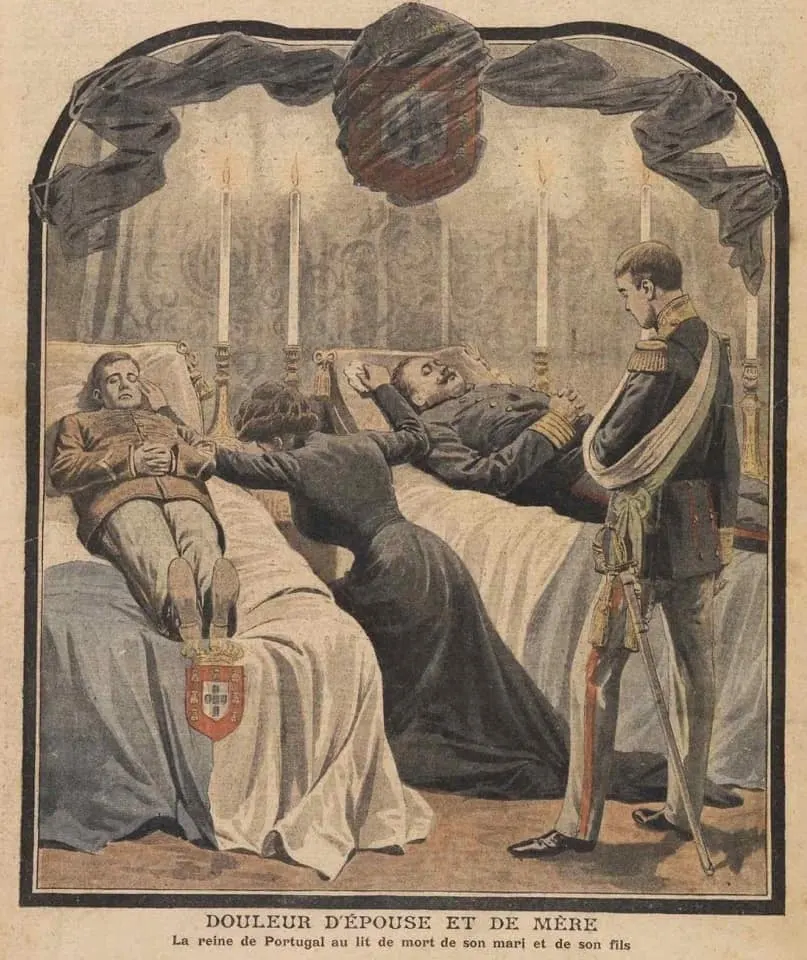
Queen Amélie mourning her husband and son, with the wounded Prince Manuel beside her, on the cover of a French magazine in February 1908.Queen Amélie mourning her husband and son, with the wounded Prince Manuel beside her, on the cover of a French magazine in February 1908.Image: Unknown authorUnknown author · Public domain
politics · Europe

The king of Portugal and his heir are shot in Lisbon

Portugal’s constitutional monarchy was in crisis. In 1906 King Carlos appointed João Franco as prime minister and let him rule without parliament, and republicans and many monarchists alike were outraged. On the afternoon of 1 February 1908 the royal family was driving in an open carriage through the Terreiro do Paço, Lisbon’s great square by the river, when gunmen opened fire. The king was killed at once and his heir, Luís Filipe, was mortally wounded; his younger son Manuel was hit in the arm. Manuel II reigned for only two years before a revolution in October 1910 made Portugal a republic.

Source: Encyclopaedia Britannica: Charles, king of Portugal ↗
1946
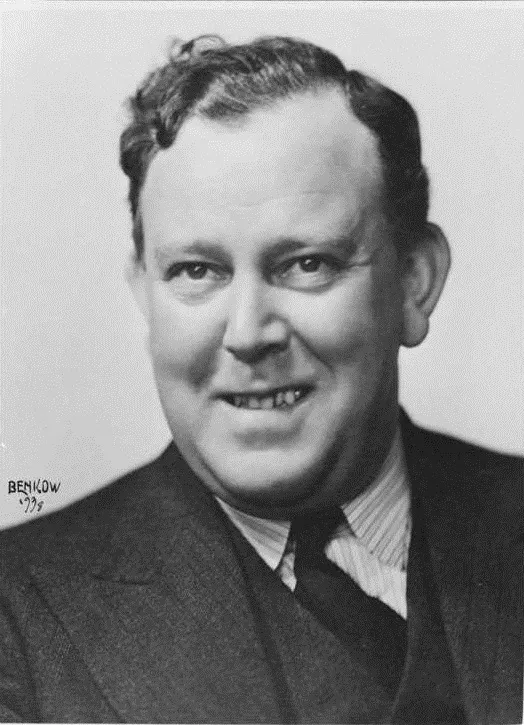
Trygve Lie, photographed in 1938.Trygve Lie, photographed in 1938.Image: atelier Benkow · CC BY-SA 3.0
politics · Global

Trygve Lie is chosen as the first head of the United Nations

The Norwegian foreign minister Trygve Lie led his country’s delegation to the first session of the United Nations General Assembly in London. On 1 February 1946 the Assembly elected him the first Secretary-General of the UN for a five-year term. He built up the organisation’s staff and its new headquarters in New York, but his support for UN action in the Korean War angered the Soviet Union, and he resigned in 1952.

Source: United Nations: selection and appointment of Trygve Halvdan Lie ↗
1960
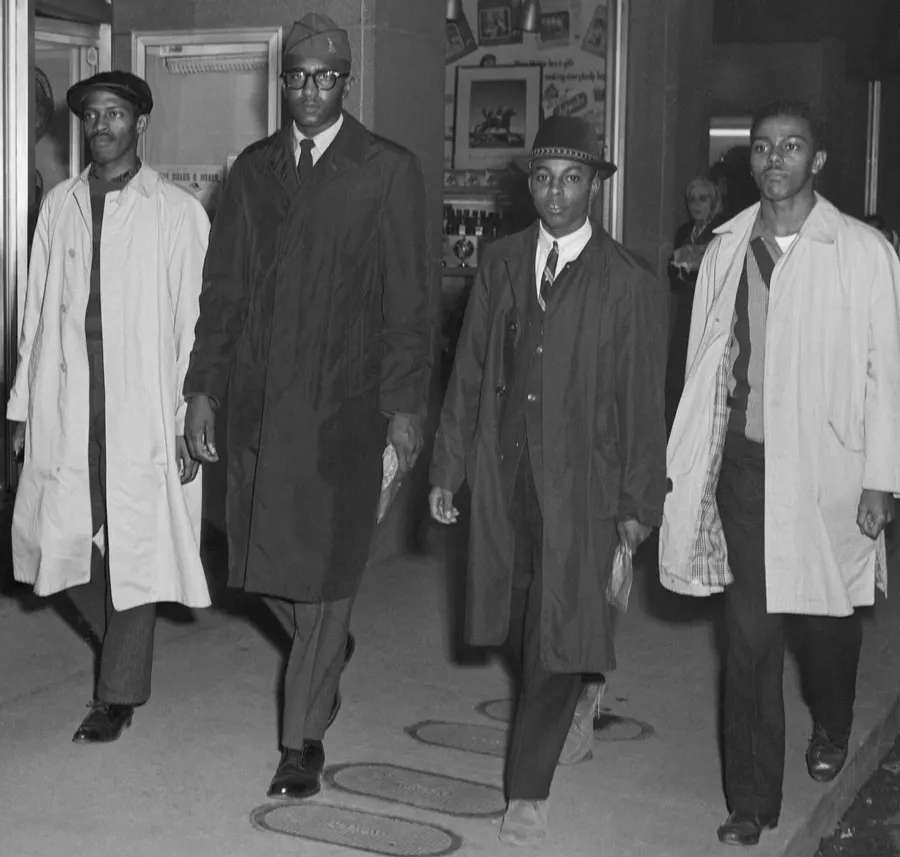
The Greensboro Four, David Richmond, Franklin McCain, Ezell Blair Jr. and Joseph McNeil, in February 1960.The Greensboro Four, David Richmond, Franklin McCain, Ezell Blair Jr. and Joseph McNeil, in February 1960.Image: Jack Moebes · Public domain
politics · Americas

Four students sit down at a whites-only lunch counter in Greensboro

On 1 February 1960 four Black students from North Carolina A&T College, Ezell Blair Jr., Franklin McCain, Joseph McNeil and David Richmond, sat down at the whites-only lunch counter of the Woolworth store in Greensboro and asked for coffee. They were refused, and stayed in their seats until closing time. They came back the next day with more students, and sit-ins spread across the South. Woolworth’s served Black customers at the counter from July 1960, and part of it is now in the Smithsonian.

Source: Smithsonian National Museum of American History: Greensboro lunch counter ↗
1979
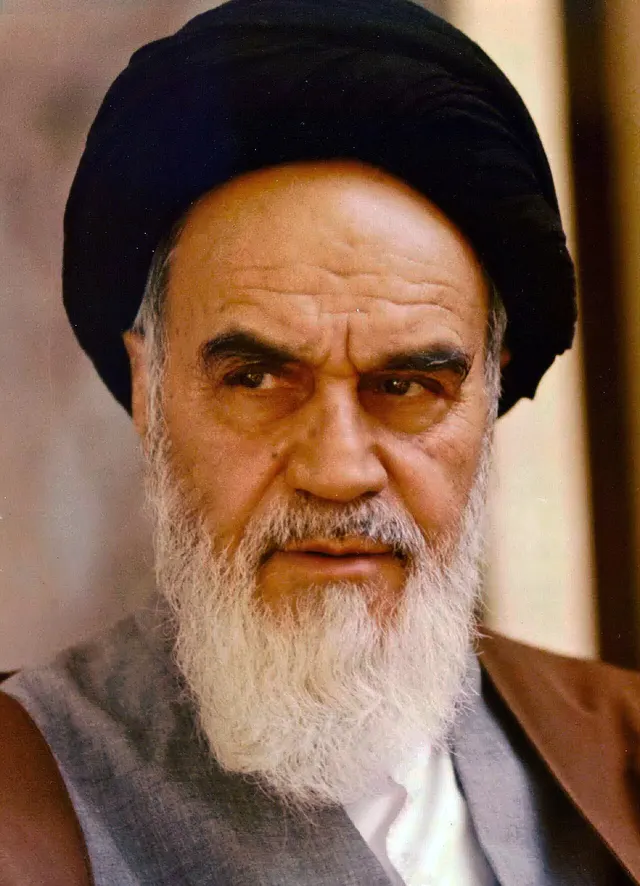
Ayatollah Ruhollah Khomeini, in a 1981 portrait by Ali Kaveh.Ayatollah Ruhollah Khomeini, in a 1981 portrait by Ali Kaveh.Image: Ali Kaveh[1][2][3] · Public domain
politics · Asia

Ayatollah Khomeini returns to Iran

The Shiite cleric Ruhollah Khomeini had been expelled from Iran in 1964 for opposing the Shah, Mohammad Reza Pahlavi. From exile in Iraq and, from October 1978, near Paris, his recorded sermons fed a growing revolution. Months of strikes and huge demonstrations forced the Shah to leave the country on 16 January 1979. On 1 February 1979 Khomeini flew into Tehran after almost 15 years in exile and was met by crowds of millions. Within days the Shah’s last government collapsed, and in a referendum that spring Iran became an Islamic republic, with Khomeini as its supreme leader until his death in 1989.

Source: Encyclopaedia Britannica: Iranian Revolution ↗
VI
2000 TO TODAY

Modern Day

The events of recent decades that have already become part of the historical record.

2003
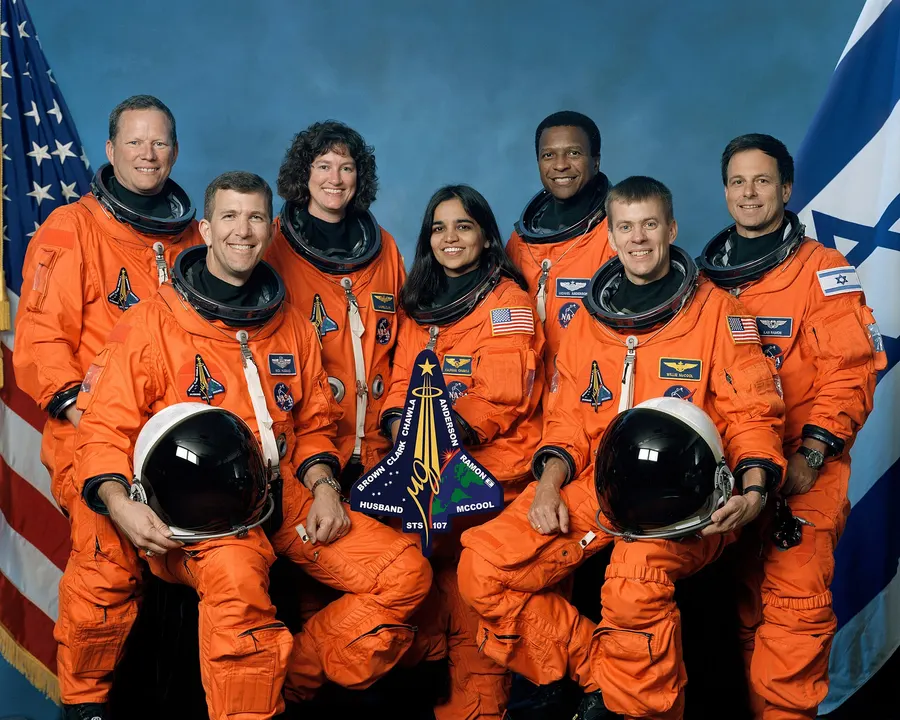
The crew of Columbia's final mission, STS-107, in their official portrait.The crew of Columbia’s final mission, STS-107, in their official portrait.Image: NASA · Public domain
world · Americas

The space shuttle Columbia is lost on its way home

Columbia, the oldest of NASA’s shuttles, lifted off on 16 January 2003 on a 16-day science mission with a crew of seven, including Kalpana Chawla, the first woman of Indian birth in space, and Ilan Ramon, Israel’s first astronaut. About 81 seconds after launch a piece of foam insulation broke off the fuel tank and struck the left wing. As Columbia returned on the morning of 1 February 2003, hot gases entered the damaged wing and the shuttle broke apart over Texas, 16 minutes before it was due to land in Florida. All seven crew members were killed: Rick Husband, William McCool, Michael Anderson, David Brown, Kalpana Chawla, Laurel Clark and Ilan Ramon. After the disaster the United States decided to retire the shuttles, which last flew in 2011.

Source: NASA: STS-107 ↗
WHY THESE MOMENTS?

Significance before volume

This page is not the longest possible list of events. It is a chronological journey through 1 February, where each entry is chosen for historical significance, human interest and reliability.

Facts are checked against authoritative museums, archives, universities and reference works. Where sources disagree, the page says so.

EXPLORED THE DEEPER STORY?

Return to the highlights of 1 February

Discover the lighter side of the date with famous birthdays, culture, firsts and lives remembered.

Explore This Day →
← PREVIOUS DAY31 January
HISTORY & TIMELINE1 February
NEXT DAY →2 February