
HISTORY & TIMELINE
2 February

A journey through
2 February in history

The second day of February has seen New Amsterdam become a city, James Joyce’s Ulysses published on its author’s fortieth birthday, the Syrian army besiege Hama and Roger Federer become the world’s number one. This timeline follows 2 February from the tenth century to the twenty-first.

II
THE MIDDLE AGES

Medieval History

Kingdoms, conflict, faith, power and the changing medieval world.

962
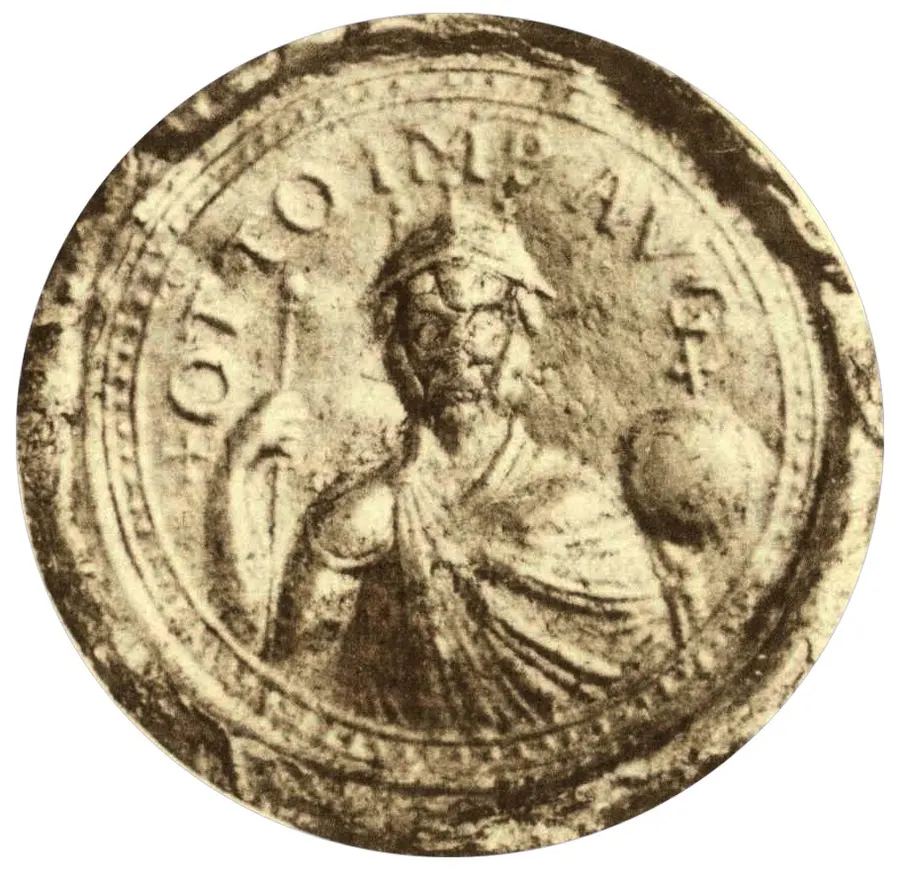
The seal of Otto I as emperor, inscribed OTTO IMP AUG, from a 1913 catalogue of German imperial seals.The seal of Otto I as emperor, inscribed OTTO IMP AUG, from a 1913 catalogue of German imperial seals.Image: Otto Posse · Public domain
politics · Europe

The pope crowns Otto I emperor in Rome

Otto I, king of the Germans, had beaten back the Magyar raiders at the Lechfeld in 955 and made himself master of northern Italy. When Pope John XII was threatened by the Italian king Berengar, he called on Otto for help. Otto came to Rome and was crowned emperor by the pope on 2 February 962, reviving the western imperial title that Charlemagne had held. Days later the two agreed the Privilegium Ottonianum, setting out the rights of emperor and pope. The empire Otto founded, later called the Holy Roman Empire, lasted until 1806.

Source: Encyclopaedia Britannica: Otto I ↗
III
A CHANGING WORLD

Early Modern Era

Exploration, political change, scientific development and expanding global connections.

1653
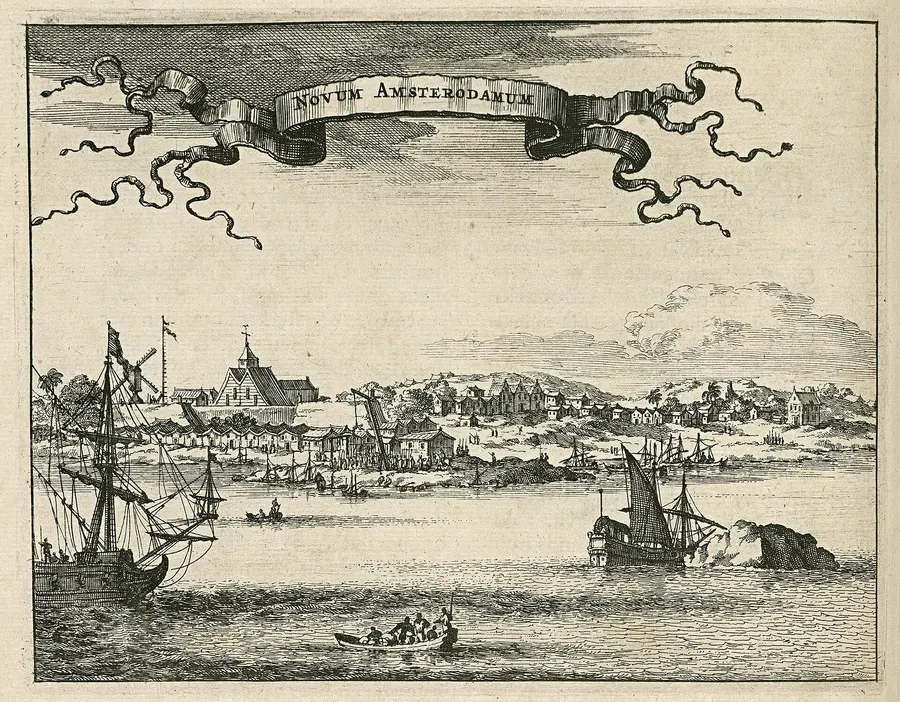
A view of New Amsterdam from the harbour, an engraving published by Jacob van Meurs around 1662.A view of New Amsterdam from the harbour, an engraving published by Jacob van Meurs around 1662.Image: Jacob van Meurs · Public domain
politics · Americas

New Amsterdam becomes a city

The Dutch settlement of New Amsterdam, on the southern tip of Manhattan, had been run by the West India Company’s director-general, Peter Stuyvesant. After years of complaints from the settlers, the company allowed it a city government, and on 2 February 1653, Candlemas, the traditional day for swearing in Dutch city officials, the charter took effect, with a schout, two burgomasters and five schepens. Eleven years later the English captured the town and renamed it New York.

Source: NYC Department of Records and Information Services: a charter for New Amsterdam, 2 February 1653 ↗
IV
THE NINETEENTH CENTURY

The 1800s

Industry, empire, invention, reform and a century of enormous transformation.

1848
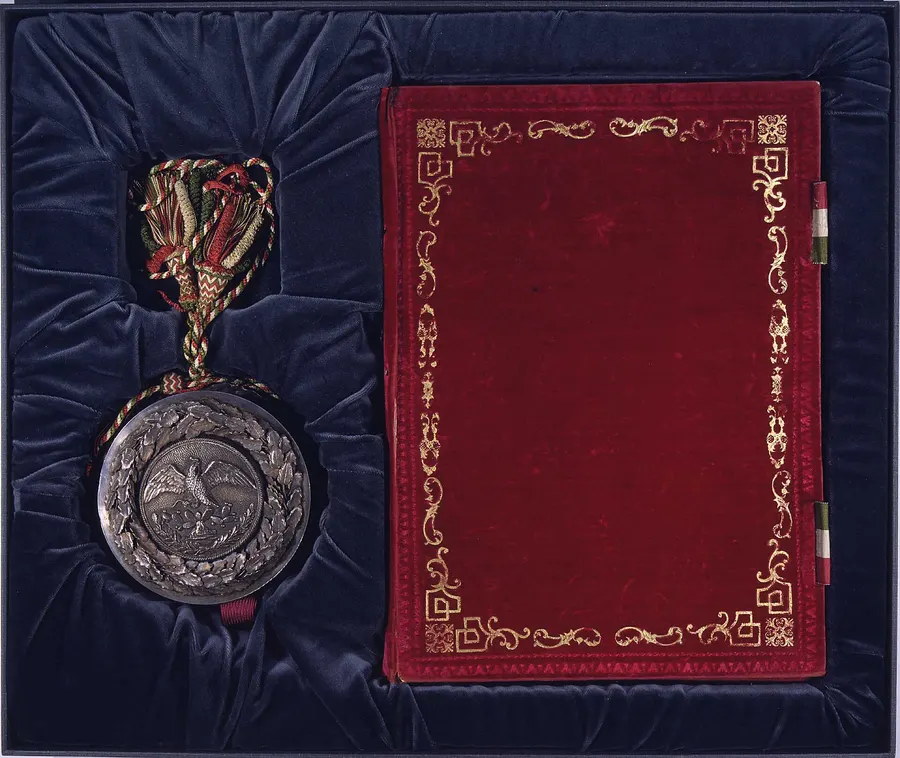
The US exchange copy of the Treaty of Guadalupe Hidalgo, in its velvet case with the seal (US National Archives).The US exchange copy of the Treaty of Guadalupe Hidalgo, in its velvet case with the seal (US National Archives).Image: Governments of USA and Mexico · Public domain
politics · Americas

The Treaty of Guadalupe Hidalgo ends the Mexican-American War

The United States annexed Texas in 1845 and went to war with Mexico the next year over its border and its ambitions in California. American troops captured Mexico City in September 1847, and the Mexican government withdrew to the north. The treaty was signed on 2 February 1848 at Guadalupe Hidalgo, just north of the capital. Mexico gave up about 55 per cent of its territory, including present-day California, Nevada and Utah and most of Arizona and New Mexico, and accepted the Rio Grande as the border of Texas, in return for 15 million dollars. The United States now stretched from the Atlantic to the Pacific.

Source: US National Archives: Treaty of Guadalupe Hidalgo (1848) ↗
V
THE TWENTIETH CENTURY

The 1900s

War and peace, technological leaps, social change, politics, sport and popular culture.

1920
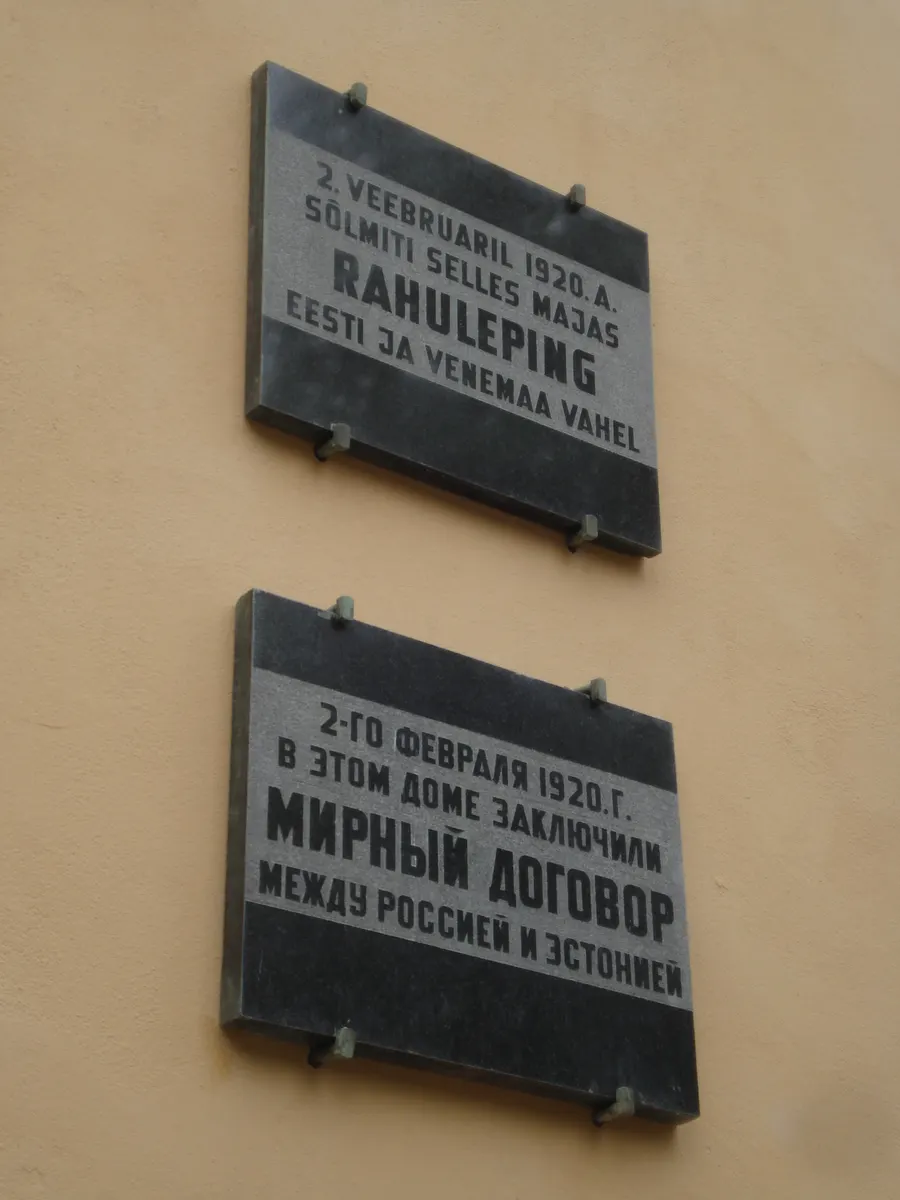
Plaques in Estonian and Russian on the building at Vanemuise 35, Tartu, where the peace treaty was signed in 1920.Plaques in Estonian and Russian on the building at Vanemuise 35, Tartu, where the peace treaty was signed in 1920.Image: Alma Pater · CC BY-SA 3.0
politics · Europe

Soviet Russia recognises Estonia at Tartu

Estonia declared its independence in February 1918, as the Russian Empire collapsed, and then had to fight both the Red Army and German forces to survive. By the end of 1919 the Estonian War of Independence had been fought to a standstill. On 2 February 1920, in the university city of Tartu, Estonia and Soviet Russia signed a peace treaty in which Russia recognised Estonia’s independence and renounced ‘for ever’ all claim to its people and territory. Estonia still marks the anniversary, and the treaty is at the heart of its argument that the Soviet occupation of 1940 was illegal.

Source: Ministry of Foreign Affairs of Estonia: Tartu Peace, 2 February 1920 ↗
1922
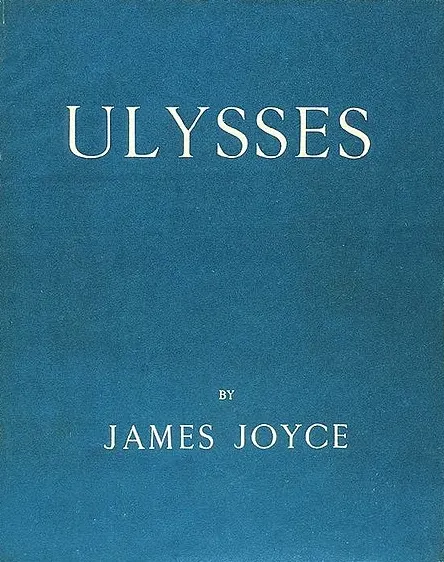
The blue cover of the first edition of Ulysses, published in Paris by Shakespeare and Company in 1922.The blue cover of the first edition of Ulysses, published in Paris by Shakespeare and Company in 1922.Image: James Joyce · Public domain
culture · Europe

James Joyce’s Ulysses is published on his fortieth birthday

James Joyce’s novel follows Leopold Bloom, his wife Molly and the young Stephen Dedalus through a single day in Dublin, 16 June 1904. Parts of it appeared in an American magazine, but they were ruled obscene, and no established publisher in Britain or America would touch the book. Sylvia Beach, the American owner of the Paris bookshop Shakespeare and Company, offered to publish it. After months of struggle with French printers and Joyce’s endless corrections, the first copies arrived on 2 February 1922, Joyce’s fortieth birthday. It was banned in the United States until 1933 and is now counted among the greatest novels of the twentieth century.

Source: Encyclopaedia Britannica: Ulysses ↗
1982
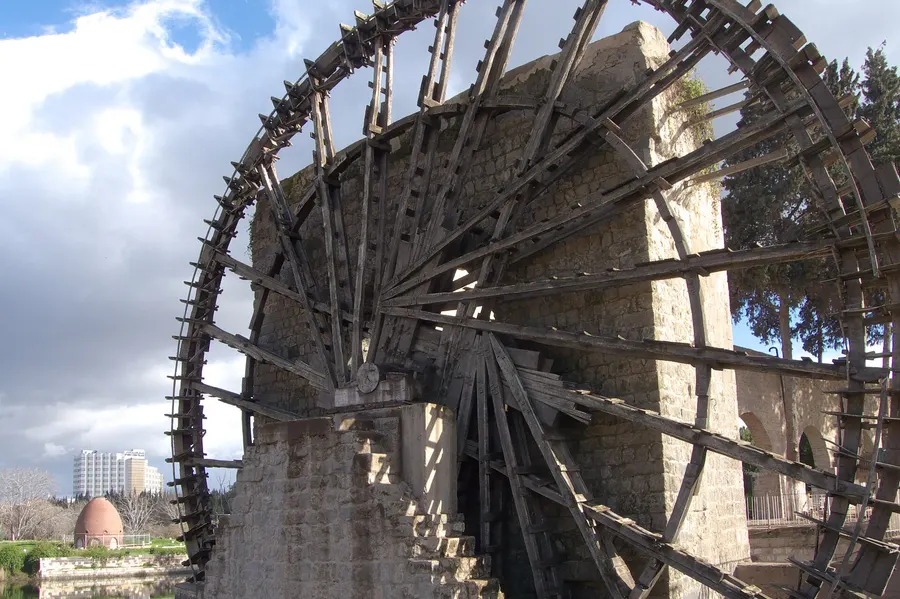
One of the great wooden water wheels, or norias, on the Orontes river at Hama.One of the great wooden water wheels, or norias, on the Orontes river at Hama.Image: Johan · CC BY 2.0
world · Asia

The Syrian army besieges the city of Hama

In the late 1970s the Muslim Brotherhood waged an armed campaign against the government of President Hafez al-Assad. On the night of 2 February 1982, after an ambush of government troops in Hama, the army and security forces surrounded the city. Over almost four weeks they shelled and stormed it, destroying much of the old city. Estimates of the dead, most of them civilians, range from several thousand to tens of thousands.

Source: Amnesty International: Syria, 30 years on, Hama survivors recount the horror ↗
1990
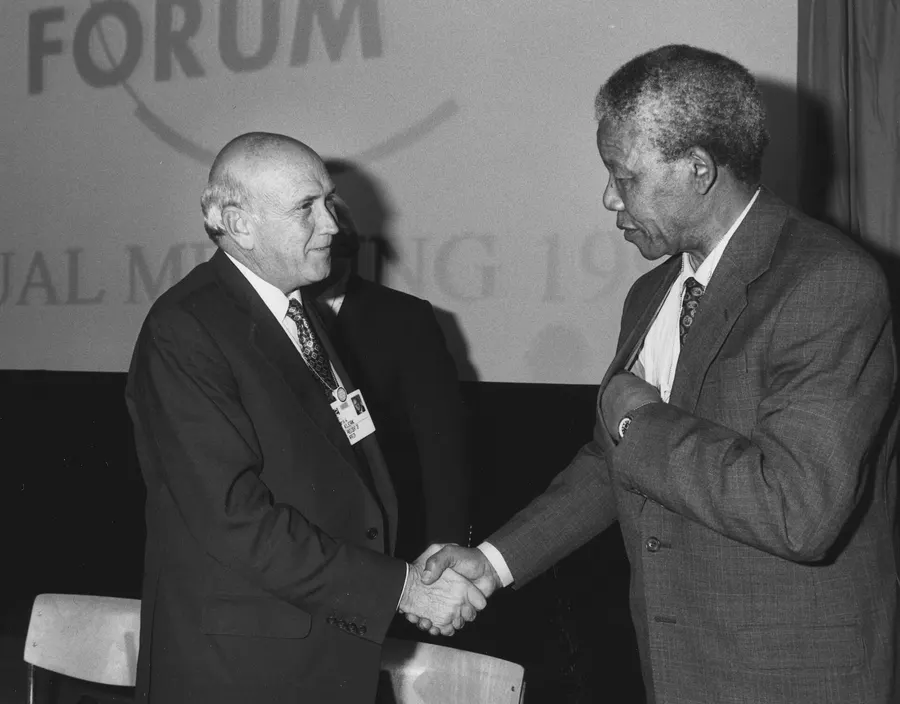
F. W. de Klerk and Nelson Mandela shake hands at the World Economic Forum in Davos, January 1992.F. W. de Klerk and Nelson Mandela shake hands at the World Economic Forum in Davos, January 1992.Image: Copyright World Economic Forum (www.weforum.org) · CC BY-SA 2.0
politics · Africa

F. W. de Klerk announces the end of the ban on the ANC

For three decades South Africa’s apartheid government had banned the African National Congress and other movements against white minority rule, and Nelson Mandela had been in prison since 1962. By the late 1980s the country was isolated by sanctions and torn by unrest. On 2 February 1990, opening Parliament in Cape Town, the new president, F. W. de Klerk, announced that the ANC, the Pan Africanist Congress and the South African Communist Party were unbanned and that Mandela would be released without conditions. Mandela walked free nine days later, and four years of negotiations led to South Africa’s first democratic election in 1994. De Klerk and Mandela shared the Nobel Peace Prize in 1993.

Source: South African History Online: F. W. de Klerk’s speech to Parliament, 2 February 1990 ↗
VI
2000 TO TODAY

Modern Day

The events of recent decades that have already become part of the historical record.

2004
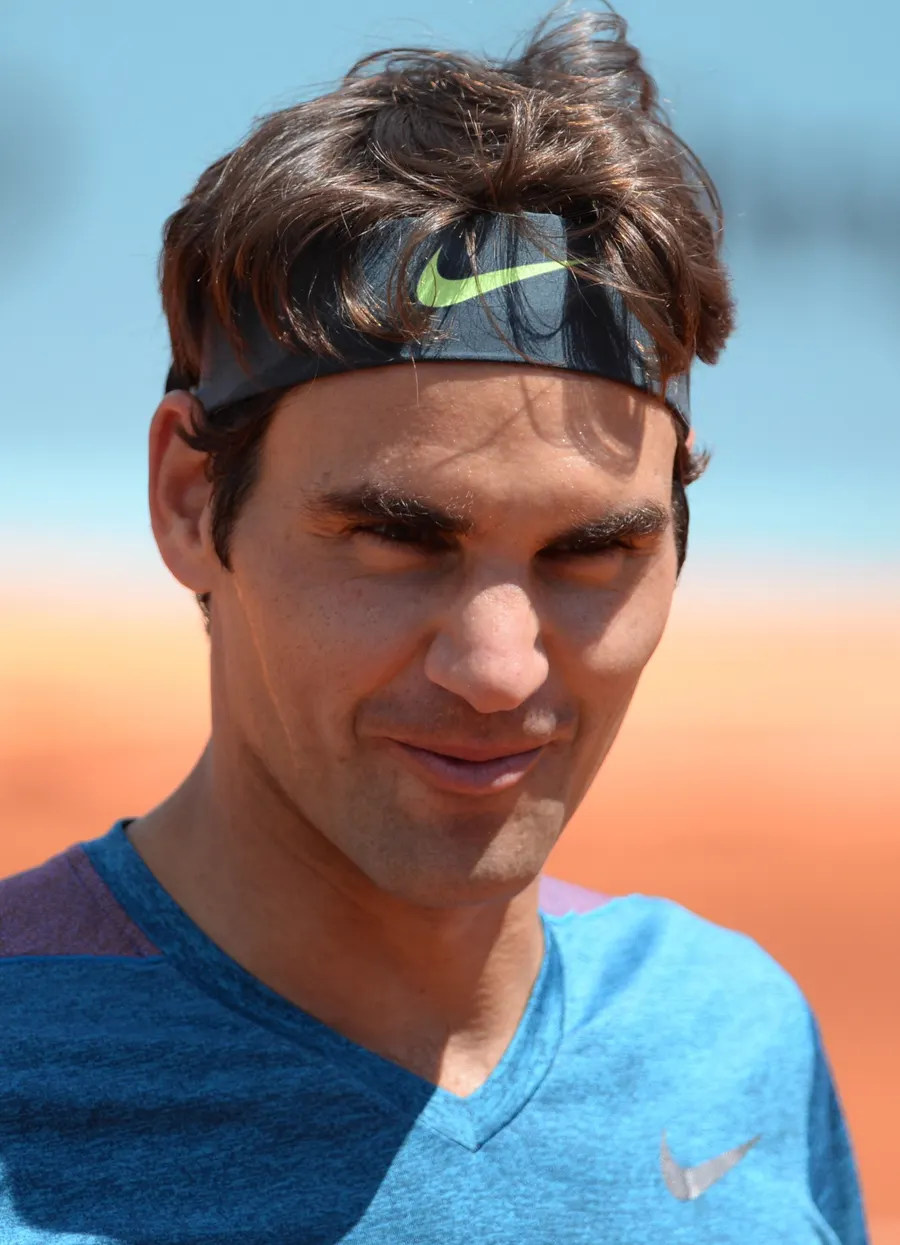
Roger Federer, photographed in 2015.Roger Federer, photographed in 2015.Image: Tatiana from Moscow, Russia · CC BY-SA 2.0
sport · Europe

Roger Federer becomes the world’s number one

The Swiss player Roger Federer had won his first Grand Slam title at Wimbledon in 2003. In January 2004 he won the Australian Open, and on 2 February 2004, aged 22, he rose to the top of the men’s world rankings, overtaking Andy Roddick. He stayed there for a record 237 weeks in a row, until Rafael Nadal replaced him in August 2008, and he was number one for 310 weeks in all. By the time he retired in 2022 he had won 20 Grand Slam singles titles, including eight at Wimbledon.

Source: ATP Tour: Roger Federer rises to No. 1 for the first time in 2004 ↗
WHY THESE MOMENTS?

Significance before volume

This page is not the longest possible list of events. It is a chronological journey through 2 February, where each entry is chosen for historical significance, human interest and reliability.

Facts are checked against authoritative museums, archives, universities and reference works. Where sources disagree, the page says so.

EXPLORED THE DEEPER STORY?

Return to the highlights of 2 February

Discover the lighter side of the date with famous birthdays, culture, firsts and lives remembered.

Explore This Day →
← PREVIOUS DAY1 February
HISTORY & TIMELINE2 February
NEXT DAY →3 February