

HISTORY & TIMELINE
22 January

A journey through
22 January in history

The twenty-second day of the year has seen the Swiss Guard march into the Vatican, Poland rise against Russian rule, Britain’s first Labour government take office, the first jumbo jet carry passengers and the US Supreme Court rule in Roe v. Wade. This timeline follows 22 January from the sixteenth century to the twentieth.

JUMP THROUGH TIME
III
A CHANGING WORLD

Early Modern Era

Exploration, political change, scientific development and expanding global connections.

1506
A Swiss Guard on duty in the Vatican in the corps' striped uniform, 2013.A Swiss Guard on duty in the Vatican in the corps’ striped uniform, 2013.Image: Jebulon · CC0
culture · Europe

The first Swiss Guards enter the Vatican

Pope Julius II wanted a reliable guard of Swiss soldiers, then the most respected infantry in Europe. On 22 January 1506, 150 Swiss under their captain Kaspar von Silenen marched into Rome and were blessed by the pope, the date the Pontifical Swiss Guard counts as its founding. In the Sack of Rome in 1527, 147 guards died defending Pope Clement VII.

Source: Pontifical Swiss Guard: history ↗
1517
Sultan Selim I, 'the Grim', in an Ottoman miniature from a family tree of the sultans (Topkapi Palace Museum).Sultan Selim I, ‘the Grim’, in an Ottoman miniature from a family tree of the sultans (Topkapi Palace Museum).Image: Ottoman miniature painter · Public domain
world · Africa

The Ottomans defeat the Mamluks outside Cairo

For more than two and a half centuries the Mamluks, a military elite of former slave soldiers, had ruled Egypt and Syria from Cairo and guarded the holy cities of Mecca and Medina. In 1516 the Ottoman sultan Selim I turned his army south, crushed the Mamluks at Marj Dabiq near Aleppo and swept through Syria. On 22 January 1517 his disciplined infantry and artillery defeated the last Mamluk army at Raydaniyah, just outside Cairo, and the city soon fell. Egypt, Syria and Palestine became Ottoman provinces, the sharif of Mecca sent Selim the keys of the holy city, and the Ottoman sultans became the leading power of the Islamic world.

Source: Encyclopaedia Britannica: Battle of Raydaniyah ↗
IV
THE NINETEENTH CENTURY

The 1800s

Industry, empire, invention, reform and a century of enormous transformation.

1863
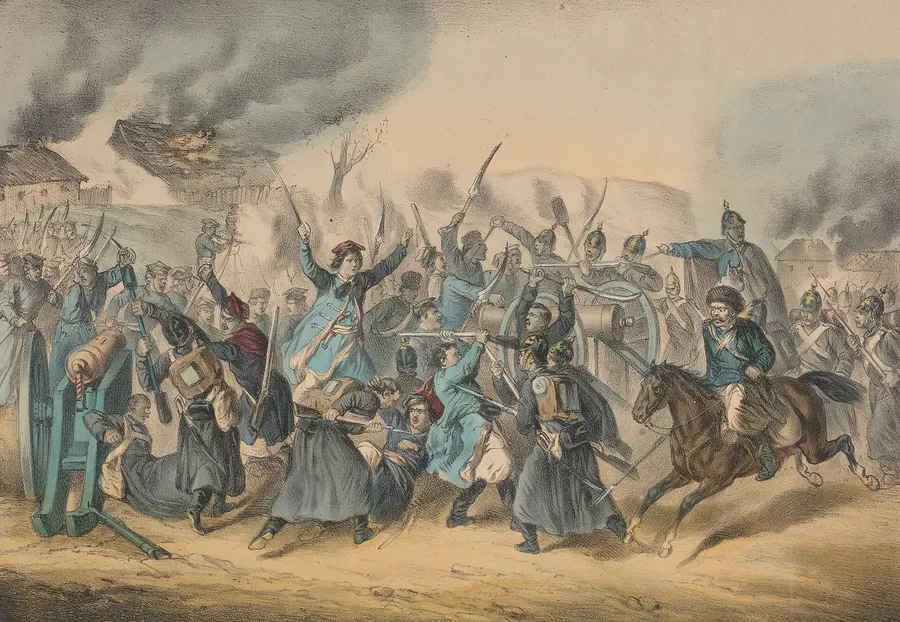
Polish scythemen attack Russian guns at Węgrów on 3 February 1863, in the uprising's first weeks; a lithograph by Karl Lanzedelly.Polish scythemen attack Russian guns at Węgrów on 3 February 1863, in the uprising’s first weeks; a lithograph by Karl Lanzedelly.Image: Karl Lanzedelly · Public domain
world · Europe

Poland rises against Russian rule: the January Uprising

When Russia tried to break the Polish independence movement by drafting young men into its army, many fled to the forests. On 22 January 1863 the secret Central National Committee declared itself a provisional government and called the nation to arms, promising land to the peasants and equal rights for all. The guerrilla war lasted more than a year before Russia crushed it.

Source: Encyclopaedia Britannica: January Insurrection ↗
1879
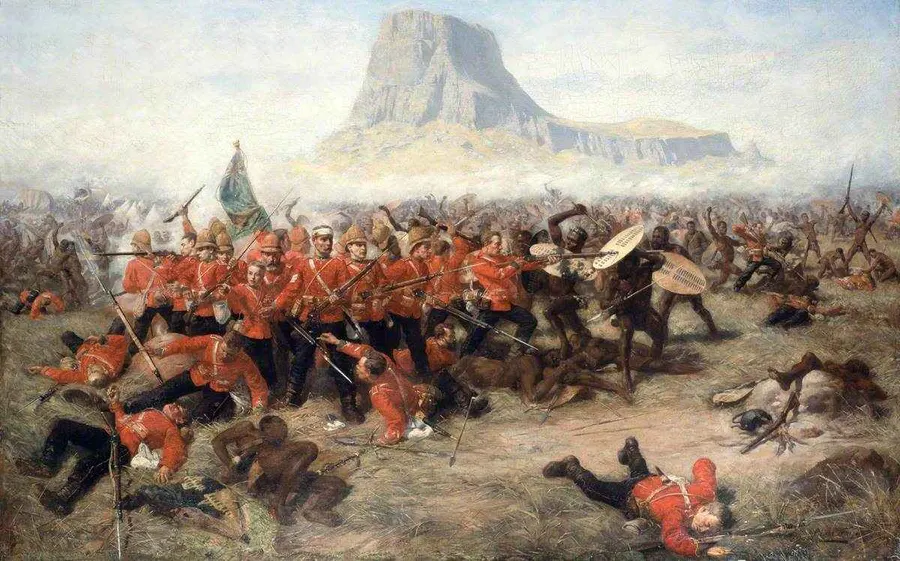
The Battle of Isandlwana, painted by Charles Edwin Fripp in 1885, with the mountain behind.The Battle of Isandlwana, painted by Charles Edwin Fripp in 1885, with the mountain behind.Image: Charles Edwin Fripp · Public domain
world · Africa

A Zulu army destroys a British force at Isandlwana

In January 1879 British forces invaded the Zulu kingdom of Cetshwayo, expecting a quick victory. The commander, Lord Chelmsford, left part of his army camped below the mountain of Isandlwana while he took the rest in search of the enemy. On 22 January a Zulu army of more than 20,000 men attacked the camp. In a few hours the defenders were overwhelmed and most of the 1,700 soldiers and African auxiliaries there were killed, Britain’s worst defeat by an indigenous army. The same afternoon a Zulu reserve attacked the small post at Rorke’s Drift, where a garrison of little more than a hundred held out through the night. Britain sent reinforcements and conquered the kingdom later that year.

Source: National Army Museum: the Battle of Isandlwana, 22 January 1879 ↗
V
THE TWENTIETH CENTURY

The 1900s

War and peace, technological leaps, social change, politics, sport and popular culture.

1905
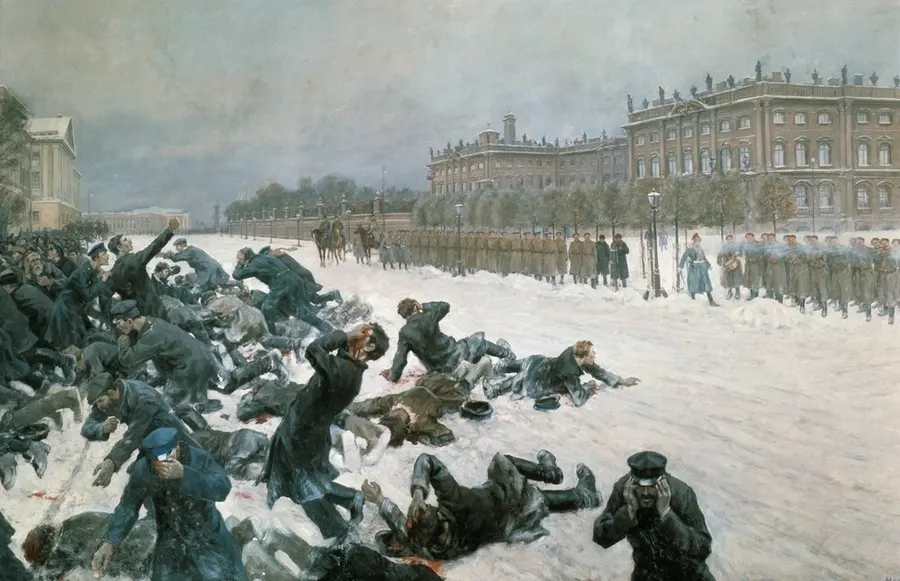
Troops fire on the marchers outside the Winter Palace, in a painting by Ivan Vladimirov.Troops fire on the marchers outside the Winter Palace, in a painting by Ivan Vladimirov.Image: Ivan Vladimirov · Public domain
politics · Europe

Troops fire on marching workers in St Petersburg: ‘Bloody Sunday’

In January 1905 tens of thousands of workers in St Petersburg were on strike. A priest, Georgy Gapon, led them in a peaceful procession to the Winter Palace to hand Tsar Nicholas II a petition asking for shorter hours, fair wages and an elected assembly. Many marchers carried icons and portraits of the tsar. On Sunday 22 January (9 January in the Russian calendar of the time) soldiers opened fire on the crowds. More than a hundred people were killed and hundreds wounded; the tsar was not even in the palace. The massacre destroyed many Russians’ faith in the tsar and set off months of strikes, mutinies and uprisings, the Revolution of 1905, which forced Nicholas to grant Russia its first parliament, the Duma.

Source: Encyclopaedia Britannica: Bloody Sunday (Russia, 1905) ↗
1924
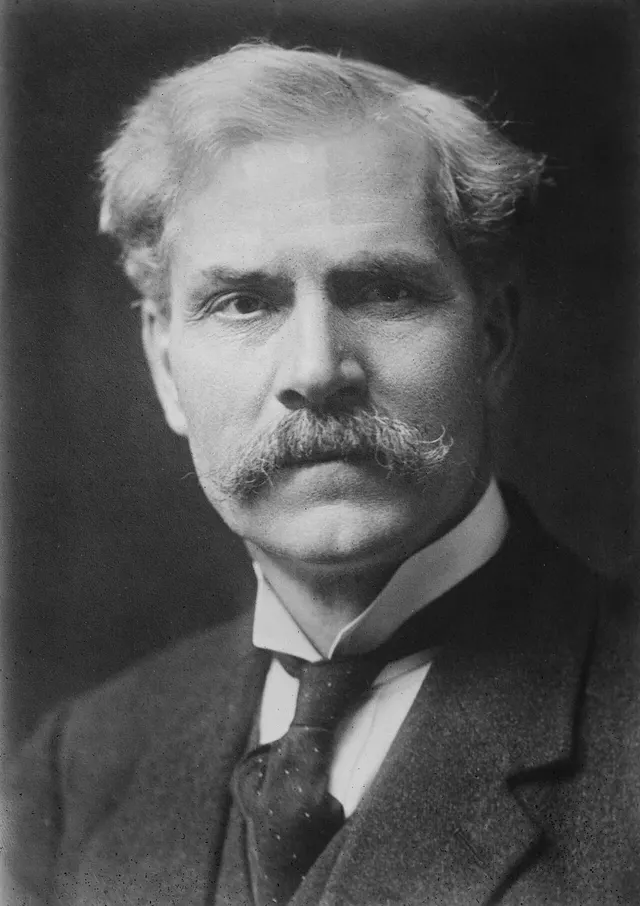
Ramsay MacDonald, photographed by Walter Stoneman.Ramsay MacDonald, photographed by Walter Stoneman.Image: Walter Stoneman · Public domain
politics · Europe

Ramsay MacDonald forms Britain’s first Labour government

An inconclusive election in December 1923 left no party with a majority. With Liberal support, Labour’s leader Ramsay MacDonald, the illegitimate son of a Scottish farm labourer and a housemaid, became prime minister and foreign secretary on 22 January 1924. His minority government lasted less than a year but passed an important housing act.

Source: GOV.UK: history of James Ramsay MacDonald ↗
1963
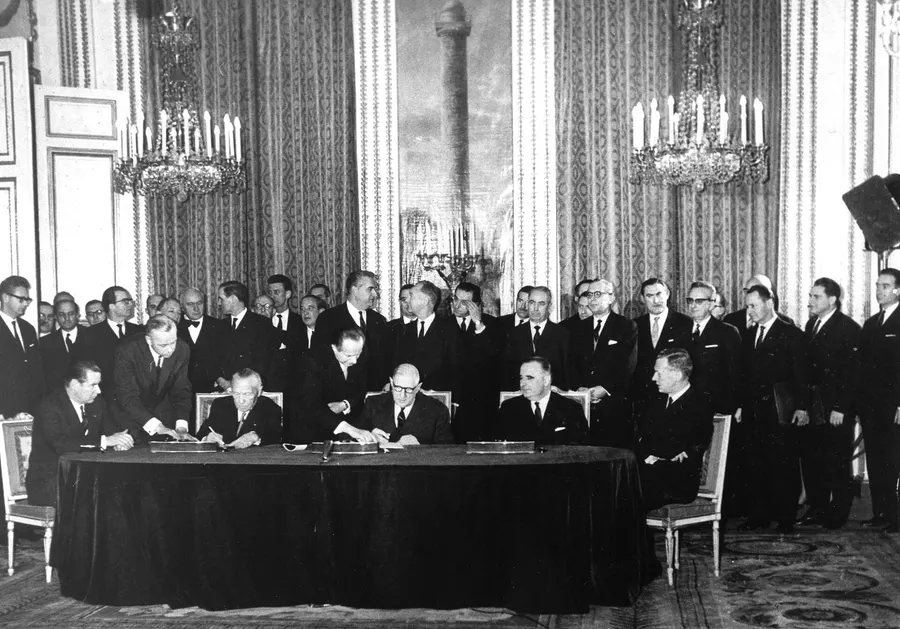
The signing of the Élysée Treaty in Paris, 22 January 1963 (German Federal Archives).The signing of the Élysée Treaty in Paris, 22 January 1963 (German Federal Archives).Image: Unknown authorUnknown author · CC BY-SA 3.0 de
politics · Europe

France and West Germany sign a treaty of friendship

France and Germany had fought three wars in seventy years. After 1945 the French president Charles de Gaulle and the West German chancellor Konrad Adenauer, both old men who remembered those wars, set out to make their countries partners. On 22 January 1963 they signed the Élysée Treaty in Paris. It committed their governments to consult regularly on foreign policy, defence, education and youth, with summits at least twice a year, and it created the Franco-German Youth Office, which has since sent millions of young people on exchanges. The anniversary is marked in both countries as a Day of Franco-German Friendship.

Source: France Diplomatie: the Élysée Treaty in six questions ↗
1968
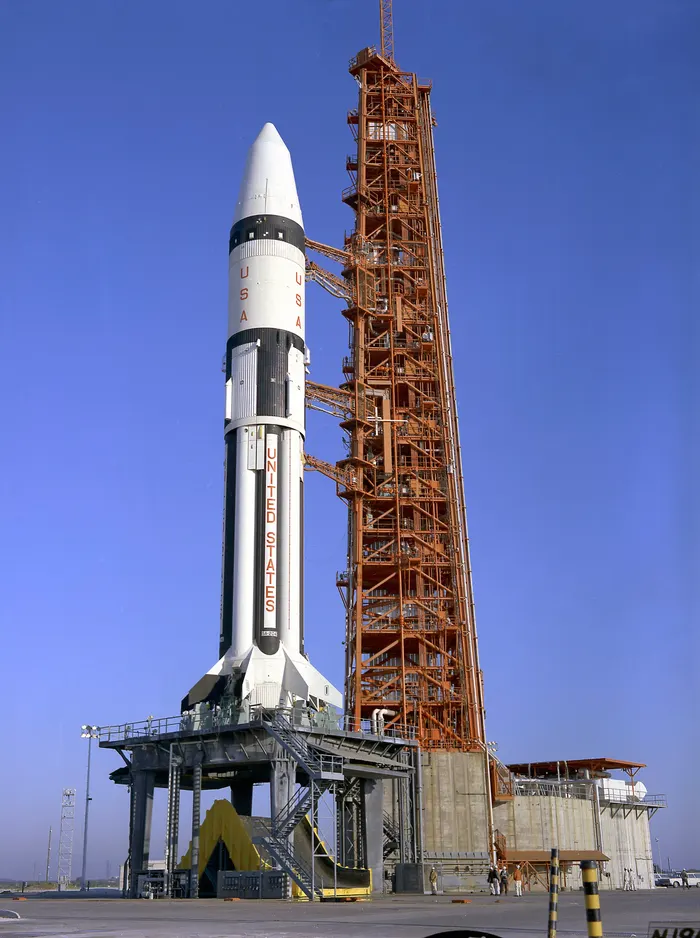
The Saturn IB rocket for Apollo 5 on its launch pad at Cape Kennedy, 22 January 1968.The Saturn IB rocket for Apollo 5 on its launch pad at Cape Kennedy, 22 January 1968.Image: NASA · Public domain
science · Americas

Apollo 5 tests the lunar module in space

To land on the Moon, NASA needed a spacecraft unlike any before: the lunar module, a fragile two-stage lander that would fly only in space. Before trusting astronauts to it, NASA flew one without a crew. Apollo 5 lifted off from Cape Kennedy on 22 January 1968. In Earth orbit the lander’s descent engine shut down after four seconds instead of thirty-nine, stopped by over-cautious software, but flight controllers in Houston switched to a back-up plan and fired the engines by command. The test was judged such a success that a second uncrewed flight was cancelled.

Source: NASA: Apollo 5 ↗
1970
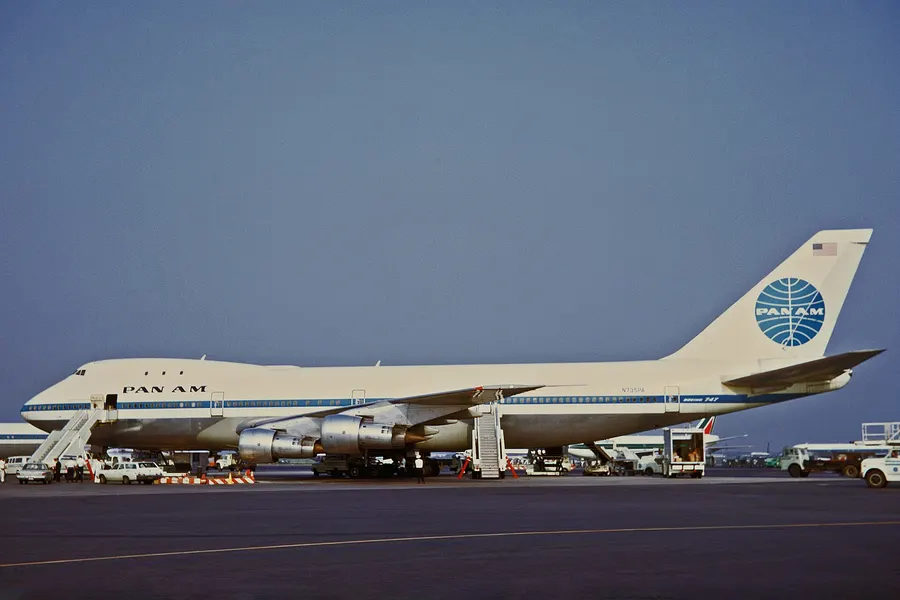
A Pan Am Boeing 747, Clipper Constitution, at Kennedy Airport, New York, in July 1970.A Pan Am Boeing 747, Clipper Constitution, at Kennedy Airport, New York, in July 1970.Image: Ken Fielding · CC BY-SA 3.0
science · Global

The jumbo jet enters service

Boeing designed the 747 at the request of Pan American World Airways, which wanted an aircraft far bigger than its 707s. With its wide body, twin aisles and hump-backed upper deck, it could carry more than twice as many passengers. The first scheduled 747 service, Pan Am’s flight from New York to London, took place on 22 January 1970. By cutting the cost of each seat, the ‘jumbo jet’ helped make long-distance flying affordable for millions, and it remained in production for more than fifty years.

Source: Smithsonian National Air and Space Museum: the evolution of the commercial airliner ↗
1973
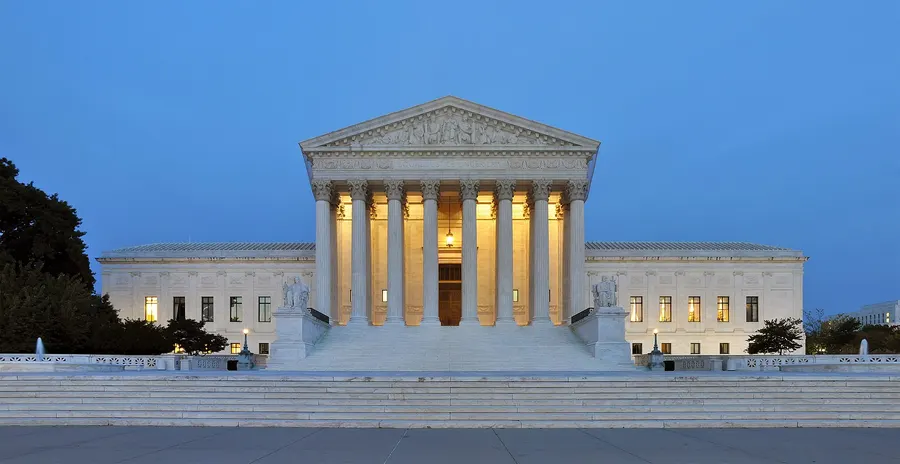
The United States Supreme Court building in Washington, DC, at dusk.The United States Supreme Court building in Washington, DC, at dusk.Image: Joe Ravi · CC BY-SA 3.0
politics · Americas

The US Supreme Court rules in Roe v. Wade

On 22 January 1973 the Supreme Court ruled by seven votes to two that Texas laws banning most abortions violated a constitutional right to privacy, making abortion legal across the United States in the early months of pregnancy. The decision divided Americans for half a century, and in June 2022 the court overturned it, returning the question to the states.

Source: Oyez (Legal Information Institute and Justia): Roe v. Wade ↗
WHY THESE MOMENTS?

Significance before volume

This page is not the longest possible list of events. It is a chronological journey through 22 January, where each entry is chosen for historical significance, human interest and reliability.

Facts are checked against authoritative museums, archives, universities and reference works. Where sources disagree, the page says so.

EXPLORED THE DEEPER STORY?

Return to the highlights of 22 January

Discover the lighter side of the date with famous birthdays, culture, firsts and lives remembered.

Explore This Day →
← PREVIOUS DAY21 January
HISTORY & TIMELINE22 January
NEXT DAY →23 January