Explore 11 January

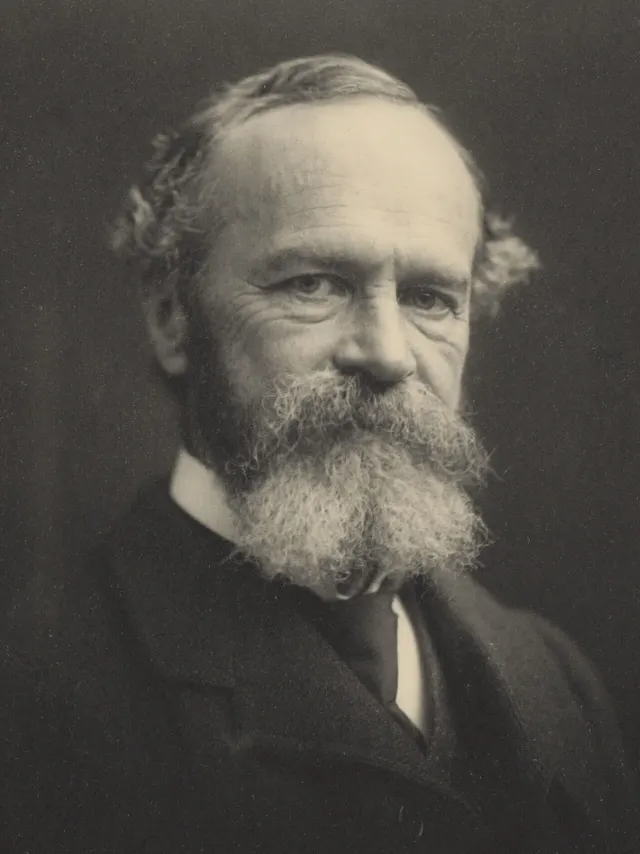
Explore 11 January: French and Belgian troops march into the Ruhr, British columns cross into the Zulu kingdom, Amelia Earhart sets off alone across the Pacific and a Toronto teenager becomes the first person treated with insulin. Meet William James, Albert Hofmann and Mary J. Blige, born on 11 January.

This day through time →9 verified events across 3 eras

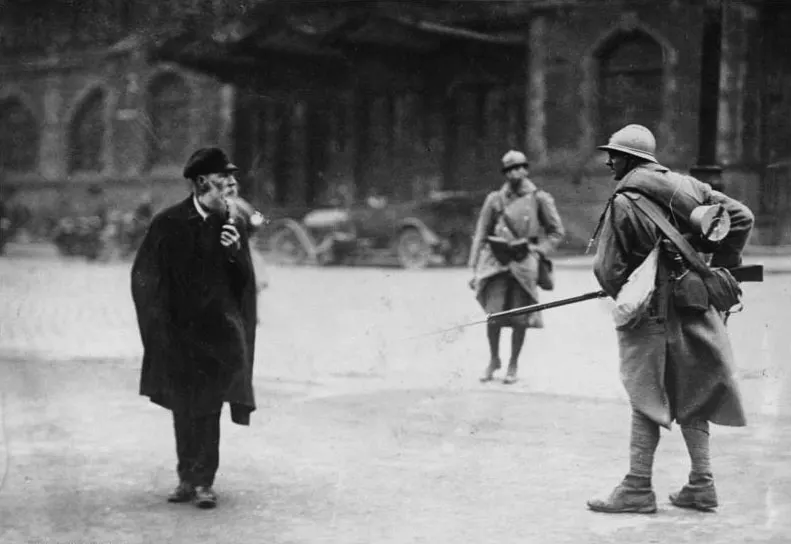
French soldiers on a street in the occupied Ruhr in 1923; a German civilian walks past.
Image creditUnknownUnknown · CC BY-SA 3.0 deResized and cropped for display.

French and Belgian troops occupy the Ruhr

Under the Treaty of Versailles, Germany owed vast reparations to the countries it had fought. When it fell behind with deliveries of coal and timber, the French prime minister, Raymond Poincaré, decided to take payment by force from the Ruhr, the coal-mining and steel-making heart of German industry.

On 11 January 1923 French and Belgian troops marched in. The German government called for passive resistance: workers went on strike and were paid by printing money, which turned Germany’s inflation into one of the worst collapses of a currency in history. The resistance ended that September, and under the Dawes Plan of 1924 the occupiers agreed to leave, which they did by 1925.

Read the full storyHistory & Timeline →Source: 1914-1918-online, International Encyclopedia of the First World War: Ruhr occupation ↗
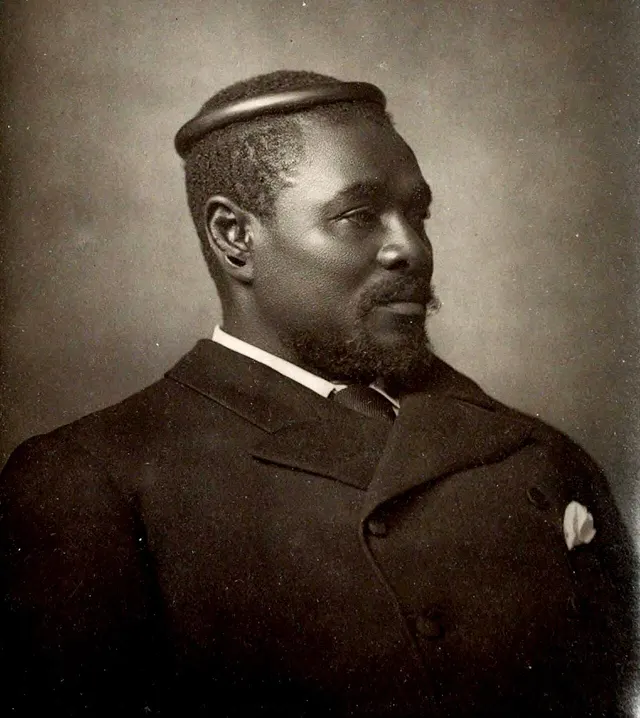
Cetshwayo kaMpande, king of the Zulu, photographed by Alexander Bassano in London; published 1885.
Image credit"Photographed by Alex. Bassano, 25, Old Bond Street" · Public domainResized and cropped for display.

British forces invade the Zulu kingdom

In December 1878 Sir Bartle Frere, Britain’s high commissioner in southern Africa, sent King Cetshwayo of the Zulu an ultimatum he could not accept: to disband his army and give up much of his power within thirty days. Frere wanted the Zulu kingdom out of the way of a British-led confederation of South Africa.

When the time ran out, British columns under Lord Chelmsford crossed into Zululand on 11 January 1879, the main force at Rorke’s Drift on the Buffalo River. Eleven days later the Zulu army destroyed part of it at Isandlwana, one of the worst defeats of a British army by an African force. Britain sent reinforcements, and in July the war ended with the burning of Cetshwayo’s capital, Ulundi.

Read the full storyHistory & Timeline →Source: South African History Online: Anglo-Zulu Wars 1879-1896 ↗
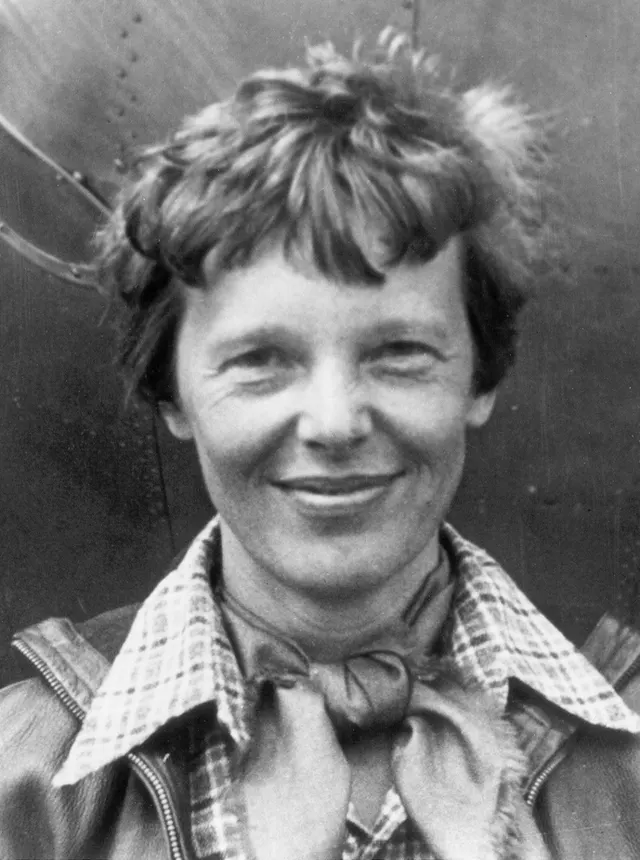
Amelia Earhart in 1937, standing under the nose of her Lockheed Electra (National Portrait Gallery, Smithsonian).
Image creditUnderwood & Underwood (active 1880 – c. 1950)[1] · Public domainResized and cropped for display.

Amelia Earhart flies solo from Hawaii to California

By 1935 Amelia Earhart was already the first woman to have flown the Atlantic alone. The 2,400-mile crossing from Hawaii to the American mainland was a different challenge: several pilots had died trying it, and no one had ever made it alone.

On 11 January 1935 she took off from Honolulu in her single-engined Lockheed Vega. After just over 17 hours in the air she landed at Oakland, California, to a waiting crowd, the first person to fly that route solo. Two years later she disappeared over the Pacific while trying to fly around the world.

Read the full storyHistory & Timeline →Source: Smithsonian National Air and Space Museum: Amelia Earhart ↗
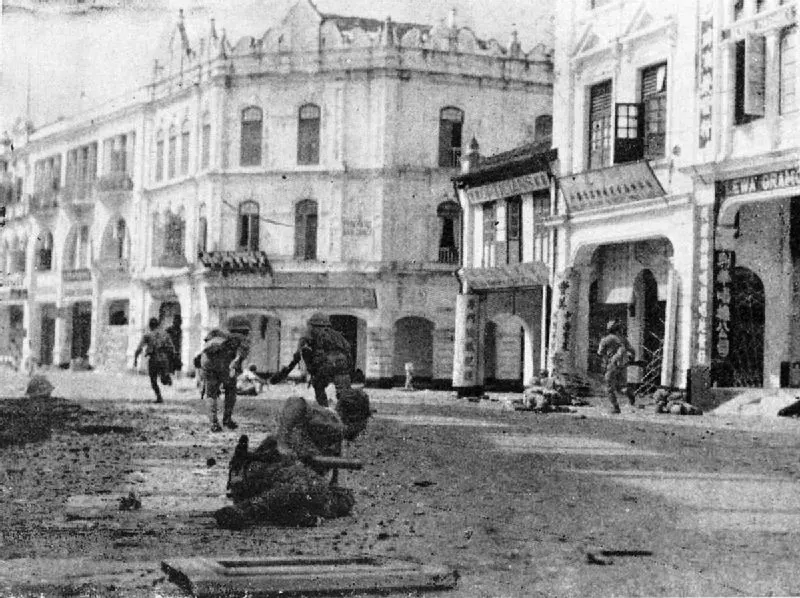
Japanese troops in the streets of Kuala Lumpur during their advance through Malaya, 1942.
Image creditUnknown · Public domainResized and cropped for display.

Japanese troops take Kuala Lumpur

Japan invaded Malaya on 8 December 1941, the same day as its attacks on Pearl Harbor and Hong Kong. General Tomoyuki Yamashita’s troops moved fast down the peninsula, often on bicycles, outflanking the British, Indian and Australian defenders, and at Slim River on 7 January they broke through.

On 11 January 1942 Japanese forces entered Kuala Lumpur, capital of the Federated Malay States, which the defenders had abandoned. By the end of the month they held the whole peninsula, and on 15 February Singapore surrendered. Malaya stayed under Japanese occupation until 1945.

Read the full storyHistory & Timeline →Source: Australian War Memorial: Kuala Lumpur, Malaya, 11 January 1942 (photograph record) ↗
♙
PEOPLE

Born Today

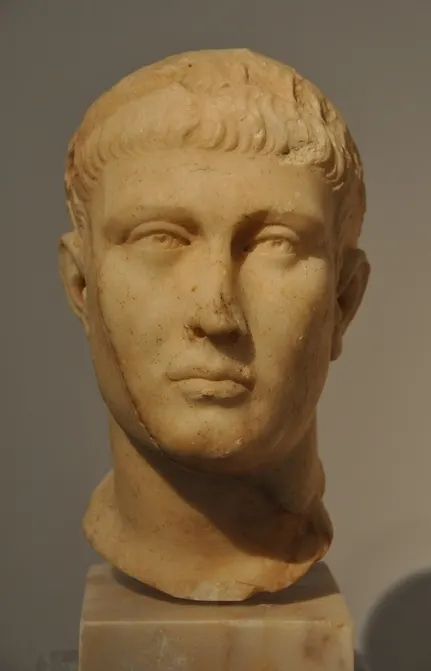
Theodosius I
Image creditwww.livius.org · CC BY-SA 4.0Resized and cropped for display.

Theodosius I

Roman emperor who made Nicene Christianity the state religion, and the last to rule both halves of the empire.

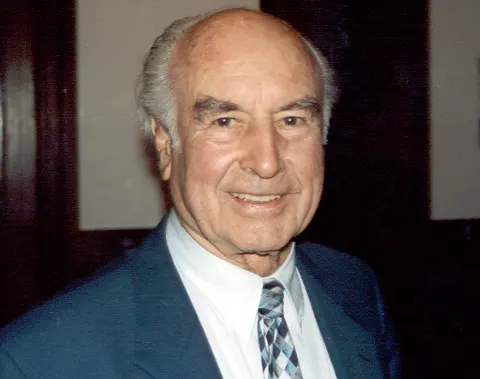
Albert Hofmann
Image creditPhilip H. Bailey (E-mail) · CC BY-SA 2.5Resized and cropped for display.

Albert Hofmann

Swiss chemist who first made LSD and discovered its effects by accident in 1943.

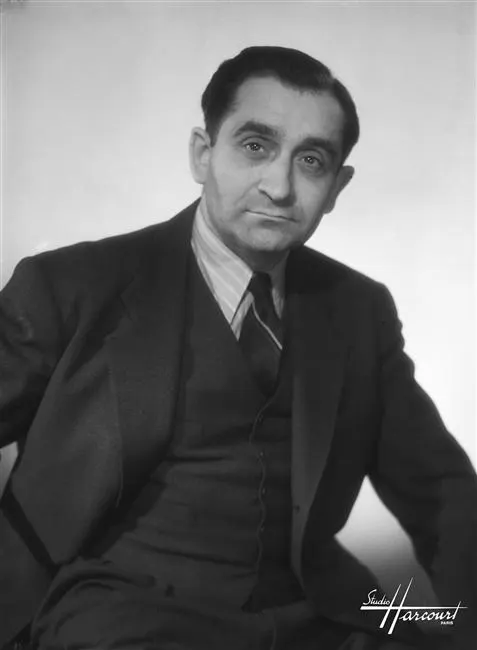
Pierre Mendès France
Image creditStudio Harcourt · Public domainResized and cropped for display.

Pierre Mendès France

French prime minister who ended France’s war in Indochina in 1954.

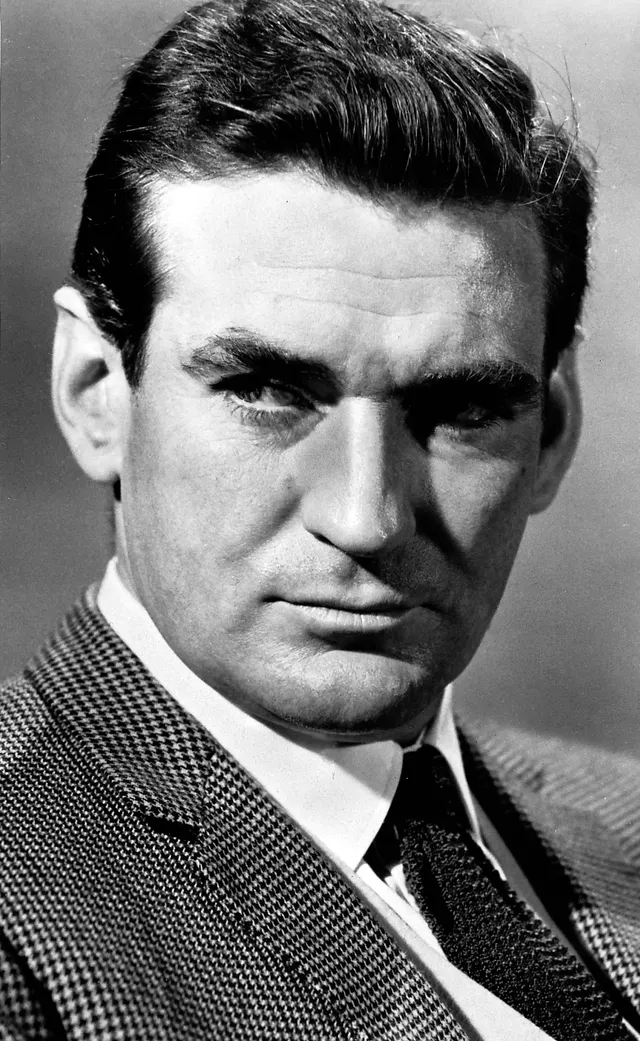
Rod Taylor
Image creditmovie studio · Public domainResized and cropped for display.

Rod Taylor

Australian actor who starred in The Time Machine and Hitchcock’s The Birds.

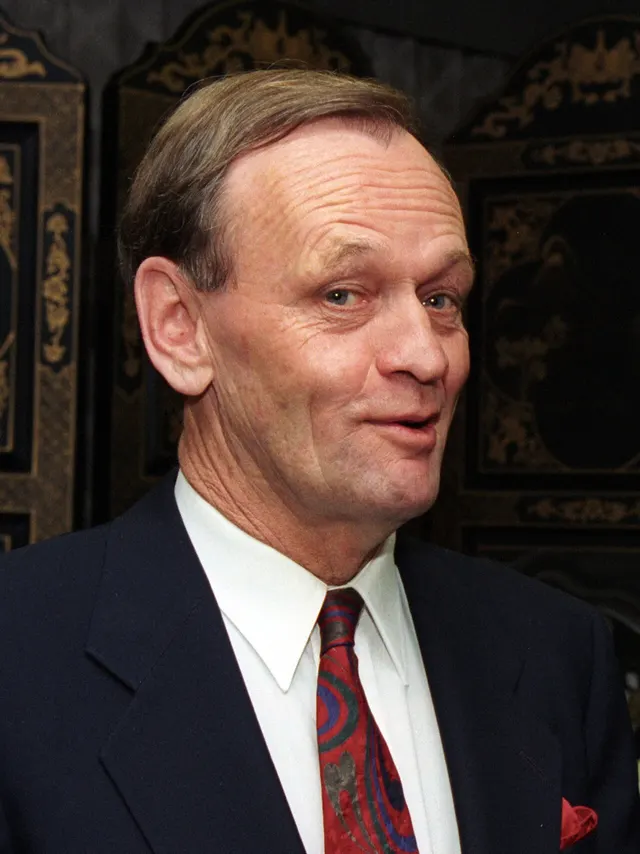
Jean Chrétien
Image creditRalph Alswang · Public domainResized and cropped for display.

Jean Chrétien

Prime Minister of Canada from 1993 to 2003.

Mary J. Blige
Image creditWBLS · CC BY 3.0Resized and cropped for display.

Mary J. Blige

American singer known as the queen of hip-hop soul.

◉
IDEAS THAT CHANGED THINGS

Firsts, Science & Discoveries

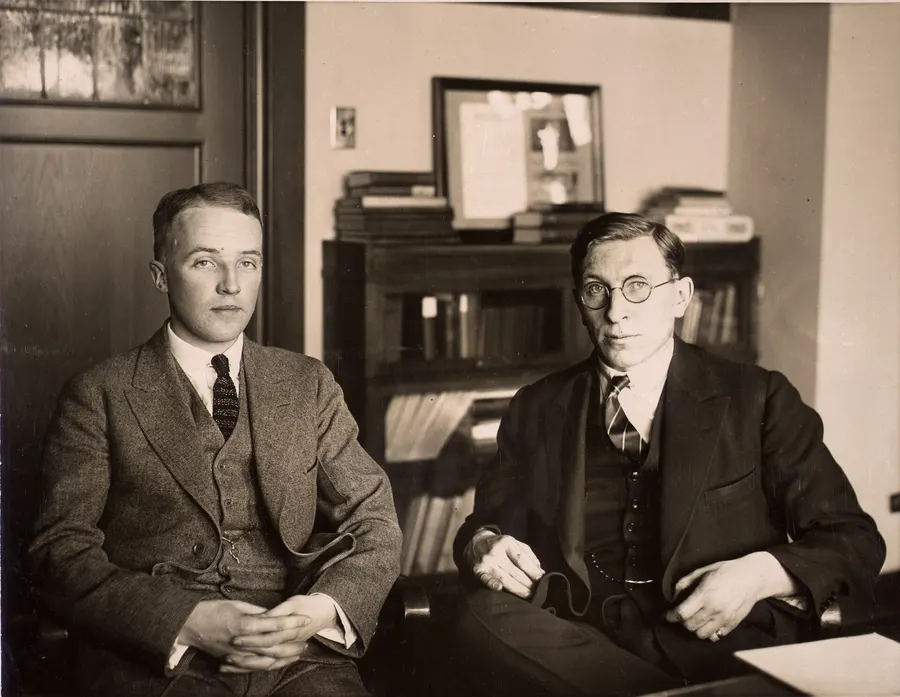
Charles Best (left) and Frederick Banting, about 1924 (University of Toronto Library).
Image creditUnknown author · Public domainResized and cropped for display.

A dying boy is the first person given insulin

Before 1922 type 1 diabetes was a death sentence; the only treatment was a near-starvation diet. At the University of Toronto, Frederick Banting and Charles Best, working in John Macleod’s laboratory, had extracted from dogs’ pancreases a substance that lowered blood sugar.

On 11 January 1922, at Toronto General Hospital, 14-year-old Leonard Thompson received the first injection. It had little effect, but after the biochemist James Collip purified the extract, his second course from 23 January worked. Within months insulin was being made in quantity, and it has since kept millions of people alive. Thompson lived another 13 years.

Read the full storyHistory & Timeline →Source: Thomas Fisher Rare Book Library, University of Toronto: Leonard Thompson ↗
Titania, the largest moon of Uranus, photographed by Voyager 2 on 24 January 1986.
Image creditNASA/JPL · Public domainResized and cropped for display.

William Herschel finds two moons of Uranus

In 1781 William Herschel, a German-born musician turned astronomer living in Bath, had discovered Uranus, the first planet found since ancient times. He went on building ever larger telescopes to study it.

On 11 January 1787 he identified two moons circling the planet, its largest. They were later named Titania and Oberon, after the fairy queen and king of Shakespeare’s A Midsummer Night’s Dream; the planet’s moons have been named after literary characters ever since. Only Voyager 2, passing in 1986, showed their surfaces close up.

Read the full storyHistory & Timeline →Source: NASA Science: Titania ↗
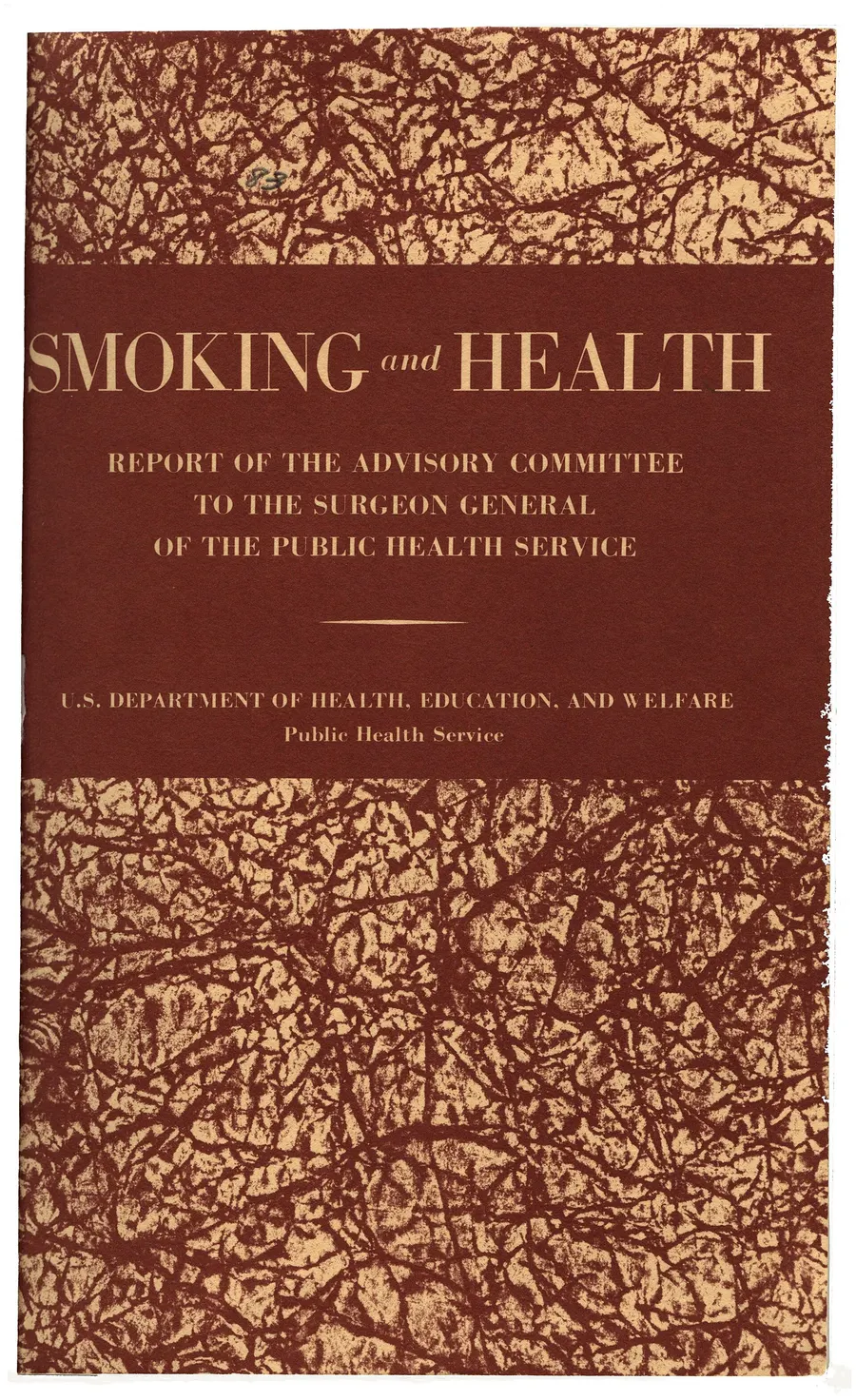
The cover of Smoking and Health, the 1964 report of the Surgeon General's Advisory Committee.
The cover of Smoking and Health, the 1964 report of the Surgeon General’s Advisory Committee.
Image creditUnited States Public Health Service, Office of the Surgeon General; Surgeon General's Advisory Committee on Smoking and Health; National Library of Medicine, National Institute of Health · Public domainResized and cropped for display.

The US Surgeon General declares that smoking causes cancer

By the early 1960s about four in ten American adults smoked. Studies had been linking cigarettes to lung cancer for more than a decade, but the tobacco industry disputed them. In 1962 the Surgeon General, Luther Terry, set up a panel of ten experts, none of whom had taken a public stand on smoking, to review the evidence.

Their report, released on Saturday 11 January 1964, drew on more than 7,000 studies and concluded that smoking caused lung cancer in men and was the most important cause of chronic bronchitis. It made headlines across the country and led to health warnings on cigarette packets and, over the following decades, a long decline in smoking.

Read the full storyHistory & Timeline →Source: US National Library of Medicine, Profiles in Science: the 1964 report on smoking and health ↗
✦
LIVES REMEMBERED

Remembered Today

Éric Rohmer
Image creditSmdl · CC BY-SA 3.0Resized and cropped for display.

Éric Rohmer

French film director of the New Wave, known for his talkative moral tales.

Ariel Sharon
Image creditAvi Ohayon · CC BY-SA 3.0Resized and cropped for display.

Ariel Sharon

Israeli general and politician, Prime Minister of Israel from 2001 to 2006.

☉
AROUND THE WORLD

Observances & Anniversaries

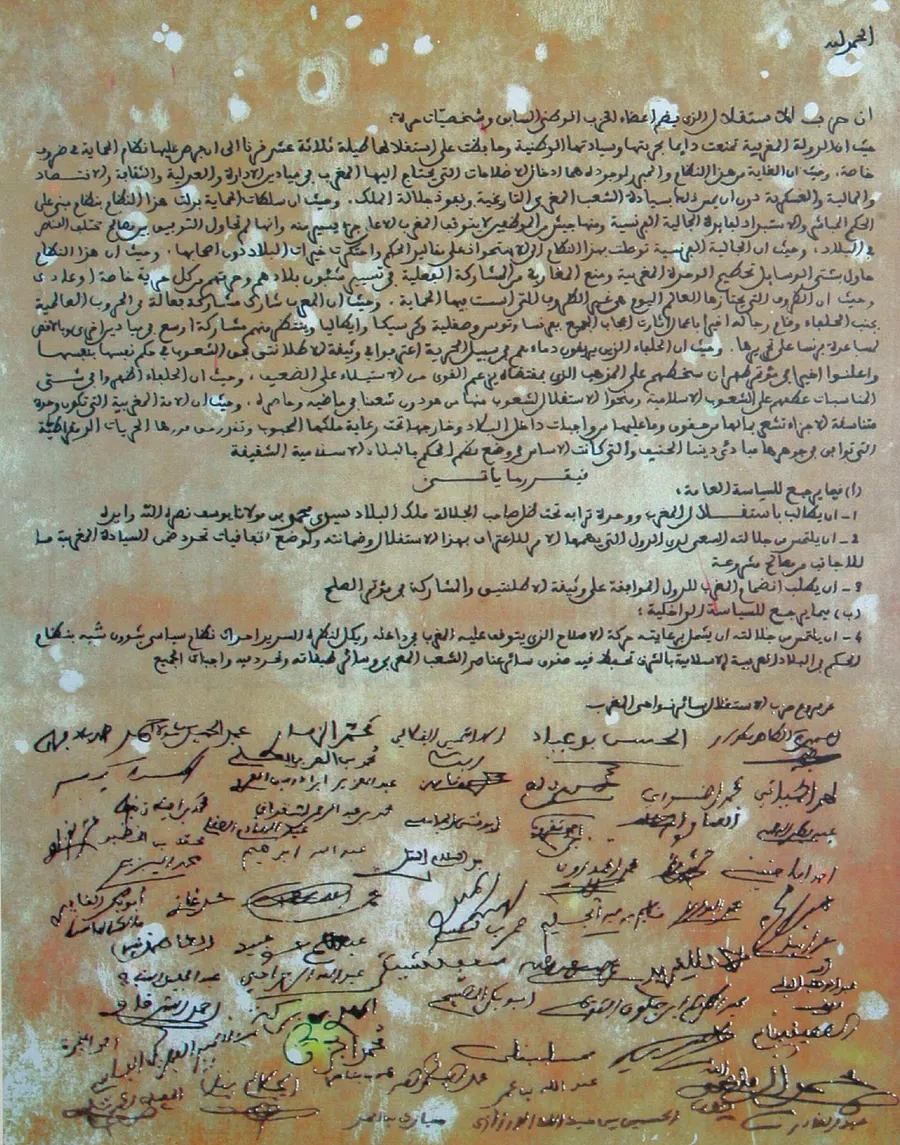
The original manifesto of Moroccan independence, dated 11 January 1944, with its signatures.
Image creditAhmed Bahnini, Ahmed el-Hamiani Khatat · Public domainResized and cropped for display.

Independence Manifesto Day in Morocco

On 11 January 1944, during the French protectorate, more than sixty Moroccan nationalists signed a manifesto demanding full independence under Sultan Mohammed ben Youssef and delivered it to the French authorities and to the Allied powers. It marked the turn from calls for reform to a demand for sovereignty, which came in 1956. Morocco keeps the anniversary as a public holiday.

Source: Maroc.ma, Kingdom of Morocco: presentation of the Independence Manifesto, a milestone in Morocco’s struggle for independence ↗
HISTORY & TIMELINE

Finished the highlights?

Follow 11 January chronologically, from the Middle Ages to the modern day, with 9 verified events and the sources behind them.

This day through time →