Explore 7 January

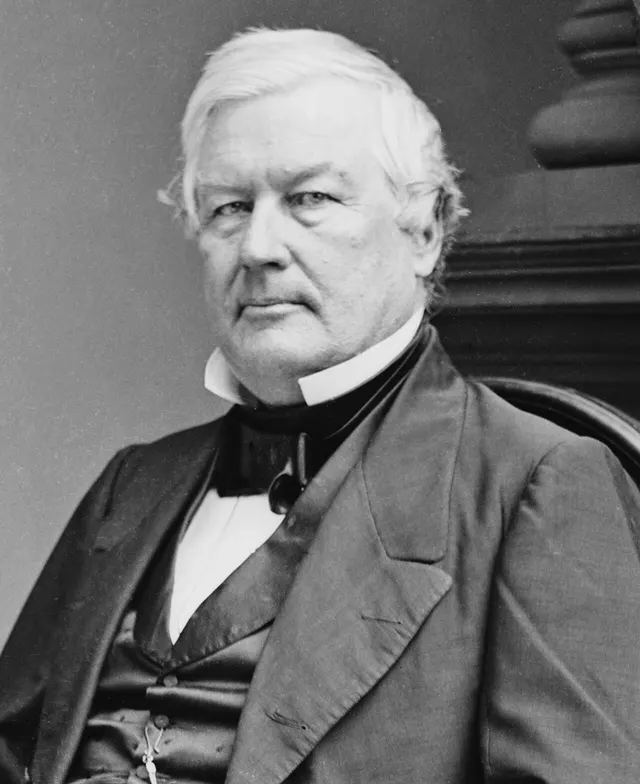
Explore 7 January: Vietnamese troops drive the Khmer Rouge out of Phnom Penh, the Dáil narrowly approves the treaty that created the Irish Free State, Ghana returns to civilian rule and the United States recognises Fidel Castro’s new government. Meet Millard Fillmore, Bernadette Soubirous and Nicolas Cage, born on 7 January.

This day through time →9 verified events across 2 eras

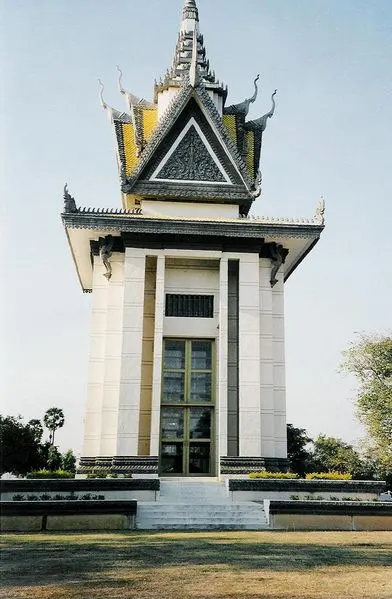
The memorial stupa at Choeung Ek, near Phnom Penh, which honours the victims of the Khmer Rouge.
Image creditThe original uploader was Hotguy at Hebrew Wikipedia. · CC BY-SA 3.0Resized and cropped for display.

The Khmer Rouge are driven from Phnom Penh

Between 1975 and 1979 the Khmer Rouge regime of Pol Pot emptied Cambodia’s cities, abolished money and religion and drove the population into forced labour. Between 1.5 and 2 million people, perhaps a fifth of the population, died from execution, starvation and disease.

After years of Khmer Rouge raids across its border, Vietnam invaded at Christmas 1978, and on 7 January 1979 its troops took Phnom Penh. The Khmer Rouge leaders fled to the Thai border and fought on for years. Vietnam installed a new government, and Cambodians still mark 7 January as the day the regime fell.

Read the full storyHistory & Timeline →Source: Encyclopaedia Britannica: Phnom Penh ↗
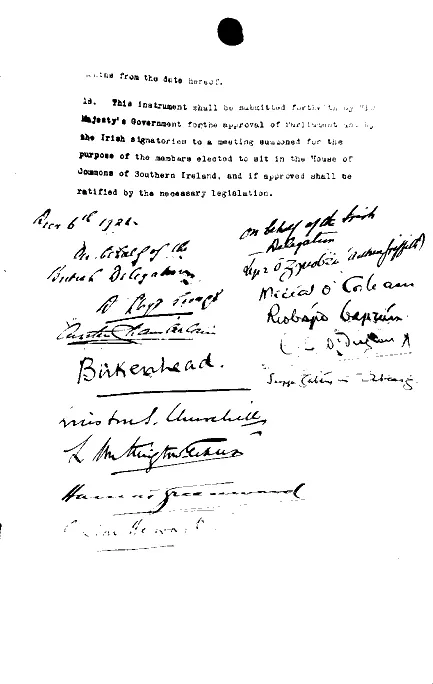
The signatures on the Anglo-Irish Treaty of December 1921.
Image creditUnknown · Public domainResized and cropped for display.

The Dáil approves the Anglo-Irish Treaty

The treaty signed in London in December 1921 ended the Irish War of Independence. It offered a self-governing Irish Free State inside the British Commonwealth, with an oath to the Crown, while Northern Ireland could stay in the United Kingdom.

Dáil Éireann debated it bitterly for weeks. On 7 January 1922 it approved the treaty by 64 votes to 57. Éamon de Valera and his supporters walked out, calling it a betrayal of the Republic. The split led within months to civil war between former comrades.

Read the full storyHistory & Timeline →Source: Houses of the Oireachtas: the Treaty in context ↗
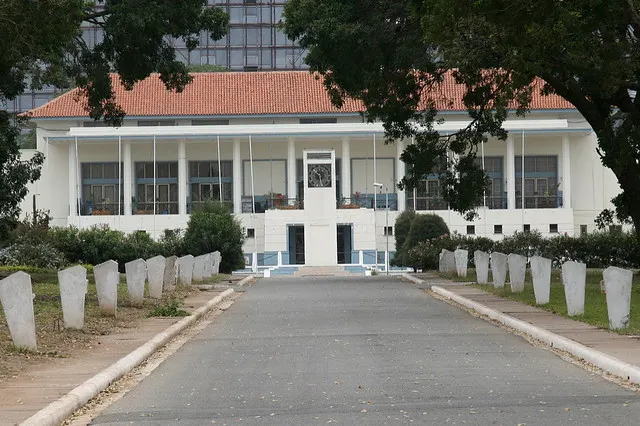
Parliament House in Accra, the seat of the Parliament of Ghana.
Image creditWgsohne · CC BY-SA 3.0Resized and cropped for display.

Ghana returns to constitutional rule

Ghana, the first colony in sub-Saharan Africa to win independence, had lived through a series of military coups by 1981, the last of them led by Flight Lieutenant Jerry Rawlings. In 1992 Ghanaians approved a new constitution in a referendum and voted in multiparty elections.

On 7 January 1993 the Fourth Republic began, with Rawlings sworn in as its elected president and a new parliament in place. It has lasted longer than all Ghana’s earlier republics together, and power has since passed peacefully between parties several times.

Read the full storyHistory & Timeline →Source: Parliament of Ghana: history of Ghana’s parliament ↗
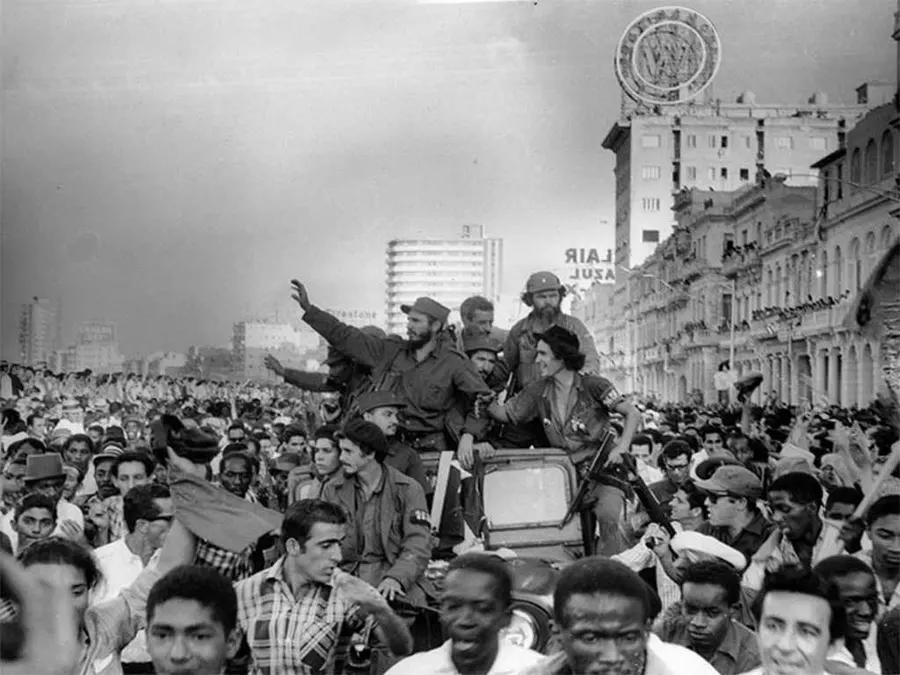
Fidel Castro's entry into Havana in January 1959.
Fidel Castro’s entry into Havana in January 1959.
Image creditDesconhecido · Public domainResized and cropped for display.

The United States recognises Castro’s Cuba

The dictator Fulgencio Batista fled Cuba on New Year’s Day 1959, and Fidel Castro’s rebels took power. Washington, which had supported Batista for years, moved quickly to establish relations with the new government.

On 7 January 1959, less than a week later, the United States formally recognised it. Friendship did not last: within two years Castro had seized American-owned property and turned to the Soviet Union, and in January 1961 the United States broke off relations, which were not restored until 2015.

Read the full storyHistory & Timeline →Source: US Department of State, Office of the Historian: Foreign Relations of the United States 1958-1960, Cuba, document 217 ↗
♙
PEOPLE

Born Today

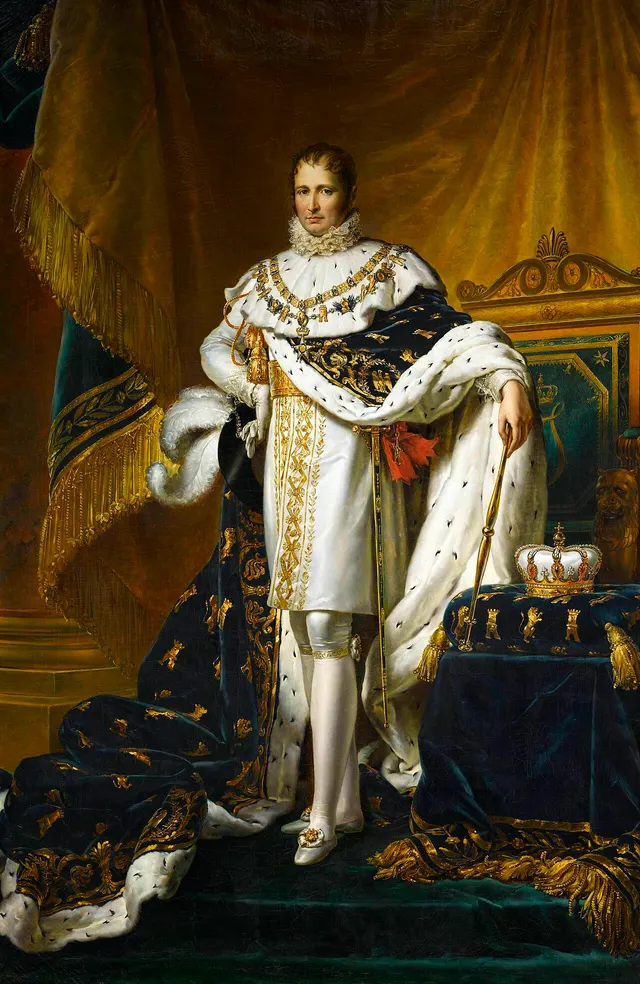
Joseph Bonaparte
Image creditFrançois Gérard · Public domainResized and cropped for display.

Joseph Bonaparte

Napoleon’s elder brother, made King of Naples and then of Spain.

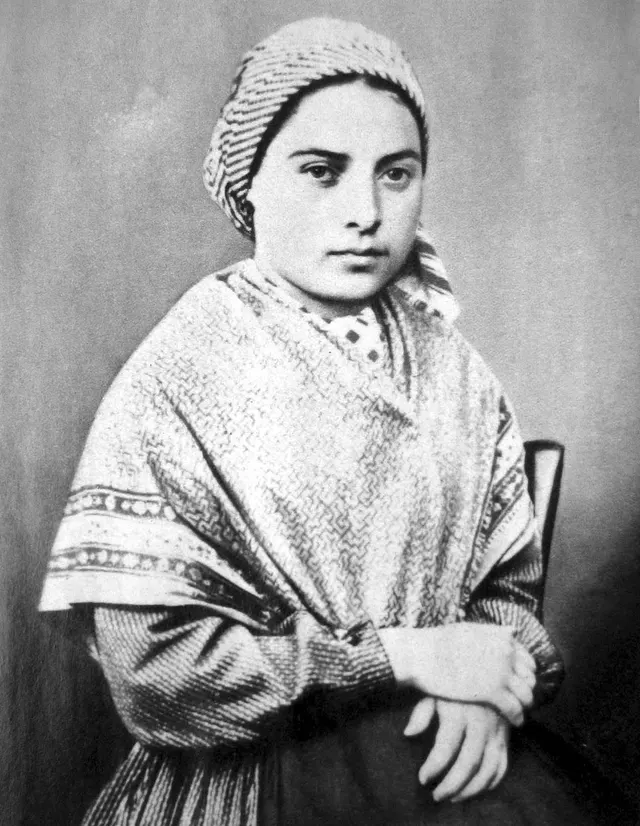
Bernadette Soubirous
Image creditabbé P. Bernadou · Public domainResized and cropped for display.

Bernadette Soubirous

Miller’s daughter whose visions of the Virgin Mary in 1858 made Lourdes a place of pilgrimage.

Eliezer Ben-Yehuda
Image creditYa'ackov Ben-Dov · Public domainResized and cropped for display.

Eliezer Ben-Yehuda

Lexicographer who led the revival of Hebrew as a spoken, everyday language.

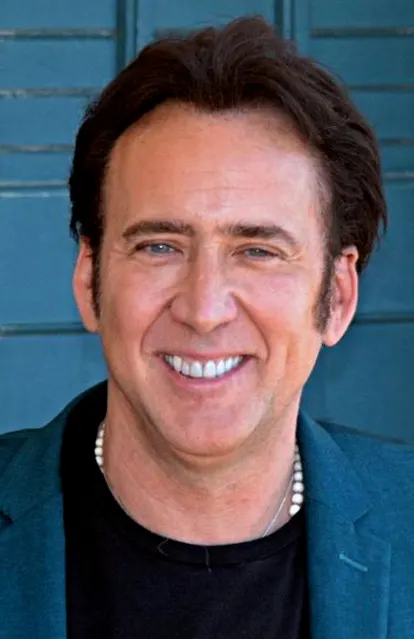
Nicolas Cage
Image creditGeorges Biard · CC BY-SA 3.0Resized and cropped for display.

Nicolas Cage

American actor who won an Oscar for Leaving Las Vegas.

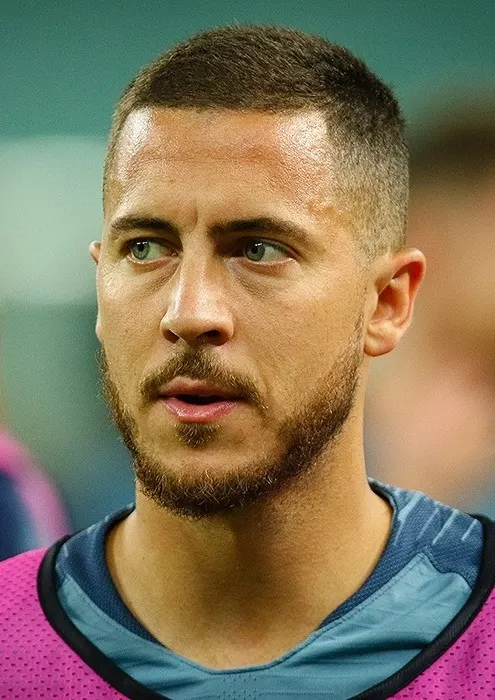
Eden Hazard
Image creditAmir Hosseini · CC BY 4.0Resized and cropped for display.

Eden Hazard

Belgian winger who won two Premier League titles with Chelsea.

◉
IDEAS THAT CHANGED THINGS

Firsts, Science & Discoveries

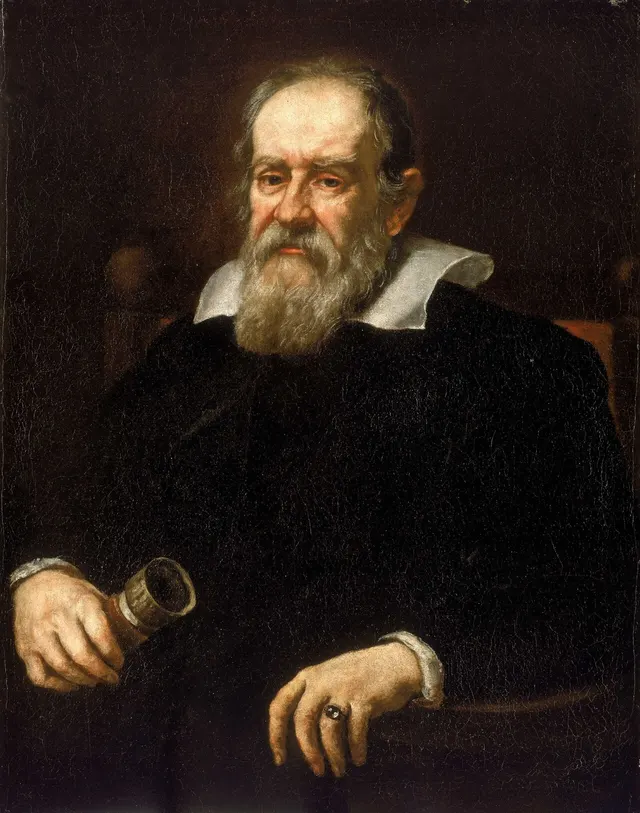
Galileo Galilei, in a portrait held by Royal Museums Greenwich.
Image creditJustus Sustermans · Public domainResized and cropped for display.

Galileo sees the moons of Jupiter

On the night of 7 January 1610, in Padua, Galileo Galilei turned his newly improved telescope on Jupiter and saw three small points of light beside it, lined up like tiny stars. Night after night they changed position; a few days later he found a fourth, and by mid-January he understood that they were moons circling Jupiter.

It was the first proof that not everything in the heavens went round the Earth. Galileo rushed his discoveries into print that March in The Starry Messenger, and named the moons the Medicean Stars after his hoped-for patrons in Florence.

Read the full storyHistory & Timeline →Source: NASA: 415 years ago, astronomer Galileo discovers Jupiter’s moons ↗
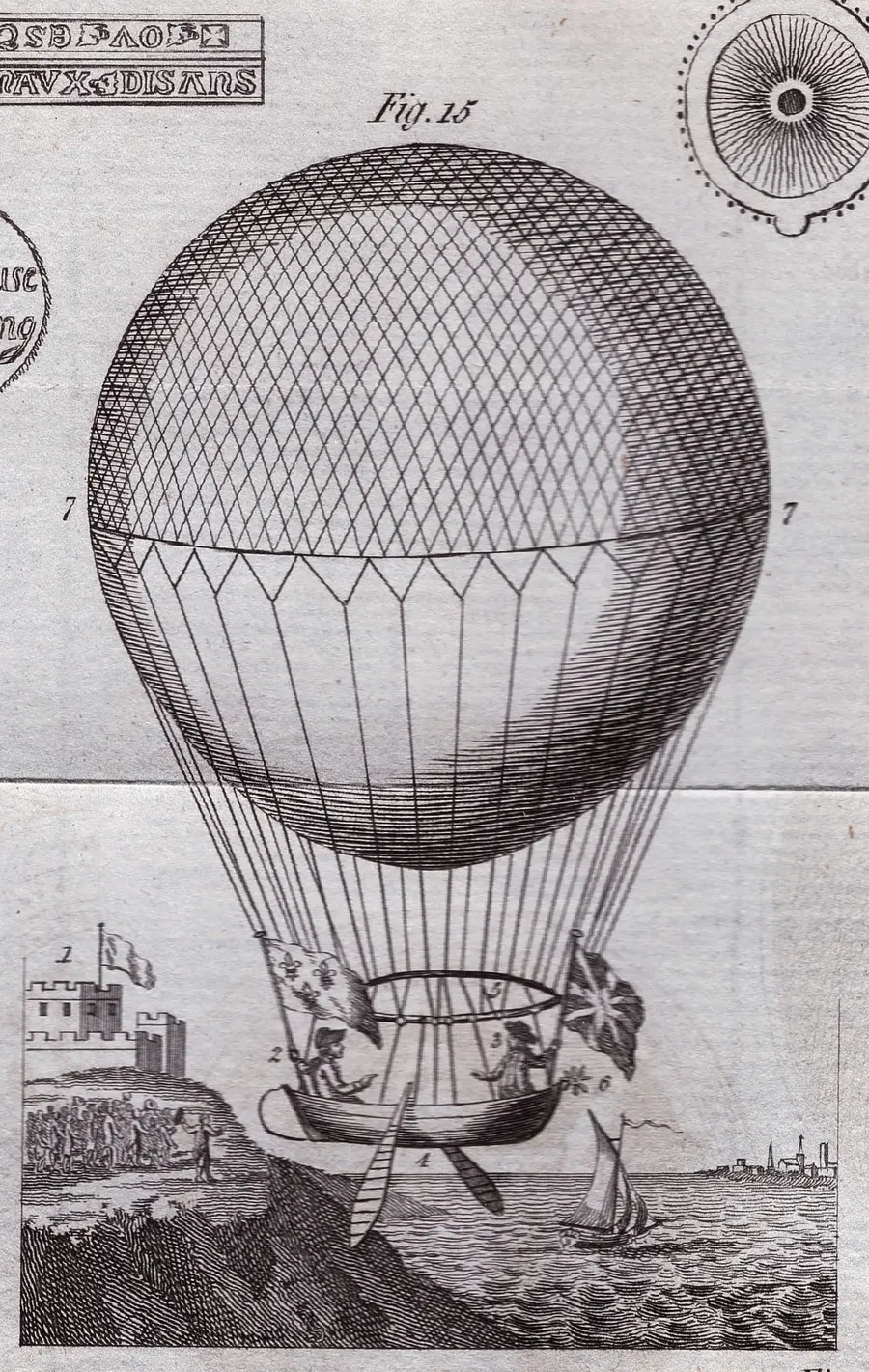
A print of Blanchard and Jeffries's balloon crossing the English Channel in 1785.
A print of Blanchard and Jeffries’s balloon crossing the English Channel in 1785.
Image creditJmack361 · CC BY-SA 4.0Resized and cropped for display.

Two balloonists fly across the English Channel

On 7 January 1785 the French balloonist Jean-Pierre Blanchard and his American backer, the Boston doctor John Jeffries, rose from the cliffs of Dover in a hydrogen balloon and headed for France.

The balloon kept sinking, and to stay in the air they threw out their ballast, their equipment and even much of their clothing. They came down safely in a forest near Calais, the first people to fly across the Channel, carrying what is often called the first international airmail.

Read the full storyHistory & Timeline →Source: Smithsonian National Air and Space Museum: crossing the Channel in a balloon ↗
Masts of the Rugby Radio Station in England, which carried the radio link of the first transatlantic telephone service; photographed in 2005.
Image creditDavid Reid · CC BY-SA 2.0Resized and cropped for display.

The first telephone call across the Atlantic

Until 1927 the only way to send words across the Atlantic at once was by telegraph. On 7 January that year the American Telephone and Telegraph Company and the British Post Office opened a public telephone service between New York and London, carried by long-wave radio between stations in the United States and Britain.

The first official call linked the head of AT&T in New York with the head of the Post Office in London. Calls were very expensive, and telephone cables under the ocean took over only in 1956.

Read the full storyHistory & Timeline →Source: Library of Congress, National Recording Registry: first official transatlantic telephone call (January 7, 1927) ↗
♫
MUSIC • FILM • BOOKS • CULTURE

Culture Stories

Marian Anderson, photographed by Carl Van Vechten in 1940.
Image creditCarl Van Vechten · Public domainResized and cropped for display.

Marian Anderson sings at the Metropolitan Opera

The contralto Marian Anderson had sung in the concert halls of Europe for decades, and in 1939, barred from a Washington hall because she was Black, she sang to 75,000 people at the Lincoln Memorial. But no Black singer had ever taken a leading role at New York’s Metropolitan Opera.

On 7 January 1955 she did, singing the fortune-teller Ulrica in Verdi’s Un ballo in maschera. The audience rose to applaud her before she had sung a note. She was near the end of her career, but the Met’s doors were now open to the Black singers who followed.

Read the full storyHistory & Timeline →Source: Metropolitan Opera: Black voices at the Met ↗
✦
LIVES REMEMBERED

Remembered Today

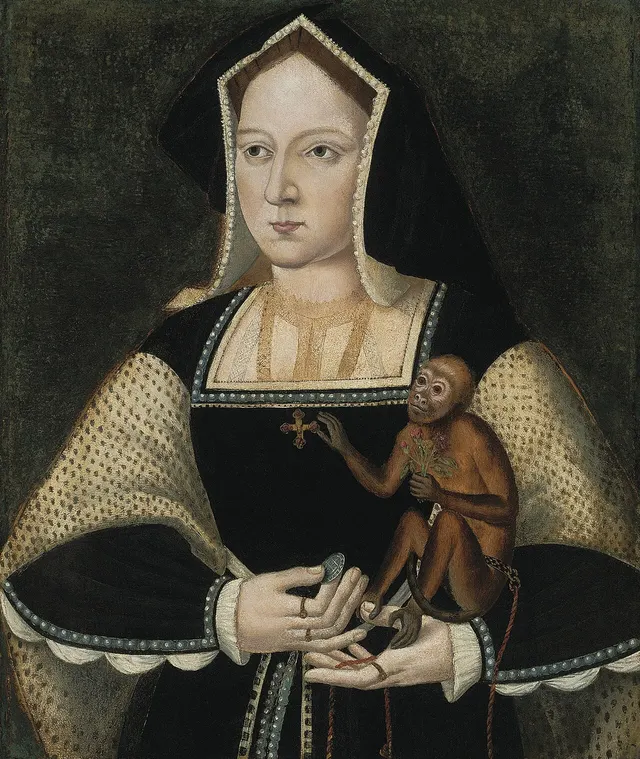
Catherine of Aragon
Image creditLucas Horenbout · Public domainResized and cropped for display.

Catherine of Aragon

Spanish princess and first wife of Henry VIII, whose annulment led to England’s break with Rome.

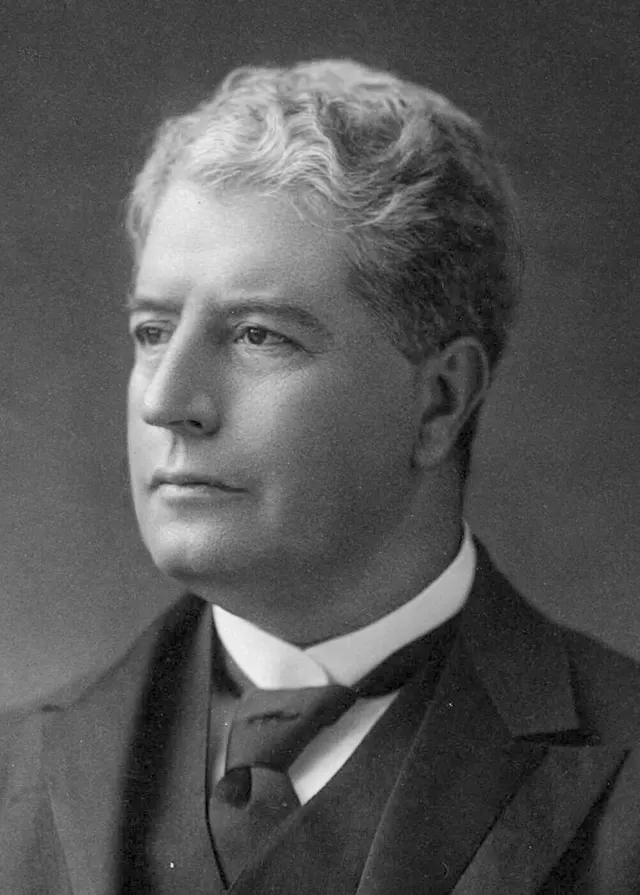
Edmund Barton
Image creditSwiss Studios · Public domainResized and cropped for display.

Edmund Barton

First prime minister of Australia, from 1901 to 1903.

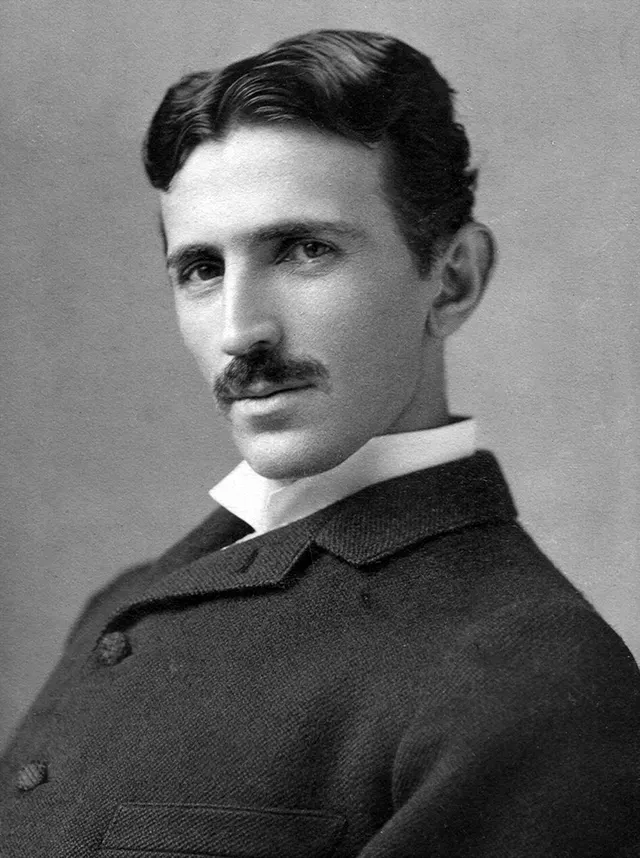
Nikola Tesla
Image creditNapoleon Sarony · Public domainResized and cropped for display.

Nikola Tesla

Serbian-American inventor of the alternating-current motor and pioneer of electric power.

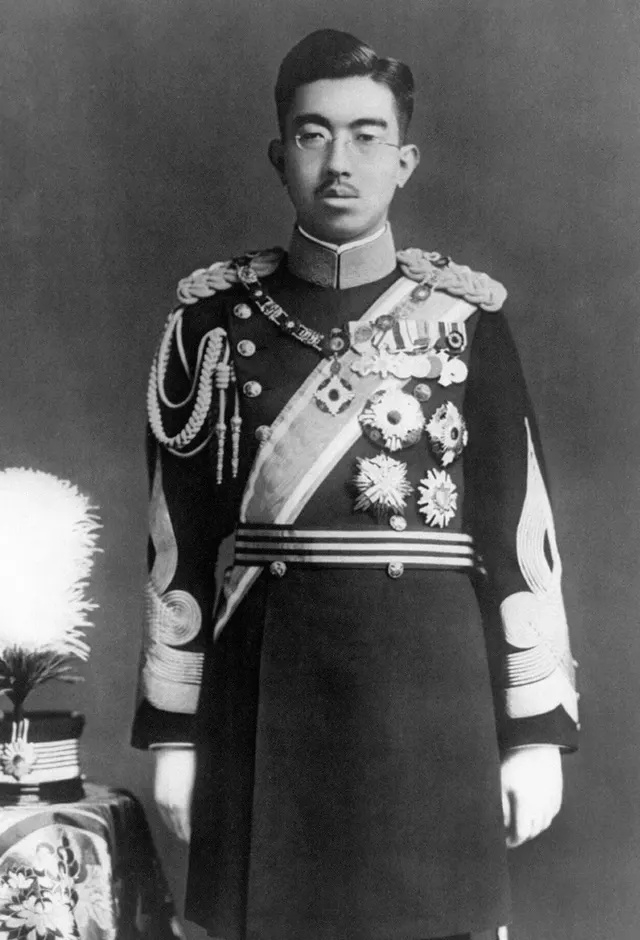
Hirohito
Image creditUnknown authorUnknown author · Public domainResized and cropped for display.

Hirohito

Emperor of Japan from 1926 through the war and the post-war recovery, the longest reign in its history.

☉
AROUND THE WORLD

Observances & Anniversaries

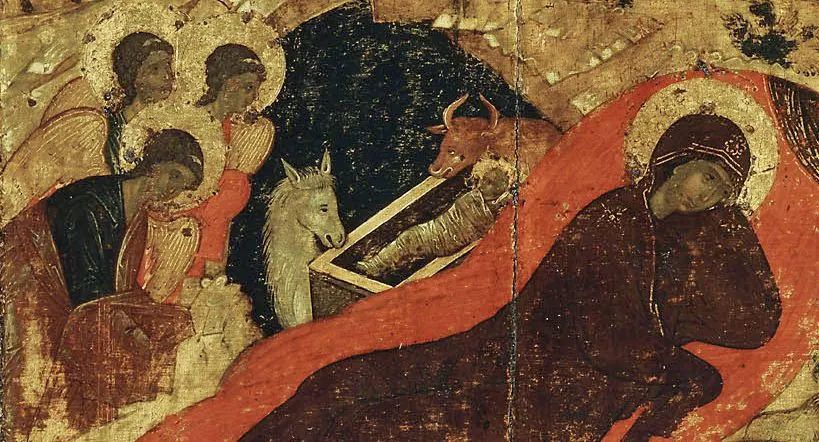
The Nativity, a detail of an icon attributed to Andrei Rublev, 1405, in the Annunciation Cathedral of the Moscow Kremlin.
Image creditAndrei Rublev · Public domainResized and cropped for display.

Christmas in the Julian-calendar churches

On 7 January millions of Christians celebrate Christmas: the Orthodox Churches of Russia, Serbia, Georgia and Jerusalem, which still keep the old Julian calendar for their feasts, and the Coptic Church of Egypt and the Ethiopian Orthodox Church, whose own calendars also place the Nativity on this day. The Julian calendar now runs thirteen days behind the one used in daily life, so their 25 December falls on the modern 7 January.

Source: Encyclopaedia Britannica: why is Orthodox Christmas in January? ↗
HISTORY & TIMELINE

Finished the highlights?

Follow 7 January chronologically, from the Middle Ages to the modern day, with 9 verified events and the sources behind them.

This day through time →