Explore 6 January

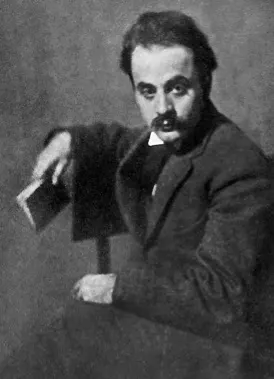
Explore 6 January: Harold is crowned King of England on the day of Edward the Confessor’s funeral, a young Albanian nun lands in Calcutta, New Mexico becomes the 47th state and Franklin Roosevelt names the Four Freedoms. Meet Kahlil Gibran, Rowan Atkinson and A. R. Rahman, born on 6 January.

This day through time →10 verified events across 4 eras

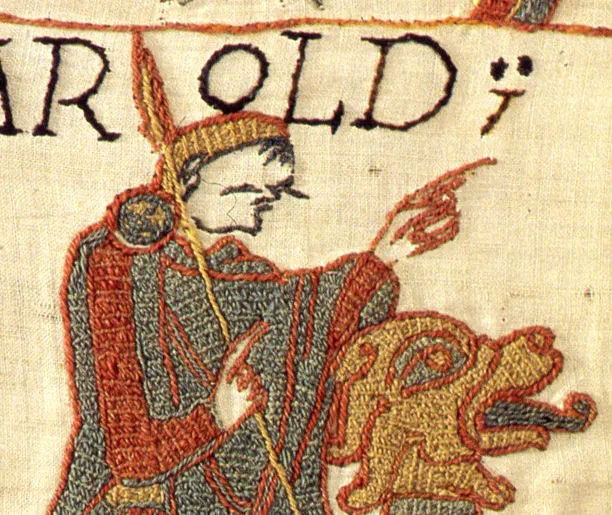
Harold, named above his head in the Bayeux Tapestry.
Image credit~ · Public domainResized and cropped for display.

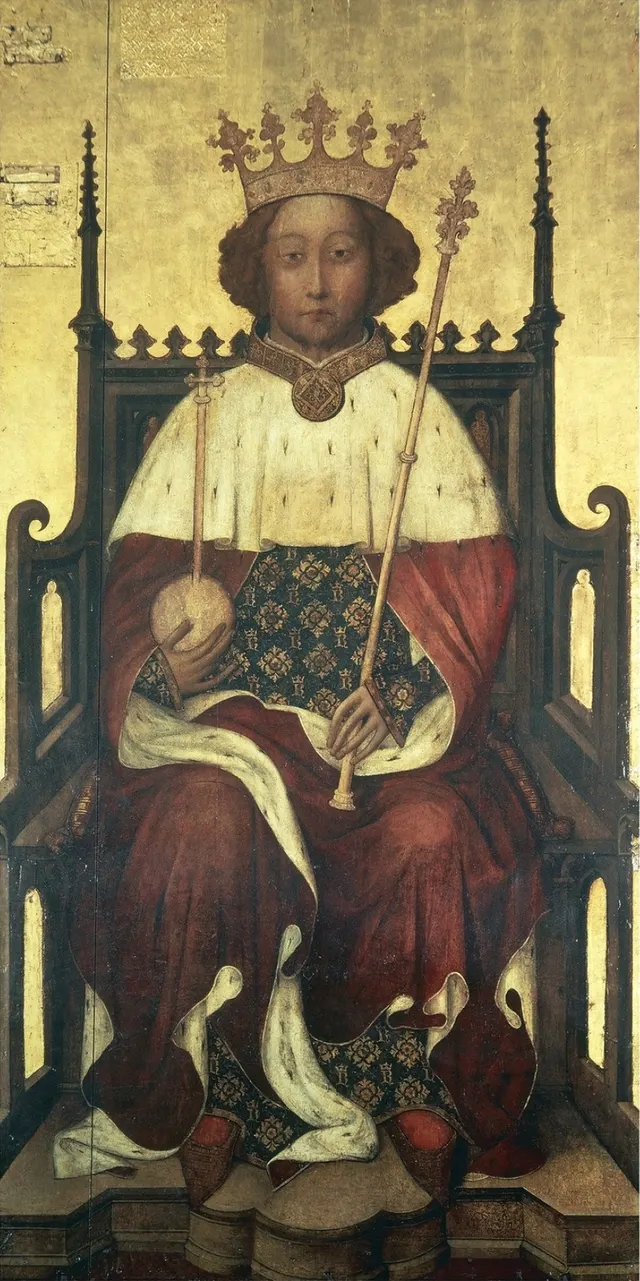
Harold is crowned King of England

Edward the Confessor died childless on 5 January 1066. On his deathbed, it was said, he commended the kingdom to Harold Godwinson, Earl of Wessex, the most powerful man in England. The next morning Edward was buried in his new abbey at Westminster, and within hours Harold was crowned there.

The speed told its own story: other men claimed the throne. Harold defeated one of them, Harald Hardrada of Norway, at Stamford Bridge in September, but three weeks later he was killed at Hastings by the army of the other, William of Normandy.

Read the full storyHistory & Timeline →Source: Encyclopaedia Britannica: Harold II ↗
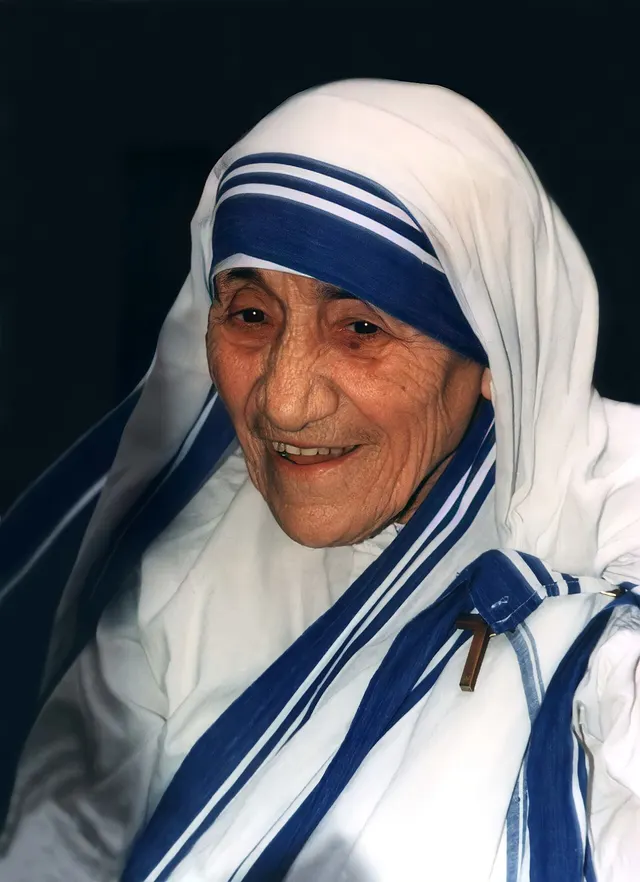
Mother Teresa in later life, wearing the blue-bordered sari of her Missionaries of Charity.
Image creditKingkongphoto & www.celebrity-photos.com from Laurel Maryland, USA · CC BY-SA 2.0Resized and cropped for display.

A young nun arrives in Calcutta

Anjezë Gonxhe Bojaxhiu, an Albanian girl from Skopje, left home at eighteen to join the Sisters of Loreto in Ireland, who sent her on to India. She arrived in Calcutta on 6 January 1929 and spent the next seventeen years teaching at the order’s school for girls there, taking the name Teresa.

In 1946 she felt called to serve the poorest people of the city directly. She founded the Missionaries of Charity, which cared for the dying, orphans and people with leprosy, won the Nobel Peace Prize in 1979 and was declared a saint in 2016.

Read the full storyHistory & Timeline →Source: NobelPrize.org: Mother Teresa, biographical ↗
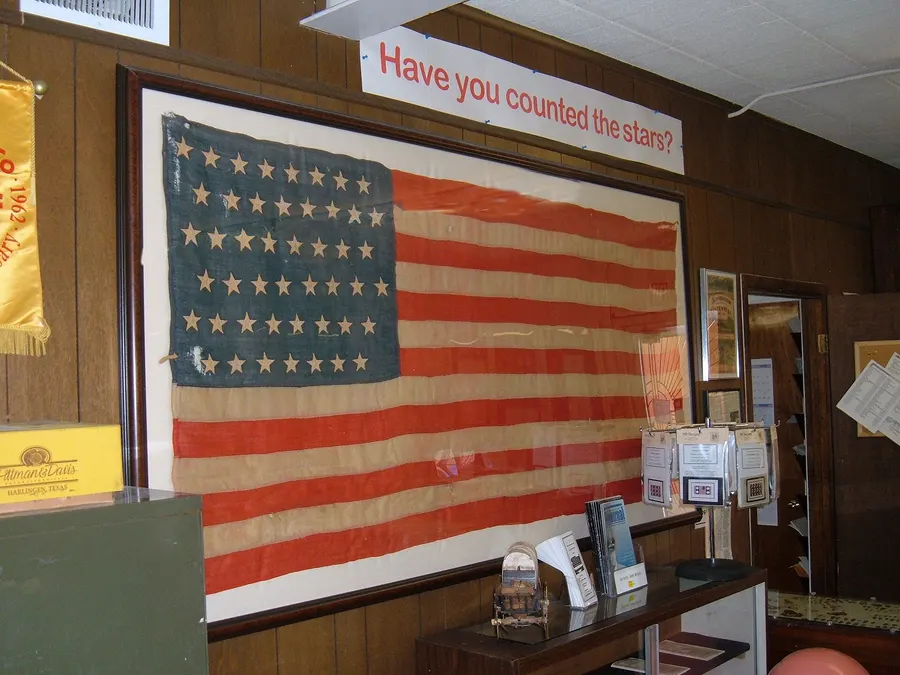
A 47-star United States flag at the Alamogordo Museum of History, New Mexico; such flags flew for only a few weeks in 1912.
Image creditAllenS · Public domainResized and cropped for display.

New Mexico becomes the 47th state

Spain founded Santa Fe in about 1610, and New Mexico passed to the United States after the war with Mexico in 1848. For more than sixty years it remained a territory, held back by Congress’s doubts about a region where most people spoke Spanish and many were Catholic or Native American.

On 6 January 1912 President William Howard Taft signed the proclamation admitting New Mexico as the 47th state. When the news reached Santa Fe a new 47-star flag was raised over the Capitol and church bells rang. Arizona followed as the 48th state six weeks later.

Read the full storyHistory & Timeline →Source: National Archives: New Mexico and Arizona statehood anniversary (1912-2012) ↗
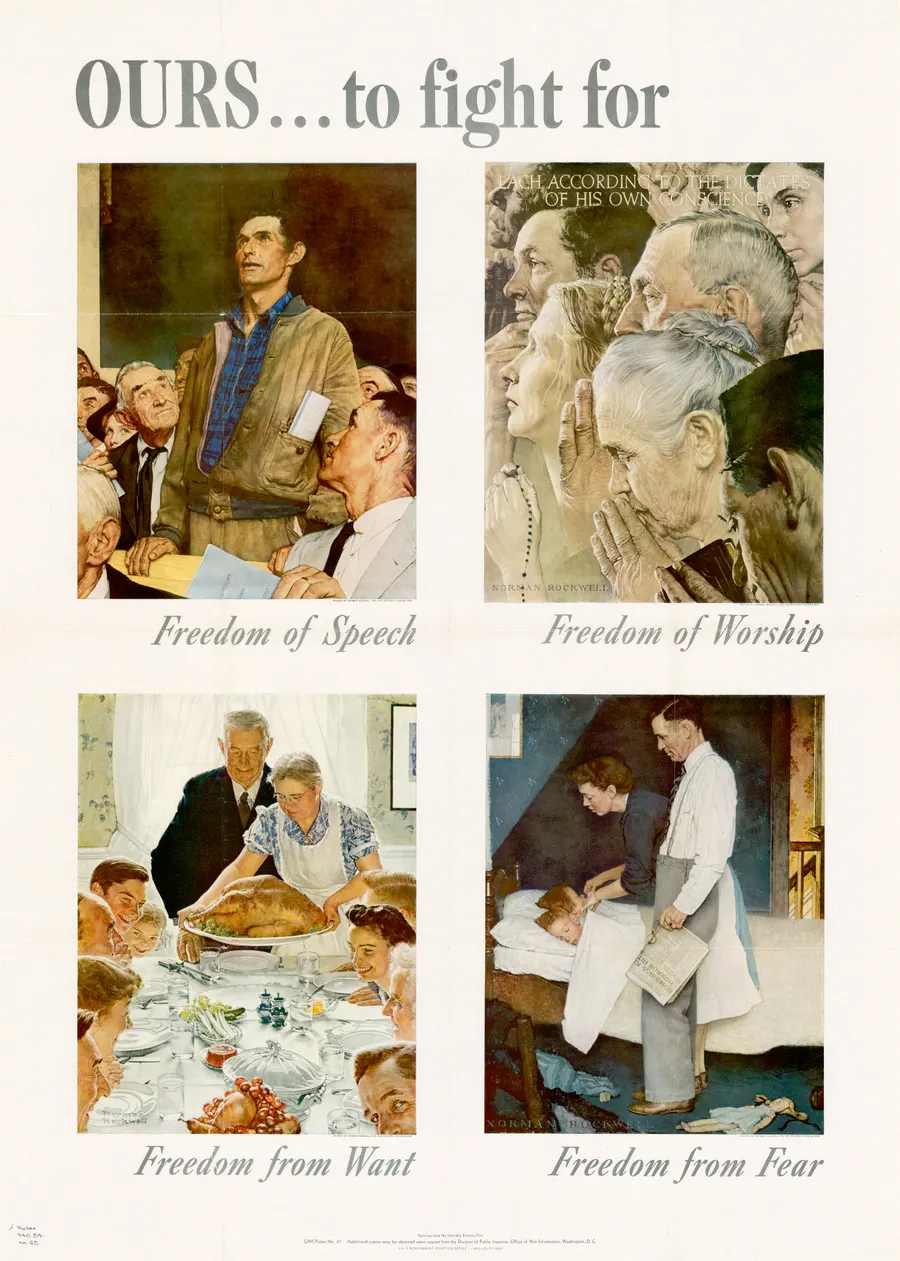
A 1943 US government poster, 'Ours to fight for', using Norman Rockwell's paintings of the Four Freedoms.
A 1943 US government poster, ‘Ours to fight for’, using Norman Rockwell’s paintings of the Four Freedoms.
Image creditOffice of War Information · Public domainResized and cropped for display.

Roosevelt names the Four Freedoms

In January 1941 Britain stood almost alone against Nazi Germany, and the United States was still at peace. In his annual message to Congress on 6 January, President Franklin Roosevelt asked Americans to become an arsenal for the democracies, and called for the aid that became Lend-Lease.

He ended by describing a world founded on four essential freedoms: freedom of speech, freedom of worship, freedom from want and freedom from fear, ‘everywhere in the world’. The phrase shaped the Atlantic Charter, the United Nations and the Universal Declaration of Human Rights.

Read the full storyHistory & Timeline →Source: National Archives: President Franklin Roosevelt’s Annual Message (Four Freedoms) to Congress (1941) ↗
♙
PEOPLE

Born Today

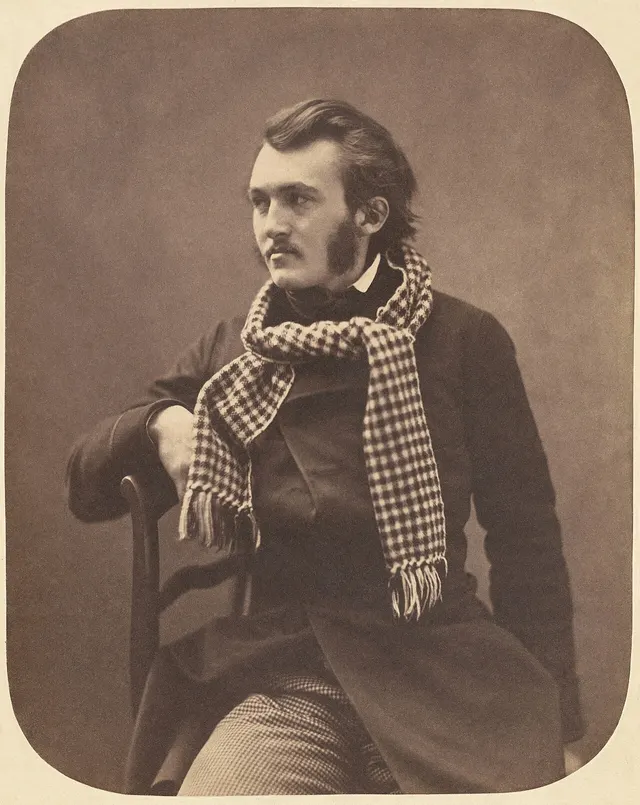
Gustave Doré
Image creditNadar / Adam Cuerden · Public domainResized and cropped for display.

Gustave Doré

French artist whose engravings illustrated Dante, the Bible and Don Quixote.

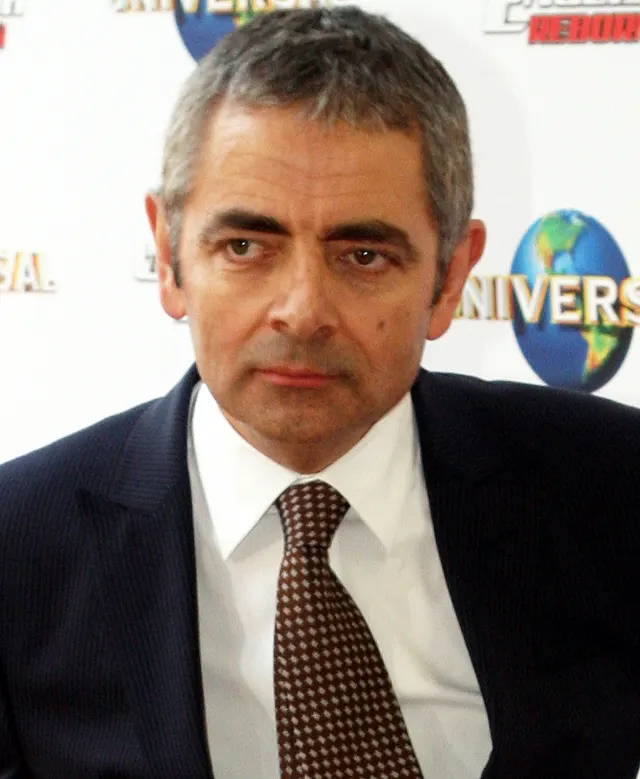
Rowan Atkinson
Image creditEva Rinaldi · CC BY-SA 2.0Resized and cropped for display.

Rowan Atkinson

English comic actor of Blackadder and Mr Bean.

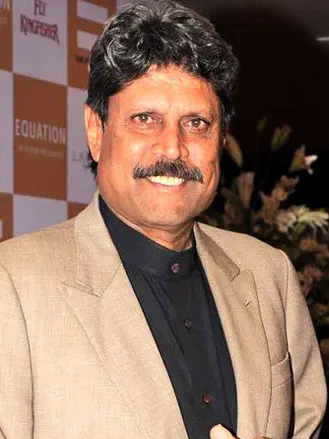
Kapil Dev
Image creditBollywood Hungama · CC BY 3.0Resized and cropped for display.

Kapil Dev

Indian all-rounder who captained India to its first cricket World Cup in 1983.

A. R. Rahman
Image creditSriram Narasimhan · CC BY-SA 4.0Resized and cropped for display.

A. R. Rahman

Indian composer of film music who won two Oscars for Slumdog Millionaire.

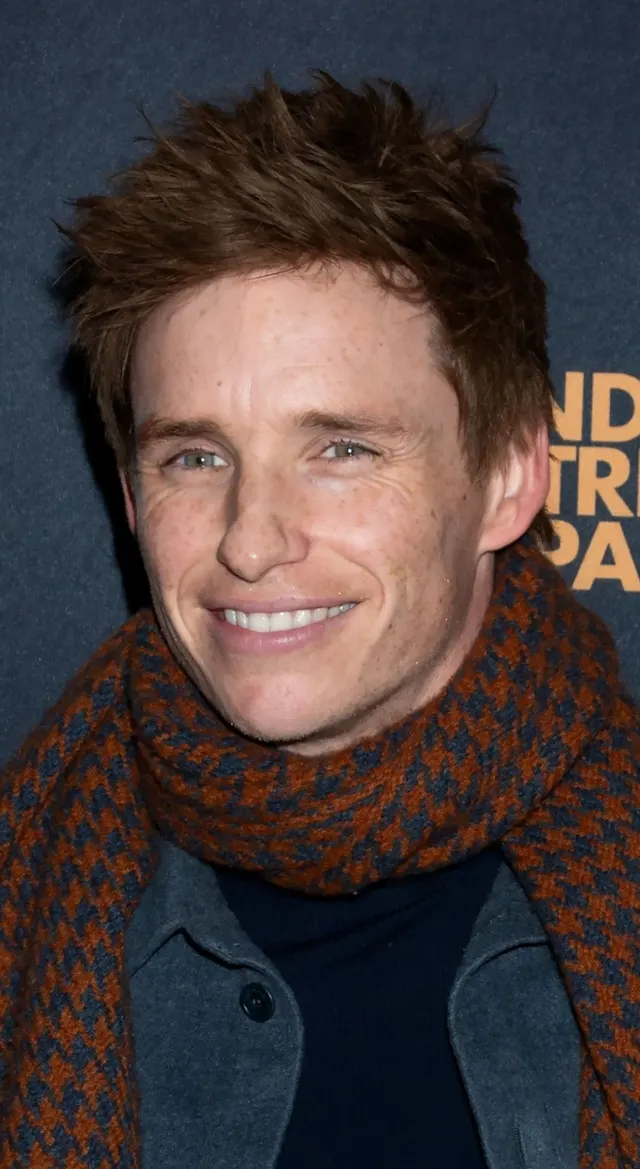
Eddie Redmayne
Image creditVeeTee776 · CC0Resized and cropped for display.

Eddie Redmayne

English actor who won an Oscar playing Stephen Hawking in The Theory of Everything.

◉
IDEAS THAT CHANGED THINGS

Firsts, Science & Discoveries

The factory building at Historic Speedwell, the Vail family's ironworks in Morristown, New Jersey.
The factory building at Historic Speedwell, the Vail family’s ironworks in Morristown, New Jersey.
Image creditUnknown · CC BY-SA 3.0Resized and cropped for display.

The telegraph sends its first sentences

Samuel Morse, a painter turned inventor, and his young partner Alfred Vail worked on their electric telegraph in a building at the Speedwell ironworks in Morristown, New Jersey, owned by Vail’s father.

On 6 January 1838 they showed that it worked. Judge Stephen Vail wrote a sentence on a slip of paper; Alfred tapped it out in code, and at the far end of two miles of wire looped around the room, Morse read it back: ‘A patient waiter is no loser.’ Six years later a line from Washington to Baltimore carried the message ‘What hath God wrought’.

Read the full storyHistory & Timeline →Source: IEEE Engineering and Technology History Wiki: Milestones, demonstration of practical telegraphy, 1838 ↗
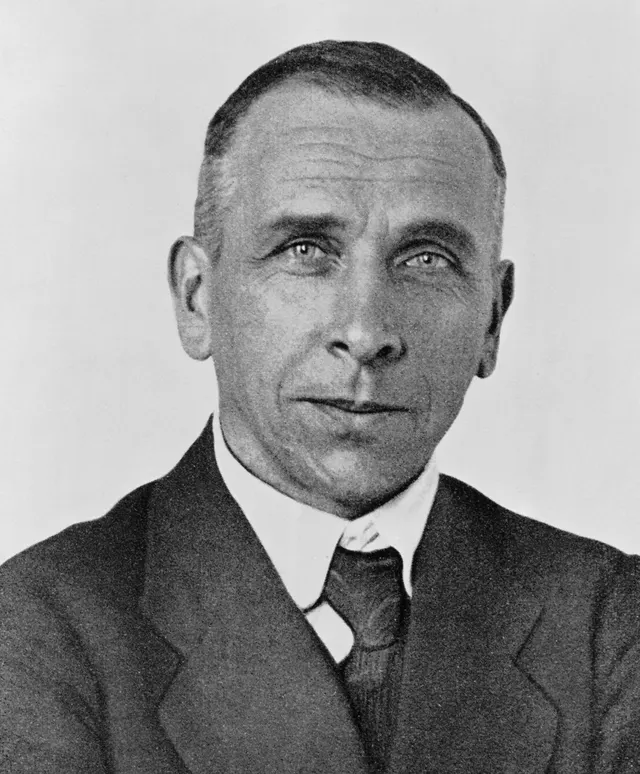
Alfred Wegener, meteorologist, polar explorer and author of the theory of continental drift.
Image creditUnknown authorUnknown author · Public domainResized and cropped for display.

Wegener proposes that the continents move

On 6 January 1912 a 31-year-old meteorologist, Alfred Wegener, spoke to the Geological Association in Frankfurt about the origin of the continents and oceans. Struck by the way the coasts of Africa and South America fit together, and by matching fossils and rocks on either side of the Atlantic, he argued that the continents had once been joined and had drifted apart.

Most geologists rejected the idea, not least because he could not explain what moved them. Wegener died on the Greenland ice cap in 1930. Only in the 1960s did the discovery of sea-floor spreading and plate tectonics prove him broadly right.

Read the full storyHistory & Timeline →Source: Alfred Wegener Institute: the Copernicus of the geosciences ↗
♫
MUSIC • FILM • BOOKS • CULTURE

Culture Stories

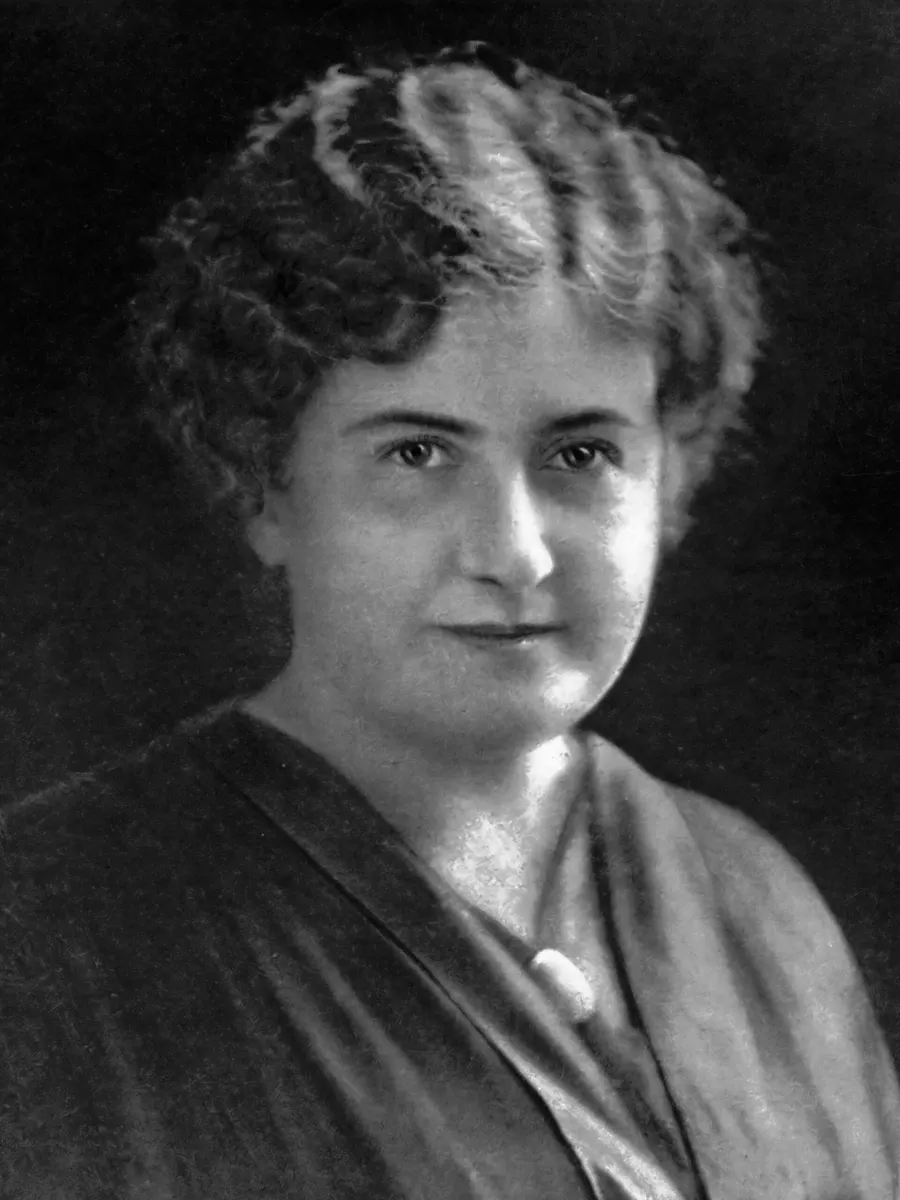
Maria Montessori, doctor and educator.
Image creditUnknown authorUnknown author · Public domainResized and cropped for display.

Maria Montessori opens her first Children’s House

In the poor San Lorenzo district of Rome, a building society had put up new blocks of flats, and the small children left alone while their parents worked were damaging them. It asked Maria Montessori, one of Italy’s first women doctors, to look after them.

She opened her Casa dei Bambini, or Children’s House, on 6 January 1907, with child-sized furniture and materials the children could choose and handle for themselves. Soon five-year-olds were reading and writing. Her method spread around the world, and there are now thousands of Montessori schools.

Read the full storyHistory & Timeline →Source: Association Montessori Internationale archives: on this day, 6 January 1907 ↗
✦
LIVES REMEMBERED

Remembered Today

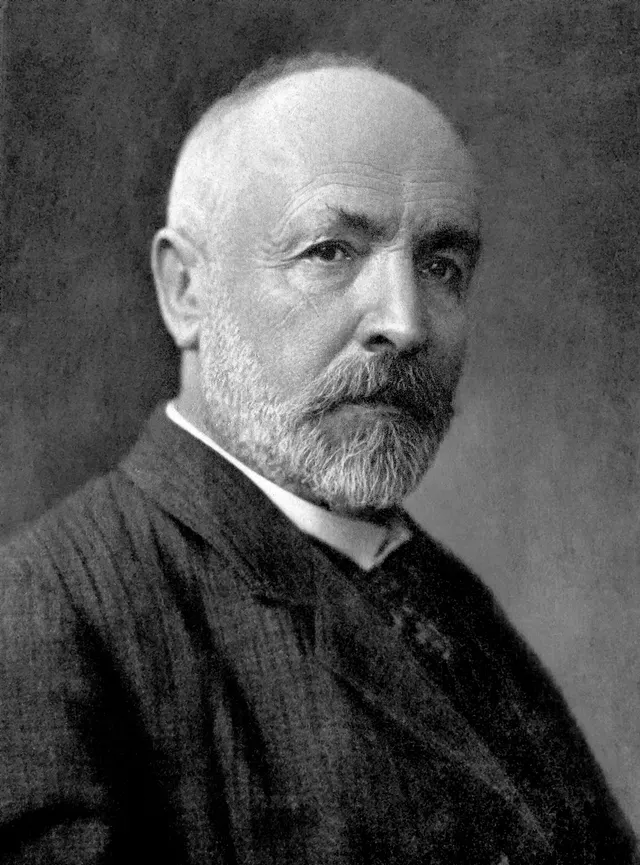
Georg Cantor
Image creditUnknown authorUnknown author · Public domainResized and cropped for display.

Georg Cantor

German mathematician who created set theory and showed that some infinities are larger than others.

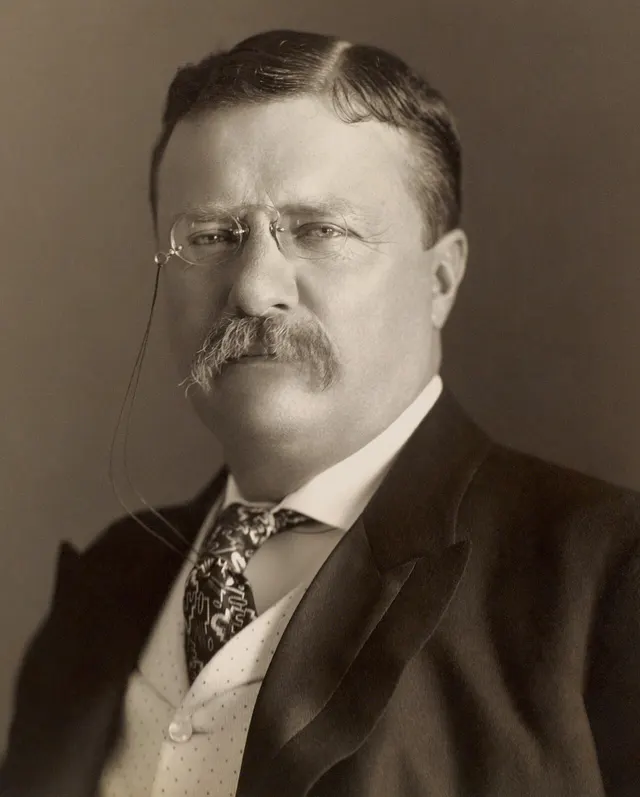
Theodore Roosevelt
Image creditAdam Cuerden · Public domainResized and cropped for display.

Theodore Roosevelt

President of the United States from 1901 to 1909, conservationist and Nobel peace laureate.

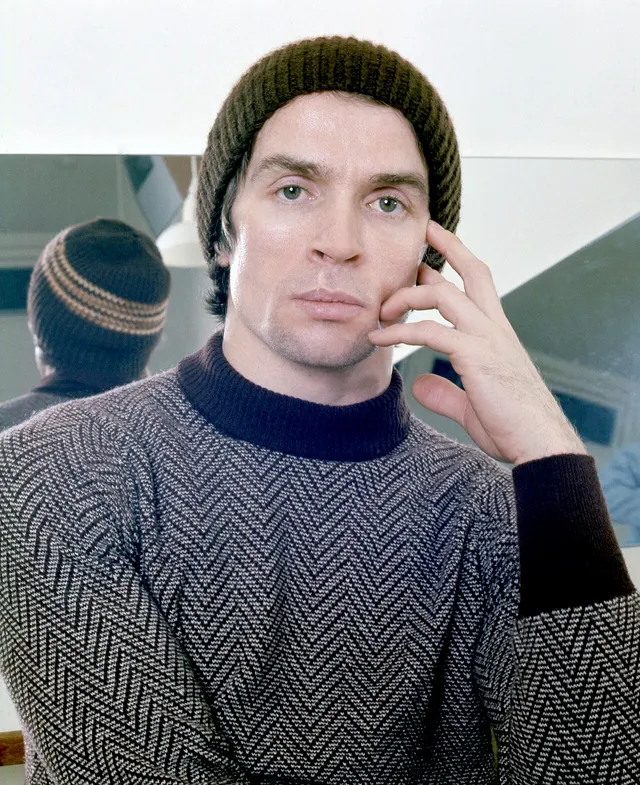
Rudolf Nureyev
Image creditAllan Warren · CC BY-SA 3.0Resized and cropped for display.

Rudolf Nureyev

Soviet-born ballet dancer who defected to the West in 1961 and became its most famous star.

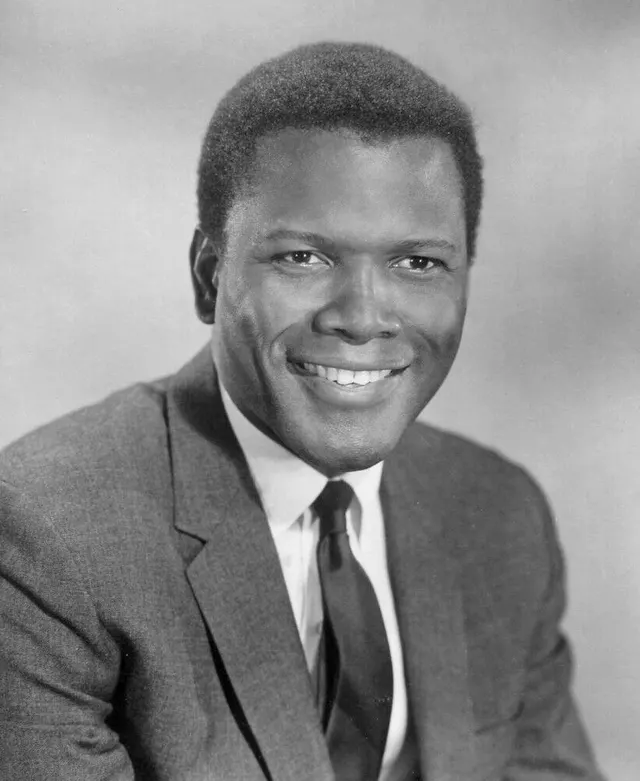
Sidney Poitier
Image creditUnknown photographer · Public domainResized and cropped for display.

Sidney Poitier

Bahamian-American actor, the first Black man to win the Oscar for best actor, for Lilies of the Field.

☉
AROUND THE WORLD

Observances & Anniversaries

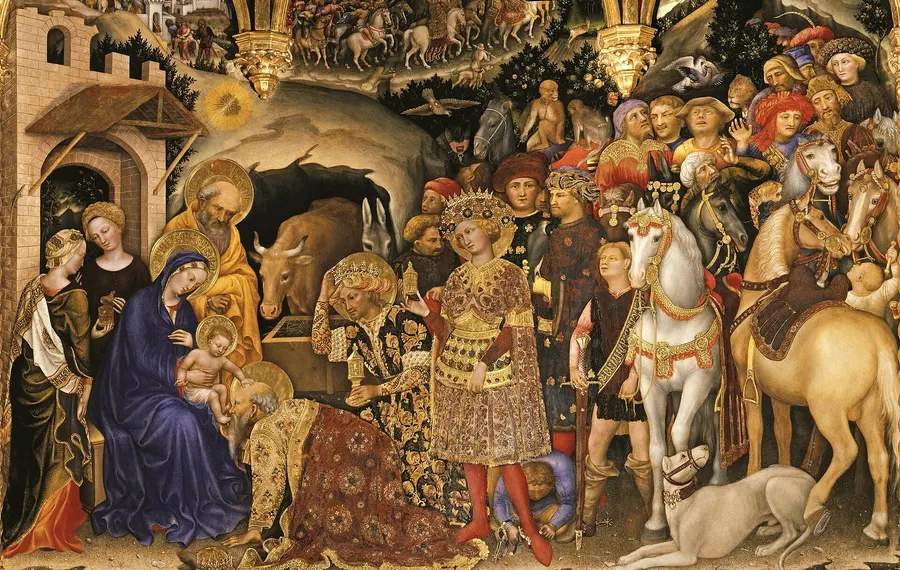
The Adoration of the Magi, painted by Gentile da Fabriano in 1423.
Image creditGentile da Fabriano · Public domainResized and cropped for display.

Epiphany, or Three Kings’ Day

6 January is the feast of the Epiphany, one of the oldest festivals of the Christian year. Western churches remember the Magi, the wise men who followed a star to Bethlehem; in Spain and Latin America it is the Día de Reyes, when children receive their presents, and in Italy the Befana brings sweets. Eastern churches celebrate the baptism of Jesus, while the Armenian Church keeps Christmas on this day.

Source: Encyclopaedia Britannica: Epiphany ↗
HISTORY & TIMELINE

Finished the highlights?

Follow 6 January chronologically, from the Middle Ages to the modern day, with 10 verified events and the sources behind them.

This day through time →