
HISTORY & TIMELINE
6 January

A journey through
6 January in history

The sixth day of the year, the feast of the Epiphany, has seen the telegraph tap out its first sentences in New Jersey, Alfred Wegener set out his idea of drifting continents, Maria Montessori open her first Children’s House and a mob storm the US Capitol. This timeline follows 6 January from 1066 to the twenty-first century.

JUMP THROUGH TIME
II
THE MIDDLE AGES

Medieval History

Kingdoms, conflict, faith, power and the changing medieval world.

1066
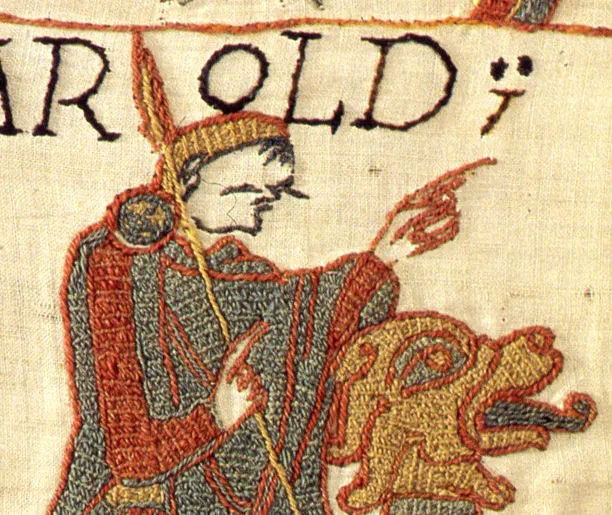
Harold, named above his head in the Bayeux Tapestry.Harold, named above his head in the Bayeux Tapestry.Image: ~ · Public domain
politics · Europe

Harold is crowned King of England

Edward the Confessor died childless on 5 January 1066. On his deathbed, it was said, he commended the kingdom to Harold Godwinson, Earl of Wessex, the most powerful man in England. The next morning Edward was buried in his new abbey at Westminster, and within hours Harold was crowned there. The speed told its own story: other men claimed the throne. Harold defeated one of them, Harald Hardrada of Norway, at Stamford Bridge in September, but three weeks later he was killed at Hastings by the army of the other, William of Normandy.

Source: Encyclopaedia Britannica: Harold II ↗
IV
THE NINETEENTH CENTURY

The 1800s

Industry, empire, invention, reform and a century of enormous transformation.

1838
The factory building at Historic Speedwell, the Vail family's ironworks in Morristown, New Jersey.The factory building at Historic Speedwell, the Vail family’s ironworks in Morristown, New Jersey.Image: Unknown · CC BY-SA 3.0
science · Americas

The telegraph sends its first sentences

Samuel Morse, a painter turned inventor, and his young partner Alfred Vail worked on their electric telegraph in a building at the Speedwell ironworks in Morristown, New Jersey, owned by Vail’s father. On 6 January 1838 they showed that it worked. Judge Stephen Vail wrote a sentence on a slip of paper; Alfred tapped it out in code, and at the far end of two miles of wire looped around the room, Morse read it back: ‘A patient waiter is no loser.’ Six years later a line from Washington to Baltimore carried the message ‘What hath God wrought’.

Source: IEEE Engineering and Technology History Wiki: Milestones, demonstration of practical telegraphy, 1838 ↗
1900
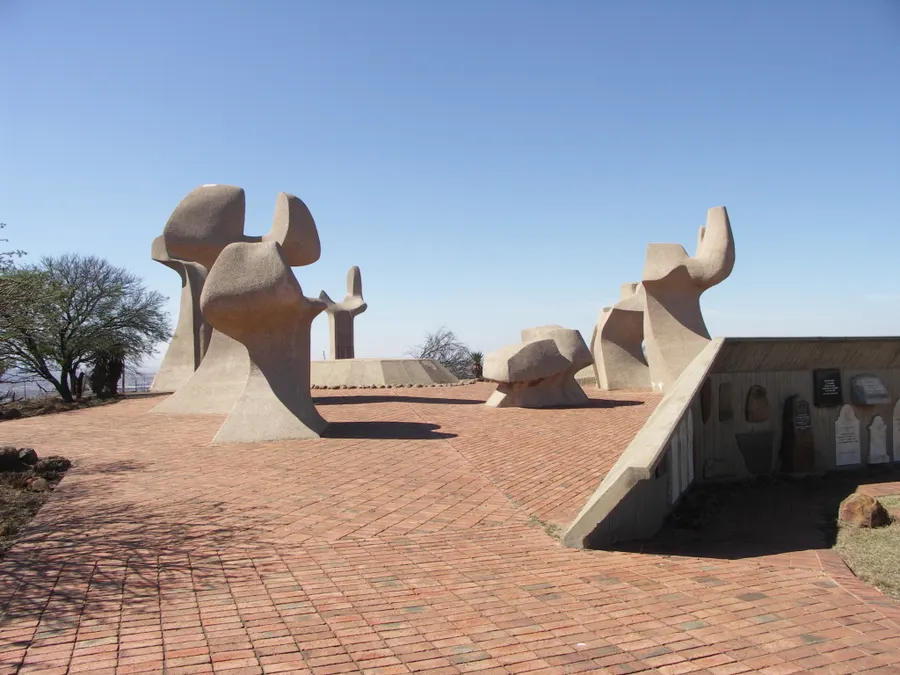
The Burgher Monument on the Platrand above Ladysmith, raised in 1979 to the Boers killed in Natal during the war.The Burgher Monument on the Platrand above Ladysmith, raised in 1979 to the Boers killed in Natal during the war.Image: Nick Roux - User: (WT-shared) NJR ZA at wts wikivoyage · CC BY-SA 4.0
world · Africa

The Boers fail to storm Ladysmith

In the early hours of 6 January 1900 Boer commandos attacked Wagon Hill and Caesar’s Camp, the ridge known as the Platrand that guarded the besieged British garrison of Ladysmith in Natal. After a day of fighting the attack was driven off. Both sides lost hundreds of men, and the Boers never again tried to take the town by storm; it was relieved in February.

Source: South African History Online: the Battle of Wagon Hill (Platrand) ↗
V
THE TWENTIETH CENTURY

The 1900s

War and peace, technological leaps, social change, politics, sport and popular culture.

1907
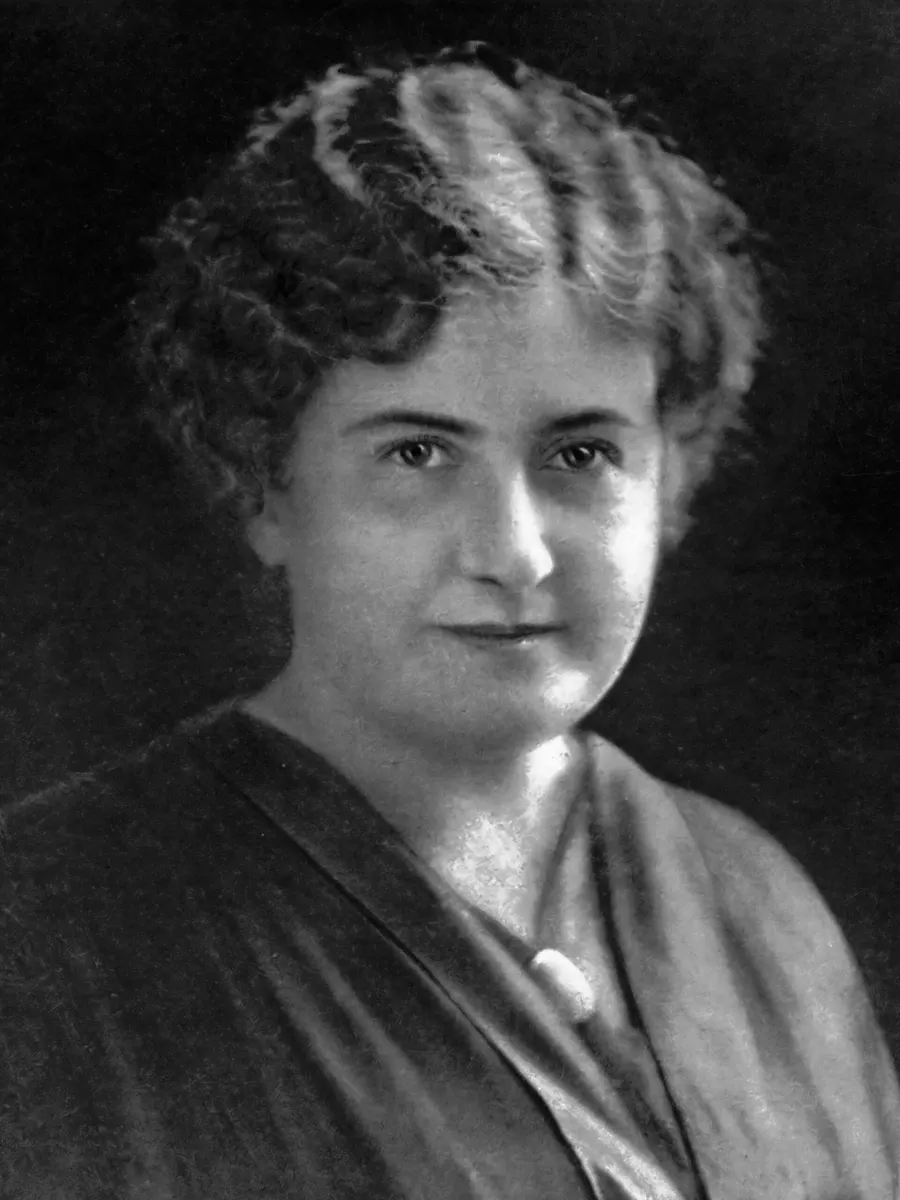
Maria Montessori, doctor and educator.Maria Montessori, doctor and educator.Image: Unknown authorUnknown author · Public domain
culture · Europe

Maria Montessori opens her first Children’s House

In the poor San Lorenzo district of Rome, a building society had put up new blocks of flats, and the small children left alone while their parents worked were damaging them. It asked Maria Montessori, one of Italy’s first women doctors, to look after them. She opened her Casa dei Bambini, or Children’s House, on 6 January 1907, with child-sized furniture and materials the children could choose and handle for themselves. Soon five-year-olds were reading and writing. Her method spread around the world, and there are now thousands of Montessori schools.

Source: Association Montessori Internationale archives: on this day, 6 January 1907 ↗
1912
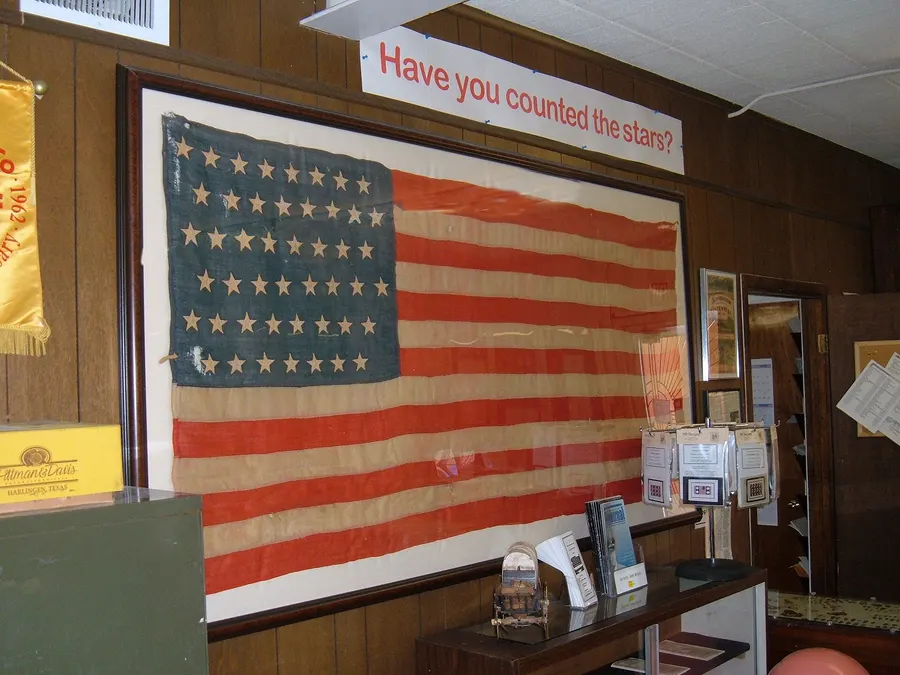
A 47-star United States flag at the Alamogordo Museum of History, New Mexico; such flags flew for only a few weeks in 1912.A 47-star United States flag at the Alamogordo Museum of History, New Mexico; such flags flew for only a few weeks in 1912.Image: AllenS · Public domain
politics · Americas

New Mexico becomes the 47th state

Spain founded Santa Fe in about 1610, and New Mexico passed to the United States after the war with Mexico in 1848. For more than sixty years it remained a territory, held back by Congress’s doubts about a region where most people spoke Spanish and many were Catholic or Native American. On 6 January 1912 President William Howard Taft signed the proclamation admitting New Mexico as the 47th state. When the news reached Santa Fe a new 47-star flag was raised over the Capitol and church bells rang. Arizona followed as the 48th state six weeks later.

Source: National Archives: New Mexico and Arizona statehood anniversary (1912-2012) ↗
1912
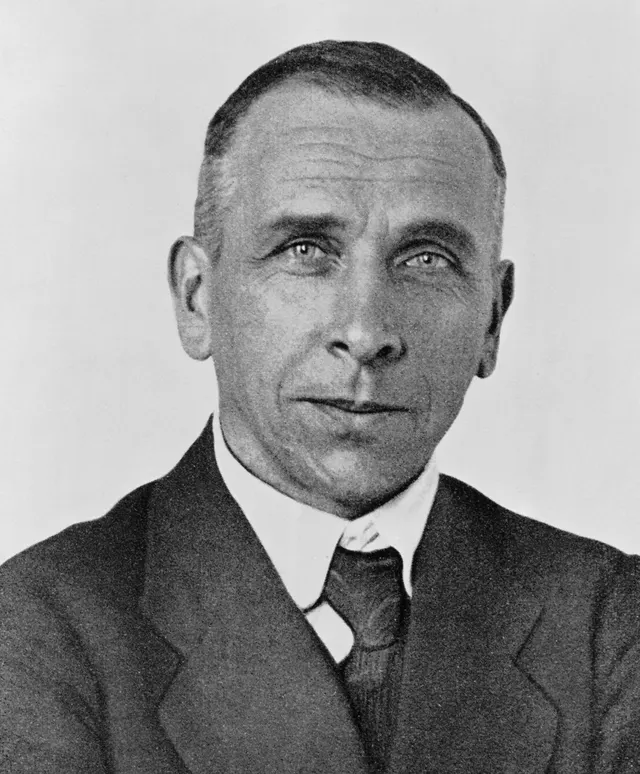
Alfred Wegener, meteorologist, polar explorer and author of the theory of continental drift.Alfred Wegener, meteorologist, polar explorer and author of the theory of continental drift.Image: Unknown authorUnknown author · Public domain
science · Europe

Wegener proposes that the continents move

On 6 January 1912 a 31-year-old meteorologist, Alfred Wegener, spoke to the Geological Association in Frankfurt about the origin of the continents and oceans. Struck by the way the coasts of Africa and South America fit together, and by matching fossils and rocks on either side of the Atlantic, he argued that the continents had once been joined and had drifted apart. Most geologists rejected the idea, not least because he could not explain what moved them. Wegener died on the Greenland ice cap in 1930. Only in the 1960s did the discovery of sea-floor spreading and plate tectonics prove him broadly right.

Source: Alfred Wegener Institute: the Copernicus of the geosciences ↗
1929
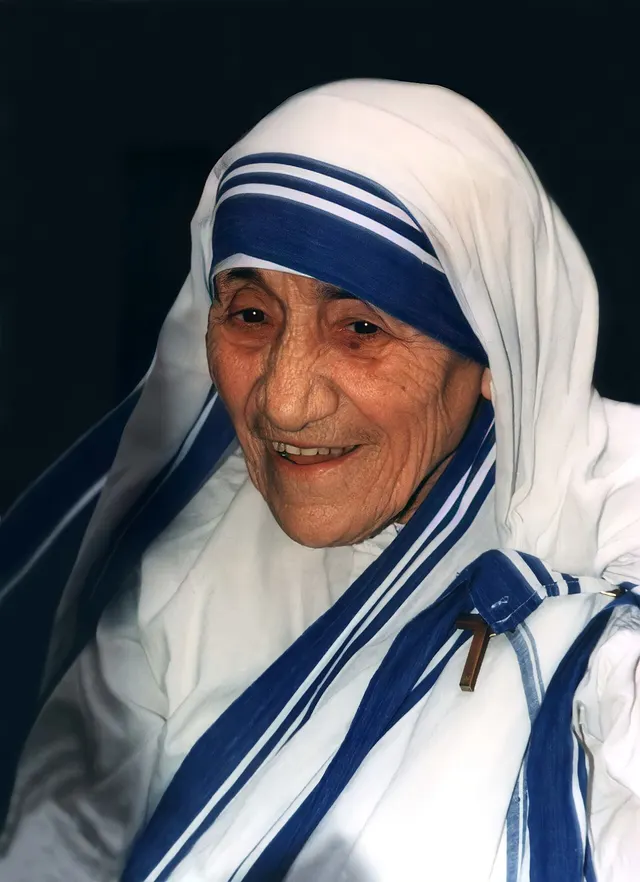
Mother Teresa in later life, wearing the blue-bordered sari of her Missionaries of Charity.Mother Teresa in later life, wearing the blue-bordered sari of her Missionaries of Charity.Image: Kingkongphoto & www.celebrity-photos.com from Laurel Maryland, USA · CC BY-SA 2.0
culture · Asia

A young nun arrives in Calcutta

Anjezë Gonxhe Bojaxhiu, an Albanian girl from Skopje, left home at eighteen to join the Sisters of Loreto in Ireland, who sent her on to India. She arrived in Calcutta on 6 January 1929 and spent the next seventeen years teaching at the order’s school for girls there, taking the name Teresa. In 1946 she felt called to serve the poorest people of the city directly. She founded the Missionaries of Charity, which cared for the dying, orphans and people with leprosy, won the Nobel Peace Prize in 1979 and was declared a saint in 2016.

Source: NobelPrize.org: Mother Teresa, biographical ↗
1941
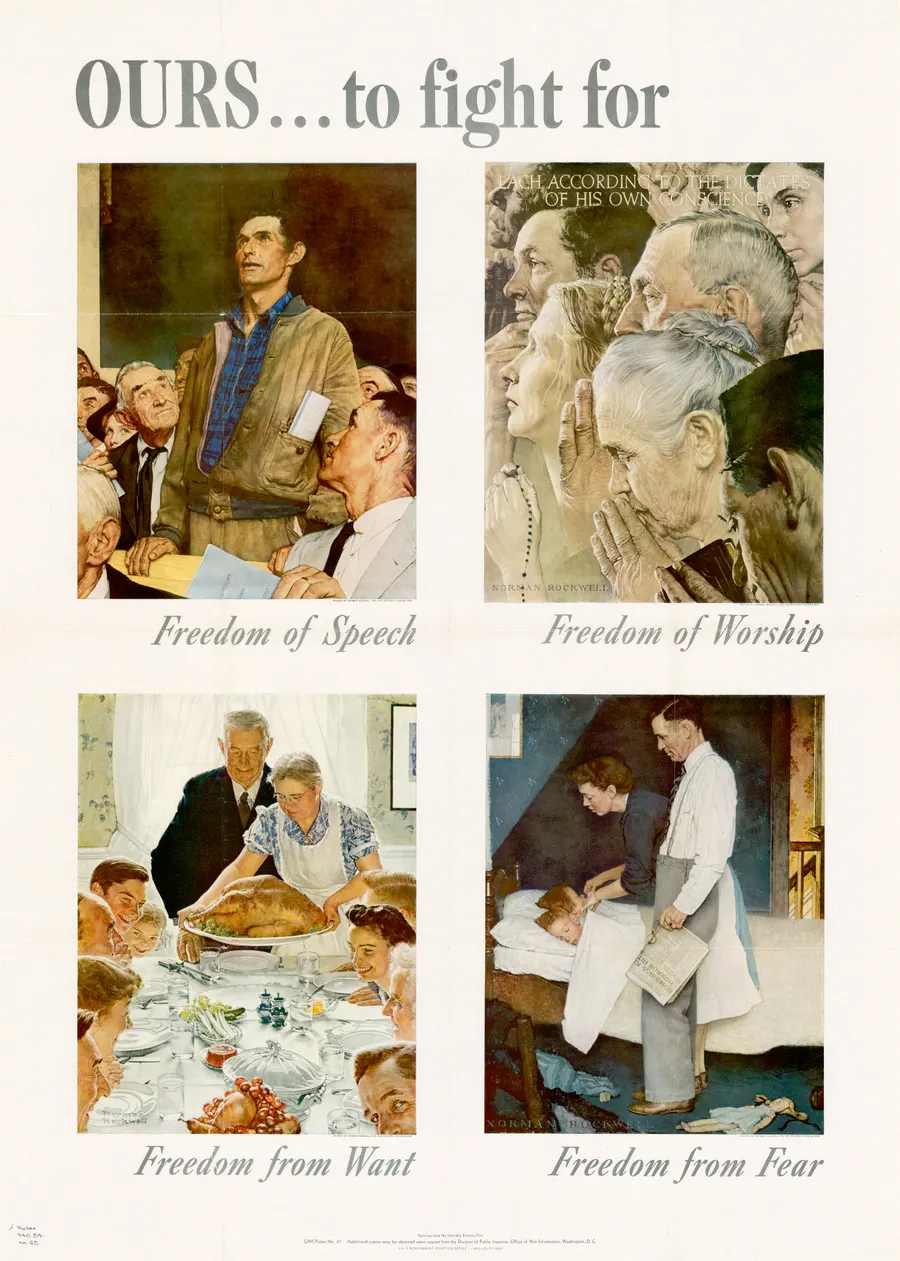
A 1943 US government poster, 'Ours to fight for', using Norman Rockwell's paintings of the Four Freedoms.A 1943 US government poster, ‘Ours to fight for’, using Norman Rockwell’s paintings of the Four Freedoms.Image: Office of War Information · Public domain
politics · Americas

Roosevelt names the Four Freedoms

In January 1941 Britain stood almost alone against Nazi Germany, and the United States was still at peace. In his annual message to Congress on 6 January, President Franklin Roosevelt asked Americans to become an arsenal for the democracies, and called for the aid that became Lend-Lease. He ended by describing a world founded on four essential freedoms: freedom of speech, freedom of worship, freedom from want and freedom from fear, ‘everywhere in the world’. The phrase shaped the Atlantic Charter, the United Nations and the Universal Declaration of Human Rights.

Source: National Archives: President Franklin Roosevelt’s Annual Message (Four Freedoms) to Congress (1941) ↗
1950
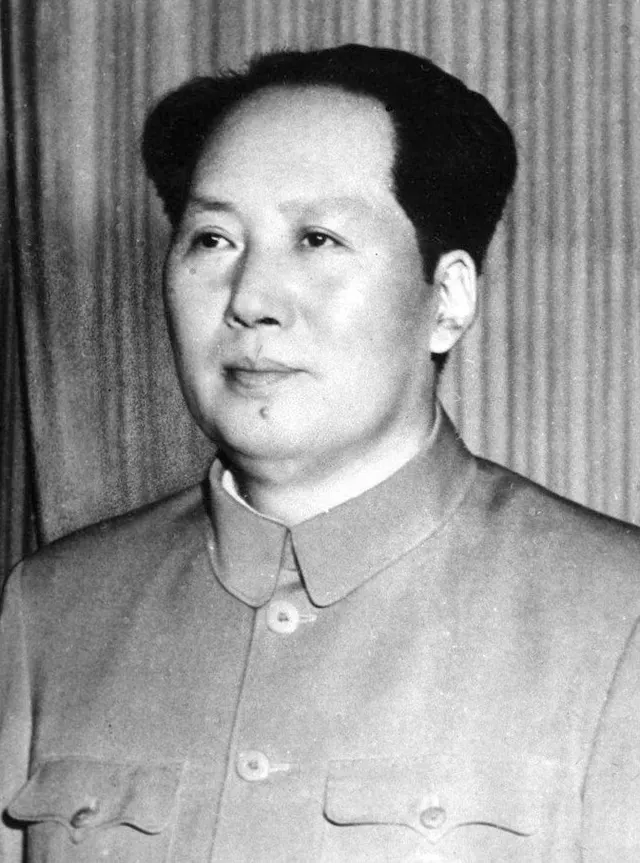
Mao Zedong, chairman of the People's Republic of China.Mao Zedong, chairman of the People’s Republic of China.Image: Chen Zhengqing (1917–1966) · Public domain
politics · Asia

Britain recognises Communist China

Three months after Mao Zedong proclaimed the People’s Republic of China, Britain recognised the new government on 6 January 1950, in a telegram to the Chinese premier and foreign minister, Zhou Enlai. It was the first major Western power to do so, partly to protect Hong Kong and its trade. Full ambassadorial relations followed only in 1972.

Source: UK Parliament, Hansard: China (recognition), 29 March 1950 ↗
VI
2000 TO TODAY

Modern Day

The events of recent decades that have already become part of the historical record.

2021
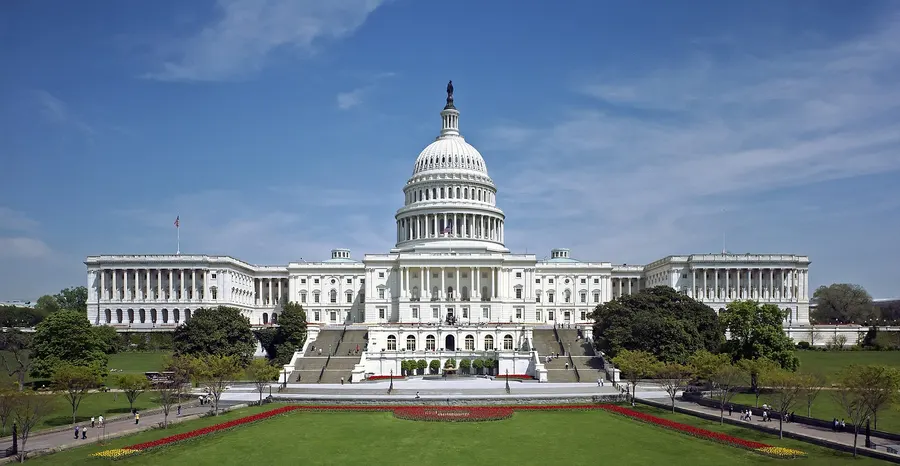
The west front of the United States Capitol in Washington.The west front of the United States Capitol in Washington.Image: United_States_Capitol_-_west_front.jpg: Architect of the Capitol derivative work: O.J. · Public domain
politics · Americas

A mob attacks the US Capitol

On 6 January 2021, as Congress met to count the electoral votes of the 2020 presidential election, supporters of the defeated president, Donald Trump, broke into the Capitol in Washington. Members fled or sheltered for hours before the building was cleared. Congress then resumed and certified Joe Biden’s victory in the early hours of the next morning. Several people died in connection with the attack, including police officers.

Source: Encyclopaedia Britannica: January 6 U.S. Capitol attack ↗
WHY THESE MOMENTS?

Significance before volume

This page is not the longest possible list of events. It is a chronological journey through 6 January, where each entry is chosen for historical significance, human interest and reliability.

Facts are checked against authoritative museums, archives, universities and reference works. Where sources disagree, the page says so.

EXPLORED THE DEEPER STORY?

Return to the highlights of 6 January

Discover the lighter side of the date with famous birthdays, culture, firsts and lives remembered.

Explore This Day →
← PREVIOUS DAY5 January
HISTORY & TIMELINE6 January
NEXT DAY →7 January