
1610
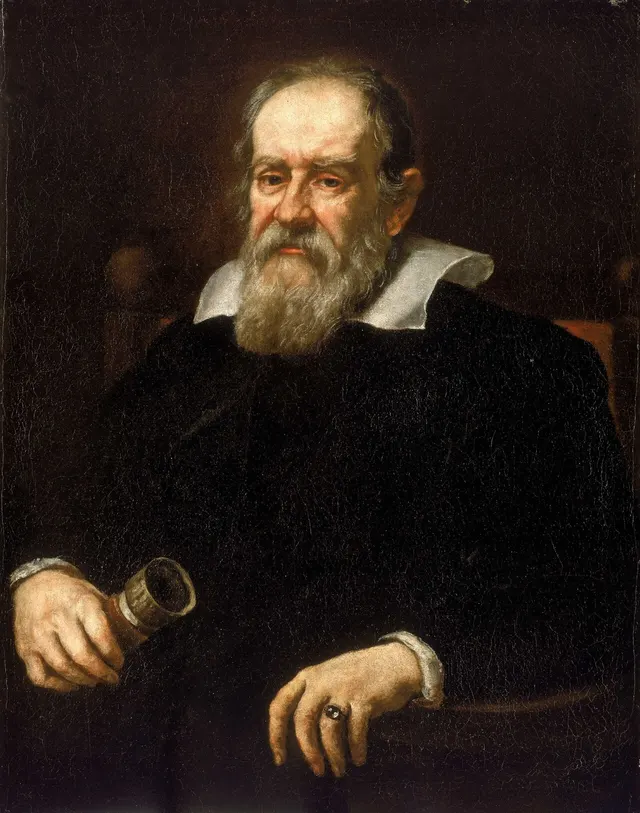 Galileo Galilei, in a portrait held by Royal Museums Greenwich.Image: Justus Sustermans · Public domain
science · Europe
Galileo sees the moons of Jupiter
On the night of 7 January 1610, in Padua, Galileo Galilei turned his newly improved telescope on Jupiter and saw three small points of light beside it, lined up like tiny stars. Night after night they changed position; a few days later he found a fourth, and by mid-January he understood that they were moons circling Jupiter. It was the first proof that not everything in the heavens went round the Earth. Galileo rushed his discoveries into print that March in The Starry Messenger, and named the moons the Medicean Stars after his hoped-for patrons in Florence.
Source: NASA: 415 years ago, astronomer Galileo discovers Jupiter’s moons ↗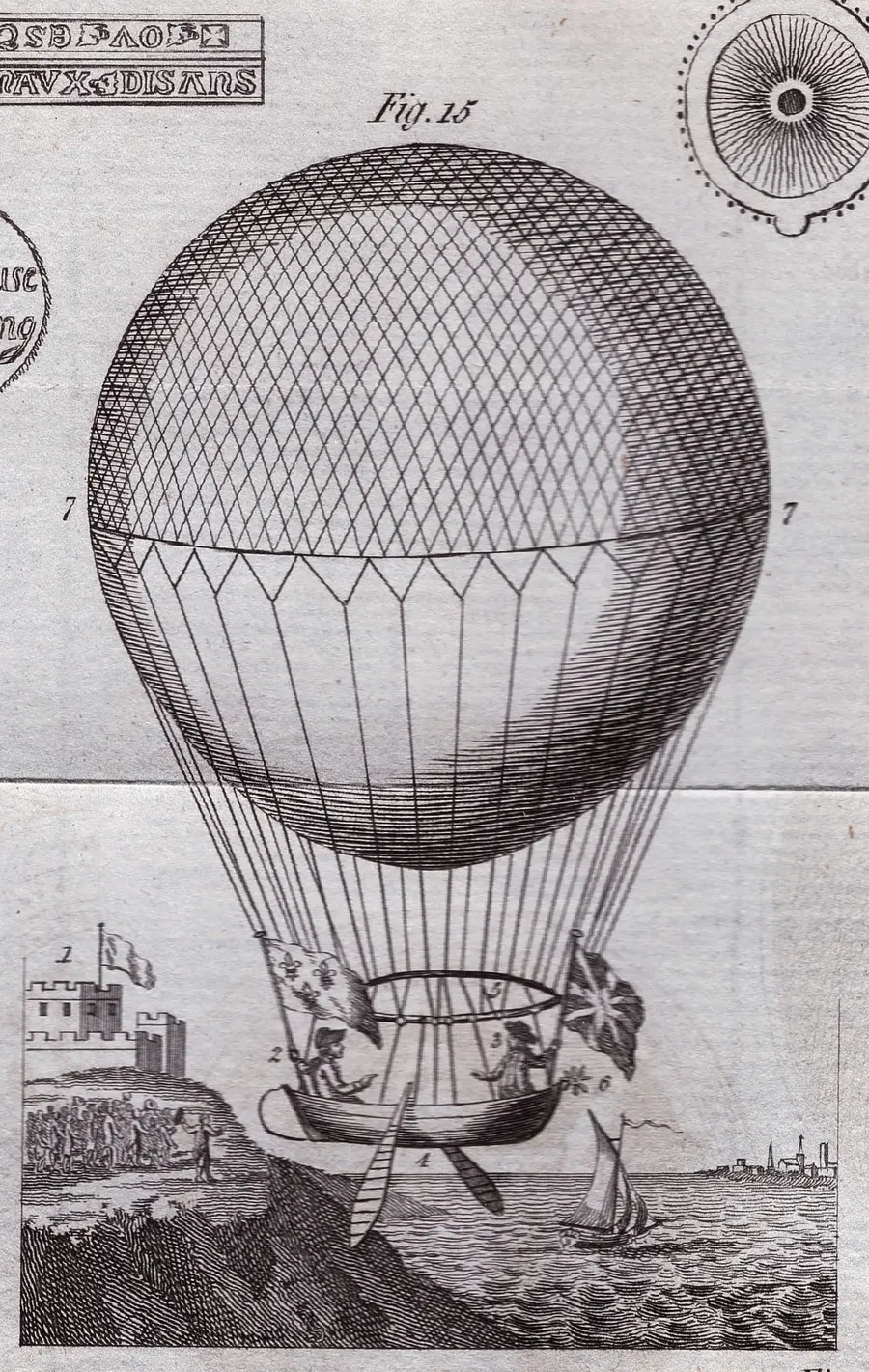 A print of Blanchard and Jeffries’s balloon crossing the English Channel in 1785.Image:
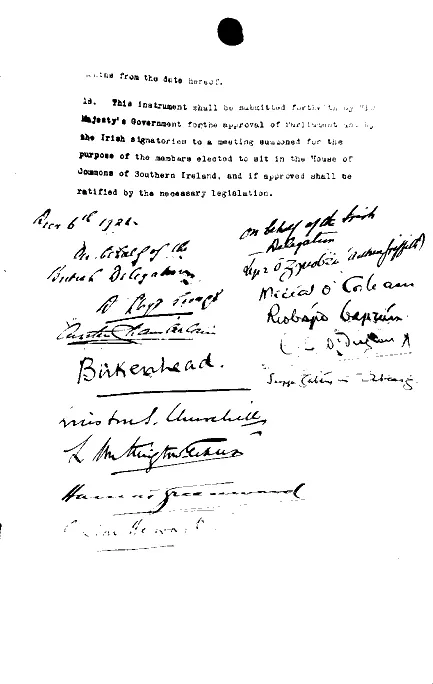 The signatures on the Anglo-Irish Treaty of December 1921.Image:
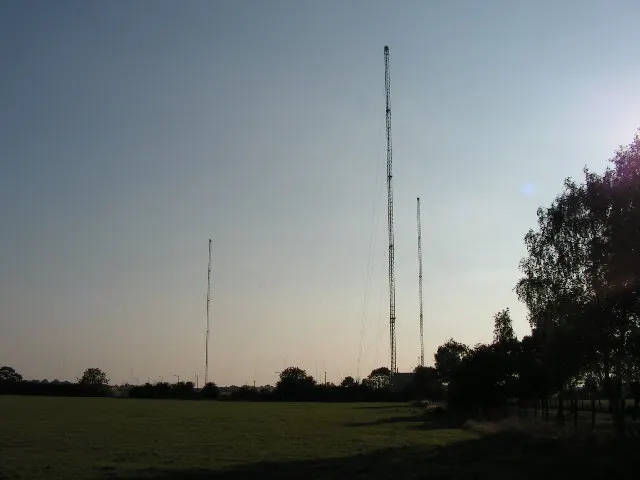 Masts of the Rugby Radio Station in England, which carried the radio link of the first transatlantic telephone service; photographed in 2005.Image:
 Marian Anderson, photographed by Carl Van Vechten in 1940.Image:
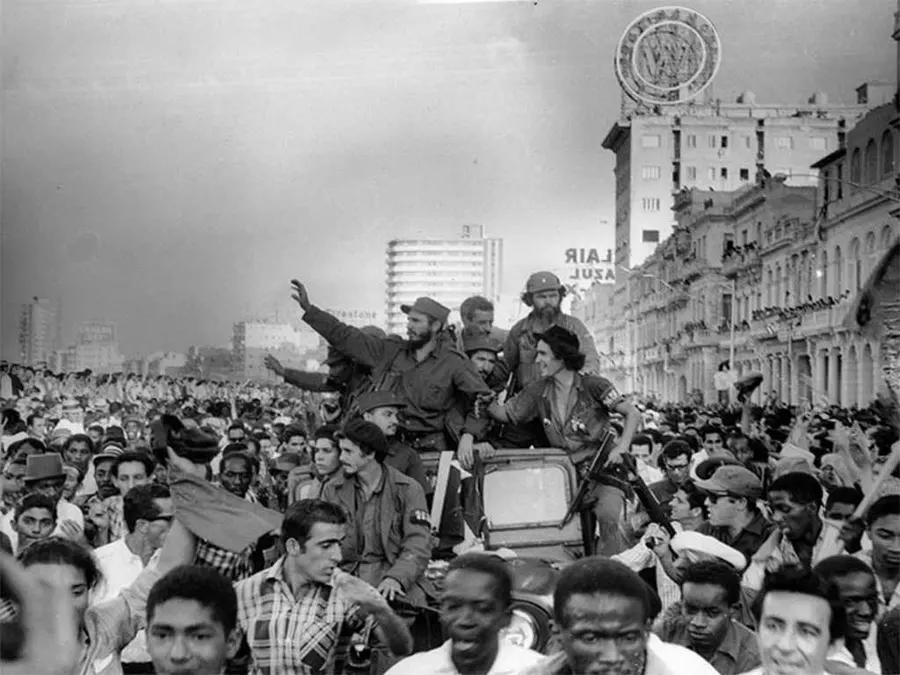 Fidel Castro’s entry into Havana in January 1959.Image:
 The memorial stupa at Choeung Ek, near Phnom Penh, which honours the victims of the Khmer Rouge.Image:
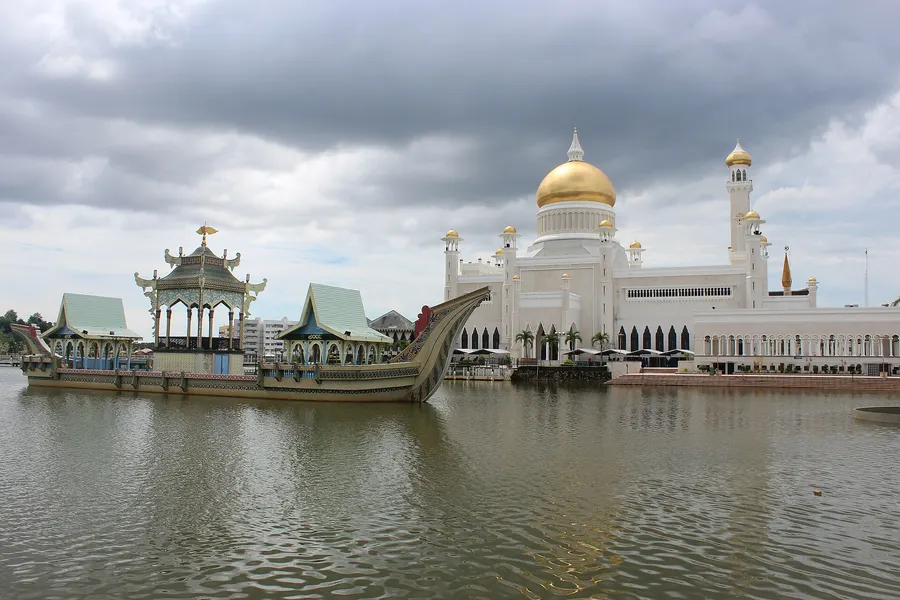 The Omar Ali Saifuddien Mosque in Bandar Seri Begawan, the capital of Brunei.Image:
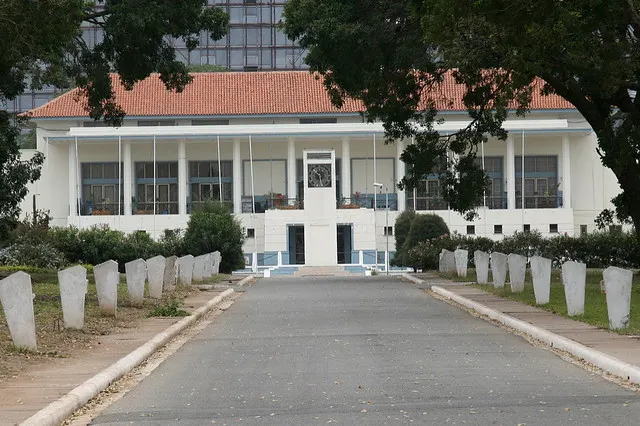 Parliament House in Accra, the seat of the Parliament of Ghana.Image: