Explore 3 January

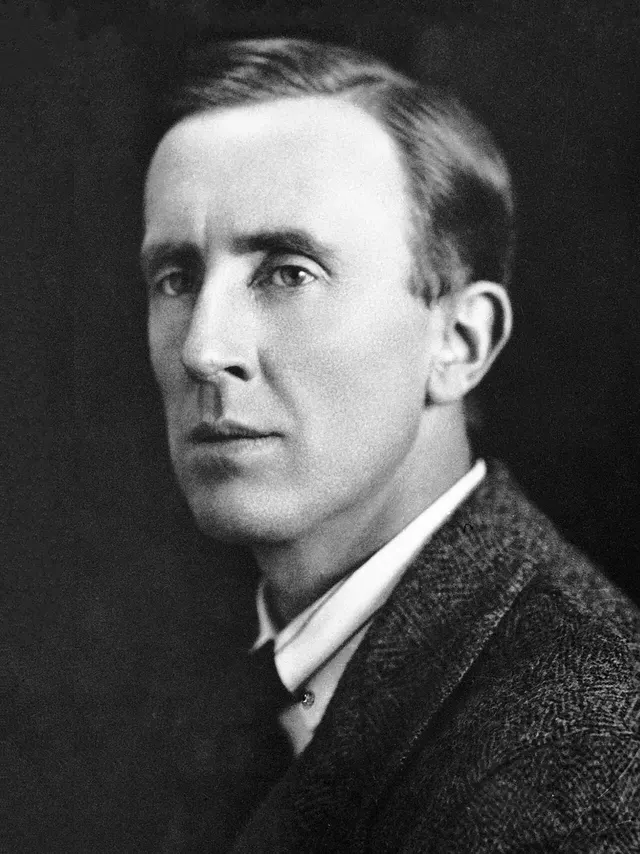
Explore 3 January: the Pope excommunicates Martin Luther, a palace coup in Kyoto restores the Japanese emperor, Liberia swears in its first president and Alaska becomes the 49th American state. Meet J. R. R. Tolkien, Clement Attlee and Michael Schumacher, born on 3 January.

This day through time →10 verified events across 4 eras

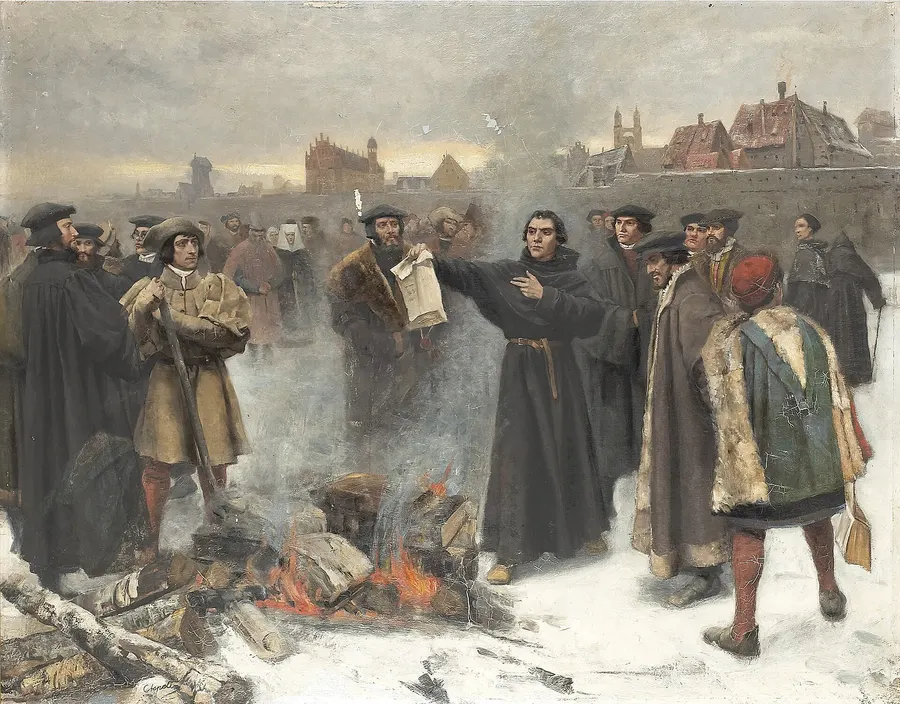
Luther burns the papal bull that threatened him with excommunication, in a painting by Karl Aspelin, 1885.
Image creditKarl Aspelin · Public domainResized and cropped for display.

The Pope excommunicates Martin Luther

In 1520 Pope Leo X gave Martin Luther sixty days to take back forty-one of his teachings or be cast out of the Church. Luther’s answer, in December, was to burn the papal bull in public at Wittenberg, together with books of Church law.

On 3 January 1521 the Pope issued a new bull, Decet Romanum Pontificem, declaring Luther and his followers excommunicated. Months later, at the Diet of Worms, Luther again refused to recant and was declared an outlaw of the Empire. The break could no longer be mended, and the Protestant Reformation went its own way.

Read the full storyHistory & Timeline →Source: Encyclopaedia Britannica: Decet Romanum Pontificem ↗
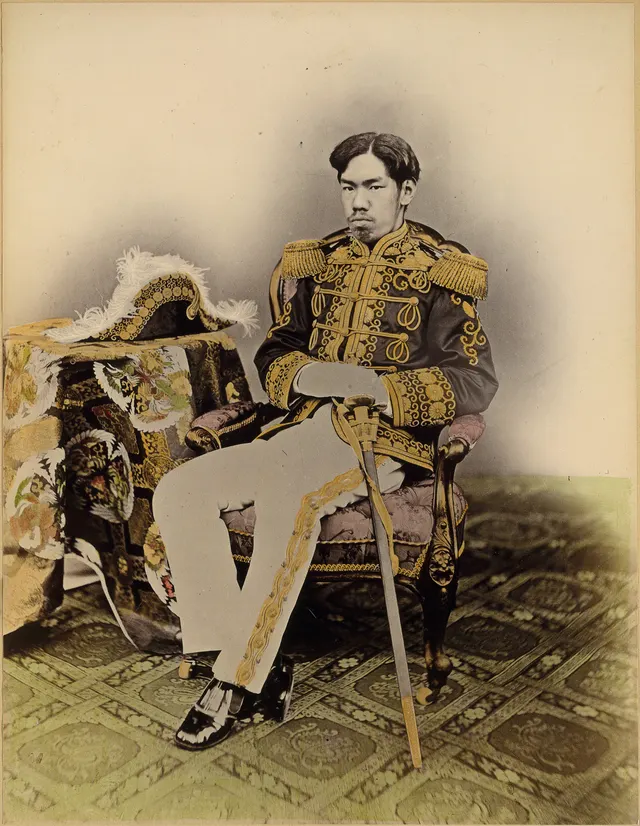
The young Emperor Meiji, photographed by Uchida Kuichi in 1873.
Image creditUchida Kuichi · Public domainResized and cropped for display.

A palace coup restores the Japanese emperor

For more than 260 years real power in Japan had belonged to the Tokugawa shoguns, while the emperor lived in seclusion in Kyoto. By 1867 the shogunate had been badly weakened by unrest at home and by the Western powers that had forced Japan to open its ports.

On 3 January 1868 troops from the domains of Satsuma and Choshu seized the gates of the imperial palace in Kyoto, and the court proclaimed that the fifteen-year-old Emperor Meiji would rule in his own name. The shogunate was abolished. After a short civil war, the young samurai who led the coup set about turning Japan into a modern industrial state.

Read the full storyHistory & Timeline →Source: Encyclopaedia Britannica: Meiji Restoration ↗
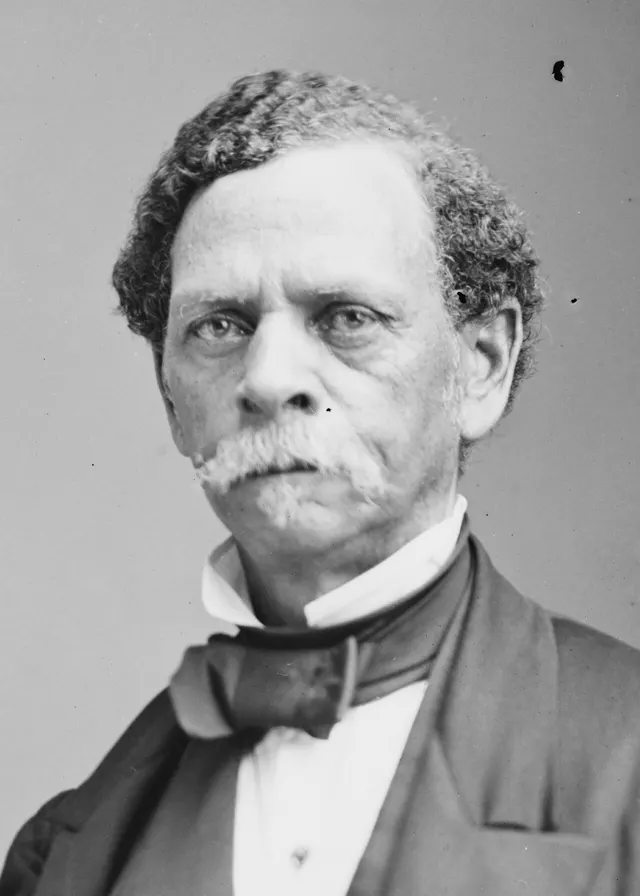
Joseph Jenkins Roberts, first president of Liberia, about 1851.
Image creditnot stated · Public domainResized and cropped for display.

Liberia swears in its first president

Liberia began in 1822 as a settlement on the West African coast for free Black Americans and formerly enslaved people, founded by the American Colonization Society. Joseph Jenkins Roberts, born free in Virginia, arrived in 1829 as a young trader and rose to become the colony’s governor.

Liberia declared its independence in July 1847, and on 3 January 1848 Roberts was sworn in as the first president of the new republic. He won recognition from Britain and France and served until 1856, returning for a second spell in the 1870s. Power stayed with the settlers and their descendants for more than a century, often at the expense of the Indigenous peoples of the interior.

Read the full storyHistory & Timeline →Source: Encyclopaedia Britannica: Joseph Jenkins Roberts ↗
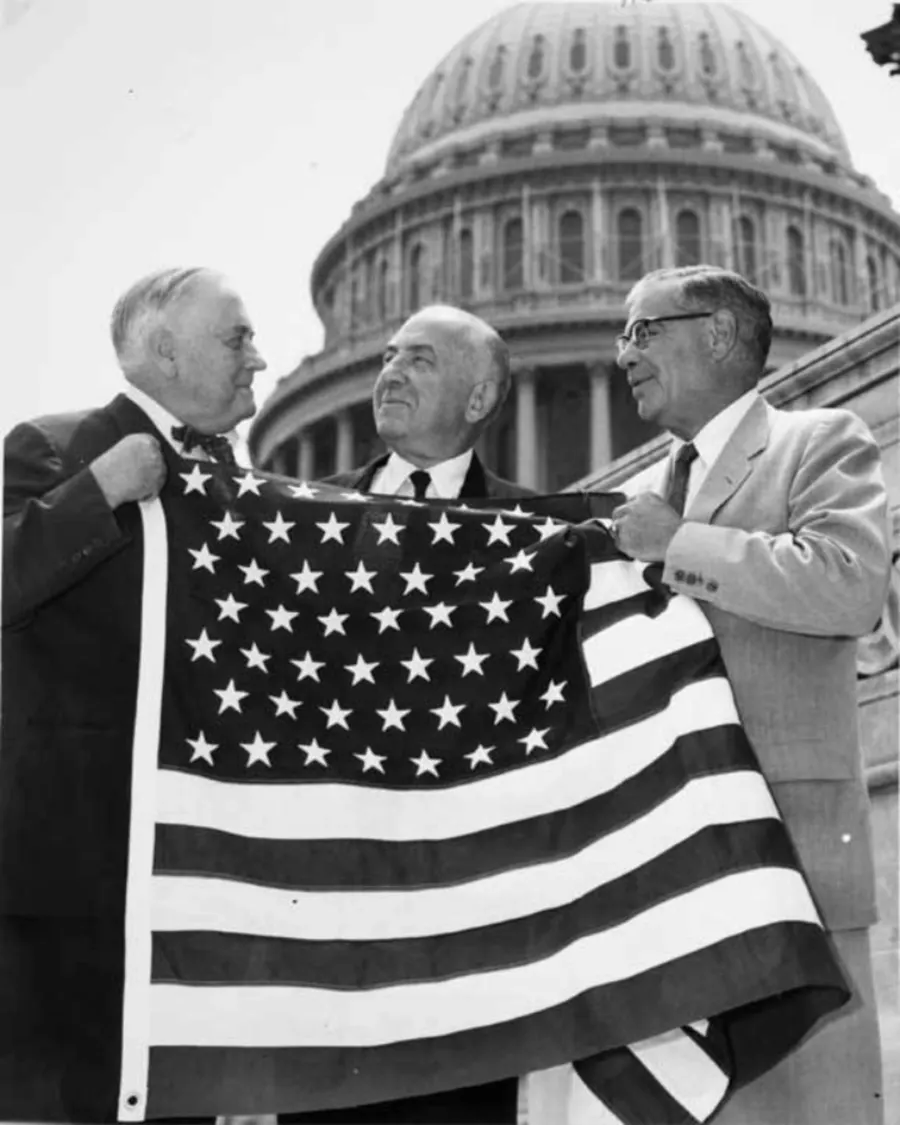
Alaska's senators hold up a 49-star flag in front of the US Capitol, late 1958 or early 1959.
Alaska’s senators hold up a 49-star flag in front of the US Capitol, late 1958 or early 1959.
Image creditE.L. Bob Bartlett (1904-1968) · Public domainResized and cropped for display.

Alaska becomes the 49th state

The United States bought Alaska from Russia in 1867, and for decades it was ruled as a distant territory. Alaskans campaigned for statehood for years, and in 1958 Congress passed the Alaska Statehood Act.

On 3 January 1959 President Dwight Eisenhower signed the proclamation admitting Alaska as the 49th state. It is by far the largest state, more than twice the size of Texas, and it brought the United States its first territory in the Arctic. Hawaii followed as the 50th state that August.

Read the full storyHistory & Timeline →Source: National Archives: Alaska statehood (educator resources) ↗
♙
PEOPLE

Born Today

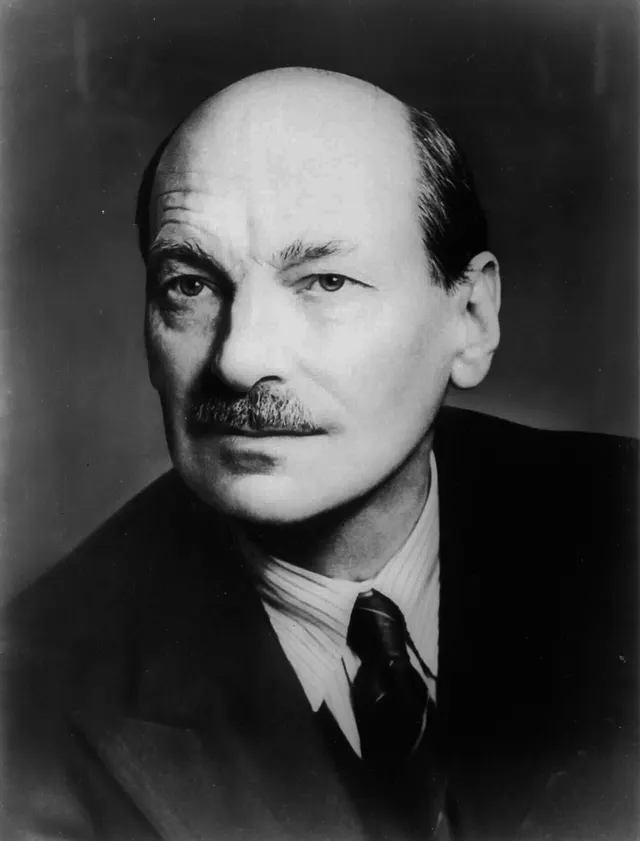
Clement Attlee
Image creditPresumably Yousuf Karsh · Public domainResized and cropped for display.

Clement Attlee

British prime minister from 1945 to 1951, whose government founded the National Health Service.

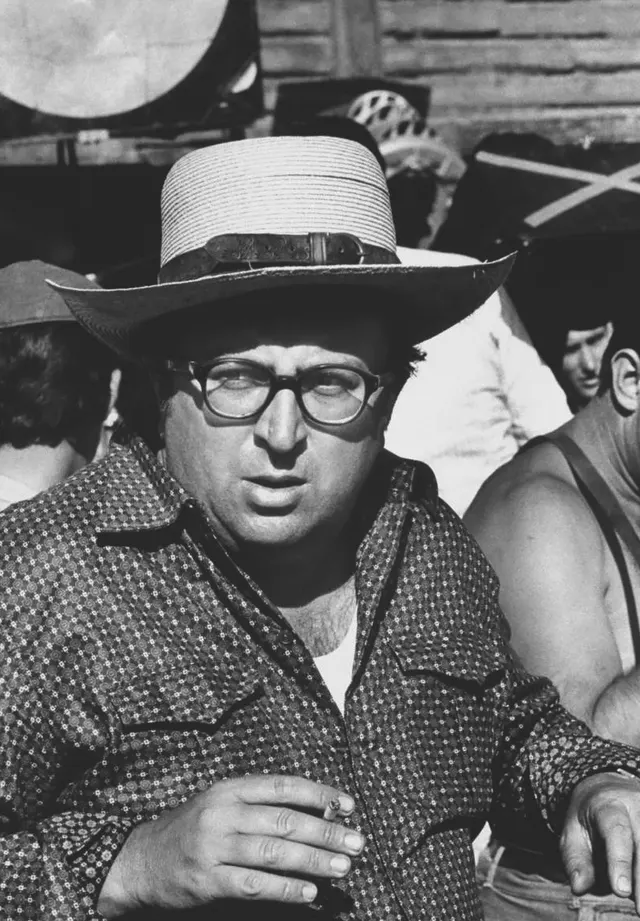
Sergio Leone
Image creditUnknown authorUnknown author · Public domainResized and cropped for display.

Sergio Leone

Italian film director who made the ‘spaghetti westerns’ A Fistful of Dollars and The Good, the Bad and the Ugly.

Mel Gibson
Image creditGeorges Biard · CC BY-SA 3.0Resized and cropped for display.

Mel Gibson

American-born actor and director who grew up in Australia; his Braveheart won the Oscar for best picture.

Jisoo
Image credit티비텐 TV10 · CC BY 4.0Resized and cropped for display.

Jisoo

South Korean singer and actress, a member of the K-pop group Blackpink.

Greta Thunberg
Image creditKushal Das · CC BY-SA 4.0Resized and cropped for display.

Greta Thunberg

Swedish climate campaigner whose school strike in 2018 inspired protests around the world.

◉
IDEAS THAT CHANGED THINGS

Firsts, Science & Discoveries

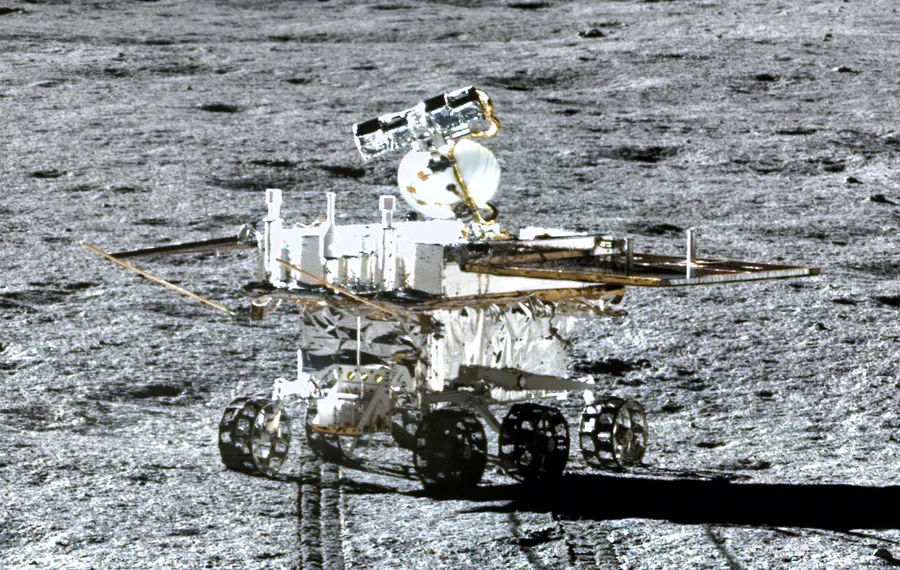
China's Yutu-2 rover on the far side of the Moon, in an image processed from Chang'e 4 mission data.
China’s Yutu-2 rover on the far side of the Moon, in an image processed from Chang’e 4 mission data.
Image creditCSNA/Siyu Zhang/Kevin M. Gill · CC BY 2.0Resized and cropped for display.

The first landing on the far side of the Moon

Because the Moon always keeps the same face towards us, its far side can never be seen from Earth, and no radio signal can reach it directly. China solved that problem by first placing a relay satellite, Queqiao, far beyond the Moon.

On 3 January 2019 its Chang’e 4 lander touched down in the Von Karman crater, inside the vast South Pole-Aitken basin, the first spacecraft ever to land on the far side. Hours later it released the Yutu-2 rover, which went on to become the longest-lived rover on the Moon.

Read the full storyHistory & Timeline →Source: China National Space Administration: Chang’e-4 probe makes historic landing on moon’s far side ↗
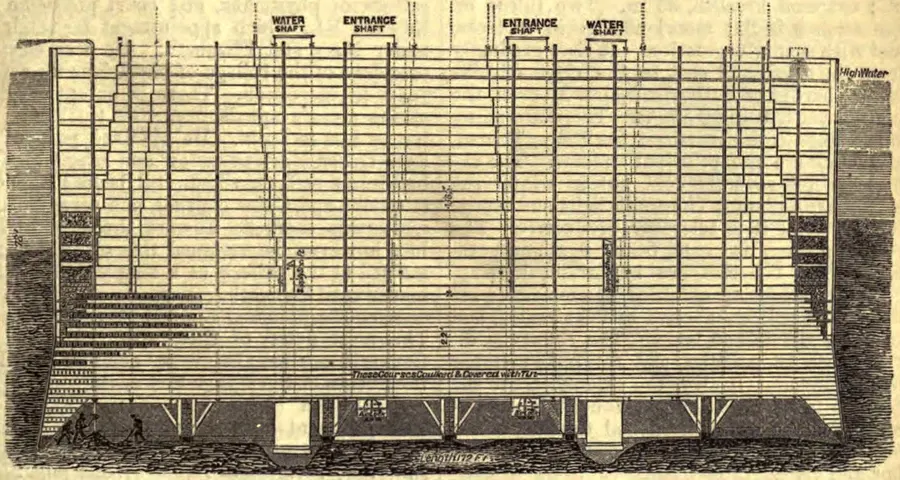
A drawing of one of the great timber caissons used by Washington Roebling to build the Brooklyn Bridge, published in 1879.
Image creditunknown artist/W. A. Roebling, engineer · Public domainResized and cropped for display.

Work begins on the Brooklyn Bridge

Construction of the Brooklyn Bridge, then planned as the longest suspension bridge in the world, began on 3 January 1870 with work on the foundation of the Brooklyn tower. Its designer, John A. Roebling, had died after an accident the year before, and his son Washington took charge.

The towers were raised on caissons, huge upturned wooden boxes sunk into the riverbed, inside which men dug in compressed air. Many fell ill with the bends, then called caisson disease, and Washington Roebling himself was left partly paralysed. His wife, Emily Warren Roebling, carried his instructions to the site until the bridge opened in 1883.

Read the full storyHistory & Timeline →Source: American Society of Civil Engineers: Washington Augustus Roebling ↗
♫
MUSIC • FILM • BOOKS • CULTURE

Culture Stories

Friedrich Nietzsche, photographed in the 1870s.
Image creditFriedrich Hermann Hartmann · Public domainResized and cropped for display.

Nietzsche collapses in Turin

Friedrich Nietzsche had spent 1888 in Turin writing at a furious pace. On the morning of 3 January 1889 he collapsed in the Piazza Carlo Alberto; the story told since is that he had just thrown his arms around the neck of a horse being whipped by its driver.

He never recovered his mind. Cared for by his mother and then his sister, he lived another eleven years, unaware that the books few had read in his working life were making him one of the most influential thinkers of the modern age.

Read the full storyHistory & Timeline →Source: Stanford Encyclopedia of Philosophy: Nietzsche’s life and works ↗
✦
LIVES REMEMBERED

Remembered Today

Ali-Shir Nava'i
Image creditQasim Ali · Public domainResized and cropped for display.

Ali-Shir Nava’i

Poet and statesman of Herat who made the Chagatai Turkic language a language of great literature.

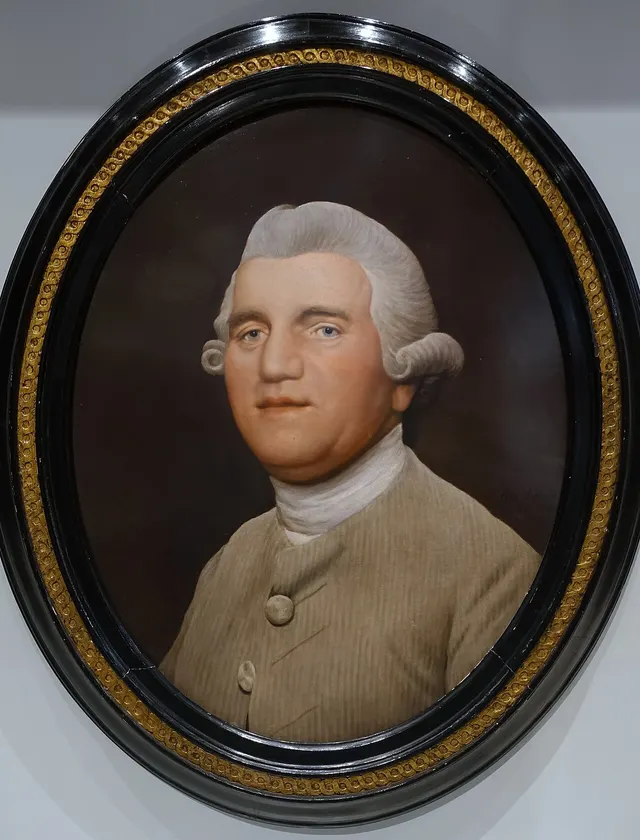
Josiah Wedgwood
Image creditDaderot · Public domainResized and cropped for display.

Josiah Wedgwood

English potter who turned pottery into an industry, and a campaigner against the slave trade.

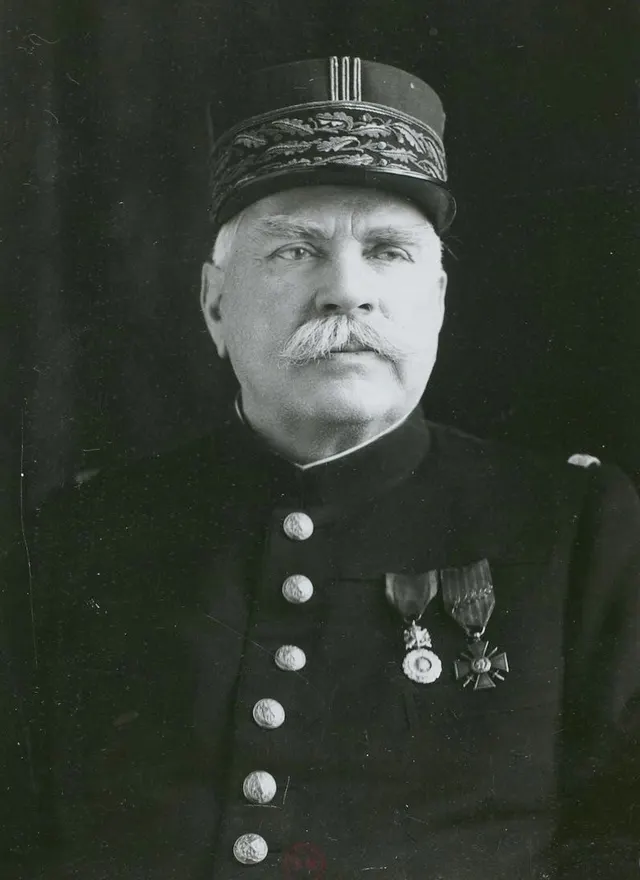
Joseph Joffre
Image creditUnknown · Public domainResized and cropped for display.

Joseph Joffre

French commander who halted the German advance at the Marne in 1914.

☉
AROUND THE WORLD

Observances & Anniversaries

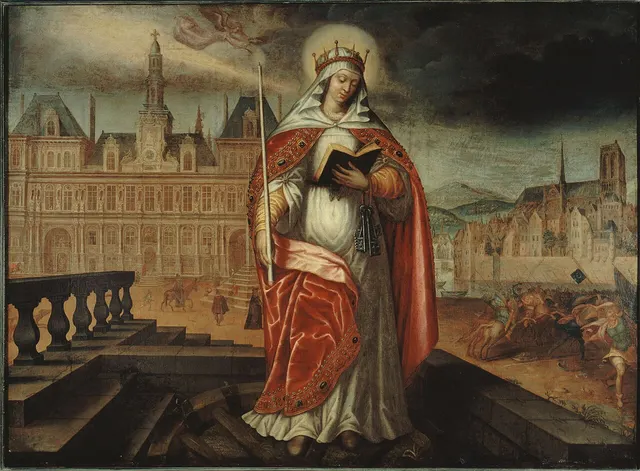
Saint Genevieve as patron of Paris, a painting of about 1615-1625 in the Musée Carnavalet.
Image creditUnidentified painter · Public domainResized and cropped for display.

Feast of Saint Genevieve, patron of Paris

3 January is the feast of Genevieve, the patron saint of Paris, who lived in the city in the fifth century. When Attila’s Huns threatened Paris in 451 she urged its people not to flee but to pray, and the Huns turned away towards Orléans. Her relics were long carried through the streets in times of danger, and the Panthéon was first built as a church in her honour.

Source: Encyclopaedia Britannica: Saint Genevieve ↗
HISTORY & TIMELINE

Finished the highlights?

Follow 3 January chronologically, from the Middle Ages to the modern day, with 10 verified events and the sources behind them.

This day through time →