Explore 28 December

Explore 28 December: settlers gather under a gum tree to found South Australia, the Indian National Congress meets for the first time, an earthquake flattens Messina and Westminster Abbey is consecrated. Meet Woodrow Wilson, Maggie Smith and Linus Torvalds, born on this date.

This day through time →10 verified events across 4 eras

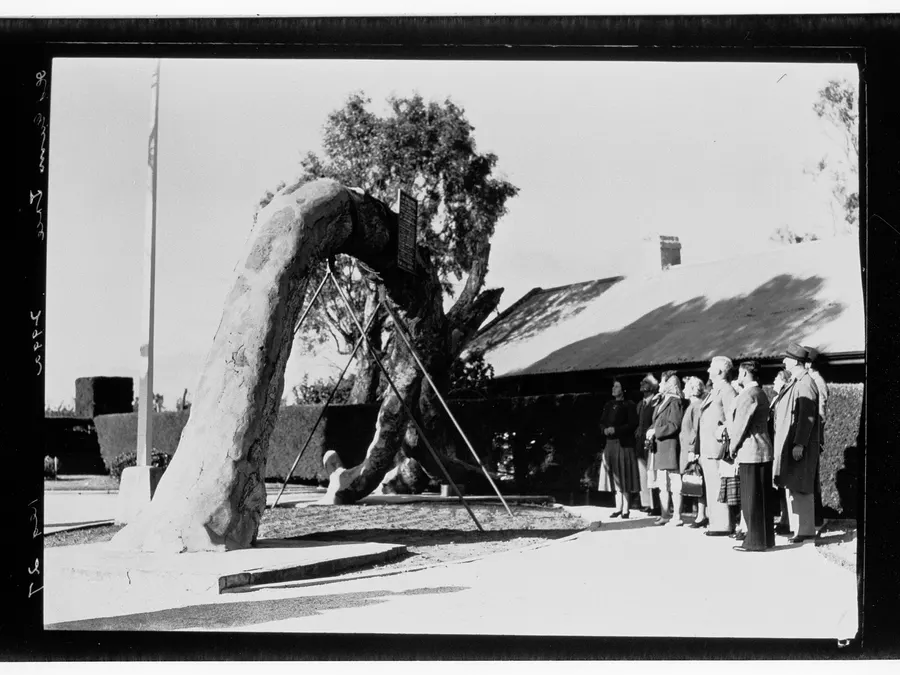
Visitors at the Old Gum Tree, Glenelg, where the proclamation was read, about 1955.
Image creditState Government Photographer · CC0Resized and cropped for display.

South Australia’s government is proclaimed

On 28 December 1836 Governor John Hindmarsh landed at Holdfast Bay, and that afternoon settlers gathered under a large gum tree at what is now Glenelg to hear his secretary read the first proclamation. The flag was raised and the new government of the province of South Australia began its work; Adelaide was laid out the next year.

The proclamation called on the colonists to prove themselves worthy founders of a great free colony, and promised that the Aboriginal people would have the same protection of the law as British subjects. It is still marked each year on Proclamation Day at the Old Gum Tree.

Read the full storyHistory & Timeline →Source: History Trust of South Australia, SA History Hub: the Proclamation ↗
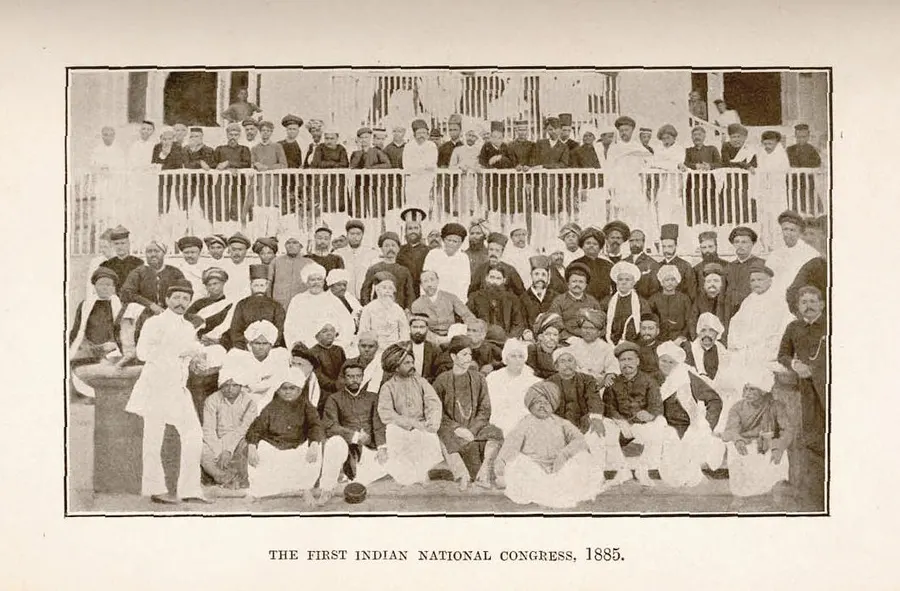
Delegates to the first Indian National Congress in Bombay, 1885.
Image creditUnknown authorUnknown author · Public domainResized and cropped for display.

The Indian National Congress meets for the first time

On 28 December 1885, 72 lawyers, journalists and reformers from across British India met at Gokuldas Tejpal Sanskrit College in Bombay for the first session of the Indian National Congress. Womesh Chunder Bonnerjee was elected president; the retired British official Allan Octavian Hume had helped bring the meeting about.

At first the Congress asked only for a greater say for Indians in their own government. Under Mahatma Gandhi it became a mass movement, led India to independence in 1947, and governed the country for most of the decades that followed.

Read the full storyHistory & Timeline →Source: Encyclopaedia Britannica: Indian National Congress ↗
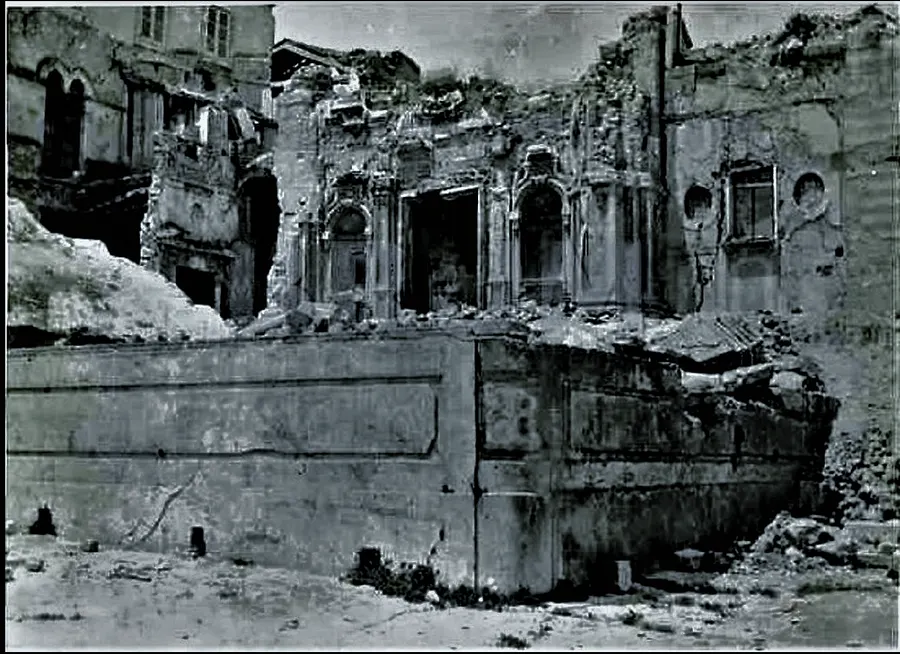
The ruins of the church of San Gregorio in Messina after the 1908 earthquake.
Image creditUnknown authorUnknown author · Public domainResized and cropped for display.

An earthquake destroys Messina and Reggio

Just before dawn on 28 December 1908 an earthquake lasting more than 20 seconds struck beneath the Strait of Messina, between Sicily and the toe of Italy. The cities of Messina and Reggio Calabria were almost entirely destroyed, and minutes later a tsunami, in places more than ten metres high, swept the shores on both sides.

Estimates of the dead range from about 80,000 to more than 100,000. It was one of the deadliest earthquakes in European history. Ships from many countries came to help, and Messina was rebuilt on a new plan with lower, stronger buildings.

Read the full storyHistory & Timeline →Source: Encyclopaedia Britannica: Messina earthquake and tsunami of 1908 ↗
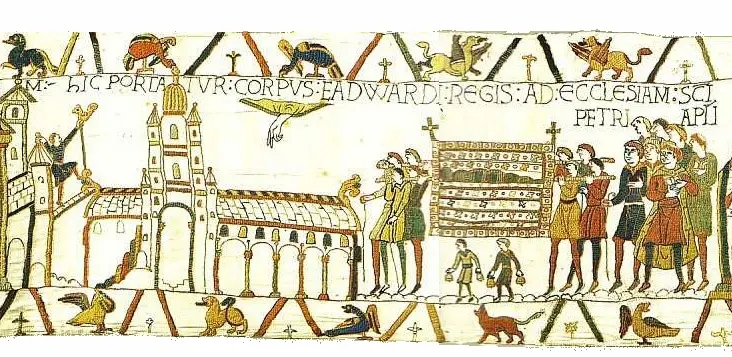
The Bayeux Tapestry shows Edward the Confessor's body being carried to his new church of St Peter at Westminster, January 1066.
The Bayeux Tapestry shows Edward the Confessor’s body being carried to his new church of St Peter at Westminster, January 1066.
Image creditImage on web site of Ulrich Harsh. · Public domainResized and cropped for display.

Westminster Abbey is consecrated

Edward the Confessor had rebuilt the Benedictine abbey of St Peter at Westminster on a grand scale, in the new Romanesque style from Normandy, next to his palace by the Thames. It was consecrated on Holy Innocents’ Day, 28 December 1065, but the king was too ill to attend.

He died a few days later and was buried before the high altar. William the Conqueror was crowned there a year later, and every crowned English and British monarch since has been crowned in the abbey, which was rebuilt again in Gothic style from 1245.

Read the full storyHistory & Timeline →Source: Westminster Abbey: Edward the Confessor and Edith ↗
♙
PEOPLE

Born Today

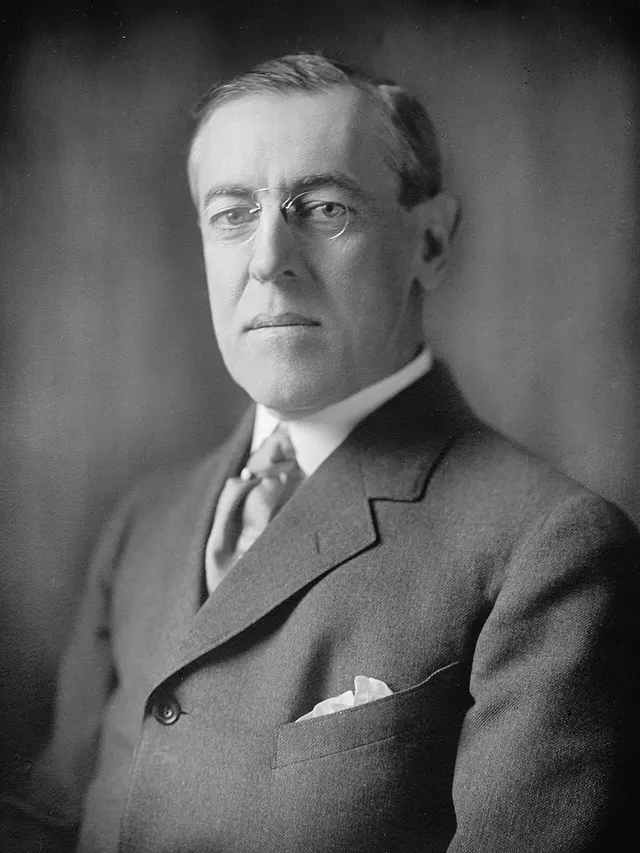
Woodrow Wilson
Image creditHarris & Ewing, photographer · Public domainResized and cropped for display.

Woodrow Wilson

US president from 1913 to 1921 who led his country into the First World War and championed the League of Nations.

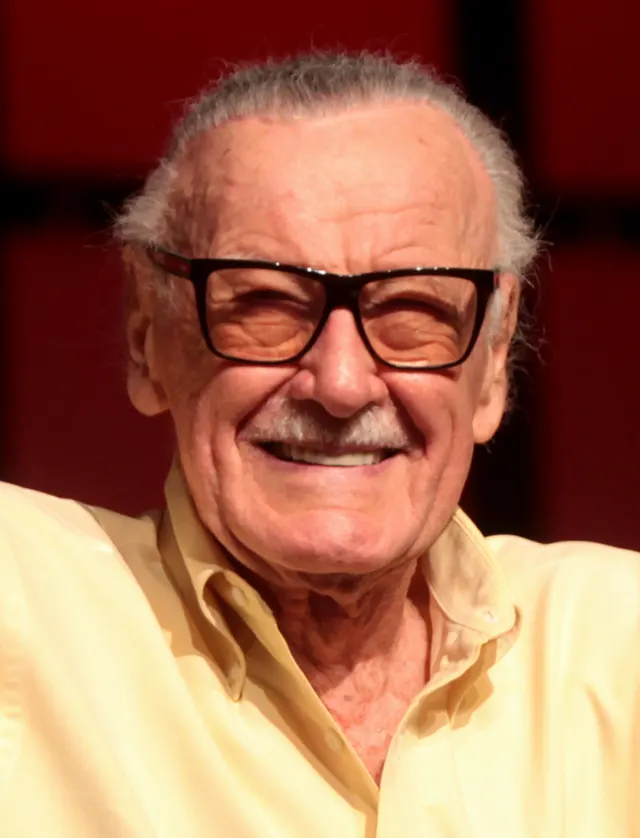
Stan Lee
Image creditGage Skidmore · CC BY-SA 3.0Resized and cropped for display.

Stan Lee

American comic-book writer who co-created Spider-Man, the Fantastic Four and the X-Men.

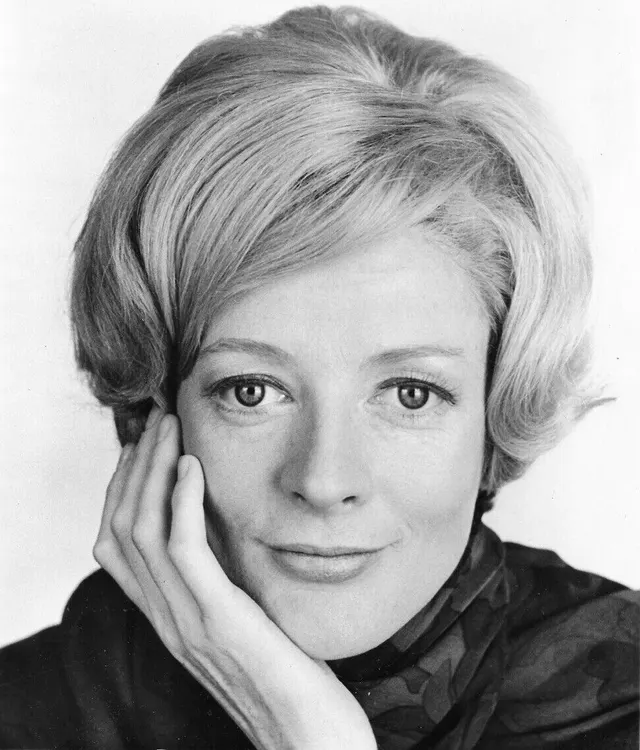
Maggie Smith
Image creditN/A studio · Public domainResized and cropped for display.

Maggie Smith

English actress of The Prime of Miss Jean Brodie, the Harry Potter films and Downton Abbey.

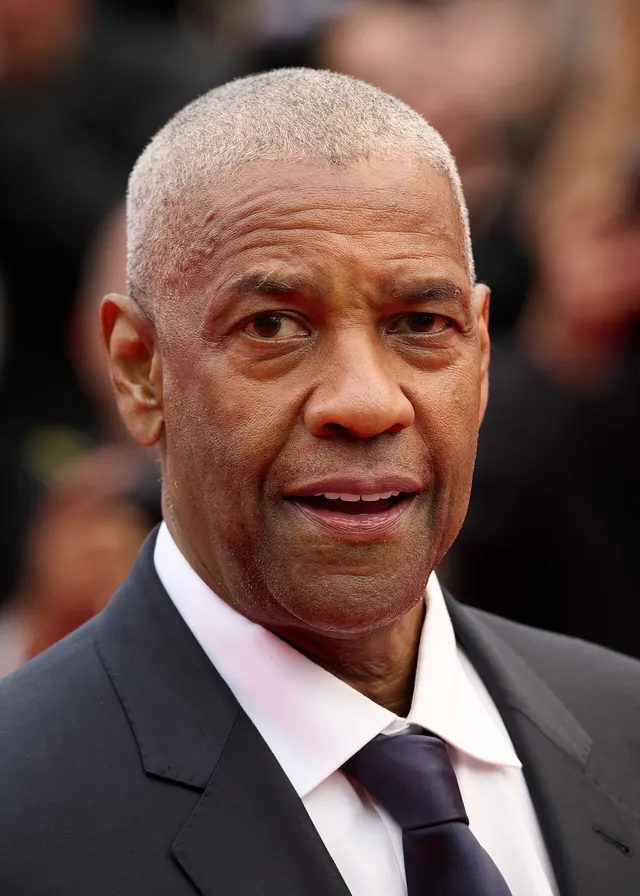
Denzel Washington
Image creditGabriel Hutchinson · CC BY-SA 4.0Resized and cropped for display.

Denzel Washington

American actor, Oscar winner for Glory and Training Day.

◉
IDEAS THAT CHANGED THINGS

Firsts, Science & Discoveries

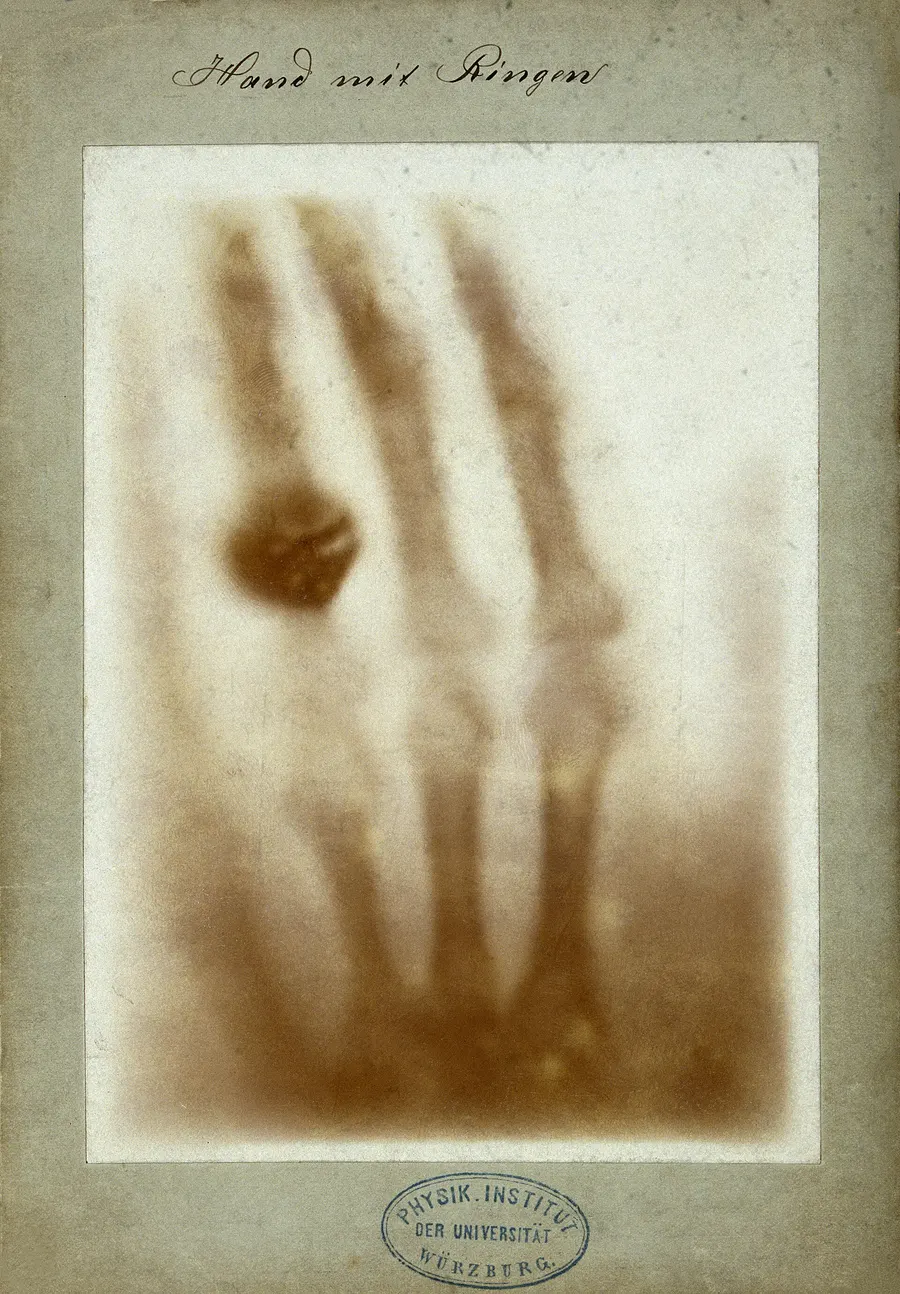
Röntgen's X-ray of his wife Anna Bertha's hand, with her ring, made on 22 December 1895.
Röntgen’s X-ray of his wife Anna Bertha’s hand, with her ring, made on 22 December 1895.
Image creditWilhelm Röntgen · Public domainResized and cropped for display.

Röntgen reports a new kind of ray

On 8 November 1895, in his laboratory at the University of Würzburg, Wilhelm Röntgen noticed that a screen glowed when a covered cathode-ray tube was switched on nearby. After weeks of experiments he wrote up his findings over Christmas, and on 28 December his paper ‘On a new kind of rays’ was accepted by the Würzburg Physical-Medical Society.

He called them X-rays, because he did not know what they were. Copies of the paper and his photograph of his wife’s hand spread around the world within weeks, doctors were using X-rays within months, and in 1901 Röntgen received the first Nobel Prize in Physics.

Read the full storyHistory & Timeline →Source: American Physical Society: November 8, 1895, Röntgen’s discovery of X-rays ↗
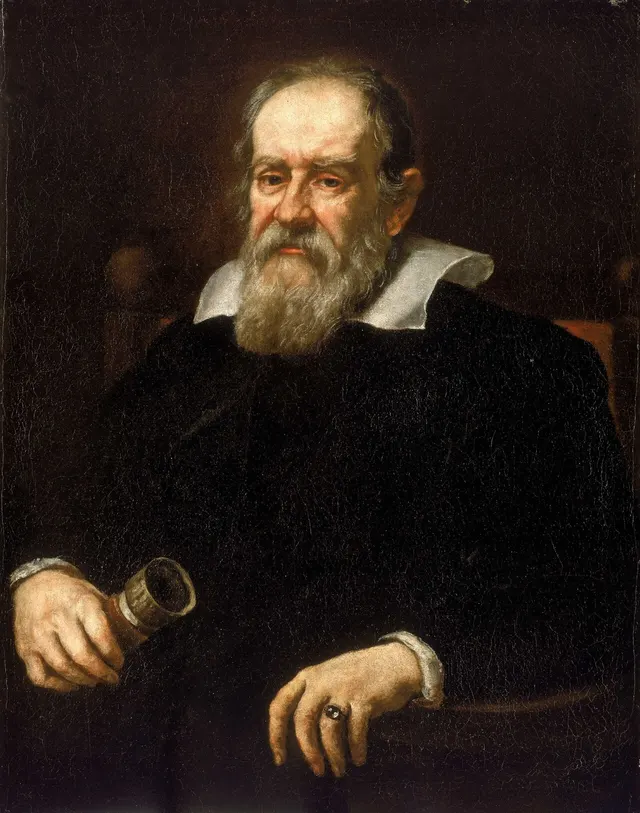
Galileo Galilei, in a portrait at the National Maritime Museum, Greenwich.
Image creditJustus Sustermans · Public domainResized and cropped for display.

Galileo sees Neptune without knowing it

On 28 December 1612, while following the moons of Jupiter with his telescope, Galileo drew a faint ‘star’ close to the planet in his notebook. In January 1613 he noted that it seemed to have moved, but he never followed it up.

It was Neptune, which would not be recognised as a planet for another 234 years, when Johann Galle found it in 1846 from the predictions of Urbain Le Verrier.

Read the full storyHistory & Timeline →Source: NASA Science: Neptune exploration ↗
♫
MUSIC • FILM • BOOKS • CULTURE

Culture Stories

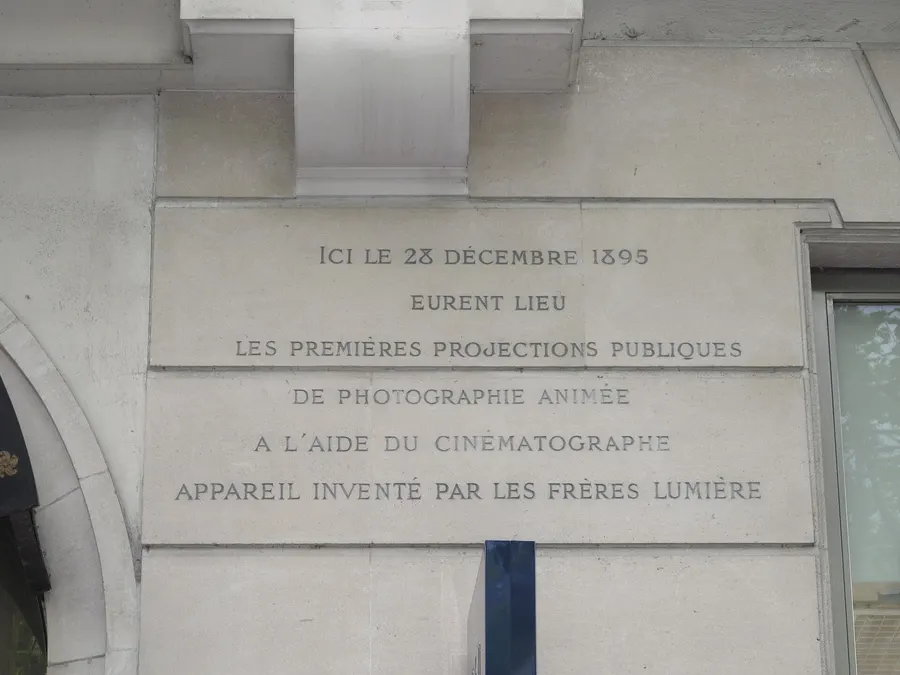
The plaque at 14 boulevard des Capucines, Paris, recording the first public showings of the Cinématographe on 28 December 1895.
Image creditTangopaso · Public domainResized and cropped for display.

The Lumière brothers open the first cinema show

On 28 December 1895, in the Salon Indien, a basement room of the Grand Café on the boulevard des Capucines in Paris, Louis and Auguste Lumière showed films to a paying public for the first time. A small audience paid one franc each to see ten short films projected with the brothers’ Cinématographe.

The programme included workers leaving the Lumière factory in Lyon and a comic scene of a gardener soaked by his own hose. Within weeks crowds were queuing in the street, and the Lumières’ operators were soon showing films around the world.

Read the full storyHistory & Timeline →Source: Institut Lumière: the first screening ↗
✦
LIVES REMEMBERED

Remembered Today

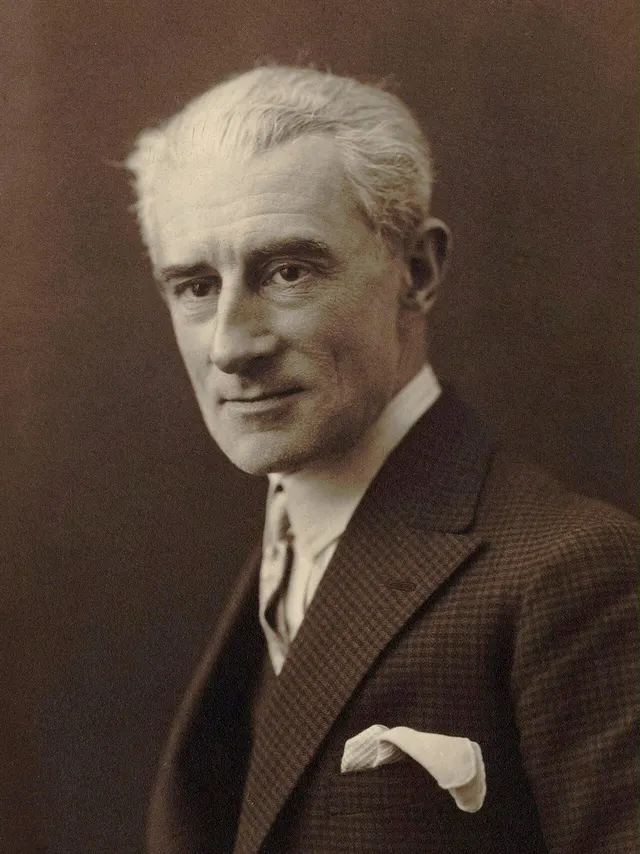
Victor Emmanuel III of Italy
Image creditMario Nunes Vais · Public domainResized and cropped for display.

Victor Emmanuel III of Italy

King of Italy from 1900 to 1946, who allowed Mussolini to take power and died in exile in Egypt.

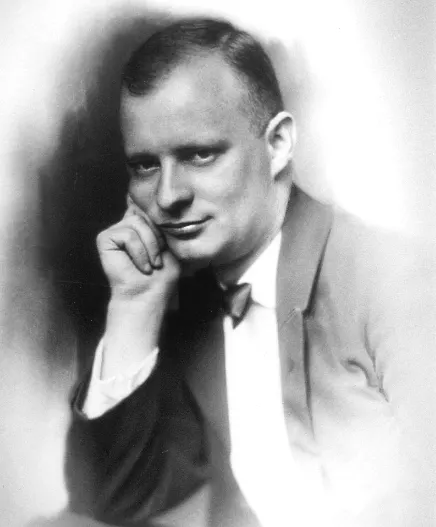
Paul Hindemith
Image creditUnknown · CC BY-SA 3.0Resized and cropped for display.

Paul Hindemith

German composer and viola player whose music was banned by the Nazis.

☉
AROUND THE WORLD

Observances & Anniversaries

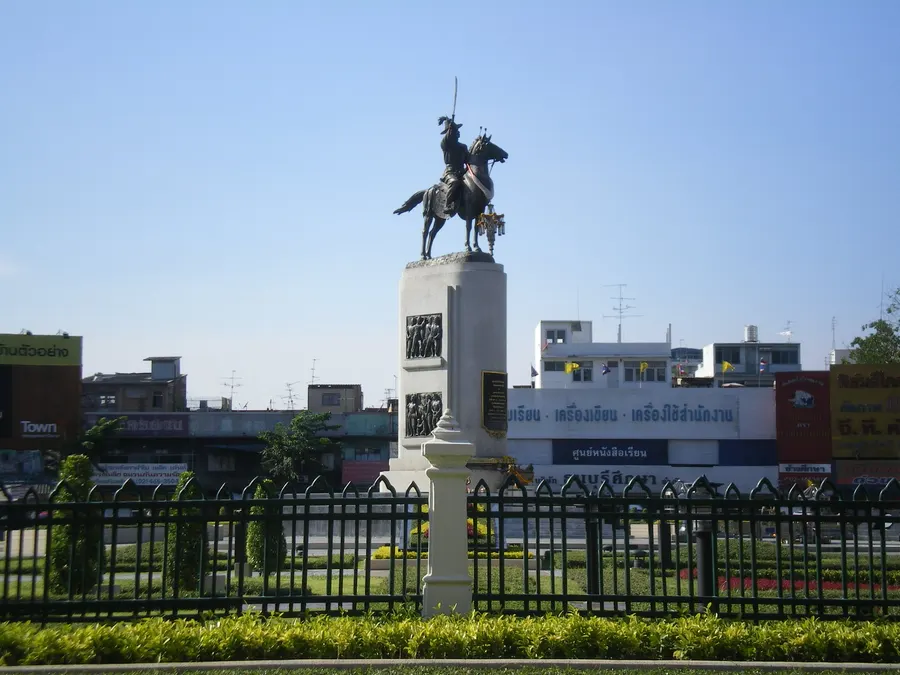
The statue of King Taksin at Wongwian Yai, Bangkok.
Image credit2T · CC BY-SA 3.0Resized and cropped for display.

King Taksin Memorial Day, Thailand

Thailand marks 28 December as King Taksin Memorial Day, the anniversary of his accession in 1767. After the Burmese sacked the old capital of Ayutthaya that year, Taksin drove them out, reunited the kingdom and made Thonburi his capital. The king lays a wreath at his monument in Bangkok.

Source: National News Bureau of Thailand: Their Majesties pay homage to King Taksin the Great ↗
HISTORY & TIMELINE

Finished the highlights?

Follow 28 December chronologically, from the Middle Ages to the modern day, with 10 verified events and the sources behind them.

This day through time →