Explore 29 December

Explore 29 December: Thomas Becket is murdered in Canterbury Cathedral, Mongolia declares its independence, the US Army kills hundreds of Lakota at Wounded Knee and the dissident playwright Václav Havel becomes president. Meet William Gladstone, Pablo Casals and Madame de Pompadour, born on this date.

This day through time →8 verified events across 3 eras

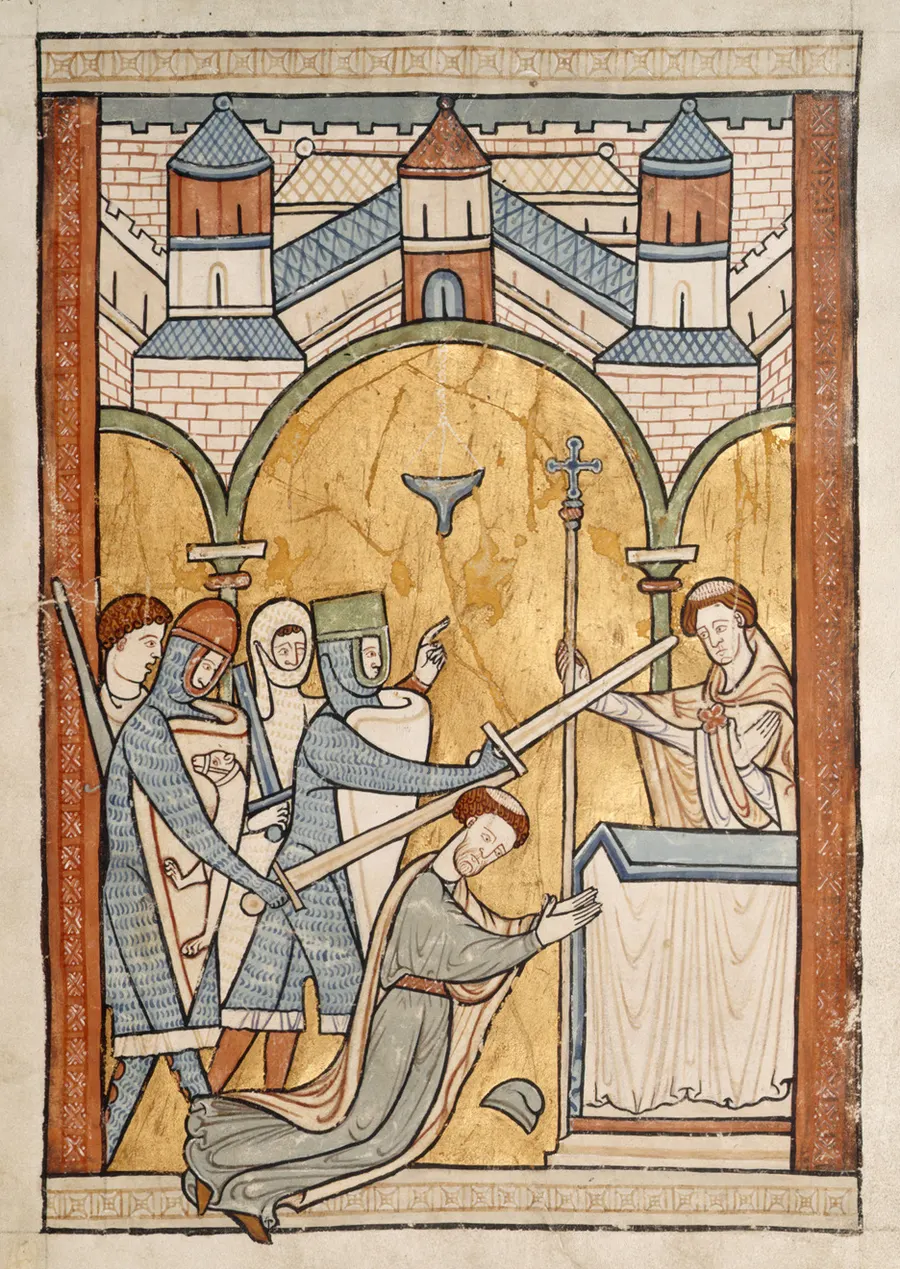
The murder of Thomas Becket, from an English manuscript of about 1200, the earliest known picture of the scene.
Image creditUnknown authorUnknown author · Public domainResized and cropped for display.

Thomas Becket is murdered in Canterbury Cathedral

Thomas Becket had been Henry II’s chancellor and friend before the king made him Archbishop of Canterbury, but the two men fell out bitterly over the rights of the Church. In late 1170 Becket excommunicated the bishops who had crowned Henry’s eldest son in his place.

On 29 December four knights of the king’s household, Reginald FitzUrse, Hugh de Morville, William de Tracy and Richard Brito, followed Becket into his cathedral at dusk and cut him down with their swords. The murder horrified Europe. Becket was made a saint within three years, Henry did public penance at his tomb, and Canterbury became one of the great pilgrim shrines of the Middle Ages.

Read the full storyHistory & Timeline →Source: British Museum: Thomas Becket, the murder that shook the Middle Ages ↗
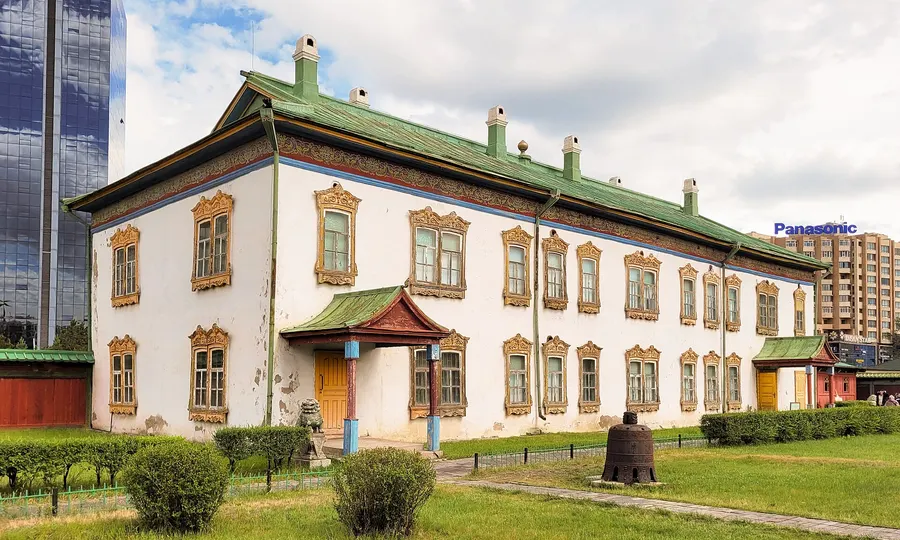
The Winter Palace of the Bogd Khan in Ulaanbaatar, now a museum.
Image creditBernard Gagnon · CC0Resized and cropped for display.

Mongolia declares its independence

As revolution broke out in China against the Qing dynasty, Mongol nobles and lamas in Urga (today’s Ulaanbaatar) expelled the Manchu governor and, on 29 December 1911, enthroned the Eighth Jebtsundamba Khutughtu, the head of Mongolian Buddhism, as the Bogd Khan, the ‘Holy King’ of an independent Mongolia.

Full independence was not secured at once: Russia and China agreed in 1913 that Mongolia would be self-governing but under Chinese suzerainty, and it took the revolution of 1921 to settle it. Mongolia marks 29 December as its National Freedom and Independence Day.

Read the full storyHistory & Timeline →Source: Encyclopaedia Britannica: Mongolia, independence and revolution ↗
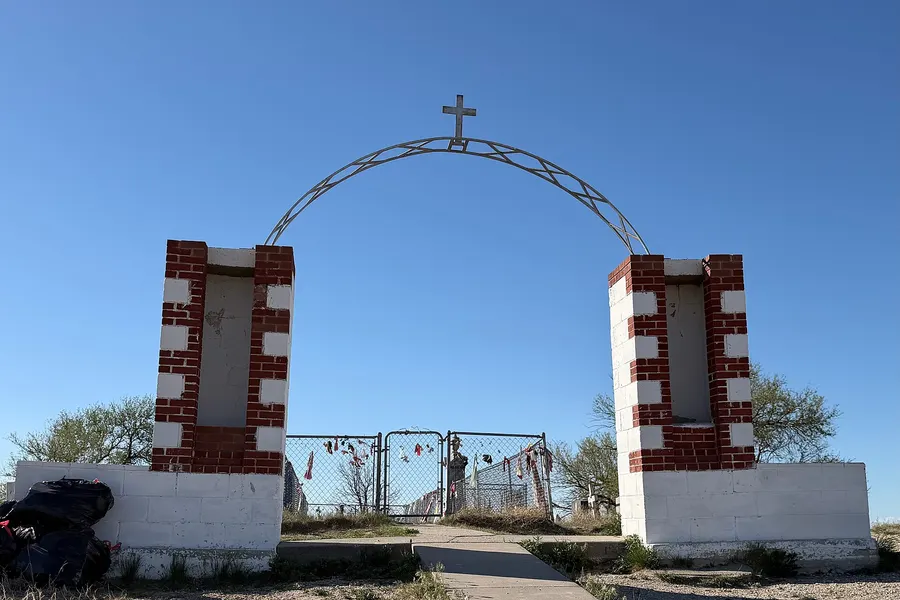
The entrance to the cemetery at Wounded Knee, South Dakota, where the victims were buried; the monument stands at the centre.
Image creditSharonPapierdreams · CC BY-SA 4.0Resized and cropped for display.

The massacre at Wounded Knee

In December 1890, after the killing of Sitting Bull, the Miniconjou Lakota chief Big Foot (Spotted Elk) led his people towards the Pine Ridge reservation in South Dakota. Troops of the US 7th Cavalry stopped them and camped around them by Wounded Knee Creek.

On the morning of 29 December, as the soldiers disarmed the Lakota men, a shot went off in a scuffle and the troops opened fire, supported by rapid-firing Hotchkiss guns on a hill. Between about 150 and 300 Lakota were killed, nearly half of them women and children. It is often seen as the end of the wars on the Plains.

Read the full storyHistory & Timeline →Source: Encyclopaedia Britannica: Wounded Knee Massacre ↗
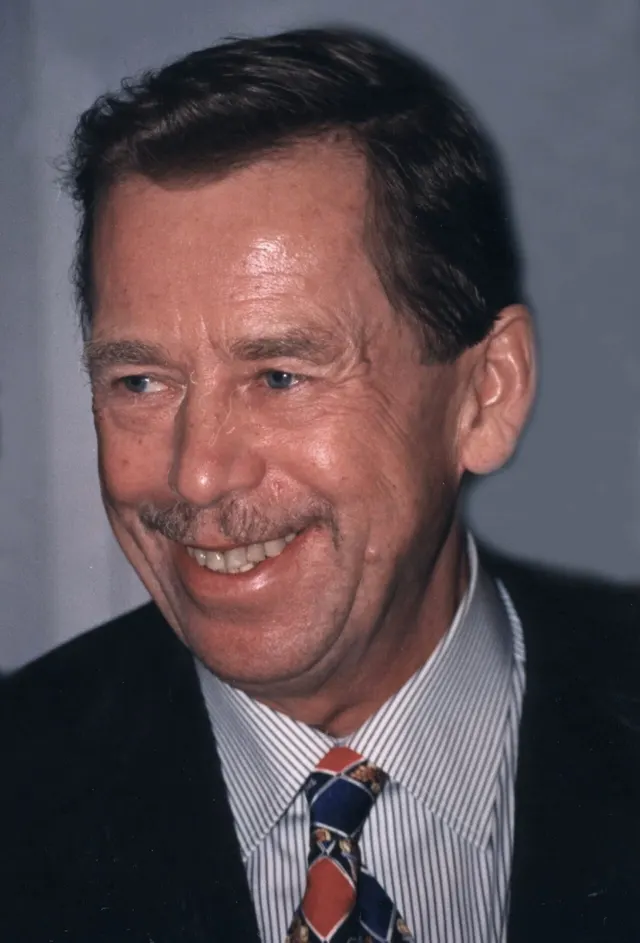
Václav Havel, playwright and president.
Image creditKingkongphoto & www.celebrity-photos.com from Laurel Maryland, USA · CC BY-SA 2.0Resized and cropped for display.

Václav Havel becomes president of Czechoslovakia

Six weeks after the Velvet Revolution began, the Federal Assembly in Prague, still made up of deputies chosen under communist rule, elected the playwright Václav Havel president of Czechoslovakia on 29 December 1989. Only months before he had been in prison for his work as a dissident.

He was the country’s first non-communist head of state since 1948. He led Czechoslovakia to free elections in 1990 and, after its peaceful split in 1993, served ten years as president of the Czech Republic.

Read the full storyHistory & Timeline →Source: Prague Castle, Office of the President: Václav Havel ↗
♙
PEOPLE

Born Today

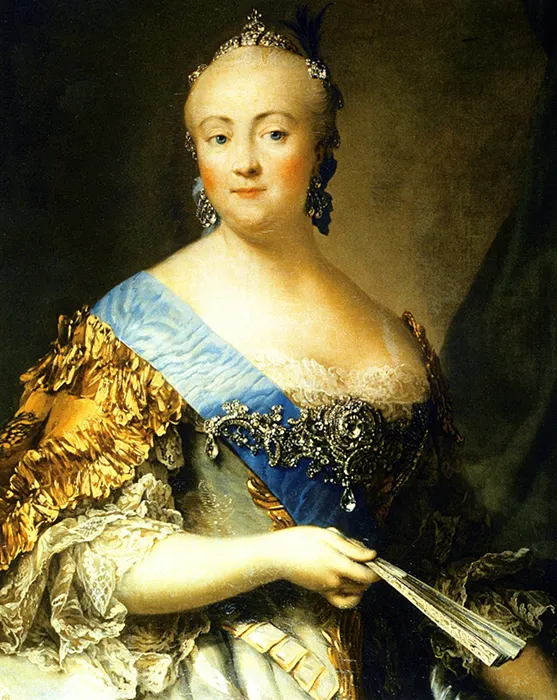
Elizabeth of Russia
Image creditVigilius Eriksen · Public domainResized and cropped for display.

Elizabeth of Russia

Daughter of Peter the Great who seized the throne in 1741 and founded Moscow University.

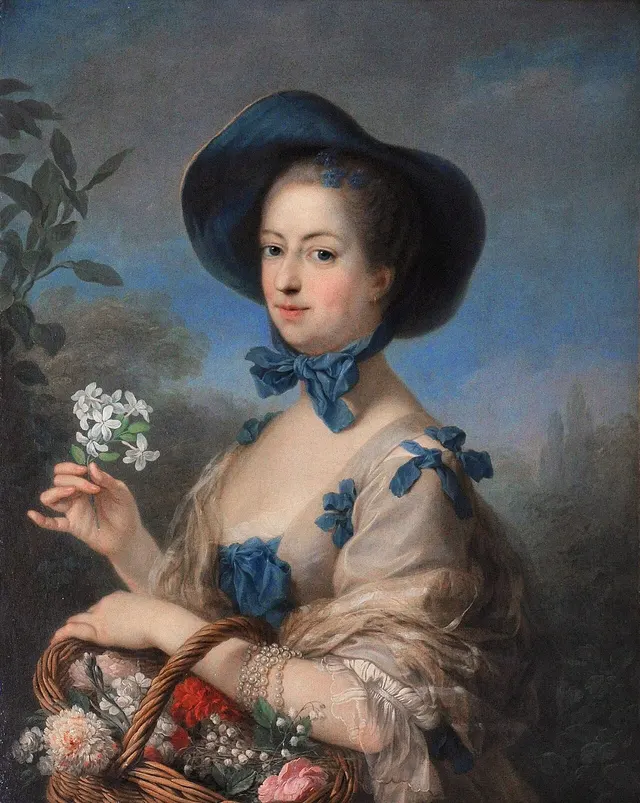
Madame de Pompadour
Image creditCharles André van Loo · Public domainResized and cropped for display.

Madame de Pompadour

Favourite of Louis XV of France and a great patron of artists, writers and the Sèvres porcelain works.

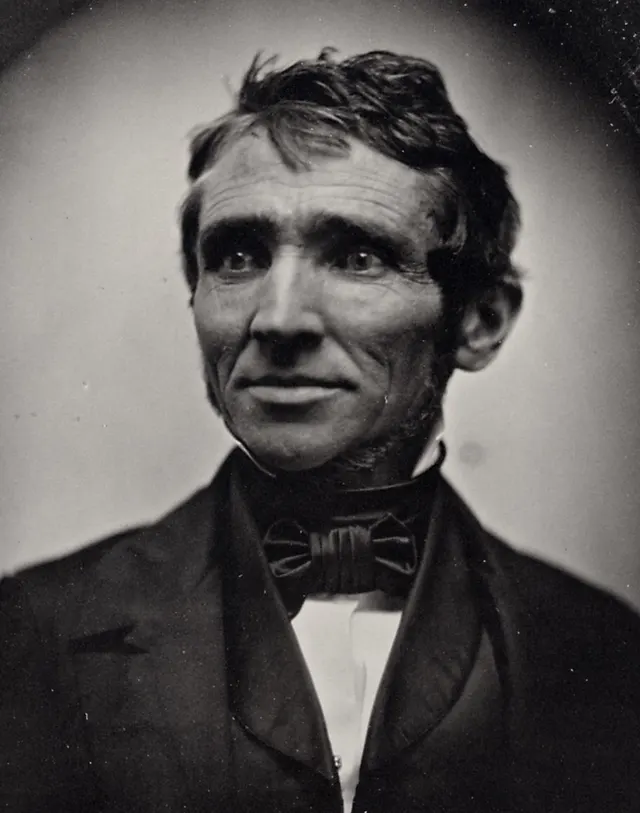
Charles Goodyear
Image creditSouthworth & Hawes · Public domainResized and cropped for display.

Charles Goodyear

American inventor who found how to vulcanise rubber, making it strong and weatherproof.

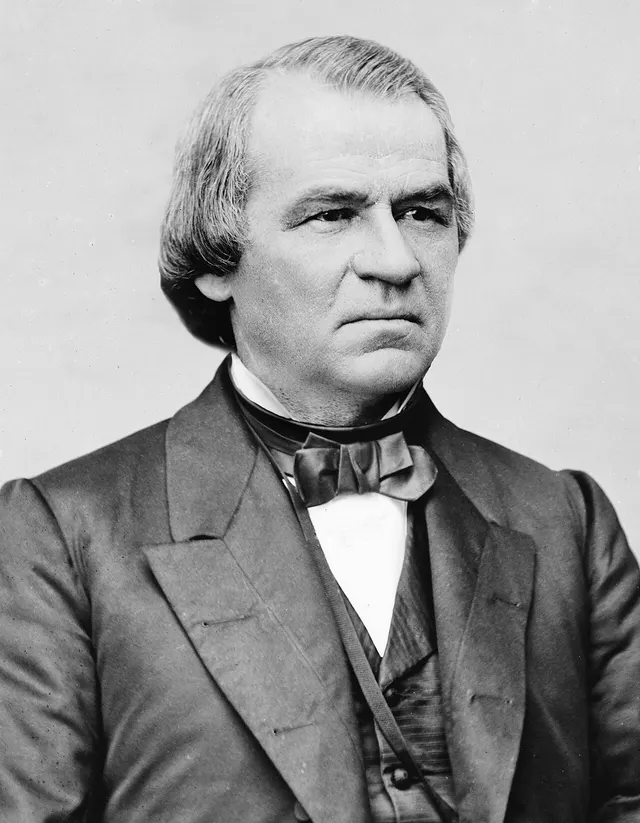
Andrew Johnson
Image creditMathew Benjamin Brady · Public domainResized and cropped for display.

Andrew Johnson

US president after Lincoln’s assassination and the first to be impeached, in 1868.

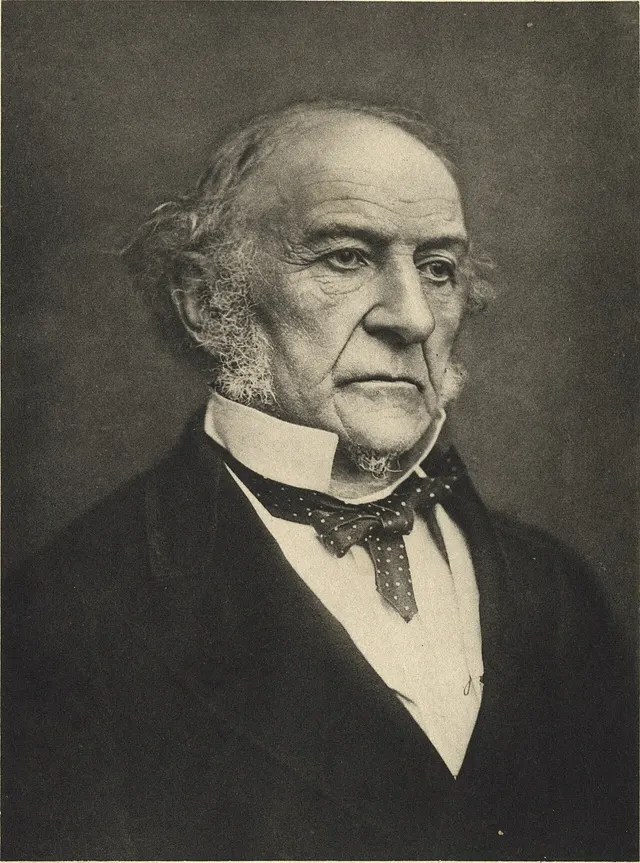
William Ewart Gladstone
Image creditSamuel Alexander Walker · Public domainResized and cropped for display.

William Ewart Gladstone

Liberal statesman who was British prime minister four times between 1868 and 1894.

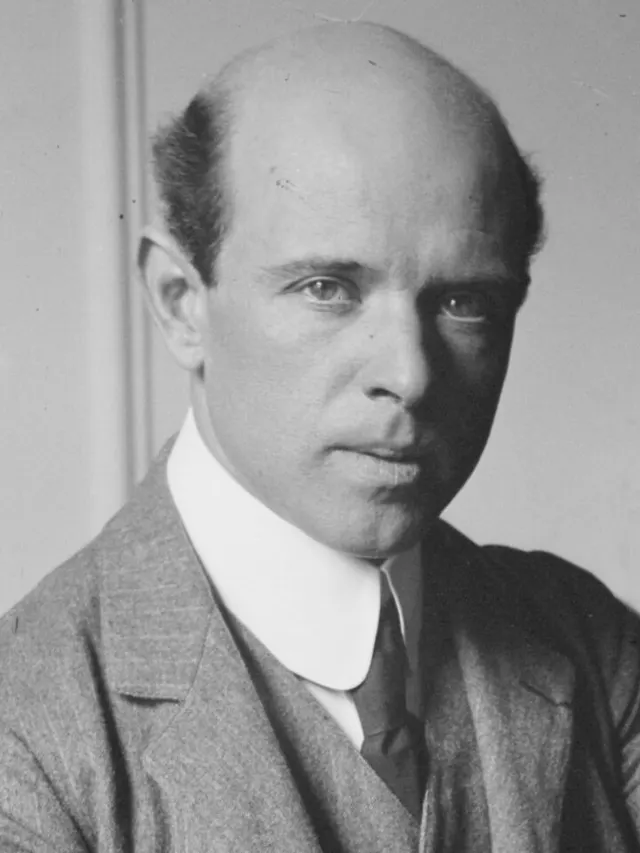
Pablo Casals
Image creditBain News Service · Public domainResized and cropped for display.

Pablo Casals

Catalan cellist and conductor who revived Bach’s cello suites and refused to play in Franco’s Spain.

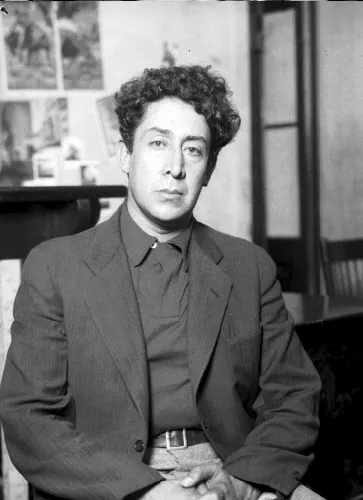
David Alfaro Siqueiros
Image creditCasasola Archive · CC BY-SA 4.0Resized and cropped for display.

David Alfaro Siqueiros

Mexican painter, one of the three great muralists with Diego Rivera and José Clemente Orozco.

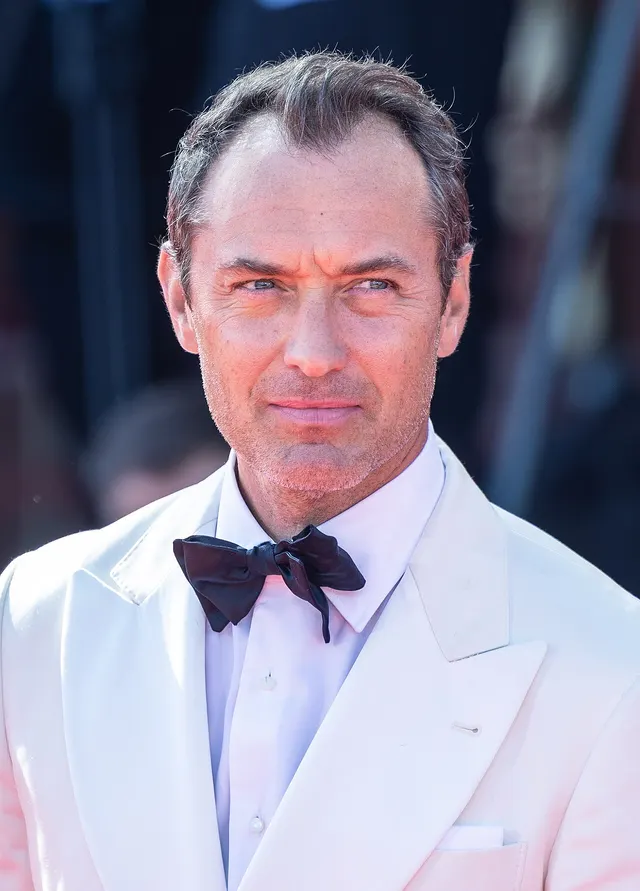
Jude Law
Image creditHarald Krichel · CC BY-SA 4.0Resized and cropped for display.

Jude Law

English actor of The Talented Mr Ripley and Cold Mountain.

◉
IDEAS THAT CHANGED THINGS

Firsts, Science & Discoveries

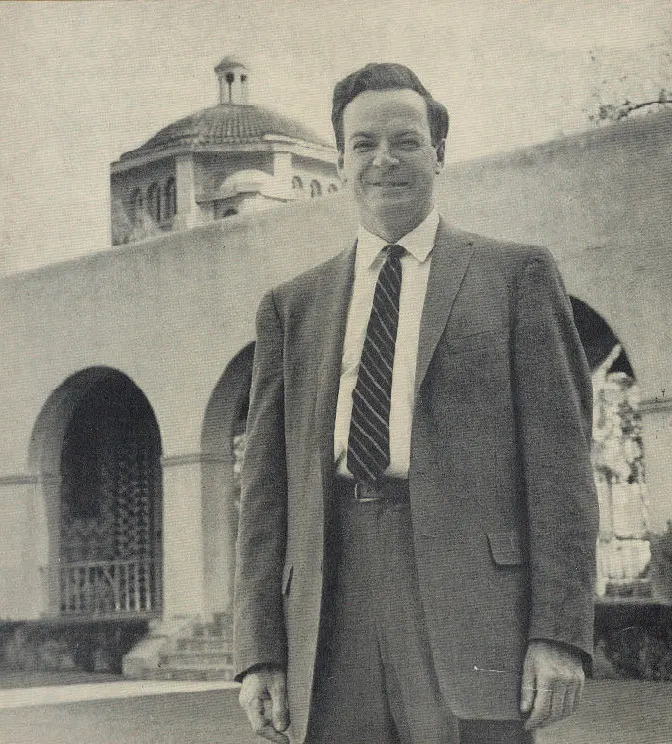
Richard Feynman at Caltech, from the February 1960 issue of Engineering and Science, which published his talk.
Image creditUnknown · Public domainResized and cropped for display.

Feynman sees ‘plenty of room at the bottom’

After dinner at the American Physical Society’s meeting at Caltech on 29 December 1959, Richard Feynman gave a talk called ‘There’s Plenty of Room at the Bottom’. He asked why the whole Encyclopaedia Britannica could not be written on the head of a pin, and imagined machines and computers built on the scale of atoms.

He offered a $1,000 prize for a working electric motor less than a sixty-fourth of an inch across, which was won within a year. The talk is often seen as the starting point of nanotechnology.

Read the full storyHistory & Timeline →Source: Caltech Library: There’s Plenty of Room at the Bottom ↗
✦
LIVES REMEMBERED

Remembered Today

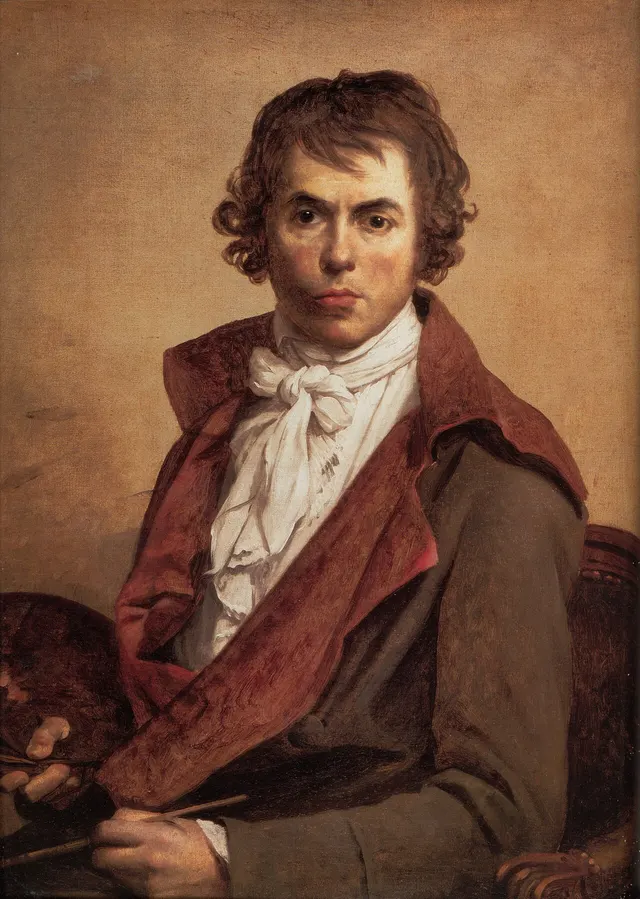
Jacques-Louis David
Image creditJacques-Louis David · Public domainResized and cropped for display.

Jacques-Louis David

French painter of The Death of Marat and Napoleon’s coronation; he died in exile in Brussels.

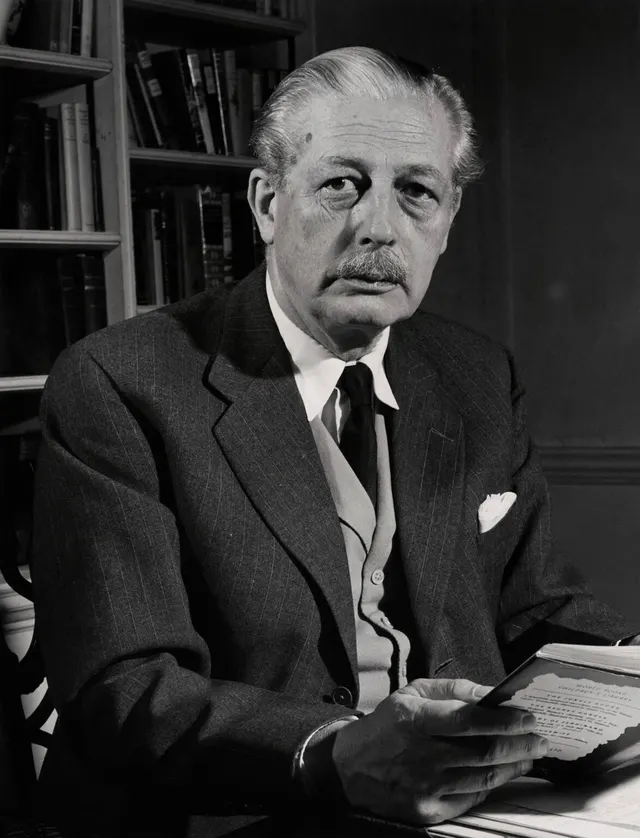
Harold Macmillan
Image creditUnknown photographer · Public domainResized and cropped for display.

Harold Macmillan

British prime minister from 1957 to 1963, remembered for his ‘wind of change’ speech in Africa.

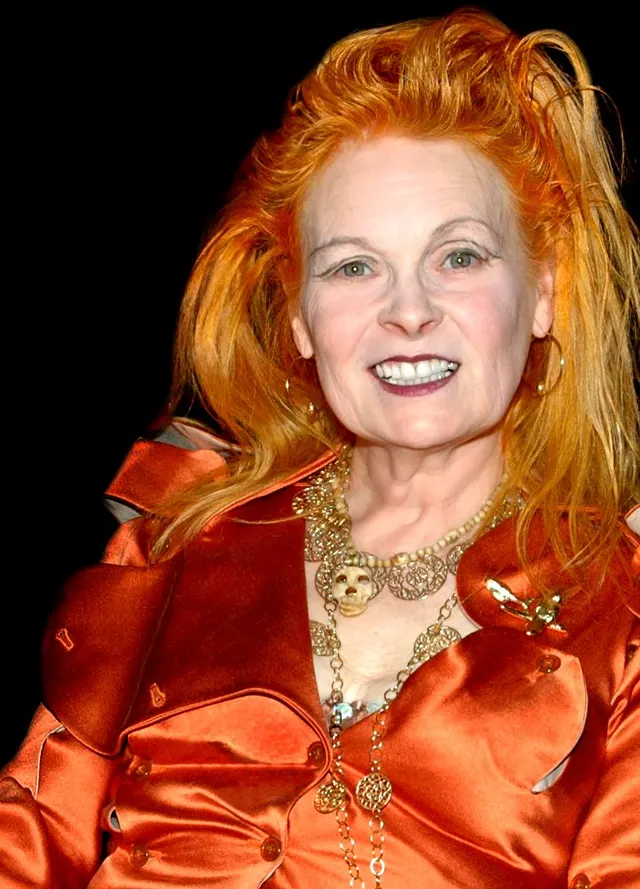
Vivienne Westwood
Image creditMattia Passeri · CC BY-SA 4.0Resized and cropped for display.

Vivienne Westwood

English fashion designer who brought punk into fashion in the 1970s.

HISTORY & TIMELINE

Finished the highlights?

Follow 29 December chronologically, from the Middle Ages to the modern day, with 8 verified events and the sources behind them.

This day through time →