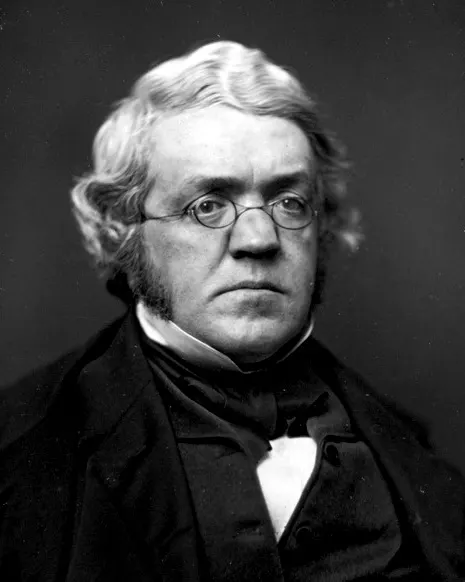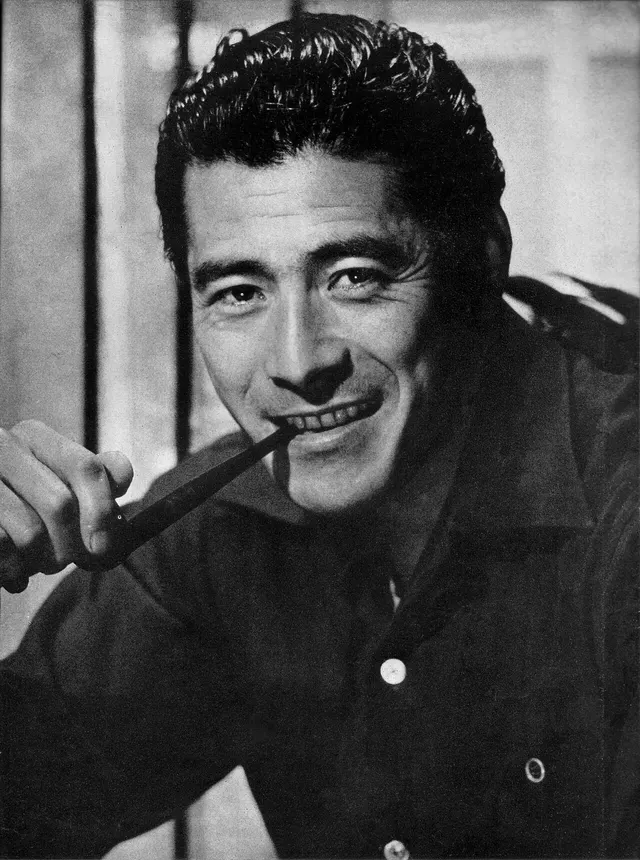
Explore 24 December

Explore 24 December: the Treaty of Ghent ends the War of 1812, Libya becomes independent, soldiers sing carols across no-man’s-land and Apollo 8 photographs the Earth rising over the Moon. Meet Empress Elisabeth of Austria, Howard Hughes and Ava Gardner, born on this date.

This day through time →10 verified events across 3 eras

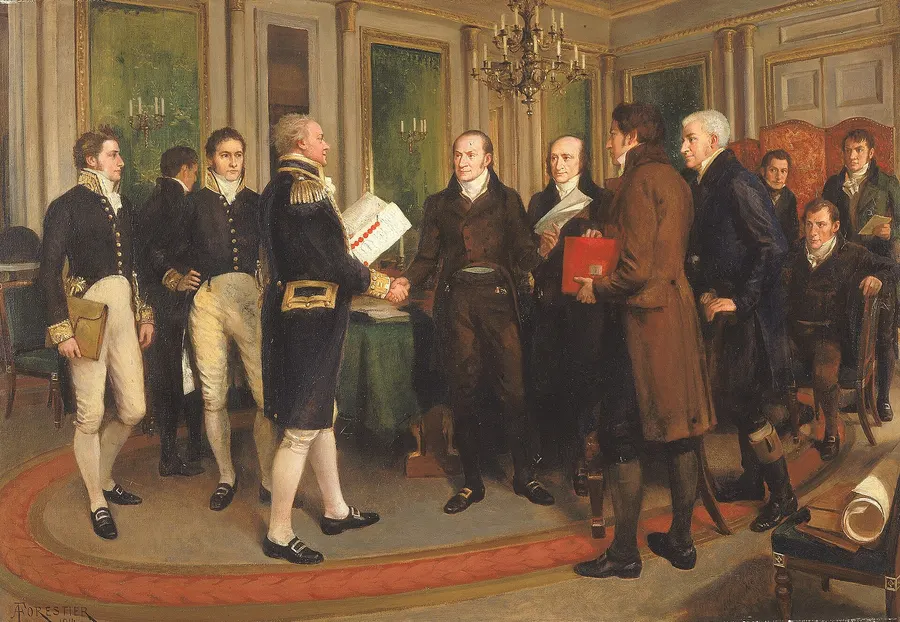
Amédée Forestier's painting of the signing of the Treaty of Ghent, Christmas Eve 1814, in the Smithsonian American Art Museum.
Amédée Forestier’s painting of the signing of the Treaty of Ghent, Christmas Eve 1814, in the Smithsonian American Art Museum.
Image creditAmédée Forestier · CC0Resized and cropped for display.

The Treaty of Ghent ends the War of 1812

After four months of talks in the Flemish city of Ghent, British and American commissioners — among them John Quincy Adams and Henry Clay — signed a peace treaty on Christmas Eve 1814, ending the war the two countries had fought since June 1812. Neither side had won, and the treaty simply put things back as they had been before the war.

News crossed the Atlantic slowly. On 8 January 1815, before anyone in America knew of the peace, Andrew Jackson’s army routed a British attack at New Orleans. The treaty was ratified by the Senate in February, and Britain and the United States have not fought each other since.

Read the full storyHistory & Timeline →Source: US National Archives: Treaty of Ghent (1814) ↗
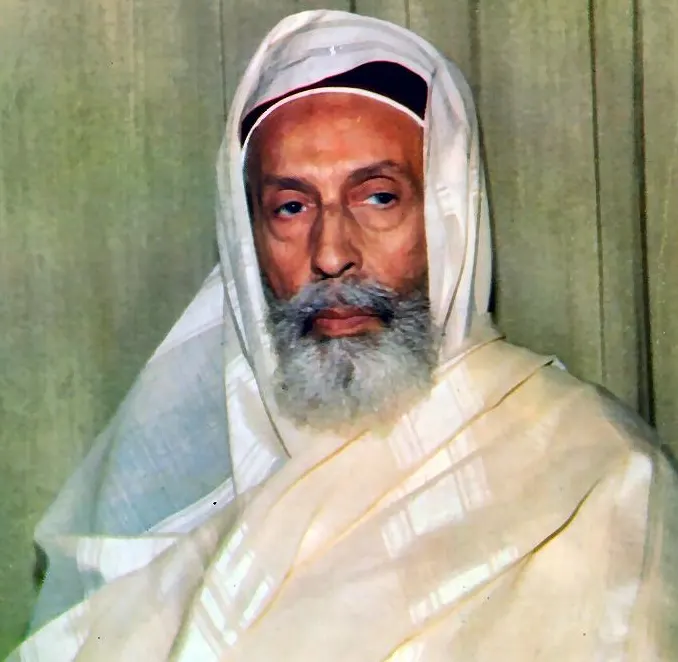
King Idris I of Libya.
Image creditUnknown authorUnknown author · Public domainResized and cropped for display.

Libya becomes independent

On 24 December 1951 King Idris I proclaimed the independence of the United Kingdom of Libya, joining the three regions of Cyrenaica, Tripolitania and Fezzan. A former Italian colony run by Britain and France since the Second World War, it was the first country to gain its independence through the United Nations, whose General Assembly had voted for it in 1949.

Idris, head of the Sanusi religious order, had led resistance to Italian rule from exile. Oil was found in 1959 and made the poor desert kingdom rich. He was overthrown in 1969 by a group of army officers led by Muammar al-Qaddafi.

Read the full storyHistory & Timeline →Source: Encyclopaedia Britannica: Idris I ↗
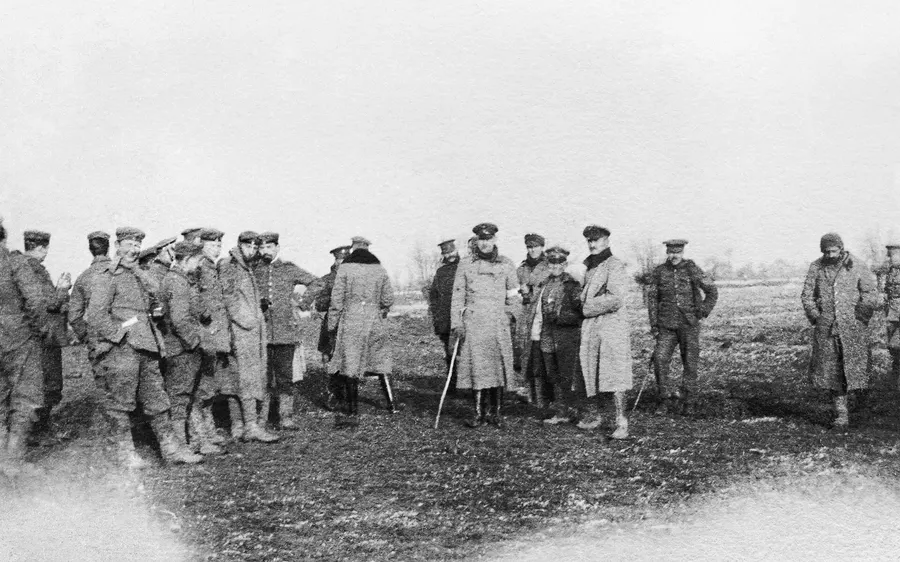
British and German troops meeting in no-man's-land during the unofficial truce, 1914.
British and German troops meeting in no-man’s-land during the unofficial truce, 1914.
Image creditHarold Burge Robson · Public domainResized and cropped for display.

The Christmas truce begins

Late on Christmas Eve 1914, along parts of the Western Front in Belgium and France, British soldiers heard German troops in the trenches opposite singing carols and saw lanterns and small Christmas trees on their parapets. Men shouted greetings across, and in places agreed not to shoot.

On Christmas Day soldiers from both sides met in no-man’s-land, swapped food, cigarettes and buttons, buried their dead and in some places kicked a football about. The truce was unofficial and patchy — elsewhere the fighting went on — and it was never repeated on the same scale.

Read the full storyHistory & Timeline →Source: Imperial War Museums: the real story of the Christmas truce of 1914 ↗
The ruins of the Tajbeg (Queen's) Palace in Kabul, where Soviet forces killed President Amin on 27 December 1979.
The ruins of the Tajbeg (Queen’s) Palace in Kabul, where Soviet forces killed President Amin on 27 December 1979.
Image creditTodd Huffman from Phoenix, AZ · CC BY 2.0Resized and cropped for display.

The Soviet Union sends its army into Afghanistan

On Christmas Eve 1979 the Soviet Union began a huge airlift of troops into Afghanistan, flying airborne battalions into Kabul and the air base at Bagram. Within days tens of thousands of troops had crossed the border. On 27 December Soviet special forces stormed the palace of President Hafizullah Amin, killed him and installed Babrak Karmal in his place.

Moscow meant to prop up a failing communist government. Instead it was drawn into a nine-year war against mujahideen fighters backed by the United States, Pakistan and others. Around 15,000 Soviet soldiers and more than a million Afghans died, and some five million Afghans fled abroad before the last Soviet troops left in February 1989.

Read the full storyHistory & Timeline →Source: Encyclopaedia Britannica: Soviet invasion of Afghanistan ↗
♙
PEOPLE

Born Today

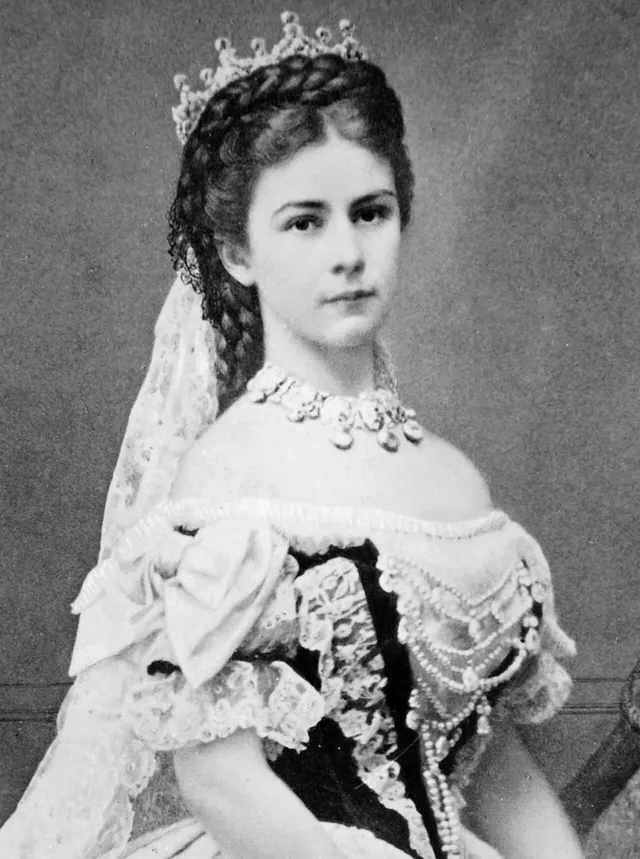
Empress Elisabeth of Austria
Image creditEmil Rabending · Public domainResized and cropped for display.

Empress Elisabeth of Austria

Wife of Franz Joseph, known as Sisi, a restless traveller who was stabbed to death by an anarchist in Geneva in 1898.

George I of Greece
Image creditUnknown photographer · Public domainResized and cropped for display.

George I of Greece

Danish prince chosen as King of the Hellenes at seventeen, who reigned for almost fifty years.

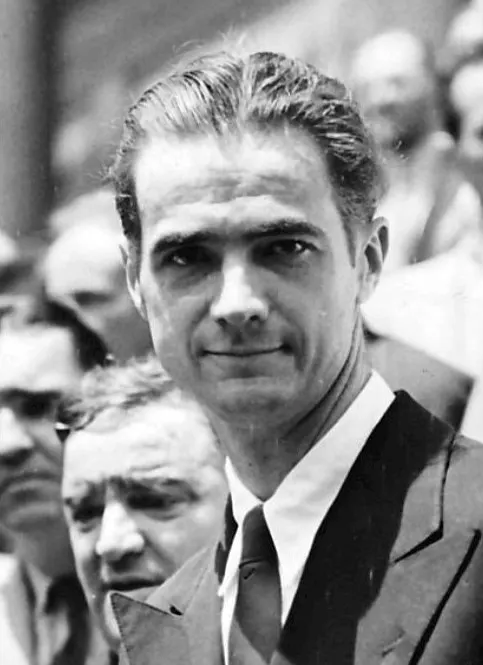
Howard Hughes
Image creditAcme Newspictures · Public domainResized and cropped for display.

Howard Hughes

American aviator, film producer and industrialist who set flying records and later lived as a recluse.

Ricky Martin
Image creditHarald Krichel · CC BY-SA 4.0Resized and cropped for display.

Ricky Martin

Puerto Rican singer whose Livin’ la Vida Loca led the Latin pop boom of 1999.

◉
IDEAS THAT CHANGED THINGS

Firsts, Science & Discoveries

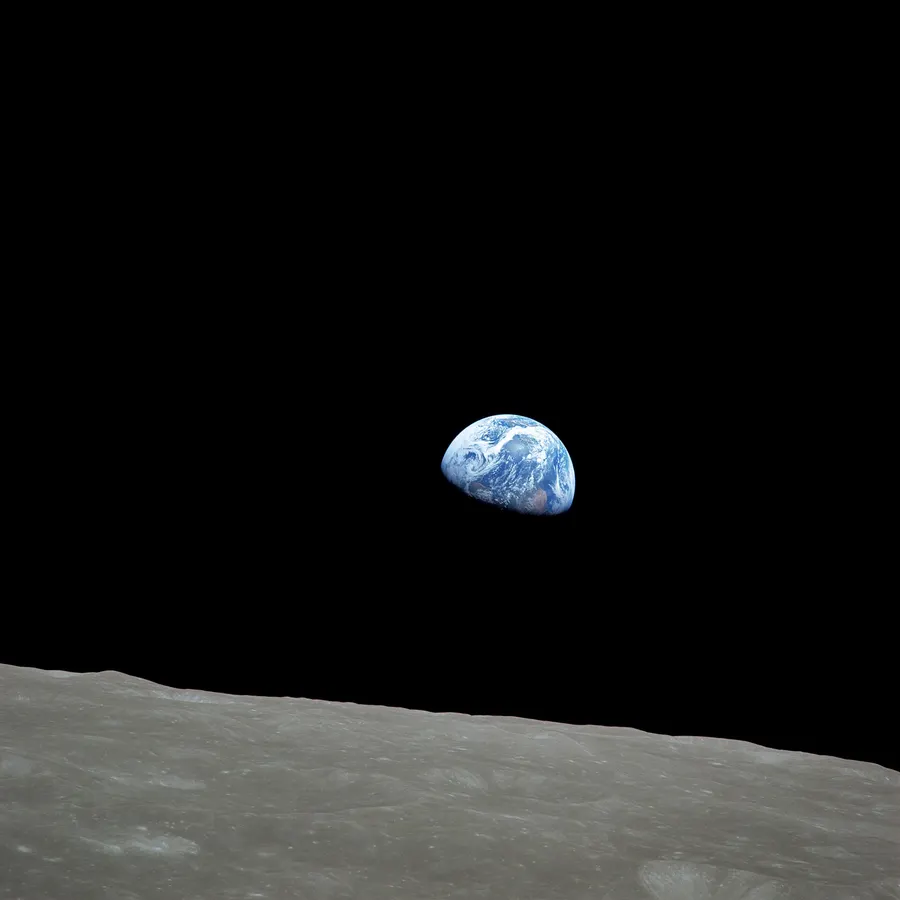
Earthrise, photographed by Bill Anders from lunar orbit, 24 December 1968.
Image creditNASA · Public domainResized and cropped for display.

Apollo 8 photographs the Earth rising

On Christmas Eve 1968, coming round from the far side of the Moon on their fourth orbit, the Apollo 8 crew saw the Earth rise over the lunar horizon. ‘Oh my God, look at that picture over there!’ said Bill Anders, who took a black-and-white picture and then called for colour film.

His photograph, Earthrise, showed the whole planet small and alone in black space, and is often credited with helping to start the modern environmental movement. That evening the crew read the opening of the Book of Genesis in a broadcast watched by one of the largest audiences television had ever had.

Read the full storyHistory & Timeline →Source: NASA: ‘Earthrise’ by NASA astronaut Bill Anders ↗
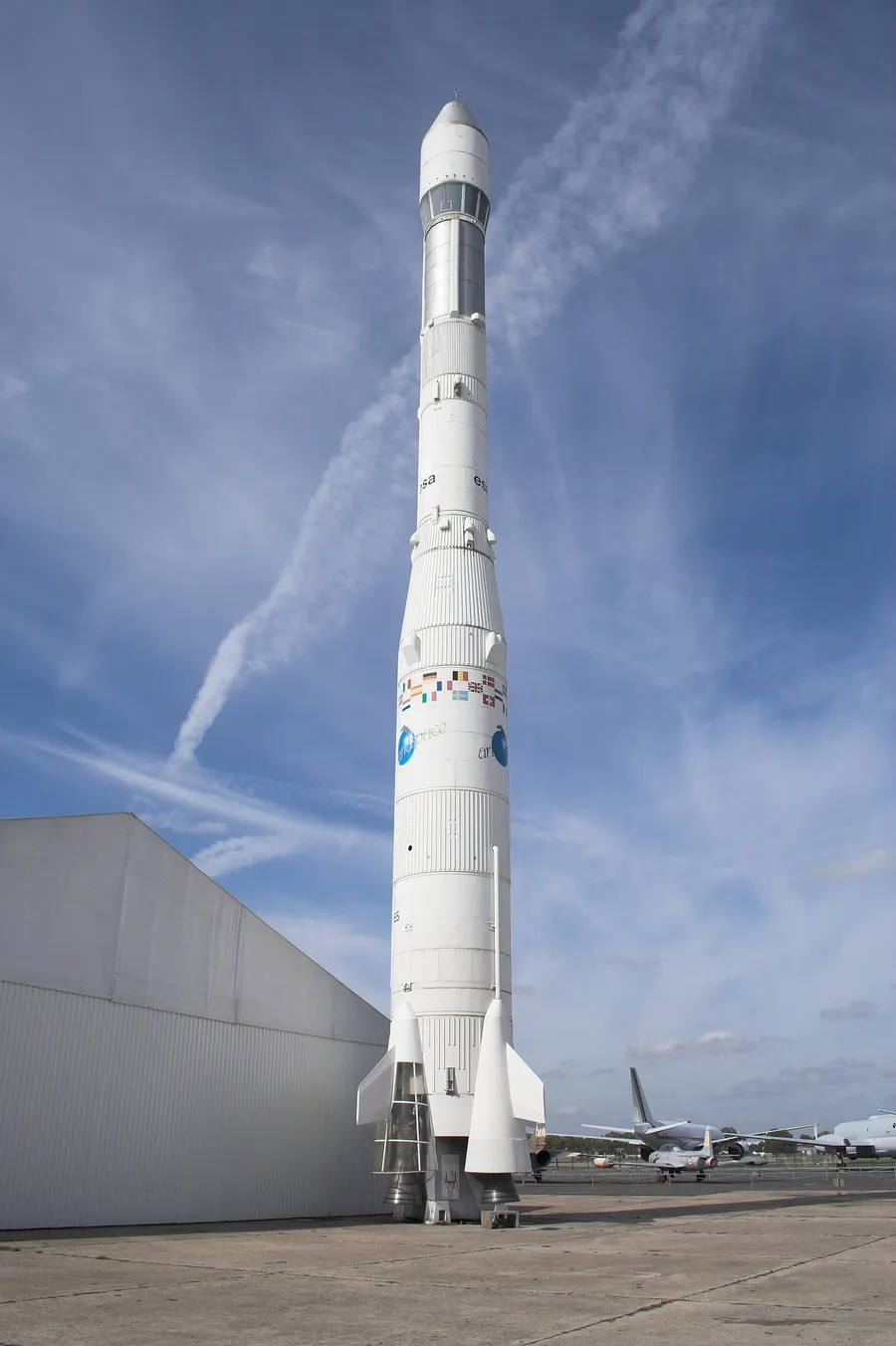
A model of the Ariane 1 rocket at the Air and Space Museum, Le Bourget.
Image creditignis · CC BY-SA 3.0Resized and cropped for display.

Europe’s Ariane rocket flies for the first time

At 14.14 local time on 24 December 1979 the first Ariane 1 rocket lifted off from Europe’s spaceport at Kourou in French Guiana. The first attempt, on 15 December, had been stopped when the engines shut down just after ignition, and bad weather had delayed the second.

The flight carried only a small test capsule, but it worked, and it gave Europe its own way into space without relying on American or Soviet rockets. Ariane rockets went on to launch a large share of the world’s commercial satellites.

Read the full storyHistory & Timeline →Source: European Space Agency: History, Ariane L01, 1979 ↗
♫
MUSIC • FILM • BOOKS • CULTURE

Culture Stories

The Silent Night Chapel at Oberndorf, built on the site of St Nicholas' church.
The Silent Night Chapel at Oberndorf, built on the site of St Nicholas’ church.
Image creditHigh Contrast · CC BY 3.0 deResized and cropped for display.

Silent Night is sung for the first time

At Christmas Eve Mass in the church of St Nicholas at Oberndorf, near Salzburg, on 24 December 1818, the assistant priest Joseph Mohr and the schoolteacher and organist Franz Xaver Gruber sang a new carol, Stille Nacht, with Mohr playing the guitar. Mohr had written the words two years before; Gruber wrote the tune.

Travelling singers and organ builders carried it across Europe and to America. It has been translated into hundreds of languages, and in 2011 it was added to Austria’s national list of intangible cultural heritage.

Read the full storyHistory & Timeline →Source: Austrian Commission for UNESCO: Silent Night, the Christmas carol ↗
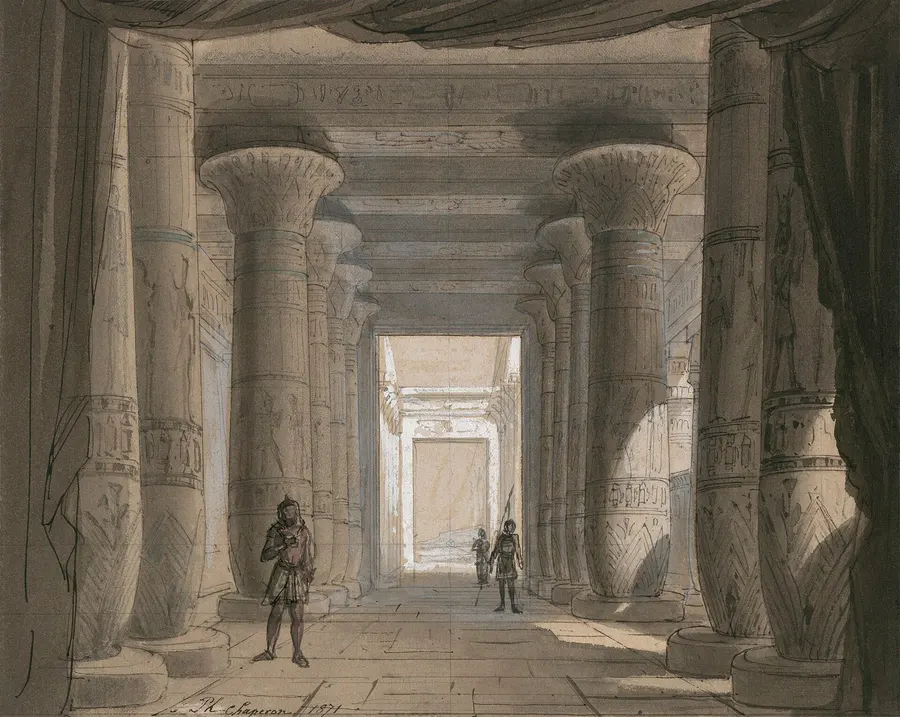
Philippe Chaperon's set for the temple scene in the first production of Aida, Cairo, 1871.
Philippe Chaperon’s set for the temple scene in the first production of Aida, Cairo, 1871.
Image creditPhilippe Chaperon / Adam Cuerden · Public domainResized and cropped for display.

Verdi’s Aida has its premiere in Cairo

Verdi’s Aida, commissioned by the Khedive Ismail of Egypt, was first performed at the Khedivial Opera House in Cairo on 24 December 1871. It had been meant for the start of the year, but the scenery and costumes, made in Paris, were trapped in the city by the Prussian siege.

The audience that first night was almost entirely officials and dignitaries. Its European premiere at La Scala in Milan in February 1872 was a triumph, and the story of an Ethiopian princess enslaved in ancient Egypt became one of the most performed operas in the world.

Read the full storyHistory & Timeline →Source: Encyclopaedia Britannica: Aida ↗
✦
LIVES REMEMBERED

Remembered Today

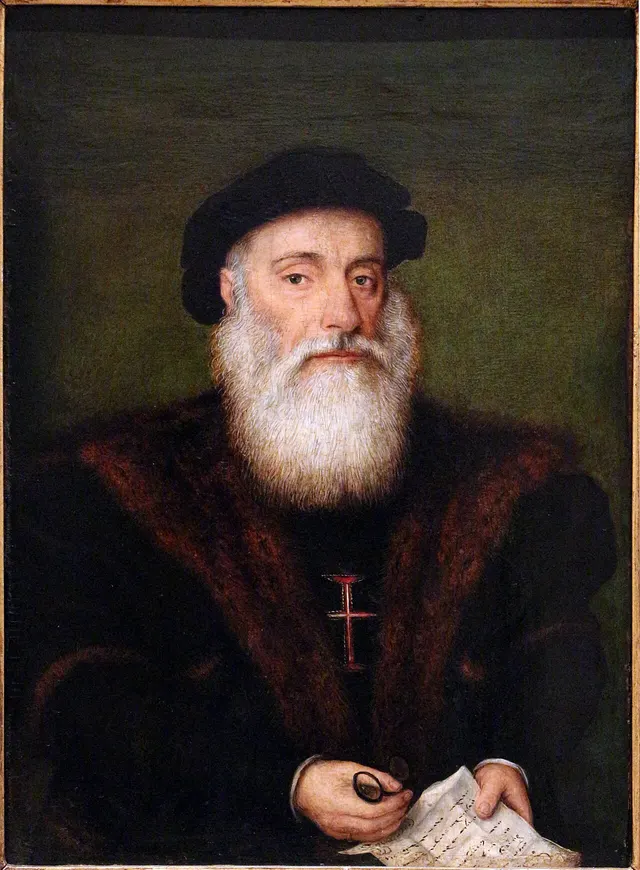
Vasco da Gama
Image creditSailko · CC BY 3.0Resized and cropped for display.

Vasco da Gama

Portuguese navigator who opened the sea route from Europe to India; he died at Cochin soon after being made viceroy.

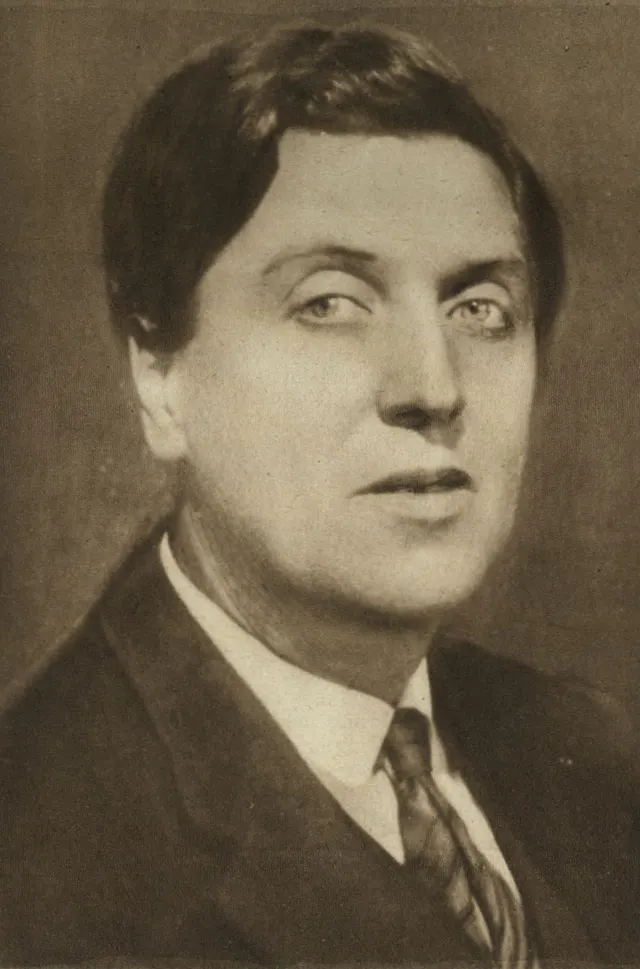
Alban Berg
Image creditMax Fenichel · Public domainResized and cropped for display.

Alban Berg

Austrian composer of the operas Wozzeck and Lulu, a pupil of Arnold Schoenberg.

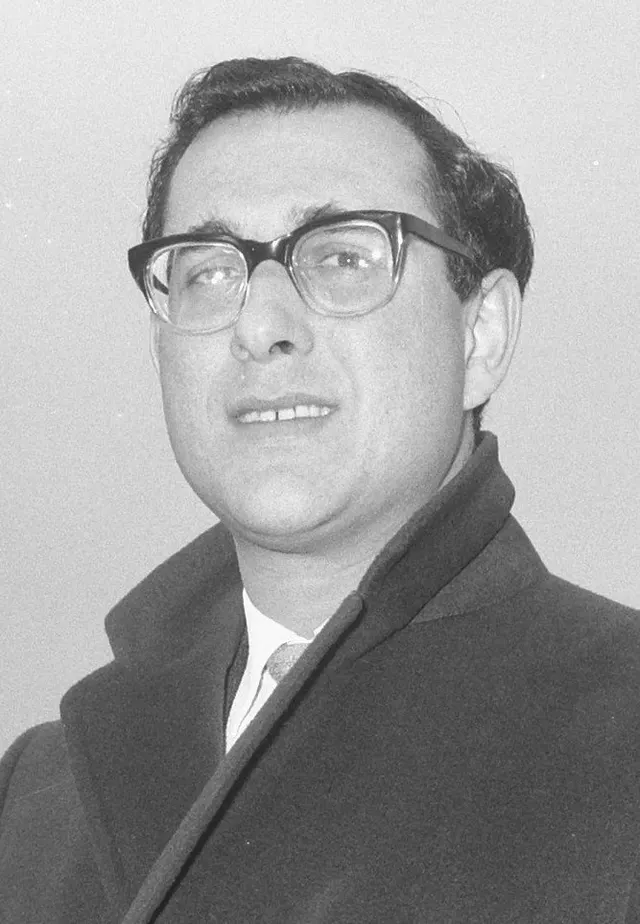
Harold Pinter
Image creditJack de Nijs for Anefo · CC0Resized and cropped for display.

Harold Pinter

English playwright of The Birthday Party and The Caretaker, Nobel laureate in 2005.

HISTORY & TIMELINE

Finished the highlights?

Follow 24 December chronologically, from the Middle Ages to the modern day, with 10 verified events and the sources behind them.

This day through time →