HISTORY & TIMELINE
24 December

A journey through
24 December in history

From the fall of crusader Edessa in 1144 to the first launch of Europe’s own rocket, Christmas Eve has seen wars begun and ended, a carol written for a broken organ and an opera written for Egypt. This timeline follows the date across more than eight centuries.

JUMP THROUGH TIME
II
THE MIDDLE AGES

Medieval History

Kingdoms, conflict, faith, power and the changing medieval world.

1144
The castle of Urfa, the old Edessa, above the Balıklıgöl park in Şanlıurfa, Turkey.The castle of Urfa, the old Edessa, above the Balıklıgöl park in Şanlıurfa, Turkey.Image: Dosseman · CC BY-SA 4.0
world · Asia

Edessa falls to Zengi

After a siege that began on 28 November 1144, the forces of Imad ad-Din Zengi, ruler of Mosul and Aleppo, brought down part of the walls of Edessa with a mine on 24 December and stormed the city, the capital of the first of the crusader states. The citadel surrendered two days later. It was the first crusader state to fall, and the news led Pope Eugene III to call the Second Crusade, which failed to take it back.

Source: Encyclopaedia Britannica: Siege of Edessa (1144) ↗
IV
THE NINETEENTH CENTURY

The 1800s

Industry, empire, invention, reform and a century of enormous transformation.

1800
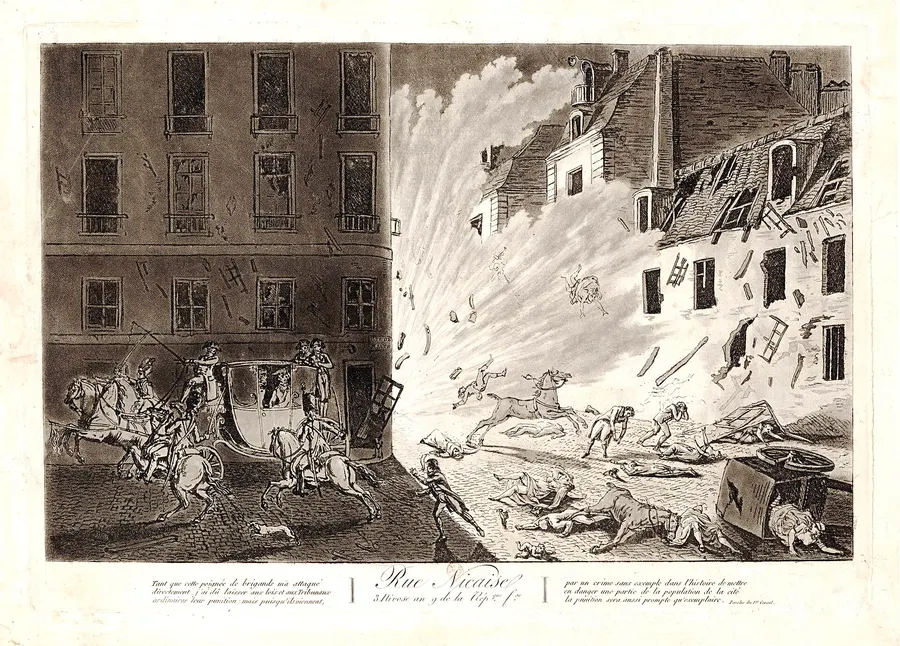
An engraving of the explosion in the rue Saint-Nicaise, 24 December 1800.An engraving of the explosion in the rue Saint-Nicaise, 24 December 1800.Image: Unknown engraver · Public domain
politics · Europe

A bomb in Paris misses Napoleon

At about 8.30 in the evening of 24 December 1800 a barrel of gunpowder hidden on a cart in the rue Saint-Nicaise exploded seconds after the carriage of the First Consul, Napoleon Bonaparte, had passed on its way to the Opéra to hear the first Paris performance of Haydn’s Creation. The royalist plotters had given the signal too late. Napoleon was unhurt, but a number of passers-by were killed. He used the attack as a reason to deport many Jacobins before the police proved it was a royalist plot.

Source: Fondation Napoléon: an infernal machine, the plot of the rue Saint-Nicaise ↗
1814
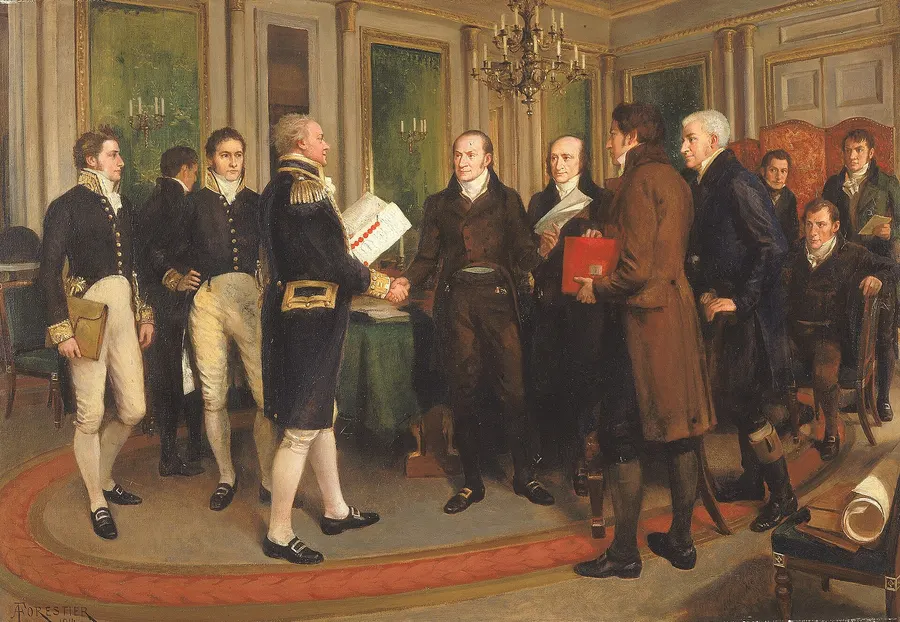
Amédée Forestier's painting of the signing of the Treaty of Ghent, Christmas Eve 1814, in the Smithsonian American Art Museum.Amédée Forestier’s painting of the signing of the Treaty of Ghent, Christmas Eve 1814, in the Smithsonian American Art Museum.Image: Amédée Forestier · CC0
politics · Americas

The Treaty of Ghent ends the War of 1812

After four months of talks in the Flemish city of Ghent, British and American commissioners — among them John Quincy Adams and Henry Clay — signed a peace treaty on Christmas Eve 1814, ending the war the two countries had fought since June 1812. Neither side had won, and the treaty simply put things back as they had been before the war. News crossed the Atlantic slowly. On 8 January 1815, before anyone in America knew of the peace, Andrew Jackson’s army routed a British attack at New Orleans. The treaty was ratified by the Senate in February, and Britain and the United States have not fought each other since.

Source: US National Archives: Treaty of Ghent (1814) ↗
1818
The Silent Night Chapel at Oberndorf, built on the site of St Nicholas' church.The Silent Night Chapel at Oberndorf, built on the site of St Nicholas’ church.Image: High Contrast · CC BY 3.0 de
culture · Europe

Silent Night is sung for the first time

At Christmas Eve Mass in the church of St Nicholas at Oberndorf, near Salzburg, on 24 December 1818, the assistant priest Joseph Mohr and the schoolteacher and organist Franz Xaver Gruber sang a new carol, Stille Nacht, with Mohr playing the guitar. Mohr had written the words two years before; Gruber wrote the tune. Travelling singers and organ builders carried it across Europe and to America. It has been translated into hundreds of languages, and in 2011 it was added to Austria’s national list of intangible cultural heritage.

Source: Austrian Commission for UNESCO: Silent Night, the Christmas carol ↗
1871
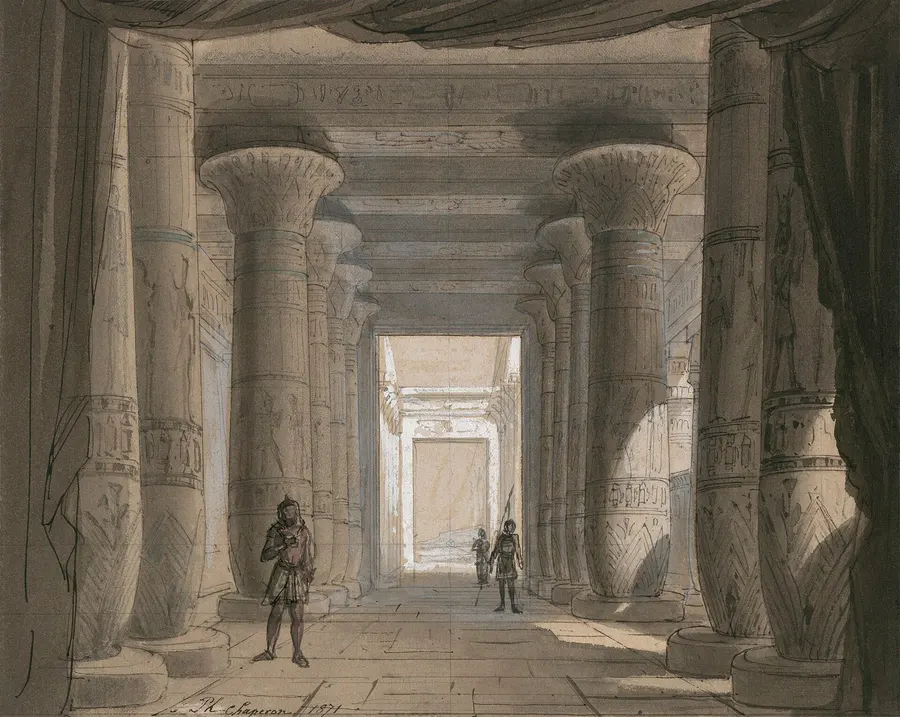
Philippe Chaperon's set for the temple scene in the first production of Aida, Cairo, 1871.Philippe Chaperon’s set for the temple scene in the first production of Aida, Cairo, 1871.Image: Philippe Chaperon / Adam Cuerden · Public domain
culture · Africa

Verdi’s Aida has its premiere in Cairo

Verdi’s Aida, commissioned by the Khedive Ismail of Egypt, was first performed at the Khedivial Opera House in Cairo on 24 December 1871. It had been meant for the start of the year, but the scenery and costumes, made in Paris, were trapped in the city by the Prussian siege. The audience that first night was almost entirely officials and dignitaries. Its European premiere at La Scala in Milan in February 1872 was a triumph, and the story of an Ethiopian princess enslaved in ancient Egypt became one of the most performed operas in the world.

Source: Encyclopaedia Britannica: Aida ↗
V
THE TWENTIETH CENTURY

The 1900s

War and peace, technological leaps, social change, politics, sport and popular culture.

1914
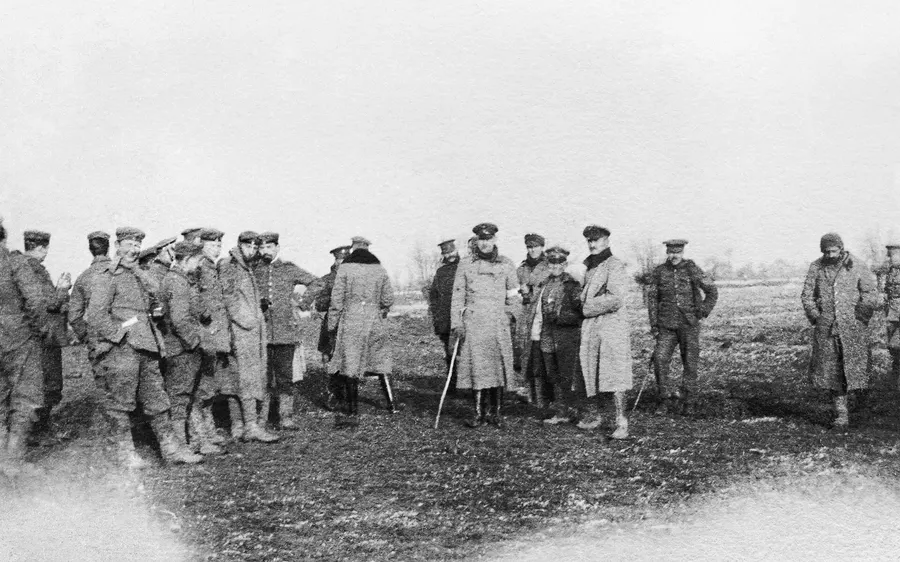
British and German troops meeting in no-man's-land during the unofficial truce, 1914.British and German troops meeting in no-man’s-land during the unofficial truce, 1914.Image: Harold Burge Robson · Public domain
world · Europe

The Christmas truce begins

Late on Christmas Eve 1914, along parts of the Western Front in Belgium and France, British soldiers heard German troops in the trenches opposite singing carols and saw lanterns and small Christmas trees on their parapets. Men shouted greetings across, and in places agreed not to shoot. On Christmas Day soldiers from both sides met in no-man’s-land, swapped food, cigarettes and buttons, buried their dead and in some places kicked a football about. The truce was unofficial and patchy — elsewhere the fighting went on — and it was never repeated on the same scale.

Source: Imperial War Museums: the real story of the Christmas truce of 1914 ↗
1951
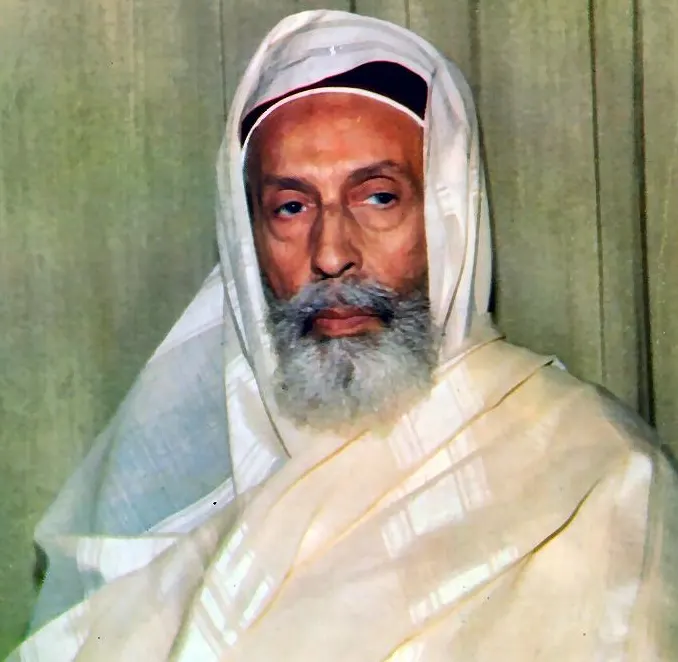
King Idris I of Libya.King Idris I of Libya.Image: Unknown authorUnknown author · Public domain
politics · Africa

Libya becomes independent

On 24 December 1951 King Idris I proclaimed the independence of the United Kingdom of Libya, joining the three regions of Cyrenaica, Tripolitania and Fezzan. A former Italian colony run by Britain and France since the Second World War, it was the first country to gain its independence through the United Nations, whose General Assembly had voted for it in 1949. Idris, head of the Sanusi religious order, had led resistance to Italian rule from exile. Oil was found in 1959 and made the poor desert kingdom rich. He was overthrown in 1969 by a group of army officers led by Muammar al-Qaddafi.

Source: Encyclopaedia Britannica: Idris I ↗
1968
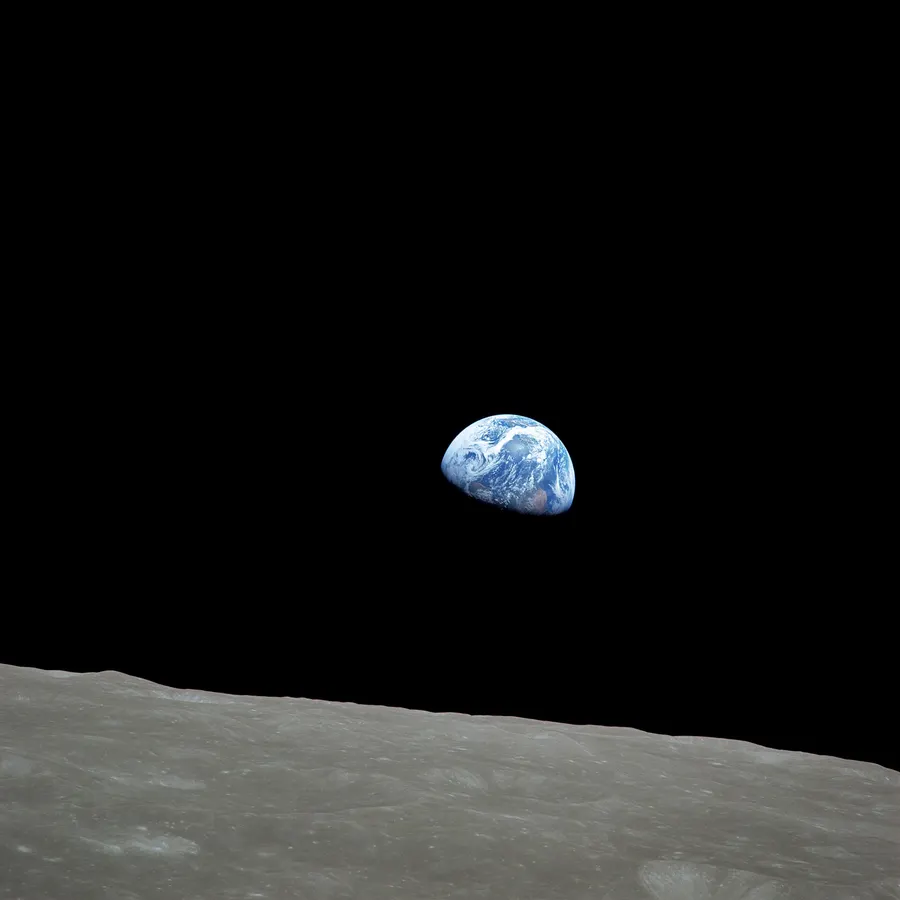
Earthrise, photographed by Bill Anders from lunar orbit, 24 December 1968.Earthrise, photographed by Bill Anders from lunar orbit, 24 December 1968.Image: NASA · Public domain
science · Global

Apollo 8 photographs the Earth rising

On Christmas Eve 1968, coming round from the far side of the Moon on their fourth orbit, the Apollo 8 crew saw the Earth rise over the lunar horizon. ‘Oh my God, look at that picture over there!’ said Bill Anders, who took a black-and-white picture and then called for colour film. His photograph, Earthrise, showed the whole planet small and alone in black space, and is often credited with helping to start the modern environmental movement. That evening the crew read the opening of the Book of Genesis in a broadcast watched by one of the largest audiences television had ever had.

Source: NASA: ‘Earthrise’ by NASA astronaut Bill Anders ↗
1979
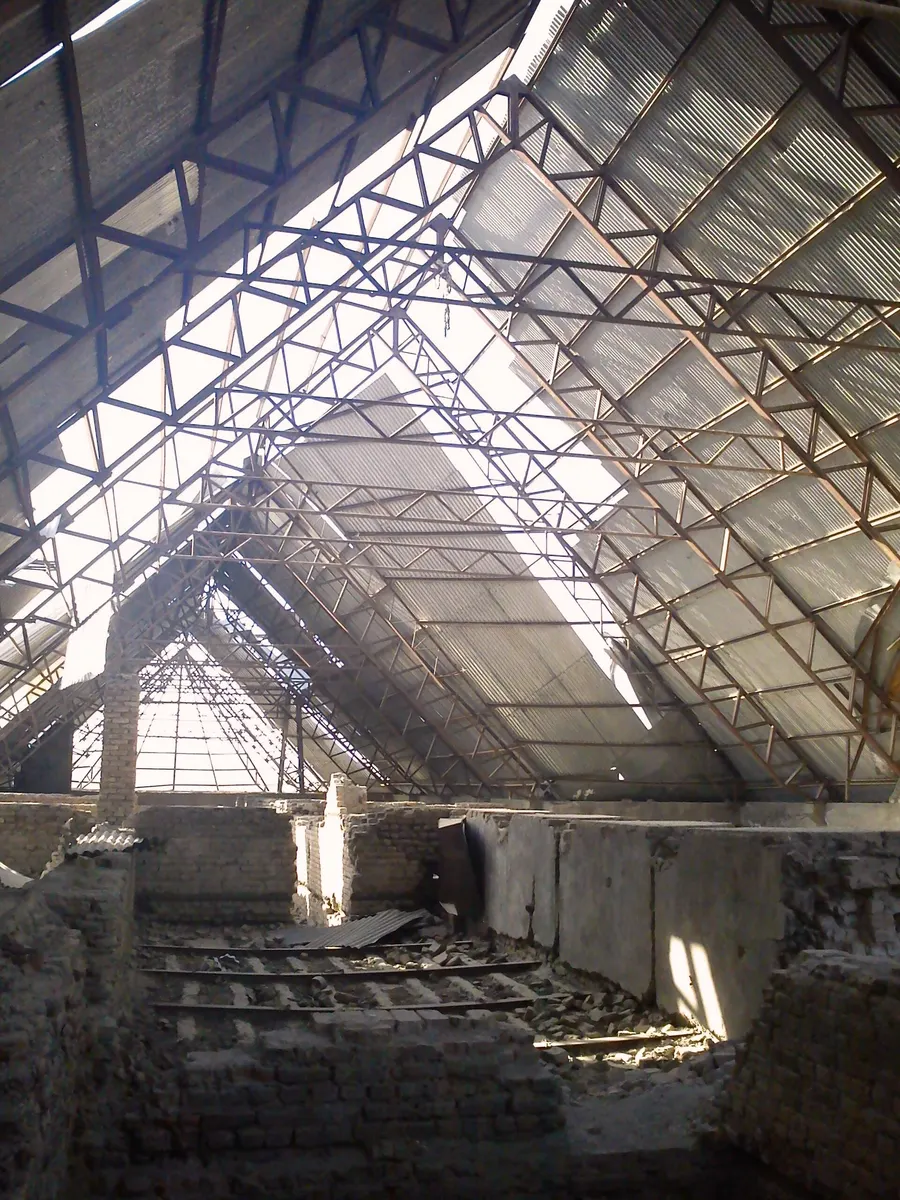
The ruins of the Tajbeg (Queen's) Palace in Kabul, where Soviet forces killed President Amin on 27 December 1979.The ruins of the Tajbeg (Queen’s) Palace in Kabul, where Soviet forces killed President Amin on 27 December 1979.Image: Todd Huffman from Phoenix, AZ · CC BY 2.0
world · Asia

The Soviet Union sends its army into Afghanistan

On Christmas Eve 1979 the Soviet Union began a huge airlift of troops into Afghanistan, flying airborne battalions into Kabul and the air base at Bagram. Within days tens of thousands of troops had crossed the border. On 27 December Soviet special forces stormed the palace of President Hafizullah Amin, killed him and installed Babrak Karmal in his place. Moscow meant to prop up a failing communist government. Instead it was drawn into a nine-year war against mujahideen fighters backed by the United States, Pakistan and others. Around 15,000 Soviet soldiers and more than a million Afghans died, and some five million Afghans fled abroad before the last Soviet troops left in February 1989.

Source: Encyclopaedia Britannica: Soviet invasion of Afghanistan ↗
1979
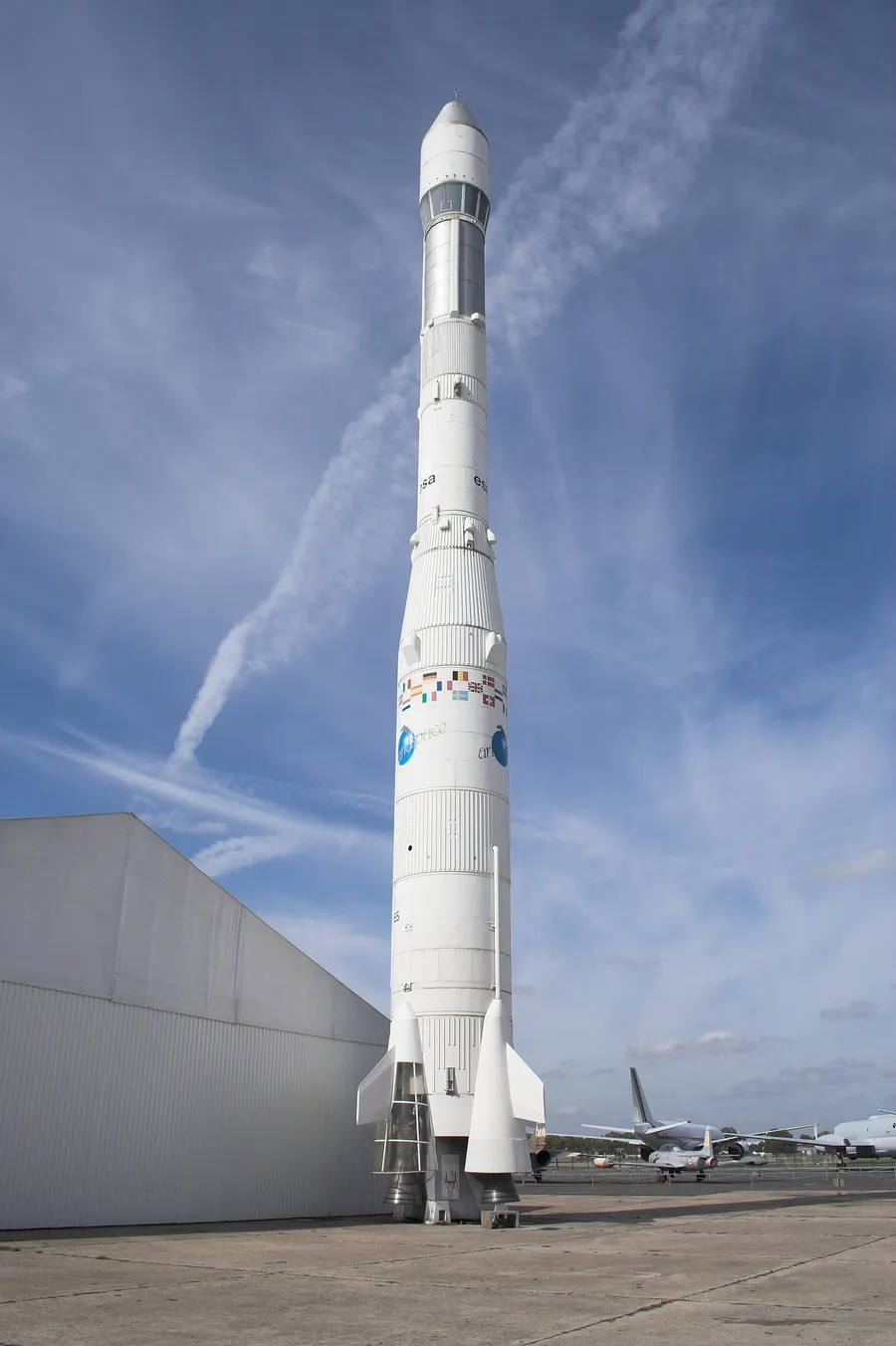
A model of the Ariane 1 rocket at the Air and Space Museum, Le Bourget.A model of the Ariane 1 rocket at the Air and Space Museum, Le Bourget.Image: ignis · CC BY-SA 3.0
science · Europe

Europe’s Ariane rocket flies for the first time

At 14.14 local time on 24 December 1979 the first Ariane 1 rocket lifted off from Europe’s spaceport at Kourou in French Guiana. The first attempt, on 15 December, had been stopped when the engines shut down just after ignition, and bad weather had delayed the second. The flight carried only a small test capsule, but it worked, and it gave Europe its own way into space without relying on American or Soviet rockets. Ariane rockets went on to launch a large share of the world’s commercial satellites.

Source: European Space Agency: History, Ariane L01, 1979 ↗
WHY THESE MOMENTS?

Significance before volume

This page is not the longest possible list of events. It is a chronological journey through 24 December, where each entry is chosen for historical significance, human interest and reliability.

Facts are checked against authoritative museums, archives, universities and reference works. Where sources disagree, the page says so.

EXPLORED THE DEEPER STORY?

Return to the highlights of 24 December

Discover the lighter side of the date with famous birthdays, culture, firsts and lives remembered.

Explore This Day →