
800
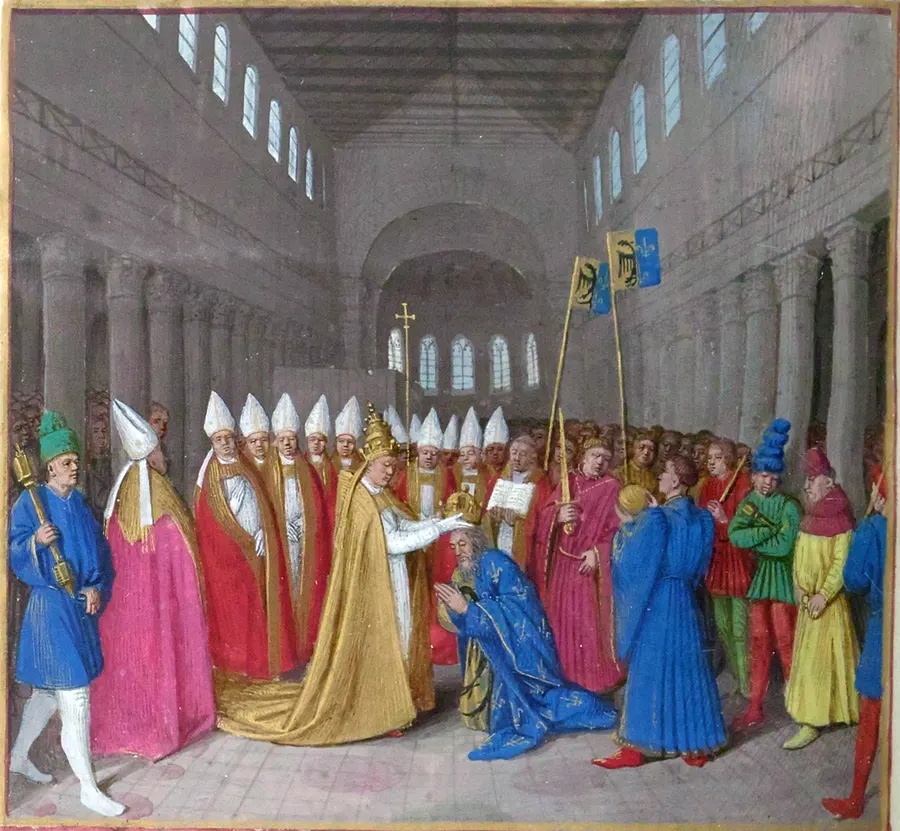 The coronation of Charlemagne in St Peter’s, Rome, painted by Jean Fouquet for the Grandes Chroniques de France, about 1455-60.Image: Jean Fouquet, Tours · Public domain
politics · Europe
Charlemagne is crowned emperor in Rome
At Christmas Mass in St Peter’s, Rome, in 800, Pope Leo III placed a crown on the head of Charlemagne, King of the Franks, as he rose from prayer, and the congregation hailed him as emperor. For the first time since the fifth century there was an emperor in the West. Leo had been attacked by enemies in Rome the year before and had fled to Charlemagne for protection. The new title bound the papacy and the Frankish kings together and laid the ground for what became the Holy Roman Empire, which lasted in one form or another until 1806.
Source: Encyclopaedia Britannica: Holy Roman Empire, the coronation of Charlemagne as emperor ↗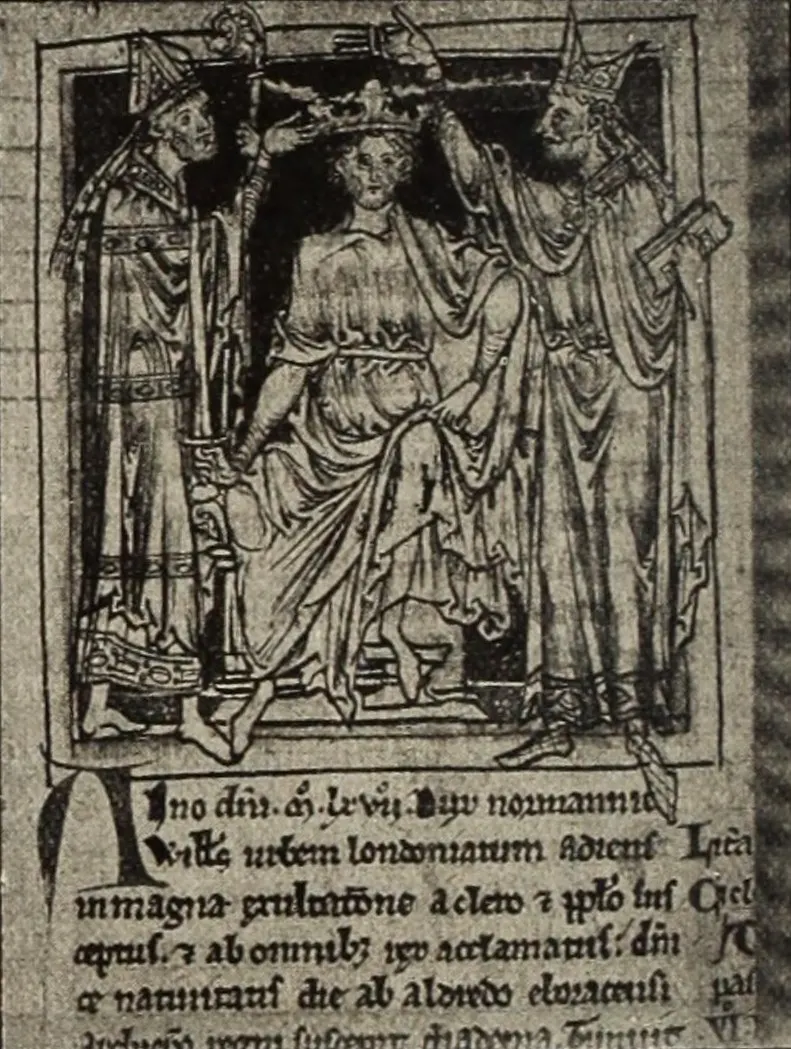 The coronation of William I by Ealdred, Archbishop of York, a drawing after Matthew Paris’s Chronica Majora.Image:
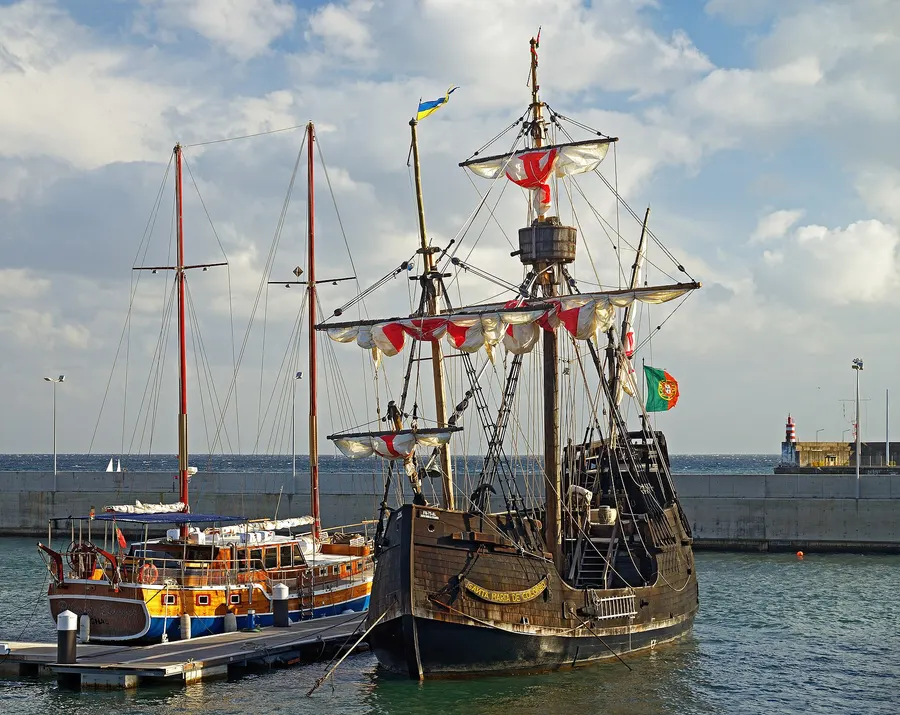 A modern replica of the Santa María in the port of Funchal, Madeira.Image:
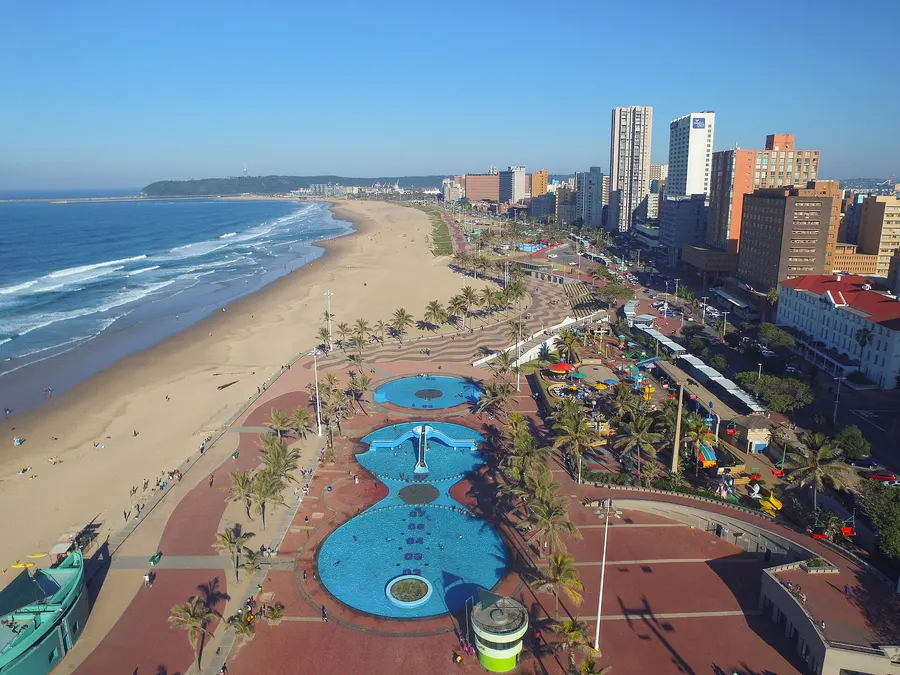 Durban’s beachfront, on the stretch of coast da Gama named Natal.Image:
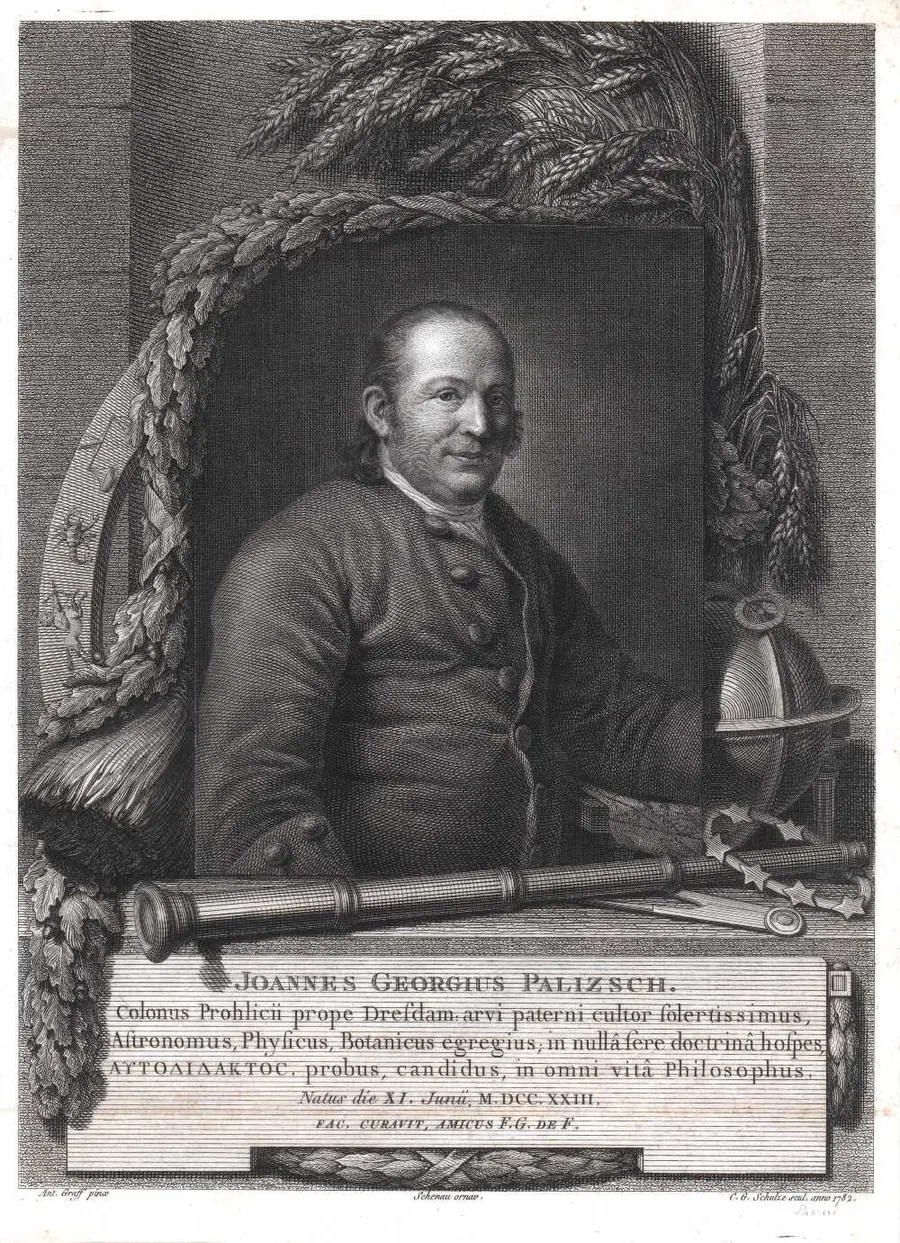 Johann Georg Palitzsch, the Saxon farmer and astronomer, in an engraving after a portrait by Anton Graff.Image:
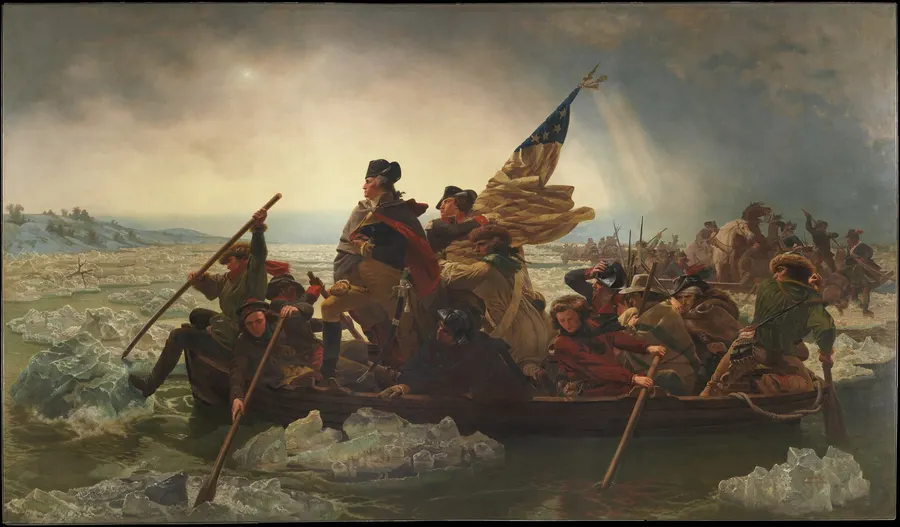 Emanuel Leutze’s painting Washington Crossing the Delaware, 1851, in the Metropolitan Museum of Art.Image:
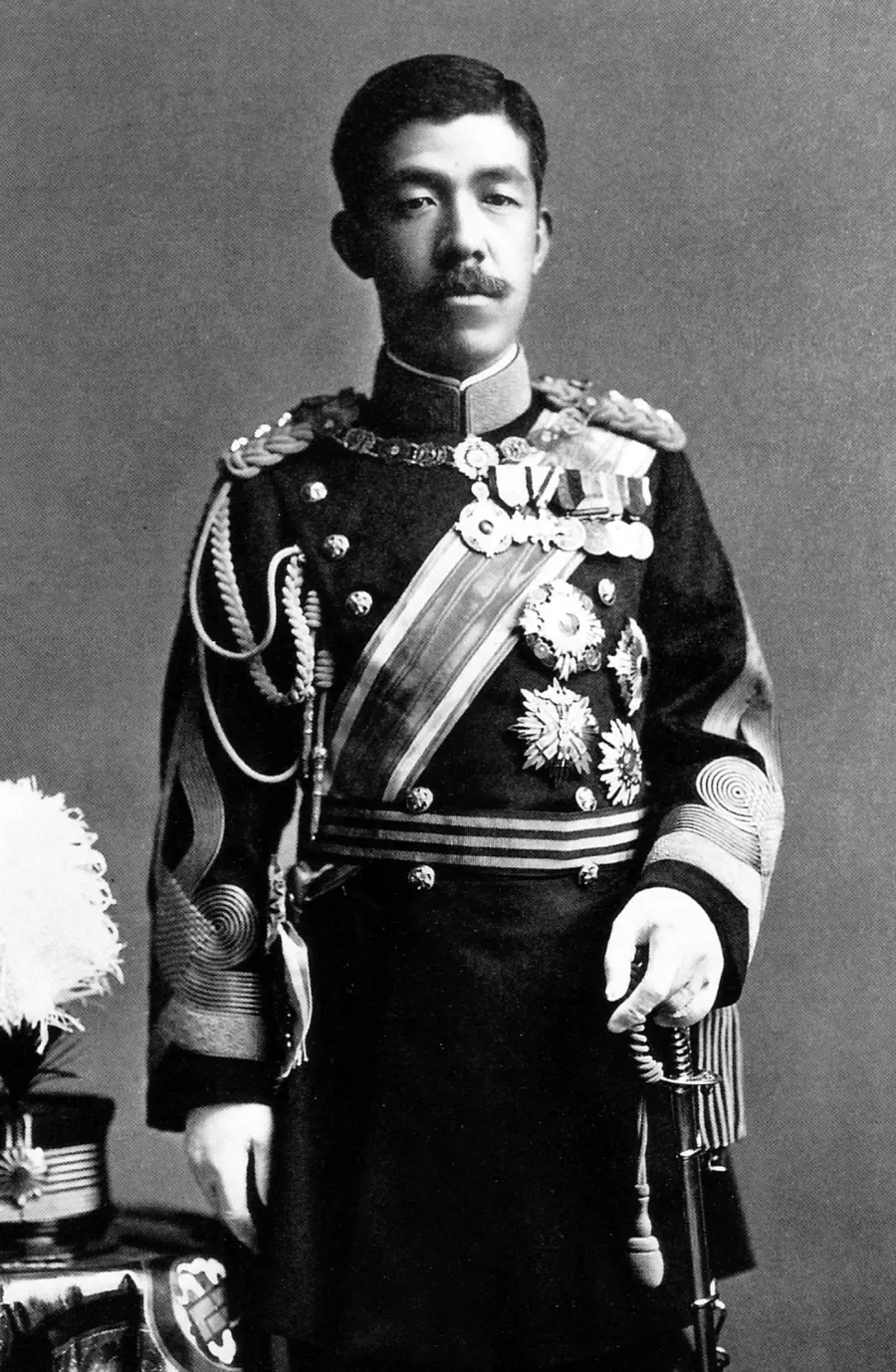 Emperor Taishō, 1912.Image:
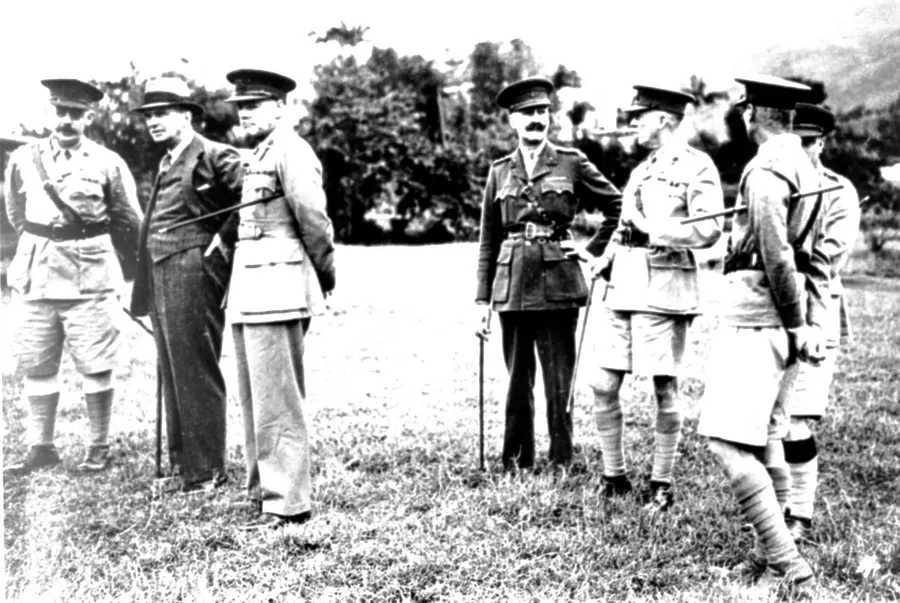 Sir Mark Young, Governor of Hong Kong, inspecting defence works soon after his arrival in September 1941.Image:
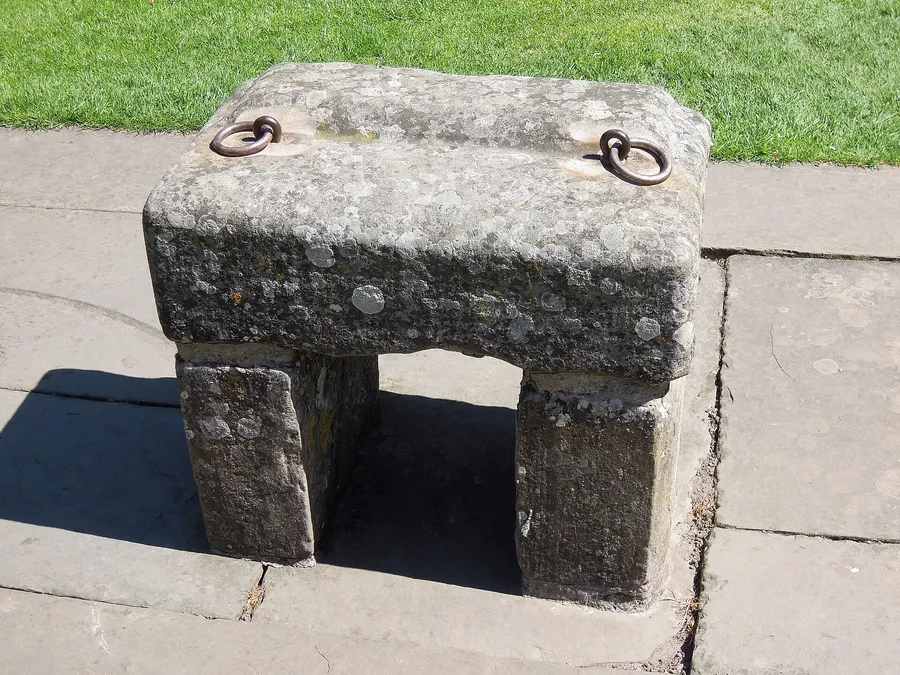 A replica of the Stone of Scone at Scone Palace, Perthshire.Image:
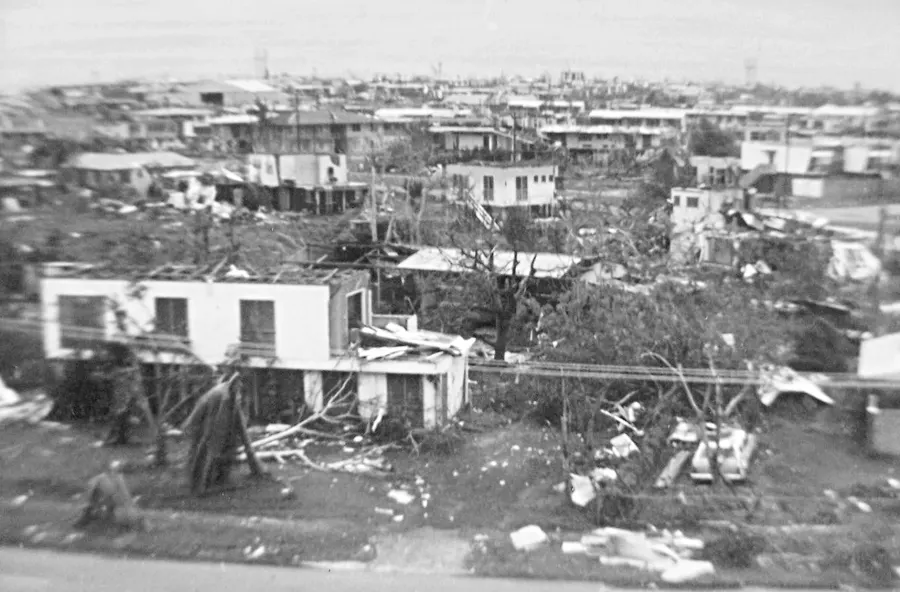 Damaged houses in Darwin after Cyclone Tracy, Christmas 1974.Image:
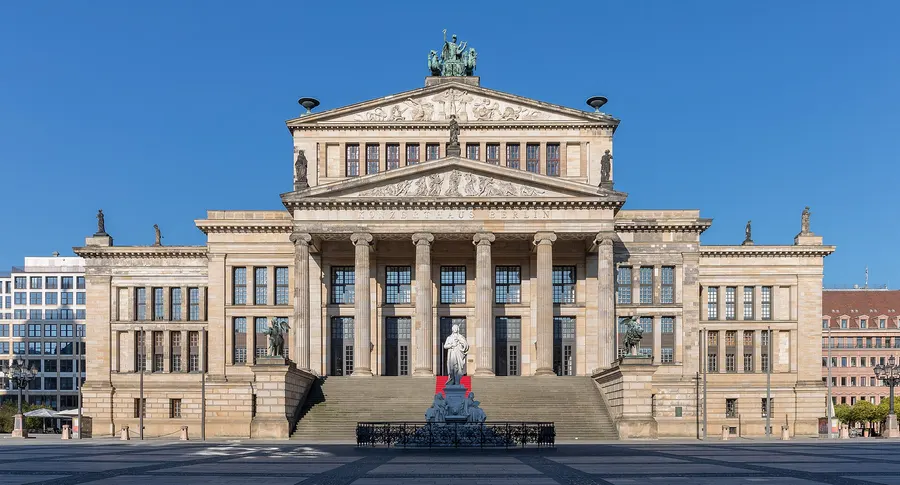 The Konzerthaus on the Gendarmenmarkt in Berlin, called the Schauspielhaus in 1989.Image:
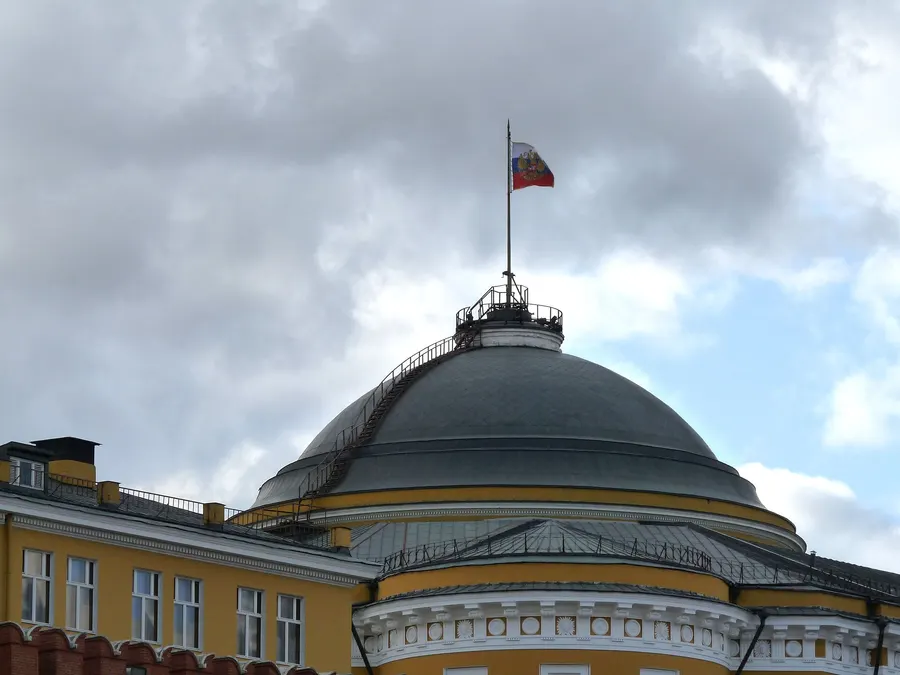 The dome of the Senate building in the Moscow Kremlin, flying the Russian flag.Image:
 The Ariane 5 rocket carrying the James Webb Space Telescope lifts off from Kourou, French Guiana, 25 December 2021.Image: