
HISTORY & TIMELINE
26 December

A journey through
26 December in history

From King Lear played before James I to the Curies’ announcement of radium, 26 December has brought famous first nights and discoveries, the first match between two football clubs and the first Black heavyweight champion of the world. This timeline follows the date across four centuries.

III
A CHANGING WORLD

Early Modern Era

Exploration, political change, scientific development and expanding global connections.

1606
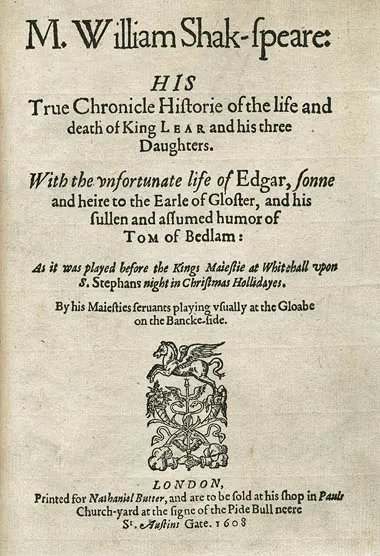
The title page of the first printed edition of King Lear, 1608, which records the performance at Whitehall on St Stephen's night.The title page of the first printed edition of King Lear, 1608, which records the performance at Whitehall on St Stephen’s night.Image: Nathaniel Butter · Public domain
culture · Europe

King Lear is played before King James

On St Stephen’s night, 26 December 1606, Shakespeare’s company, the King’s Men, performed King Lear before James I at the palace of Whitehall. It is the earliest performance of the play on record. We know of it because the first printed edition of 1608 says so on its title page. The story of an old king who divides his kingdom between his daughters had a pointed ring at the court of a king who was trying to unite England and Scotland.

Source: Folger Shakespeare Library, Shakespeare Documented: King Lear, first edition ↗
IV
THE NINETEENTH CENTURY

The 1800s

Industry, empire, invention, reform and a century of enormous transformation.

1825
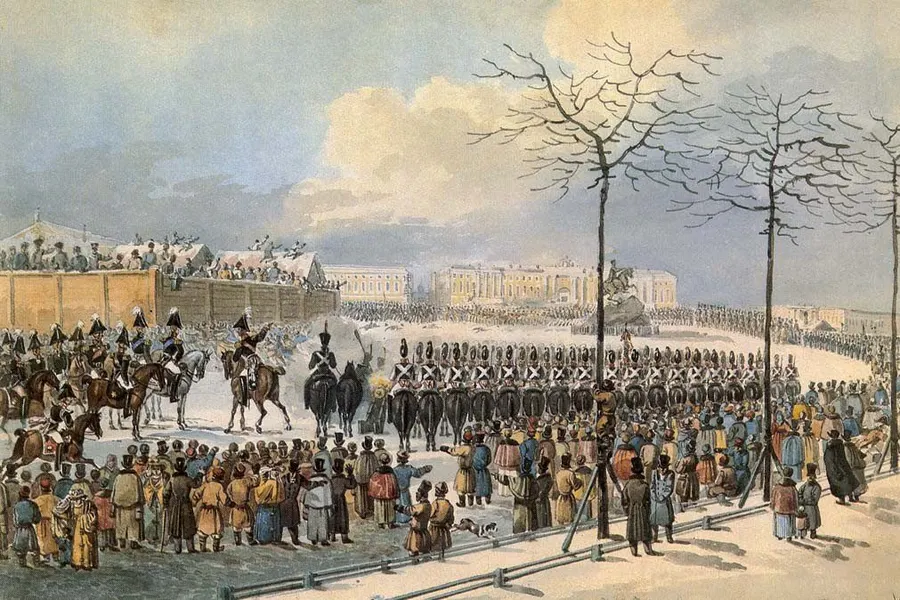
Karl Kolman's watercolour of the rising in Senate Square, St Petersburg, 1830s.Karl Kolman’s watercolour of the rising in Senate Square, St Petersburg, 1830s.Image: Karl Kollmann · Public domain
politics · Europe

The Decembrists rise in St Petersburg

On 26 December 1825 (14 December in the Russian calendar of the day), officers who wanted a constitution and an end to serfdom led about 3,000 soldiers into Senate Square in St Petersburg and refused to swear loyalty to the new tsar, Nicholas I. Their plan went wrong from the start: the leader chosen to take charge never arrived. After hours of stand-off in the cold, Nicholas ordered his artillery to fire and the rebels broke. Five leaders were hanged and more than a hundred sent to Siberia. The Decembrists became heroes to later generations of Russian reformers and revolutionaries.

Source: Presidential Library (Russia): the Decembrist revolt ↗
1860
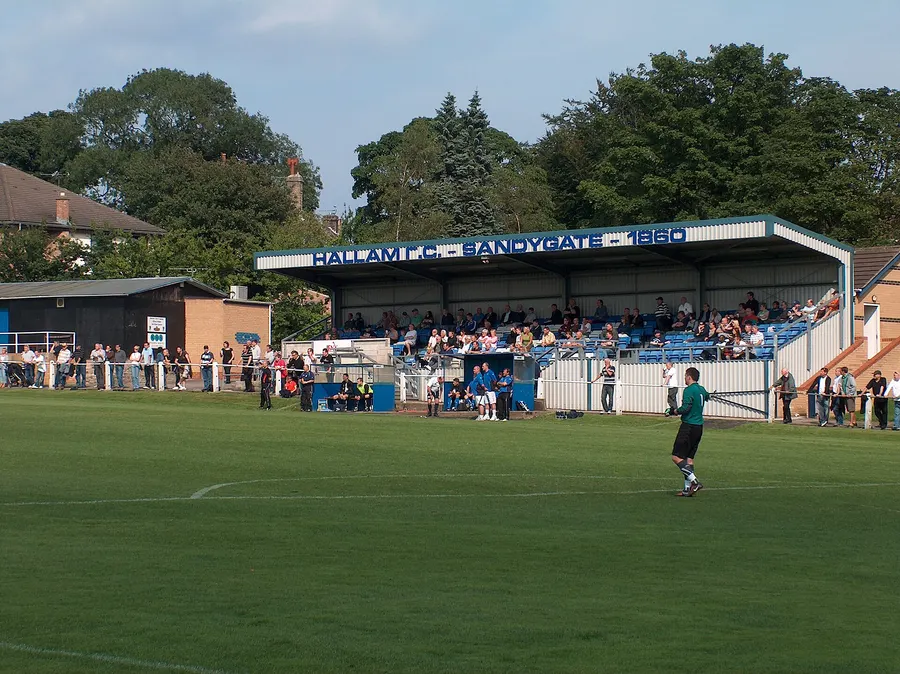
The main stand at Sandygate, Hallam FC's ground in Sheffield.The main stand at Sandygate, Hallam FC’s ground in Sheffield.Image: Neil Theasby · CC BY-SA 2.0
sport · Europe

Sheffield and Hallam play the first club derby

On Boxing Day 1860, in the snow at Hallam’s cricket ground on Sandygate Road, Sheffield Football Club took on Hallam Football Club. It was the first match between two clubs played under the Sheffield Rules, one of the earliest codes of football. Sheffield won, though accounts differ over the score. The two clubs, the oldest in the world, still meet in what is known as the Rules Derby, and Hallam still play at Sandygate.

Source: National Football Museum: Twelve Games of Christmas, the Rules Derby ↗
1898
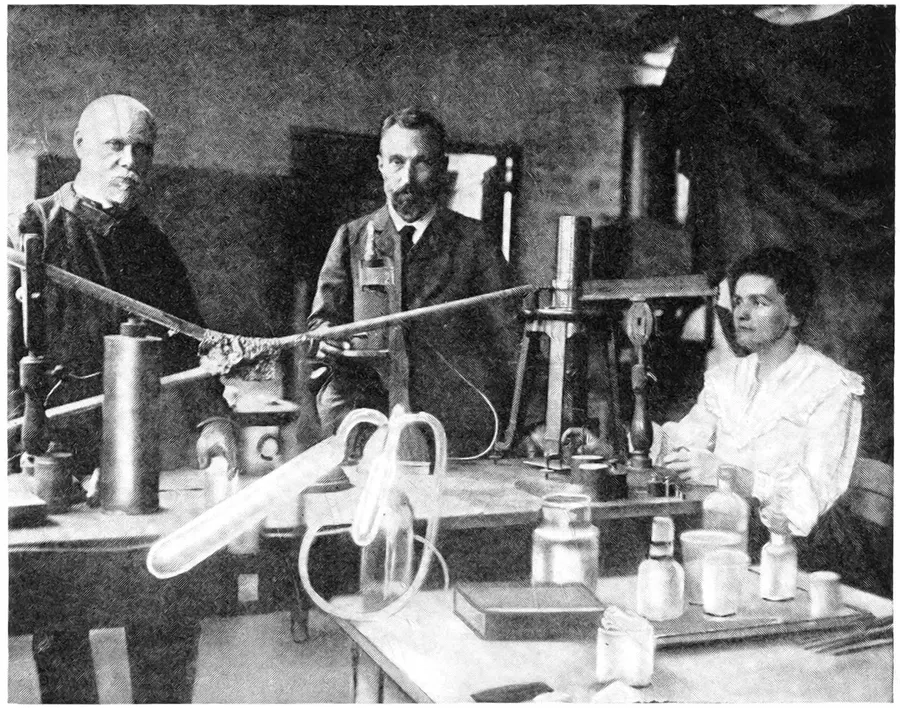
Pierre and Marie Curie in the Paris laboratory where radium was discovered, a photograph published by Marie Curie in 1923.Pierre and Marie Curie in the Paris laboratory where radium was discovered, a photograph published by Marie Curie in 1923.Image: Marie Curie, Henri Manuel (1874-1947) · Public domain
science · Europe

The Curies announce radium

On 26 December 1898 a paper by Pierre Curie, Marie Curie and their colleague Gustave Bémont was presented to the French Academy of Sciences. It announced a second new radioactive element, found in the uranium ore pitchblende, which behaved chemically much like barium. They called it radium. It was their second discovery of the year, after polonium in July. Marie Curie spent the next four years refining tonnes of ore to isolate a tenth of a gram of radium, and in 1903 she and Pierre shared the Nobel Prize in Physics with Henri Becquerel.

Source: NobelPrize.org: Marie and Pierre Curie and the discovery of polonium and radium ↗
V
THE TWENTIETH CENTURY

The 1900s

War and peace, technological leaps, social change, politics, sport and popular culture.

1908
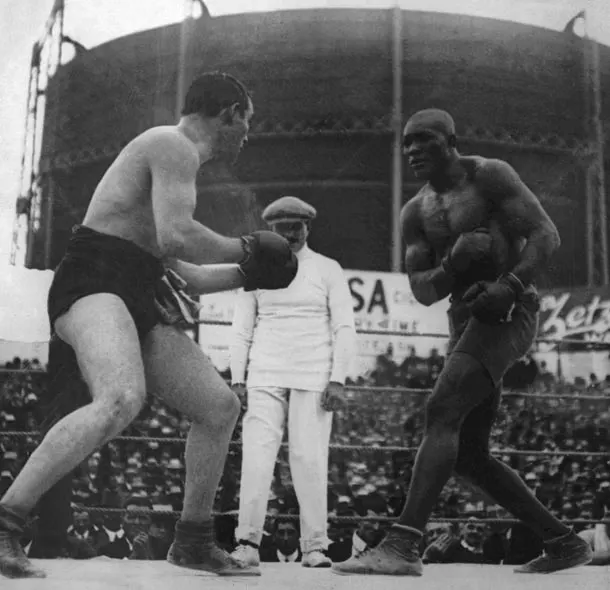
Tommy Burns (left) and Jack Johnson (right) during their title fight in Sydney, 26 December 1908.Tommy Burns (left) and Jack Johnson (right) during their title fight in Sydney, 26 December 1908.Image: Unknown authorUnknown author · Public domain
sport · Oceania

Jack Johnson becomes heavyweight champion

At an open-air stadium at Rushcutters Bay in Sydney on Boxing Day 1908, the American Jack Johnson beat the Canadian champion Tommy Burns, who had long avoided him. Police stopped the fight in the 14th round. Johnson became the first Black heavyweight champion of the world. His victory, and his refusal to behave as white America expected, provoked a search for a ‘great white hope’ to beat him, and he held the title until 1915.

Source: National Museum of African American History and Culture: Jack Johnson, a heavyweight boxer that defied America ↗
1941
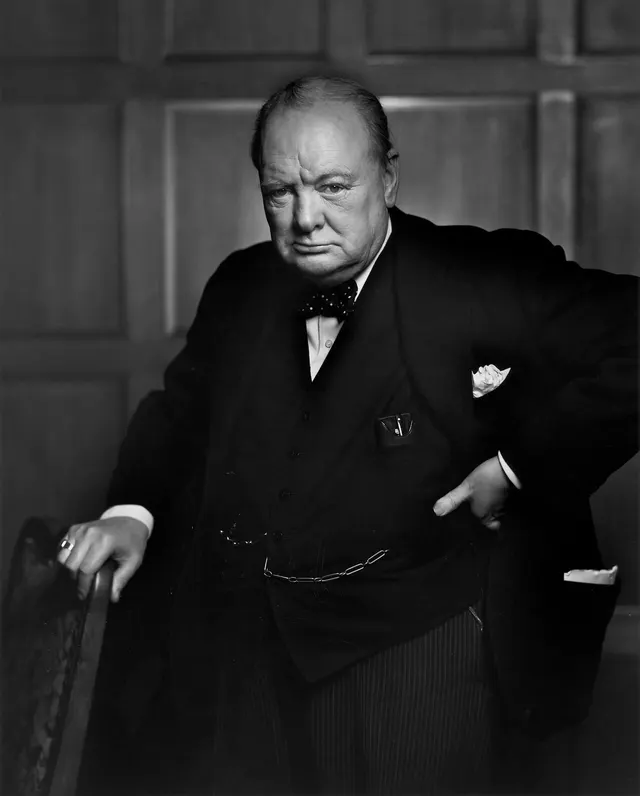
Winston Churchill, photographed by Yousuf Karsh.Winston Churchill, photographed by Yousuf Karsh.Image: Yousuf Karsh · Public domain
world · Americas

Churchill addresses the US Congress

Less than three weeks after Pearl Harbor brought the United States into the war, Winston Churchill spoke to a joint meeting of Congress in the Senate chamber in Washington on 26 December 1941. He joked that if his father had been American and his mother British, ‘instead of the other way round, I might have got here on my own’, and set out the case for fighting the war together. It was the first of his three wartime speeches to Congress.

Source: United States Senate: Churchill’s historic speech to Congress ↗
1943
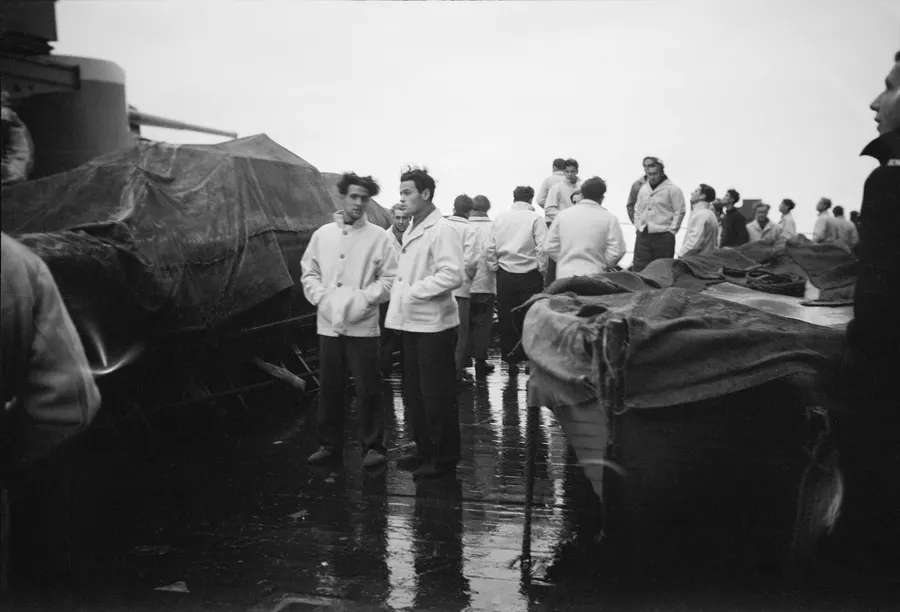
Survivors of the Scharnhorst under guard on the deck of HMS Duke of York at Scapa Flow after the battle.Survivors of the Scharnhorst under guard on the deck of HMS Duke of York at Scapa Flow after the battle.Image: Royal Navy official photographer · Public domain
world · Europe

The Scharnhorst is sunk off North Cape

On Christmas Day 1943 the German battleship Scharnhorst left her base in northern Norway to attack two Arctic convoys carrying supplies to the Soviet Union. British cruisers, including HMS Belfast, found her on 26 December and drove her off, while the battleship Duke of York raced to cut off her escape. In the Arctic darkness the Duke of York’s guns and destroyers’ torpedoes crippled the German ship, and she sank at about 7.45 in the evening. Of her crew of nearly 2,000, only 36 were rescued.

Source: Imperial War Museums: HMS Belfast and the Battle of North Cape ↗
VI
2000 TO TODAY

Modern Day

The events of recent decades that have already become part of the historical record.

2003
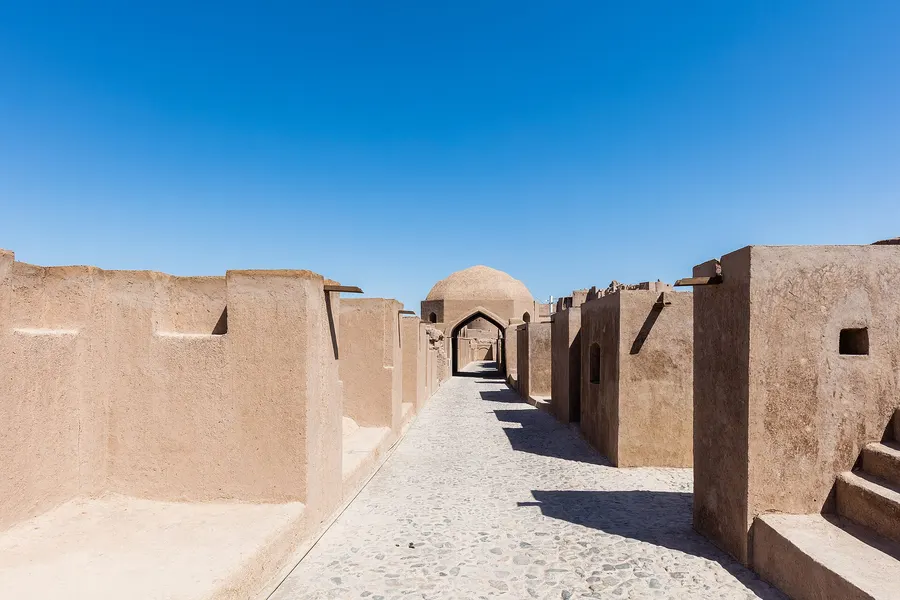
A street inside the citadel of Bam in 2016, after restoration.A street inside the citadel of Bam in 2016, after restoration.Image: Diego Delso · CC BY-SA 4.0
world · Asia

An earthquake destroys Bam

Early on 26 December 2003 an earthquake of magnitude 6.6 struck the city of Bam in south-eastern Iran. More than 26,000 people were killed, most of the city’s mud-brick homes collapsed, and the ancient citadel, the Arg-e Bam, one of the largest mud-brick buildings in the world, was largely destroyed. In 2004 UNESCO added Bam and its landscape to the World Heritage List, and the citadel has since been partly rebuilt.

Source: US Geological Survey: M 6.6, Bam, Iran ↗
2004
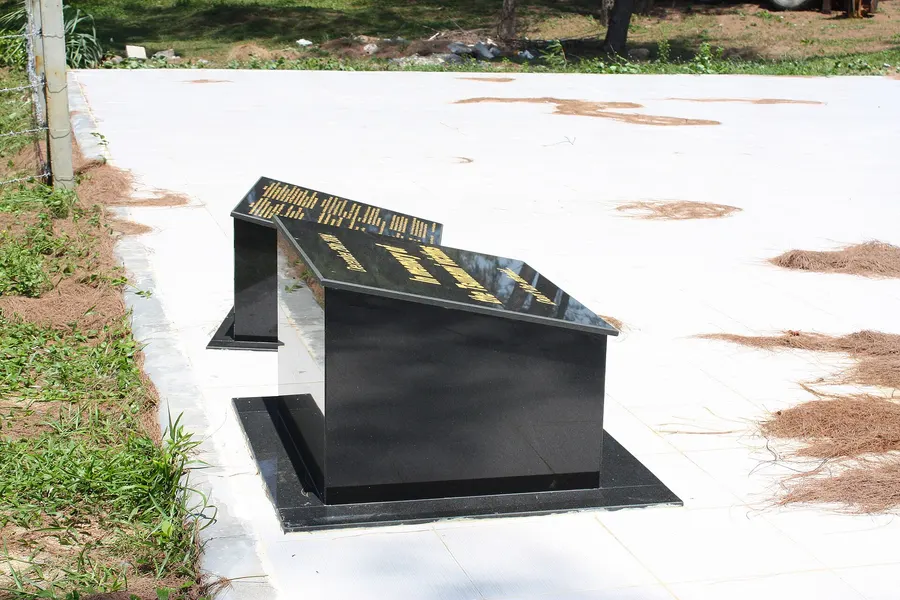
The tsunami memorial at Phuket airport, Thailand.The tsunami memorial at Phuket airport, Thailand.Image: Andy Mitchell from Glasgow, UK · CC BY-SA 2.0
world · Asia

The Indian Ocean tsunami

At 7.59 in the morning of 26 December 2004 an earthquake of magnitude 9.1 struck under the sea off the Indonesian island of Sumatra, one of the largest ever recorded. It lifted the sea floor and sent tsunami waves racing across the Indian Ocean, up to 30 metres high on the coast of Aceh. The waves reached Sri Lanka, India, Thailand, the Maldives and as far as East Africa. About 228,000 people died or were never found, more than in any tsunami on record. The disaster led to a warning system for the Indian Ocean, set up with UNESCO’s help in the years that followed.

Source: NOAA National Centers for Environmental Information: the 26 December 2004 Sumatra earthquake and tsunami ↗
2017
George Weah, President of Liberia, at the US-Africa Leaders Summit in Washington, 2022.George Weah, President of Liberia, at the US-Africa Leaders Summit in Washington, 2022.Image: United States Department of State Africa U.S.-Africa Leaders Summit: Photos and Videos · Public domain
politics · Africa

A football star wins Liberia’s presidency

George Weah, who grew up in a Monrovia slum and became the only African footballer to win FIFA’s World Player of the Year award, won Liberia’s presidential run-off on 26 December 2017, comfortably beating Vice-President Joseph Boakai. The United Nations called the election free and fair. When he took over from Ellen Johnson Sirleaf in January 2018, it was the first peaceful handover between elected presidents that Liberia had seen in decades.

Source: United Nations: Secretary-General’s statement on Liberia, 29 December 2017 ↗
WHY THESE MOMENTS?

Significance before volume

This page is not the longest possible list of events. It is a chronological journey through 26 December, where each entry is chosen for historical significance, human interest and reliability.

Facts are checked against authoritative museums, archives, universities and reference works. Where sources disagree, the page says so.

EXPLORED THE DEEPER STORY?

Return to the highlights of 26 December

Discover the lighter side of the date with famous birthdays, culture, firsts and lives remembered.

Explore This Day →