
HISTORY & TIMELINE
27 December

A journey through
27 December in history

From a Spanish code meant to protect the peoples of the Caribbean to the constitution that made Spain a democracy again, 27 December has seen laws, treaties and new beginnings. Darwin sailed on the Beagle, Peter Pan first flew on stage and Show Boat opened on Broadway. This timeline follows the date across fourteen centuries.

II
THE MIDDLE AGES

Medieval History

Kingdoms, conflict, faith, power and the changing medieval world.

537
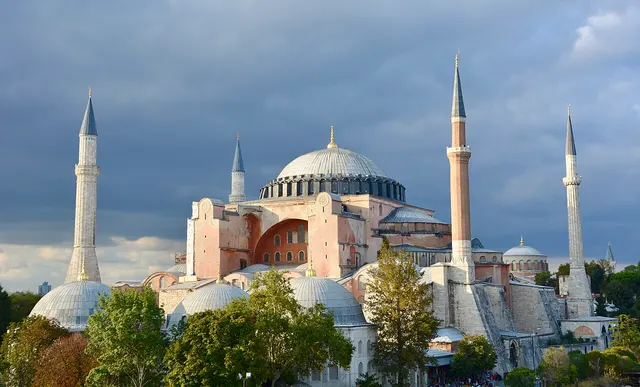
Hagia Sophia in Istanbul, with the minarets added after 1453.Hagia Sophia in Istanbul, with the minarets added after 1453.Image: Adli Wahid · CC BY-SA 3.0
culture · Europe

Justinian dedicates Hagia Sophia

On 27 December 537 the Emperor Justinian dedicated the new church of Hagia Sophia, Holy Wisdom, in Constantinople. It had been built in less than six years, after rioters burned the old church in 532, to a daring design by the mathematicians Anthemius of Tralles and Isidore of Miletus. Its vast dome seemed to float on a ring of light, and for nearly a thousand years it was the largest cathedral in the world. After the Ottoman conquest in 1453 it became a mosque, later a museum, and in 2020 a mosque again.

Source: World History Encyclopedia: Hagia Sophia ↗
III
A CHANGING WORLD

Early Modern Era

Exploration, political change, scientific development and expanding global connections.

1512
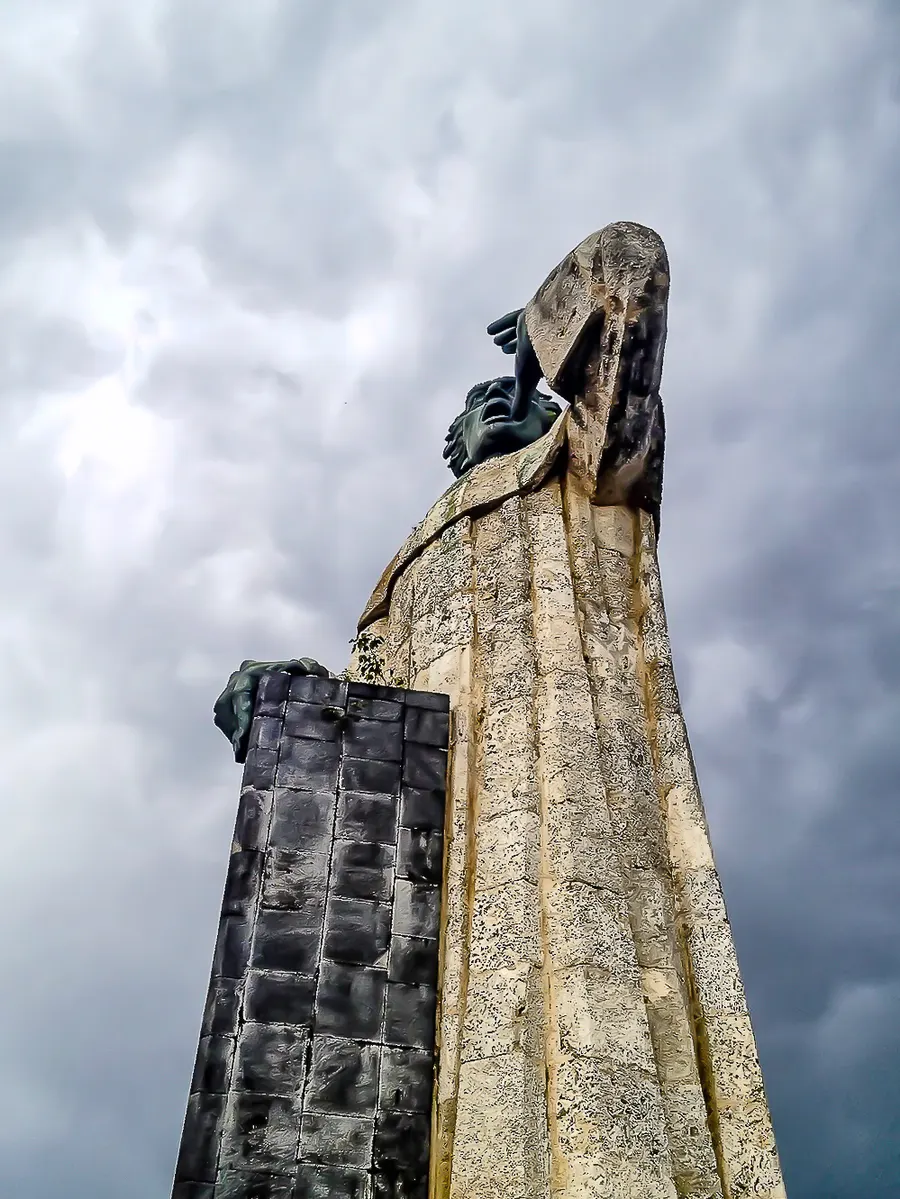
The statue of Antonio de Montesinos in Santo Domingo, Dominican Republic.The statue of Antonio de Montesinos in Santo Domingo, Dominican Republic.Image: Caballero1967 · CC BY-SA 4.0
politics · Americas

Spain issues the Laws of Burgos

On 27 December 1512 King Ferdinand of Spain issued the Laws of Burgos, the first code meant to govern how Spanish settlers treated the Indigenous peoples of the Caribbean. They followed a sermon by the Dominican friar Antonio de Montesinos on Hispaniola in 1511, denouncing the settlers’ cruelty. The laws set limits on work and punishment, but kept the system of forced labour and were widely ignored.

Source: Encyclopaedia Britannica: Laws of Burgos ↗
1703
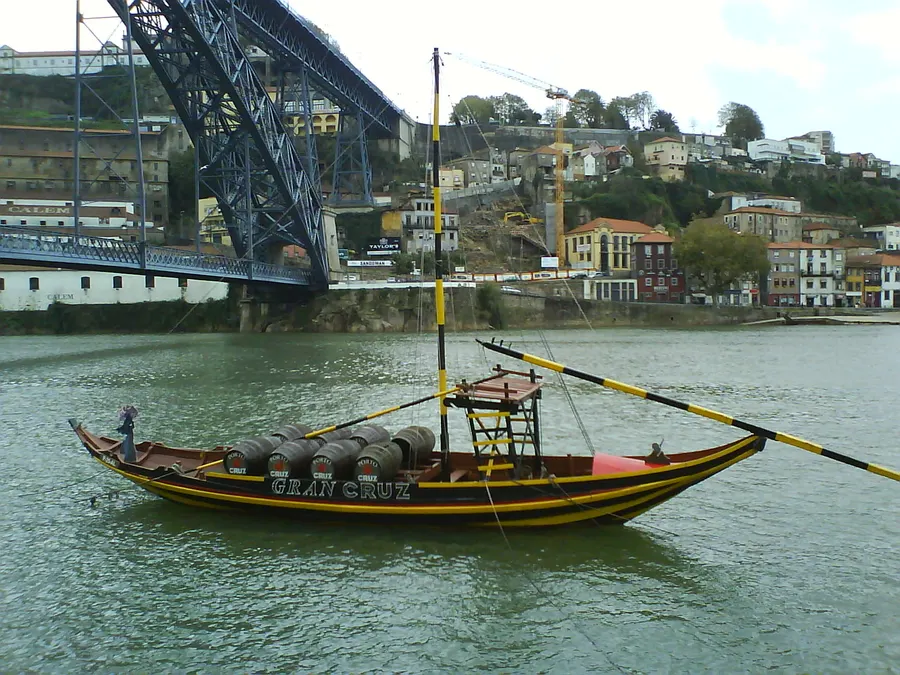
A rabelo boat carrying barrels of port on the Douro at Porto.A rabelo boat carrying barrels of port on the Douro at Porto.Image: Martin Sillaots · CC BY-SA 2.0
world · Europe

The Methuen Treaty trades port for wool

On 27 December 1703 the English envoy John Methuen signed a commercial treaty with Portugal: English woollen cloth would be let into Portugal, and Portuguese wines would pay a third less duty in England than French ones. It made port the Englishman’s wine for a century and more, while Portugal’s own cloth-making struggled against English imports.

Source: Encyclopaedia Britannica: Methuen Treaty ↗
IV
THE NINETEENTH CENTURY

The 1800s

Industry, empire, invention, reform and a century of enormous transformation.

1831
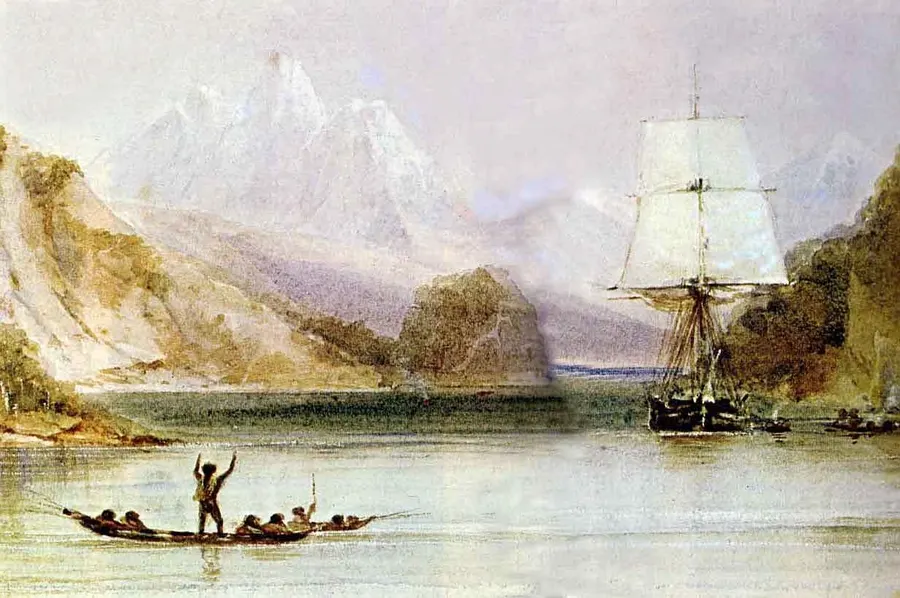
HMS Beagle, painted by Conrad Martens, the artist on the voyage.HMS Beagle, painted by Conrad Martens, the artist on the voyage.Image: Conrad Martens · Public domain
science · Global

Darwin sails on the Beagle

After weeks of delay for refitting and bad weather, HMS Beagle, a small navy survey ship under Captain Robert FitzRoy, sailed from Plymouth on 27 December 1831. On board as a gentleman companion and naturalist was Charles Darwin, 22 years old, who had had to talk his father round before he could go. The voyage was meant to chart the coasts of South America. It lasted almost five years and took Darwin round the world, and the fossils, birds and animals he collected, above all in the Galápagos Islands, led him to his theory of evolution by natural selection.

Source: Darwin Correspondence Project, University of Cambridge: voyage of HMS Beagle ↗
V
THE TWENTIETH CENTURY

The 1900s

War and peace, technological leaps, social change, politics, sport and popular culture.

1904
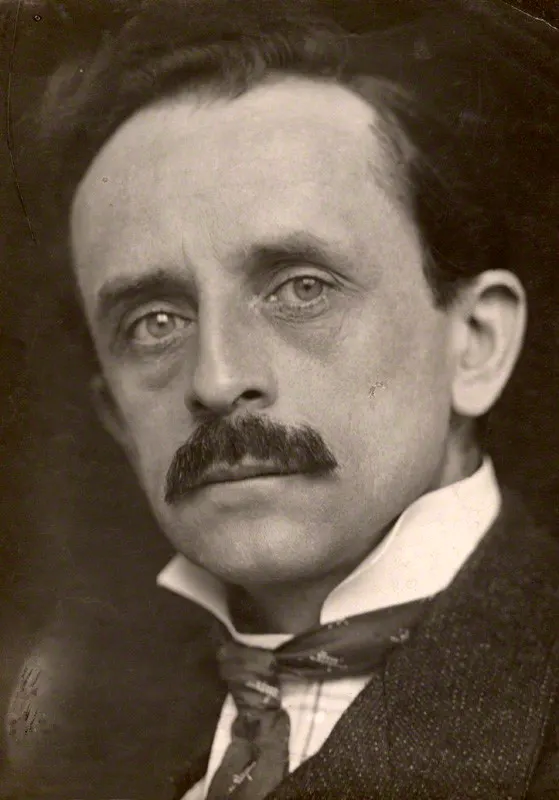
J. M. Barrie, photographed by George Charles Beresford in 1902.J. M. Barrie, photographed by George Charles Beresford in 1902.Image: George Charles Beresford · Public domain
culture · Europe

Peter Pan flies for the first time

J. M. Barrie’s play Peter Pan, or The Boy Who Wouldn’t Grow Up opened at the Duke of York’s Theatre in London on 27 December 1904, with Nina Boucicault as Peter and Gerald du Maurier as both Mr Darling and Captain Hook. The actors flew on wires across the stage. It was an instant hit in London and, a year later, in New York. Barrie turned the story into a novel in 1911 and in 1929 gave the rights to Great Ormond Street Hospital for Children, which still benefits from them.

Source: Great Ormond Street Hospital Charity: history of Peter Pan, the play and the novel ↗
1927
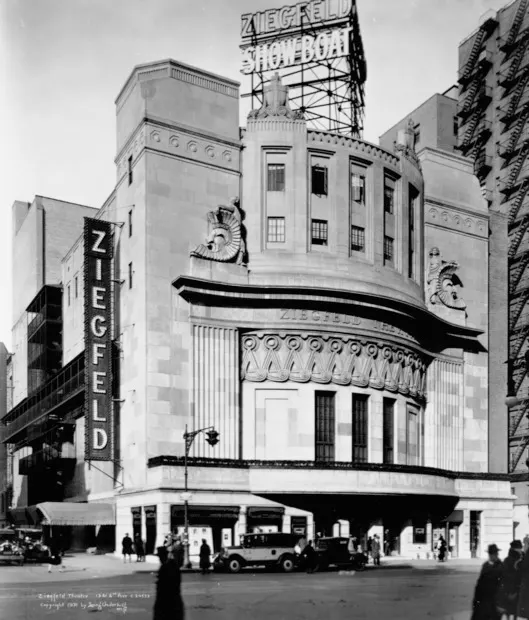
The Ziegfeld Theatre, New York, with Show Boat on its sign, photographed by Irving Underhill.The Ziegfeld Theatre, New York, with Show Boat on its sign, photographed by Irving Underhill.Image: Irving Underhill · Public domain
culture · Americas

Show Boat opens on Broadway

Show Boat, with music by Jerome Kern and book and lyrics by Oscar Hammerstein II, opened at Florenz Ziegfeld’s theatre in New York on 27 December 1927. Based on Edna Ferber’s novel about a family of Mississippi riverboat performers, it dealt with racial prejudice and failing marriages at a time when musicals were mostly light comedy. It ran for 572 performances, gave the world ‘Ol’ Man River’ and ‘Can’t Help Lovin’ Dat Man’, and is often called the first modern American musical.

Source: PBS, Broadway: The American Musical: Show Boat ↗
1945
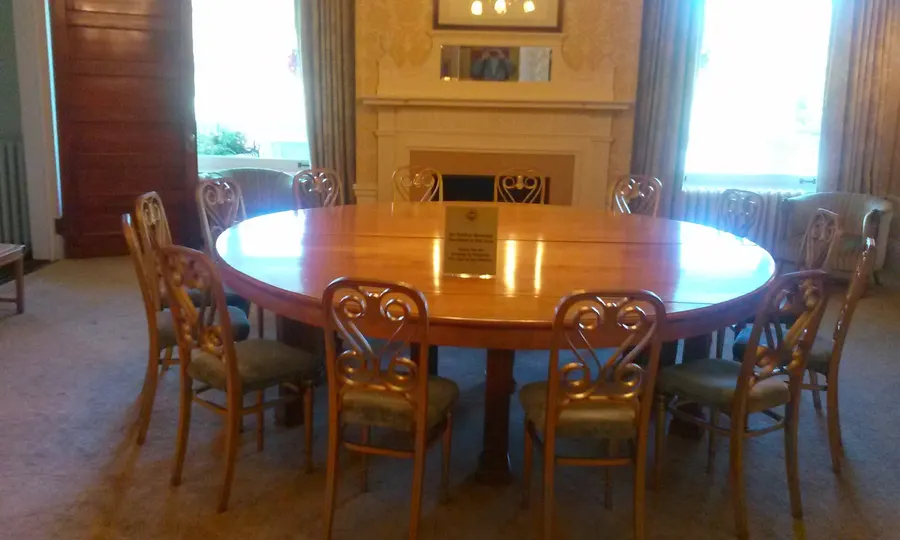
The Gold Room of the Mount Washington Hotel, Bretton Woods, where the agreements setting up the IMF and World Bank were signed in 1944.The Gold Room of the Mount Washington Hotel, Bretton Woods, where the agreements setting up the IMF and World Bank were signed in 1944.Image: Barry Livingstone · CC BY-SA 3.0
world · Global

The International Monetary Fund comes into being

At a conference at Bretton Woods, New Hampshire, in July 1944, delegates from 44 Allied nations drew up plans for a new system to steady the world’s money after the chaos of the 1930s. On 27 December 1945, once enough countries had signed, the Articles of Agreement came into force and the International Monetary Fund was born with 29 members. The World Bank was founded the same day. The IMF opened for business in Washington in 1947 and now has nearly 200 member countries.

Source: International Monetary Fund: Articles of Agreement (entered into force 27 December 1945) ↗
1949
The transfer of sovereignty to Indonesia at the Royal Palace on the Dam, Amsterdam, 27 December 1949.The transfer of sovereignty to Indonesia at the Royal Palace on the Dam, Amsterdam, 27 December 1949.Image: Joop van Bilsen for Anefo · CC0
politics · Asia

The Netherlands hands sovereignty to Indonesia

After four years of war and negotiation following Sukarno’s declaration of independence in August 1945, the Netherlands formally transferred sovereignty over the Dutch East Indies to the Republic of the United States of Indonesia on 27 December 1949. At the Royal Palace in Amsterdam, Queen Juliana signed the transfer with Indonesia’s prime minister, Mohammad Hatta. The deal, agreed at a round-table conference in The Hague, left out Western New Guinea and made the new state take on a large share of the colonial debt. Within a year the federal system was replaced by a single Republic of Indonesia.

Source: Encyclopaedia Britannica: Hague Agreement ↗
1978
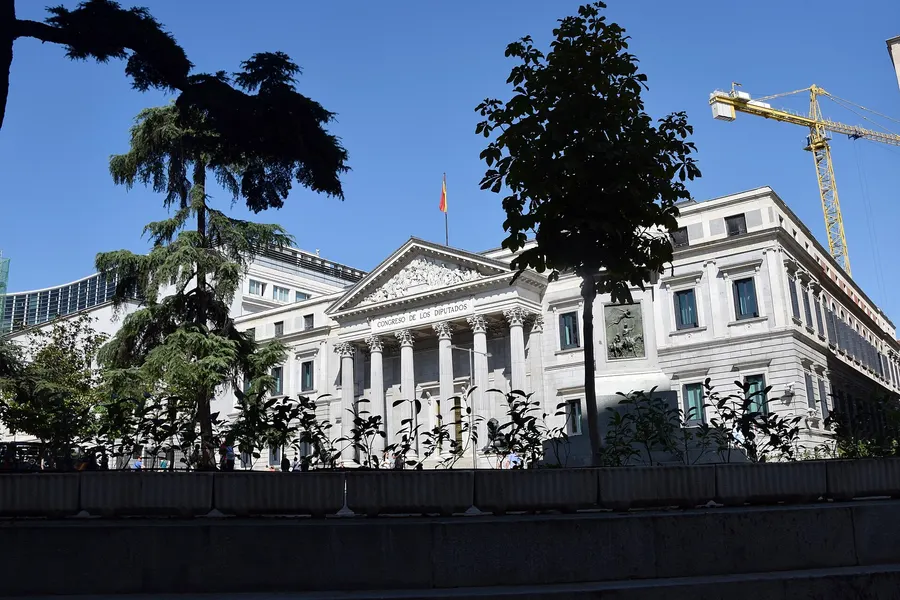
The Palacio de las Cortes in Madrid, home of the Congress of Deputies.The Palacio de las Cortes in Madrid, home of the Congress of Deputies.Image: Ank Kumar · CC BY-SA 4.0
politics · Europe

King Juan Carlos signs Spain’s democratic constitution

Three years after the death of Franco, King Juan Carlos I signed Spain’s new constitution before a joint session of the Cortes on 27 December 1978. Approved by parliament in October and by a referendum on 6 December, it made Spain a parliamentary monarchy and recognised the right of its regions to self-government. It came into force two days later and is still in force today.

Source: Senate of Spain: the Spanish Constitution ↗
VI
2000 TO TODAY

Modern Day

The events of recent decades that have already become part of the historical record.

2007
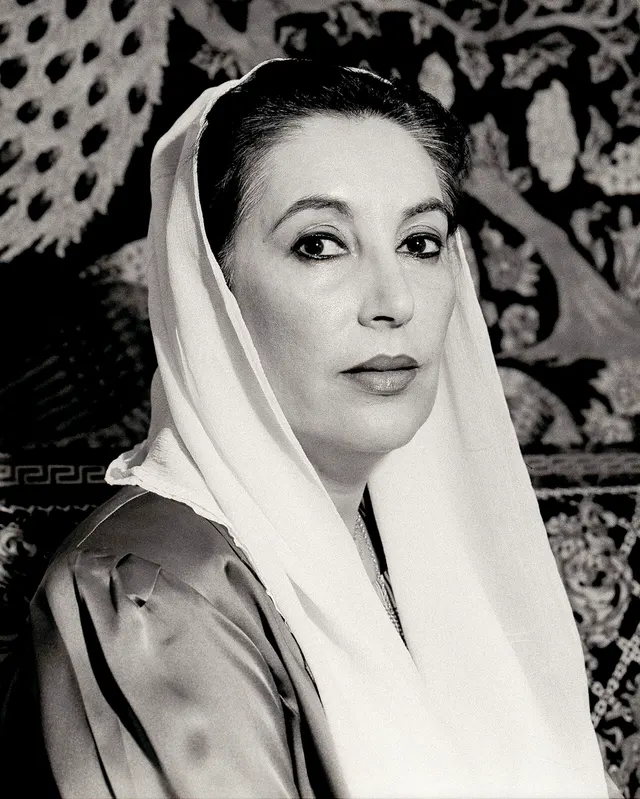
Benazir Bhutto in Dubai, 2006.Benazir Bhutto in Dubai, 2006.Image: Unknown · CC BY-SA 4.0
politics · Asia

Benazir Bhutto is assassinated

Benazir Bhutto, twice prime minister of Pakistan and the first woman elected to lead a Muslim-majority country, was killed on 27 December 2007 as she left an election rally in Rawalpindi, when a gunman fired at her and a suicide bomber blew himself up beside her vehicle. More than twenty other people died. She had come home from exile only two months earlier. A United Nations inquiry later found that her security had been ‘fatally insufficient’ and that the investigation had been badly handled, but it could not say who was behind the attack.

Source: UN News: UN report on Bhutto murder finds Pakistani officials ‘failed profoundly’ ↗
WHY THESE MOMENTS?

Significance before volume

This page is not the longest possible list of events. It is a chronological journey through 27 December, where each entry is chosen for historical significance, human interest and reliability.

Facts are checked against authoritative museums, archives, universities and reference works. Where sources disagree, the page says so.

EXPLORED THE DEEPER STORY?

Return to the highlights of 27 December

Discover the lighter side of the date with famous birthdays, culture, firsts and lives remembered.

Explore This Day →