Explore 27 December

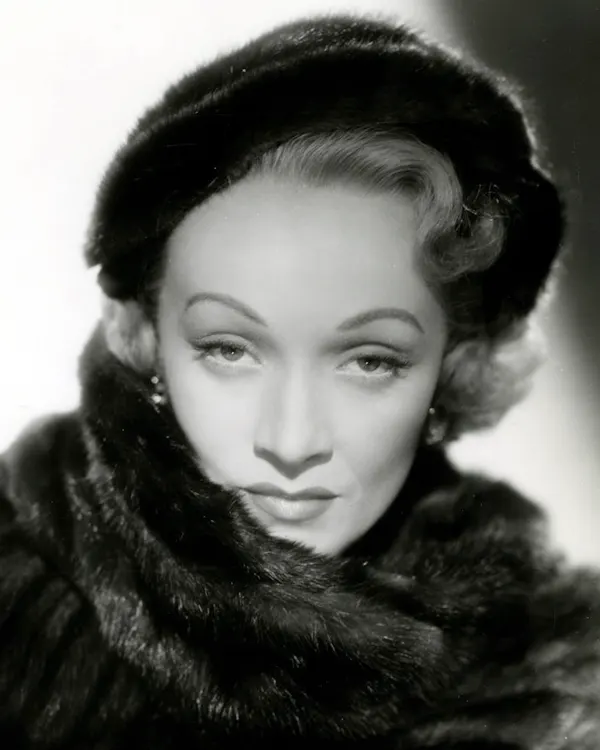
Explore 27 December: Justinian dedicates the great church of Hagia Sophia, the Netherlands hands sovereignty to Indonesia, the International Monetary Fund comes into being and Benazir Bhutto is assassinated. Meet Johannes Kepler, Louis Pasteur and Marlene Dietrich, born on this date.

This day through time →10 verified events across 5 eras

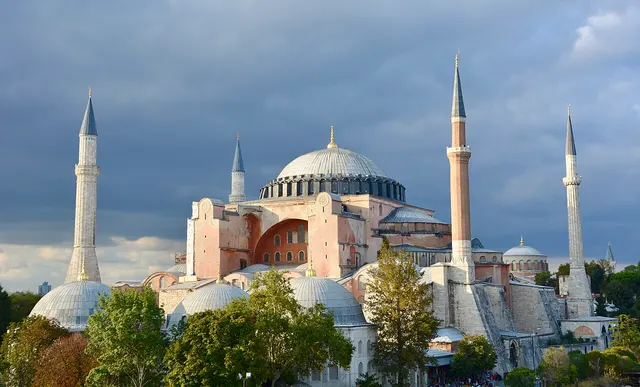
Hagia Sophia in Istanbul, with the minarets added after 1453.
Image creditAdli Wahid · CC BY-SA 3.0Resized and cropped for display.

Justinian dedicates Hagia Sophia

On 27 December 537 the Emperor Justinian dedicated the new church of Hagia Sophia, Holy Wisdom, in Constantinople. It had been built in less than six years, after rioters burned the old church in 532, to a daring design by the mathematicians Anthemius of Tralles and Isidore of Miletus.

Its vast dome seemed to float on a ring of light, and for nearly a thousand years it was the largest cathedral in the world. After the Ottoman conquest in 1453 it became a mosque, later a museum, and in 2020 a mosque again.

Read the full storyHistory & Timeline →Source: World History Encyclopedia: Hagia Sophia ↗
The transfer of sovereignty to Indonesia at the Royal Palace on the Dam, Amsterdam, 27 December 1949.
Image creditJoop van Bilsen for Anefo · CC0Resized and cropped for display.

The Netherlands hands sovereignty to Indonesia

After four years of war and negotiation following Sukarno’s declaration of independence in August 1945, the Netherlands formally transferred sovereignty over the Dutch East Indies to the Republic of the United States of Indonesia on 27 December 1949. At the Royal Palace in Amsterdam, Queen Juliana signed the transfer with Indonesia’s prime minister, Mohammad Hatta.

The deal, agreed at a round-table conference in The Hague, left out Western New Guinea and made the new state take on a large share of the colonial debt. Within a year the federal system was replaced by a single Republic of Indonesia.

Read the full storyHistory & Timeline →Source: Encyclopaedia Britannica: Hague Agreement ↗
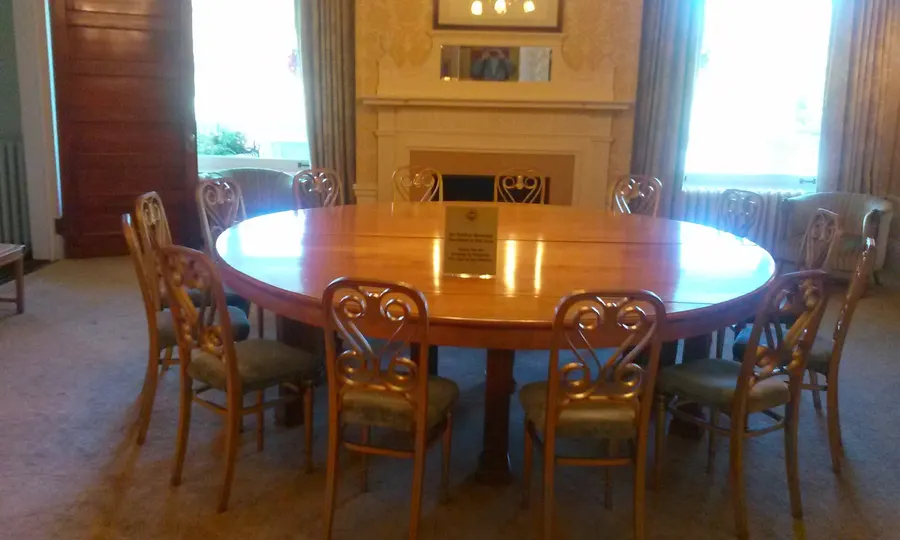
The Gold Room of the Mount Washington Hotel, Bretton Woods, where the agreements setting up the IMF and World Bank were signed in 1944.
Image creditBarry Livingstone · CC BY-SA 3.0Resized and cropped for display.

The International Monetary Fund comes into being

At a conference at Bretton Woods, New Hampshire, in July 1944, delegates from 44 Allied nations drew up plans for a new system to steady the world’s money after the chaos of the 1930s. On 27 December 1945, once enough countries had signed, the Articles of Agreement came into force and the International Monetary Fund was born with 29 members.

The World Bank was founded the same day. The IMF opened for business in Washington in 1947 and now has nearly 200 member countries.

Read the full storyHistory & Timeline →Source: International Monetary Fund: Articles of Agreement (entered into force 27 December 1945) ↗
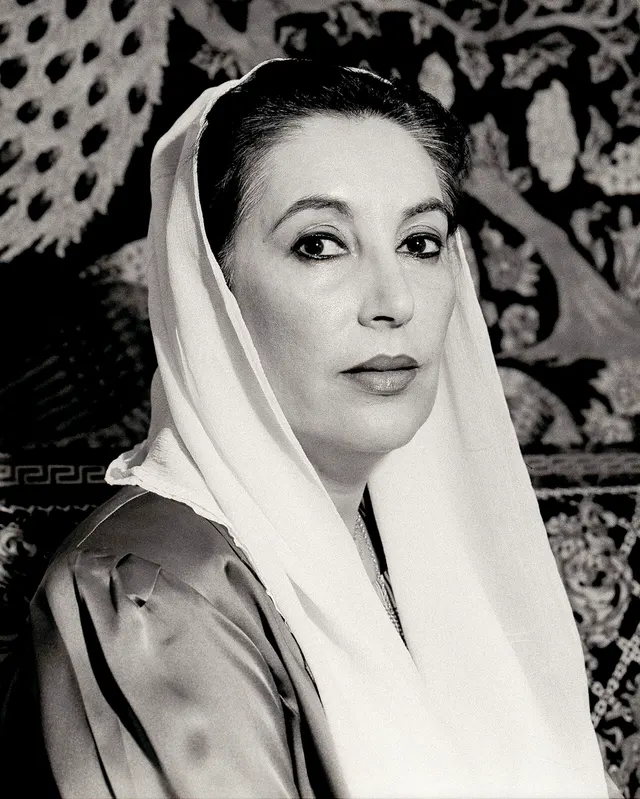
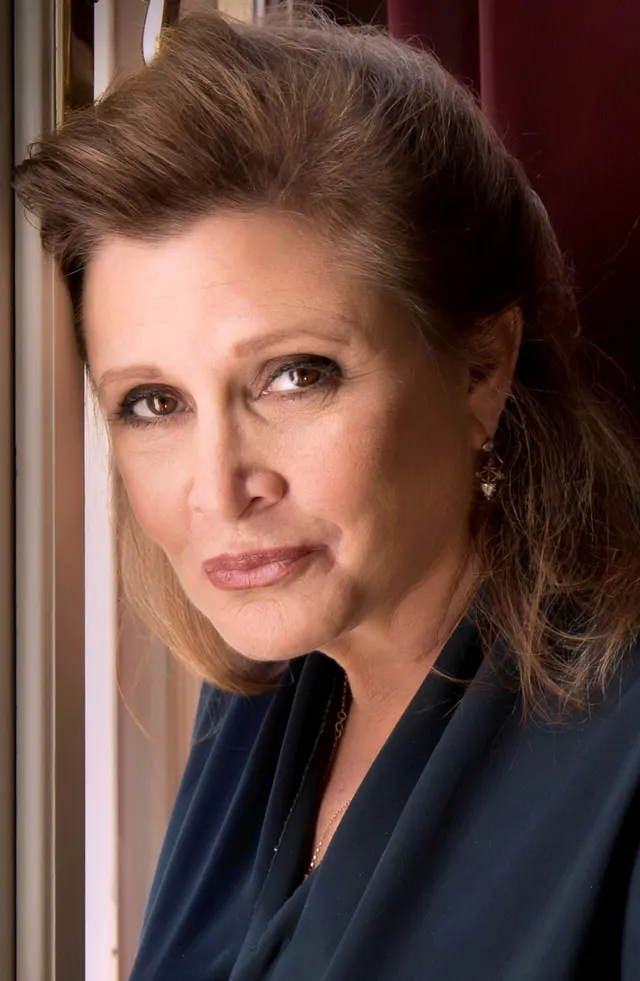
Benazir Bhutto in Dubai, 2006.
Image creditUnknown · CC BY-SA 4.0Resized and cropped for display.

Benazir Bhutto is assassinated

Benazir Bhutto, twice prime minister of Pakistan and the first woman elected to lead a Muslim-majority country, was killed on 27 December 2007 as she left an election rally in Rawalpindi, when a gunman fired at her and a suicide bomber blew himself up beside her vehicle. More than twenty other people died.

She had come home from exile only two months earlier. A United Nations inquiry later found that her security had been ‘fatally insufficient’ and that the investigation had been badly handled, but it could not say who was behind the attack.

Read the full storyHistory & Timeline →Source: UN News: UN report on Bhutto murder finds Pakistani officials ‘failed profoundly’ ↗
♙
PEOPLE

Born Today

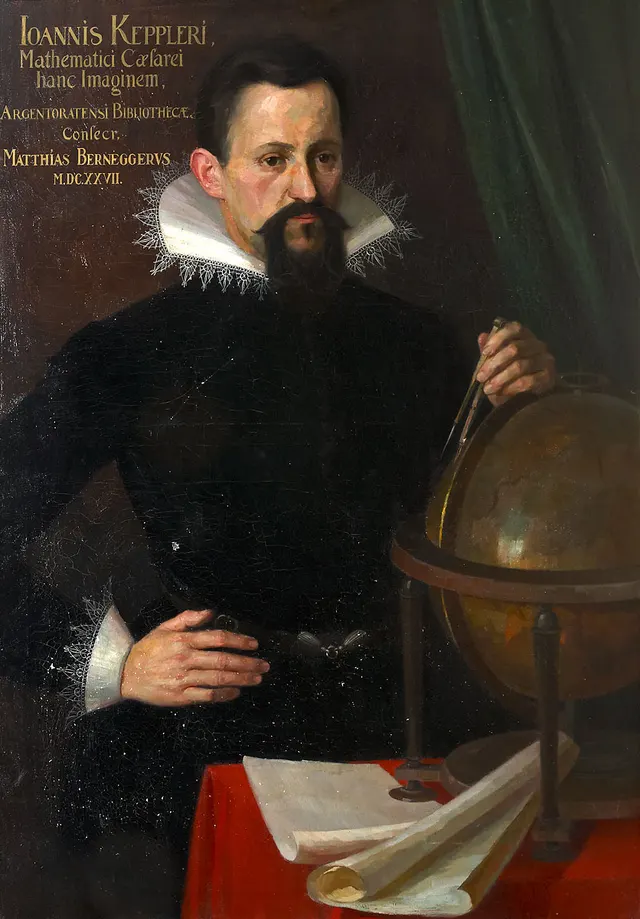
Johannes Kepler
Image creditAugust Köhler [1] · Public domainResized and cropped for display.

Johannes Kepler

German astronomer who worked out the laws of planetary motion.

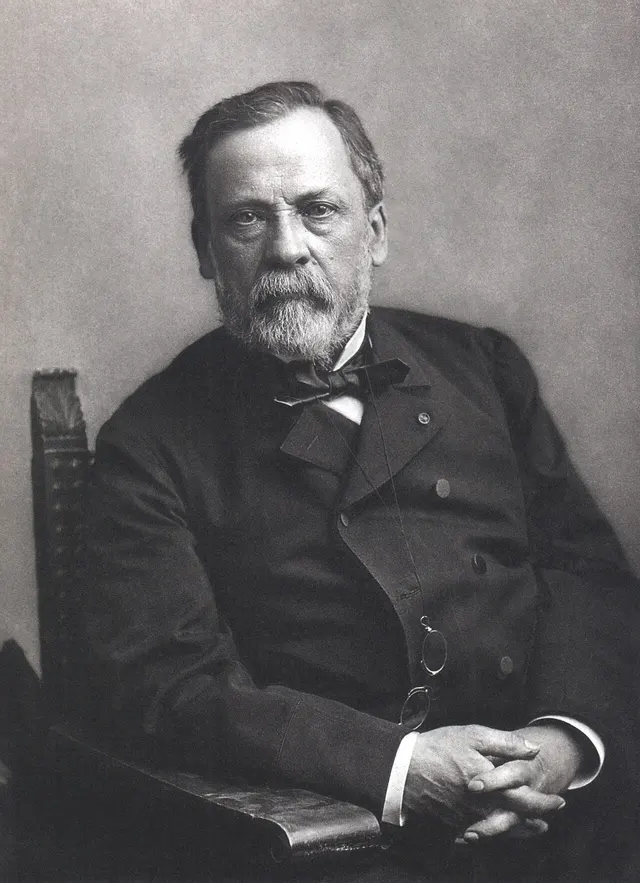
Louis Pasteur
Image creditPaul Nadar · Public domainResized and cropped for display.

Louis Pasteur

French chemist who proved that germs cause disease and gave his name to pasteurisation.

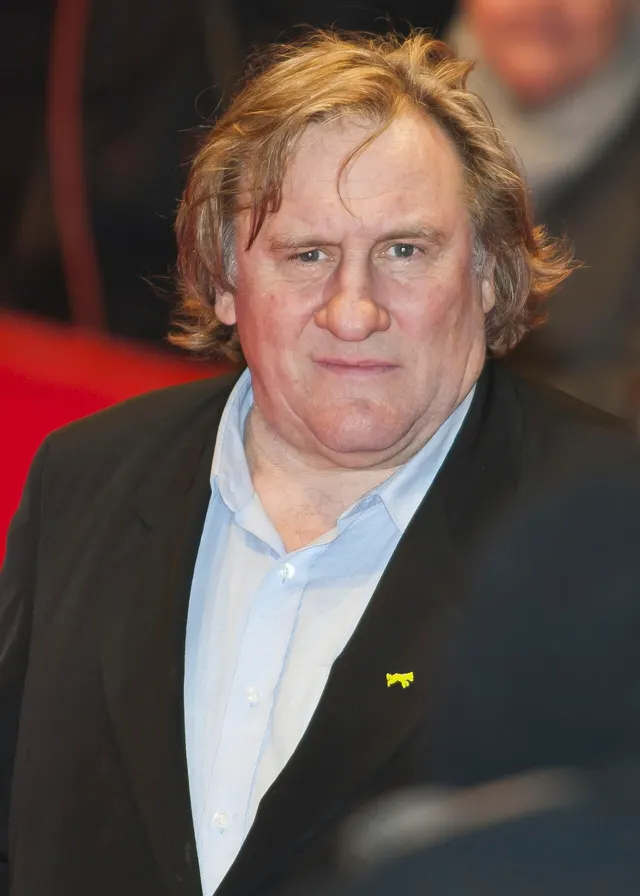
Gérard Depardieu
Image creditSiebbi · CC BY 3.0Resized and cropped for display.

Gérard Depardieu

French actor of Jean de Florette and Cyrano de Bergerac.

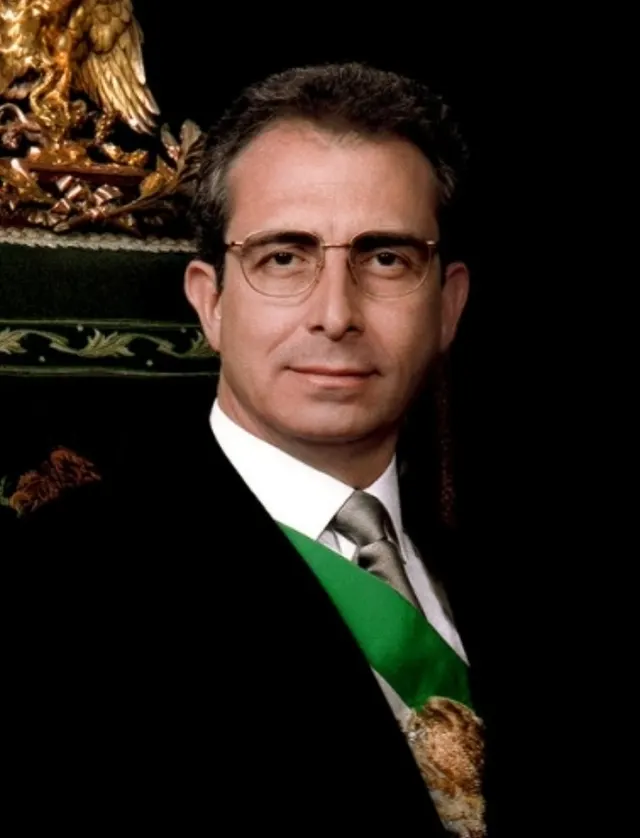
Ernesto Zedillo
Image creditDavid Ross Zundel · Public domainResized and cropped for display.

Ernesto Zedillo

Economist and President of Mexico from 1994 to 2000.

Salman Khan
Image creditBollywood Hungama · CC BY 3.0Resized and cropped for display.

Salman Khan

Indian actor, one of the biggest stars of Hindi cinema.

◉
IDEAS THAT CHANGED THINGS

Firsts, Science & Discoveries

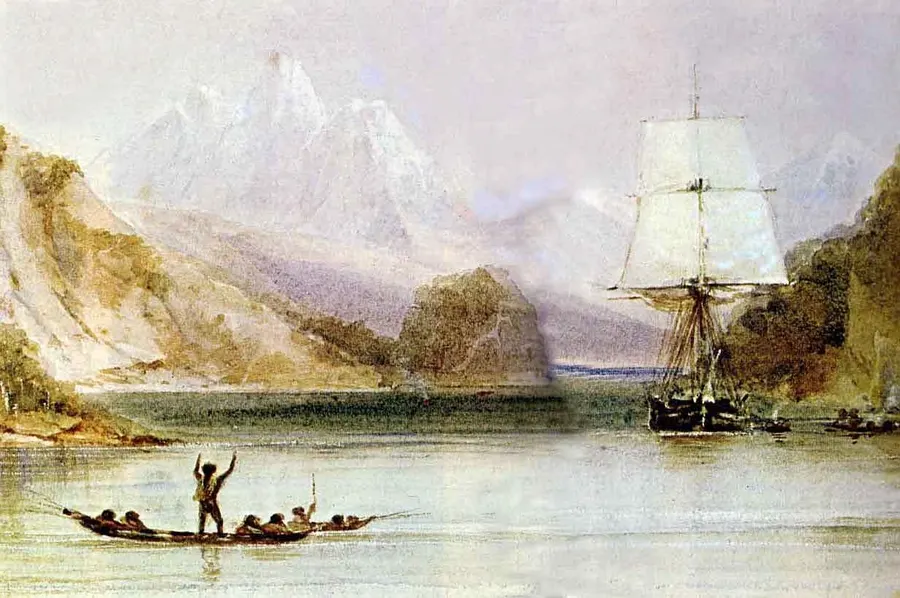
HMS Beagle, painted by Conrad Martens, the artist on the voyage.
Image creditConrad Martens · Public domainResized and cropped for display.

Darwin sails on the Beagle

After weeks of delay for refitting and bad weather, HMS Beagle, a small navy survey ship under Captain Robert FitzRoy, sailed from Plymouth on 27 December 1831. On board as a gentleman companion and naturalist was Charles Darwin, 22 years old, who had had to talk his father round before he could go.

The voyage was meant to chart the coasts of South America. It lasted almost five years and took Darwin round the world, and the fossils, birds and animals he collected, above all in the Galápagos Islands, led him to his theory of evolution by natural selection.

Read the full storyHistory & Timeline →Source: Darwin Correspondence Project, University of Cambridge: voyage of HMS Beagle ↗
♫
MUSIC • FILM • BOOKS • CULTURE

Culture Stories

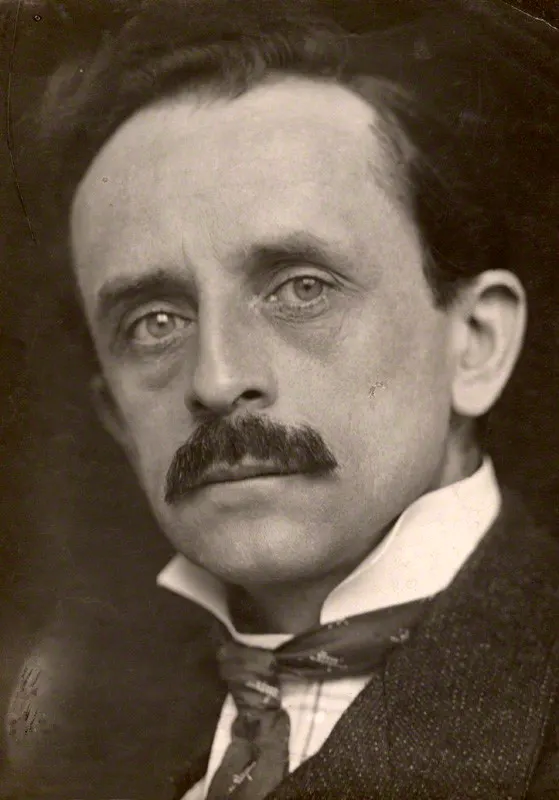
J. M. Barrie, photographed by George Charles Beresford in 1902.
Image creditGeorge Charles Beresford · Public domainResized and cropped for display.

Peter Pan flies for the first time

J. M. Barrie’s play Peter Pan, or The Boy Who Wouldn’t Grow Up opened at the Duke of York’s Theatre in London on 27 December 1904, with Nina Boucicault as Peter and Gerald du Maurier as both Mr Darling and Captain Hook. The actors flew on wires across the stage.

It was an instant hit in London and, a year later, in New York. Barrie turned the story into a novel in 1911 and in 1929 gave the rights to Great Ormond Street Hospital for Children, which still benefits from them.

Read the full storyHistory & Timeline →Source: Great Ormond Street Hospital Charity: history of Peter Pan, the play and the novel ↗
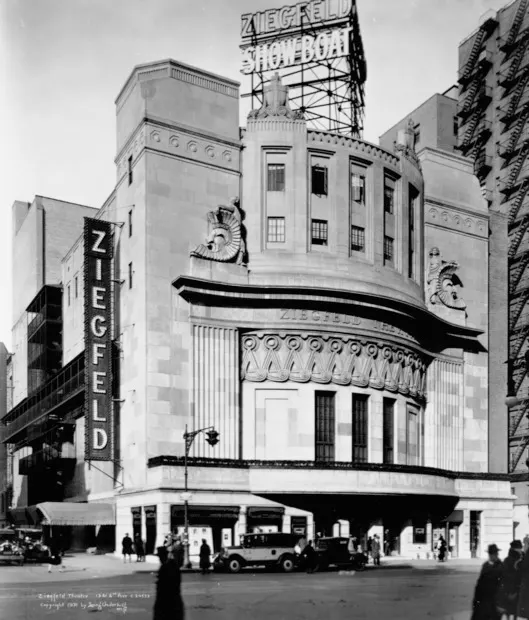
The Ziegfeld Theatre, New York, with Show Boat on its sign, photographed by Irving Underhill.
Image creditIrving Underhill · Public domainResized and cropped for display.

Show Boat opens on Broadway

Show Boat, with music by Jerome Kern and book and lyrics by Oscar Hammerstein II, opened at Florenz Ziegfeld’s theatre in New York on 27 December 1927. Based on Edna Ferber’s novel about a family of Mississippi riverboat performers, it dealt with racial prejudice and failing marriages at a time when musicals were mostly light comedy.

It ran for 572 performances, gave the world ‘Ol’ Man River’ and ‘Can’t Help Lovin’ Dat Man’, and is often called the first modern American musical.

Read the full storyHistory & Timeline →Source: PBS, Broadway: The American Musical: Show Boat ↗
✦
LIVES REMEMBERED

Remembered Today

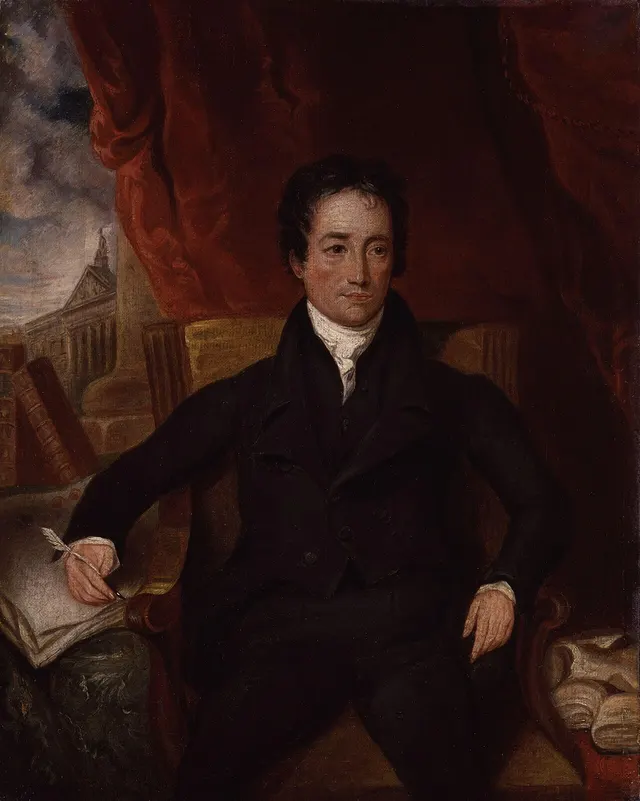
Charles Lamb
Image creditAfter Henry Hoppner Meyer · Public domainResized and cropped for display.

Charles Lamb

English essayist of the Essays of Elia, who wrote Tales from Shakespeare with his sister Mary.

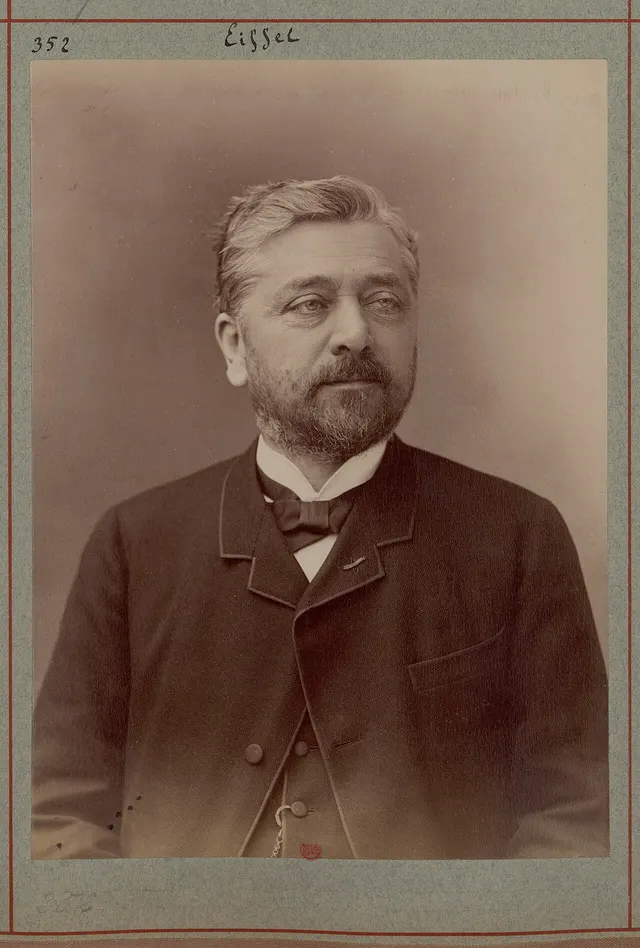
Gustave Eiffel
Image creditNadar · Public domainResized and cropped for display.

Gustave Eiffel

French engineer whose company built the Eiffel Tower and the iron frame of the Statue of Liberty.

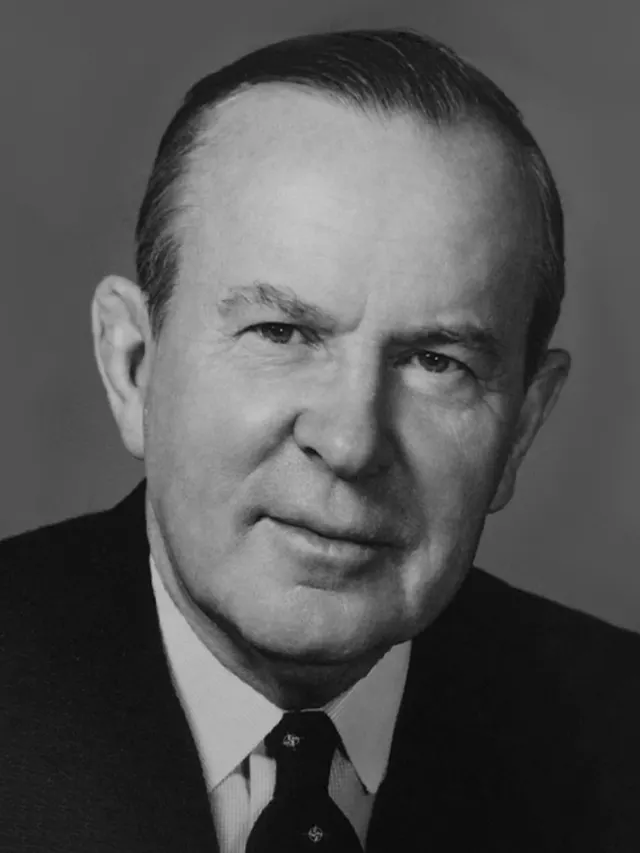
Lester B. Pearson
Image creditABC Television · Public domainResized and cropped for display.

Lester B. Pearson

Canadian prime minister who won the 1957 Nobel Peace Prize for his part in ending the Suez crisis.

HISTORY & TIMELINE

Finished the highlights?

Follow 27 December chronologically, from the Middle Ages to the modern day, with 10 verified events and the sources behind them.

This day through time →