Explore 23 December

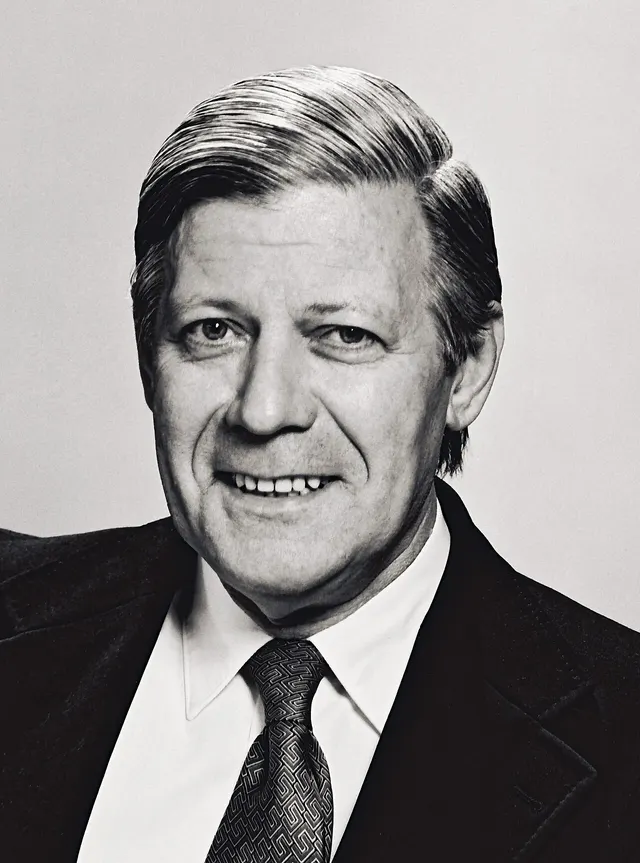
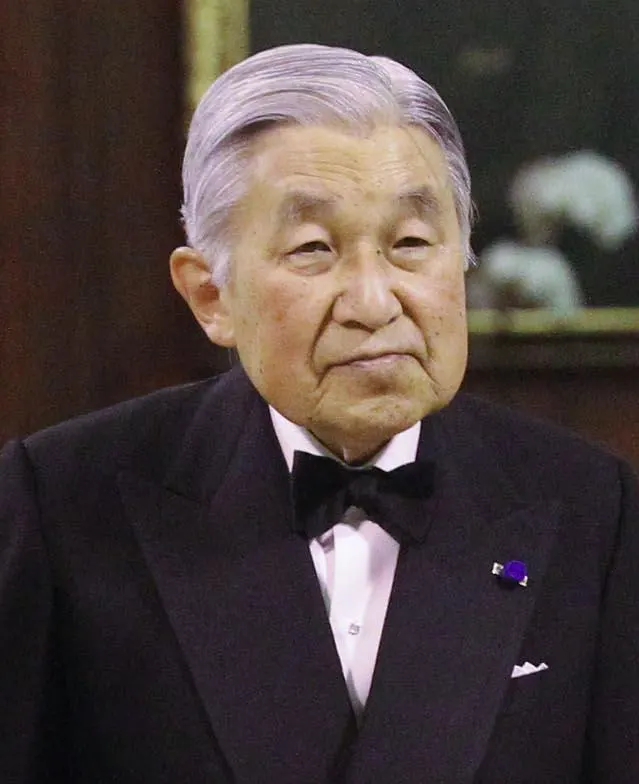
Explore 23 December: Slovenia votes for independence, George Washington hands back his commission, the Tokyo war crimes sentences are carried out and the United States creates its central bank. Meet Jean-François Champollion, Helmut Schmidt and Emperor Akihito, born on this date.

This day through time →8 verified events across 3 eras

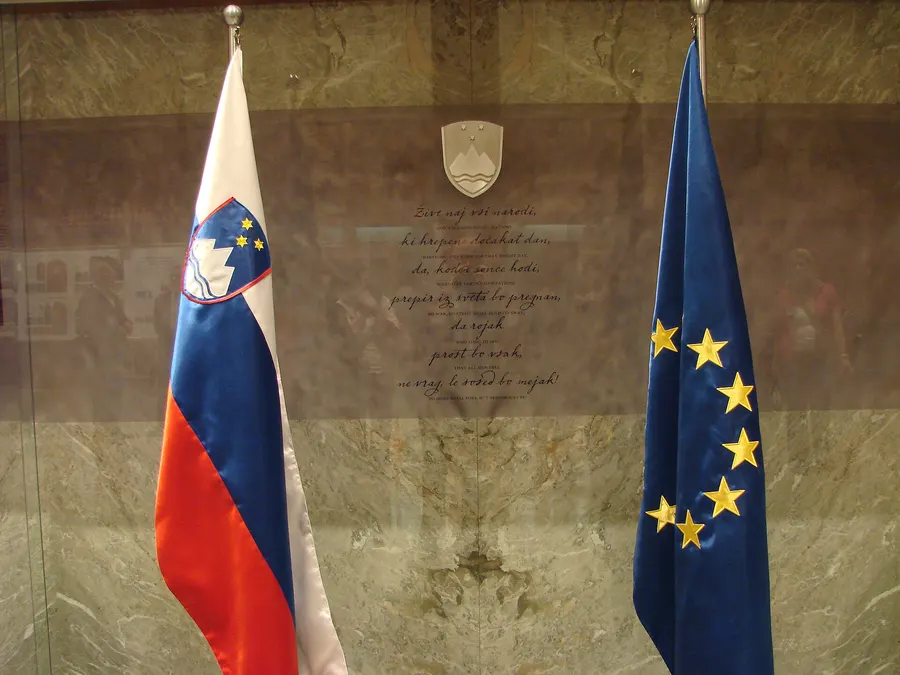
The flags of Slovenia and the European Union beside the national anthem in the lobby of the National Assembly, Ljubljana.
Image creditMZaplotnik · CC BY-SA 3.0Resized and cropped for display.

Slovenia votes to leave Yugoslavia

On 23 December 1990 the people of Slovenia, then a republic of Yugoslavia, were asked one question: should Slovenia become an independent and sovereign state? More than 93 per cent of voters took part, and 88.5 per cent of the whole electorate said yes.

Slovenia declared independence on 25 June 1991 and fought a ten-day war with the Yugoslav army before it withdrew. It joined the United Nations in 1992 and both the European Union and NATO in 2004. The announcement of the result, on 26 December, is kept as Independence and Unity Day.

Read the full storyHistory & Timeline →Source: Government of Slovenia: Independence and Unity Day ↗
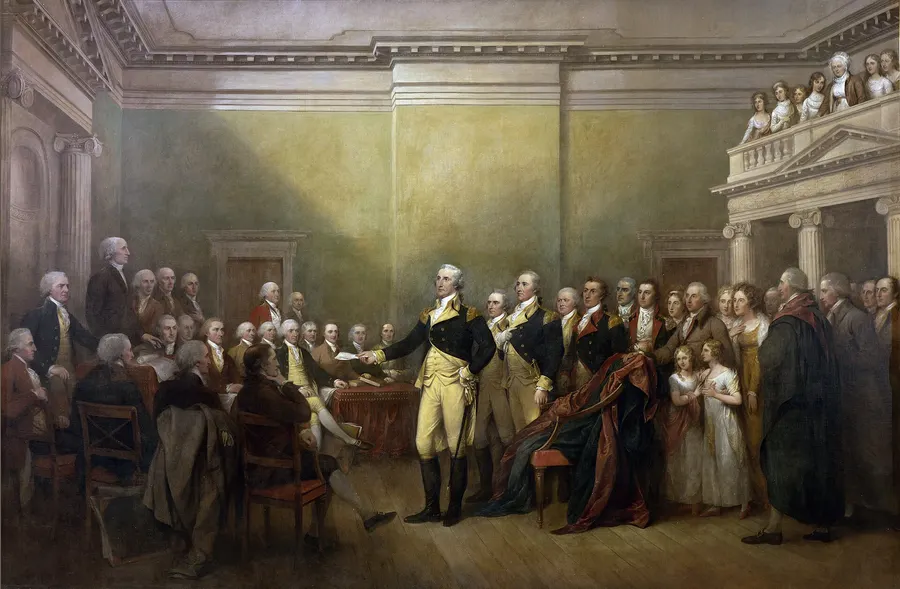
John Trumbull's painting of Washington resigning his commission to Congress at Annapolis, in the US Capitol rotunda.
John Trumbull’s painting of Washington resigning his commission to Congress at Annapolis, in the US Capitol rotunda.
Image creditJohn Trumbull · Public domainResized and cropped for display.

Washington hands back his commission

With the War of Independence won and the British gone from New York, George Washington stood before the Continental Congress in the Maryland State House at Annapolis at noon on 23 December 1783 and resigned as commander-in-chief. ‘Having now finished the work assigned me,’ he said, ‘I retire from the great theatre of action.’

He handed his commission to the president of Congress, Thomas Mifflin, and rode home to Mount Vernon in time for Christmas. A victorious general giving up power of his own accord astonished Europe, and established that the army would answer to elected civilians.

Read the full storyHistory & Timeline →Source: George Washington’s Mount Vernon: resignation of military commission ↗
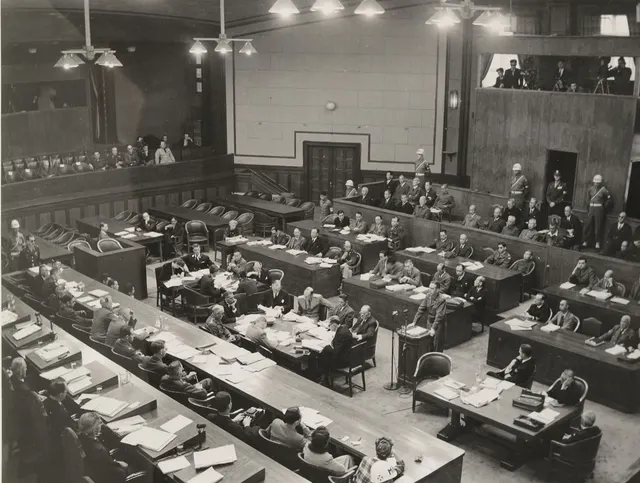
The courtroom of the International Military Tribunal for the Far East in Tokyo, 1946.
Image creditThe Occupation administration · Public domainResized and cropped for display.

The Tokyo war crimes sentences are carried out

In the early hours of 23 December 1948 seven of Japan’s wartime leaders, among them the former prime minister General Hideki Tojo, were hanged at Sugamo Prison in Tokyo. They had been sentenced to death by the International Military Tribunal for the Far East, which sat from 1946 to November 1948.

Twenty-eight political and military leaders had been tried for planning the war in Asia and the Pacific and for atrocities committed during it. Of those still standing trial at the end, sixteen were sentenced to life imprisonment; most were released in the 1950s.

Read the full storyHistory & Timeline →Source: The National WWII Museum: Tokyo war crimes trial ↗
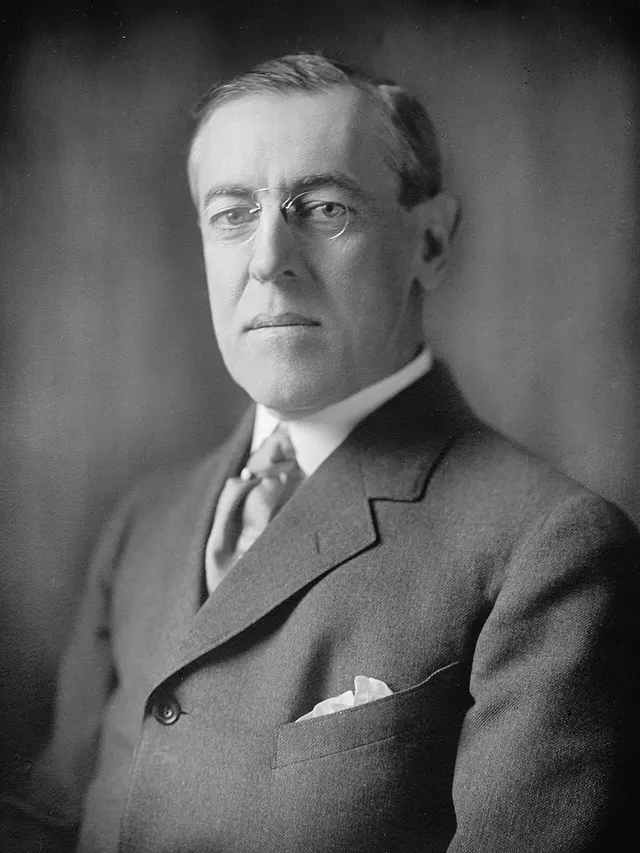
President Woodrow Wilson in 1914.
Image creditHarris & Ewing, photographer · Public domainResized and cropped for display.

The United States creates the Federal Reserve

President Woodrow Wilson signed the Federal Reserve Act on 23 December 1913, giving the United States a central bank for the first time in almost eighty years. The idea had been debated since the banking panic of 1907, when the financier J. P. Morgan had had to organise a private rescue of the system.

The act set up twelve regional Federal Reserve banks overseen by a board in Washington, with power to issue currency and lend to banks in a crisis. Its powers grew greatly after the Great Depression, and the Fed now sets interest rates for the world’s largest economy.

Read the full storyHistory & Timeline →Source: Federal Reserve History: Federal Reserve Act signed into law ↗
♙
PEOPLE

Born Today

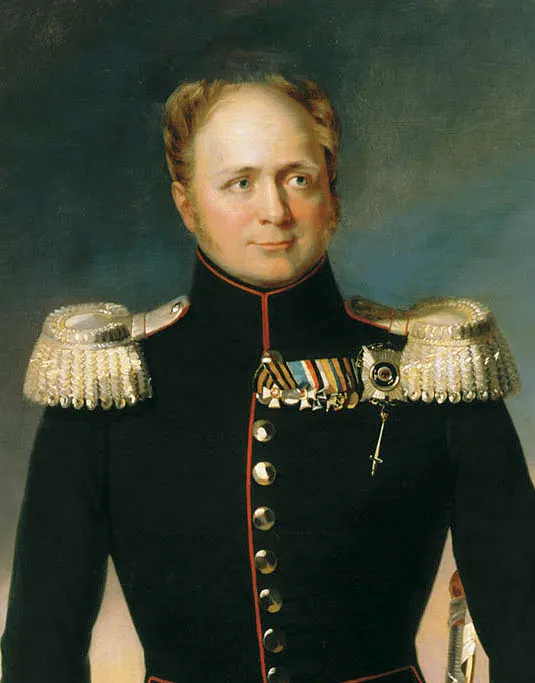
Alexander I of Russia
Image creditGeorge Dawe · Public domainResized and cropped for display.

Alexander I of Russia

Tsar who fought Napoleon, saw his army retreat to Paris in 1814, and shaped Europe at the Congress of Vienna.

Jean-François Champollion
Image creditLéon Cogniet · Public domainResized and cropped for display.

Jean-François Champollion

French scholar who deciphered Egyptian hieroglyphs using the Rosetta Stone, announcing his breakthrough in 1822.

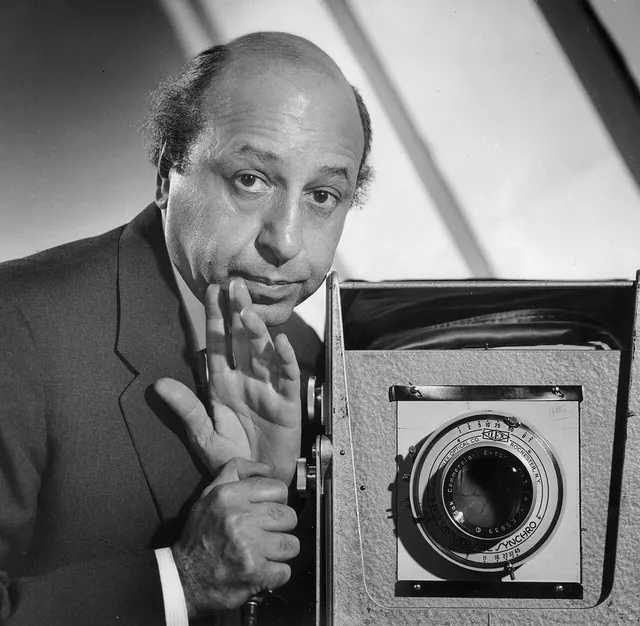
Yousuf Karsh
Image creditChris Lund · Public domainResized and cropped for display.

Yousuf Karsh

Armenian-Canadian photographer whose 1941 portrait of a scowling Winston Churchill made his name.

Helmut Schmidt
Image creditHans Schafgans · CC BY-SA 2.0Resized and cropped for display.

Helmut Schmidt

West German chancellor from 1974 to 1982, who steered the country through oil shocks and left-wing terrorism.

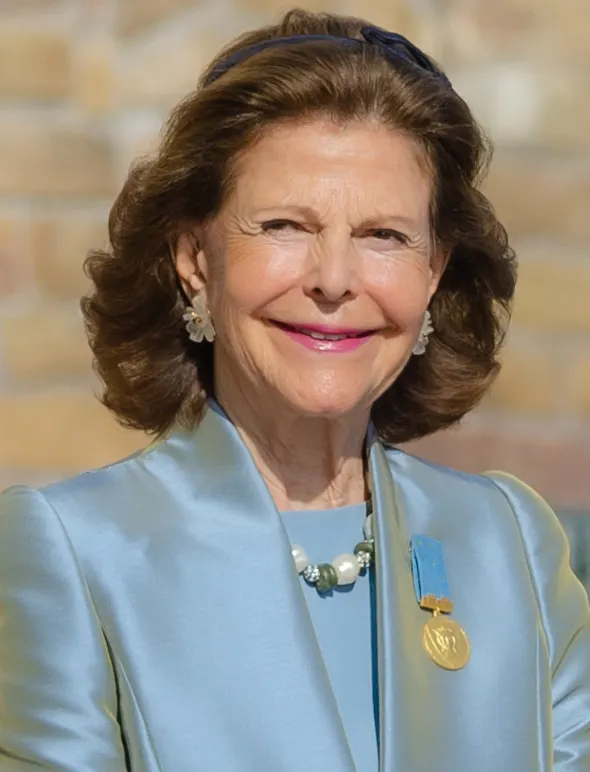
Queen Silvia of Sweden
Image creditFrankie Fouganthin · CC BY-SA 4.0Resized and cropped for display.

Queen Silvia of Sweden

German-born queen of Sweden, who met King Carl XVI Gustaf as a hostess at the 1972 Munich Olympics.

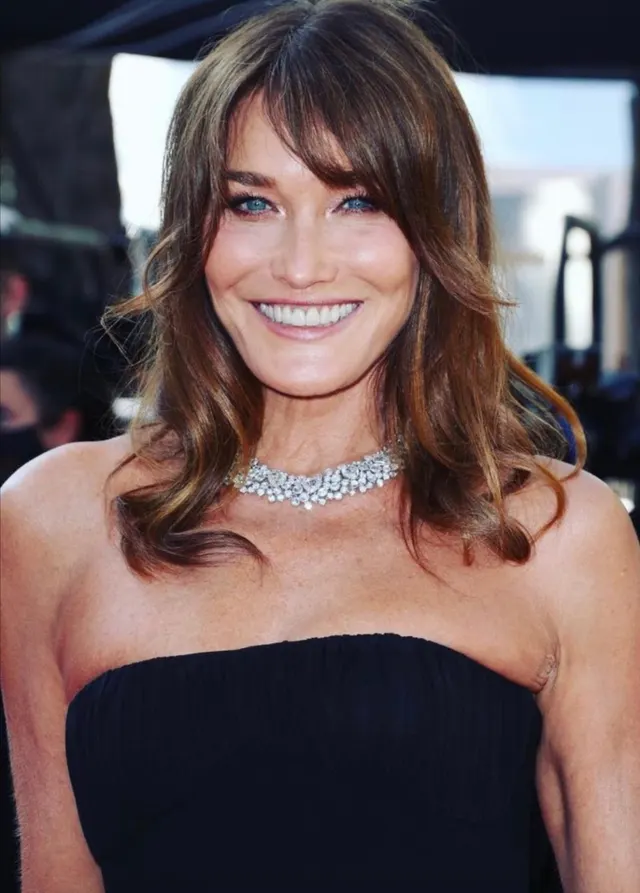
Carla Bruni
Image creditDiana Guylene · CC BY-SA 4.0Resized and cropped for display.

Carla Bruni

Italian-born model and singer-songwriter, and wife of the French president Nicolas Sarkozy.

◉
IDEAS THAT CHANGED THINGS

Firsts, Science & Discoveries

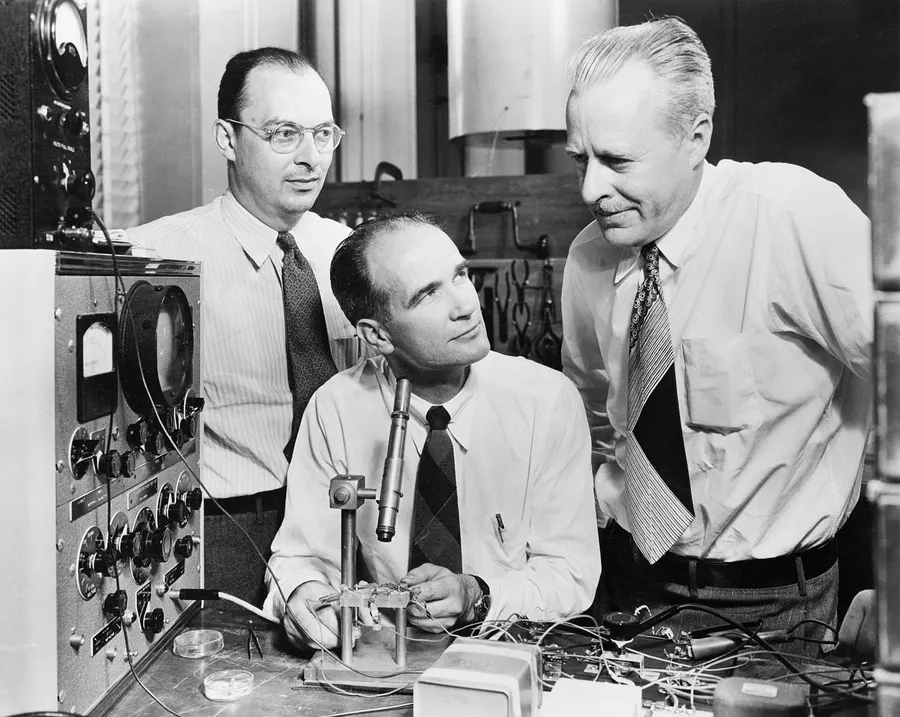
John Bardeen, William Shockley and Walter Brattain at Bell Labs, 1948.
Image creditAT&T; photographer: Jack St. (last part of name not stamped well enough to read), New York, New York. · Public domainResized and cropped for display.

The transistor is shown to Bell Labs’ managers

On 23 December 1947 the physicists John Bardeen and Walter Brattain showed their managers at Bell Laboratories in New Jersey a small device of gold foil pressed into a slab of germanium. Wired between a microphone and a loudspeaker, it made a voice louder: the first transistor.

Bell Labs announced it in June 1948. Bardeen, Brattain and their group leader, William Shockley, shared the 1956 Nobel Prize in Physics. Transistors replaced the valve and became the building block of every computer chip; billions now fit on a single one.

Read the full storyHistory & Timeline →Source: Computer History Museum: 1947, invention of the point-contact transistor ↗
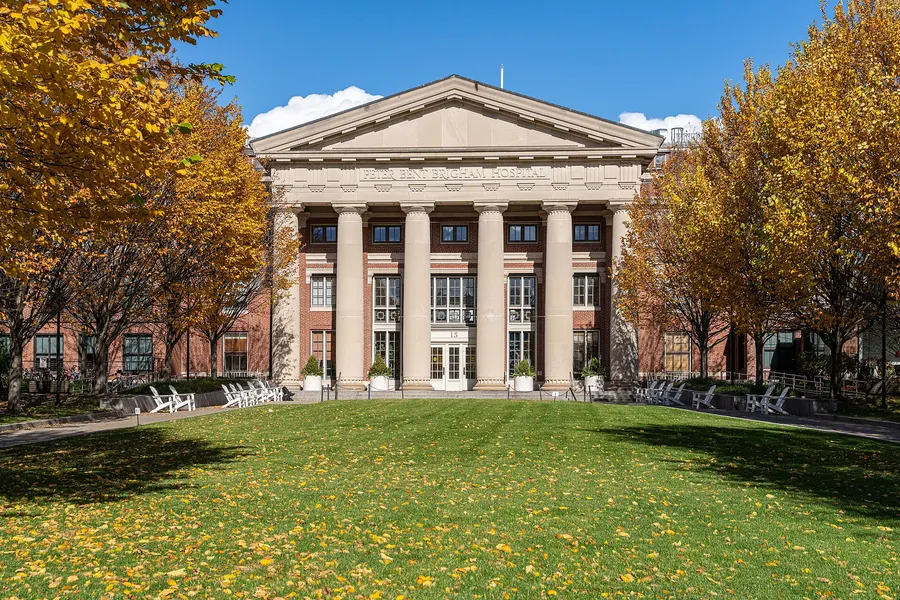
The Peter Bent Brigham building of Brigham and Women's Hospital in Boston.
The Peter Bent Brigham building of Brigham and Women’s Hospital in Boston.
Image creditajay_suresh · CC BY 4.0Resized and cropped for display.

The first successful organ transplant

On 23 December 1954, at the Peter Bent Brigham Hospital in Boston, the surgeon Joseph Murray and his colleagues took a healthy kidney from Ronald Herrick and gave it to his identical twin, Richard, who was dying of kidney failure. Because the twins were genetically identical, Richard’s body did not reject it.

Both brothers recovered, and Richard lived another eight years. It was the first lasting success in human organ transplantation, and it opened the way for transplants between people who were not twins once drugs to suppress rejection were found. Murray shared the 1990 Nobel Prize in Physiology or Medicine.

Read the full storyHistory & Timeline →Source: Harvard Medical School: transplant pioneer and Nobel laureate dies at 93 ↗
♫
MUSIC • FILM • BOOKS • CULTURE

Culture Stories

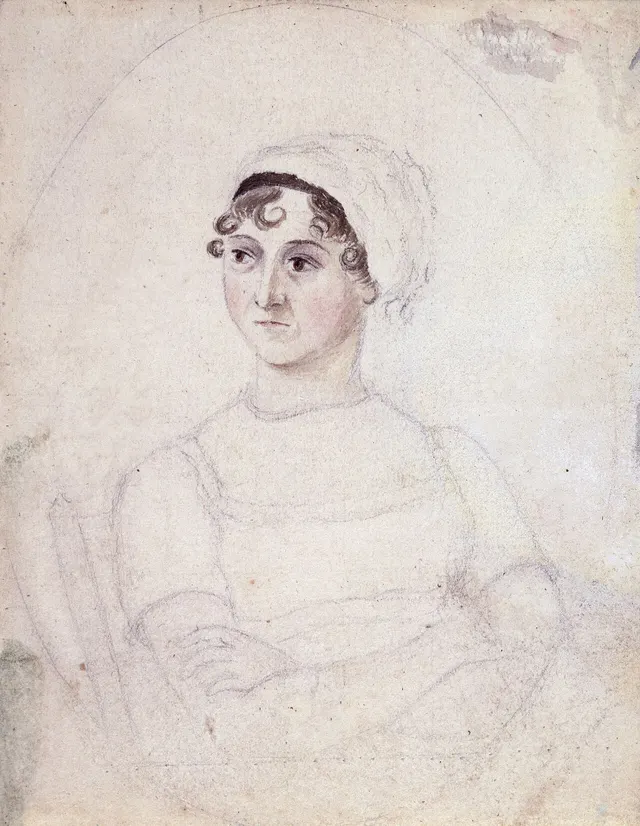
Jane Austen, sketched by her sister Cassandra, about 1810.
Image creditCassandra Austen · Public domainResized and cropped for display.

Jane Austen’s Emma is published

Emma, Jane Austen’s fourth novel, was published by John Murray in London on 23 December 1815, although the title page gave the year as 1816. Like all her books it appeared anonymously, ‘by the author of Pride and Prejudice’.

It was dedicated, by request rather than by choice, to the Prince Regent, who admired her novels. Its heroine, a clever young woman who meddles in her neighbours’ love affairs, was one Austen expected few readers but herself to like.

Read the full storyHistory & Timeline →Source: Jane Austen’s House: first edition of Emma ↗
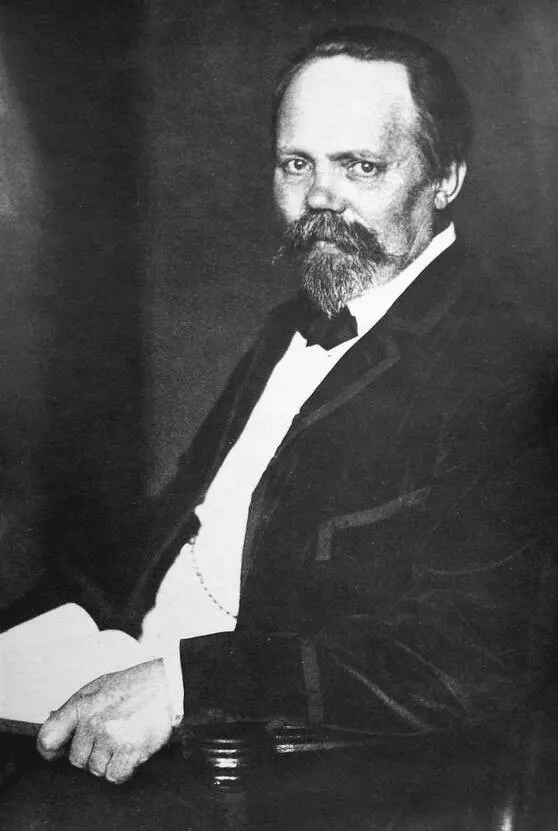
Engelbert Humperdinck on a postcard of about 1900-1910.
Image creditUnknown photographer · Public domainResized and cropped for display.

Hansel and Gretel is first performed

Engelbert Humperdinck’s opera Hänsel und Gretel, with a libretto by his sister Adelheid Wette, had its first performance in Weimar on 23 December 1893, conducted by his friend Richard Strauss. It had begun as a few songs Wette asked for to entertain her children at home.

It was an immediate success and was soon playing across Germany and abroad. The story of the children, the gingerbread house and the witch made it a Christmas tradition in many opera houses.

Read the full storyHistory & Timeline →Source: Encyclopaedia Britannica: Hänsel and Gretel ↗
✦
LIVES REMEMBERED

Remembered Today

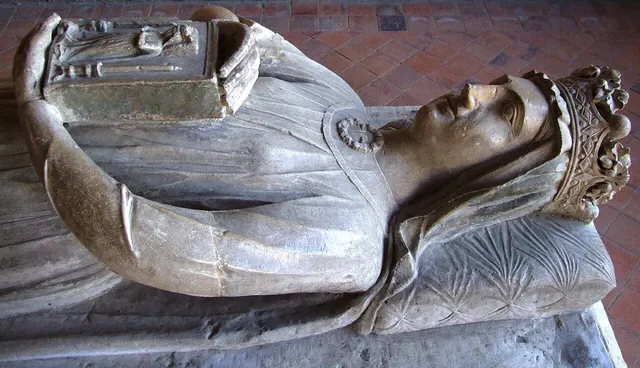
Berengaria of Navarre
Image creditMOSSOT · CC BY-SA 3.0Resized and cropped for display.

Berengaria of Navarre

Wife of Richard the Lionheart, the only queen of England never to set foot in England while queen.

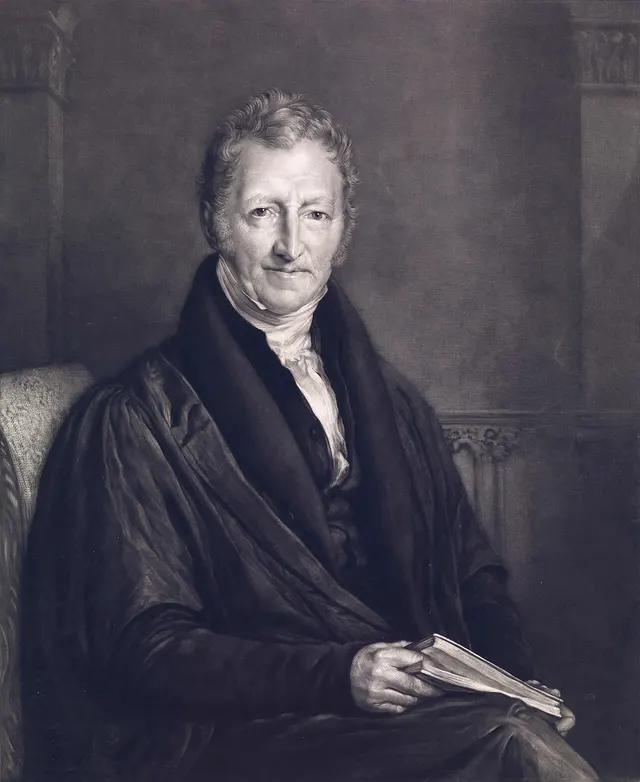
Thomas Robert Malthus
Image creditJohn Linnell · CC BY 4.0Resized and cropped for display.

Thomas Robert Malthus

English economist who argued that population tends to grow faster than the food supply.

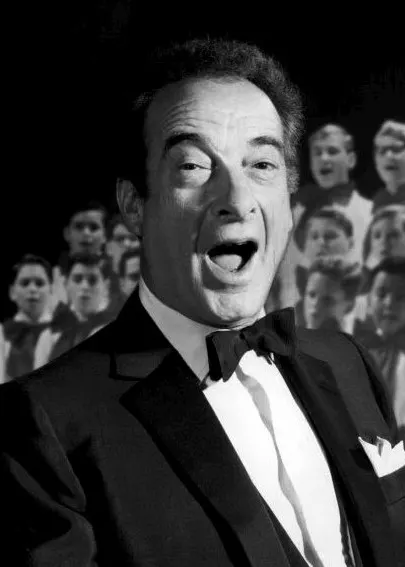
Victor Borge
Image creditNBC Television · Public domainResized and cropped for display.

Victor Borge

Danish-American pianist and comedian, ‘the clown prince of Denmark’.

HISTORY & TIMELINE

Finished the highlights?

Follow 23 December chronologically, from the Middle Ages to the modern day, with 8 verified events and the sources behind them.

This day through time →