Explore 19 December

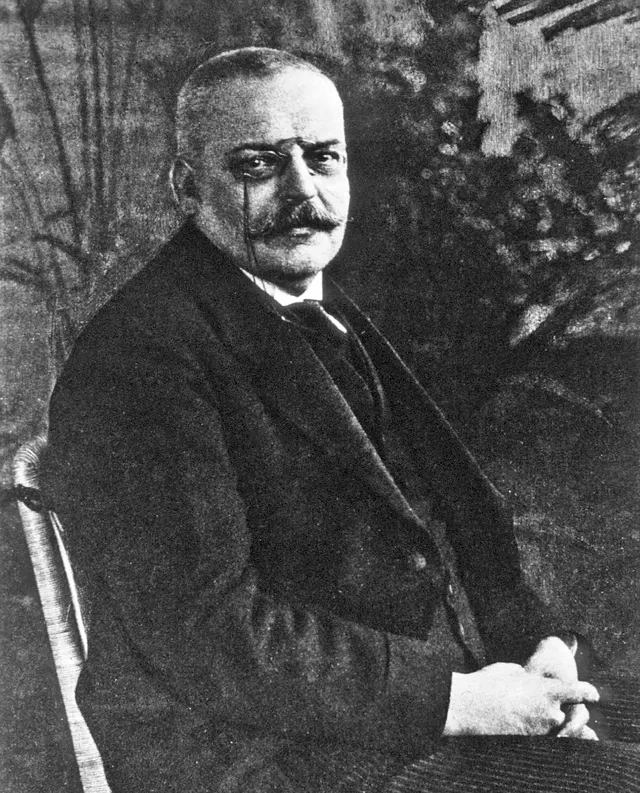
Explore 19 December: Britain and China agree the future of Hong Kong, Washington’s army marches into Valley Forge, Henry II is crowned and war breaks out in Indochina. Meet Édith Piaf, Albert Michelson and Jake Gyllenhaal, born on this date.

This day through time →9 verified events across 5 eras

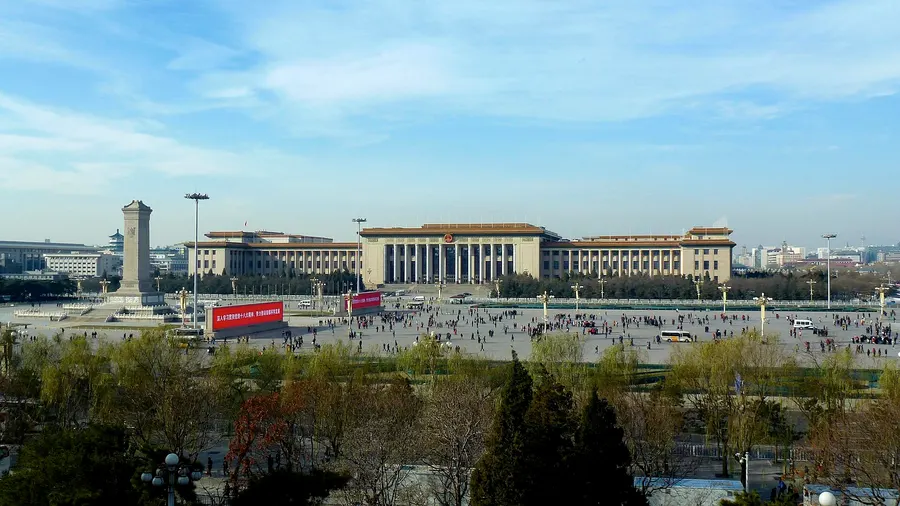
The Great Hall of the People in Beijing, where the Joint Declaration was signed.
Image creditZheng Zhou · CC BY-SA 3.0Resized and cropped for display.

Britain and China sign the Hong Kong agreement

In the Great Hall of the People in Beijing on 19 December 1984, the British prime minister Margaret Thatcher and the Chinese premier Zhao Ziyang signed the Sino-British Joint Declaration. Britain would hand the whole of Hong Kong back to China on 1 July 1997, when the lease on the New Territories ran out.

In return China promised that Hong Kong would keep its own legal system, economy and way of life for fifty years after the handover, under the formula Deng Xiaoping called ‘one country, two systems’. The agreement was registered as a treaty at the United Nations.

Read the full storyHistory & Timeline →Source: Encyclopaedia Britannica: Sino-British Joint Declaration on the Question of Hong Kong ↗
Baron von Steuben drilling American troops at Valley Forge, painted by Edwin Austin Abbey.
Image creditEdwin Austin Abbey · Public domainResized and cropped for display.

Washington’s army marches into Valley Forge

On 19 December 1777 about 12,000 soldiers of George Washington’s Continental Army, beaten at Brandywine and Germantown and with the British holding Philadelphia, marched into winter quarters at Valley Forge, about 20 miles to the north-west. Many had worn out their shoes and clothes; they built rows of log huts on the frozen hillsides.

Around 2,000 men died of disease over the winter. But the army that marched out in June 1778 was a better one: the Prussian officer Baron von Steuben had drilled it into shape, and Valley Forge became a byword for endurance in the American story.

Read the full storyHistory & Timeline →Source: National Park Service: the Continental Army arrives at Valley Forge ↗
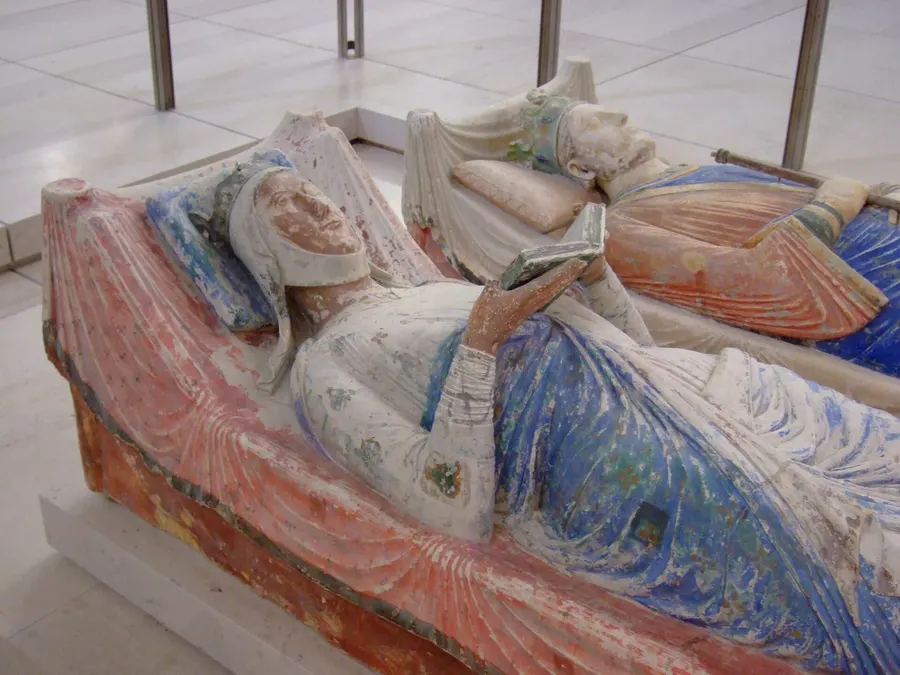
The tomb effigies of Eleanor of Aquitaine and Henry II at Fontevraud Abbey.
Image creditUnknown authorUnknown author · Public domainResized and cropped for display.

Henry II and Eleanor of Aquitaine are crowned

Henry of Anjou and his wife, Eleanor of Aquitaine, were crowned in Westminster Abbey on Sunday 19 December 1154 by Theobald, Archbishop of Canterbury. Henry was twenty-one. His succession ended nearly twenty years of civil war between King Stephen and Henry’s mother, the Empress Matilda.

He was already Duke of Normandy and Count of Anjou, and through Eleanor Duke of Aquitaine, so he now ruled from the Scottish border to the Pyrenees. The Plantagenet dynasty he founded held the English throne until 1485.

Read the full storyHistory & Timeline →Source: Westminster Abbey: Henry II ↗
Ho Chi Minh, about 1946.
Image creditUnknown authorUnknown author · Public domainResized and cropped for display.

War breaks out in Indochina

On the evening of 19 December 1946 Viet Minh forces attacked French troops in Hanoi, and Ho Chi Minh’s government withdrew to the countryside to fight. The attack is taken as the start of the First Indochina War. In March France had promised to recognise Vietnam as a free state within the French Union, but the agreement had fallen apart, and in November a French bombardment of Haiphong had killed thousands of civilians.

The war lasted eight years and ended with the French defeat at Dien Bien Phu in May 1954. The Geneva conference that followed divided Vietnam in two, setting the stage for the war that the United States would fight there.

Read the full storyHistory & Timeline →Source: Encyclopaedia Britannica: First Indochina War ↗
♙
PEOPLE

Born Today

Philip V of Spain
Image creditJean Ranc · Public domainResized and cropped for display.

Philip V of Spain

Grandson of Louis XIV and the first Bourbon king of Spain, whose succession set off the War of the Spanish Succession.

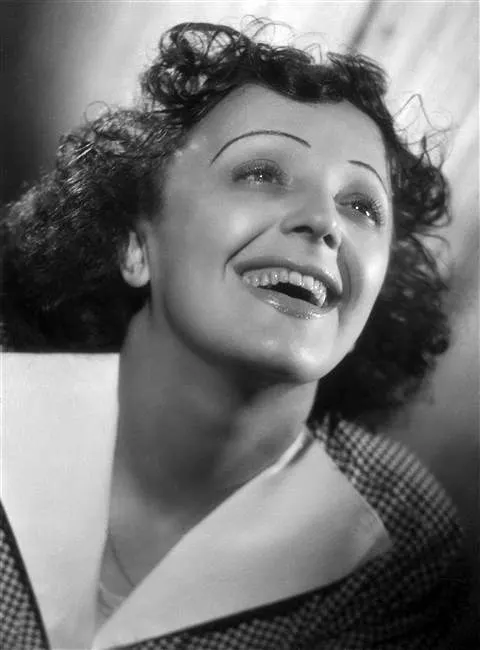
Édith Piaf
Image creditStudio Harcourt · Public domainResized and cropped for display.

Édith Piaf

French singer of La Vie en rose and Non, je ne regrette rien, who began by singing on the streets of Paris.

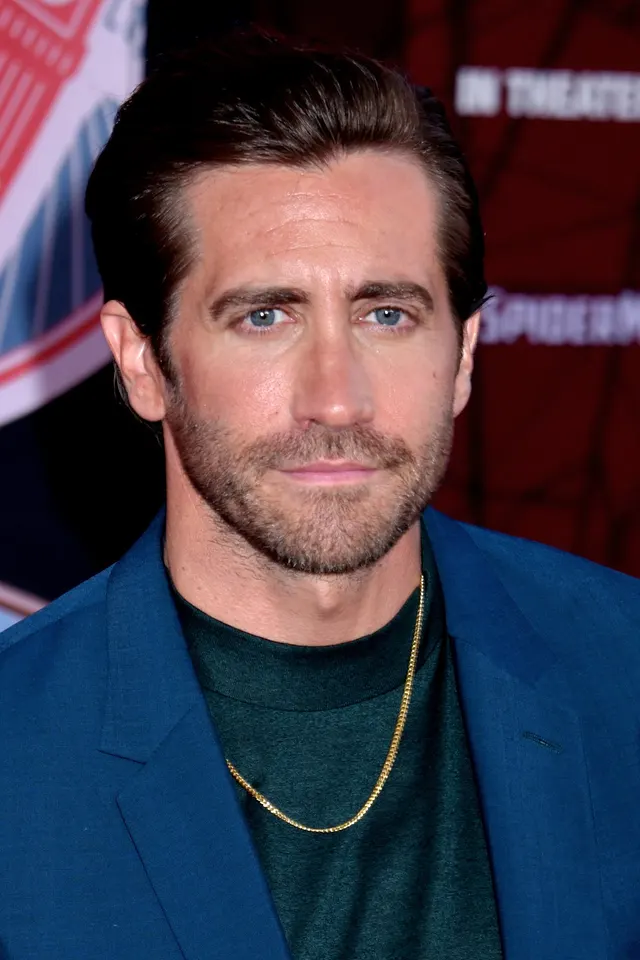
Jake Gyllenhaal
Image creditToglenn · CC BY-SA 4.0Resized and cropped for display.

Jake Gyllenhaal

American actor of Donnie Darko, Brokeback Mountain and Nightcrawler.

◉
IDEAS THAT CHANGED THINGS

Firsts, Science & Discoveries

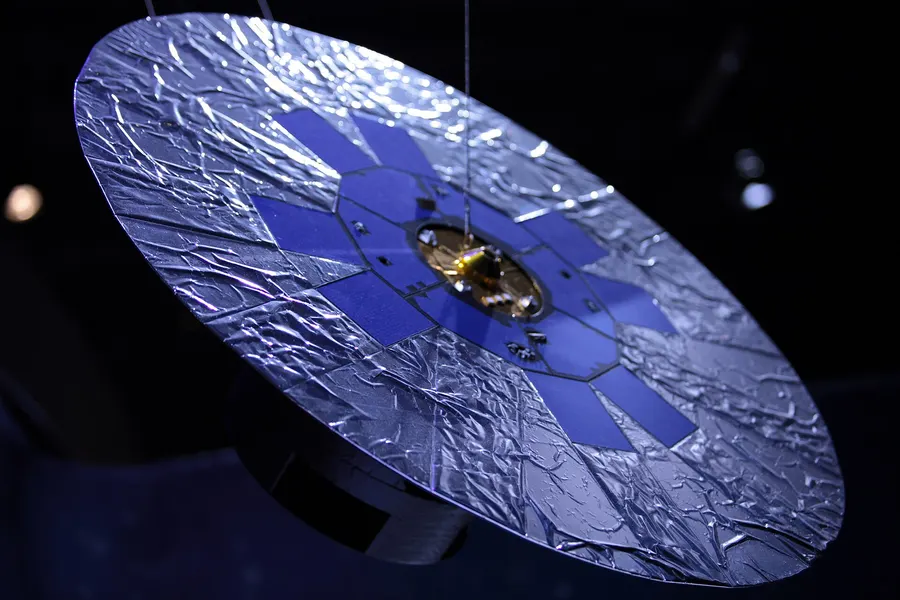
Gaia, the European Space Agency's star-mapping spacecraft, in a picture from the German Aerospace Center.
Gaia, the European Space Agency’s star-mapping spacecraft, in a picture from the German Aerospace Center.
Image creditDLR German Aerospace Center · CC BY 2.0Resized and cropped for display.

Gaia sets off to map a billion stars

The European Space Agency’s Gaia spacecraft was launched on a Soyuz rocket from Kourou, French Guiana, on 19 December 2013. Its task was to measure the positions, distances and motions of about a billion stars — around one per cent of those in our galaxy — far more precisely than ever before.

Working from a point 1.5 million kilometres beyond the Earth, it built the most detailed three-dimensional map of the Milky Way yet made, and its catalogues have been used in many thousands of studies. It finished observing in 2025.

Read the full storyHistory & Timeline →Source: European Space Agency: liftoff for ESA’s billion-star surveyor ↗
☆
SPORTING HISTORY

Sporting Moments

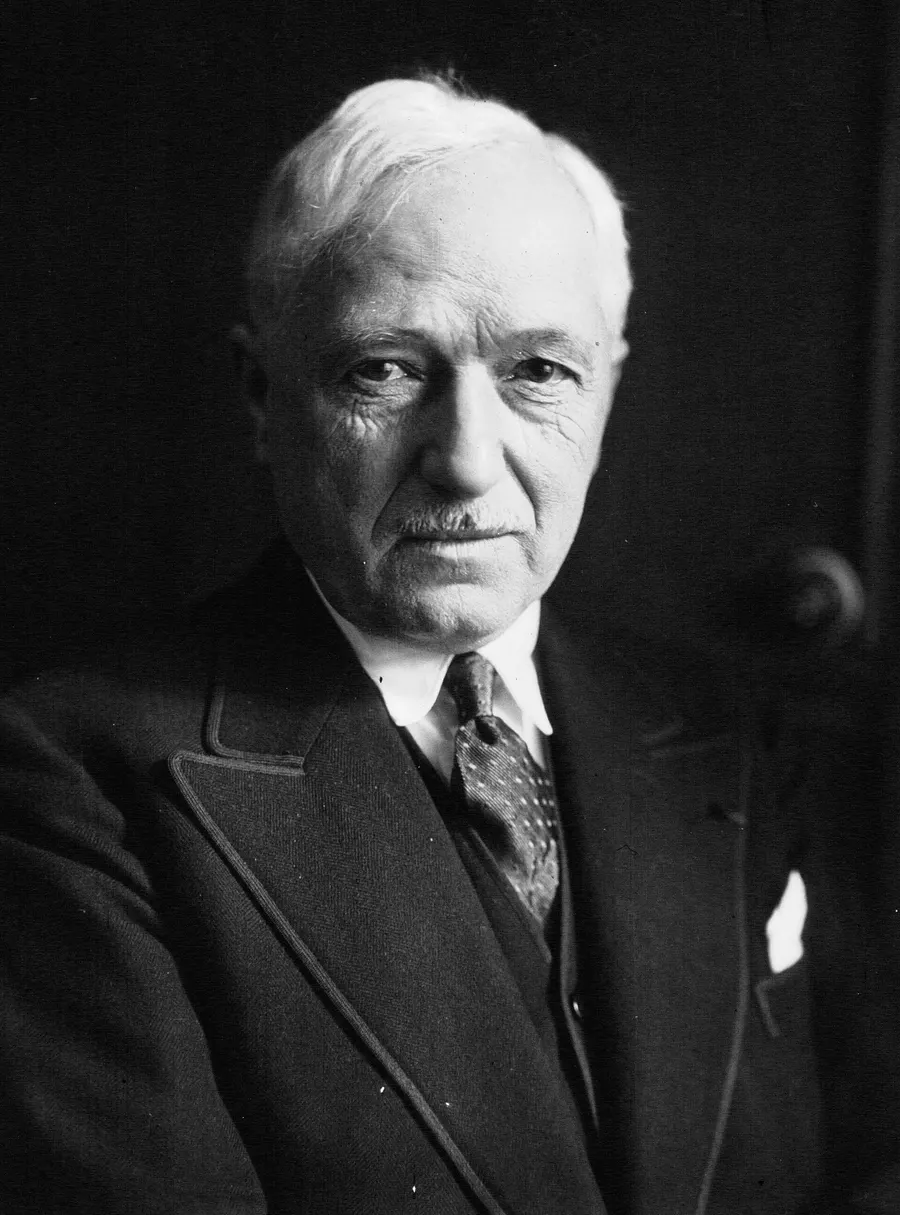
Jules Rimet, the FIFA president the first World Cup trophy was named after, in 1933.
Image creditUnknown authorUnknown author · Public domainResized and cropped for display.

The original World Cup trophy is stolen

On the night of 19 December 1983 thieves broke into the Rio de Janeiro headquarters of the Brazilian football confederation and took the Jules Rimet Trophy, the gold cup presented to world champions from 1930 to 1970. Brazil had kept it for good after winning its third World Cup in 1970.

It had been stolen once before, in London in 1966, and found under a hedge by a dog called Pickles. This time it was never seen again; the police believed it had been melted down.

Read the full storyHistory & Timeline →Source: FIFA Museum: the World Cup is stolen! ↗
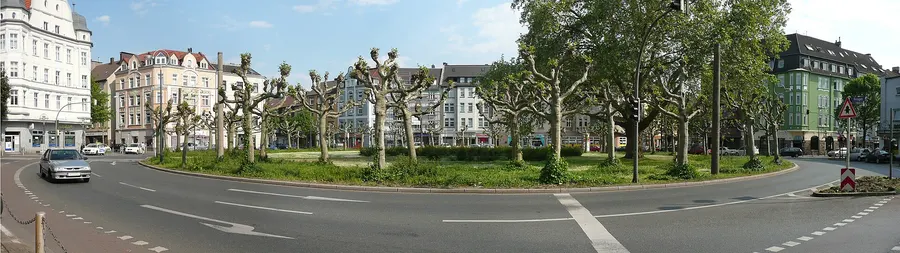
Borsigplatz in Dortmund's Nordstadt, the square near where the club was founded.
Borsigplatz in Dortmund’s Nordstadt, the square near where the club was founded.
Image creditMarku1988 This image was created with Hugin. · CC BY 3.0Resized and cropped for display.

Borussia Dortmund is founded

On the evening of 19 December 1909 a group of young men from the Holy Trinity parish in Dortmund met at the Zum Wildschütz inn near the Borsigplatz and founded a football club, against the wishes of their chaplain. They took the name Borussia from a brewery nearby.

The club has since won eight German championships and, in 1997, the Champions League. Its stadium, the Westfalenstadion, is the largest in Germany.

Read the full storyHistory & Timeline →Source: Borussia Dortmund: 1909, the founding years ↗
♫
MUSIC • FILM • BOOKS • CULTURE

Culture Stories

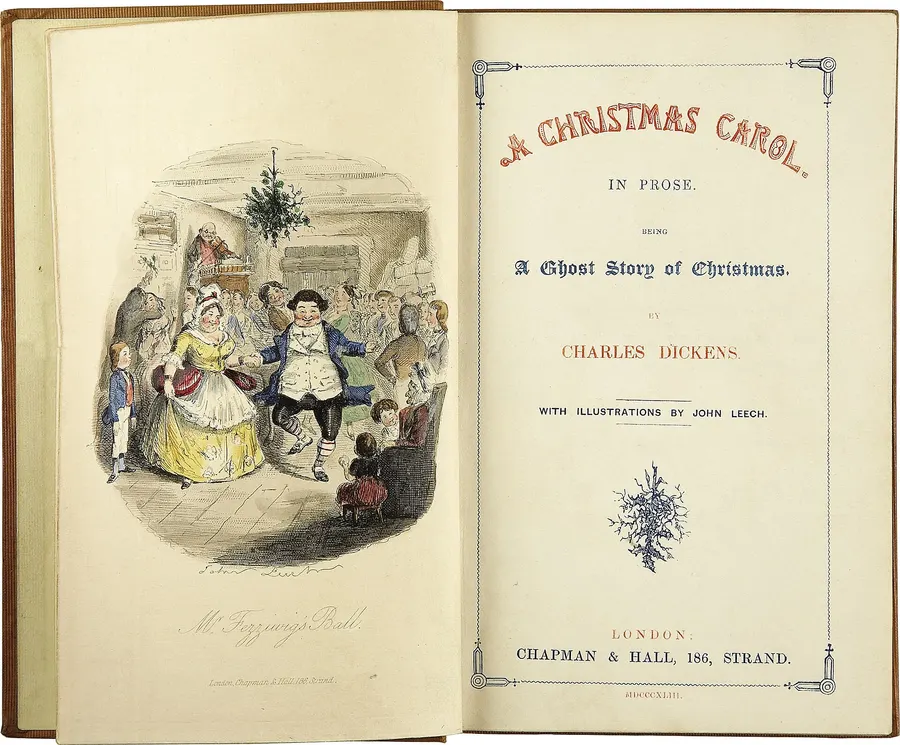
The first edition of A Christmas Carol, with John Leech's frontispiece of Mr Fezziwig's ball.
The first edition of A Christmas Carol, with John Leech’s frontispiece of Mr Fezziwig’s ball.
Image creditJohn Leech · Public domainResized and cropped for display.

A Christmas Carol is published

Charles Dickens’s A Christmas Carol was published by Chapman and Hall in London on 19 December 1843, with four hand-coloured illustrations by John Leech. Dickens wrote it in about six weeks that autumn and paid for the lavish production himself.

The first printing of 6,000 copies had sold out by Christmas Eve. The story of Ebenezer Scrooge and the three spirits has never been out of print, and did much to shape the way the English-speaking world keeps Christmas.

Read the full storyHistory & Timeline →Source: The Morgan Library and Museum: Charles Dickens’s A Christmas Carol ↗
✦
LIVES REMEMBERED

Remembered Today

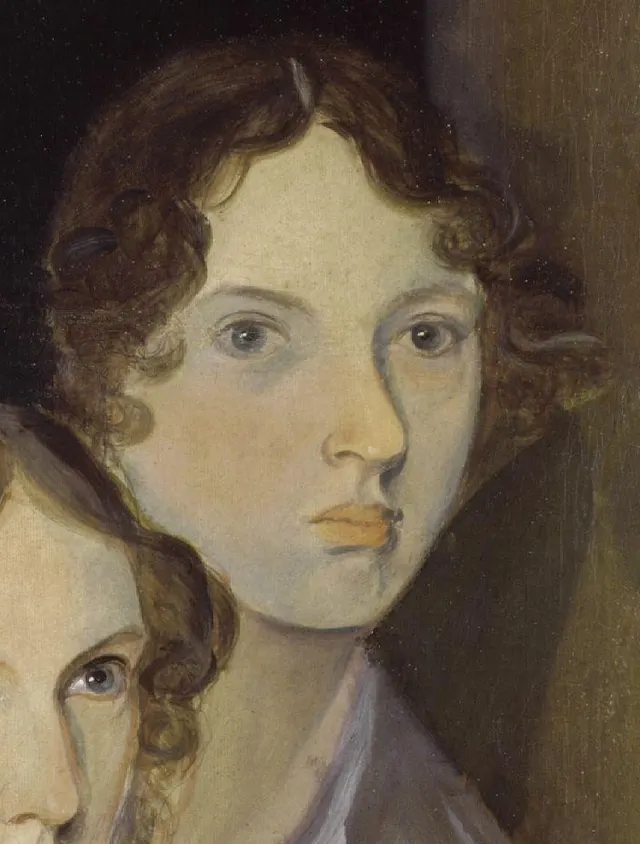
Emily Brontë
Image creditBranwell Brontë · Public domainResized and cropped for display.

Emily Brontë

English poet and novelist whose only novel, Wuthering Heights, came out a year before her death at thirty.

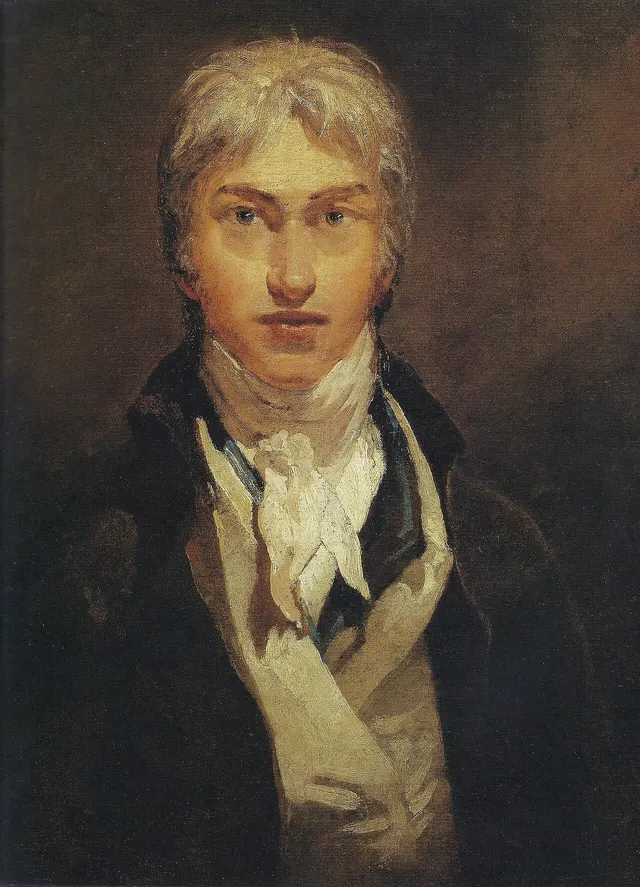
J. M. W. Turner
Image creditJ. M. W. Turner · Public domainResized and cropped for display.

J. M. W. Turner

English painter of light, storm and steam, whose late works pointed the way to Impressionism.

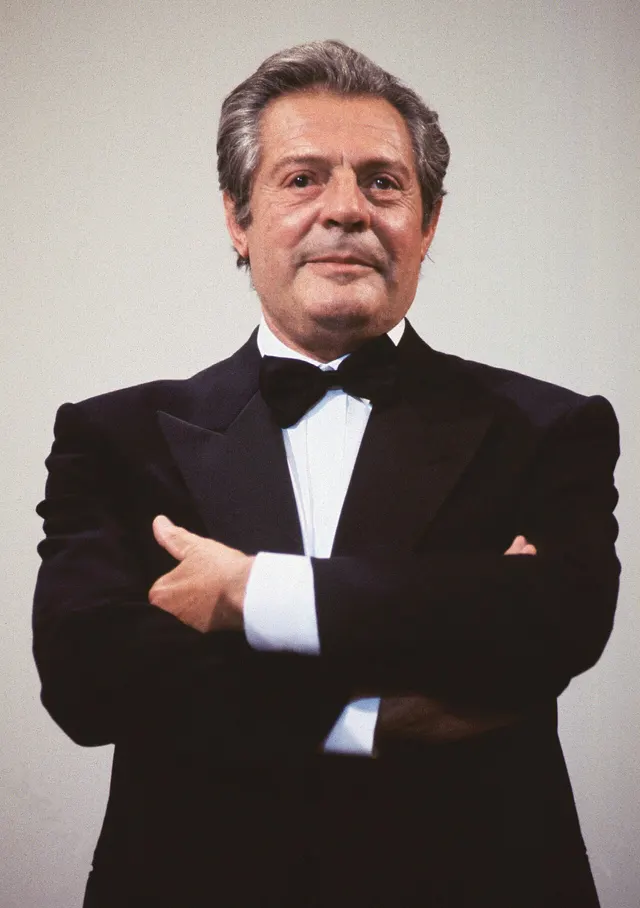
Marcello Mastroianni
Image creditGorup de Besanez · CC BY-SA 3.0Resized and cropped for display.

Marcello Mastroianni

Italian actor of La Dolce Vita and 8½, the leading man of Federico Fellini’s films.

☉
AROUND THE WORLD

Observances & Anniversaries

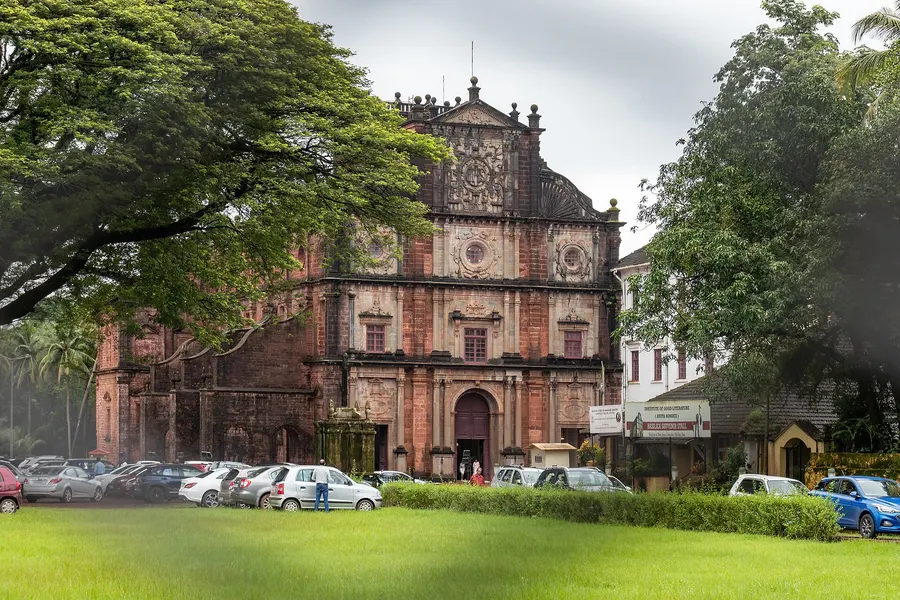
The Basilica of Bom Jesus in Old Goa.
Image creditiMahesh · CC BY-SA 4.0Resized and cropped for display.

Goa Liberation Day

Goa marks 19 December as Liberation Day. On that day in 1961 the Portuguese administration surrendered to the Indian army after a 36-hour operation, ending more than 450 years of Portuguese rule; Goa, Daman and Diu became part of India. Portugal recognised Indian sovereignty in a treaty signed in 1974.

Source: Government of Goa, Department of Information and Publicity: milestones of Goa ↗
HISTORY & TIMELINE

Finished the highlights?

Follow 19 December chronologically, from the Middle Ages to the modern day, with 9 verified events and the sources behind them.

This day through time →