Explore 13 December

Explore 13 December: a Dutch navigator sights the coast of New Zealand, Malta becomes a republic, tanks roll into Polish cities before dawn, and Drake’s five ships slip out of Plymouth. Meet Henry IV of France, Heinrich Heine and Taylor Swift, born on this date.

This day through time →10 verified events across 4 eras

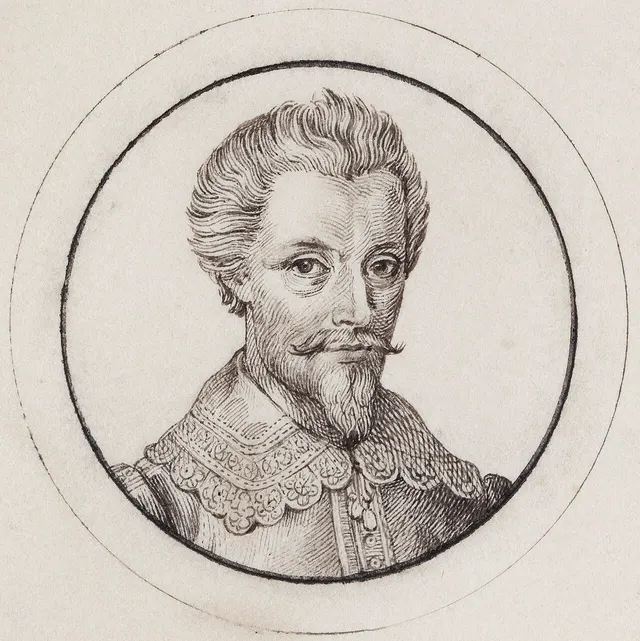
Abel Tasman, in a portrait engraving.
Image creditUnknown authorUnknown author · Public domainResized and cropped for display.

Abel Tasman sights New Zealand

Towards noon on 13 December 1642 the Dutch navigator Abel Tasman, sailing for the Dutch East India Company, saw what his journal called a large land, uplifted high — probably the Southern Alps — off the west coast of the South Island. He was the first European on record to see New Zealand.

He worked north and anchored in what is now Golden Bay. On 19 December Māori in canoes attacked a boat from the Zeehaen and killed four of its crew; Tasman sailed away without setting foot ashore and named the place Murderers’ Bay. No European returned for 127 years, until James Cook in 1769.

Read the full storyHistory & Timeline →Source: Te Ara, the Encyclopedia of New Zealand: Abel Tasman ↗
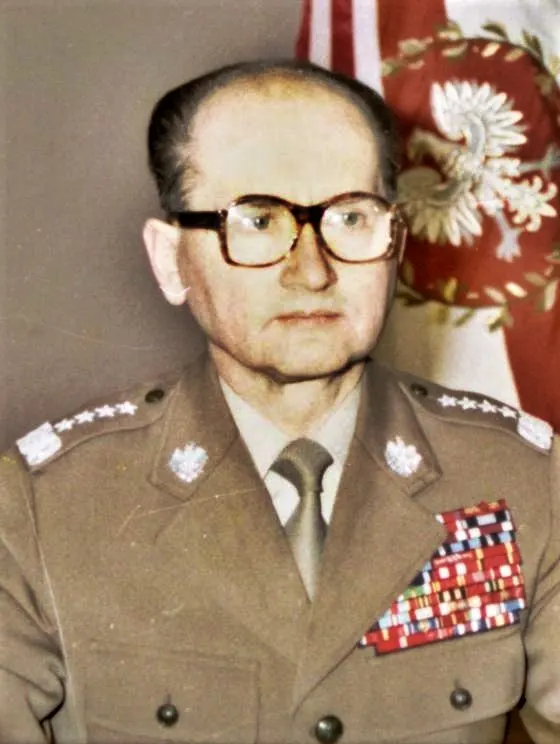
General Wojciech Jaruzelski.
Image creditOriginal: Unknown authorUnknown authorDerivative work: TharonXX · Public domainResized and cropped for display.

Martial law comes to Poland

Before dawn on 13 December 1981 General Wojciech Jaruzelski went on Polish television to announce that a Military Council of National Salvation had imposed martial law. Telephones were cut, borders closed, a curfew set, and interior ministry officers spent the night arresting trade unionists and anyone thought capable of organising resistance, including Lech Wałęsa.

Solidarity, a legal union with nearly ten million members sixteen months earlier, was driven underground. On 16 December riot police shot dead six miners at the Wujek colliery in Katowice. Martial law was lifted in 1983, but free elections did not come until 1989.

Read the full storyHistory & Timeline →Source: Institute of National Remembrance, Poland: Martial Law in Poland 1981-1983 ↗
Nanjing today, with the Ming-era pagoda below the modern skyline.
Image creditxiquinhosilva · CC BY 2.0Resized and cropped for display.

The fall of Nanjing

Japanese troops entered Nanjing, then the capital of the Chinese republic, on 13 December 1937. What followed over about six weeks was one of the worst atrocities of the war in Asia: the mass killing of prisoners and civilians and the widespread rape of women. Estimates of the dead range from 100,000 to more than 300,000, and the figure is still disputed between Chinese and Japanese historians.

A small group of foreign residents set up a safety zone in the city that sheltered tens of thousands of people. Their diaries and films, together with Japanese soldiers’ own accounts, became the core of the evidence used at the Tokyo war crimes trials after 1945.

Read the full storyHistory & Timeline →Source: Encyclopaedia Britannica: Nanjing Massacre ↗
Valletta, the capital of Malta, from across the Grand Harbour.
Image creditMandyy88 · CC BY-SA 4.0Resized and cropped for display.

Malta becomes a republic

Malta amended its 1964 constitution on 13 December 1974 and became a republic within the Commonwealth, ten years after independence. The Queen ceased to be head of state and a president took her place, elected by the House of Representatives.

The date is kept as Jum ir-Repubblika, Republic Day, one of five national days in the Maltese calendar. The last British forces left the island in 1979.

Read the full storyHistory & Timeline →Source: Encyclopaedia Britannica: Malta — government and society ↗
♙
PEOPLE

Born Today

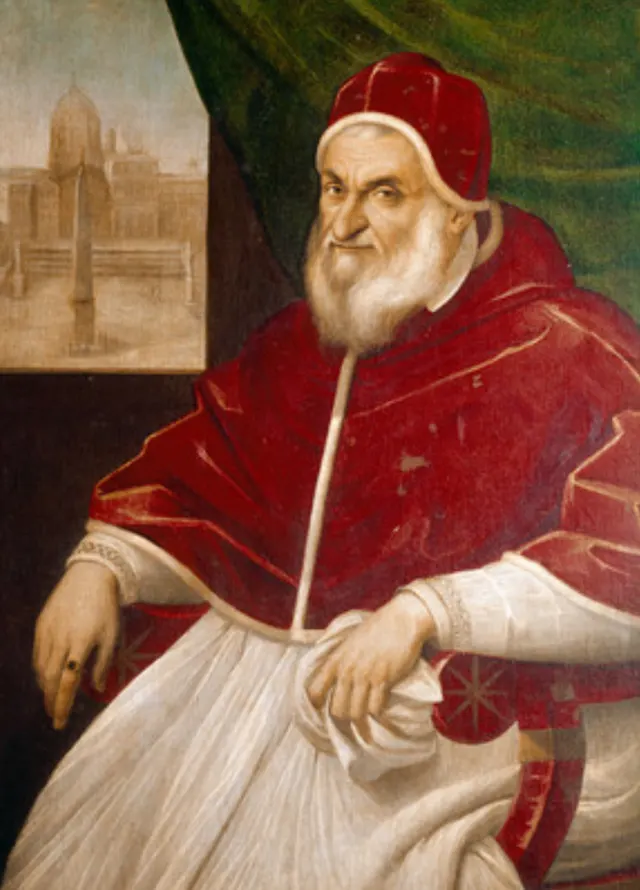
Pope Sixtus V
Image creditPietro Facchetti · Public domainResized and cropped for display.

Pope Sixtus V

Pope from 1585 to 1590 who reorganised the papal administration and rebuilt much of Rome.

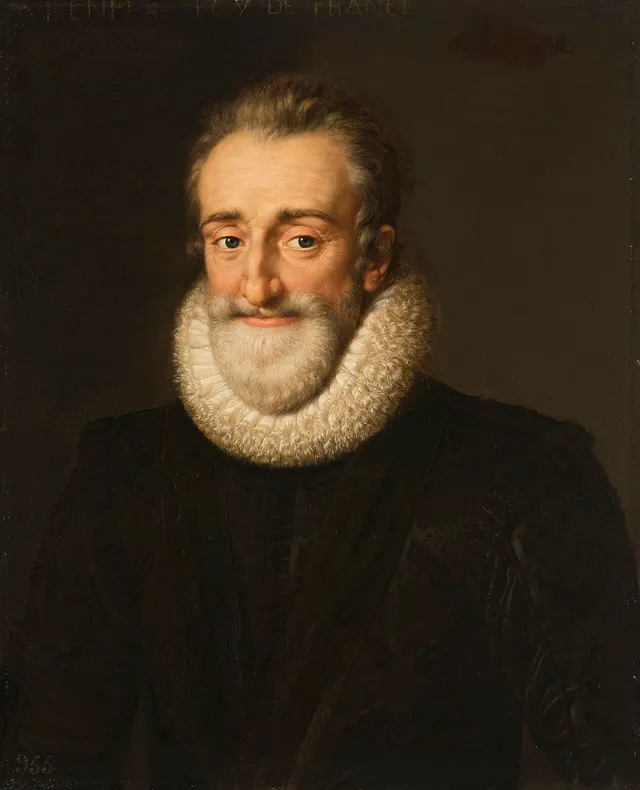
Henry IV of France
Image creditFrans Pourbus the Younger · Public domainResized and cropped for display.

Henry IV of France

First Bourbon king of France, who ended the wars of religion and issued the Edict of Nantes.

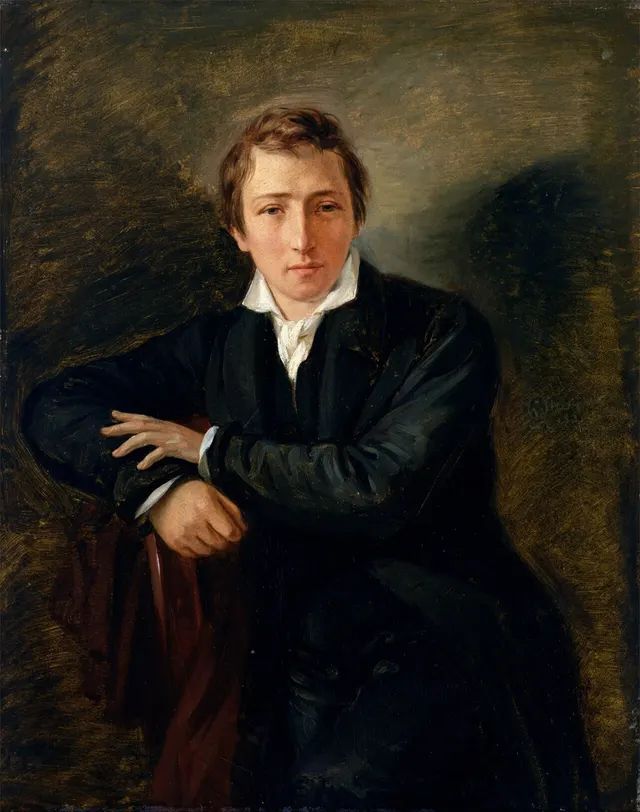
Heinrich Heine
Image creditMoritz Daniel Oppenheim · Public domainResized and cropped for display.

Heinrich Heine

German poet and critic whose lyrics were set to music by Schubert and Schumann, and burned by the Nazis a century later.

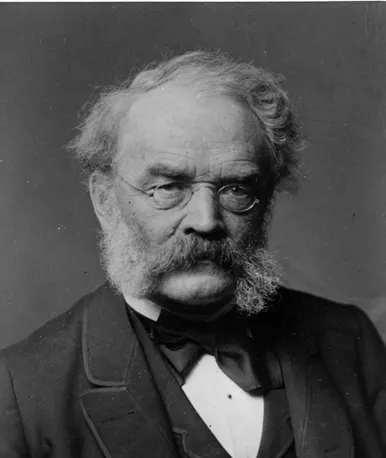
Werner von Siemens
Image creditPhotograph · Public domainResized and cropped for display.

Werner von Siemens

German engineer and industrialist, a pioneer of the electrical industry and founder of the firm that bears his name.

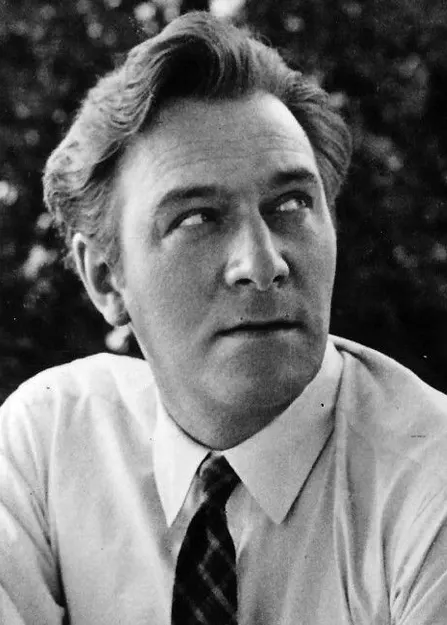
Christopher Plummer
Image credit20th Century Fox · Public domainResized and cropped for display.

Christopher Plummer

Canadian actor of stage and screen, and the oldest person to win an acting Oscar.

Steve Buscemi
Image creditPhilipRomanoPhoto · CC BY-SA 4.0Resized and cropped for display.

Steve Buscemi

American actor and director, and a New York firefighter before and briefly after his acting career began.

Taylor Swift
Image creditiHeartRadioCA · CC BY 3.0Resized and cropped for display.

Taylor Swift

American singer-songwriter, and the first artist to re-record her own back catalogue to regain control of it.

♫
MUSIC • FILM • BOOKS • CULTURE

Culture Stories

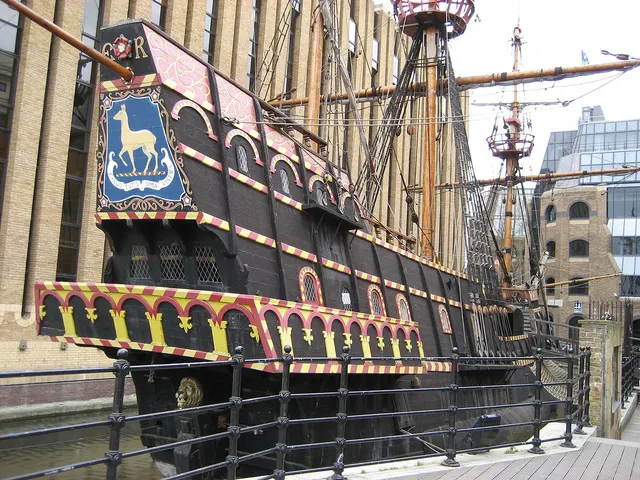
A full-size replica of the Golden Hind, the ship Drake sailed as the Pelican.
Image creditJose L. Marin · CC BY 2.5Resized and cropped for display.

Drake sails from Plymouth

Francis Drake left Plymouth on 13 December 1577 with five ships — the Pelican, Elizabeth, Marigold, Swan and Christopher — and 164 men. The stated purpose was trade; the real one was raiding Spanish shipping and ports in the Pacific, with the quiet backing of Elizabeth I.

Two of the smaller ships were broken up off South America, the Marigold was lost in a storm and the Elizabeth turned for home. Drake renamed the Pelican the Golden Hind in mid-voyage, after the crest of his patron Christopher Hatton, and brought her back to Plymouth in September 1580 — the second circumnavigation of the world, and the first whose commander survived it.

Read the full storyHistory & Timeline →Source: Royal Museums Greenwich: what did Sir Francis Drake discover? ↗
✦
LIVES REMEMBERED

Remembered Today

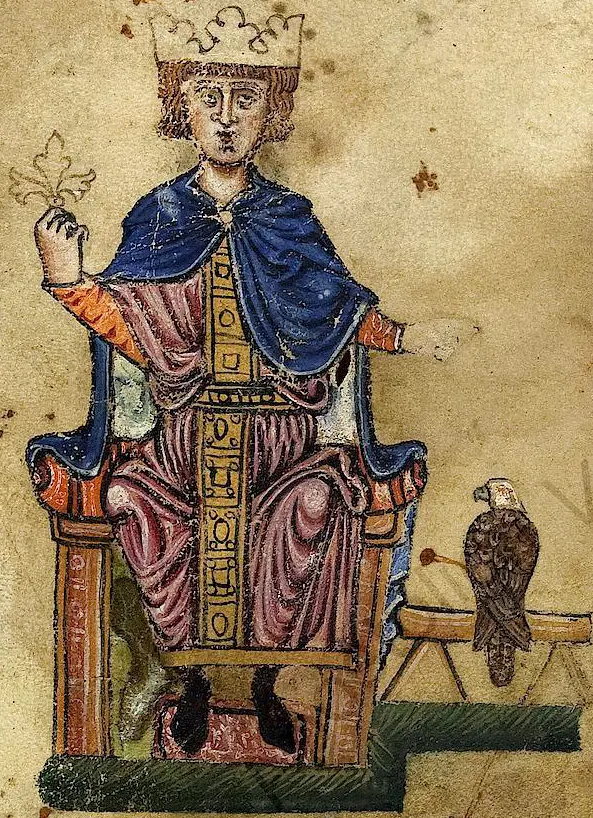
Frederick II, Holy Roman Emperor
Image creditUnknown authorUnknown author · Public domainResized and cropped for display.

Frederick II, Holy Roman Emperor

Emperor and king of Sicily, a patron of science and poetry whose long quarrel with the papacy defined his reign.

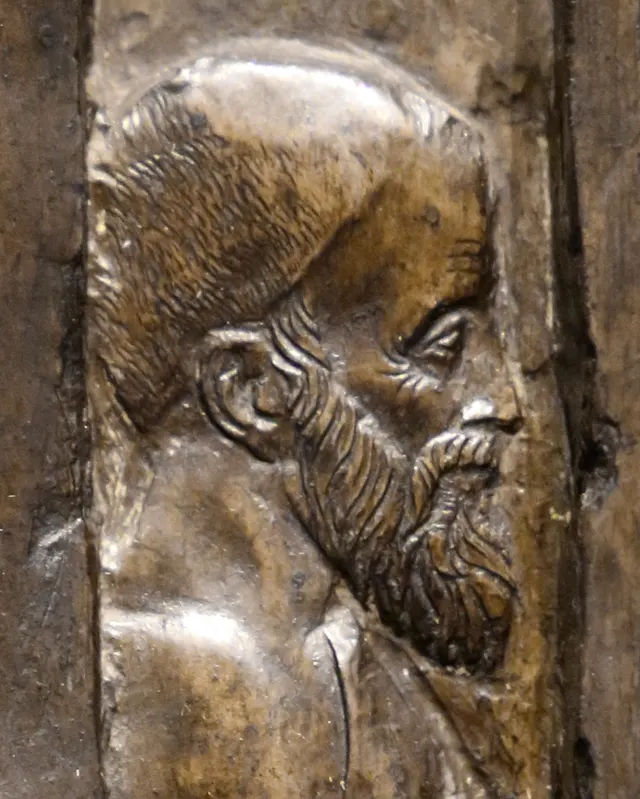
Donatello
Image creditFrancesco Bini · CC BY-SA 4.0Resized and cropped for display.

Donatello

Florentine sculptor of the early Renaissance, whose bronze David was the first free-standing nude cast since antiquity.

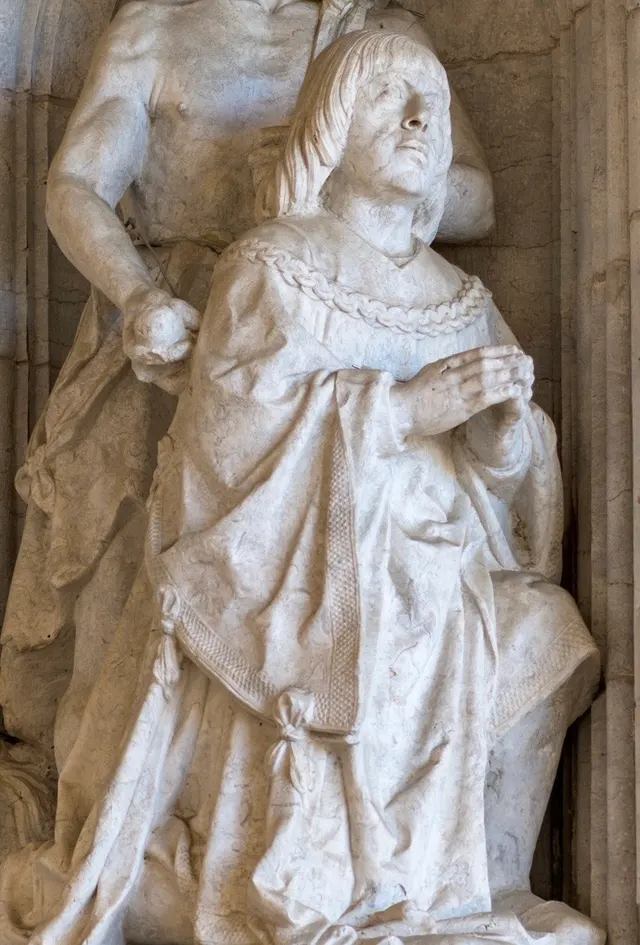
Manuel I of Portugal
Image creditGilles Messian from Paris, France · CC BY 2.0Resized and cropped for display.

Manuel I of Portugal

King of Portugal who sent out Vasco da Gama and Cabral, and who expelled Portugal’s Jews in 1496.

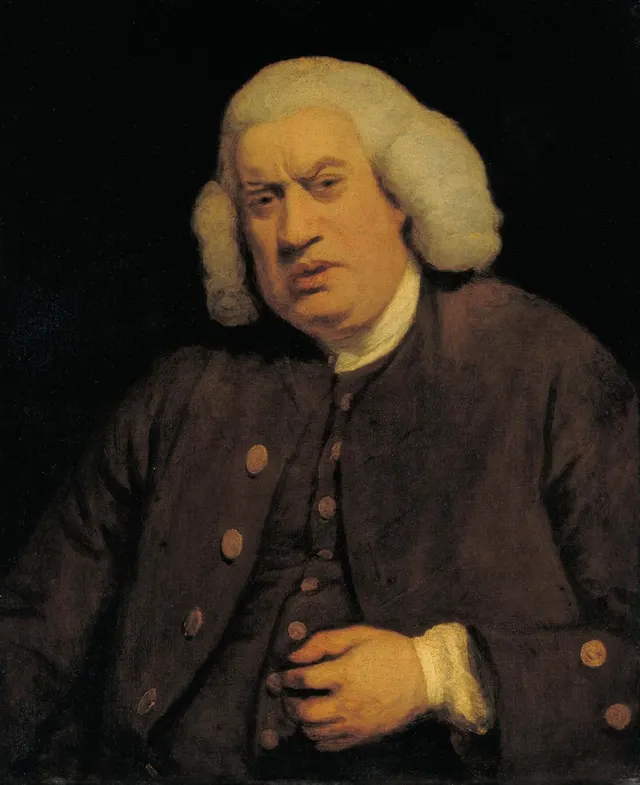
Samuel Johnson
Image creditJoshua Reynolds · Public domainResized and cropped for display.

Samuel Johnson

English writer and lexicographer whose Dictionary of the English Language took nine years.

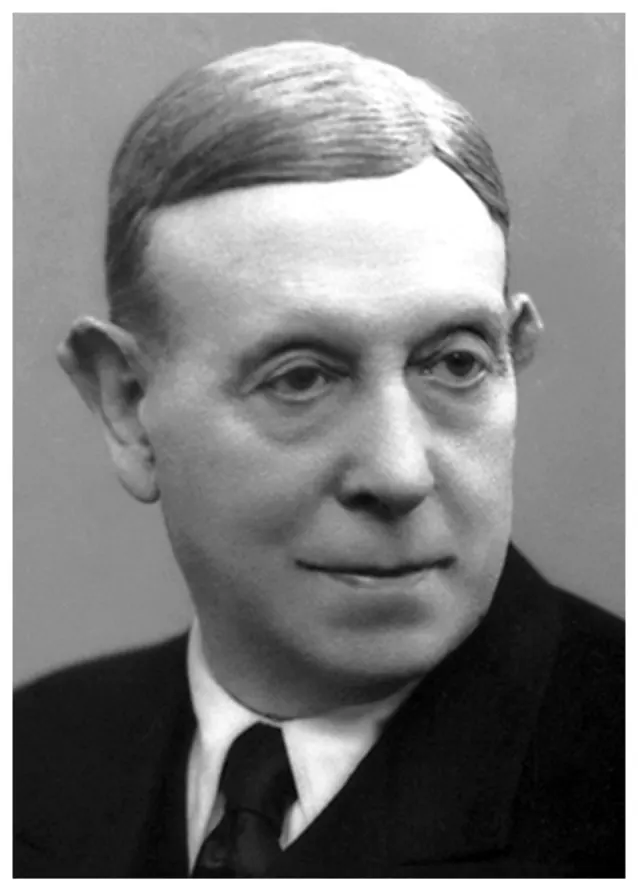
António Egas Moniz
Image creditUnknown authorUnknown author · Public domainResized and cropped for display.

António Egas Moniz

Portuguese neurologist who developed cerebral angiography, and won a Nobel Prize for the lobotomy — an award still argued over.

☉
AROUND THE WORLD

Observances & Anniversaries

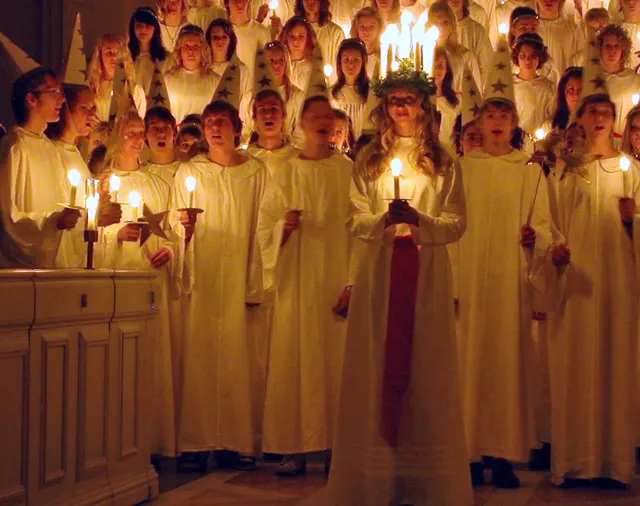
A Saint Lucy procession, with candles and white robes.
Image creditClaudia Gründer · CC BY-SA 3.0Resized and cropped for display.

Saint Lucy’s Day

13 December is the feast of Saint Lucy of Syracuse, a Sicilian martyr of the early fourth century whose name means light. In Sweden, Norway, Denmark and Finland the morning is marked with processions led by a girl in a white robe wearing a crown of candles, singing as she brings saffron buns and coffee. Under the old Julian calendar the day fell near the winter solstice, which is why it became a festival of light in the darkest part of the northern year.

Source: Encyclopaedia Britannica: St. Lucy ↗
HISTORY & TIMELINE

Finished the highlights?

Follow 13 December chronologically, from the Middle Ages to the modern day, with 10 verified events and the sources behind them.

This day through time →