Explore 10 December

Explore 10 December: the United Nations proclaims the Universal Declaration of Human Rights, Nelson Mandela signs South Africa’s constitution at Sharpeville, Zanzibar and Argentina begin again, and the first Nobel Prizes are handed out. Meet Ada Lovelace and Emily Dickinson, both born on this date.

This day through time →13 verified events across 3 eras

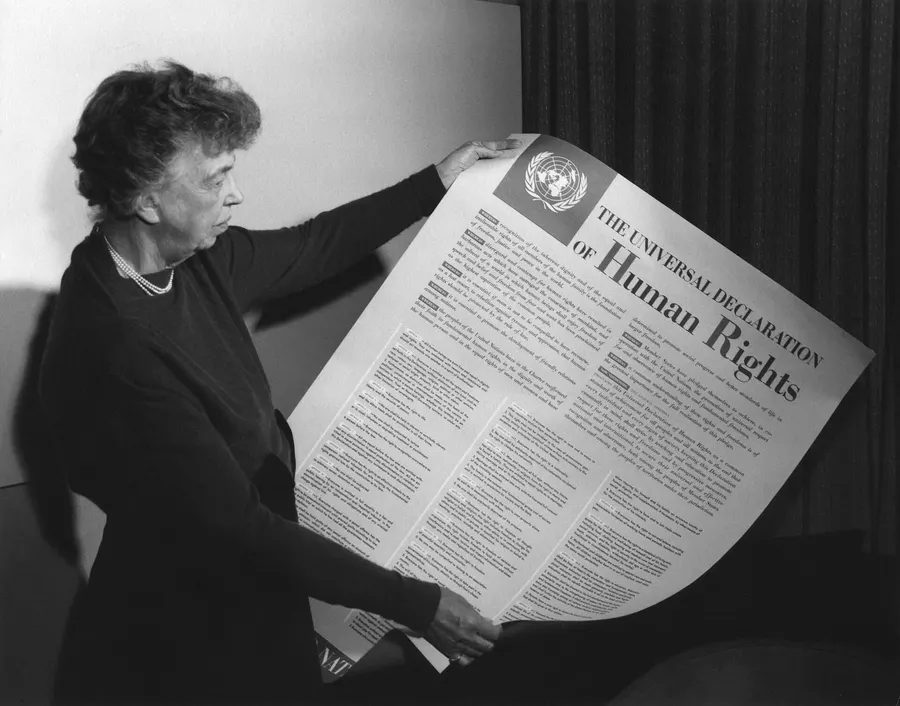
Eleanor Roosevelt holding a printed copy of the Universal Declaration of Human Rights.
Image creditFDR Presidential Library & Museum · CC BY 2.0Resized and cropped for display.

The Universal Declaration of Human Rights is proclaimed

On 10 December 1948, in the grande salle of the Palais de Chaillot in Paris, the United Nations General Assembly adopted the Universal Declaration of Human Rights as resolution 217 A (III). Forty-eight states voted in favour, none against, and eight abstained.

The drafting committee had been chaired by Eleanor Roosevelt, working with the Lebanese philosopher Charles Malik, the Chinese diplomat P. C. Chang and the French jurist René Cassin among others. The declaration is not a treaty and binds nobody by itself, but its thirty articles have been written into constitutions and treaties ever since, and it has been translated into more languages than any other document.

Read the full storyHistory & Timeline →Source: United Nations: Universal Declaration of Human Rights ↗
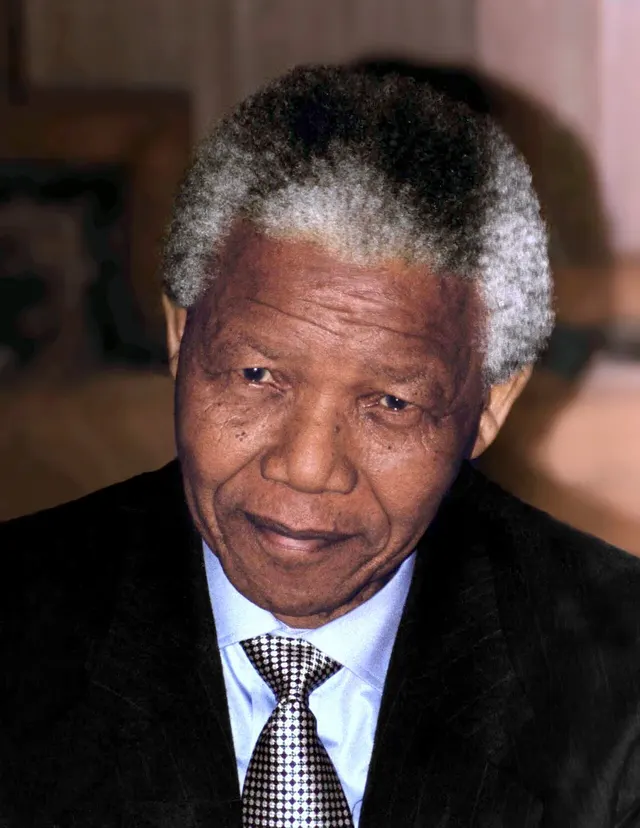
Nelson Mandela, who signed the constitution into law.
Image creditKingkongphoto & www.celebrity-photos.com from Laurel · CC BY-SA 2.0Resized and cropped for display.

Mandela signs South Africa’s constitution at Sharpeville

President Nelson Mandela signed the new Constitution of the Republic of South Africa into law on 10 December 1996. He did it at Sharpeville, in the Vaal Triangle, where police had shot dead demonstrators protesting against the pass laws on 21 March 1960 — a deliberate choice of place, and a deliberate choice of day, Human Rights Day.

The constitution had been written by an elected Constitutional Assembly and certified by the Constitutional Court. It came into force on 4 February 1997, replacing the interim constitution of 1993, and its Bill of Rights is among the most far-reaching in the world.

Read the full storyHistory & Timeline →Source: South African Department of Justice and Constitutional Development: 25th anniversary of the Constitution ↗
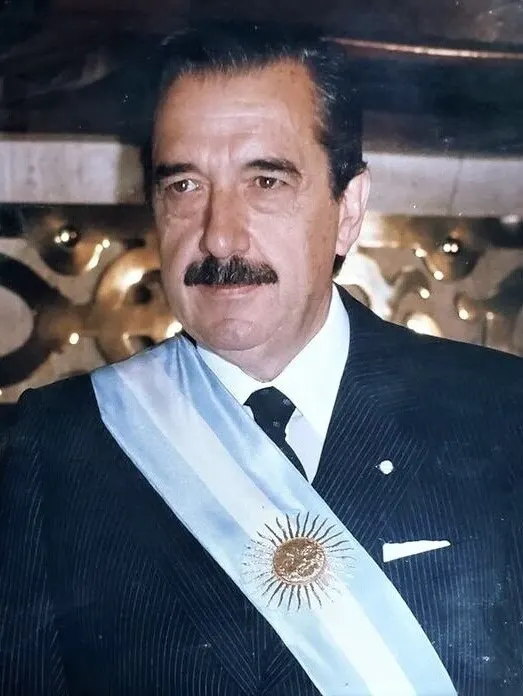
Raúl Alfonsín, president of Argentina from 1983 to 1989.
Image creditPresidencia de la Nación Argentina · CC BY 2.5 arResized and cropped for display.

Democracy returns to Argentina

Raúl Alfonsín was sworn in as president of Argentina on 10 December 1983, ending more than seven years of military rule. He had won the election of 30 October, the first free presidential vote since 1973.

Within days he had set up the national commission on the disappearance of persons and ordered the prosecution of the ruling juntas; hundreds of officers were eventually tried. Argentina has held uninterrupted elections since, and in 2007 Congress made 10 December the Day of the Restoration of Democracy.

Read the full storyHistory & Timeline →Source: Encyclopaedia Britannica: Raúl Alfonsín ↗
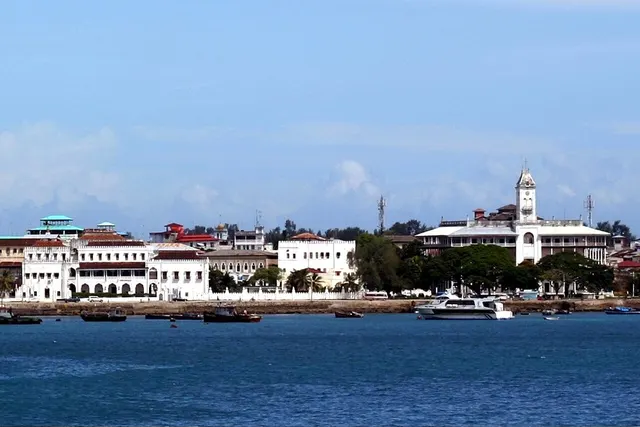
Stone Town, the old quarter of Zanzibar City, seen from the water.
Image creditNo machine-readable author provided. Mbz1 assumed (based on copyright claims). · CC BY-SA 3.0Resized and cropped for display.

Zanzibar becomes independent

Zanzibar became independent of Britain on 10 December 1963, a day after neighbouring Tanganyika marked its second anniversary. It left as a constitutional monarchy within the Commonwealth, under Sultan Sayyid Jamshid bin Abdullah, who had succeeded his father only five months earlier.

The arrangement lasted a month. In January 1964 a revolution overthrew the government, the sultan was deposed and a republic proclaimed under Abeid Amani Karume. In April that year Zanzibar joined Tanganyika; by October the union had been renamed Tanzania.

Read the full storyHistory & Timeline →Source: Encyclopaedia Britannica: Sultanate of Zanzibar ↗
Martin Luther, painted by Lucas Cranach the Elder.
Image creditLucas Cranach the Elder · Public domainResized and cropped for display.

Luther burns the papal bull

Pope Leo X had issued the bull Exsurge Domine on 15 June 1520, condemning forty-one propositions drawn from Martin Luther’s writings and giving him sixty days to recant. On 10 December 1520 Luther cancelled his lectures, walked out to a bonfire lit by students outside Wittenberg’s Elster Gate and threw his copy of the bull into it, together with volumes of canon law.

It was a point of no return. Leo excommunicated him on 3 January 1521 with the bull Decet Romanum Pontificem, and in April Luther refused to recant before the emperor at the Diet of Worms.

Read the full storyHistory & Timeline →Source: Encyclopaedia Britannica: Exsurge Domine ↗
♙
PEOPLE

Born Today

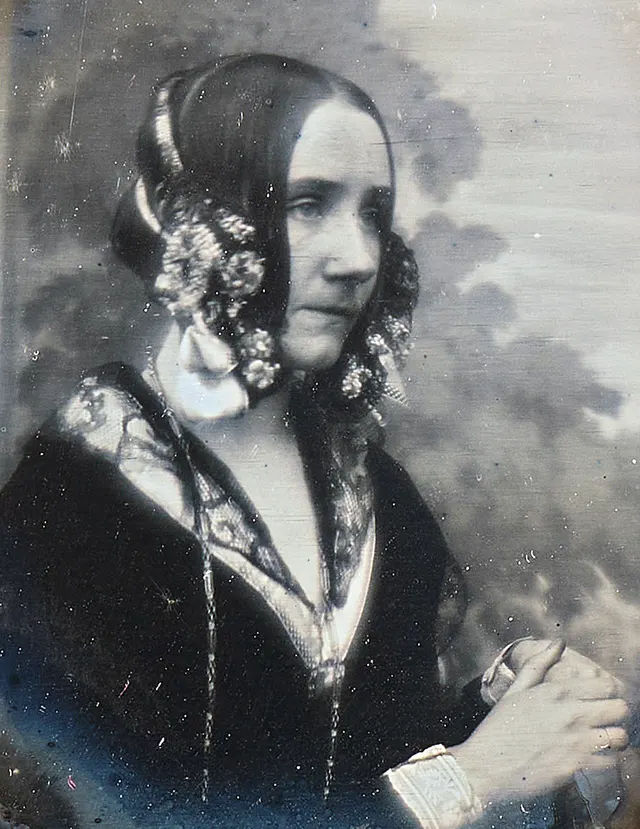
Ada Lovelace
Image creditAntoine Claudet · Public domainResized and cropped for display.

Ada Lovelace

English mathematician whose notes on Babbage’s Analytical Engine described how a machine might be programmed.

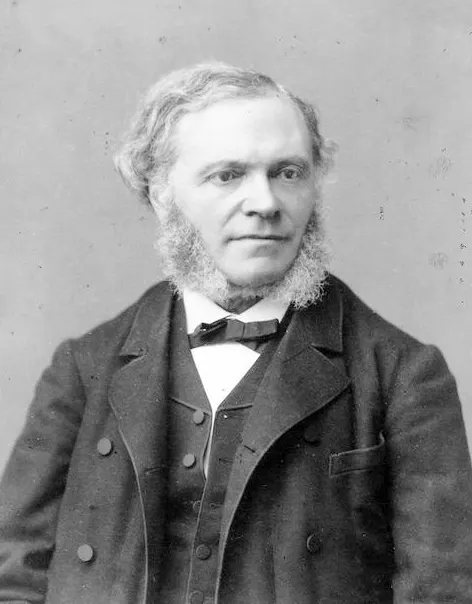
César Franck
Image creditPierre Petit · Public domainResized and cropped for display.

César Franck

Belgian-French composer and organist, remembered for his Symphony in D minor and his chamber music.

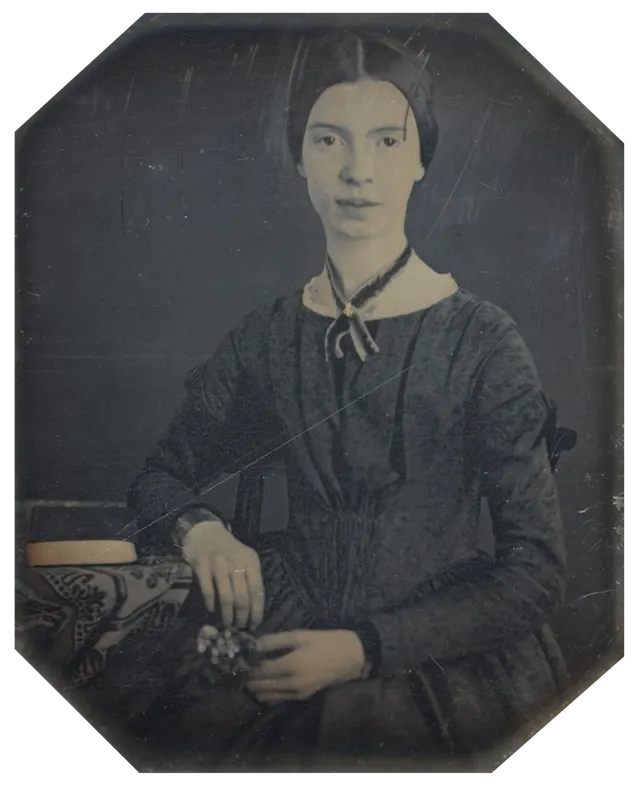
Emily Dickinson
Image creditUnknown authorUnknown author · Public domainResized and cropped for display.

Emily Dickinson

American poet who published almost nothing in her lifetime and left nearly 1,800 poems behind her.

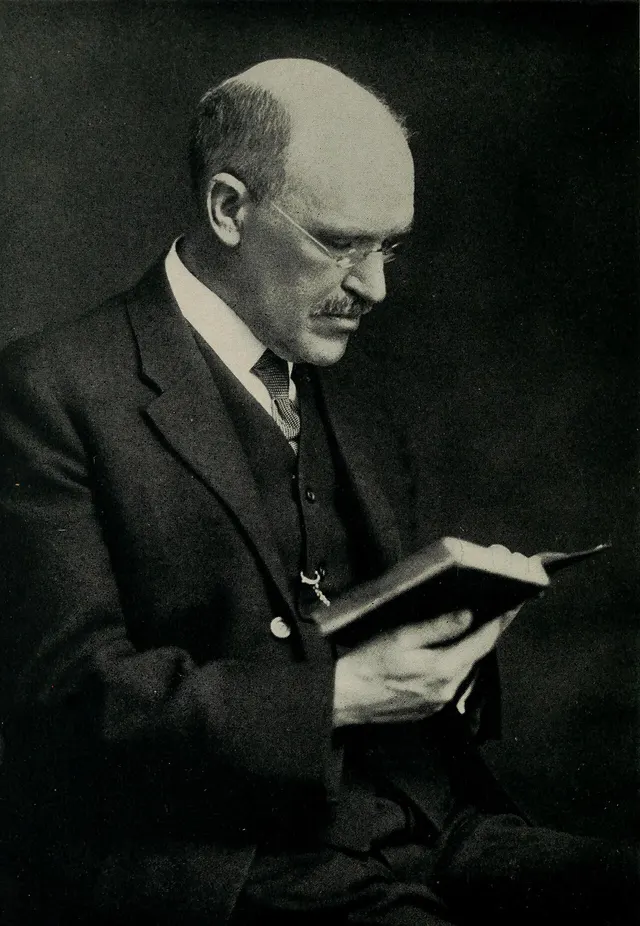
Melvil Dewey
Image creditPach Brothers · Public domainResized and cropped for display.

Melvil Dewey

American librarian who devised the decimal classification still used to shelve books around the world.

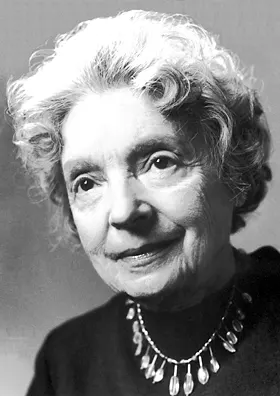
Nelly Sachs
Image creditNobel Foundation · Public domainResized and cropped for display.

Nelly Sachs

German-Jewish poet who escaped to Sweden in 1940 and shared the 1966 Nobel Prize in Literature.

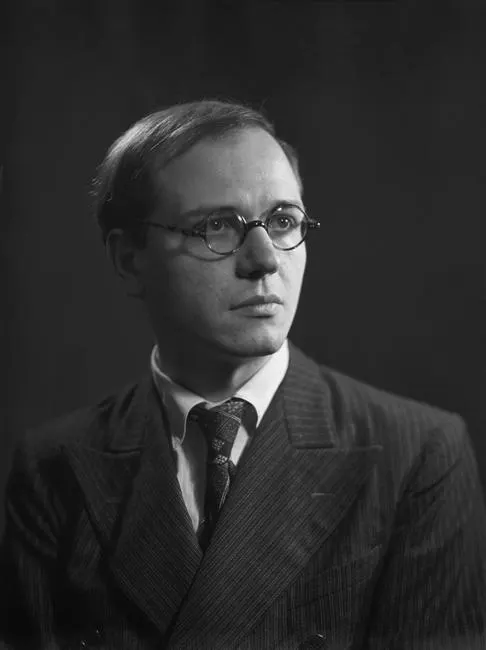
Olivier Messiaen
Image creditStudio Harcourt · Public domainResized and cropped for display.

Olivier Messiaen

French composer and organist who built birdsong and Catholic mysticism into his music.

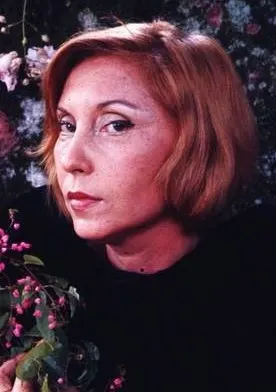
Clarice Lispector
Image creditBisilliat, Maureen · CC BY-SA 4.0Resized and cropped for display.

Clarice Lispector

Ukrainian-born Brazilian novelist whose inward, unsettling fiction reshaped Brazilian literature.

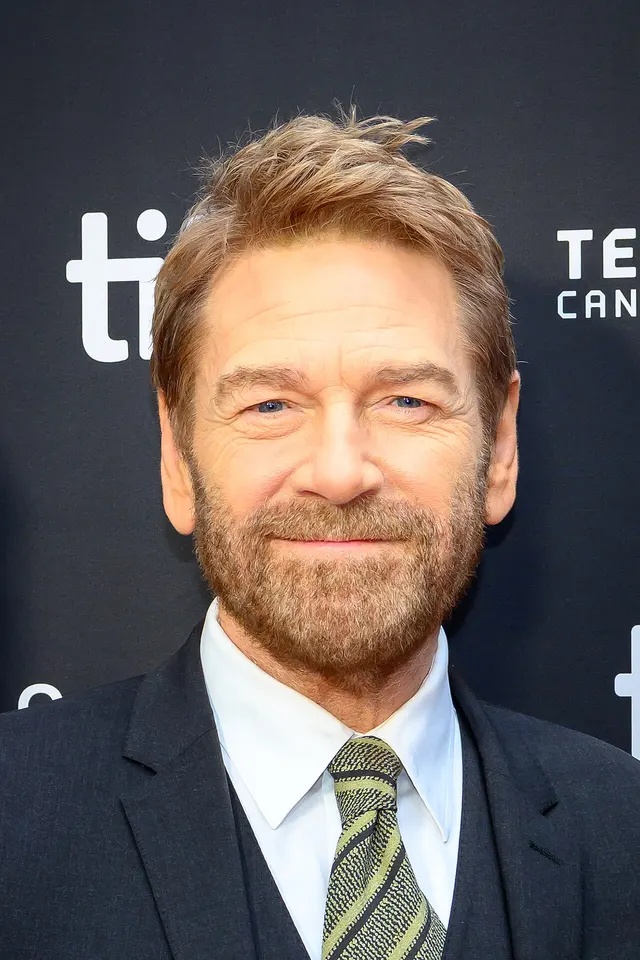
Kenneth Branagh
Image creditK6ka · CC BY-SA 4.0Resized and cropped for display.

Kenneth Branagh

Northern Irish actor and director known for his films of Shakespeare and for Belfast.

◉
IDEAS THAT CHANGED THINGS

Firsts, Science & Discoveries

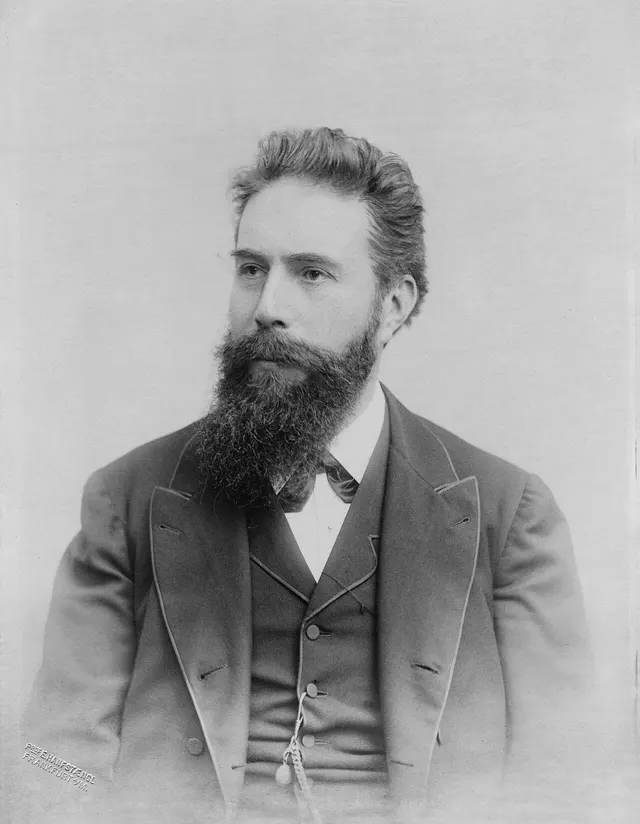
Wilhelm Conrad Röntgen, the first winner of the Nobel Prize in Physics.
Image creditErwin Hanfstaengl · Public domainResized and cropped for display.

Röntgen collects the first Nobel Prize in Physics

The first Nobel Prize in Physics was presented on 10 December 1901 to Wilhelm Conrad Röntgen, professor at Munich, for the rays he had discovered six years earlier and called X-rays because he did not know what they were.

Röntgen had noticed in November 1895 that a screen coated in barium platinocyanide glowed when a shielded discharge tube was running nearby, and within weeks he had photographed the bones of his wife’s hand. He took out no patent, holding that the discovery belonged to everyone; hospitals were using X-rays within a year.

Read the full storyHistory & Timeline →Source: The Nobel Prize: award ceremony speech, Physics 1901 ↗
♫
MUSIC • FILM • BOOKS • CULTURE

Culture Stories

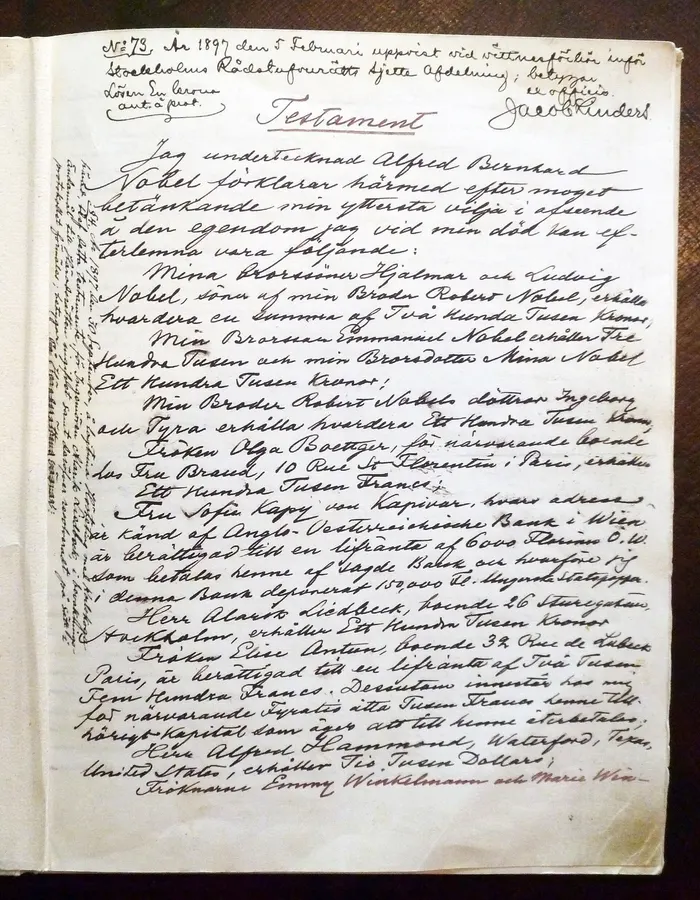
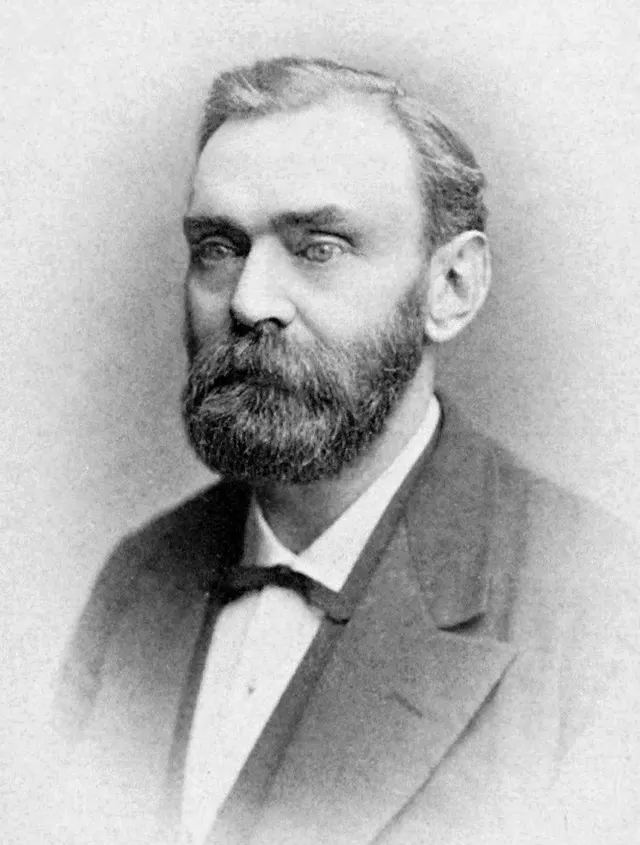
Alfred Nobel's will of 27 November 1895, which created the prizes.
Alfred Nobel’s will of 27 November 1895, which created the prizes.
Image creditWaage · CC BY-SA 3.0Resized and cropped for display.

The first Nobel Prizes are presented

The first Nobel Prizes were handed out on 10 December 1901, five years to the day after Alfred Nobel died at San Remo. Four were presented at the Old Royal Academy of Music in Stockholm — physics, chemistry, medicine and literature — and the Peace Prize in Christiania, as Oslo was then called.

Nobel had signed the will that created them in Paris on 27 November 1895, leaving the bulk of a fortune built on dynamite to reward those who had conferred the greatest benefit on humankind. His relatives contested it, and it took the executors four years to settle the matter.

Read the full storyHistory & Timeline →Source: The Nobel Prize: from the first Nobel Prize award ceremony, 10 December 1901 ↗
✦
LIVES REMEMBERED

Remembered Today

Leopold I of Belgium
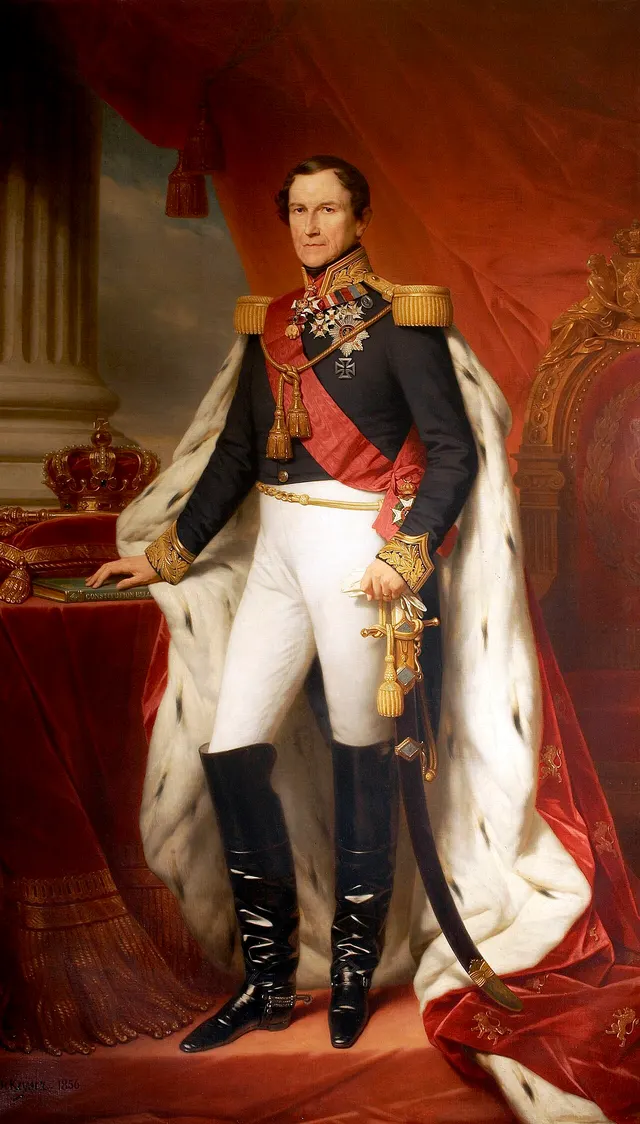
Image creditNicaise de Keyser · Public domainResized and cropped for display.

Leopold I of Belgium

German prince who became the first King of the Belgians in 1831 and reigned for thirty-four years.

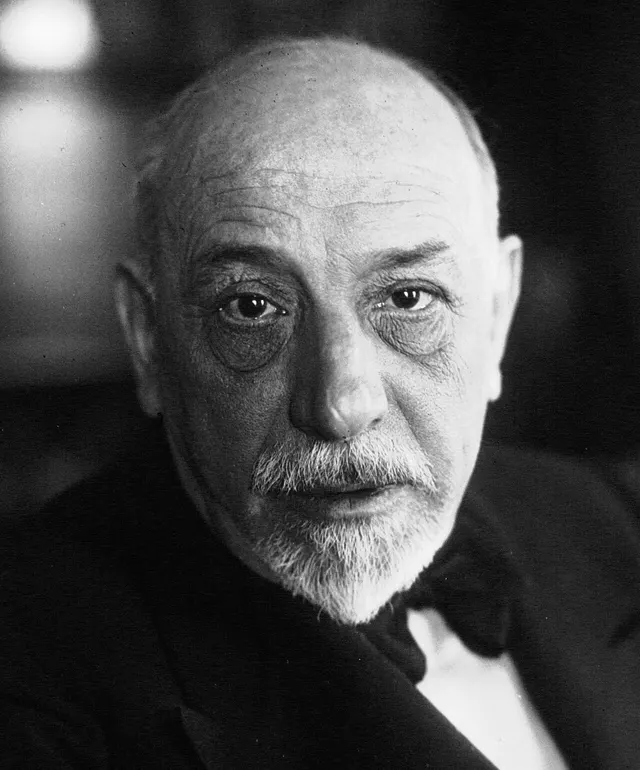
Luigi Pirandello
Image creditAgence de presse Meurisse · Public domainResized and cropped for display.

Luigi Pirandello

Italian dramatist and novelist, author of Six Characters in Search of an Author and Nobel laureate in 1934.

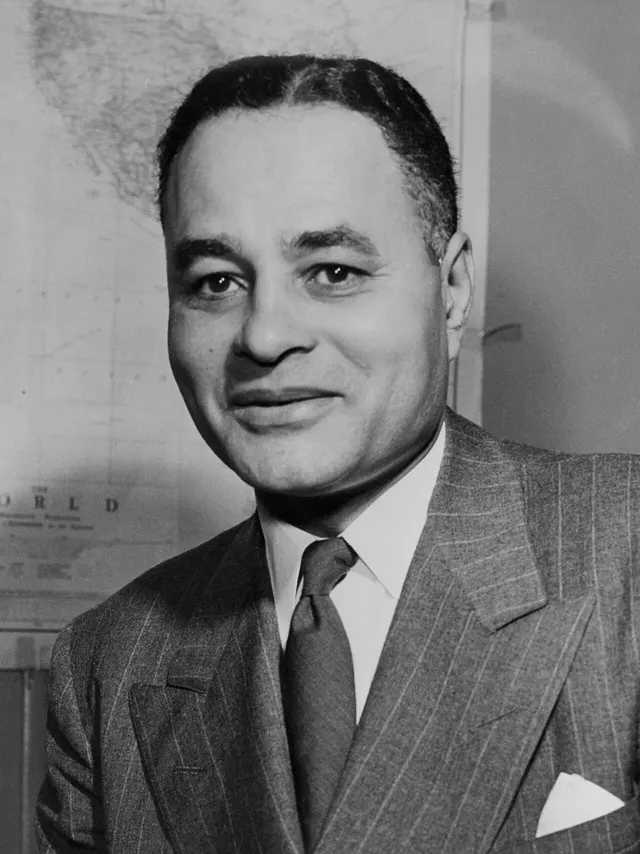
Ralph Bunche
Image creditBettmann Archive · Public domainResized and cropped for display.

Ralph Bunche

American diplomat who mediated the 1949 Arab-Israeli armistices and was the first Black Nobel Peace laureate.

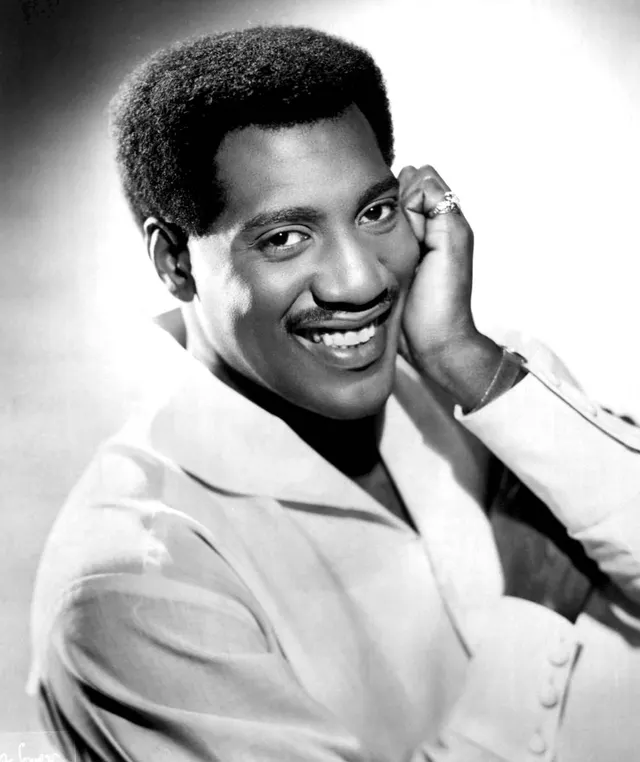
Otis Redding
Image creditStax Records · Public domainResized and cropped for display.

Otis Redding

American soul singer, killed in a plane crash at twenty-six weeks after recording Dock of the Bay.

☉
AROUND THE WORLD

Observances & Anniversaries

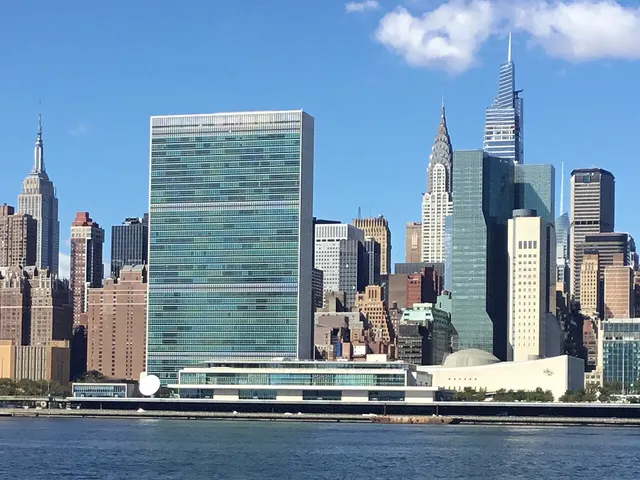
United Nations headquarters in New York.
Image creditKidfly182 · CC BY-SA 4.0Resized and cropped for display.

Human Rights Day

Human Rights Day marks the adoption of the Universal Declaration of Human Rights in 1948. The observance itself dates from 1950, when the General Assembly passed resolution 423 (V) inviting states and organisations to keep 10 December each year. It is the day the Nobel Peace Prize is presented in Oslo, and the day South Africa chose in 1996 to sign its constitution.

Source: United Nations: Human Rights Day ↗
HISTORY & TIMELINE

Finished the highlights?

Follow 10 December chronologically, from the Middle Ages to the modern day, with 13 verified events and the sources behind them.

This day through time →