Explore 7 December

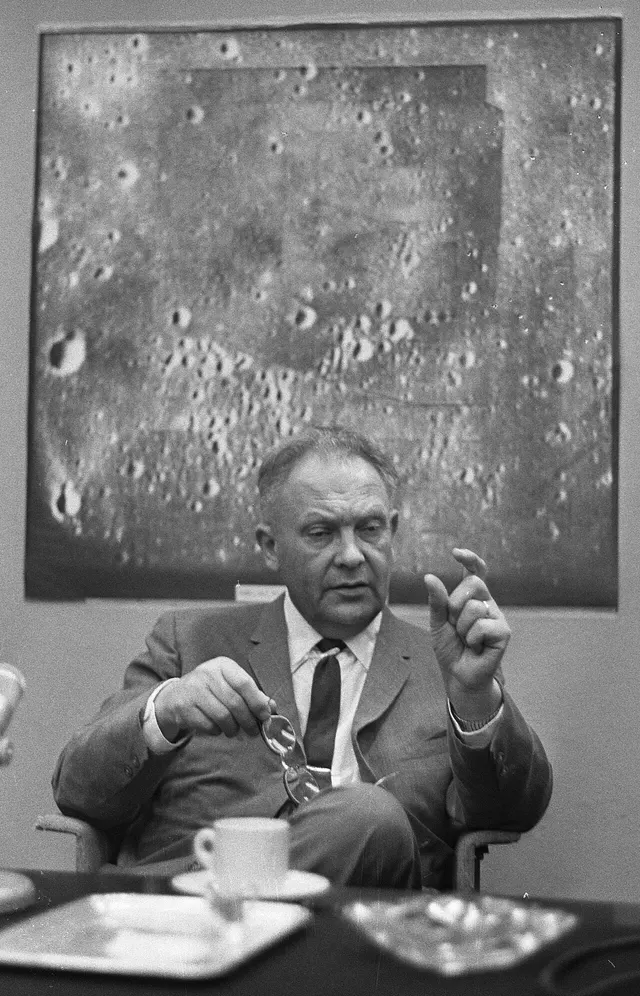
Explore 7 December: Japan attacks Pearl Harbor, Willy Brandt kneels in Warsaw, Rome and Constantinople lift their thousand-year-old excommunications and Apollo 17 sets off on the last crewed journey to the Moon. Meet Gian Lorenzo Bernini, Willa Cather and Noam Chomsky, born on this date.

This day through time →8 verified events across 3 eras

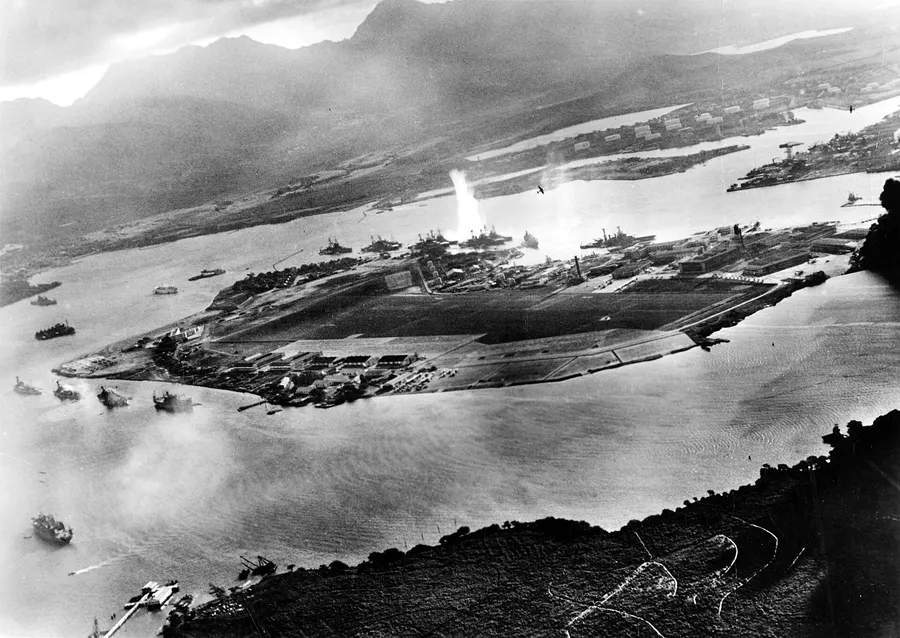
Ships moored around Ford Island, photographed from a Japanese plane shortly after the attack began.
Image creditImperial Japanese Navy · Public domainResized and cropped for display.

Japan attacks Pearl Harbor

Early on Sunday 7 December 1941 aircraft from six Japanese carriers struck the US Pacific Fleet at Pearl Harbor on the island of Oahu, Hawaii, without a declaration of war. In under two hours they sank or damaged eight battleships and destroyed or damaged 188 aircraft.

The attack killed 2,404 Americans, 68 of them civilians; 1,177 died on the battleship USS Arizona alone. Japan lost fewer than 100 men. The next day the United States declared war on Japan, and within days it was fighting Germany and Italy too.

Read the full storyHistory & Timeline →Source: Naval History and Heritage Command: Pearl Harbor attack ↗
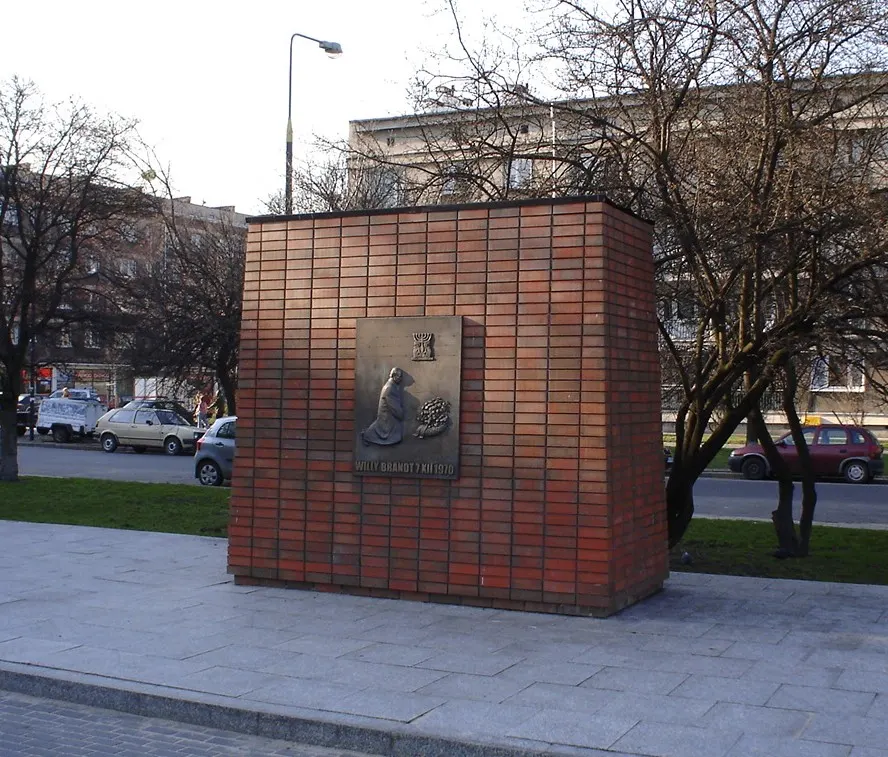
The monument on Willy Brandt Square in Warsaw, which recalls his gesture of 1970.
Image creditRobert Wielgórski a.k.a. Barry Kent · CC BY 2.5Resized and cropped for display.

Willy Brandt kneels in Warsaw

On 7 December 1970 the West German chancellor Willy Brandt, in Warsaw to sign a treaty with Poland, laid a wreath at the Monument to the Heroes of the Warsaw Ghetto. Then, unexpectedly, he dropped to his knees and stayed there in silence.

He later wrote that, faced with the abyss of history and the burden of the murdered millions, he did what people do when words fail them. The treaty signed that day accepted Poland’s western border on the Oder and Neisse rivers, and the image of the kneeling chancellor became a symbol of Germany facing up to its past.

Read the full storyHistory & Timeline →Source: POLIN Museum of the History of Polish Jews: Willy Brandt’s tribute at the Monument to the Warsaw Ghetto Heroes ↗
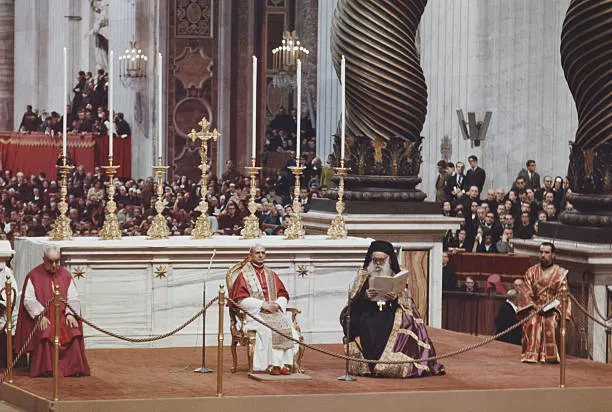
Patriarch Athenagoras I with Pope Paul VI at a service in St Peter's Basilica, Rome, in 1967.
Patriarch Athenagoras I with Pope Paul VI at a service in St Peter’s Basilica, Rome, in 1967.
Image creditUnknown photographer · Public domainResized and cropped for display.

Rome and Constantinople lift the excommunications of 1054

On 7 December 1965, the day before the Second Vatican Council closed, a joint declaration by Pope Paul VI and Ecumenical Patriarch Athenagoras I was read out at the same time in St Peter’s in Rome and at the patriarchal church in Istanbul.

In it they regretted the offensive words and acts of 1054, when legates of the pope and the patriarch of Constantinople had excommunicated each other, and removed those sentences ‘from the memory and from the midst of the Church’. The churches remain separate, but the declaration opened a new era of dialogue.

Read the full storyHistory & Timeline →Source: Holy See: Joint Catholic-Orthodox declaration of Pope Paul VI and Ecumenical Patriarch Athenagoras I, 7 December 1965 ↗
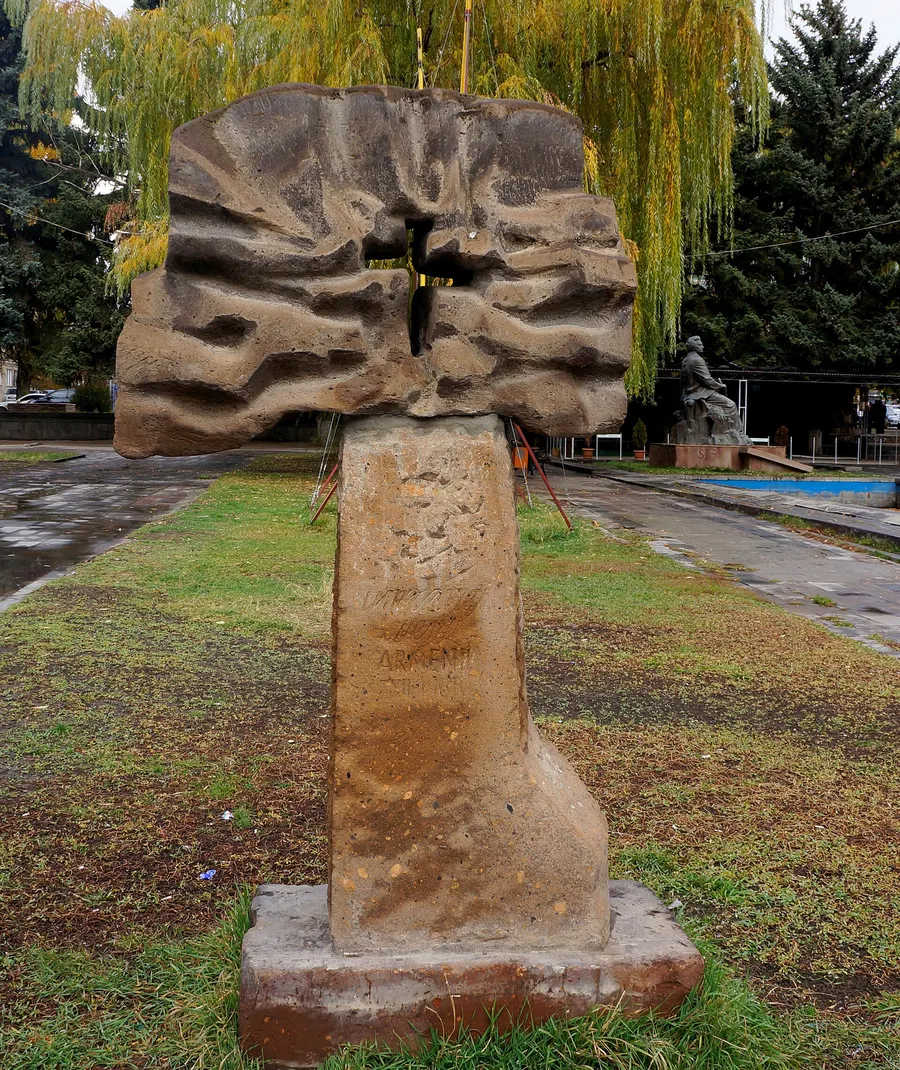
A memorial in Armenia to the victims of the 1988 earthquake, photographed in 2013.
Image creditArmenak Margarian · CC BY-SA 4.0Resized and cropped for display.

The Spitak earthquake

Just before noon on 7 December 1988 an earthquake of magnitude 6.8 struck northern Armenia, then a Soviet republic, devastating the towns of Spitak, Gyumri (then Leninakan) and Vanadzor. More than 25,000 people were killed, and many of the region’s concrete apartment blocks collapsed.

Mikhail Gorbachev cut short a visit to the United States, and for the first time the Soviet Union accepted large-scale help from abroad. Armenia remembers the victims every 7 December.

Read the full storyHistory & Timeline →Source: ReliefWeb (UN OCHA): Three decades since Spitak, disaster resilience remains a priority for Armenia ↗
♙
PEOPLE

Born Today

Gian Lorenzo Bernini
Image creditGian Lorenzo Bernini · Public domainResized and cropped for display.

Gian Lorenzo Bernini

Italian sculptor and architect, master of the Roman Baroque, who designed the colonnade of St Peter’s Square.

Theodor Schwann
Image creditRudolph Hoffmann · Public domainResized and cropped for display.

Theodor Schwann

German physiologist who helped establish that all animals are made of cells.

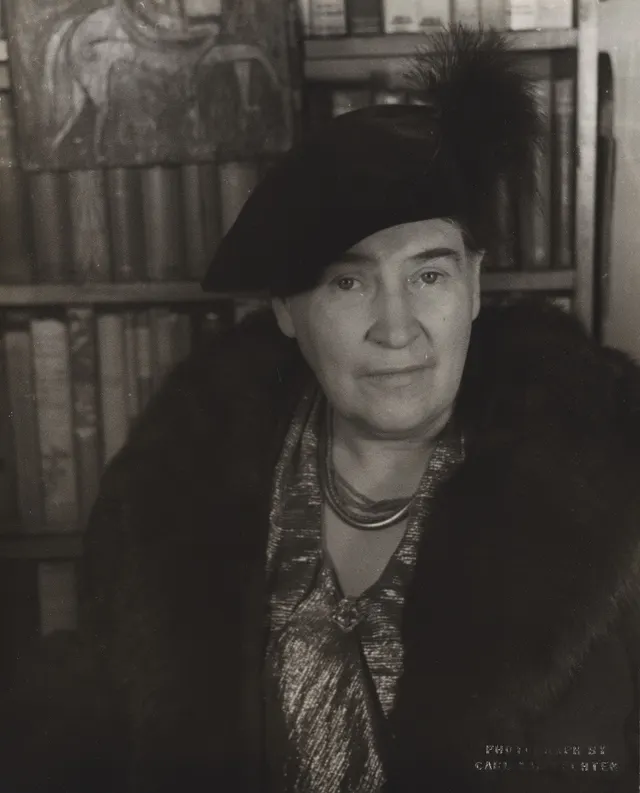
Willa Cather
Image creditCarl Van Vechten · Public domainResized and cropped for display.

Willa Cather

American novelist of the Great Plains, author of My Ántonia.

Yuzuru Hanyu
Image creditDavid W. Carmichael · CC BY-SA 3.0Resized and cropped for display.

Yuzuru Hanyu

Japanese figure skater, Olympic champion in 2014 and 2018.

◉
IDEAS THAT CHANGED THINGS

Firsts, Science & Discoveries

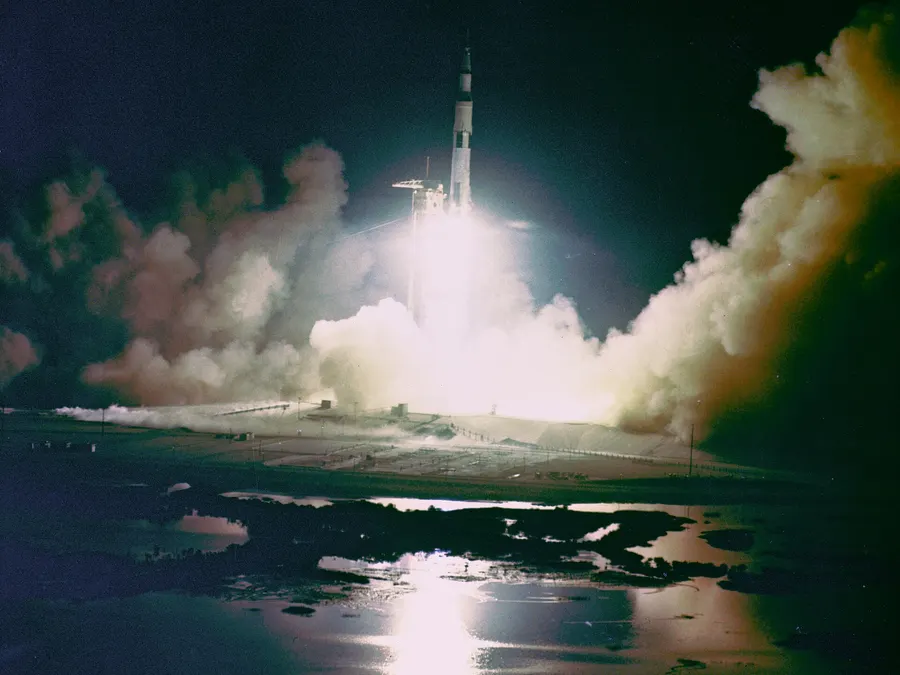
Apollo 17 lifts off from Kennedy Space Center at 12.33 am on 7 December 1972, the first night launch of a Saturn V.
Image creditNASA · Public domainResized and cropped for display.

Apollo 17, the last Moon landing mission, lifts off

At 12.33 am on 7 December 1972 a Saturn V rocket lit up the Florida night as Apollo 17 lifted off, the first Apollo mission launched in darkness. On board were Eugene Cernan, Ronald Evans and Harrison Schmitt, a geologist and the only scientist to walk on the Moon.

Cernan and Schmitt spent three days exploring the Taurus-Littrow valley. On the way out the crew took the ‘Blue Marble’ photograph of the whole Earth, one of the most reproduced pictures ever made. No one has been back to the Moon since.

Read the full storyHistory & Timeline →Source: NASA: Apollo 17 ↗
An artist's impression by Don Davis for NASA of the Galileo probe descending through Jupiter's atmosphere.
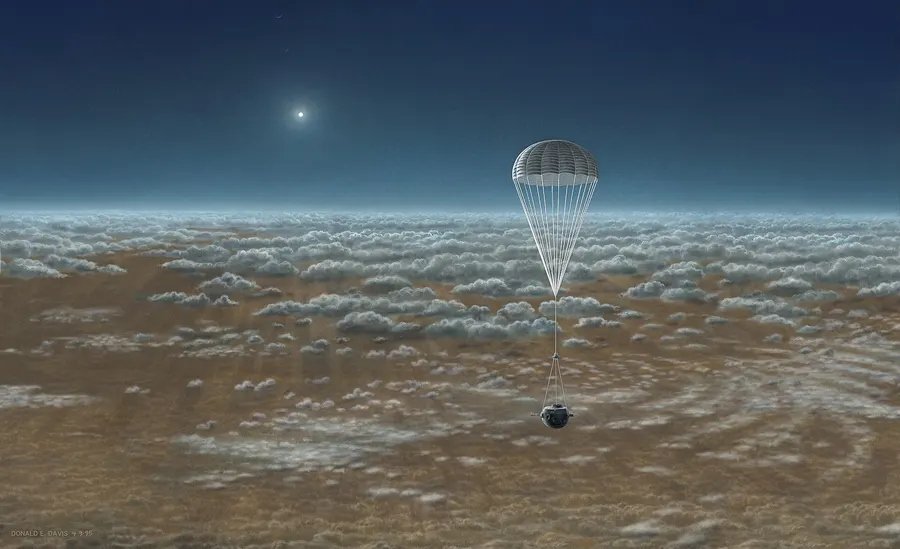
An artist’s impression by Don Davis for NASA of the Galileo probe descending through Jupiter’s atmosphere.
Image creditNASA/Don Davis · Public domainResized and cropped for display.

Galileo arrives at Jupiter

On 7 December 1995 NASA’s Galileo spacecraft reached Jupiter, six years after launch. Its small probe plunged into the planet’s atmosphere at about 170,000 km/h and sent back data for almost an hour before the heat and pressure overwhelmed it.

The same day the main spacecraft fired its engine and became the first ever to orbit Jupiter. Over eight years it studied the planet and its moons, finding strong evidence of a salty ocean beneath the ice of Europa.

Read the full storyHistory & Timeline →Source: NASA Science: Galileo ↗
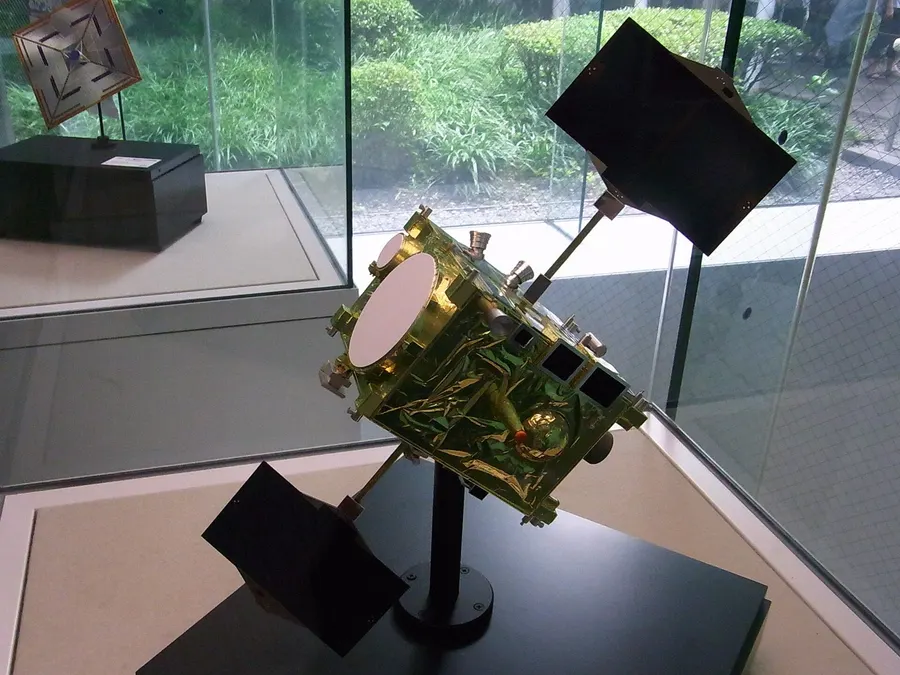
A model of the Venus orbiter Akatsuki, photographed in 2010.
Image credit江戸村のとくぞう · CC BY-SA 4.0Resized and cropped for display.

Japan’s Akatsuki reaches Venus at the second try

Japan’s Venus Climate Orbiter Akatsuki failed to enter orbit around Venus in December 2010, when its main engine broke down, and drifted around the Sun for five years. On 7 December 2015 JAXA fired its small attitude-control thrusters instead, and the craft slipped into orbit.

It became the first Japanese probe to orbit another planet, and went on to study the planet’s clouds and fierce winds.

Read the full storyHistory & Timeline →Source: JAXA: Venus Climate Orbiter Akatsuki inserted into Venus’ orbit ↗
✦
LIVES REMEMBERED

Remembered Today

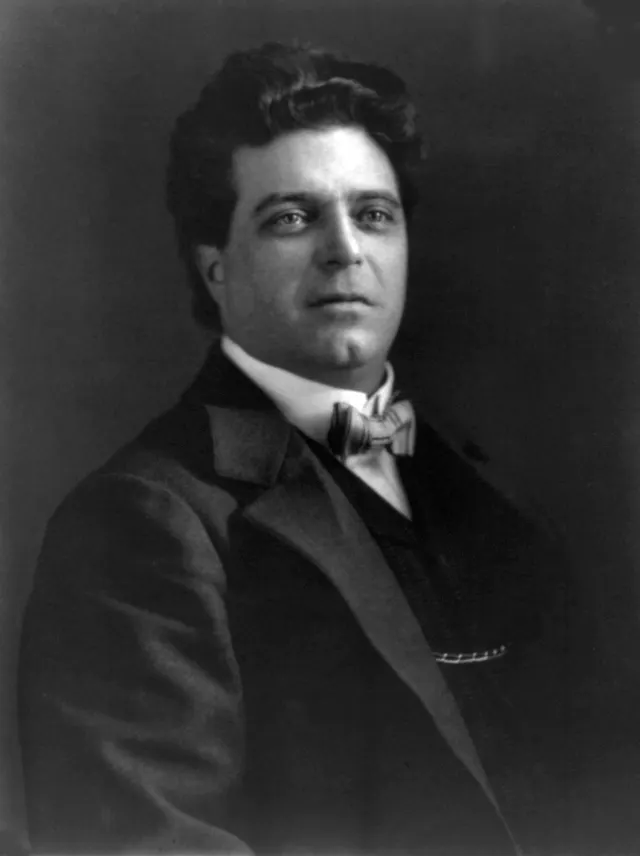
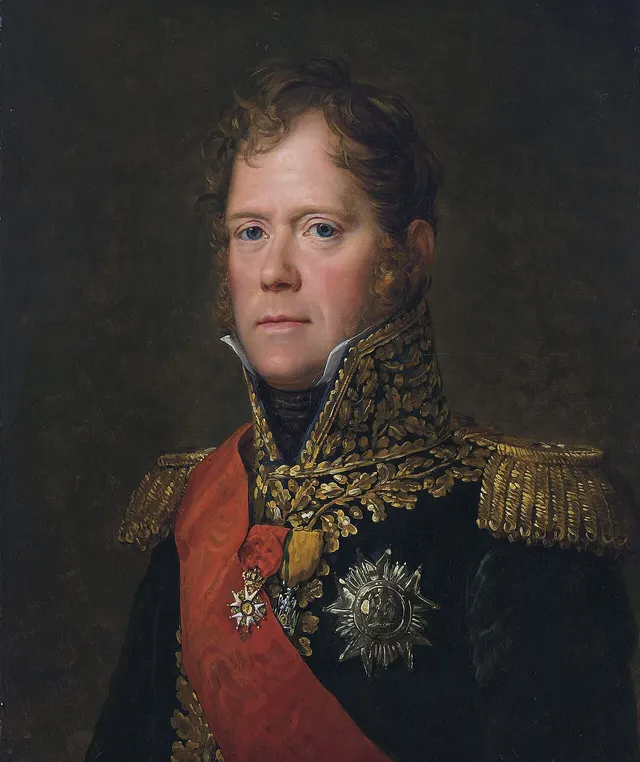
Michel Ney
Image creditFrançois Gérard · Public domainResized and cropped for display.

Michel Ney

Marshal of France, ‘the bravest of the brave’, executed after fighting for Napoleon at Waterloo.

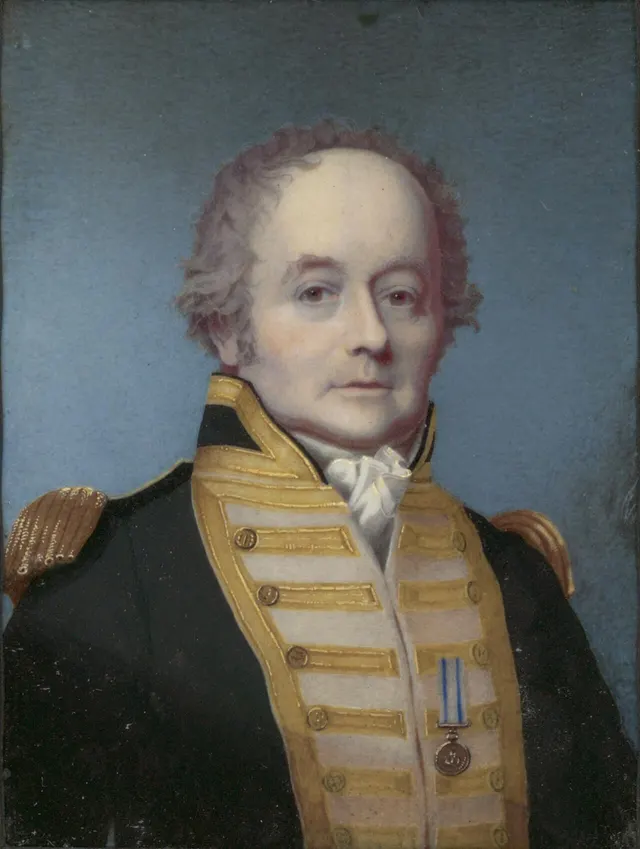
William Bligh
Image creditAlexander Huey · Public domainResized and cropped for display.

William Bligh

British naval officer, captain of the Bounty at the time of its famous mutiny.

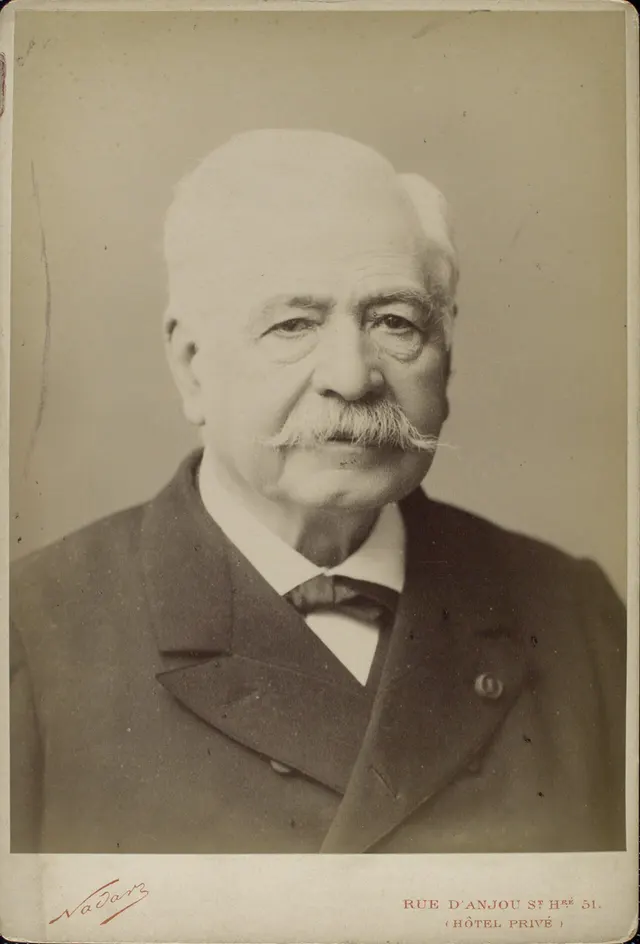
Ferdinand de Lesseps
Image creditNadar · Public domainResized and cropped for display.

Ferdinand de Lesseps

French diplomat who developed the Suez Canal.

Kirsten Flagstad
Image creditNasjonalbiblioteket · CC BY 2.0Resized and cropped for display.

Kirsten Flagstad

Norwegian soprano, one of the great Wagner singers.

Félix Houphouët-Boigny
Image creditGPO · Public domainResized and cropped for display.

Félix Houphouët-Boigny

Ivory Coast’s first president, who led the country from independence in 1960 until his death.

☉
AROUND THE WORLD

Observances & Anniversaries

The headquarters of the International Civil Aviation Organization in Montreal.
Image creditHenrickson User talk | Contribs · CC BY-SA 3.0Resized and cropped for display.

International Civil Aviation Day

On 7 December 1944 the delegates of 52 states at a conference in Chicago signed the Convention on International Civil Aviation, which set the ground rules for flying between countries and led to the International Civil Aviation Organization. ICAO has marked the anniversary as International Civil Aviation Day since 1994.

Source: United Nations: International Civil Aviation Day, background ↗
HISTORY & TIMELINE

Finished the highlights?

Follow 7 December chronologically, from the Middle Ages to the modern day, with 8 verified events and the sources behind them.

This day through time →