Explore 1 December

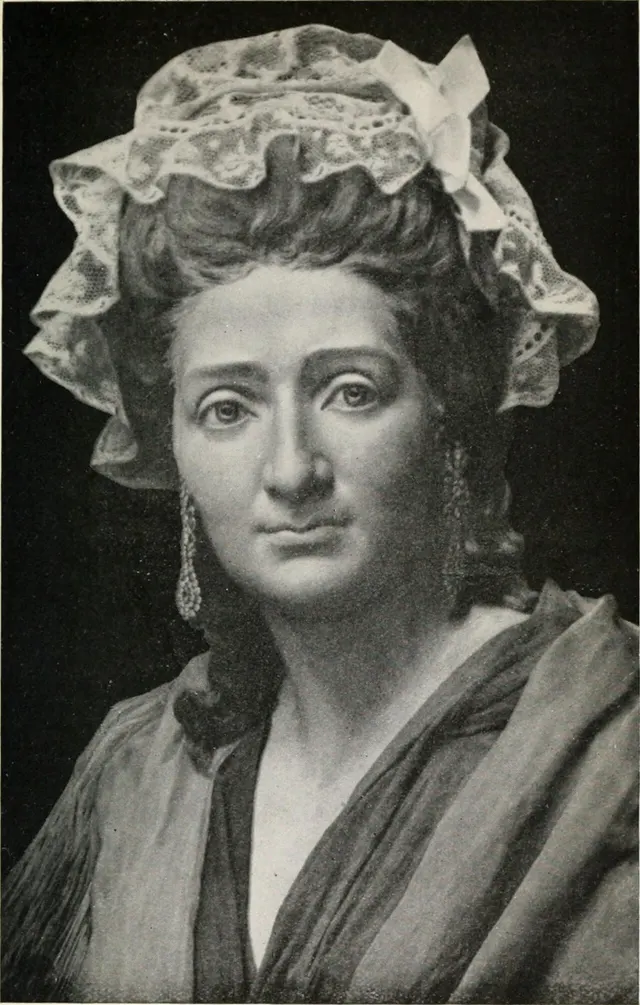
Explore 1 December: Portugal throws off Spanish rule, Rosa Parks refuses to give up her seat, twelve nations set Antarctica aside for peace and science, and Ukraine votes for independence. Meet Nikolai Lobachevsky, Marie Tussaud and Minoru Yamasaki, born on this date.

This day through time →11 verified events across 3 eras

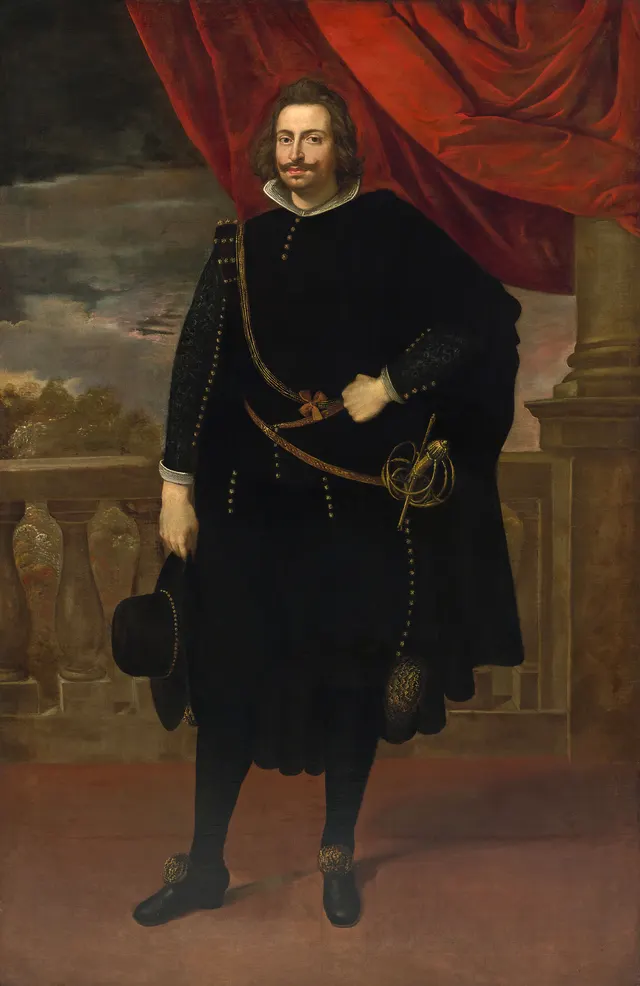
John, Duke of Braganza, about 1630, from the workshop of Peter Paul Rubens. Ten years later he became King John IV.
Image creditWorkshop of Peter Paul Rubens · Public domainResized and cropped for display.

Portugal breaks free of Spain

On 1 December 1640 a group of Portuguese nobles rose in Lisbon, overthrew the government that ruled in the name of Philip IV of Spain and offered the crown to the Duke of Braganza. Portugal had shared its king with Spain since 1580, and resentment had grown as Madrid drew on Portuguese men and money for its wars.

The moment was well chosen: Spain was fighting France and facing a revolt in Catalonia. The duke was proclaimed King John IV and enthroned on 15 December, founding the House of Braganza. Spain did not accept the loss until 1668. Portugal still keeps 1 December as Restoration of Independence Day.

Read the full storyHistory & Timeline →Source: Encyclopaedia Britannica: John IV, king of Portugal ↗
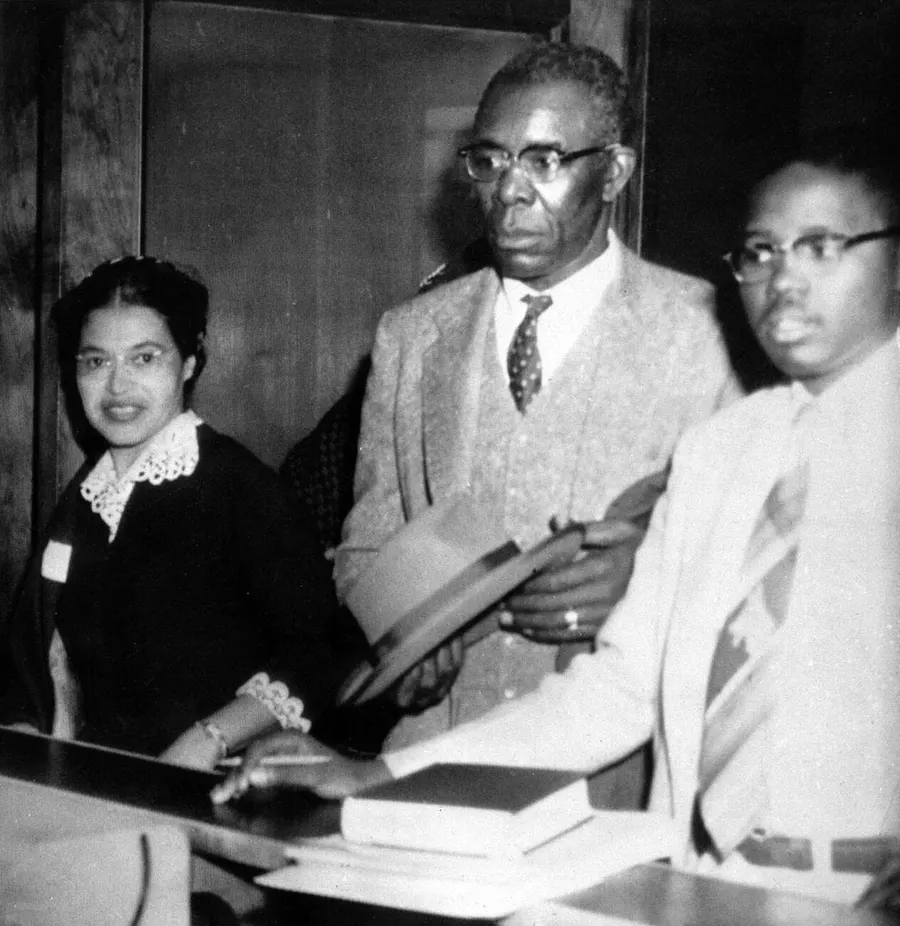
Rosa Parks with the civil rights leader E. D. Nixon, dated 5 December 1955.
Image creditAssociated Press · Public domainResized and cropped for display.

Rosa Parks keeps her seat

On the evening of 1 December 1955 Rosa Parks, a 42-year-old seamstress, was riding home from work on a city bus in Montgomery, Alabama. When the driver told her and three other Black passengers to give up their row to white riders, she refused. She was arrested for breaking the city’s segregation law and released on bail that night by E. D. Nixon.

Her arrest set off the Montgomery bus boycott, which began on 5 December and lasted 381 days, with a young minister, Martin Luther King Jr., as its leader. It ended after the United States Supreme Court ruled that segregation on the city’s buses was unconstitutional.

Read the full storyHistory & Timeline →Source: US National Archives: An act of courage, the arrest records of Rosa Parks ↗
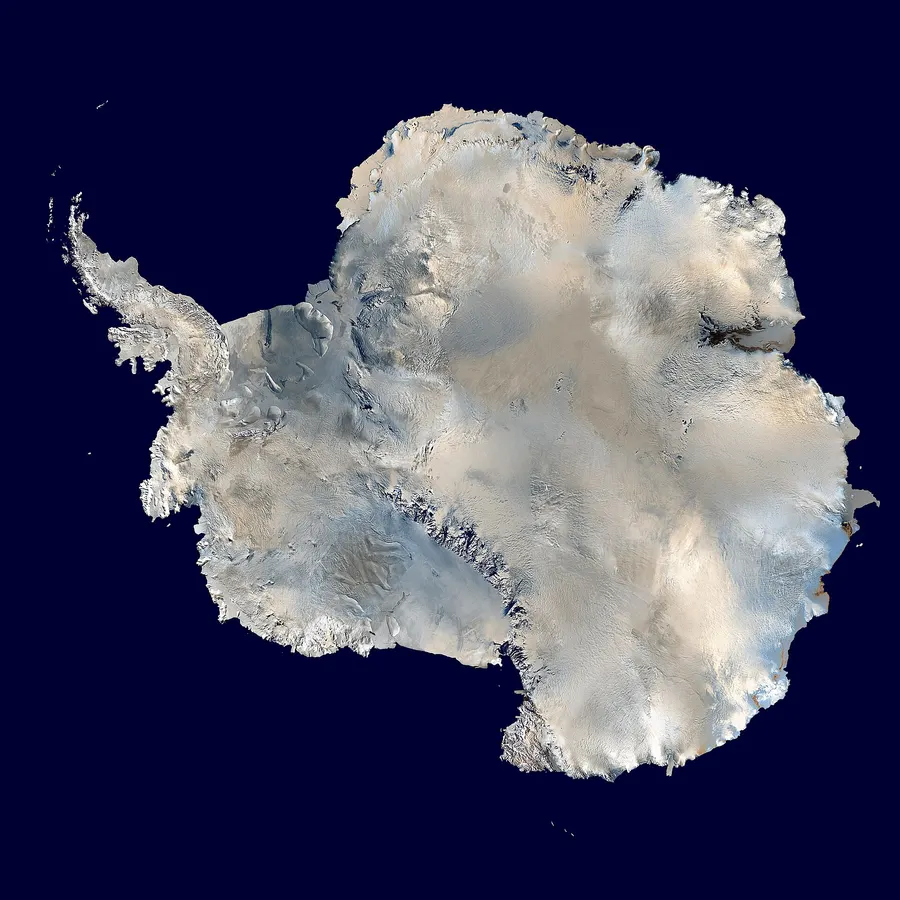
Antarctica, assembled from NASA's Blue Marble satellite imagery.
Antarctica, assembled from NASA’s Blue Marble satellite imagery.
Image creditDave Pape · Public domainResized and cropped for display.

Antarctica is set aside for peace and science

On 1 December 1959, at the height of the Cold War, twelve countries signed the Antarctic Treaty in Washington. They were the nations whose scientists had worked on and around the continent during the International Geophysical Year of 1957-58, among them the United States and the Soviet Union.

The treaty bans military bases, manoeuvres and weapons tests in Antarctica, as well as nuclear explosions and the dumping of radioactive waste, and guarantees freedom of scientific research. It came into force in 1961, and many more countries have joined it since.

Read the full storyHistory & Timeline →Source: Secretariat of the Antarctic Treaty: The Antarctic Treaty ↗
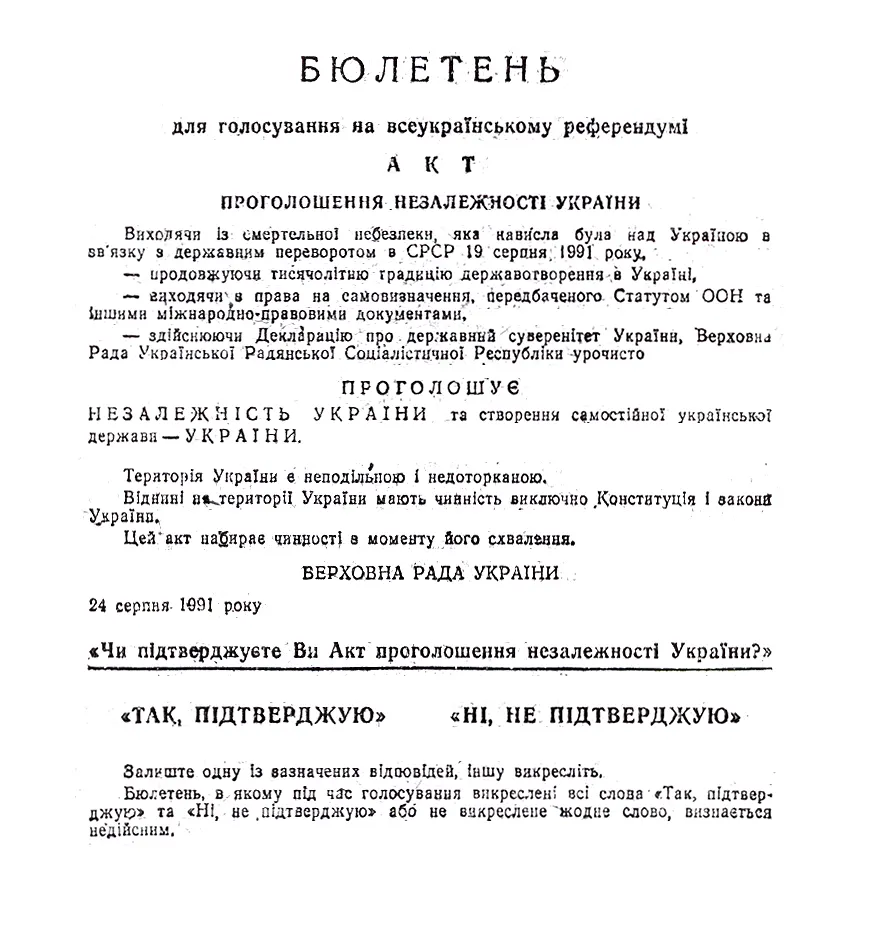
The ballot paper for the all-Ukrainian referendum, asking voters to confirm the Act of Declaration of Independence.
Image creditВерховна Рада України · Public domainResized and cropped for display.

Ukraine votes for independence

On 1 December 1991 the people of Ukraine were asked whether they supported the declaration of independence adopted by their parliament on 24 August. About 84 per cent of voters took part, and more than 90 per cent of them said yes, with majorities in every region.

On the same day Leonid Kravchuk was elected the country’s first president. The vote made it clear that the second-largest Soviet republic would not stay in the union, and within weeks the Soviet Union itself was dissolved.

Read the full storyHistory & Timeline →Source: Encyclopaedia Britannica: History of Ukraine, independent Ukraine ↗
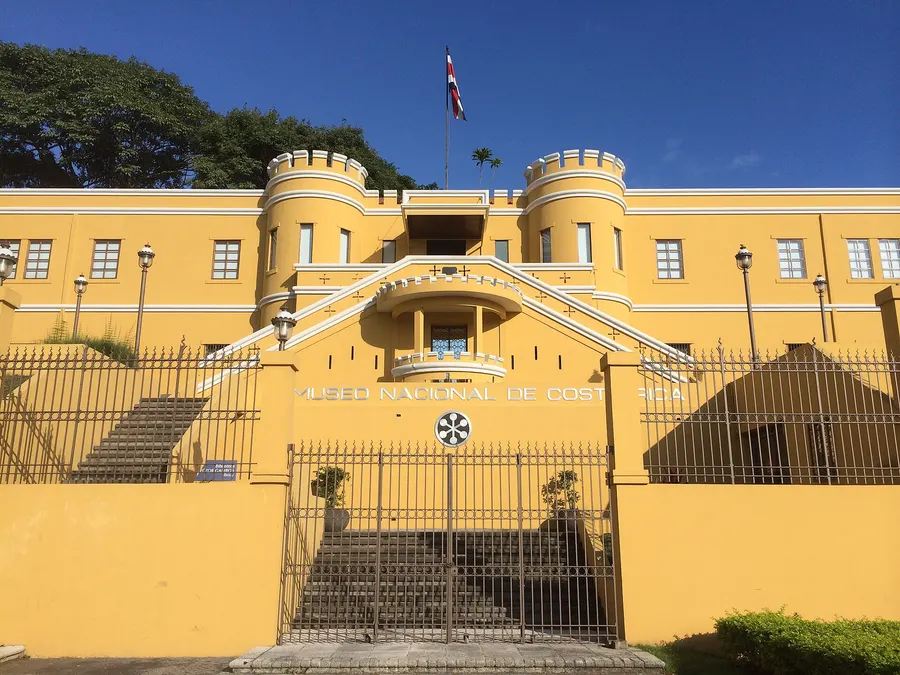
The former Bellavista barracks in San José, now the entrance to the National Museum of Costa Rica.
Image creditFespinozalemistre · CC BY-SA 4.0Resized and cropped for display.

Costa Rica gives up its army

On 1 December 1948, months after a short civil war, José Figueres Ferrer, the head of Costa Rica’s ruling junta, struck a wall of the Bellavista barracks in San José with a mallet to mark the end of the country’s army. The abolition was confirmed in law in 1949 and written into the new constitution that year.

Costa Rica has had no army since, spending instead on education and health. The old barracks became the National Museum, and the documents of the abolition are now on UNESCO’s Memory of the World register.

Read the full storyHistory & Timeline →Source: Museo Nacional de Costa Rica: Abolition of the army ↗
♙
PEOPLE

Born Today

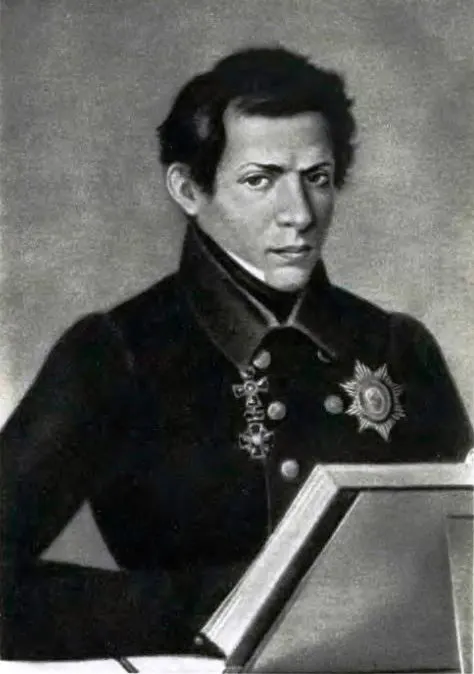
Nikolai Lobachevsky
Image creditLev Kryukov · Public domainResized and cropped for display.

Nikolai Lobachevsky

Russian mathematician who founded non-Euclidean geometry (20 November Old Style).

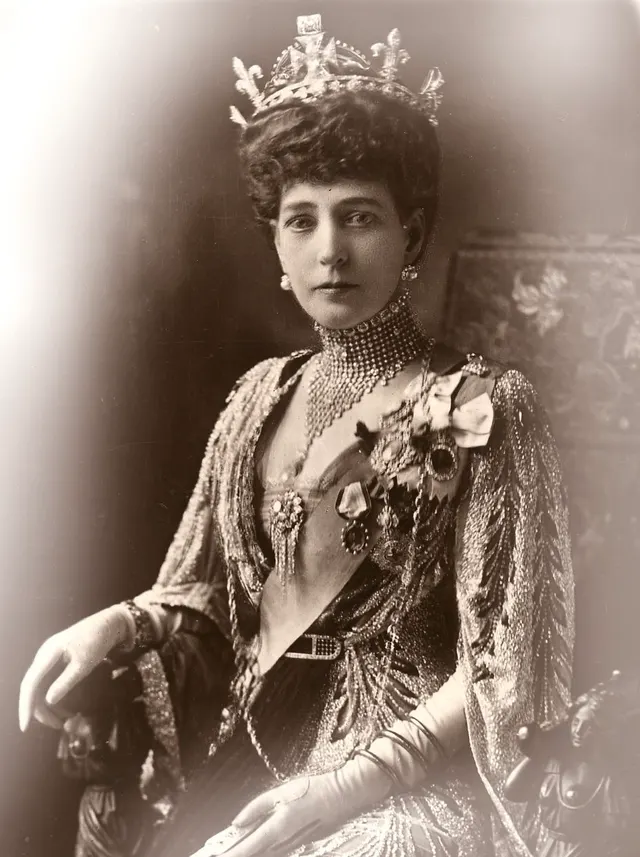
Alexandra of Denmark
Image creditW. & D. Downey · Public domainResized and cropped for display.

Alexandra of Denmark

Danish princess who became queen consort of Edward VII of the United Kingdom.

Georgy Zhukov
Image creditне указан · CC BY 4.0Resized and cropped for display.

Georgy Zhukov

Soviet marshal who led the defence of Moscow and the capture of Berlin in the Second World War (19 November Old Style).

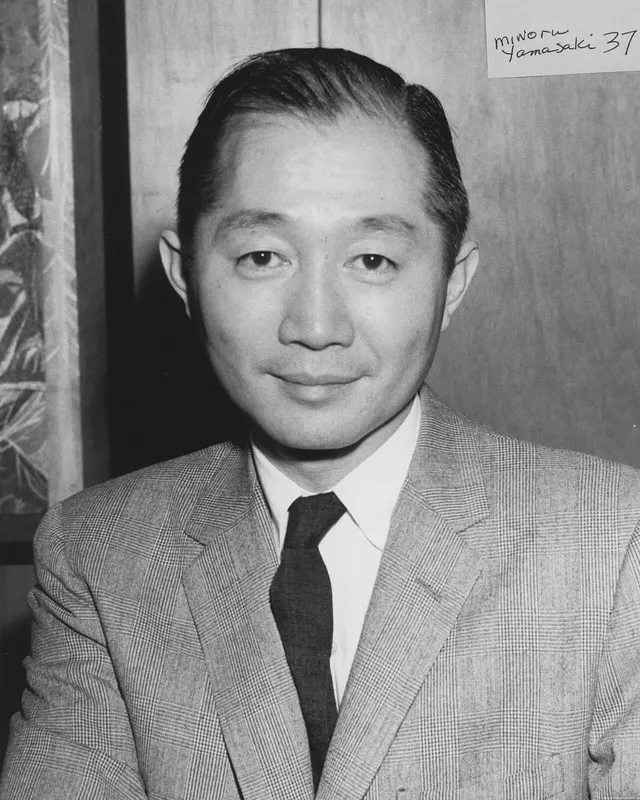
Minoru Yamasaki
Image creditSeattle Municipal Archives · CC BY 2.0Resized and cropped for display.

Minoru Yamasaki

American architect who designed the original twin towers of the World Trade Center in New York.

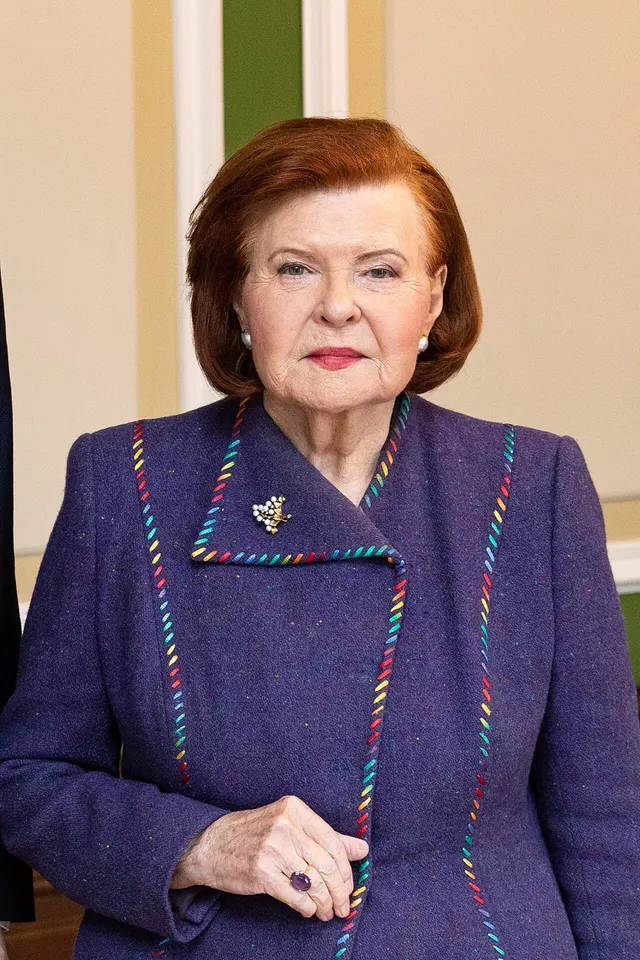
Vaira Vīķe-Freiberga
Image creditReinis Inkēns, Saeima · CC BY-SA 2.0Resized and cropped for display.

Vaira Vīķe-Freiberga

Latvian psychologist who became her country’s first woman president, from 1999 to 2007.

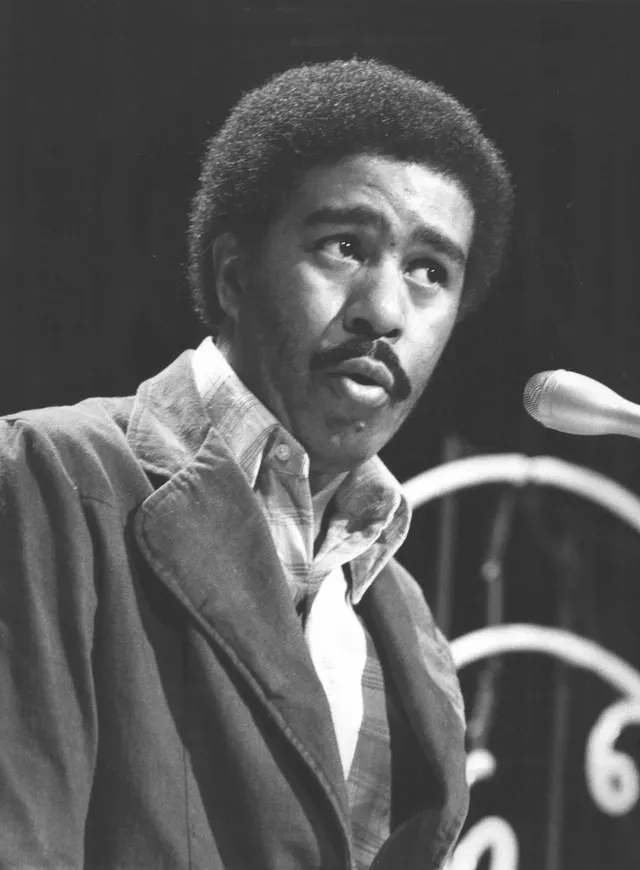
Richard Pryor
Image creditNBC Television · Public domainResized and cropped for display.

Richard Pryor

American stand-up comedian and actor, one of the most influential of his generation.

◉
IDEAS THAT CHANGED THINGS

Firsts, Science & Discoveries

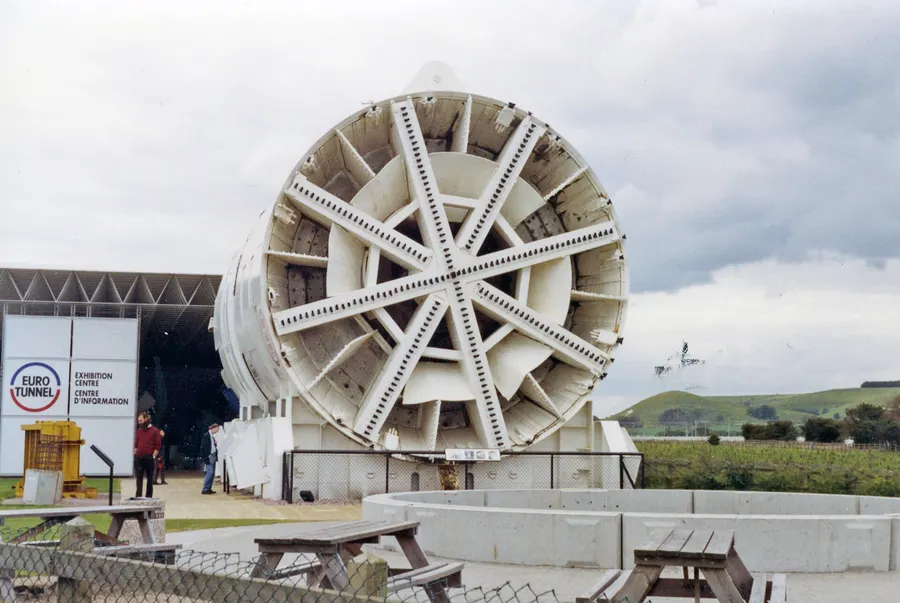
One of the tunnel boring machines on show at the Channel Tunnel Exhibition Centre, Folkestone, in 1992.
Image creditBen Brooksbank · CC BY-SA 2.0Resized and cropped for display.

Britain and France meet under the sea

At 12.12 pm on 1 December 1990 the British and French crews digging the Channel Tunnel’s service tunnel broke through to each other, 22.3 km out from England and 15.6 km from France. Graham Fagg and Philippe Cozette shook hands through the gap, the first land link between Britain and the Continent since the last ice age.

The two halves met almost exactly on line after years of boring through chalk marl from each coast. The tunnel opened to traffic in 1994.

Read the full storyHistory & Timeline →Source: Getlink (Channel Tunnel operator): First historic breakthrough under the Channel ↗
✦
LIVES REMEMBERED

Remembered Today

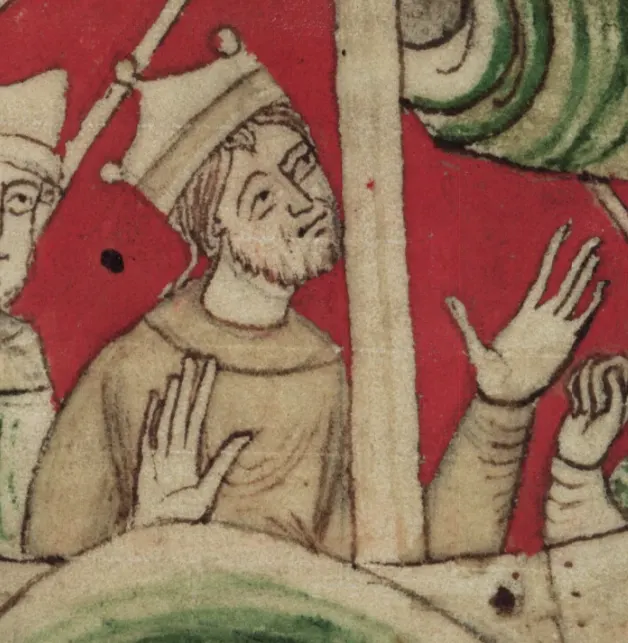
Henry I of England
Image creditJohn of Worcester · CC BY 4.0Resized and cropped for display.

Henry I of England

Youngest son of William the Conqueror, king of England from 1100 until his death in Normandy.

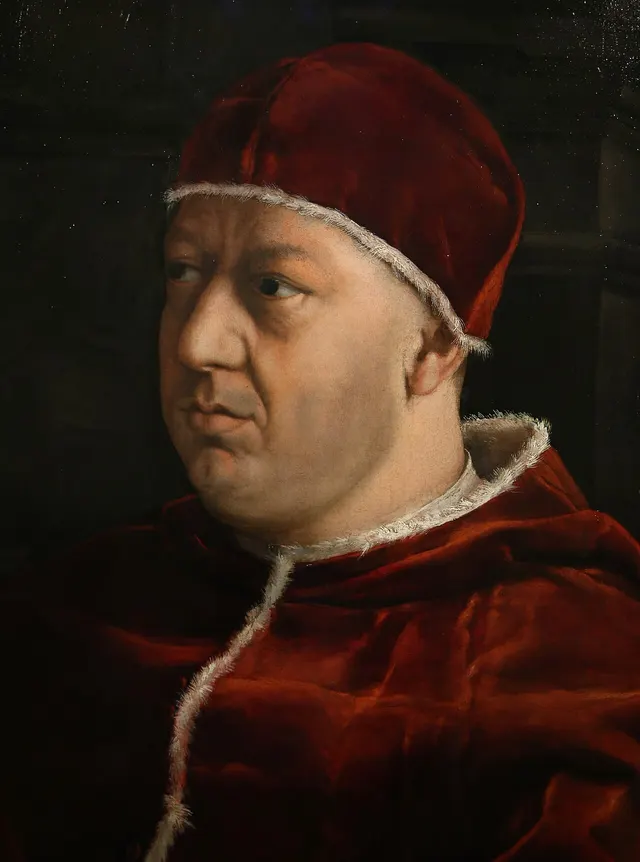
Pope Leo X
Image creditFrancesco Bini · Public domainResized and cropped for display.

Pope Leo X

Giovanni de’ Medici, pope from 1513, a patron of Raphael who excommunicated Martin Luther.

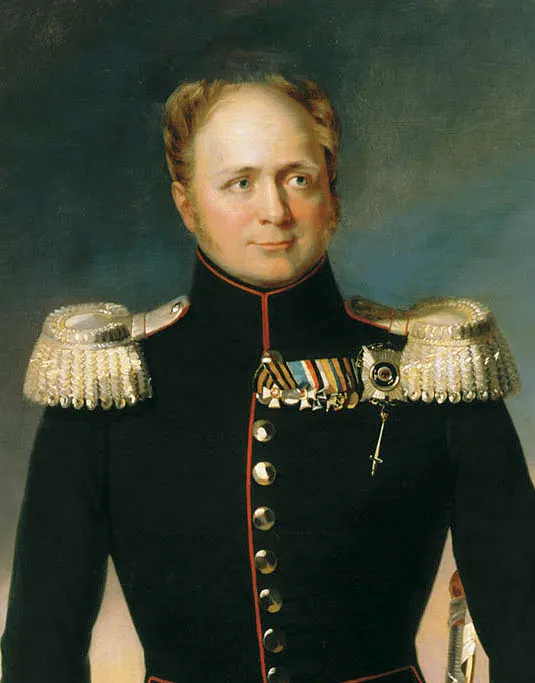
Alexander I of Russia
Image creditGeorge Dawe · Public domainResized and cropped for display.

Alexander I of Russia

Emperor of Russia from 1801, who led his country against Napoleon (19 November Old Style).

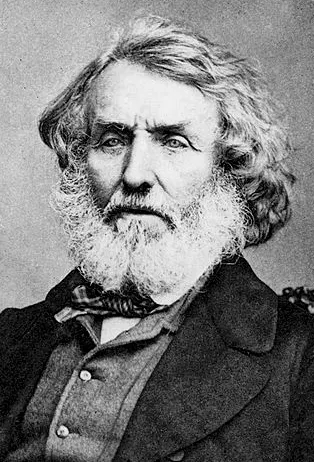
George Everest
Image creditMaull & Polyblank · Public domainResized and cropped for display.

George Everest

Welsh surveyor-general of India; the world’s highest mountain was named after him.

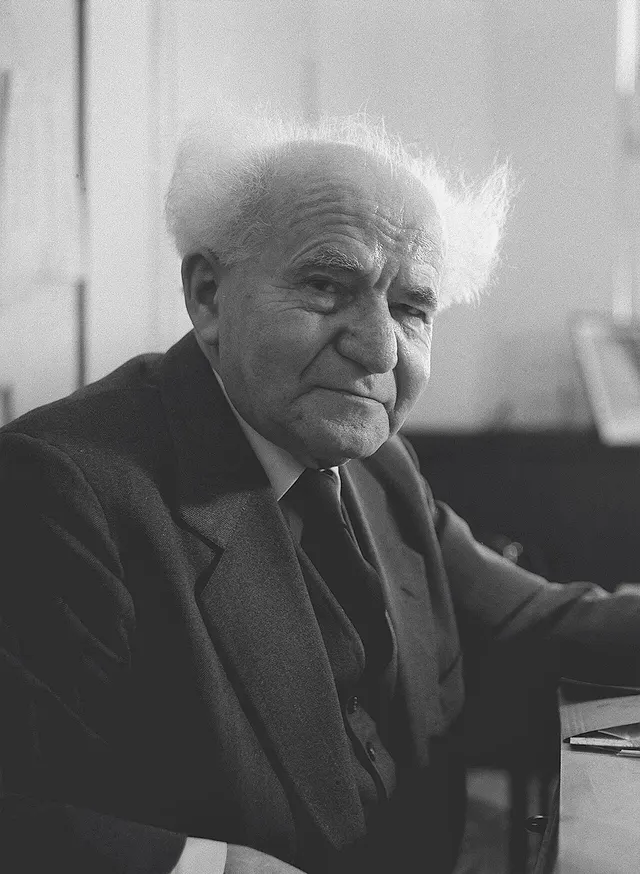
David Ben-Gurion
Image creditFritz Cohen · Public domainResized and cropped for display.

David Ben-Gurion

First prime minister of Israel, who proclaimed the state in 1948.

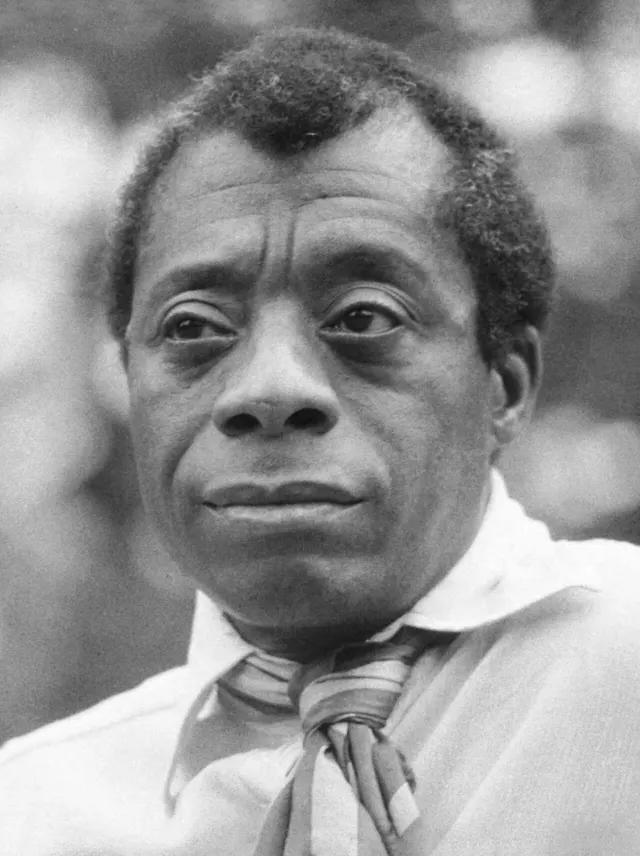
James Baldwin
Image creditAllan warren · CC BY-SA 3.0Resized and cropped for display.

James Baldwin

American novelist and essayist, author of Go Tell It on the Mountain and The Fire Next Time.

☉
AROUND THE WORLD

Observances & Anniversaries

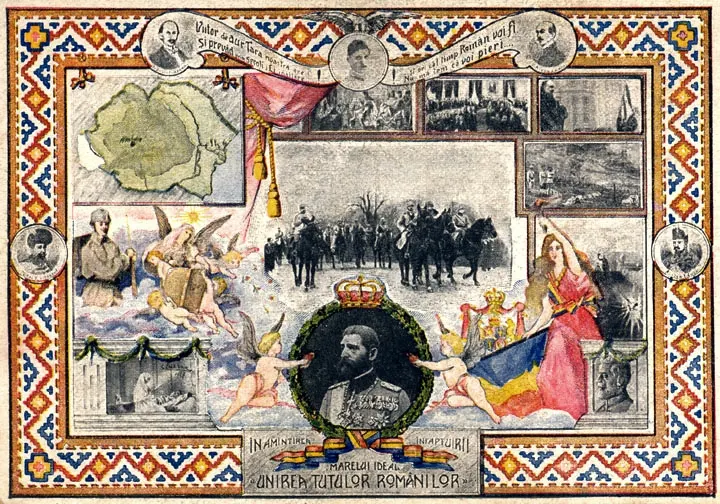
A Romanian postcard of 1918-1919 celebrating the union, with a map of the enlarged country.
Image creditAnonymousUnknown author · Public domainResized and cropped for display.

Great Union Day in Romania

On 1 December 1918 a Great National Assembly of 1,228 delegates met at Alba Iulia and voted to unite Transylvania, Banat, Crișana and Maramureș with the Kingdom of Romania, before a crowd of more than 100,000. Romania has kept the day as its National Day since 1990.

Source: Government of Romania: Message on the National Day of Romania, 1 December ↗
HISTORY & TIMELINE

Finished the highlights?

Follow 1 December chronologically, from the Middle Ages to the modern day, with 11 verified events and the sources behind them.

This day through time →