Explore 27 November

Explore 27 November: Alfred Nobel signs the will that created the Nobel Prizes, France and Spain divide Morocco, the French fleet scuttles itself at Toulon and the first human-made object reaches the surface of Mars. Meet Anders Celsius, Bruce Lee and Jimi Hendrix, born on this date.

This day through time →10 verified events across 3 eras

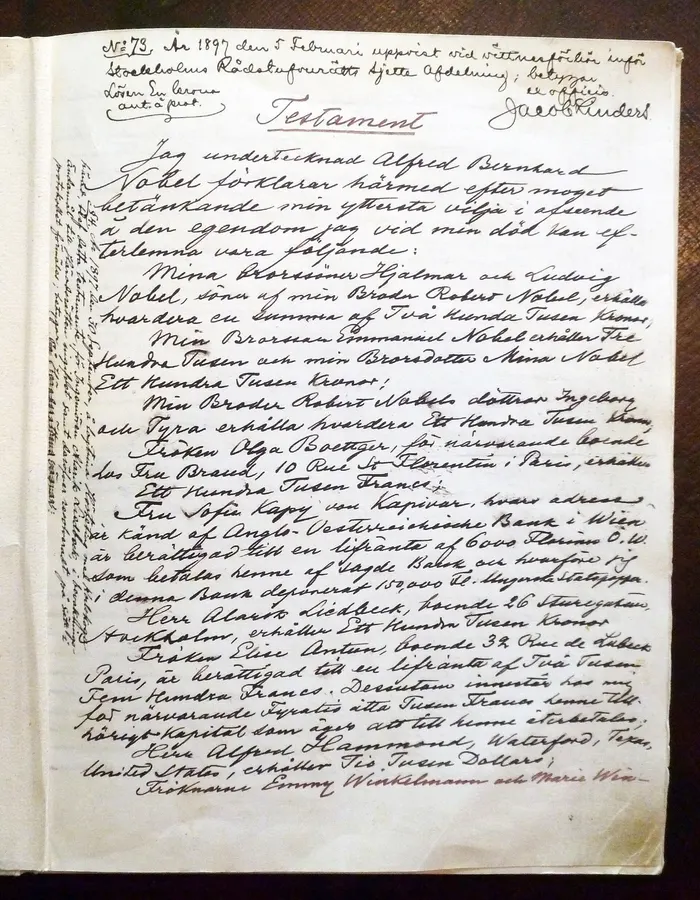
The first page of Alfred Nobel's will, dated 27 November 1895.
The first page of Alfred Nobel’s will, dated 27 November 1895.
Image creditWaage · CC BY-SA 3.0Resized and cropped for display.

Alfred Nobel signs the will that creates the Nobel Prizes

Alfred Nobel, the Swedish chemist who had made a fortune from dynamite and other explosives, wrote his last will himself, without a lawyer, and signed it before four Swedish witnesses at the Swedish-Norwegian Club in Paris on 27 November 1895.

He left most of his wealth to fund five prizes, in physics, chemistry, physiology or medicine, literature and peace, for those who had ‘conferred the greatest benefit to humankind’. When it was read after his death in 1896 the will caused an uproar in his family and in Sweden, but the first prizes were awarded in 1901.

Read the full storyHistory & Timeline →Source: NobelPrize.org: Alfred Nobel’s will ↗
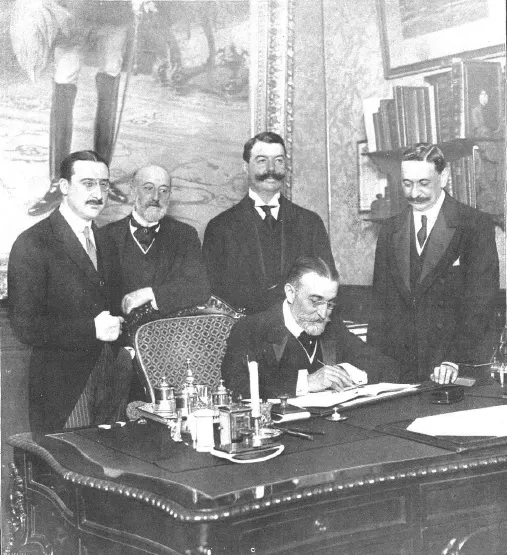
The French ambassador, Léon Geoffray, signs the Franco-Spanish treaty in Madrid in 1912, with Spain's minister of state, Manuel García Prieto, standing on the right.
The French ambassador, Léon Geoffray, signs the Franco-Spanish treaty in Madrid in 1912, with Spain’s minister of state, Manuel García Prieto, standing on the right.
Image creditJosé Demaría López · Public domainResized and cropped for display.

France and Spain divide Morocco

In March 1912 the sultan of Morocco had been forced to accept a French protectorate. On 27 November 1912 France and Spain signed a treaty in Madrid that gave Spain a zone of its own along the northern coast and the Rif mountains, with a strip in the south, while Tangier was to have a separate international government.

Morocco stayed divided into French, Spanish and international zones, all nominally under the sultan, until it regained its independence in 1956.

Read the full storyHistory & Timeline →Source: American Journal of International Law (Cambridge University Press): The treaty of November 27, 1912, between France and Spain concerning Morocco ↗
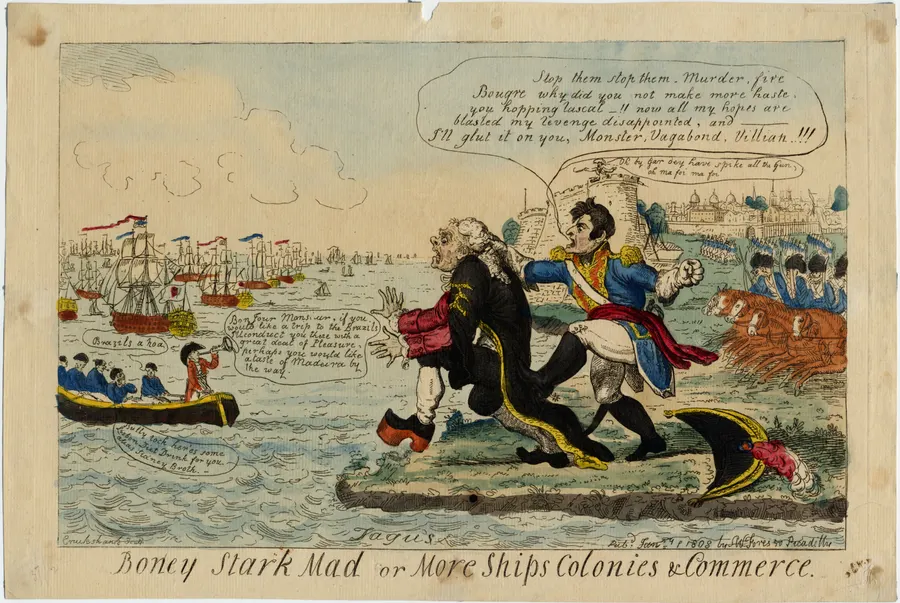
'Boney Stark Mad, or More Ships, Colonies and Commerce', a British cartoon by Isaac Cruikshank, 1808.
‘Boney Stark Mad, or More Ships, Colonies and Commerce’, a British cartoon by Isaac Cruikshank, 1808.
Image creditIsaac Cruikshank / Samuel William Fores · Public domainResized and cropped for display.

Portugal’s royal court sets out for Brazil

As a French army under General Junot marched on Lisbon in November 1807, the prince regent João decided to move his government to Portugal’s colony of Brazil rather than submit to Napoleon. On 27 November the royal family and thousands of courtiers and officials went aboard ship, and on the 29th the fleet sailed under British protection.

The court reached Rio de Janeiro in March 1808. Brazil became the only colony ever to serve as the seat of government of its European mother country, which set it on the road to independence in 1822.

Read the full storyHistory & Timeline →Source: Arquivo Nacional (National Archives of Brazil): João VI, biography ↗
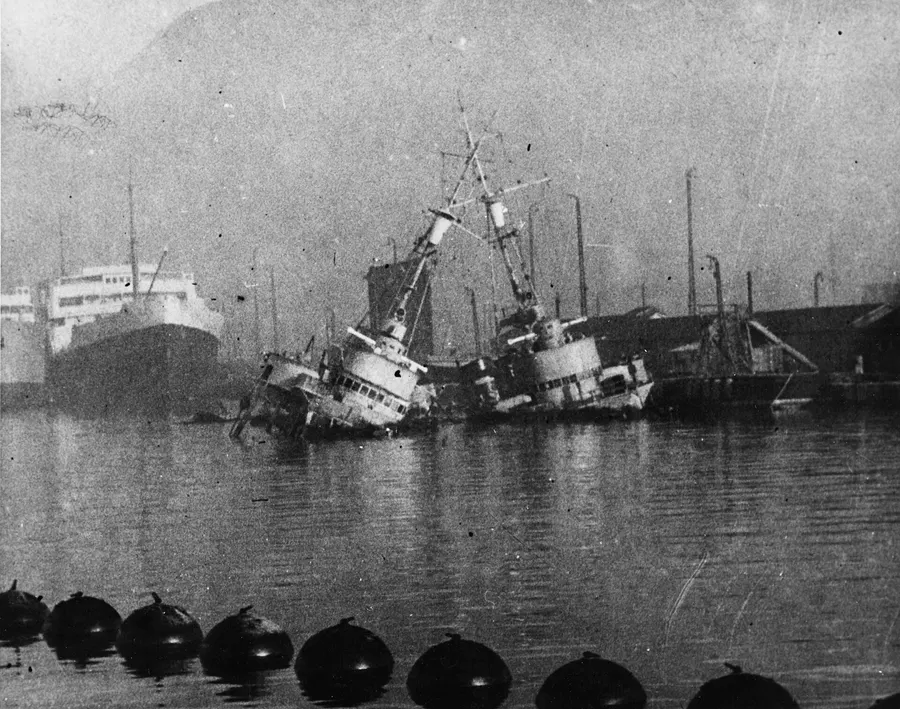
The destroyers Vauquelin and Kersaint scuttled at Toulon, 27 November 1942.
Image creditUnknown authorUnknown author · Public domainResized and cropped for display.

The French fleet scuttles itself at Toulon

After the Allied landings in North Africa in November 1942, Hitler ordered German troops to occupy the rest of France, including the great naval base at Toulon, where much of the French fleet lay under the Vichy government.

As German forces entered the port before dawn on 27 November 1942, Admiral Jean de Laborde and his crews sank their own ships to keep them out of German hands. More than seventy vessels, among them battleships, cruisers, destroyers and submarines, were scuttled, burned or blown up in the harbour.

Read the full storyHistory & Timeline →Source: Naval History and Heritage Command (US Navy): Scuttling of the French fleet at Toulon, 27 November 1942 ↗
♙
PEOPLE

Born Today

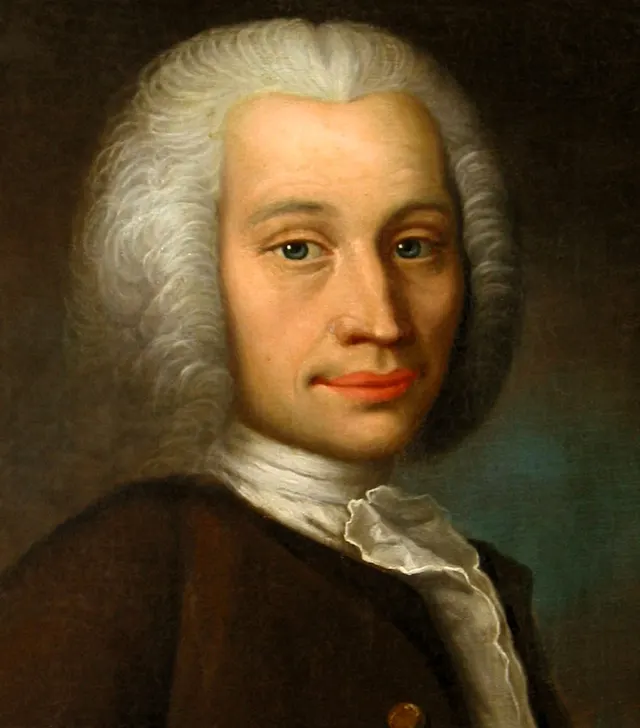
Anders Celsius
Image creditOlof Arenius · Public domainResized and cropped for display.

Anders Celsius

Swedish astronomer who devised the 100-degree temperature scale that bears his name (Old Style date).

Chaim Weizmann
Image creditHugo Mendelson · CC BY-SA 3.0Resized and cropped for display.

Chaim Weizmann

Chemist and Zionist leader who became the first president of Israel in 1949.

Alexander Dubček
Image creditCTK · CC0Resized and cropped for display.

Alexander Dubček

Czechoslovak leader whose reforms of 1968, the Prague Spring, were crushed by a Soviet-led invasion.

Kathryn Bigelow
Image creditBryan Berlin · CC BY-SA 4.0Resized and cropped for display.

Kathryn Bigelow

American film director, the first woman to win the Academy Award for best director, for The Hurt Locker.

◉
IDEAS THAT CHANGED THINGS

Firsts, Science & Discoveries

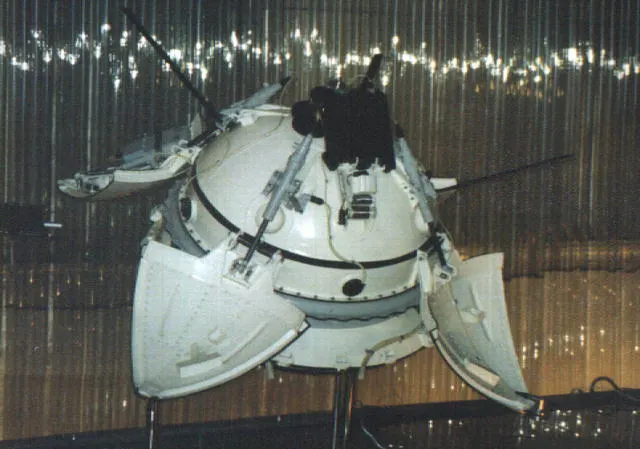
A model of the Soviet Mars 3 lander, of the same design as Mars 2's, at the Memorial Museum of Cosmonautics in Moscow.
A model of the Soviet Mars 3 lander, of the same design as Mars 2’s, at the Memorial Museum of Cosmonautics in Moscow.
Image creditNASA · Public domainResized and cropped for display.

Mars 2 becomes the first human-made object to reach Mars

The Soviet spacecraft Mars 2 went into orbit around Mars in November 1971 and released a landing capsule. On 27 November 1971 the capsule entered the Martian atmosphere, but its descent system failed, its parachute did not open and it crashed into the surface.

Although the lander was destroyed, it was the first object made on Earth to reach the surface of Mars. Its orbiter worked until 1972, sending back data about the planet.

Read the full storyHistory & Timeline →Source: NASA Space Science Data Coordinated Archive: Mars 2 lander ↗
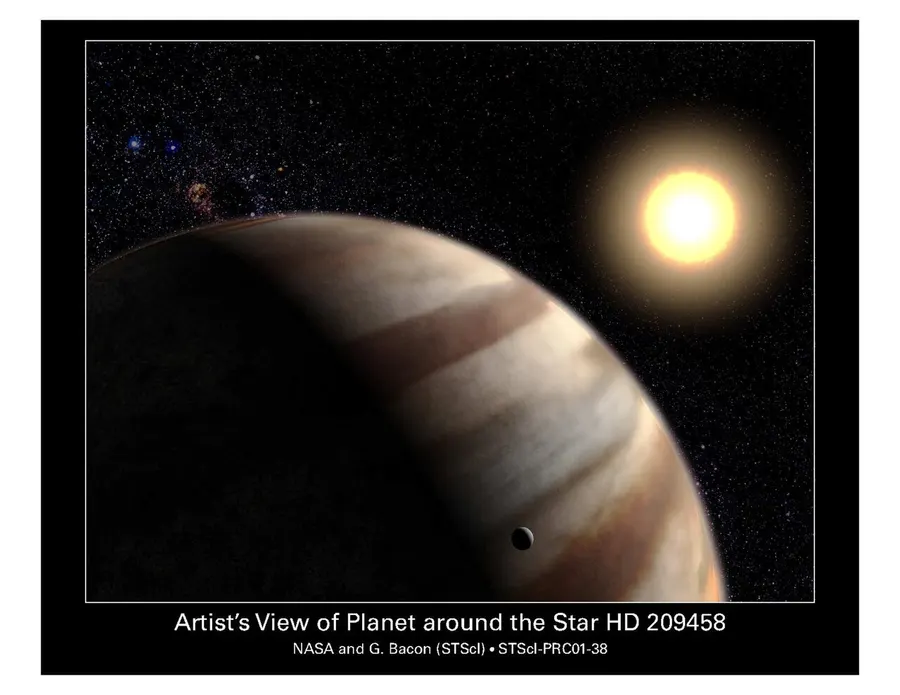
An artist's impression, released by NASA in 2001, of the gas giant orbiting the star HD 209458.
An artist’s impression, released by NASA in 2001, of the gas giant orbiting the star HD 209458.
Image creditScience: , D. Charbonneau (Caltech & CfA), T. Brown (NCAR), R. Noyes (CfA) and R. Gilliland (); Illustration: G. Bacon (/AVL) · Public domainResized and cropped for display.

Hubble detects the atmosphere of a planet around another star

Astronomers using the Hubble Space Telescope announced on 27 November 2001 that they had made the first direct detection of the atmosphere of a planet outside our solar system. The planet, a gas giant larger than Jupiter, circles the Sun-like star HD 209458, about 150 light-years away in Pegasus.

As the planet passed in front of its star, starlight filtering through its atmosphere showed the signature of sodium. The method is now used to search other worlds’ atmospheres for the chemical signs of life.

Read the full storyHistory & Timeline →Source: NASA Science: Artist’s concept, ‘hot Jupiter’ around the star HD 209458 ↗
♫
MUSIC • FILM • BOOKS • CULTURE

Culture Stories

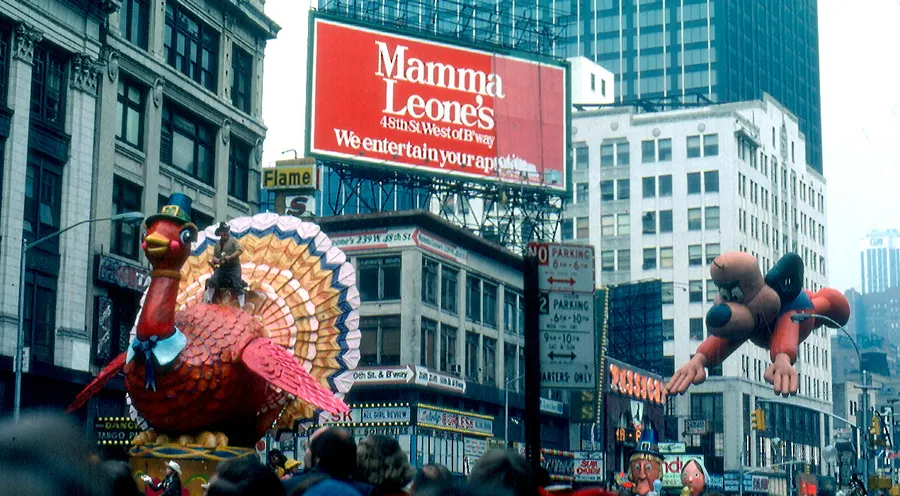
The Macy's Thanksgiving Day Parade on Broadway in 1979, with the Tom Turkey float and an Underdog balloon.
The Macy’s Thanksgiving Day Parade on Broadway in 1979, with the Tom Turkey float and an Underdog balloon.
Image creditJon Harder · CC BY 2.5Resized and cropped for display.

Macy’s holds its first Thanksgiving parade

To celebrate its new ‘World’s Largest Store’ on 34th Street, the New York department store Macy’s staged a parade on Thanksgiving morning, 27 November 1924. Employees marched from Harlem to Herald Square with floats, bands and animals borrowed from the Central Park Zoo, and Santa Claus arrived at the end to open the Christmas shopping season.

It was a success, and Macy’s announced the next day that it would be repeated. Giant helium balloons replaced the animals in 1927, and the parade became an American Thanksgiving tradition.

Read the full storyHistory & Timeline →Source: Library of Congress: Macy’s Thanksgiving Parade, This Month in Business History ↗
✦
LIVES REMEMBERED

Remembered Today

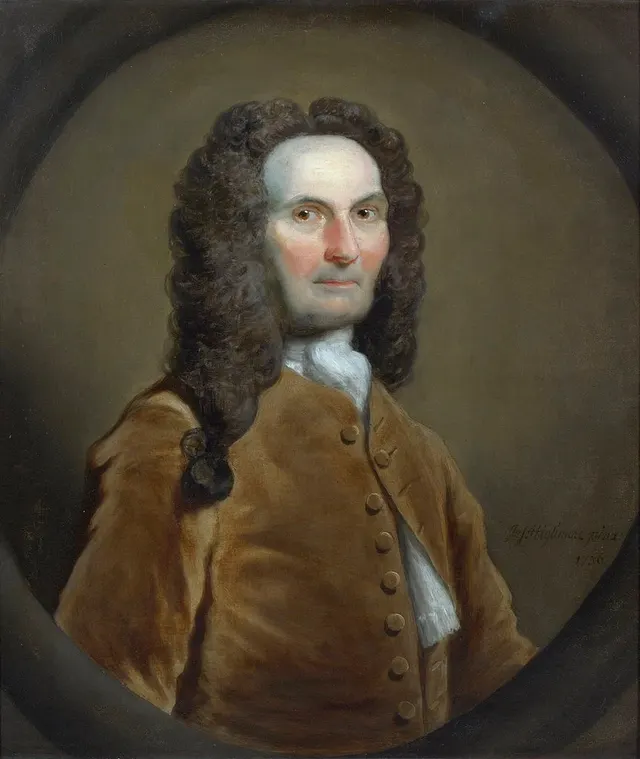
Abraham de Moivre
Image creditJoseph Highmore · Public domainResized and cropped for display.

Abraham de Moivre

French-born mathematician in London, a pioneer of probability theory.

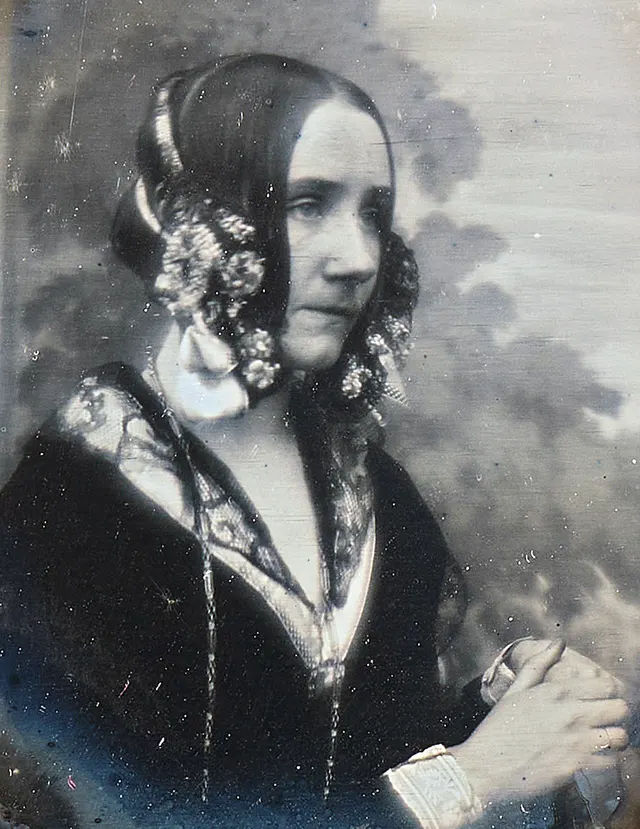
Ada Lovelace
Image creditAntoine Claudet · Public domainResized and cropped for display.

Ada Lovelace

English mathematician who wrote what is often called the first computer program, for Charles Babbage’s Analytical Engine.

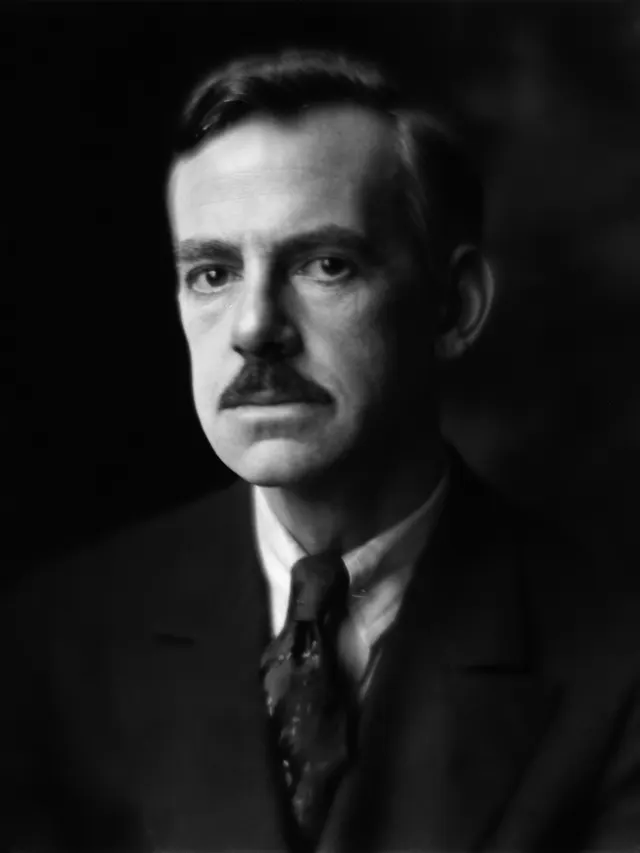
Eugene O'Neill
Image creditAlice Boughton · Public domainResized and cropped for display.

Eugene O’Neill

American playwright of Long Day’s Journey into Night and the 1936 Nobel Prize in Literature.

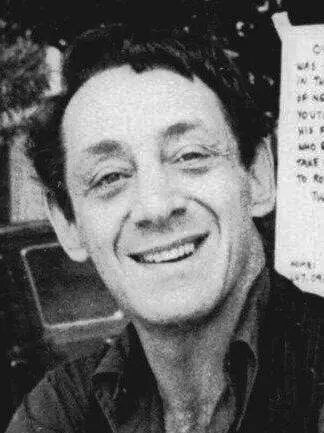
Harvey Milk
Image creditUnknown authorUnknown author · Public domainResized and cropped for display.

Harvey Milk

San Francisco supervisor, one of the first openly gay elected officials in the United States; he was assassinated with Mayor George Moscone.

HISTORY & TIMELINE

Finished the highlights?

Follow 27 November chronologically, from the Middle Ages to the modern day, with 10 verified events and the sources behind them.

This day through time →