Explore 2 December

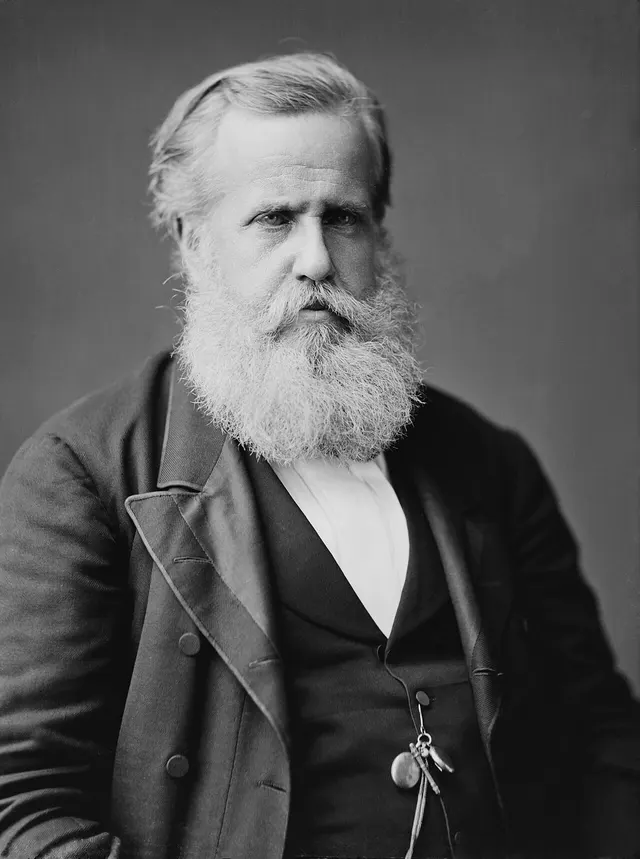
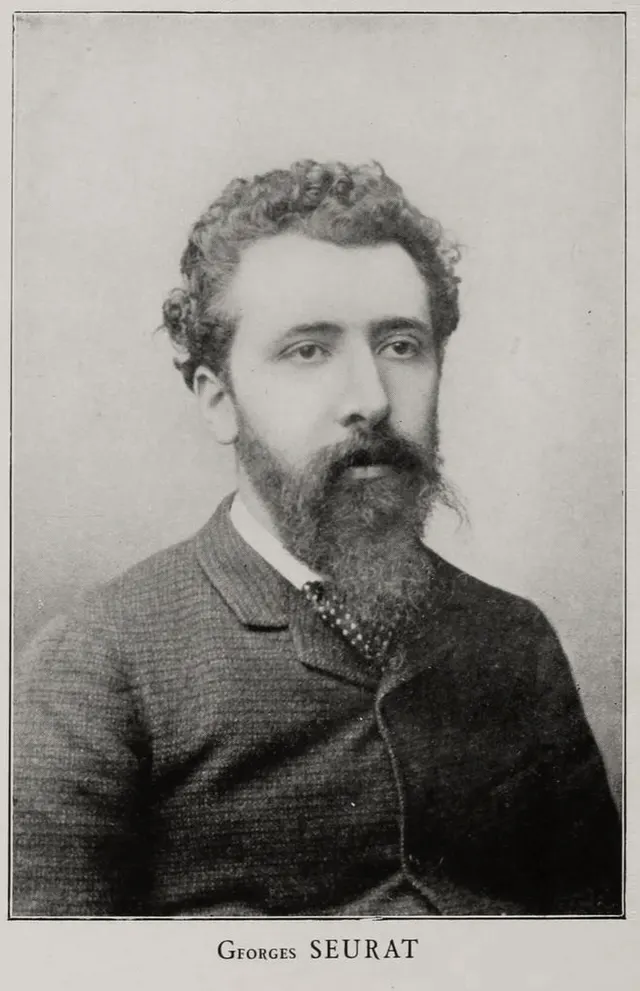
Explore 2 December: Napoleon wins at Austerlitz, six emirates unite as the United Arab Emirates, Fidel Castro’s rebels land in Cuba and the first nuclear reactor comes to life in Chicago. Meet Georges Seurat, Maria Callas and Pedro II of Brazil, born on this date.

This day through time →10 verified events across 4 eras

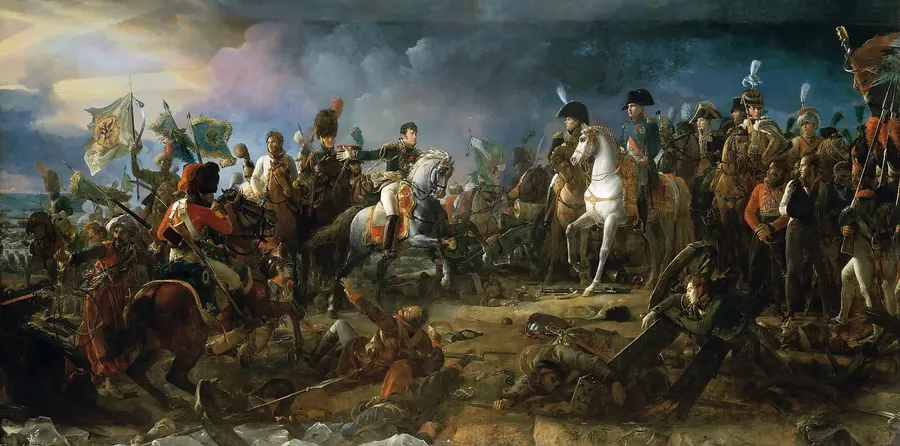
The Battle of Austerlitz, painted by François Gérard in 1810.
Image creditFrançois Gérard · Public domainResized and cropped for display.

Napoleon’s victory at Austerlitz

On 2 December 1805, a year to the day after he crowned himself Emperor of the French in Notre-Dame, Napoleon defeated the armies of Russia and Austria near Austerlitz in Moravia, in today’s Czech Republic. About 68,000 French troops beat an allied force of almost 90,000, and because Alexander I of Russia and Francis I of Austria were both present, it became known as the Battle of the Three Emperors.

Napoleon drew the allies into attacking his deliberately weakened right, then broke their centre on the Pratzen Heights. Austria made peace at Pressburg weeks later, and the Third Coalition against France fell apart. Military historians still count it as Napoleon’s greatest victory.

Read the full storyHistory & Timeline →Source: Encyclopaedia Britannica: Battle of Austerlitz ↗
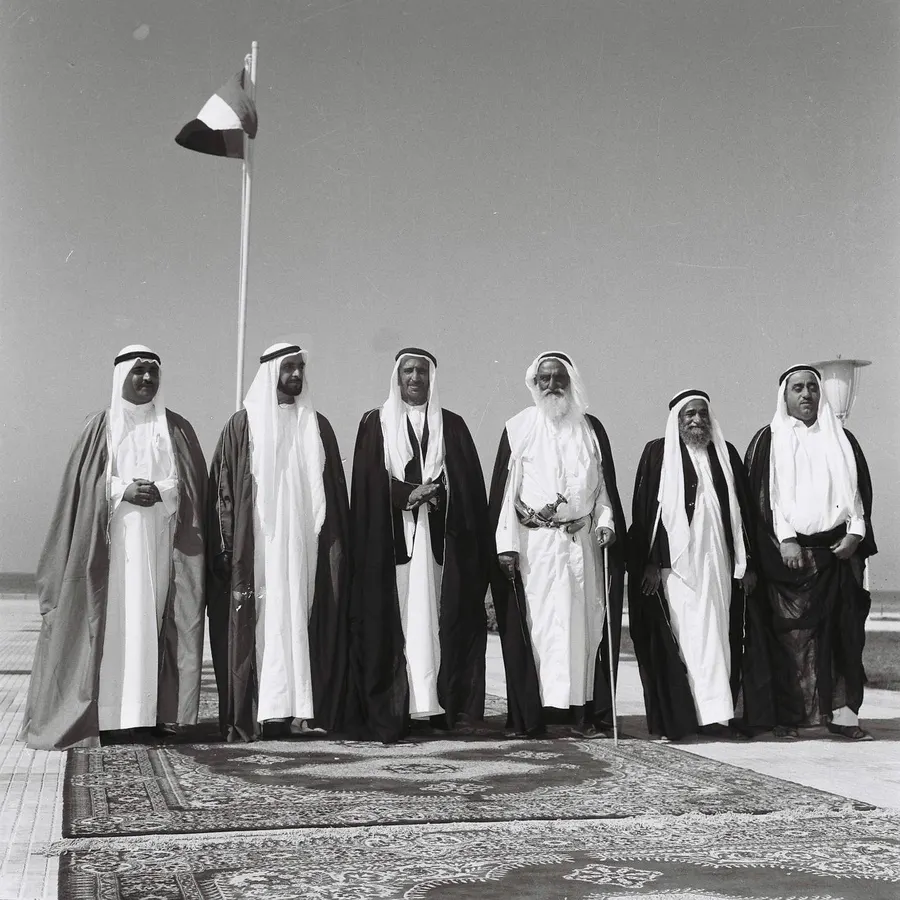
Sheikh Zayed and the rulers of Sharjah, Dubai, Ajman and Fujairah at Union House in Dubai after the flag was raised on 2 December 1971.
Image creditNoor Ali Rashid · Public domainResized and cropped for display.

The United Arab Emirates is born

On 2 December 1971, days after the end of Britain’s treaty relationship with the Gulf sheikhdoms, the rulers of Abu Dhabi, Dubai, Sharjah, Ajman, Umm al-Quwain and Fujairah raised a new flag at Union House in Dubai and founded the United Arab Emirates. Sheikh Zayed bin Sultan Al Nahyan, ruler of Abu Dhabi, became its first president and held the post until his death in 2004.

Ras al-Khaimah joined as the seventh emirate early in 1972. The country marks 2 December as its National Day.

Read the full storyHistory & Timeline →Source: UAE Ministry of Foreign Affairs: History of the UAE ↗
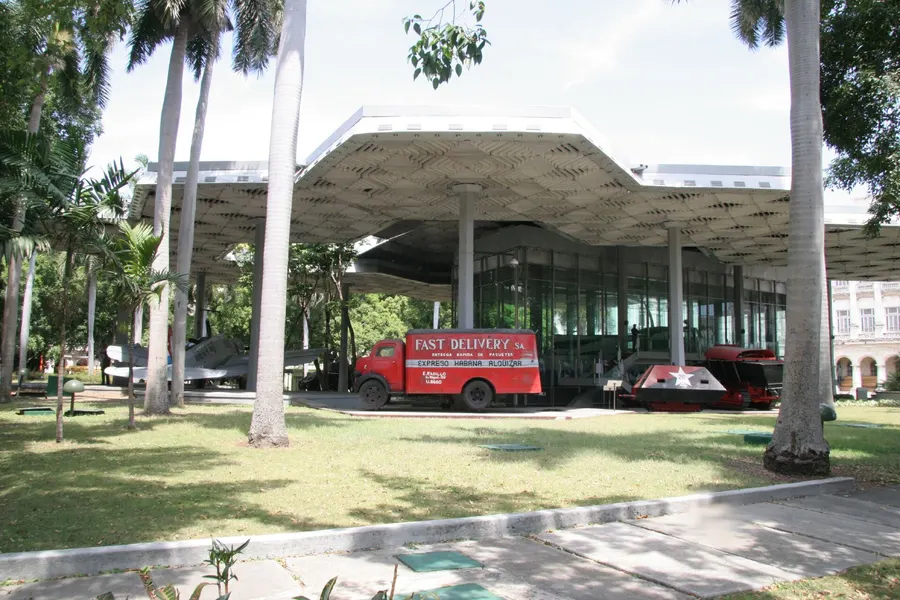
The Granma Memorial in Havana, the glass pavilion that houses the yacht today.
Image creditBrian Snelson from Hockley, Essex, England · CC BY 2.0Resized and cropped for display.

The Granma lands in Cuba

Early on 2 December 1956 the overloaded yacht Granma ran aground in mangroves near Las Coloradas in eastern Cuba, after a week at sea from Tuxpan in Mexico. On board were 82 armed men led by Fidel Castro, among them his brother Raúl and Ernesto ‘Che’ Guevara, who had come to overthrow the dictator Fulgencio Batista.

The landing went badly: government troops scattered the rebels at Alegría de Pío three days later, and only about twenty regrouped in the Sierra Maestra mountains. From there they built the guerrilla army that took power in January 1959.

Read the full storyHistory & Timeline →Source: Ministry of Foreign Affairs of Cuba: Expedición del yate Granma ↗
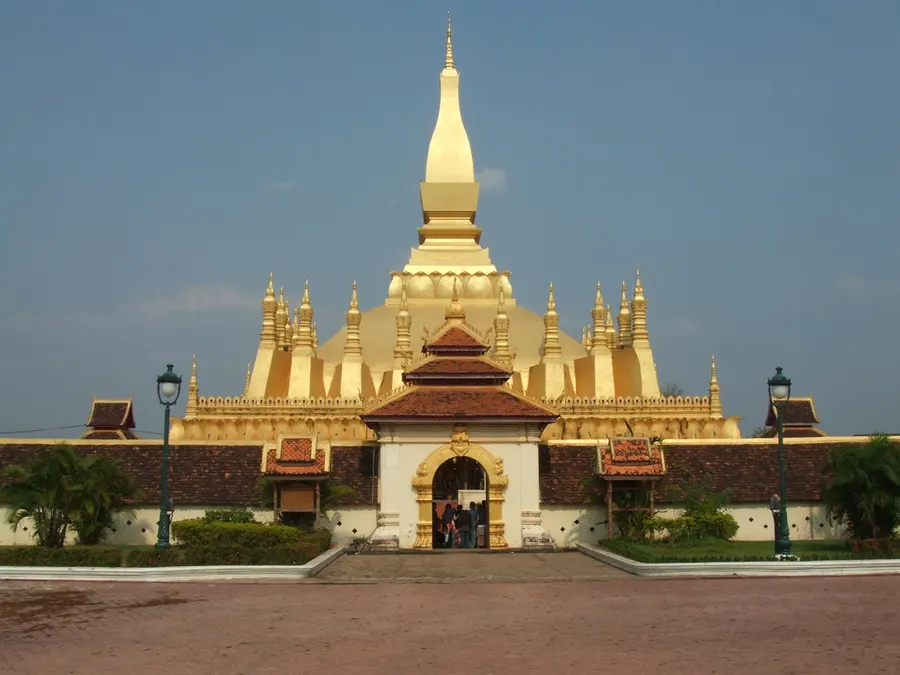
Pha That Luang, the golden stupa in Vientiane that is the national symbol of Laos.
Image creditMickstout · CC BY-SA 3.0Resized and cropped for display.

Laos becomes a people’s republic

On 2 December 1975, after the communist Pathet Lao had taken control of the country during the year, King Savang Vatthana gave up the throne and the Lao People’s Democratic Republic was proclaimed, ending a monarchy that traced its roots back six centuries. Kaysone Phomvihane became prime minister.

The day is Laos’s National Day. The former king and queen were later sent to a re-education camp, where they are reported to have died.

Read the full storyHistory & Timeline →Source: Encyclopaedia Britannica: History of Laos ↗
♙
PEOPLE

Born Today

Otto Dix
Image creditHans-Joachim Koch · CC BY-SA 4.0Resized and cropped for display.

Otto Dix

German painter and printmaker known for his unsparing pictures of war and Weimar society.

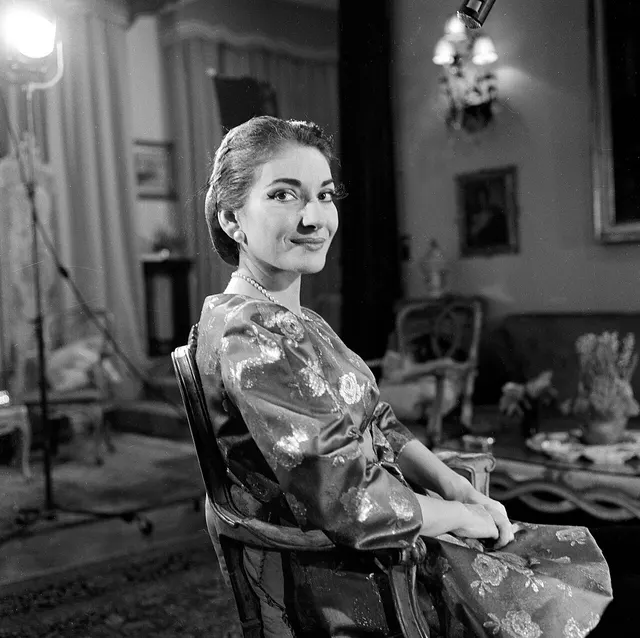
Maria Callas
Image creditCBS Television · Public domainResized and cropped for display.

Maria Callas

American-born Greek soprano, one of the most celebrated opera singers of the twentieth century.

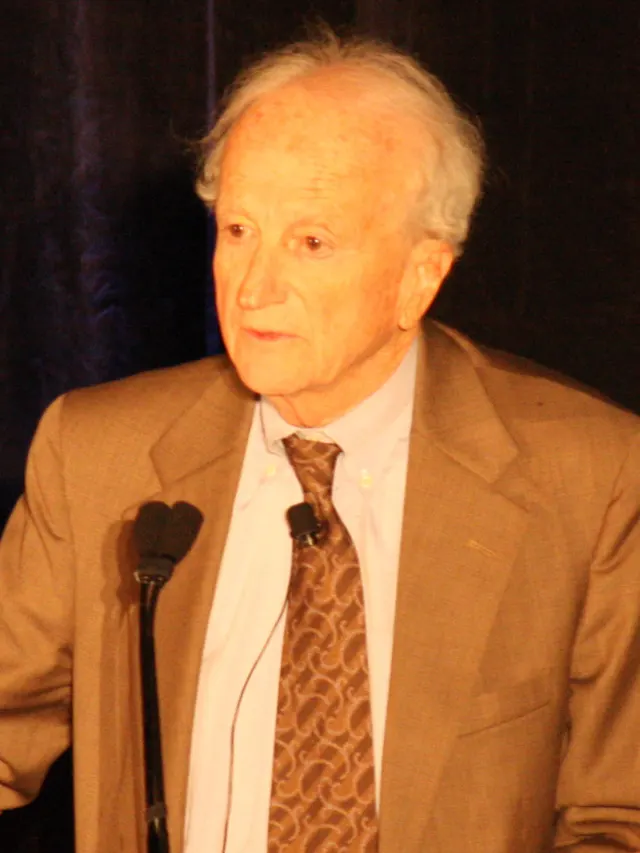
Gary Becker
Image creditMAR · Public domainResized and cropped for display.

Gary Becker

American economist who applied economic analysis to everyday behaviour; Nobel Prize, 1992.

◉
IDEAS THAT CHANGED THINGS

Firsts, Science & Discoveries

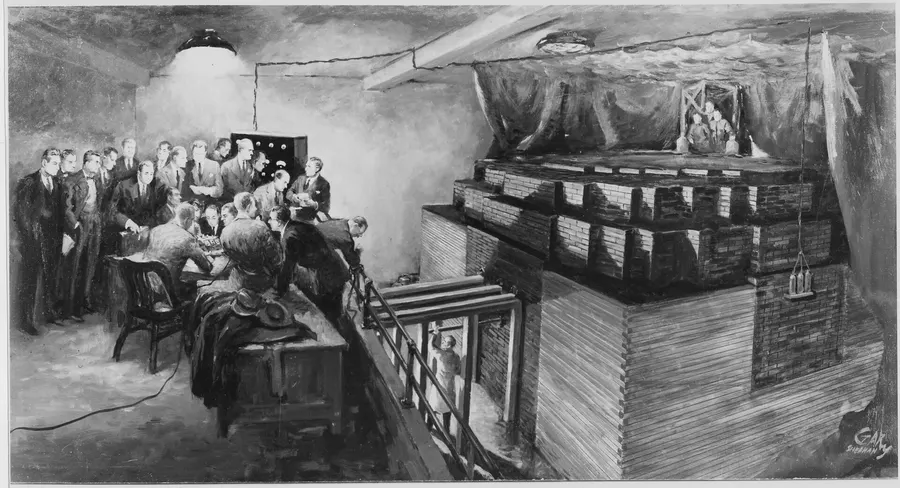
Gary Sheahan's 1957 painting of the scene at 3.22 pm on 2 December 1942. No photographers were present.
Gary Sheahan’s 1957 painting of the scene at 3.22 pm on 2 December 1942. No photographers were present.
Image creditUnknown authorUnknown author or not provided · Public domainResized and cropped for display.

The first nuclear reactor comes to life

In a squash court beneath the stands of Stagg Field at the University of Chicago, a team led by Enrico Fermi achieved the world’s first controlled, self-sustaining nuclear chain reaction on the afternoon of 2 December 1942. Their reactor, Chicago Pile-1, was a pile of graphite blocks studded with uranium, controlled by cadmium rods.

When the last control rod was drawn out at 3.53 pm the reaction sustained itself, and Fermi let it run for a few minutes before ordering the rods back in. The experiment, part of the Manhattan Project, opened the atomic age, leading both to nuclear power and to the atomic bomb.

Read the full storyHistory & Timeline →Source: US Department of Energy: 10 intriguing facts about the world’s first nuclear chain reaction ↗
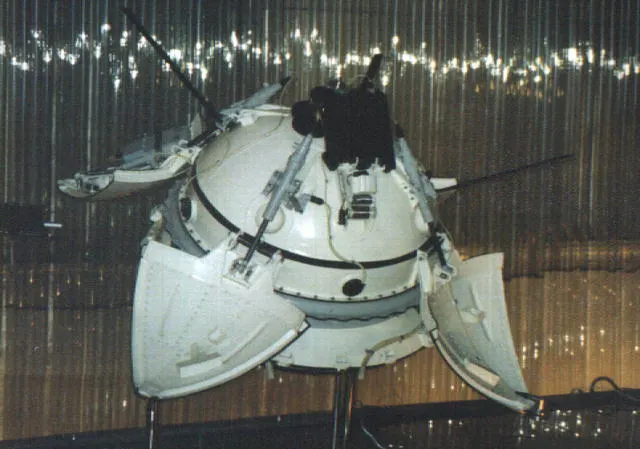
A model of the Mars 3 lander at the Memorial Museum of Cosmonautics in Moscow.
Image creditNASA · Public domainResized and cropped for display.

Mars 3 makes the first soft landing on Mars

On 2 December 1971 the Soviet probe Mars 3 released its lander, which touched down in the southern hemisphere of Mars and became the first spacecraft to make a soft landing on the planet. It began to transmit, but fell silent after about 14.5 seconds.

The lander had arrived during one of the largest dust storms ever recorded on Mars, and a likely explanation is that the fierce winds knocked it over. In 2013 NASA’s Mars Reconnaissance Orbiter photographed objects that may be its parachute and hardware.

Read the full storyHistory & Timeline →Source: NASA Space Science Data Coordinated Archive: Mars 3 lander ↗
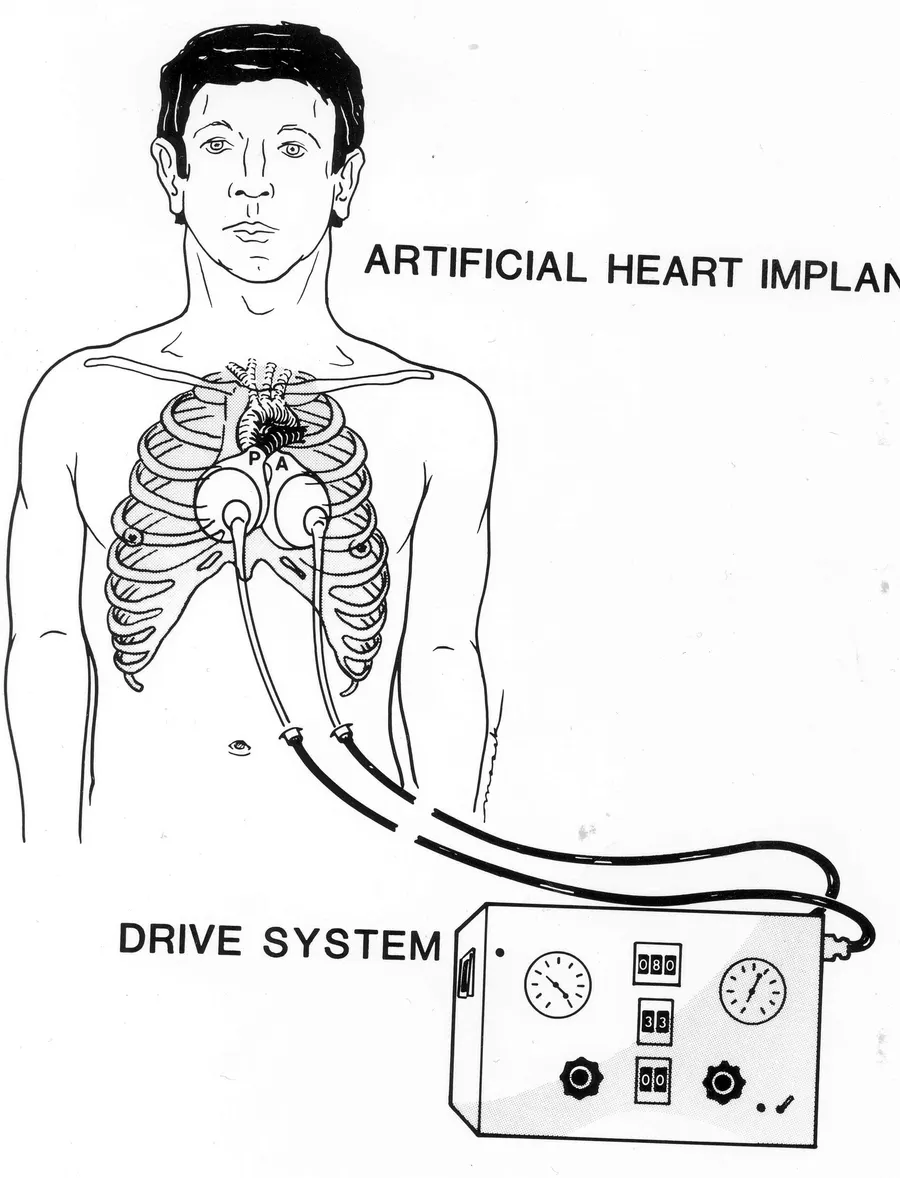
A diagram of the Jarvik-7 artificial heart and its external drive system.
Image creditUnknown · Public domainResized and cropped for display.

The first permanent artificial heart

At the University of Utah, in an operation that began late on 1 December 1982 and ended in the early hours of 2 December, the surgeon William DeVries replaced the failing heart of Barney Clark, aged 62, with the Jarvik-7, the first artificial heart intended to be permanent.

Made of aluminium and polyurethane and driven by an air compressor outside the body, it kept Clark alive for 112 days, all spent in hospital. His case, and the complications he suffered, shaped the development of mechanical heart devices that followed.

Read the full storyHistory & Timeline →Source: University of Utah Health: The first artificial heart, 30 years later ↗
♫
MUSIC • FILM • BOOKS • CULTURE

Culture Stories

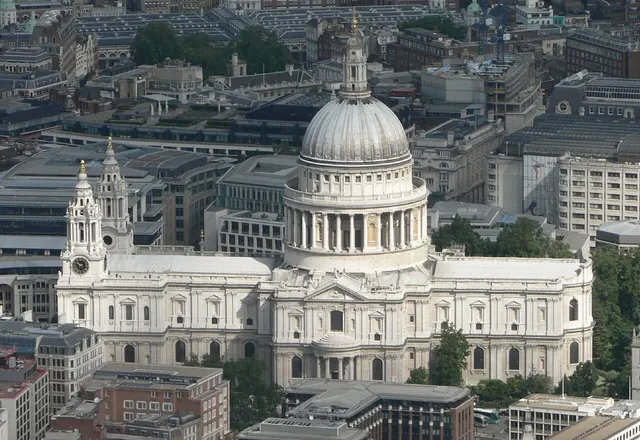
St Paul's Cathedral, London, from the air.
St Paul’s Cathedral, London, from the air.
Image creditMark Fosh · CC BY 2.0Resized and cropped for display.

Wren’s St Paul’s holds its first service

More than thirty years after the Great Fire of London destroyed the old cathedral, Sir Christopher Wren’s new St Paul’s opened for worship on 2 December 1697, when its choir was formally opened with the first service. Only the eastern end was complete: the dome and the west front were still to come.

Wren and his craftsmen had spent four and a half years on the choir alone. The cathedral was declared finished in 1711.

Read the full storyHistory & Timeline →Source: St Paul’s Cathedral: The choir and Morning Prayer Chapel, 1693-97 ↗
✦
LIVES REMEMBERED

Remembered Today

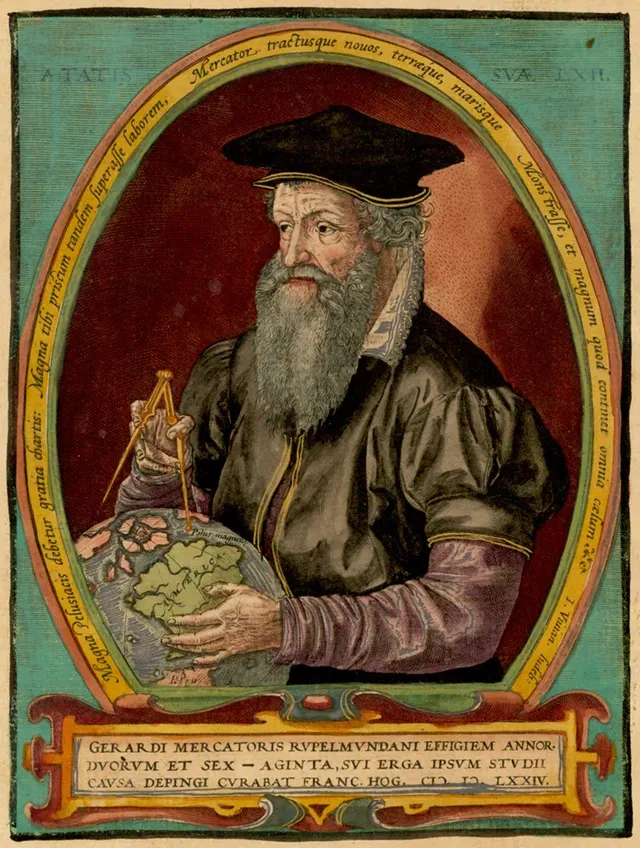
Gerardus Mercator
Image creditFrans Hogenberg · Public domainResized and cropped for display.

Gerardus Mercator

Flemish cartographer whose world map projection is still used for navigation.

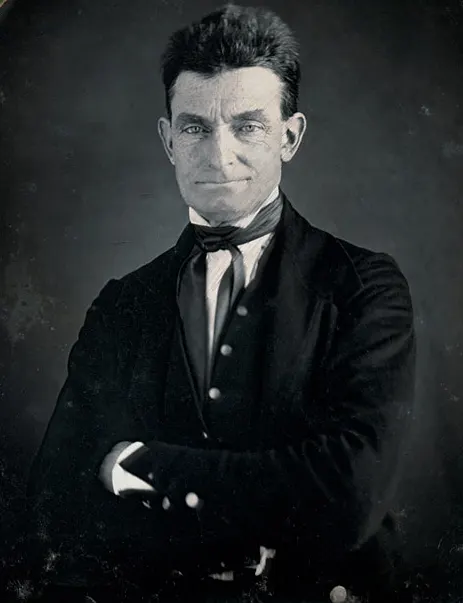
John Brown
Image creditAugustus Washington · Public domainResized and cropped for display.

John Brown

American abolitionist, hanged after his raid on the federal armoury at Harpers Ferry.

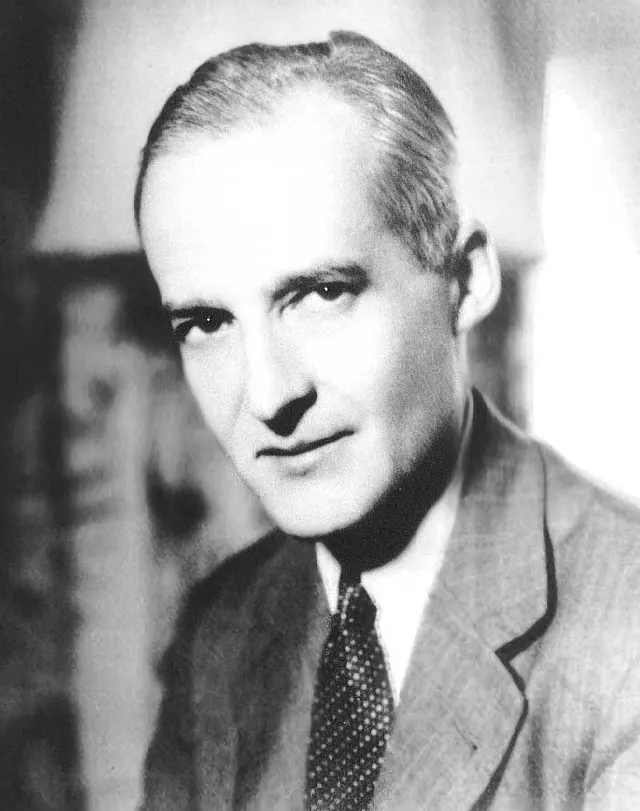
Luis Federico Leloir
Image creditUnknown · Public domainResized and cropped for display.

Luis Federico Leloir

Argentine biochemist who won the 1970 Nobel Prize in Chemistry for his work on how the body makes and stores sugars.

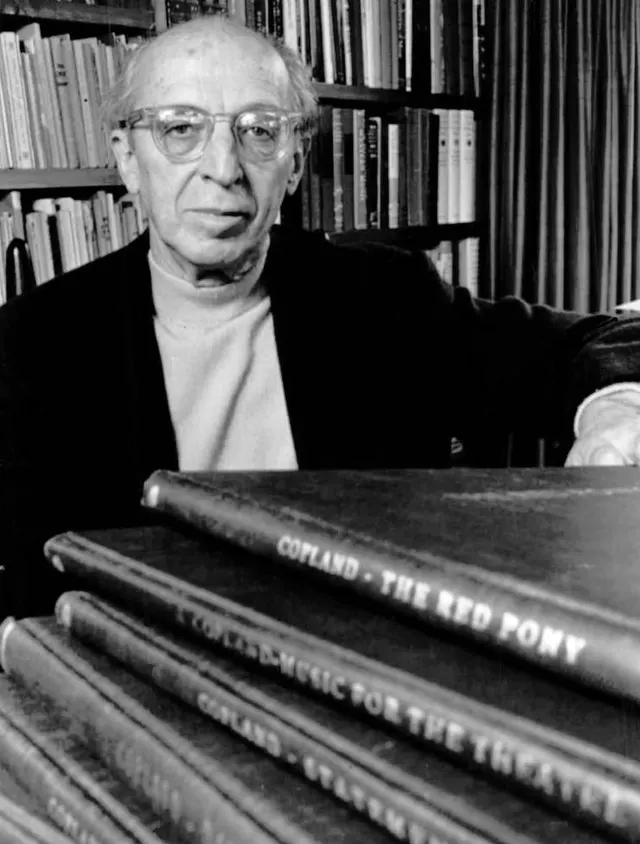
Aaron Copland
Image creditCBS Television · Public domainResized and cropped for display.

Aaron Copland

American composer of Appalachian Spring and Fanfare for the Common Man.

HISTORY & TIMELINE

Finished the highlights?

Follow 2 December chronologically, from the Middle Ages to the modern day, with 10 verified events and the sources behind them.

This day through time →