Explore 3 December

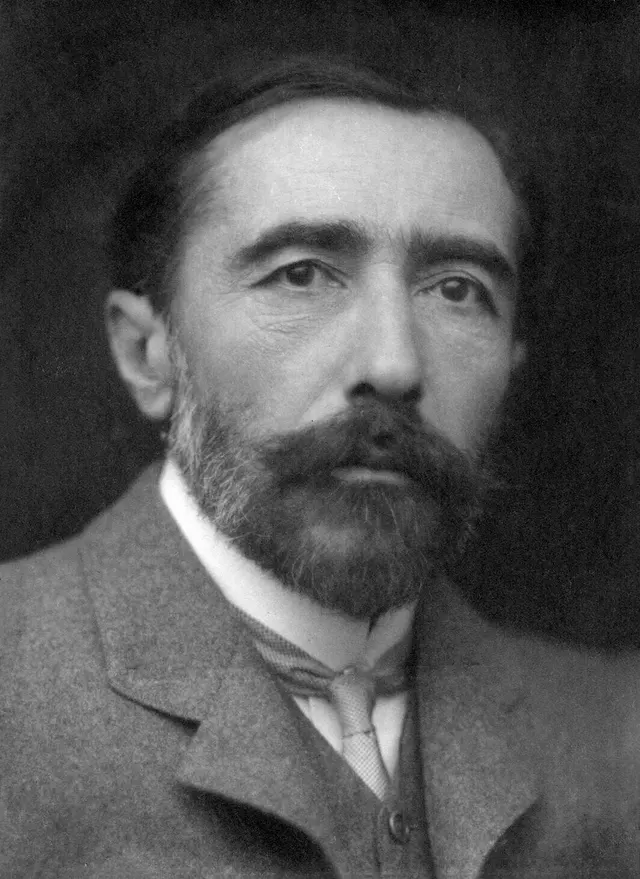
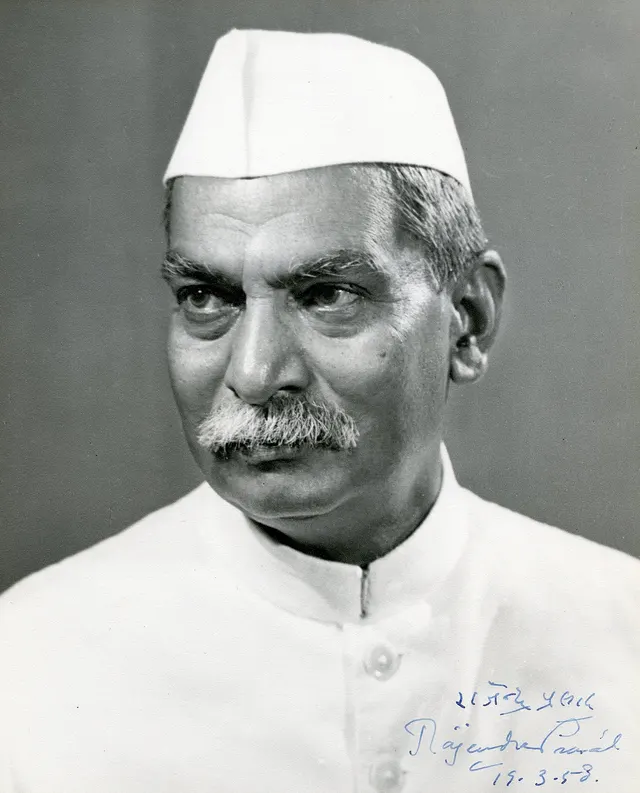
Explore 3 December: surgeons in Cape Town carry out the first human heart transplant, Australia’s gold miners make their stand at the Eureka Stockade, 122 countries sign the treaty banning landmines and the Cold War’s leaders meet off Malta. Meet Joseph Conrad, Anna Freud and Rajendra Prasad, born on this date.

This day through time →12 verified events across 2 eras

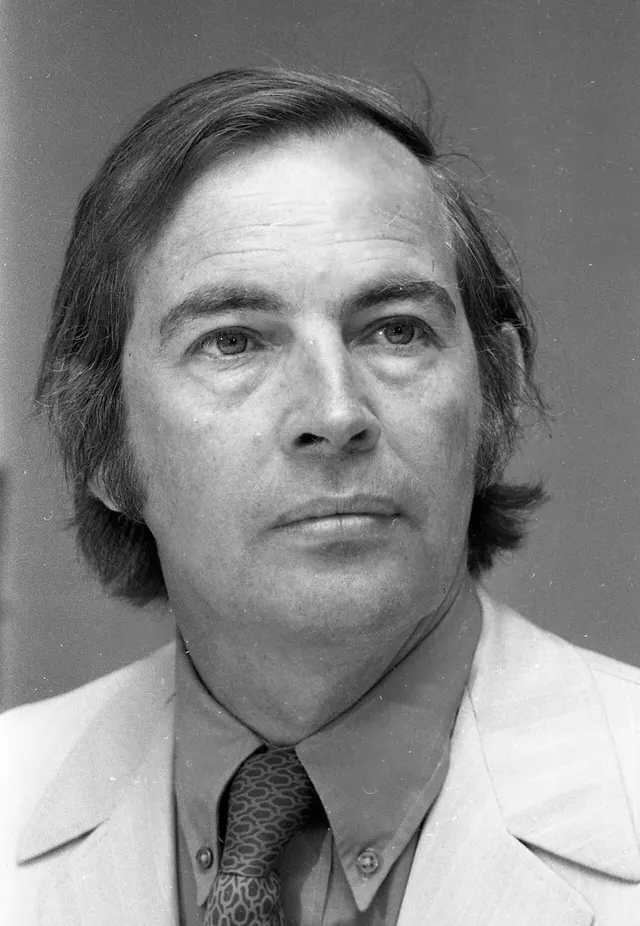
Christiaan Barnard in 1972.
Image creditIPPA photographer · CC BY 4.0Resized and cropped for display.

The first human heart transplant

In an operation lasting through the night of 2-3 December 1967 at Groote Schuur Hospital in Cape Town, a team of about thirty led by the surgeon Christiaan Barnard transplanted the heart of Denise Darvall, a young woman fatally injured in a road accident, into Louis Washkansky, a 53-year-old grocer with severe heart disease.

The new heart worked, and Washkansky was soon able to talk, but his immune system had been suppressed to stop it rejecting the organ and he died of pneumonia 18 days later. The operation made world headlines, and later patients at the hospital lived for many years.

Read the full storyHistory & Timeline →Source: University of Cape Town, Chris Barnard Division of Cardiothoracic Surgery: World’s first human heart transplant ↗
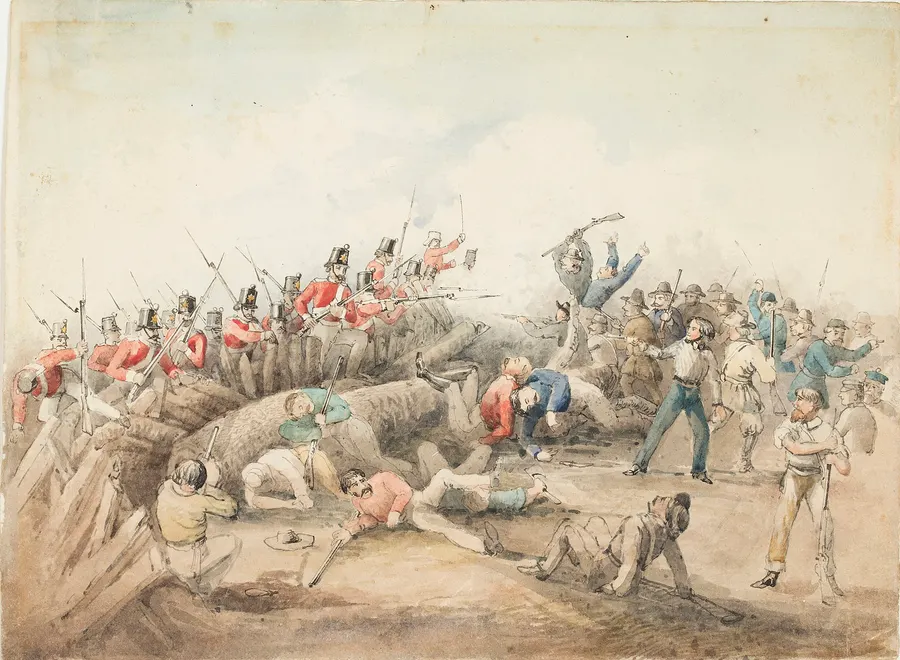
The attack on the Eureka Stockade, painted by the eyewitness John Black Henderson.
Image creditJohn Black Henderson (1827-1918) · Public domainResized and cropped for display.

The Eureka Stockade

Before dawn on Sunday 3 December 1854, soldiers and police attacked a rough stockade built by gold miners at the Eureka diggings in Ballarat, Victoria. The miners had raised the blue-and-white Southern Cross flag days earlier in protest at costly mining licences, harsh policing and their lack of a vote.

The fight lasted about fifteen minutes. At least 22 miners and 5 soldiers were killed, and some accounts give more. But juries refused to convict the rebel leaders of treason, and within a year the licence was scrapped and miners won the right to vote. Eureka is remembered as a turning point for Australian democracy.

Read the full storyHistory & Timeline →Source: National Museum of Australia: Eureka Stockade ↗
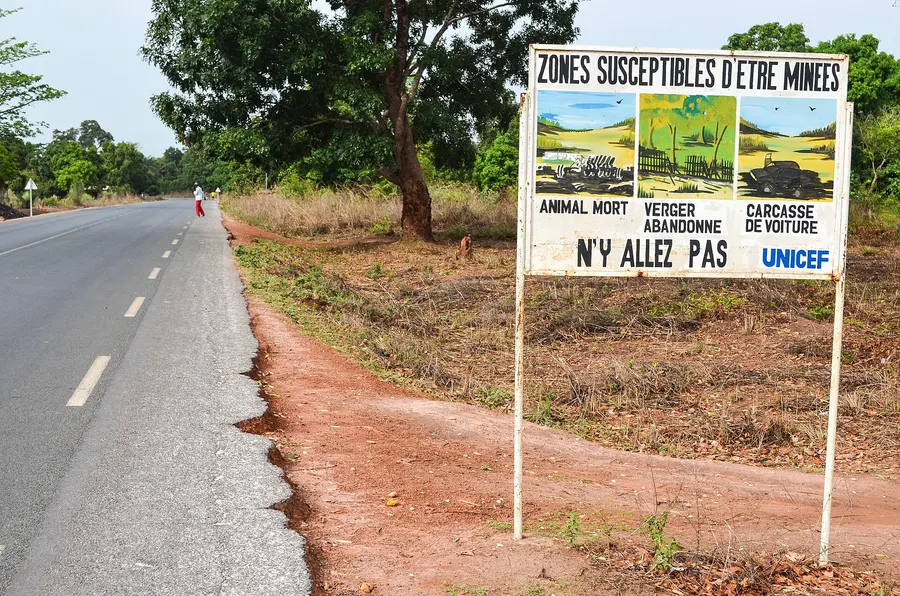
A sign near Ziguinchor, Senegal, warning of areas likely to be mined.
Image creditjbdodane · CC BY 2.0Resized and cropped for display.

The world bans landmines

On 3 December 1997, 122 countries gathered in Ottawa to sign a treaty banning anti-personnel landmines, weapons that go on killing and maiming civilians long after wars have ended. The Mine Ban Convention, agreed in Oslo that September, forbids their use, stockpiling, production and transfer and obliges states to destroy their stocks and clear mined land.

It came into force on 1 March 1999. The campaign behind it, the International Campaign to Ban Landmines, shared the 1997 Nobel Peace Prize with its coordinator, Jody Williams.

Read the full storyHistory & Timeline →Source: Anti-Personnel Mine Ban Convention: History and text ↗
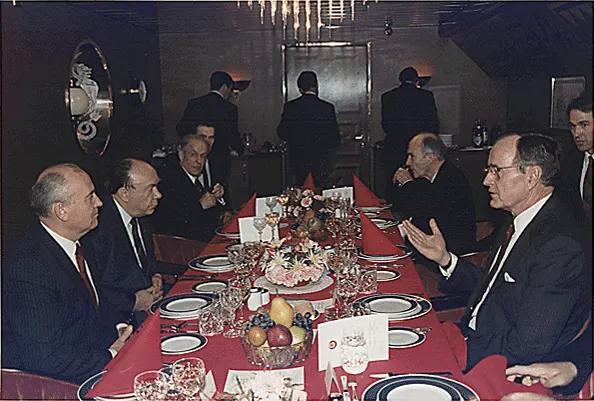
George H. W. Bush and Mikhail Gorbachev at the Malta summit, 2 December 1989.
Image creditDavid Valdez (1949-) · Public domainResized and cropped for display.

The Malta summit and the end of the Cold War

Weeks after the fall of the Berlin Wall, President George H. W. Bush and the Soviet leader Mikhail Gorbachev met off Malta on 2 and 3 December 1989, in talks held aboard ships in a stormy Marsaxlokk harbour. They discussed the upheavals in Eastern Europe and agreed to press on with cutting nuclear and chemical weapons.

No treaty was signed, but the summit, which closed on 3 December, came to symbolise the end of the Cold War that had divided the world since 1945.

Read the full storyHistory & Timeline →Source: Government of Malta, Ministry for Foreign Affairs: The 1989 Malta Summit ↗
♙
PEOPLE

Born Today

Gilbert Stuart
Image creditGilbert Stuart · Public domainResized and cropped for display.

Gilbert Stuart

American portrait painter whose unfinished portrait of George Washington appears on the one-dollar bill.

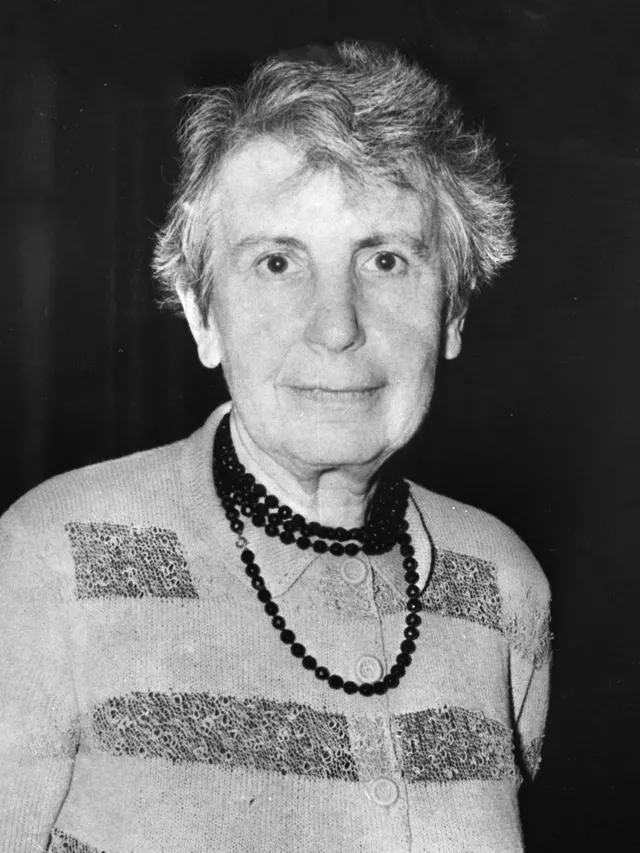
Anna Freud
Image creditUnknown authorUnknown author · CC0Resized and cropped for display.

Anna Freud

Austrian-British psychoanalyst, a founder of child psychoanalysis and daughter of Sigmund Freud.

Jean-Luc Godard
Image creditGary Stevens · CC BY 2.0Resized and cropped for display.

Jean-Luc Godard

French-Swiss film director, a leading figure of the French New Wave, who made Breathless.

Paul Crutzen
Image creditTeemu Rajala · CC BY 3.0Resized and cropped for display.

Paul Crutzen

Dutch atmospheric chemist who shared the 1995 Nobel Prize in Chemistry for work on the ozone layer.

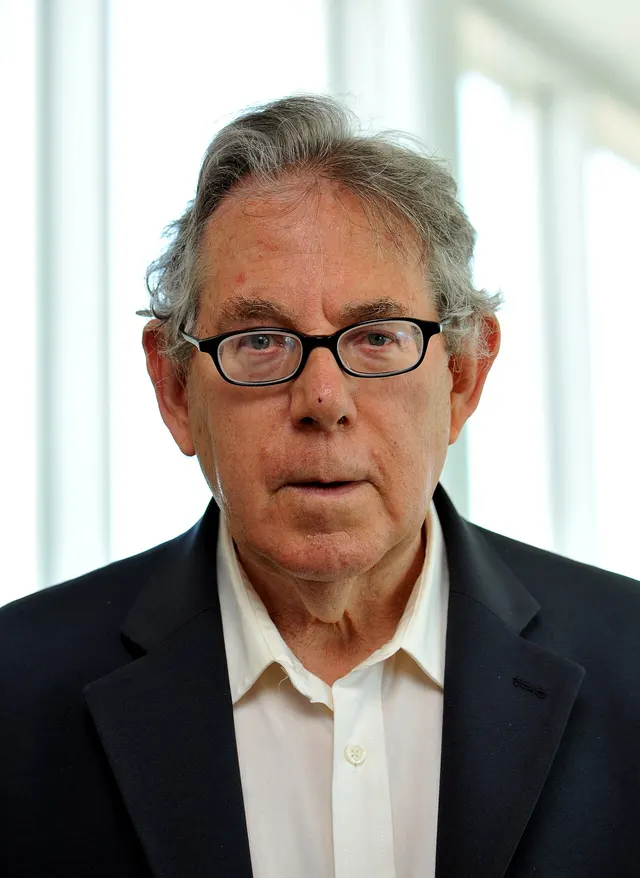
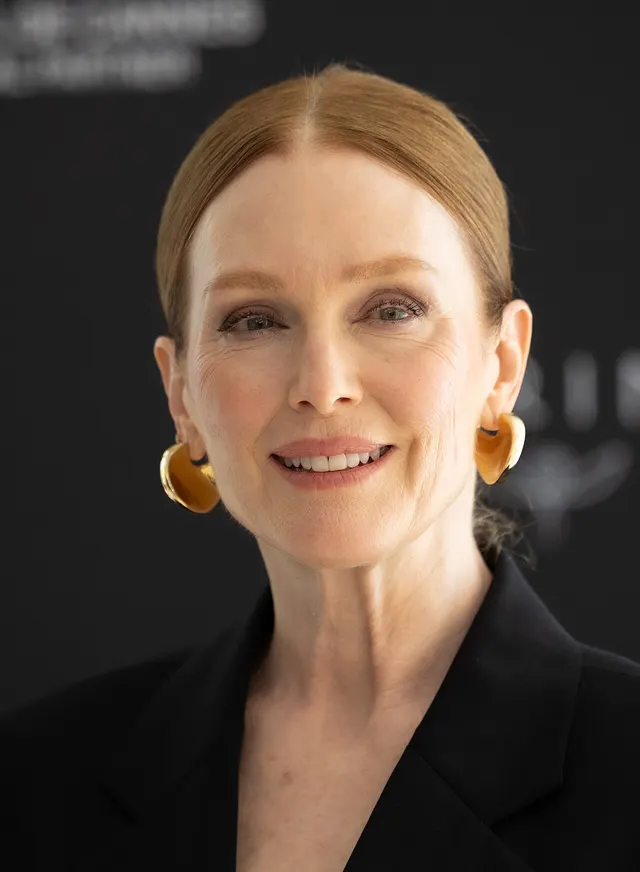
Julianne Moore
Image creditHarald Krichel · CC BY-SA 4.0Resized and cropped for display.

Julianne Moore

American actress who won the Academy Award for Best Actress for Still Alice.

◉
IDEAS THAT CHANGED THINGS

Firsts, Science & Discoveries

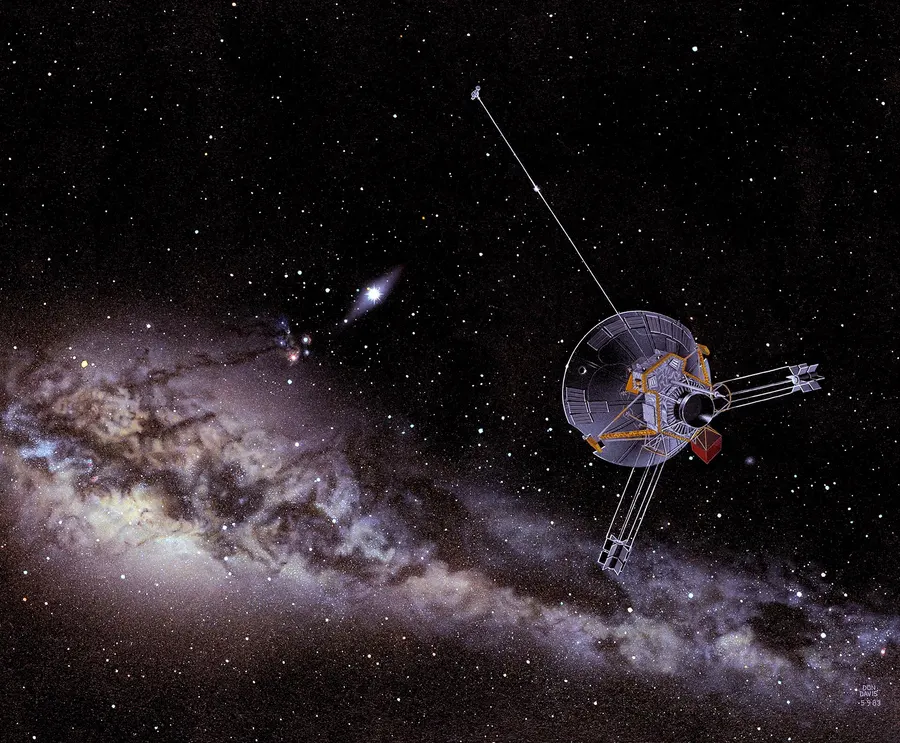
An artist's impression by Don Davis for NASA of a Pioneer spacecraft heading into interstellar space.
An artist’s impression by Don Davis for NASA of a Pioneer spacecraft heading into interstellar space.
Image creditNASA/Don Davis · Public domainResized and cropped for display.

Pioneer 10 flies past Jupiter

On the evening of 3 December 1973 by American time, NASA’s Pioneer 10 made the first ever close pass of Jupiter, coming within about 130,000 km of the giant planet’s cloud tops. It had crossed the asteroid belt to get there, another first.

Over its weeks near Jupiter the probe took about 500 pictures, including views of the Great Red Spot and the moons Ganymede, Europa and Callisto, and measured the planet’s fierce radiation belts. It then headed out of the solar system, carrying a plaque with a message for anyone who might find it.

Read the full storyHistory & Timeline →Source: NASA: Forty years ago, Pioneer 10’s closest approach to Jupiter ↗
♫
MUSIC • FILM • BOOKS • CULTURE

Culture Stories

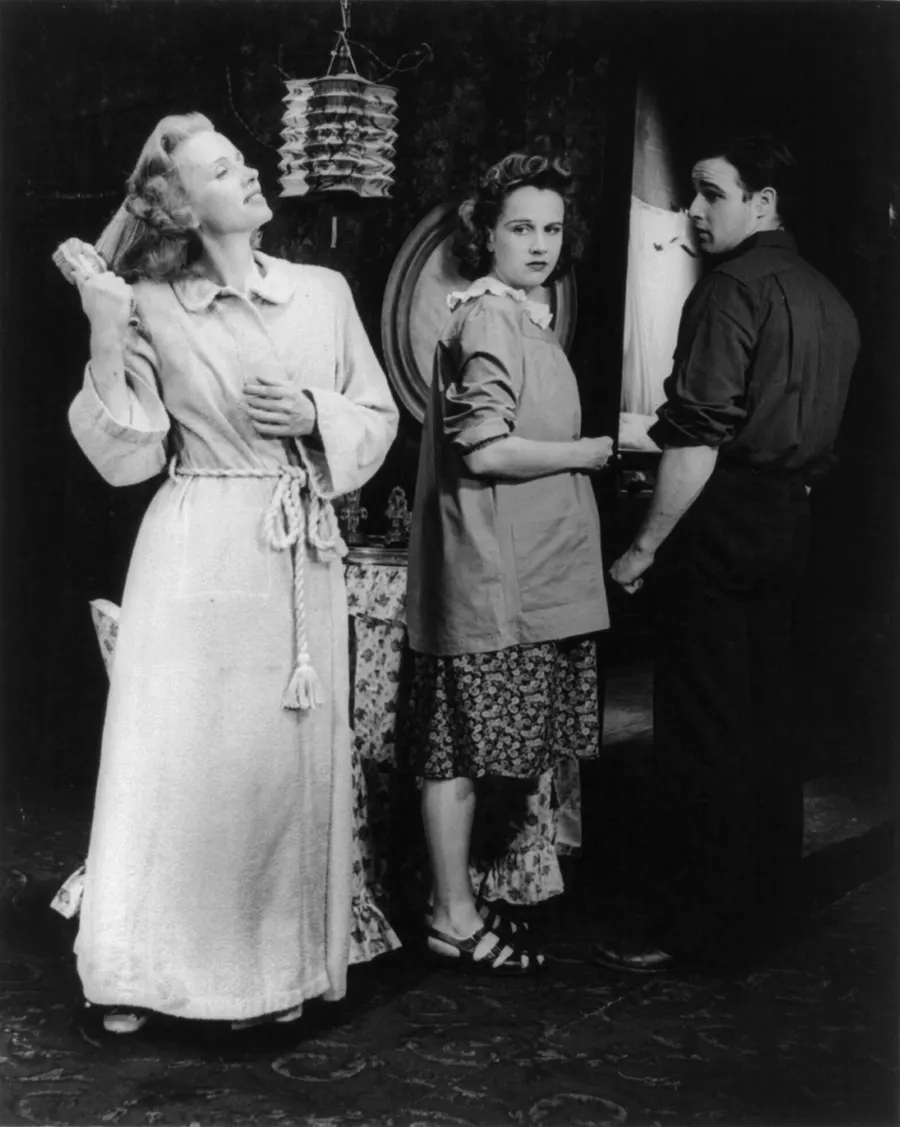
Jessica Tandy, Kim Hunter and Marlon Brando in a scene from the original production, photographed by Eileen Darby.
Image creditEileen Darby · Public domainResized and cropped for display.

A Streetcar Named Desire opens on Broadway

Tennessee Williams’s A Streetcar Named Desire opened at the Ethel Barrymore Theatre in New York on 3 December 1947, directed by Elia Kazan, with Jessica Tandy as Blanche DuBois, Kim Hunter as Stella and a young Marlon Brando as Stanley Kowalski.

It ran for 855 performances, the longest of any of Williams’s plays, and won him his first Pulitzer Prize for Drama.

Read the full storyHistory & Timeline →Source: Library of Congress: A look back at A Streetcar Named Desire ↗
A Japanese SCPH-1000 PlayStation, the first model, with its controller and memory card.
Image creditEvan-Amos · Public domainResized and cropped for display.

The PlayStation goes on sale in Japan

Sony’s first games console, the PlayStation, went on sale in Japan on 3 December 1994. It used CD-ROMs rather than cartridges and could draw 3D graphics in real time, and it came with one controller and a demo disc.

Many doubted that an electronics company could break into a market dominated by Nintendo and Sega, but the PlayStation became one of the best-selling consoles of its time and launched a series that is still going.

Read the full storyHistory & Timeline →Source: PlayStation: PlayStation history timeline, 1994 ↗
✦
LIVES REMEMBERED

Remembered Today

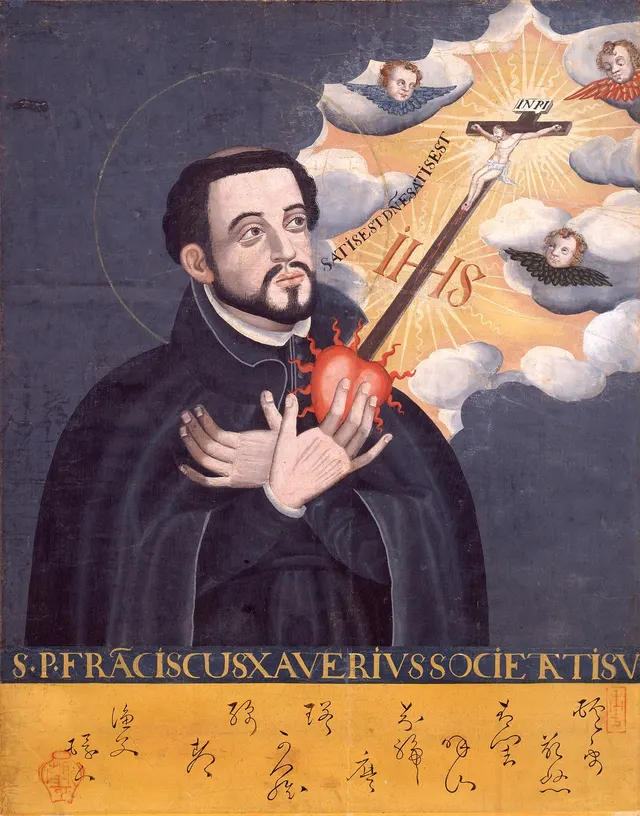
Francis Xavier
Image creditUnknown · Public domainResized and cropped for display.

Francis Xavier

Spanish Jesuit missionary to India, South-east Asia and Japan, who died off the coast of China.

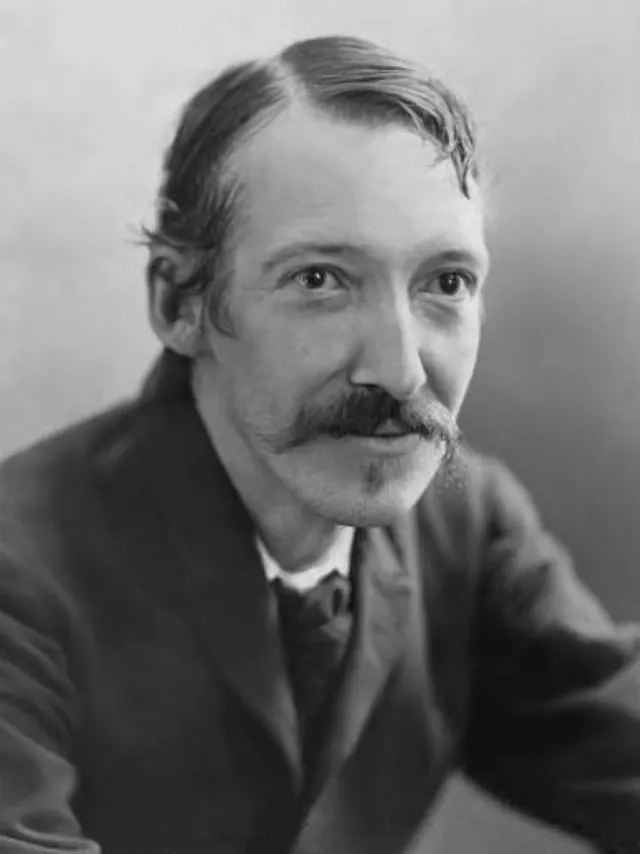
Robert Louis Stevenson
Image creditHenry Walter Barnett · Public domainResized and cropped for display.

Robert Louis Stevenson

Scottish author of Treasure Island and Strange Case of Dr Jekyll and Mr Hyde, who died in Samoa.

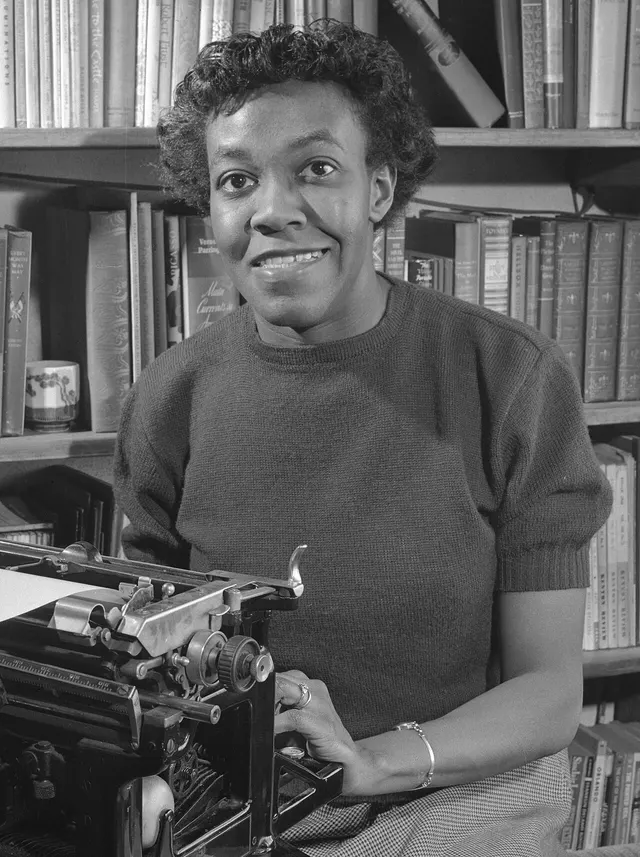
Gwendolyn Brooks
Image creditACME Newspictures · Public domainResized and cropped for display.

Gwendolyn Brooks

American poet who became the first Black writer to win a Pulitzer Prize, in 1950.

☉
AROUND THE WORLD

Observances & Anniversaries

Marking the International Day of Persons with Disabilities in Vietnam in 2010.
Image creditUSAID Vietnam · Public domainResized and cropped for display.

International Day of Persons with Disabilities

Proclaimed by the United Nations General Assembly in 1992 and first held on 3 December that year, the day promotes the rights, dignity and well-being of people with disabilities and their full part in every area of life. It took its present name in 2008.

Source: United Nations, Division for Inclusive Social Development: International Day of Persons with Disabilities ↗
HISTORY & TIMELINE

Finished the highlights?

Follow 3 December chronologically, from the Middle Ages to the modern day, with 12 verified events and the sources behind them.

This day through time →