HISTORY & TIMELINE
3 December

A journey through
3 December in history

From Moreau’s victory at Hohenlinden in 1800 to the Ottawa landmine treaty in 1997, 3 December has seen new states and new flags, a first look at Jupiter and a new heart for a Cape Town grocer. This timeline follows the date across almost two centuries.

JUMP THROUGH TIME
IV
THE NINETEENTH CENTURY

The 1800s

Industry, empire, invention, reform and a century of enormous transformation.

1800
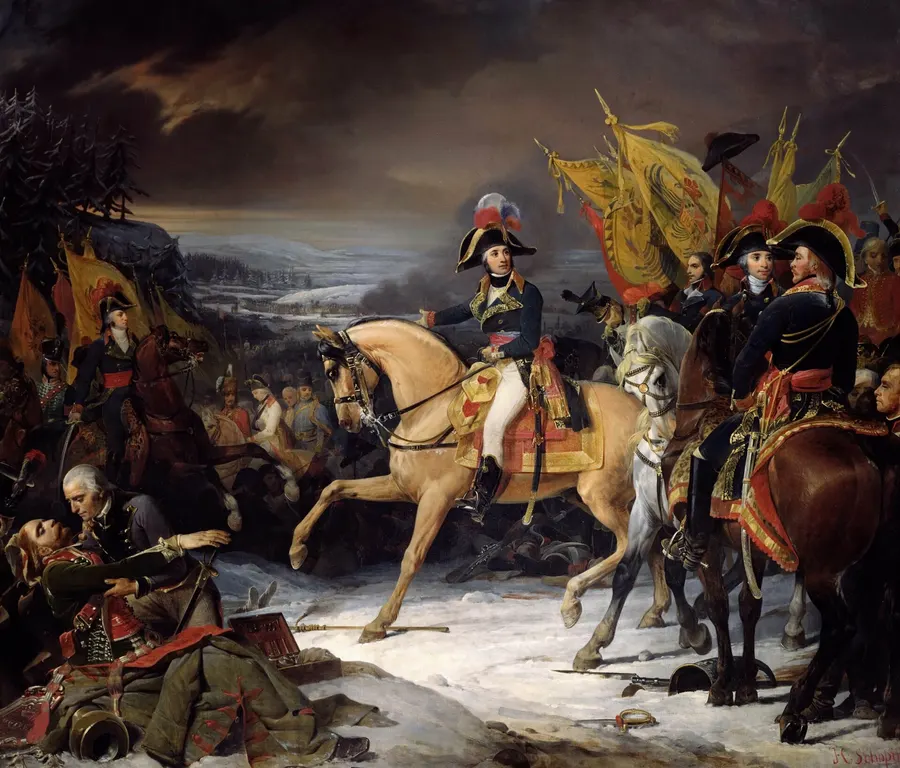
Moreau at the Battle of Hohenlinden, painted by Henri Frédéric Schopin.Moreau at the Battle of Hohenlinden, painted by Henri Frédéric Schopin.Image: Henri Frédéric Schopin · Public domain
world · Europe

Moreau wins at Hohenlinden

On 3 December 1800, in snowy forest east of Munich, the French general Jean-Victor Moreau routed an Austrian and Bavarian army nominally led by the young Archduke John. The defeat drove Austria out of the War of the Second Coalition and led to the Treaty of Lunéville in February 1801.

Source: Encyclopaedia Britannica: Battle of Hohenlinden ↗
1818
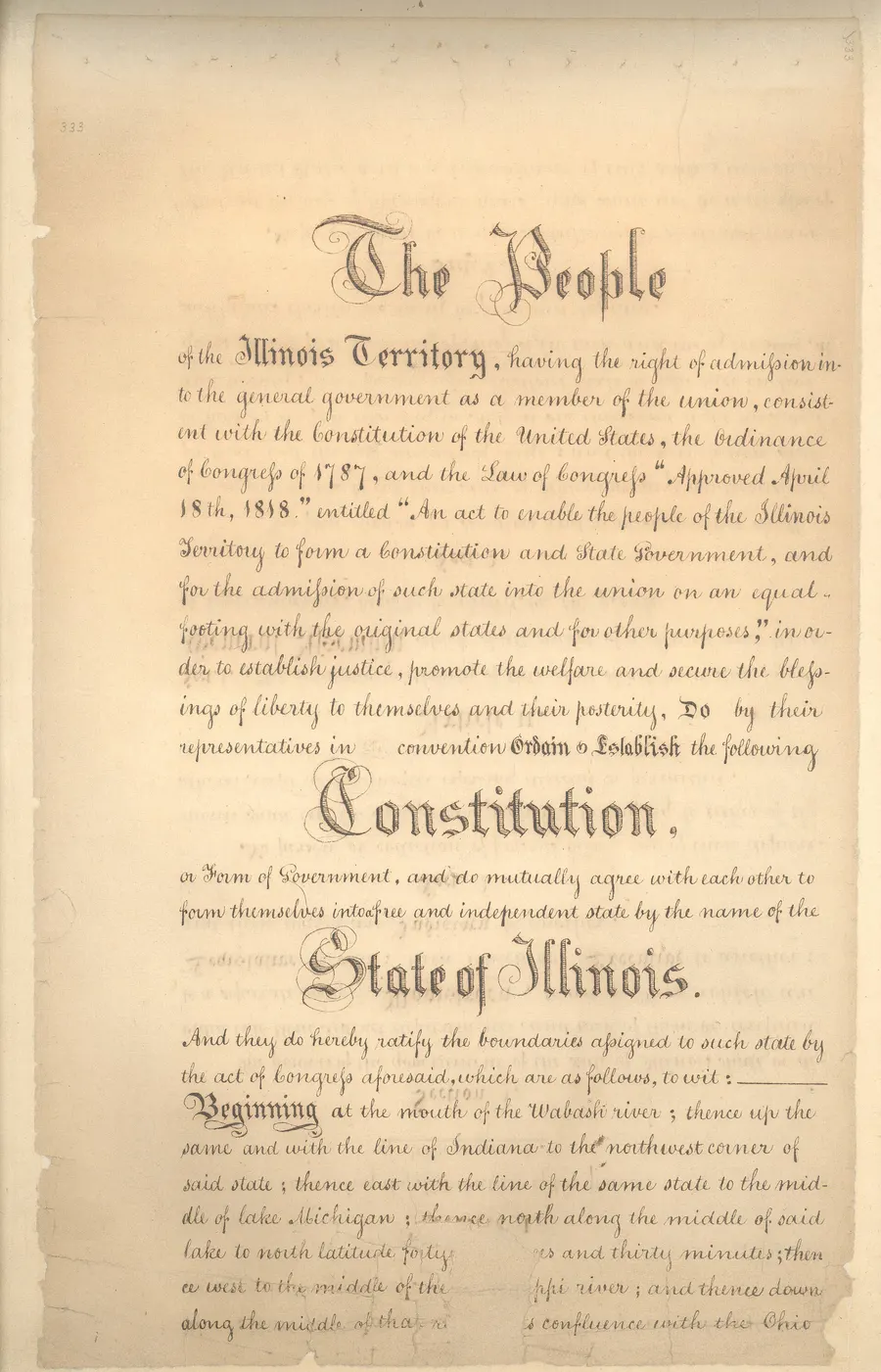
The first page of the manuscript of Illinois's 1818 constitution.The first page of the manuscript of Illinois’s 1818 constitution.Image: William Greenup · Public domain
politics · Americas

Illinois becomes the 21st US state

President James Monroe signed the resolution admitting Illinois to the Union on 3 December 1818, making it the 21st state. It then had about 40,000 people, mostly along the Mississippi, Ohio and Wabash rivers. Its territorial delegate had managed to push the northern border up to take in the lakeside site where Chicago would grow.

Source: Illinois Department of Natural Resources, Historic Preservation: Early statehood, 1818-1848 ↗
1854
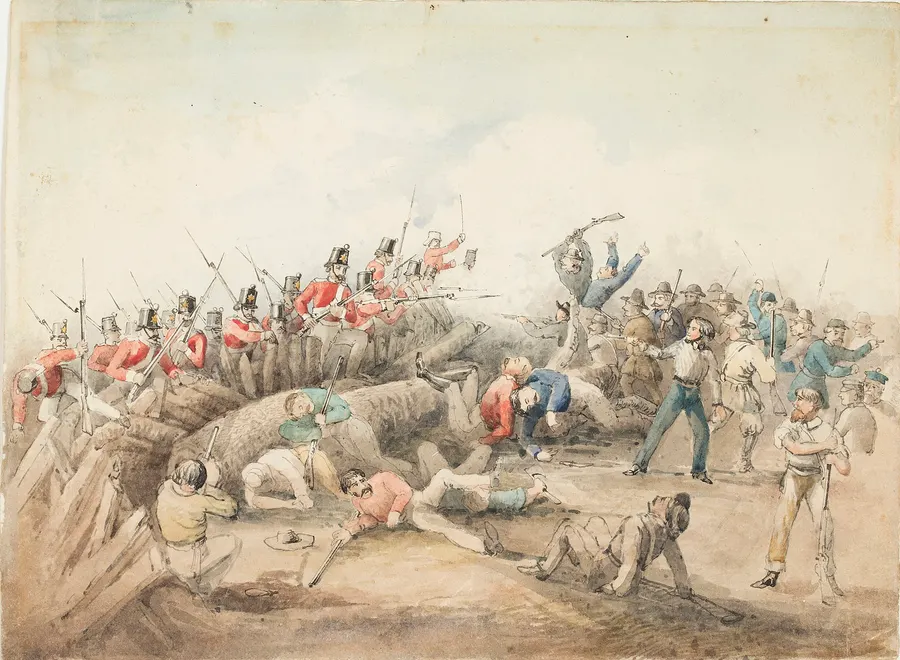
The attack on the Eureka Stockade, painted by the eyewitness John Black Henderson.The attack on the Eureka Stockade, painted by the eyewitness John Black Henderson.Image: John Black Henderson (1827-1918) · Public domain
politics · Oceania

The Eureka Stockade

Before dawn on Sunday 3 December 1854, soldiers and police attacked a rough stockade built by gold miners at the Eureka diggings in Ballarat, Victoria. The miners had raised the blue-and-white Southern Cross flag days earlier in protest at costly mining licences, harsh policing and their lack of a vote. The fight lasted about fifteen minutes. At least 22 miners and 5 soldiers were killed, and some accounts give more. But juries refused to convict the rebel leaders of treason, and within a year the licence was scrapped and miners won the right to vote. Eureka is remembered as a turning point for Australian democracy.

Source: National Museum of Australia: Eureka Stockade ↗
V
THE TWENTIETH CENTURY

The 1900s

War and peace, technological leaps, social change, politics, sport and popular culture.

1947
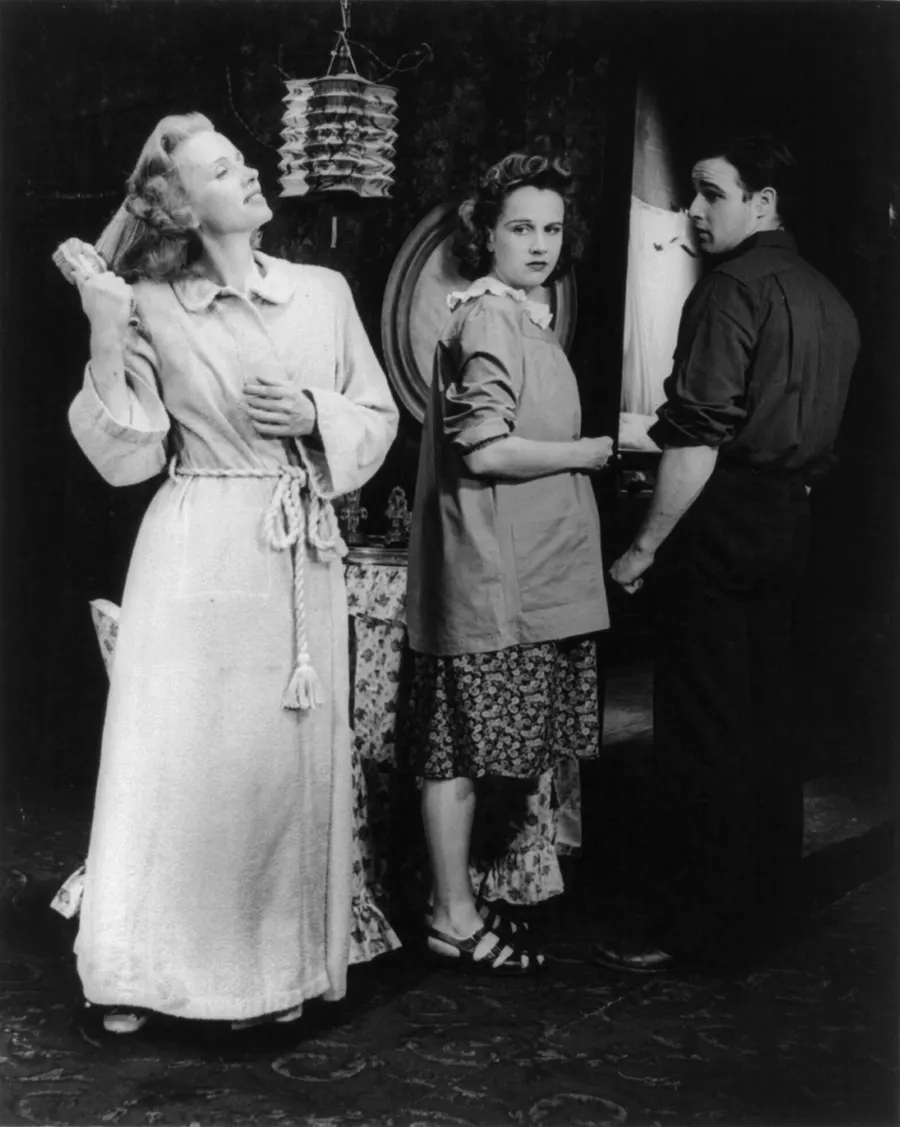
Jessica Tandy, Kim Hunter and Marlon Brando in a scene from the original production, photographed by Eileen Darby.Jessica Tandy, Kim Hunter and Marlon Brando in a scene from the original production, photographed by Eileen Darby.Image: Eileen Darby · Public domain
culture · Americas

A Streetcar Named Desire opens on Broadway

Tennessee Williams’s A Streetcar Named Desire opened at the Ethel Barrymore Theatre in New York on 3 December 1947, directed by Elia Kazan, with Jessica Tandy as Blanche DuBois, Kim Hunter as Stella and a young Marlon Brando as Stanley Kowalski. It ran for 855 performances, the longest of any of Williams’s plays, and won him his first Pulitzer Prize for Drama.

Source: Library of Congress: A look back at A Streetcar Named Desire ↗
1959
politics · Asia

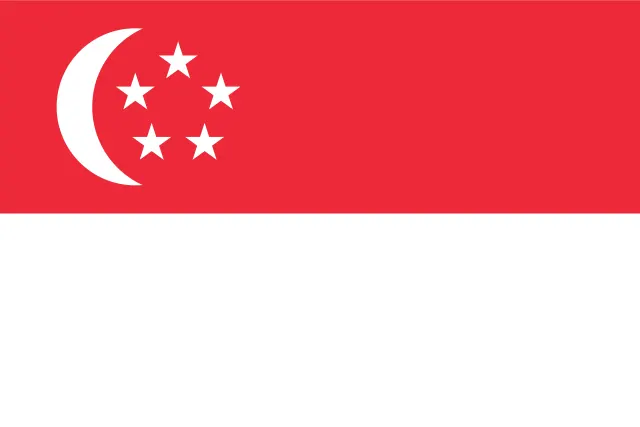
Singapore unveils its flag and anthem

Six months after Singapore gained self-government, its new flag, state crest and anthem were unveiled on 3 December 1959 at the installation of Yusof Ishak as the first Malayan-born head of state. On the red and white flag, the crescent stands for a young nation on the rise and the five stars for democracy, peace, progress, justice and equality.

Source: National Library Board Singapore: Singapore’s national flag ↗
1967
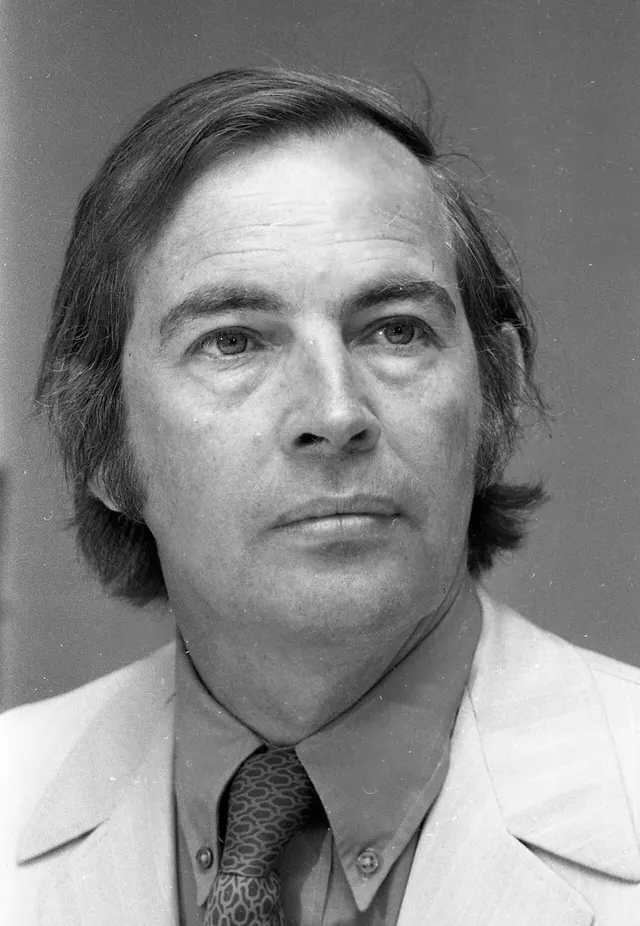
Christiaan Barnard in 1972.Christiaan Barnard in 1972.Image: IPPA photographer · CC BY 4.0
science · Africa

The first human heart transplant

In an operation lasting through the night of 2-3 December 1967 at Groote Schuur Hospital in Cape Town, a team of about thirty led by the surgeon Christiaan Barnard transplanted the heart of Denise Darvall, a young woman fatally injured in a road accident, into Louis Washkansky, a 53-year-old grocer with severe heart disease. The new heart worked, and Washkansky was soon able to talk, but his immune system had been suppressed to stop it rejecting the organ and he died of pneumonia 18 days later. The operation made world headlines, and later patients at the hospital lived for many years.

Source: University of Cape Town, Chris Barnard Division of Cardiothoracic Surgery: World’s first human heart transplant ↗
1973
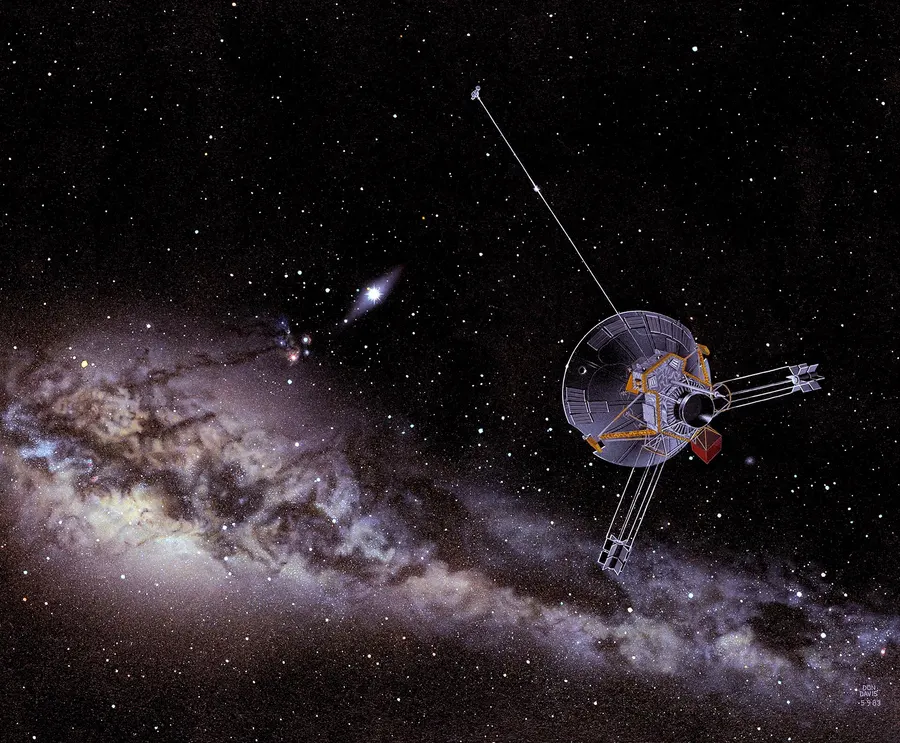
An artist's impression by Don Davis for NASA of a Pioneer spacecraft heading into interstellar space.An artist’s impression by Don Davis for NASA of a Pioneer spacecraft heading into interstellar space.Image: NASA/Don Davis · Public domain
science · Global

Pioneer 10 flies past Jupiter

On the evening of 3 December 1973 by American time, NASA’s Pioneer 10 made the first ever close pass of Jupiter, coming within about 130,000 km of the giant planet’s cloud tops. It had crossed the asteroid belt to get there, another first. Over its weeks near Jupiter the probe took about 500 pictures, including views of the Great Red Spot and the moons Ganymede, Europa and Callisto, and measured the planet’s fierce radiation belts. It then headed out of the solar system, carrying a plaque with a message for anyone who might find it.

Source: NASA: Forty years ago, Pioneer 10’s closest approach to Jupiter ↗
1984
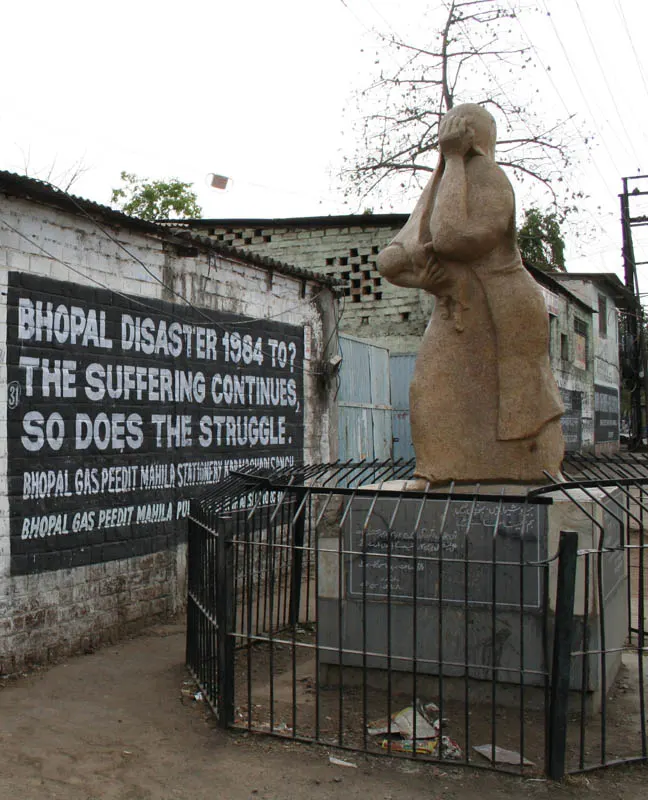
A memorial in Bhopal to those killed and disabled by the gas leak.A memorial in Bhopal to those killed and disabled by the gas leak.Image: The original uploader was Simone.lippi at Italian Wikipedia. · CC BY-SA 2.0
world · Asia

The Bhopal gas disaster

Late on 2 December 1984 toxic methyl isocyanate gas began escaping from a storage tank at the Union Carbide pesticide plant in Bhopal, India, and in the early hours of 3 December it drifted over the sleeping city. Thousands died within days, and estimates of the final toll reach 15,000 to 20,000, with hundreds of thousands more left with lasting injuries. It is regarded as the world’s worst industrial disaster.

Source: Encyclopaedia Britannica: Bhopal disaster ↗
1989
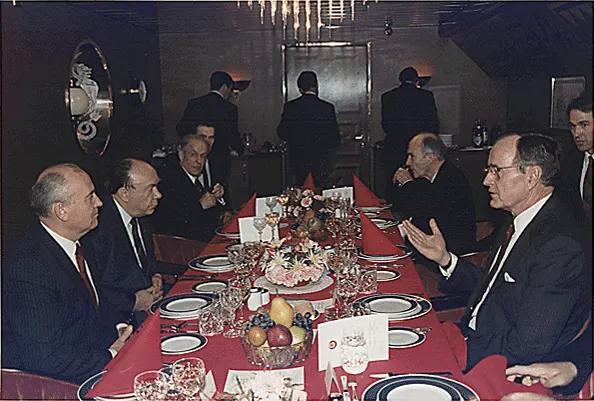
George H. W. Bush and Mikhail Gorbachev at the Malta summit, 2 December 1989.George H. W. Bush and Mikhail Gorbachev at the Malta summit, 2 December 1989.Image: David Valdez (1949-) · Public domain
politics · Europe

The Malta summit and the end of the Cold War

Weeks after the fall of the Berlin Wall, President George H. W. Bush and the Soviet leader Mikhail Gorbachev met off Malta on 2 and 3 December 1989, in talks held aboard ships in a stormy Marsaxlokk harbour. They discussed the upheavals in Eastern Europe and agreed to press on with cutting nuclear and chemical weapons. No treaty was signed, but the summit, which closed on 3 December, came to symbolise the end of the Cold War that had divided the world since 1945.

Source: Government of Malta, Ministry for Foreign Affairs: The 1989 Malta Summit ↗
1992
science · Europe

The first text message: ‘Merry Christmas’

On 3 December 1992 Neil Papworth, a 22-year-old engineer working on Vodafone’s new Short Message Service, typed ‘Merry Christmas’ on a computer and sent it to the mobile phone of Vodafone director Richard Jarvis, who was at the office Christmas party. It was the first SMS text message.

Source: Vodafone: 25 years since the world’s first text message ↗
1994
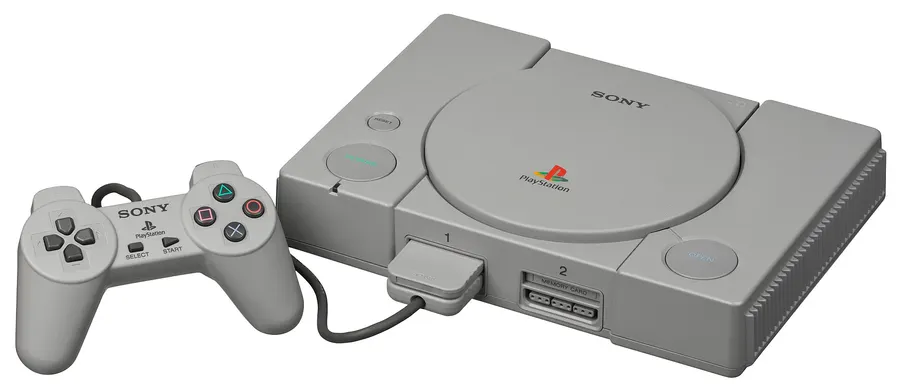
A Japanese SCPH-1000 PlayStation, the first model, with its controller and memory card.A Japanese SCPH-1000 PlayStation, the first model, with its controller and memory card.Image: Evan-Amos · Public domain
culture · Asia

The PlayStation goes on sale in Japan

Sony’s first games console, the PlayStation, went on sale in Japan on 3 December 1994. It used CD-ROMs rather than cartridges and could draw 3D graphics in real time, and it came with one controller and a demo disc. Many doubted that an electronics company could break into a market dominated by Nintendo and Sega, but the PlayStation became one of the best-selling consoles of its time and launched a series that is still going.

Source: PlayStation: PlayStation history timeline, 1994 ↗
1997
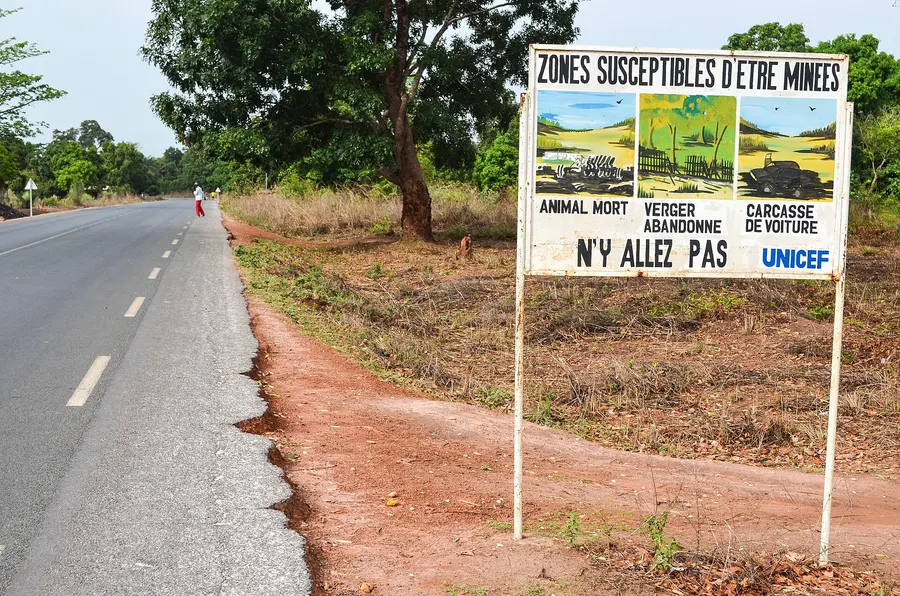
A sign near Ziguinchor, Senegal, warning of areas likely to be mined.A sign near Ziguinchor, Senegal, warning of areas likely to be mined.Image: jbdodane · CC BY 2.0
politics · Global

The world bans landmines

On 3 December 1997, 122 countries gathered in Ottawa to sign a treaty banning anti-personnel landmines, weapons that go on killing and maiming civilians long after wars have ended. The Mine Ban Convention, agreed in Oslo that September, forbids their use, stockpiling, production and transfer and obliges states to destroy their stocks and clear mined land. It came into force on 1 March 1999. The campaign behind it, the International Campaign to Ban Landmines, shared the 1997 Nobel Peace Prize with its coordinator, Jody Williams.

Source: Anti-Personnel Mine Ban Convention: History and text ↗
RESEARCH

Sources & Further Reading

Selected authoritative references supporting the events on this page.

Encyclopaedia Britannica: Battle of Hohenlinden↗Fondation Napoléon: Battle of Hohenlinden, 3 December 1800↗Illinois Department of Natural Resources, Historic Preservation: Early statehood, 1818-1848↗Illinois State Archives: Illinois Constitution (1818)↗National Museum of Australia: Eureka Stockade↗Encyclopaedia Britannica: Eureka Stockade↗Library of Congress: A look back at A Streetcar Named Desire↗Internet Broadway Database: A Streetcar Named Desire, original production↗National Library Board Singapore: Singapore’s national flag↗Singapore Government, SG101: Unveiling of the Singapore flag in 1959↗University of Cape Town, Chris Barnard Division of Cardiothoracic Surgery: World’s first human heart transplant↗Encyclopaedia Britannica: Christiaan Barnard↗NASA: Forty years ago, Pioneer 10’s closest approach to Jupiter↗Smithsonian National Air and Space Museum: To Jupiter and beyond, Pioneer 10 and 11↗Encyclopaedia Britannica: Bhopal disaster↗Government of Madhya Pradesh, Bhopal Gas Tragedy Relief and Rehabilitation Department: Profile↗Government of Malta, Ministry for Foreign Affairs: The 1989 Malta Summit↗Wilson Center Digital Archive: US memorandums of conversation, Bush and Gorbachev at the Malta summit, 2-3 December 1989↗Vodafone: 25 years since the world’s first text message↗Science Museum: SMS turns 20 with a touch of festive cheer↗PlayStation: PlayStation history timeline, 1994↗PlayStation Blog: PlayStation turns 20↗Anti-Personnel Mine Ban Convention: History and text↗International Committee of the Red Cross: Frequently asked questions, the Ottawa Treaty↗
WHY THESE MOMENTS?

Significance before volume

This page is not the longest possible list of events. It is a chronological journey through 3 December, where each entry is chosen for historical significance, human interest and reliability.

Facts are checked against authoritative museums, archives, universities and reference works. Where sources disagree, the page says so.

EXPLORED THE DEEPER STORY?

Return to the highlights of 3 December

Discover the lighter side of the date with famous birthdays, culture, firsts and lives remembered.

Explore This Day →
← PREVIOUS DAY2 December
HISTORY & TIMELINE3 December
NEXT DAY →4 December