
HISTORY & TIMELINE
4 December

A journey through
4 December in history

From the last session of the Council of Trent in 1563 to the first American module of the International Space Station in 1998, 4 December has seen reform, new designs, record-breaking spaceflight and an afternoon jam session that became rock and roll legend. This timeline follows the date across more than four centuries.

JUMP THROUGH TIME
III
A CHANGING WORLD

Early Modern Era

Exploration, political change, scientific development and expanding global connections.

1563
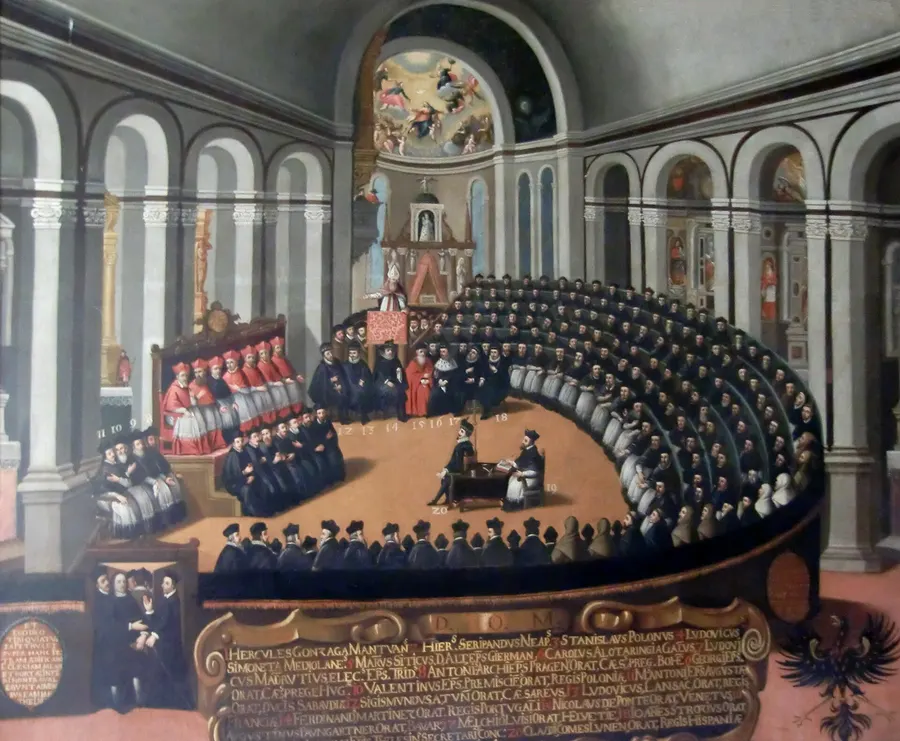
A painting of a session of the Council of Trent, in the Museo del Palazzo del Buonconsiglio, Trento.A painting of a session of the Council of Trent, in the Museo del Palazzo del Buonconsiglio, Trento.Image: Laurom · CC BY-SA 3.0
culture · Europe

The Council of Trent closes

The Council of Trent, which the Catholic Church had opened in December 1545 in answer to the Protestant Reformation, held its last session on 3 and 4 December 1563 and was dissolved on the 4th, with 255 council fathers present. Its final decrees dealt with indulgences, fasts and feast days, and asked the pope to prepare a new missal, breviary and catechism and a list of forbidden books. Confirmed by Pius IV early in 1564, the council’s work shaped Catholic teaching and practice for four centuries.

Source: Encyclopaedia Britannica: Council of Trent ↗
1783
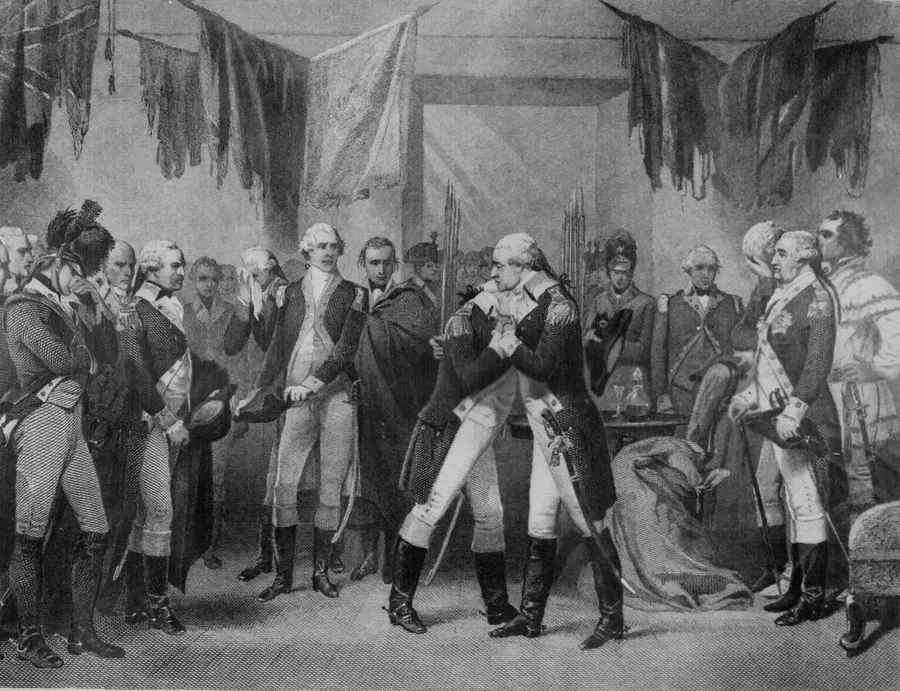
Washington's farewell to his officers, engraved by Phillibrown after a painting by Alonzo Chappel.Washington’s farewell to his officers, engraved by Phillibrown after a painting by Alonzo Chappel.Image: Alonzo Chappel · Public domain
politics · Americas

Washington bids farewell to his officers

Nine days after the last British troops left New York, General George Washington gathered the officers of the Continental Army in the Long Room of Fraunces Tavern in lower Manhattan on 4 December 1783. With great emotion he thanked them, took each by the hand, and then left for Annapolis, where he resigned his commission before going home to Mount Vernon.

Source: Fraunces Tavern Museum: George Washington’s farewell to his officers ↗
IV
THE NINETEENTH CENTURY

The 1800s

Industry, empire, invention, reform and a century of enormous transformation.

1829
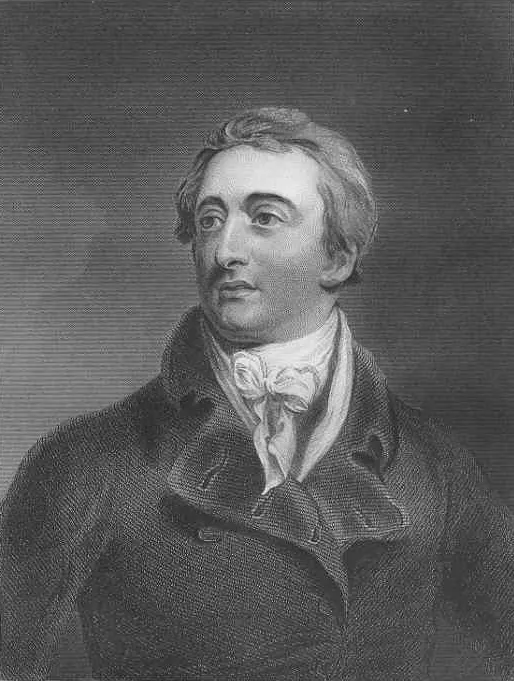
Lord William Bentinck, governor-general of Bengal, engraved after a portrait by Sir Thomas Lawrence.Lord William Bentinck, governor-general of Bengal, engraved after a portrait by Sir Thomas Lawrence.Image: Based on painting by Sir T. Lawrence (1769 – 1s830) · Public domain
politics · Asia

British India outlaws sati

On 4 December 1829 the governor-general of Bengal, Lord William Bentinck, and his council passed a regulation declaring sati, the burning or burying alive of Hindu widows with their dead husbands, illegal and punishable in the criminal courts. Anyone who helped with it could be tried for culpable homicide. The reformer Ram Mohan Roy had campaigned against the practice for years, and Bentinck pressed the measure through against fierce opposition. It applied at first in the lands ruled directly by the East India Company.

Source: World History Commons (George Mason University): Sati, official documents, Lord William Cavendish Bentinck ↗
V
THE TWENTIETH CENTURY

The 1900s

War and peace, technological leaps, social change, politics, sport and popular culture.

1909
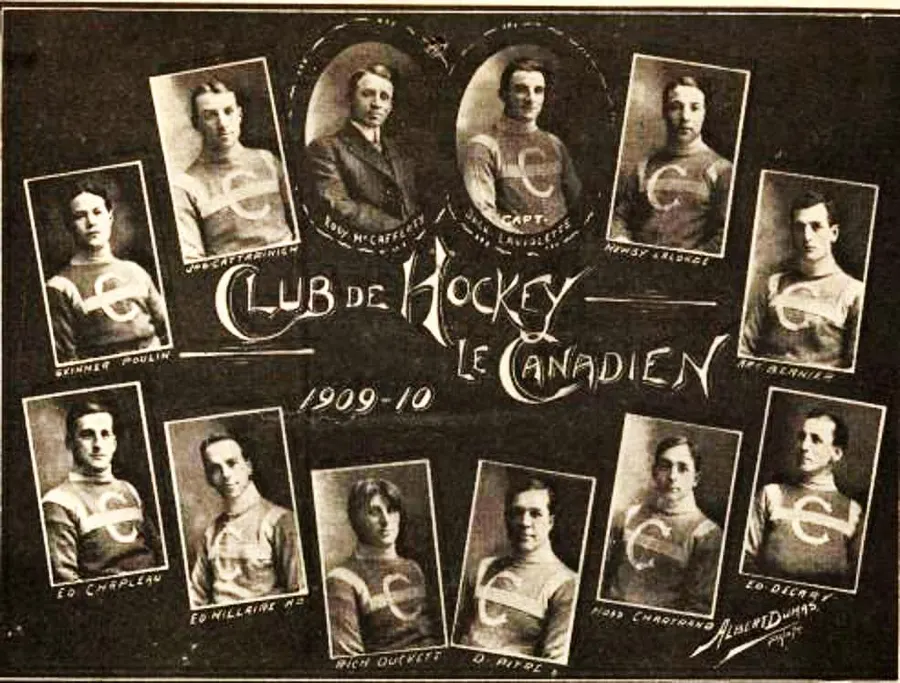
The Montreal Canadiens' first team, 1909-10.The Montreal Canadiens’ first team, 1909-10.Image: Albert Dumas · Public domain

sport · Americas

The Montreal Canadiens are founded

The Montreal Canadiens were founded on 4 December 1909 at the Windsor Hotel in Montreal, set up by the businessman J. Ambrose O’Brien as a French-Canadian team for the new National Hockey Association. The club joined the National Hockey League when it was formed in 1917 and is now the oldest professional ice hockey team in the world. It has won the Stanley Cup more times than any other team.

Source: The Canadian Encyclopedia: Montreal Canadiens ↗
1926
The Bauhaus building in Dessau, with its glass-walled workshop wing.The Bauhaus building in Dessau, with its glass-walled workshop wing.Image: JensKunstfreund · CC BY-SA 4.0

culture · Europe

The Bauhaus opens its building in Dessau

On 4 December 1926 the Bauhaus school of art and design opened its new building in Dessau, designed by its director Walter Gropius after the school was forced out of Weimar. More than 1,000 guests from Germany and abroad came, along with about 100 journalists. With its white walls, reinforced concrete and three-storey glass curtain wall, the building became an emblem of modern architecture. It is now a UNESCO World Heritage Site.

Source: Stiftung Bauhaus Dessau: The Bauhaus Building ↗
1956
Sun Studio at 706 Union Avenue, Memphis, in 2009.Sun Studio at 706 Union Avenue, Memphis, in 2009.Image: dbking from Washington, DC · CC BY 2.0
culture · Americas

The ‘Million Dollar Quartet’ jams at Sun

On the afternoon of 4 December 1956 Elvis Presley dropped in at Sun Studio in Memphis, where he had begun his career, and found Carl Perkins recording with a new piano player, Jerry Lee Lewis. Johnny Cash joined them, and they sang gospel and country favourites around the piano. Sam Phillips had the tape running and called a local reporter, whose story the next day named them the ‘Million Dollar Quartet’. The recordings were released decades later.

Source: Graceland: Elvis Presley and the Million Dollar Quartet ↗
1965
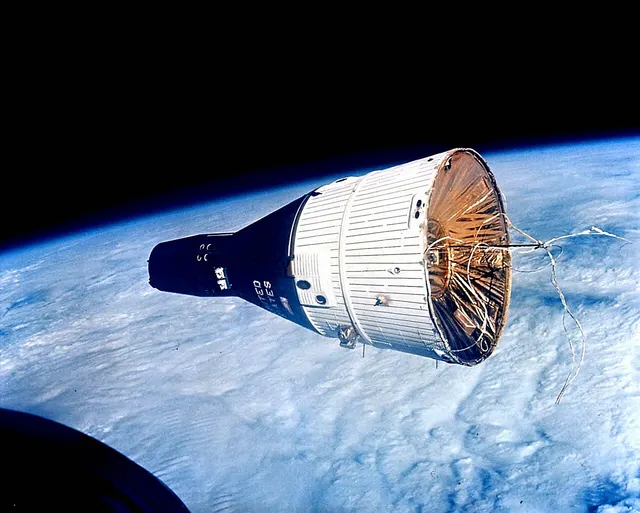
Gemini 7 in orbit, photographed from Gemini 6 during their rendezvous.Gemini 7 in orbit, photographed from Gemini 6 during their rendezvous.Image: NASA · Public domain
science · Americas

Gemini 7 begins two weeks in space

Frank Borman and Jim Lovell lifted off from Cape Canaveral aboard Gemini 7 on 4 December 1965. Their task was to show that people could live and work in weightlessness for 14 days, as long as a return trip to the Moon would take. They splashed down on 18 December, setting an endurance record that stood until 1970. On the way, on 15 December, Gemini 6 flew up to meet them, in the first rendezvous between two crewed spacecraft.

Source: NASA: Gemini VII ↗
1982
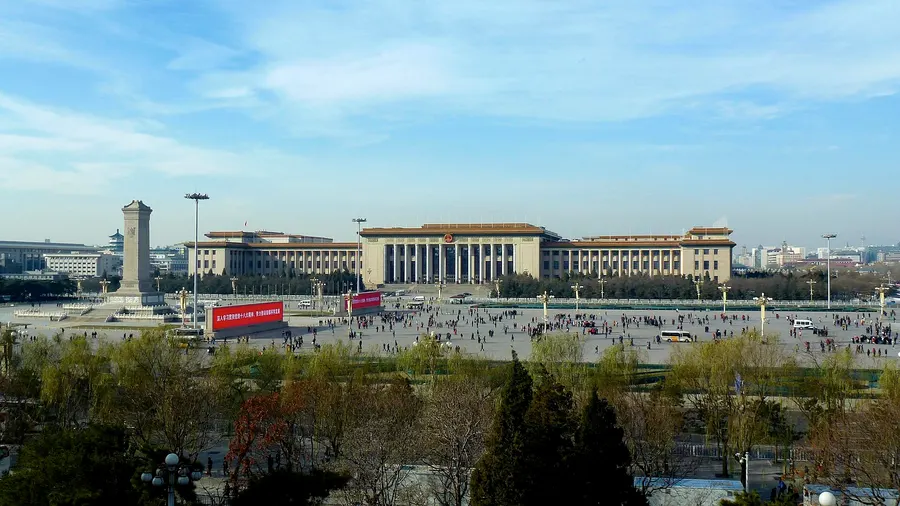
The Great Hall of the People in Beijing, where the National People's Congress meets, in 2012.The Great Hall of the People in Beijing, where the National People’s Congress meets, in 2012.Image: Zheng Zhou · CC BY-SA 3.0
politics · Asia

China adopts its present constitution

On 4 December 1982 the National People’s Congress, meeting in Beijing, adopted the fourth constitution of the People’s Republic of China, replacing the one of 1978. It set out the framework of the state in the era of reform that followed the death of Mao Zedong. It has been amended several times since, in 1988, 1993, 1999, 2004 and 2018.

Source: Government of the People’s Republic of China: Constitution of the People’s Republic of China ↗
1998
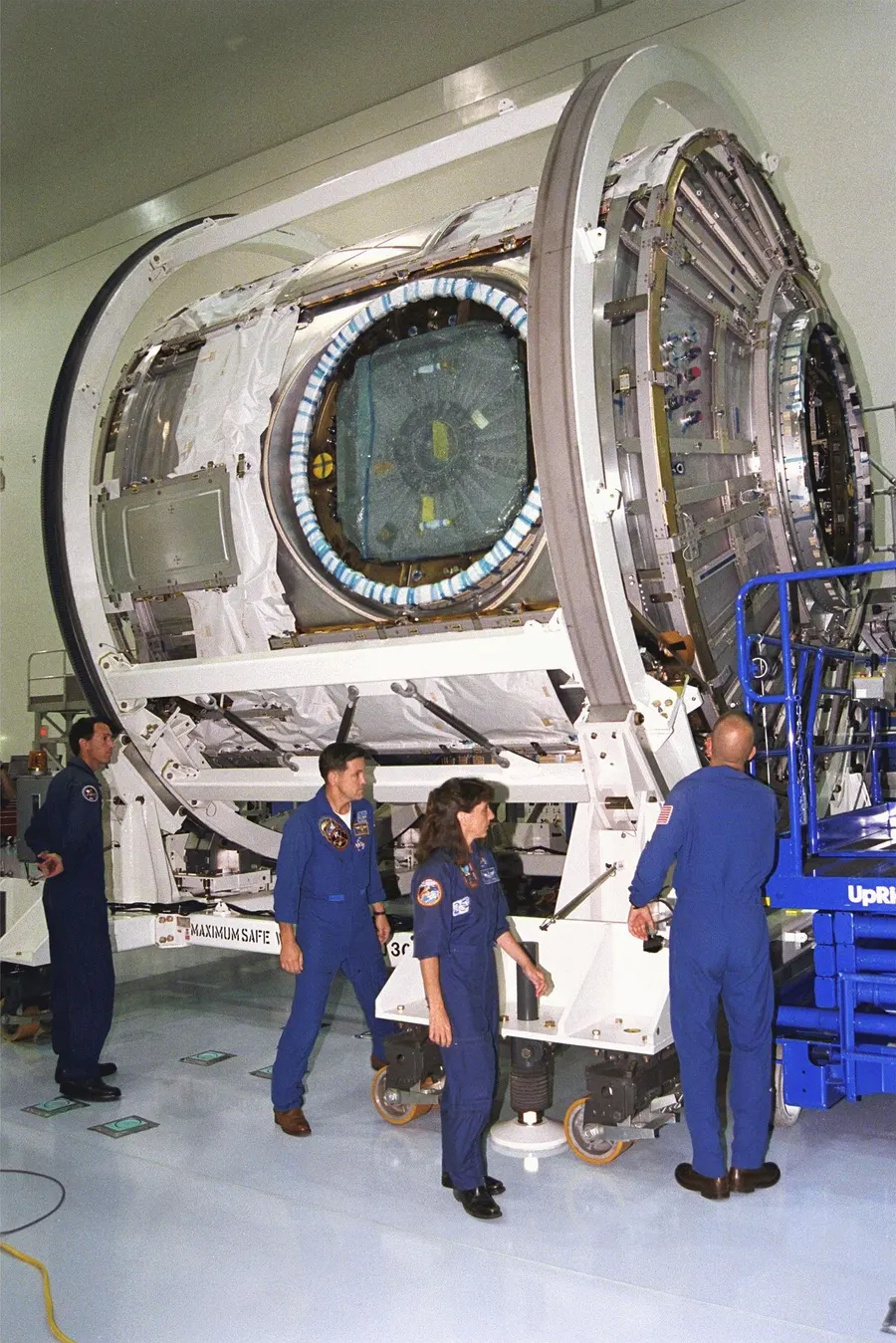
The Unity node with members of the STS-88 crew at Kennedy Space Center, in 1997.The Unity node with members of the STS-88 crew at Kennedy Space Center, in 1997.Image: NASA · Public domain
science · Global

Endeavour carries up the space station’s first American module

The space shuttle Endeavour made a night launch on 4 December 1998 on STS-88, the first shuttle mission to the International Space Station. In its cargo bay was Unity, the first American-built part of the station, a connecting node. Two weeks earlier Russia had launched the first module, Zarya. The crew under Robert Cabana joined the two in orbit, and three spacewalks wired them together, the first step in assembling the station.

Source: NASA: 20 years ago, STS-88 adds Unity to ISS ↗
WHY THESE MOMENTS?

Significance before volume

This page is not the longest possible list of events. It is a chronological journey through 4 December, where each entry is chosen for historical significance, human interest and reliability.

Facts are checked against authoritative museums, archives, universities and reference works. Where sources disagree, the page says so.

EXPLORED THE DEEPER STORY?

Return to the highlights of 4 December

Discover the lighter side of the date with famous birthdays, culture, firsts and lives remembered.

Explore This Day →
← PREVIOUS DAY3 December
HISTORY & TIMELINE4 December
NEXT DAY →5 December