HISTORY & TIMELINE
5 December

A journey through
5 December in history

From Frederick the Great’s victory at Leuthen in 1757 to the first flight of NASA’s Orion capsule in 2014, 5 December has seen gold fever, a border clash that led to war in Ethiopia, and a new constitution for the Soviet Union. This timeline follows the date across more than two and a half centuries.

III
A CHANGING WORLD

Early Modern Era

Exploration, political change, scientific development and expanding global connections.

1757
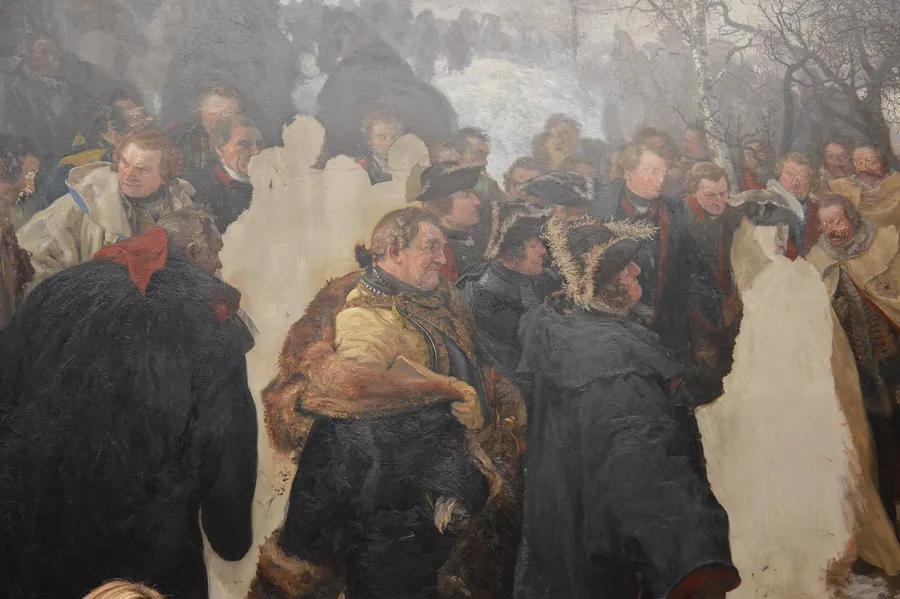
Frederick the Great addresses his generals before Leuthen, from Adolph Menzel's unfinished painting of 1859-61.Frederick the Great addresses his generals before Leuthen, from Adolph Menzel’s unfinished painting of 1859-61.Image: Illustratedjc · Public domain
world · Europe

Frederick the Great wins at Leuthen

On 5 December 1757, in Silesia, Frederick II of Prussia attacked an Austrian army under Charles of Lorraine that was far larger than his own. Hiding his march behind low hills, he struck the Austrian left flank in his ‘oblique order’ and routed them. The Austrians lost about 22,000 men, some 12,000 of them taken prisoner. The victory kept Silesia in Prussian hands.

Source: Encyclopaedia Britannica: Battle of Leuthen ↗
IV
THE NINETEENTH CENTURY

The 1800s

Industry, empire, invention, reform and a century of enormous transformation.

1848
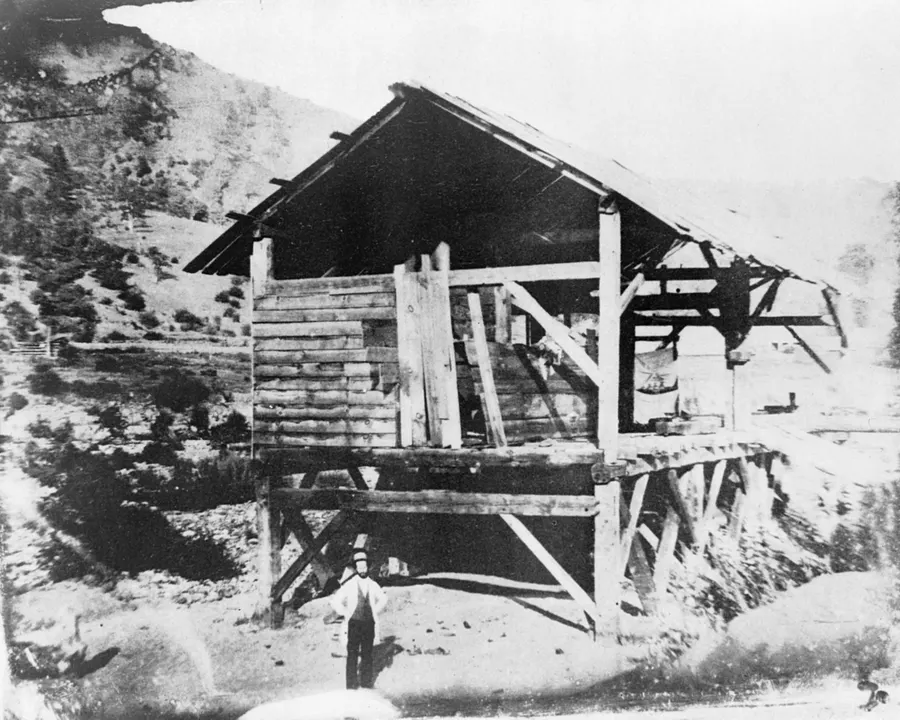
James Marshall in front of Sutter's Mill, where gold was found in January 1848, from a daguerreotype of about 1850 by R. H. Vance.James Marshall in front of Sutter’s Mill, where gold was found in January 1848, from a daguerreotype of about 1850 by R. H. Vance.Image: R. H. Vance · Public domain
world · Americas

President Polk confirms California’s gold

In his annual message to Congress on 5 December 1848, President James K. Polk confirmed that gold had been found in California in quantities that would scarcely be believed were they not backed by the reports of army officers who had seen them. The official word turned rumour into a rush: in 1849 tens of thousands of ‘forty-niners’ set out for California.

Source: Library of Congress: The discovery of gold, early California history ↗
V
THE TWENTIETH CENTURY

The 1900s

War and peace, technological leaps, social change, politics, sport and popular culture.

1914
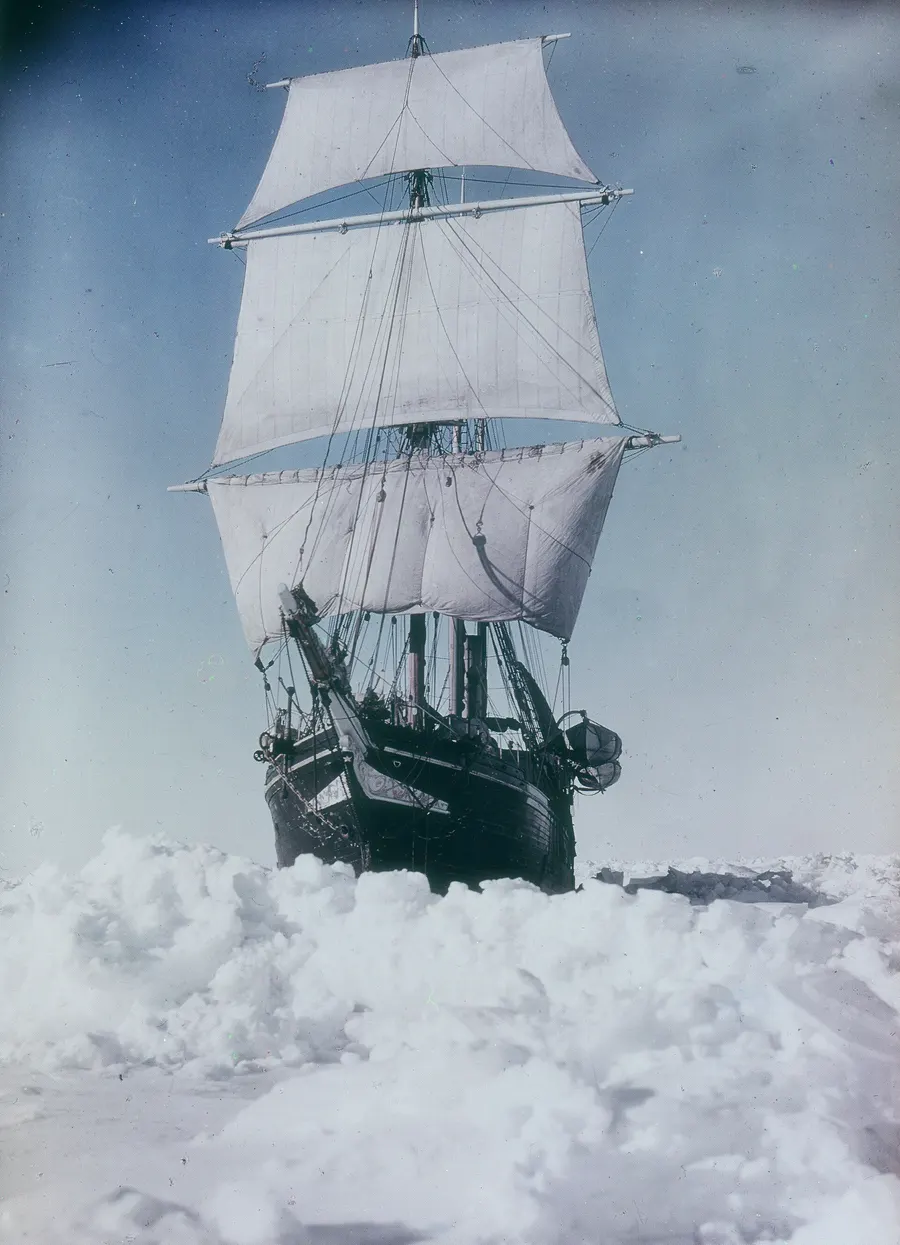
Endurance under sail, trying to break through the pack ice of the Weddell Sea in 1915. Photograph by Frank Hurley.Endurance under sail, trying to break through the pack ice of the Weddell Sea in 1915. Photograph by Frank Hurley.Image: Frank Hurley · Public domain
world · Global

Shackleton’s Endurance sails for Antarctica

On 5 December 1914 Ernest Shackleton’s ship Endurance left the whaling station at Grytviken on South Georgia and headed south into the Weddell Sea. The Imperial Trans-Antarctic Expedition aimed to make the first crossing of the Antarctic continent on foot. In January 1915 the ship was caught fast in the pack ice, and later that year it was crushed and sank. Shackleton’s men survived months on the drifting ice and a voyage to Elephant Island, and in 1916 he sailed a small boat to South Georgia to fetch help. Every man of Endurance’s crew came home.

Source: Scott Polar Research Institute, University of Cambridge: Imperial Trans-Antarctic Expedition 1914-16 ↗
1933
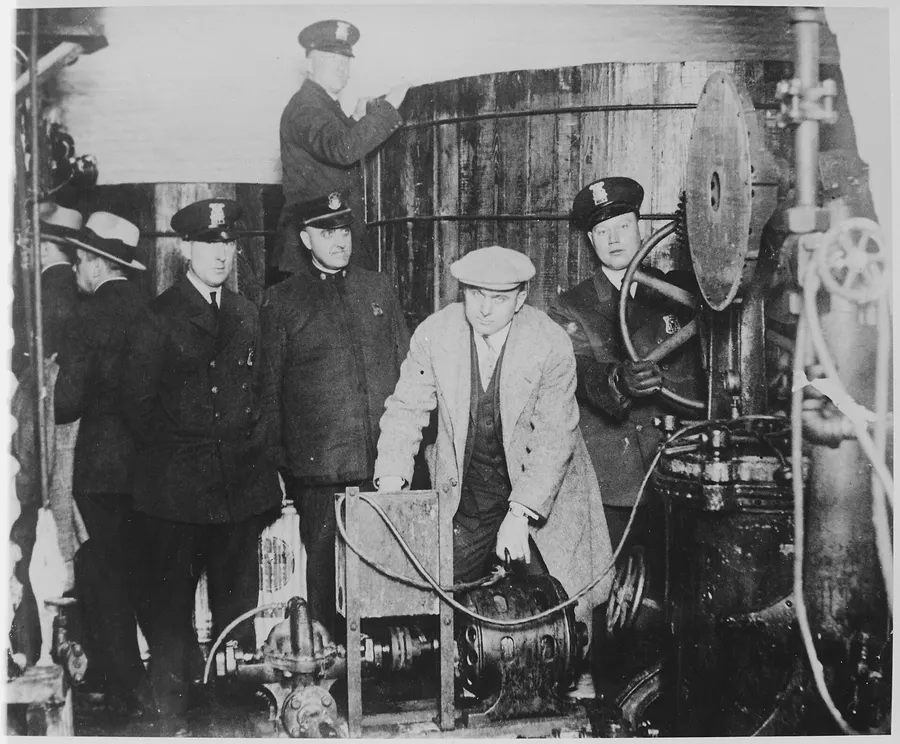
Detroit police inspect equipment from a hidden underground brewery during the Prohibition era.Detroit police inspect equipment from a hidden underground brewery during the Prohibition era.Image: Unknown authorUnknown author or not provided · Public domain
politics · Americas

The United States ends Prohibition

On 5 December 1933 conventions in Pennsylvania, Ohio and Utah approved the Twenty-first Amendment to the US Constitution. Utah’s vote made 36 states, the three-quarters needed, and the amendment repealed the Eighteenth, which in 1920 had banned the making, transport and sale of alcoholic drinks across the country. It remains the only amendment ever to cancel another, and the only one ratified by special state conventions rather than state legislatures. States kept the power to control alcohol within their borders, and some stayed ‘dry’ for years.

Source: Constitution Annotated, Congress.gov (Library of Congress): Ratification of the Twenty-first Amendment ↗
1934
world · Africa

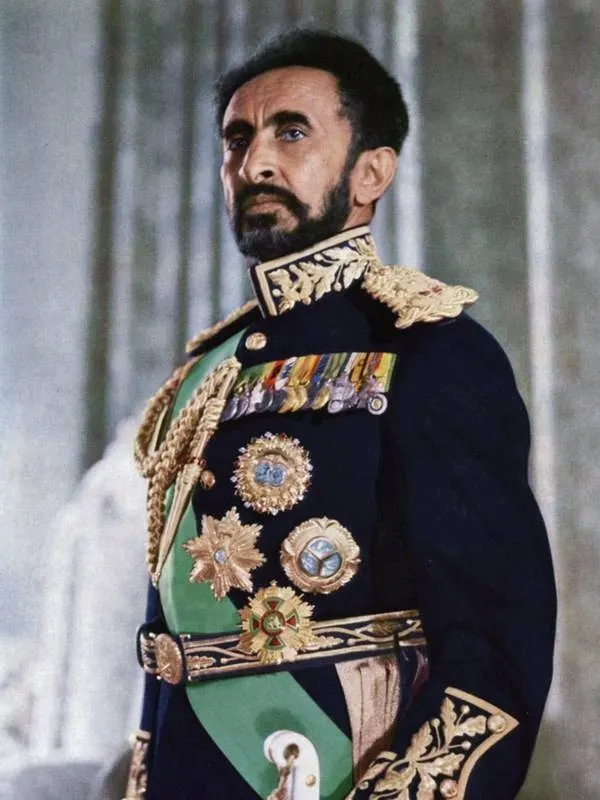
A clash at Walwal leads towards war

On 5 December 1934 Ethiopian troops and Italian colonial forces clashed at the wells of Walwal, in the Ogaden on the ill-defined border with Italian Somaliland. Ethiopia’s emperor Haile Selassie appealed to the League of Nations, but Mussolini used the incident as a pretext, and in October 1935 Italy invaded Ethiopia.

Source: US Department of State, Office of the Historian: Foreign Relations of the United States 1935, the Ethiopian-Italian conflict ↗
1936
politics · Europe

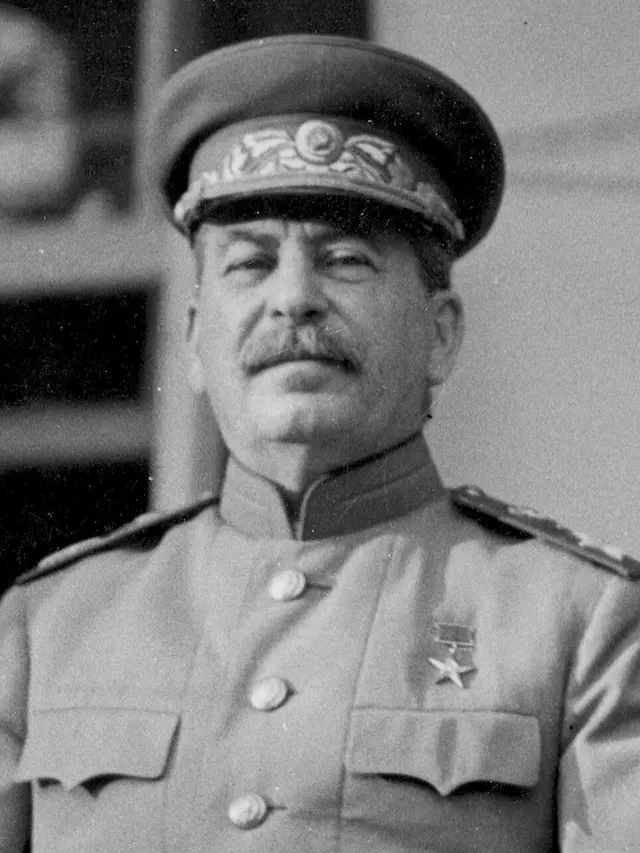
The Soviet Union adopts the ‘Stalin Constitution’

On 5 December 1936 the Eighth Extraordinary Congress of Soviets adopted a new constitution for the USSR, drafted by a commission chaired by Stalin after a nationwide ‘discussion’ of the text. On paper it promised universal suffrage and civil rights; in practice it was proclaimed as the Great Terror was gathering pace. The same constitution raised Kazakhstan and Kyrgyzstan to full union republics.

Source: Seventeen Moments in Soviet History (Michigan State University): Stalin Constitution ↗
1952
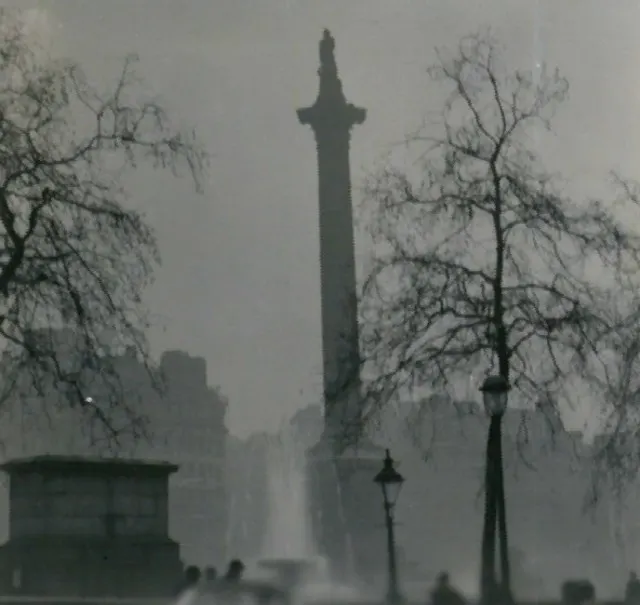
Nelson's Column in the fog of December 1952.Nelson’s Column in the fog of December 1952.Image: N T Stobbs · CC BY-SA 2.0
world · Europe

The Great Smog descends on London

On 5 December 1952 cold, still air trapped the smoke from London’s coal fires, factories and power stations close to the ground. For five days a thick yellow-black smog lay over the city, so dense in places that people could not see their own feet. About 4,000 more people died than usual within days, and later research puts the total at around 12,000. The disaster led Parliament to pass the Clean Air Act of 1956, which created smoke-free zones and moved homes and industry towards cleaner fuels.

Source: Met Office: The Great Smog of 1952 ↗
1994
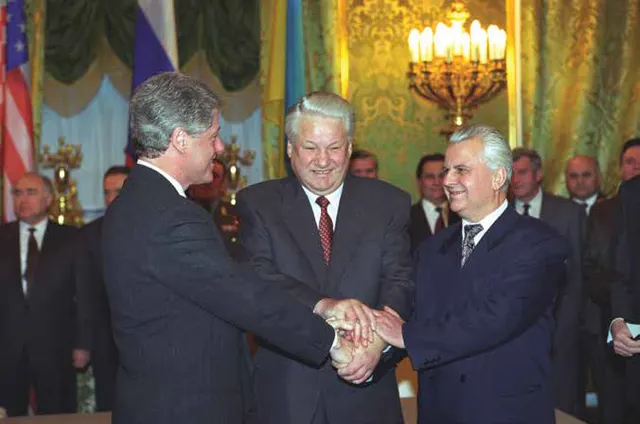
Bill Clinton, Boris Yeltsin and Leonid Kravchuk after signing the Trilateral Statement on Ukraine's nuclear weapons in Moscow, 14 January 1994, the agreement that led to the Budapest memorandum.Bill Clinton, Boris Yeltsin and Leonid Kravchuk after signing the Trilateral Statement on Ukraine’s nuclear weapons in Moscow, 14 January 1994, the agreement that led to the Budapest memorandum.Image: U.S. government employee, photo from William J. Clinton Presidential Library · Public domain
politics · Europe

Ukraine gives up the bomb

When the Soviet Union broke up, Ukraine was left with thousands of nuclear weapons. On 5 December 1994, at a summit in Budapest, it joined the Nuclear Non-Proliferation Treaty as a state without nuclear weapons, and the United States, Russia and the United Kingdom signed a memorandum of security assurances in return. They promised to respect Ukraine’s independence, sovereignty and existing borders and not to threaten or use force against it. The memorandum was a political commitment rather than a treaty, with no means of enforcement, and after Russia annexed Crimea in 2014 Ukraine, the United States and Britain said it had been breached.

Source: United Nations Treaty Collection: Memorandum on security assurances in connection with Ukraine’s accession to the NPT ↗
VI
2000 TO TODAY

Modern Day

The events of recent decades that have already become part of the historical record.

2014
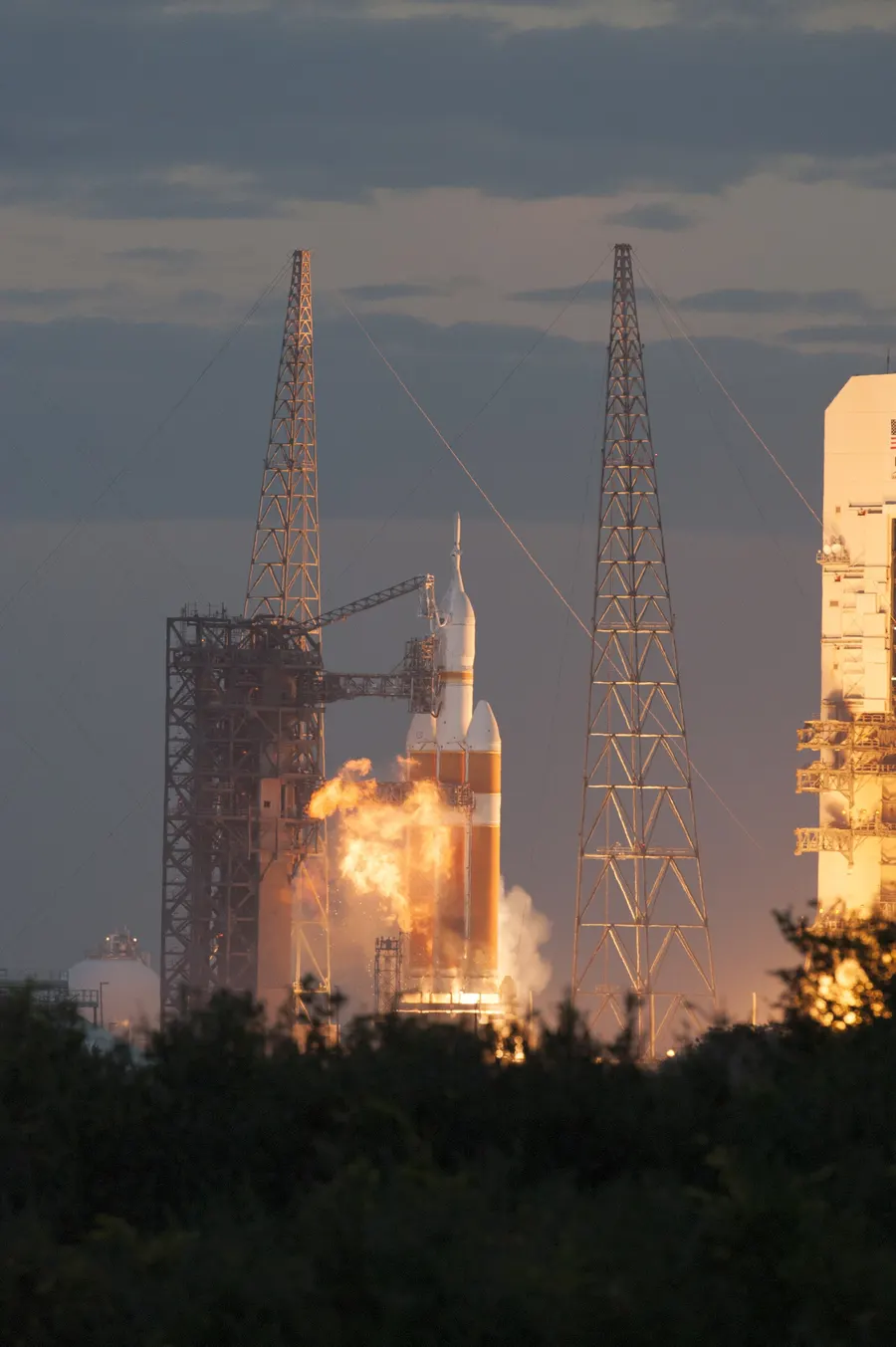
A Delta IV Heavy rocket lifts off from Cape Canaveral carrying the Orion spacecraft on its first flight, 5 December 2014.A Delta IV Heavy rocket lifts off from Cape Canaveral carrying the Orion spacecraft on its first flight, 5 December 2014.Image: NASA/Tim Terry · Public domain
science · Americas

Orion makes its first flight

At 7.05 am on 5 December 2014 a Delta IV Heavy rocket launched NASA’s new Orion crew capsule, uncrewed, from Cape Canaveral. In a flight of four and a half hours it circled the Earth twice, climbing to about 5,800 km, far higher than any spacecraft built for people had gone since the Apollo era. It then plunged back through the atmosphere to test its heat shield and splashed down in the Pacific off California. Orion is the capsule of NASA’s Artemis programme to return astronauts to the Moon.

Source: NASA: Exploration Flight Test-1 ↗
RESEARCH

Sources & Further Reading

Selected authoritative references supporting the events on this page.

WHY THESE MOMENTS?

Significance before volume

This page is not the longest possible list of events. It is a chronological journey through 5 December, where each entry is chosen for historical significance, human interest and reliability.

Facts are checked against authoritative museums, archives, universities and reference works. Where sources disagree, the page says so.

EXPLORED THE DEEPER STORY?

Return to the highlights of 5 December

Discover the lighter side of the date with famous birthdays, culture, firsts and lives remembered.

Explore This Day →
← PREVIOUS DAY4 December
HISTORY & TIMELINE5 December
NEXT DAY →6 December