
HISTORY & TIMELINE
6 December

A journey through
6 December in history

From Columbus’s landfall on Hispaniola in 1492 to Spain’s vote for democracy in 1978, 6 December has seen new nations and new constitutions, a buried queen brought to light and a disaster that flattened a Canadian city. This timeline follows the date across almost five centuries.

JUMP THROUGH TIME
II
THE MIDDLE AGES

Medieval History

Kingdoms, conflict, faith, power and the changing medieval world.

1492
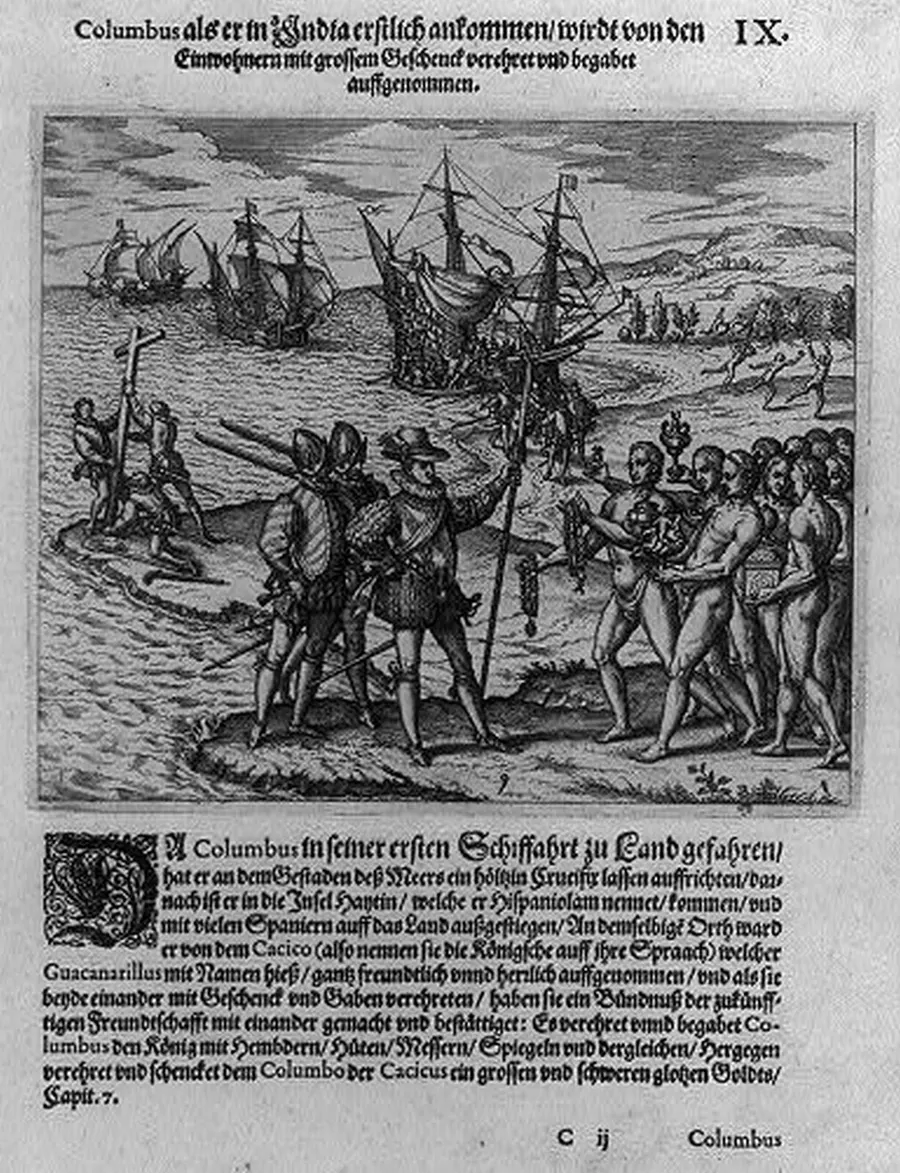
Columbus arriving on Hispaniola and received by its people, a copper engraving by Theodor de Bry.Columbus arriving on Hispaniola and received by its people, a copper engraving by Theodor de Bry.Image: Theodor de Bry · Public domain
world · Americas

Columbus reaches Hispaniola

On his first voyage across the Atlantic, after exploring the coast of Cuba, Christopher Columbus reached a large island called Ayiti by its Taíno inhabitants on 6 December 1492. He named it La Isla Española, ‘the Spanish island’, later Hispaniola, today shared by Haiti and the Dominican Republic. When his flagship, the Santa María, ran aground there on Christmas Day, Columbus left men behind in a small fort, the first European settlement in the Americas since the Norse. Within decades, conquest and disease had devastated the Taíno people.

Source: Encyclopaedia Britannica: Christopher Columbus, the first voyage ↗
III
A CHANGING WORLD

Early Modern Era

Exploration, political change, scientific development and expanding global connections.

1534
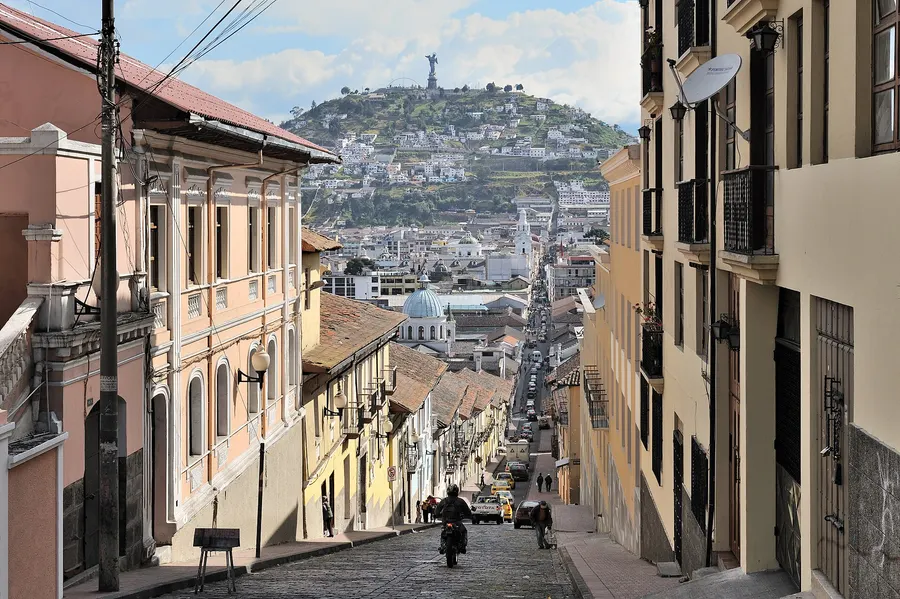
García Moreno street in Quito's historic centre, with the statue of the Virgin of Quito on the hill behind.García Moreno street in Quito’s historic centre, with the statue of the Virgin of Quito on the hill behind.Image: Cayambe · CC BY-SA 3.0
world · Americas

Spanish Quito is founded

On 6 December 1534 Sebastián de Benalcázar, a lieutenant of Francisco Pizarro, set up the town council of San Francisco de Quito on the site of the Inca city he had taken, after defeating the Inca general Rumiñahui. The city’s archive keeps the act of that day, and Quito celebrates its foundation every year. Its colonial centre was among the first places named a UNESCO World Heritage Site, in 1978.

Source: Archivo Metropolitano de Historia de Quito: Acta del Cabildo de Quito, 6 de diciembre de 1534 ↗
V
THE TWENTIETH CENTURY

The 1900s

War and peace, technological leaps, social change, politics, sport and popular culture.

1912
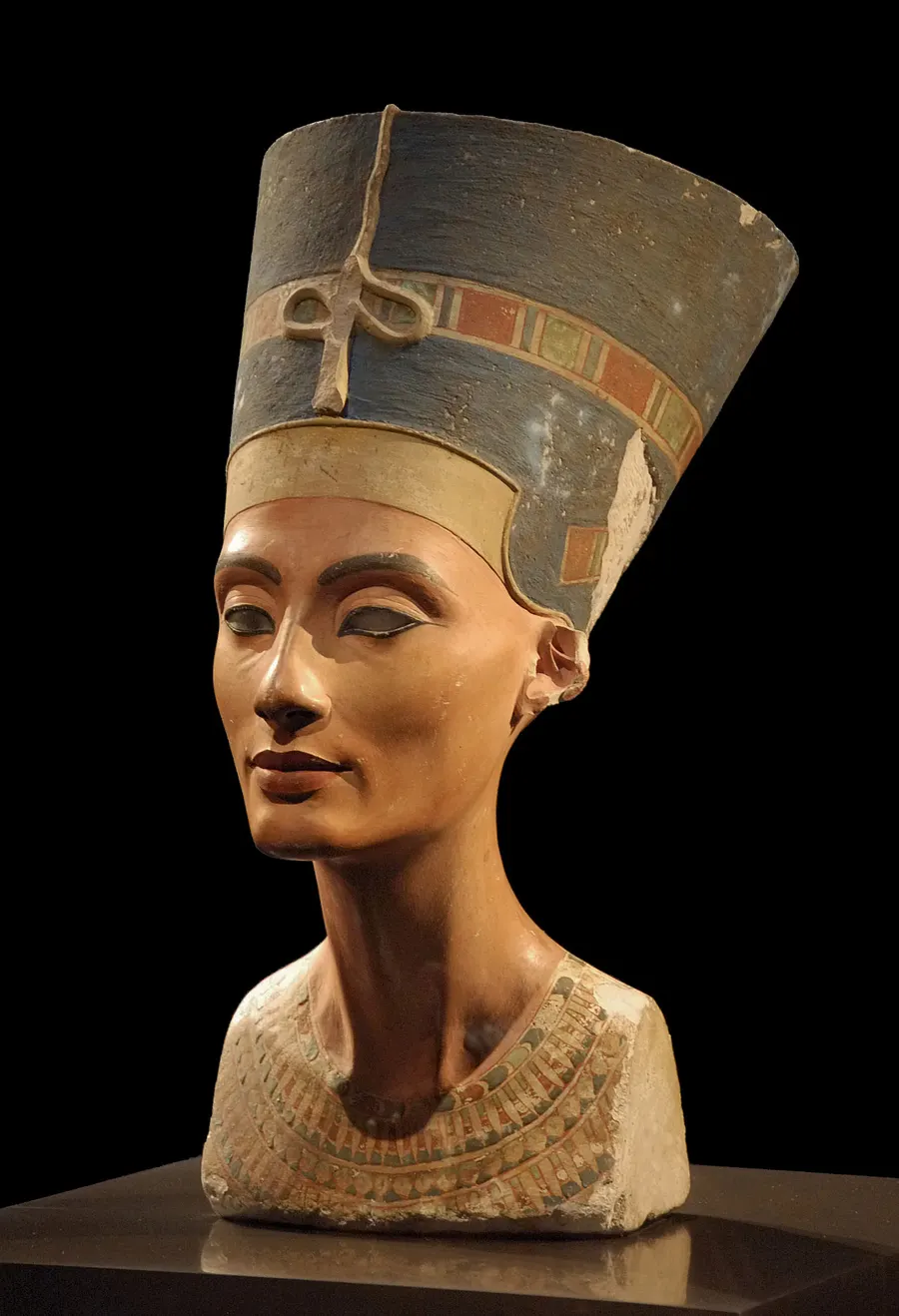
The bust of Nefertiti in the Neues Museum, Berlin.The bust of Nefertiti in the Neues Museum, Berlin.Image: Philip Pikart · CC BY-SA 3.0
culture · Africa

The bust of Nefertiti is found

On 6 December 1912 a German expedition led by the Egyptologist Ludwig Borchardt, digging at Tell el-Amarna in Middle Egypt, uncovered a painted limestone bust of Queen Nefertiti, wife of the pharaoh Akhenaten, in the ruins of a sculptor’s workshop later linked to a craftsman named Thutmose. ‘Description is useless, must be seen,’ Borchardt wrote in his diary. In the division of finds the bust went to the German side and later to Berlin’s Egyptian Museum, where it has become one of the world’s most famous works of ancient art. Egypt has long asked for its return.

Source: Staatliche Museen zu Berlin, Egyptian Museum: Discovery and partage of the bust of Nefertiti ↗
1917
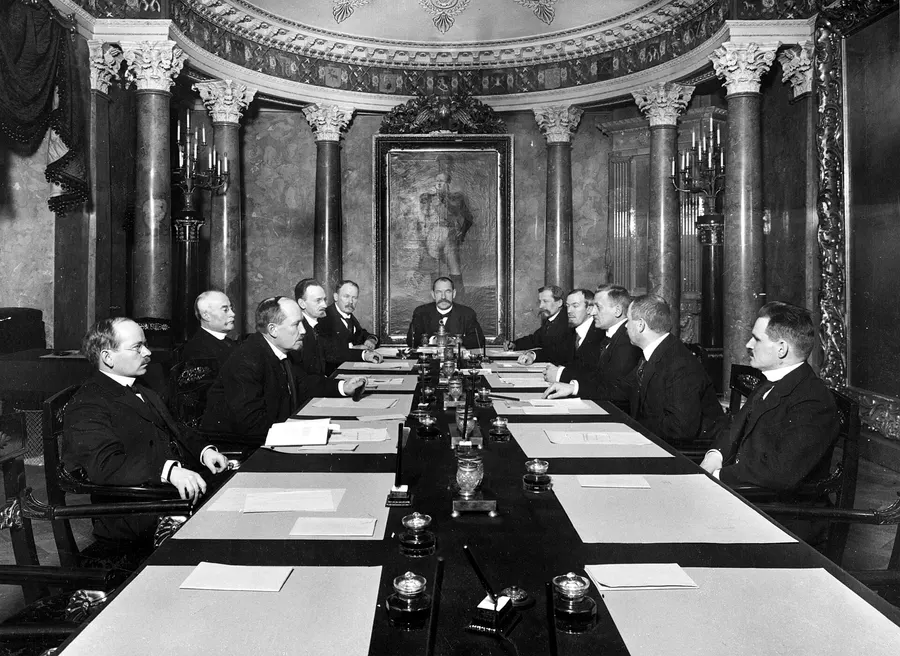
The Finnish Senate of 1917, with P. E. Svinhufvud in the middle, photographed on 27 November 1917.The Finnish Senate of 1917, with P. E. Svinhufvud in the middle, photographed on 27 November 1917.Image: Finnish Heritage Agency · Public domain
politics · Europe

Finland declares independence

After the Bolsheviks seized power in Russia, the Finnish Senate led by Pehr Evind Svinhufvud drew up a declaration of independence and read it to Parliament on 4 December 1917. On 6 December Parliament approved it, ending more than a century as a grand duchy of the Russian Empire. Lenin’s government recognised Finland’s independence on the last day of 1917, and other states followed. Since 1919, 6 December has been kept as Finland’s Independence Day.

Source: Finnish Government: One hundred years since the declaration of independence ↗
1917
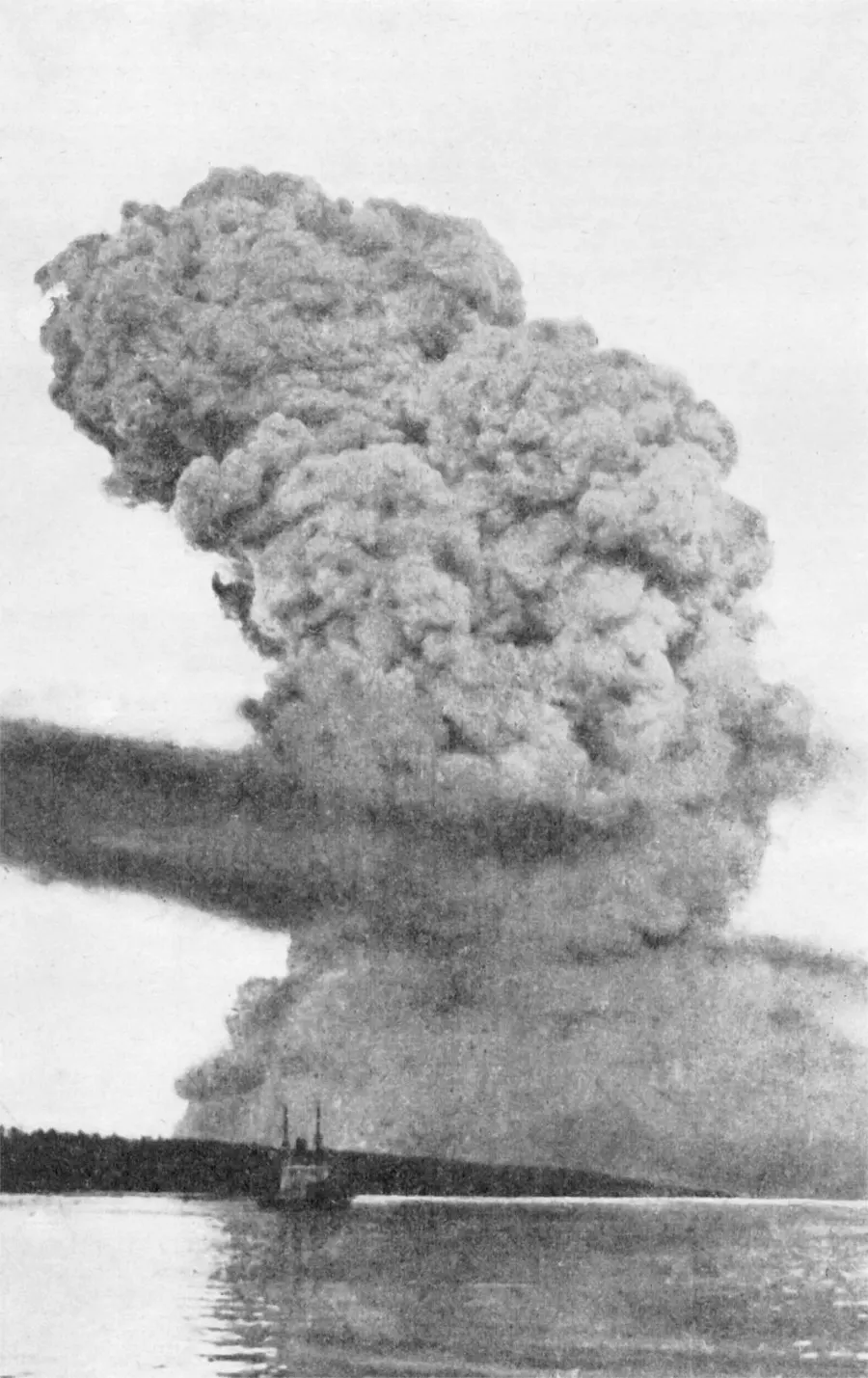
The cloud of the Halifax Explosion, photographed about 15-20 seconds after the blast from roughly 2 km away.The cloud of the Halifax Explosion, photographed about 15-20 seconds after the blast from roughly 2 km away.Image: Unknown authorUnknown author · Public domain
world · Americas

The Halifax Explosion

On the morning of 6 December 1917 the French freighter Mont-Blanc, loaded with almost 3,000 tonnes of explosives for the war in Europe, collided with the Norwegian ship Imo in the narrows of Halifax harbour, Nova Scotia. Fire broke out, the crew abandoned ship, and at 9.04 am the Mont-Blanc blew up. It was one of the largest man-made explosions before the atomic bomb. Nearly 2,000 people were killed and about 9,000 injured, and more than 2.5 square km of the city were flattened. Help poured in, notably from Boston, which Nova Scotia still thanks each year with a Christmas tree.

Source: Parks Canada: Halifax Explosion National Historic Event ↗
1921
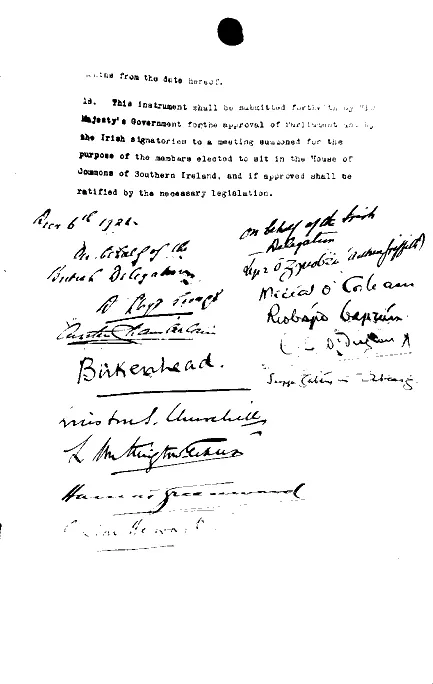
The signatures on the last page of the Anglo-Irish Treaty.The signatures on the last page of the Anglo-Irish Treaty.Image: Unknown · Public domain
politics · Europe

The Anglo-Irish Treaty is signed

Just after 2 am on 6 December 1921, after two months of talks in London, British ministers and an Irish delegation led by Arthur Griffith and Michael Collins signed the Articles of Agreement that ended the Irish War of Independence. The treaty created the Irish Free State, a self-governing dominion within the British Commonwealth. It split Irish nationalists. The Dáil approved it by only seven votes, and the bitter division led to the Irish Civil War of 1922-23, in which Collins himself was killed.

Source: Houses of the Oireachtas: The Treaty in context ↗
1957
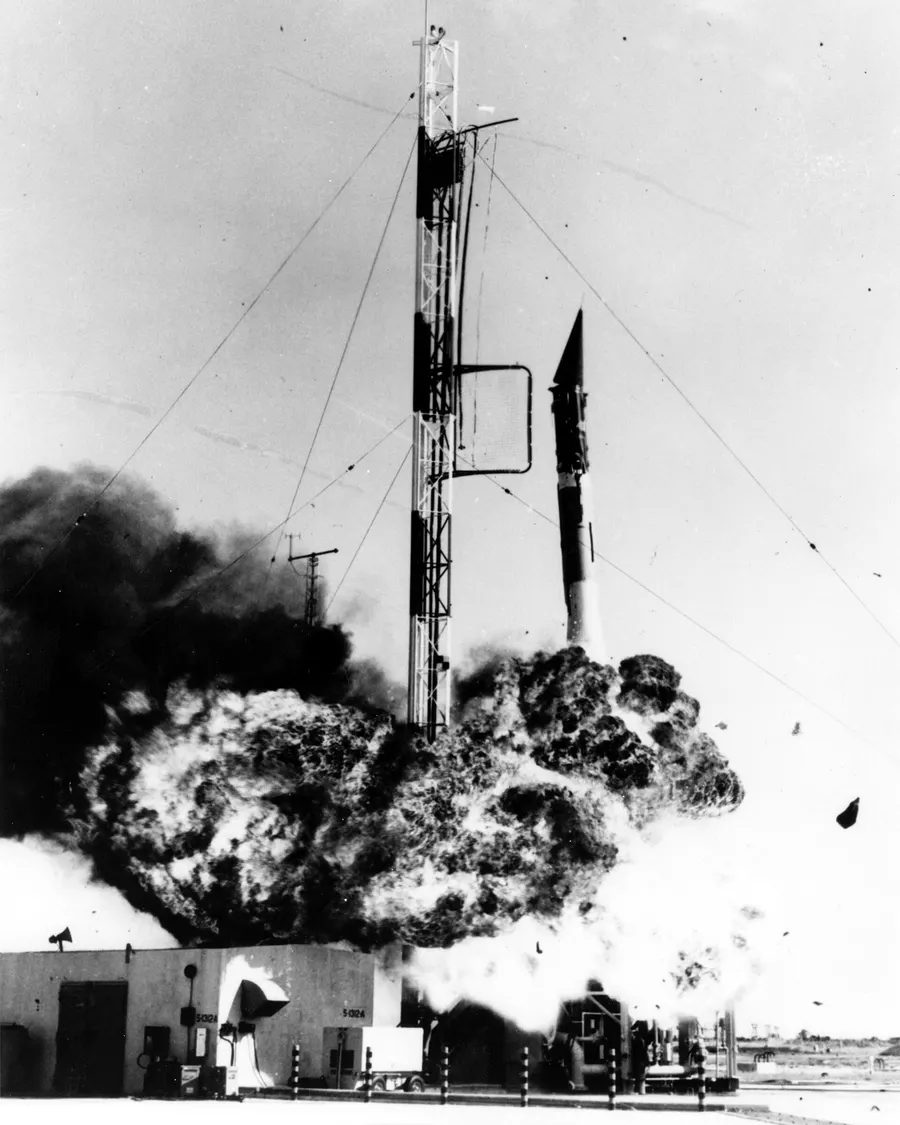
The Vanguard rocket explodes on its launch pad at Cape Canaveral, 6 December 1957.The Vanguard rocket explodes on its launch pad at Cape Canaveral, 6 December 1957.Image: U.S. Navy · Public domain
science · Americas

America’s first satellite launch explodes

Two months after the Soviet Sputnik, the United States tried to launch its own satellite from Cape Canaveral on 6 December 1957. Watched on live television, the Vanguard rocket rose about a metre, lost thrust after two seconds and fell back, exploding in a ball of flame. The newspapers called it ‘Flopnik’ and ‘Kaputnik’. The small satellite was thrown clear and survived, and is now in the Smithsonian. The failure added to the pressure that led to the creation of NASA in 1958.

Source: NASA: 60 years ago, Vanguard fails to reach orbit ↗
1978
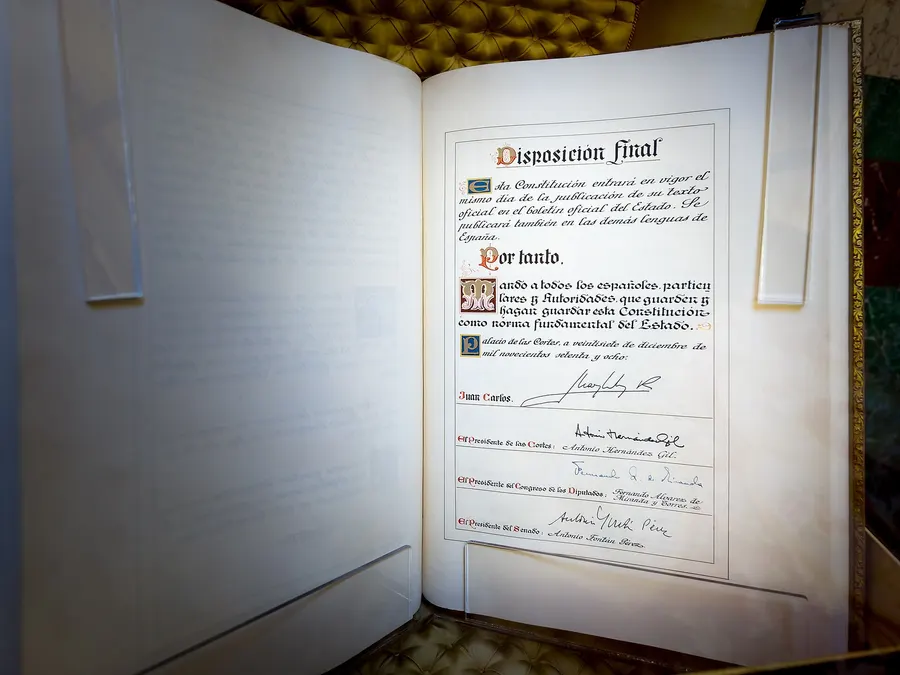
An original copy of the 1978 Constitution on display in the Congress of Deputies, Madrid.An original copy of the 1978 Constitution on display in the Congress of Deputies, Madrid.Image: Barcex · CC BY-SA 4.0
politics · Europe

Spain votes for its democratic constitution

Three years after the death of Franco, Spanish voters approved a new constitution in a referendum on 6 December 1978, with nearly 90 per cent in favour. It made Spain a parliamentary monarchy, guaranteed civil rights and opened the way to self-government for the regions. It came into force on 29 December, and 6 December is Spain’s Constitution Day.

Source: La Moncloa (Government of Spain): Constitution ↗
WHY THESE MOMENTS?

Significance before volume

This page is not the longest possible list of events. It is a chronological journey through 6 December, where each entry is chosen for historical significance, human interest and reliability.

Facts are checked against authoritative museums, archives, universities and reference works. Where sources disagree, the page says so.

EXPLORED THE DEEPER STORY?

Return to the highlights of 6 December

Discover the lighter side of the date with famous birthdays, culture, firsts and lives remembered.

Explore This Day →
← PREVIOUS DAY5 December
HISTORY & TIMELINE6 December
NEXT DAY →7 December