1917Finland declares independence
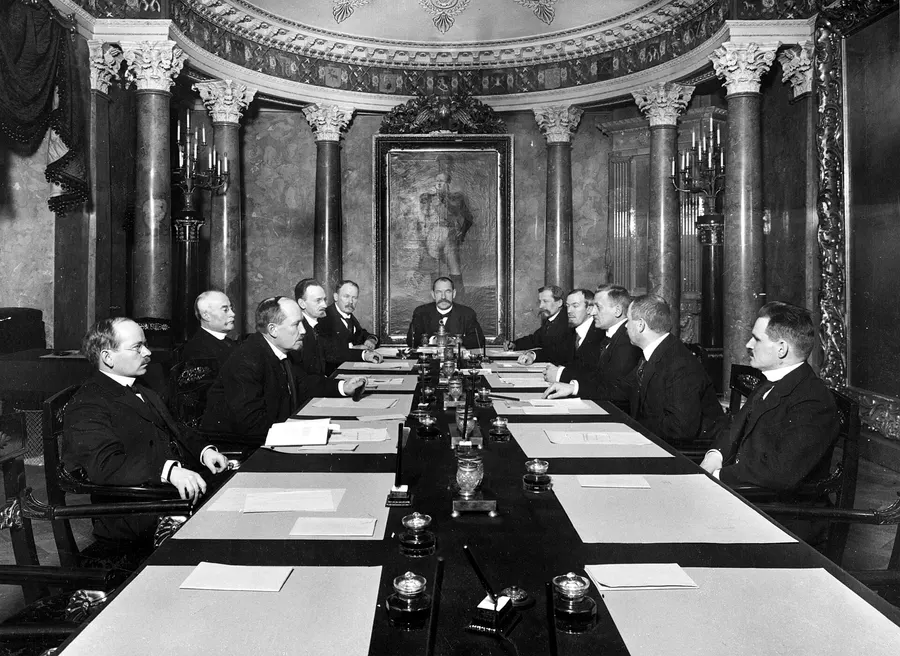
After the Bolsheviks seized power in Russia, the Finnish Senate led by Pehr Evind Svinhufvud drew up a declaration of independence and read it to Parliament on 4 December 1917. On 6 December Parliament approved it, ending more than a century as a grand duchy of the Russian Empire.
Lenin’s government recognised Finland’s independence on the last day of 1917, and other states followed. Since 1919, 6 December has been kept as Finland’s Independence Day.
Read the full storyHistory & Timeline →Source: Finnish Government: One hundred years since the declaration of independence ↗
1921The Anglo-Irish Treaty is signed
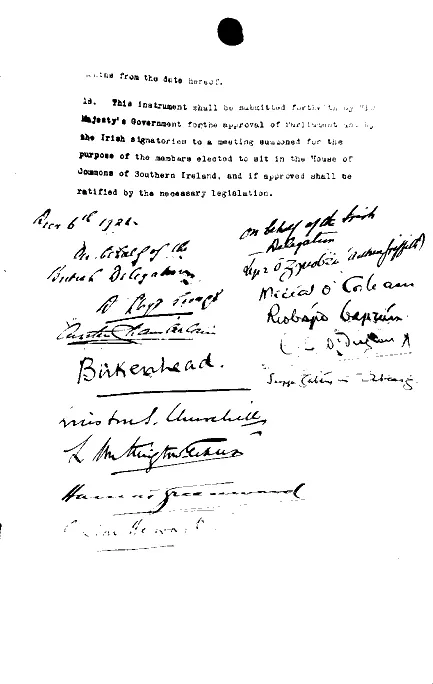
Just after 2 am on 6 December 1921, after two months of talks in London, British ministers and an Irish delegation led by Arthur Griffith and Michael Collins signed the Articles of Agreement that ended the Irish War of Independence. The treaty created the Irish Free State, a self-governing dominion within the British Commonwealth.
It split Irish nationalists. The Dáil approved it by only seven votes, and the bitter division led to the Irish Civil War of 1922-23, in which Collins himself was killed.
Read the full storyHistory & Timeline →Source: Houses of the Oireachtas: The Treaty in context ↗
1492Columbus reaches Hispaniola
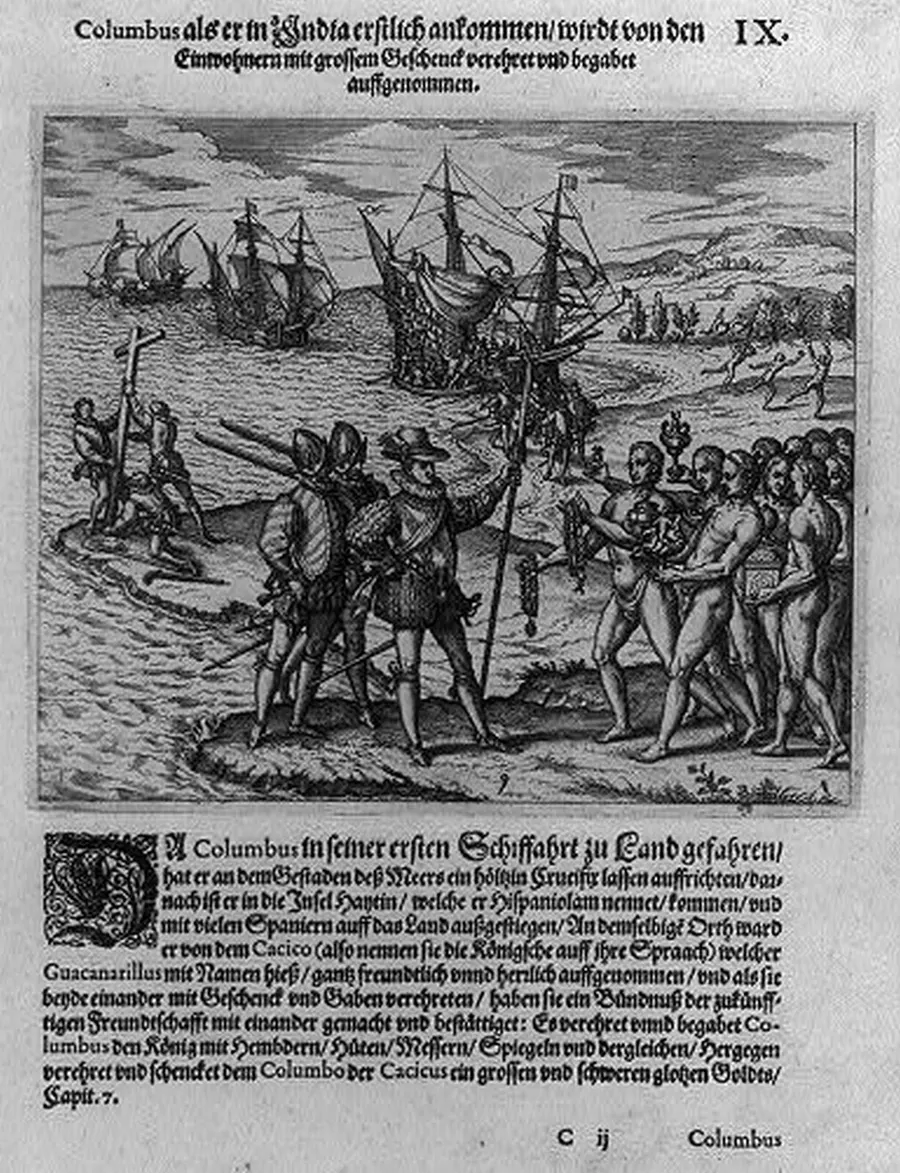
On his first voyage across the Atlantic, after exploring the coast of Cuba, Christopher Columbus reached a large island called Ayiti by its Taíno inhabitants on 6 December 1492. He named it La Isla Española, ‘the Spanish island’, later Hispaniola, today shared by Haiti and the Dominican Republic.
When his flagship, the Santa María, ran aground there on Christmas Day, Columbus left men behind in a small fort, the first European settlement in the Americas since the Norse. Within decades, conquest and disease had devastated the Taíno people.
Read the full storyHistory & Timeline →Source: Encyclopaedia Britannica: Christopher Columbus, the first voyage ↗
1912The bust of Nefertiti is found
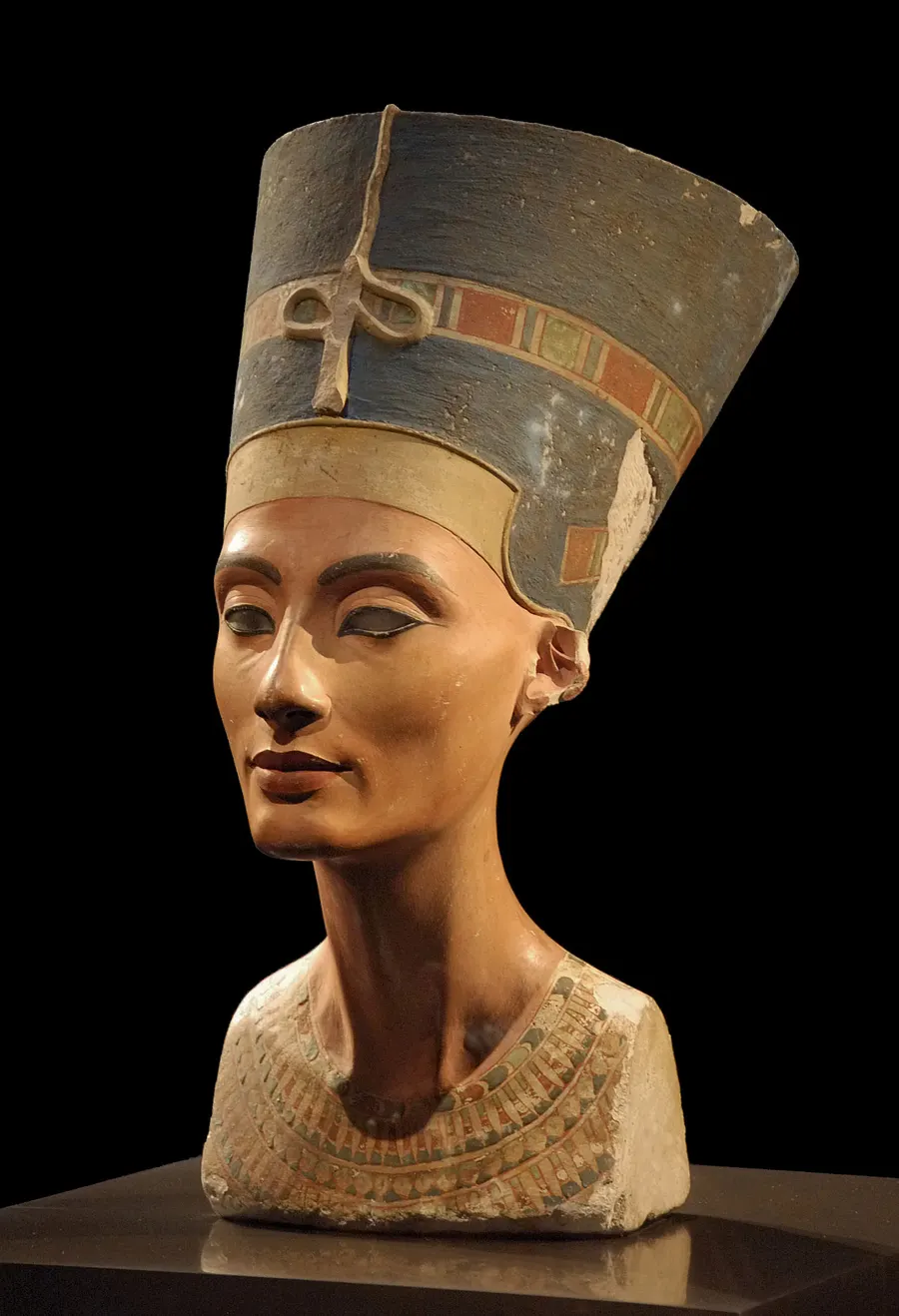
On 6 December 1912 a German expedition led by the Egyptologist Ludwig Borchardt, digging at Tell el-Amarna in Middle Egypt, uncovered a painted limestone bust of Queen Nefertiti, wife of the pharaoh Akhenaten, in the ruins of a sculptor’s workshop later linked to a craftsman named Thutmose. ‘Description is useless, must be seen,’ Borchardt wrote in his diary.
In the division of finds the bust went to the German side and later to Berlin’s Egyptian Museum, where it has become one of the world’s most famous works of ancient art. Egypt has long asked for its return.
Read the full storyHistory & Timeline →Source: Staatliche Museen zu Berlin, Egyptian Museum: Discovery and partage of the bust of Nefertiti ↗
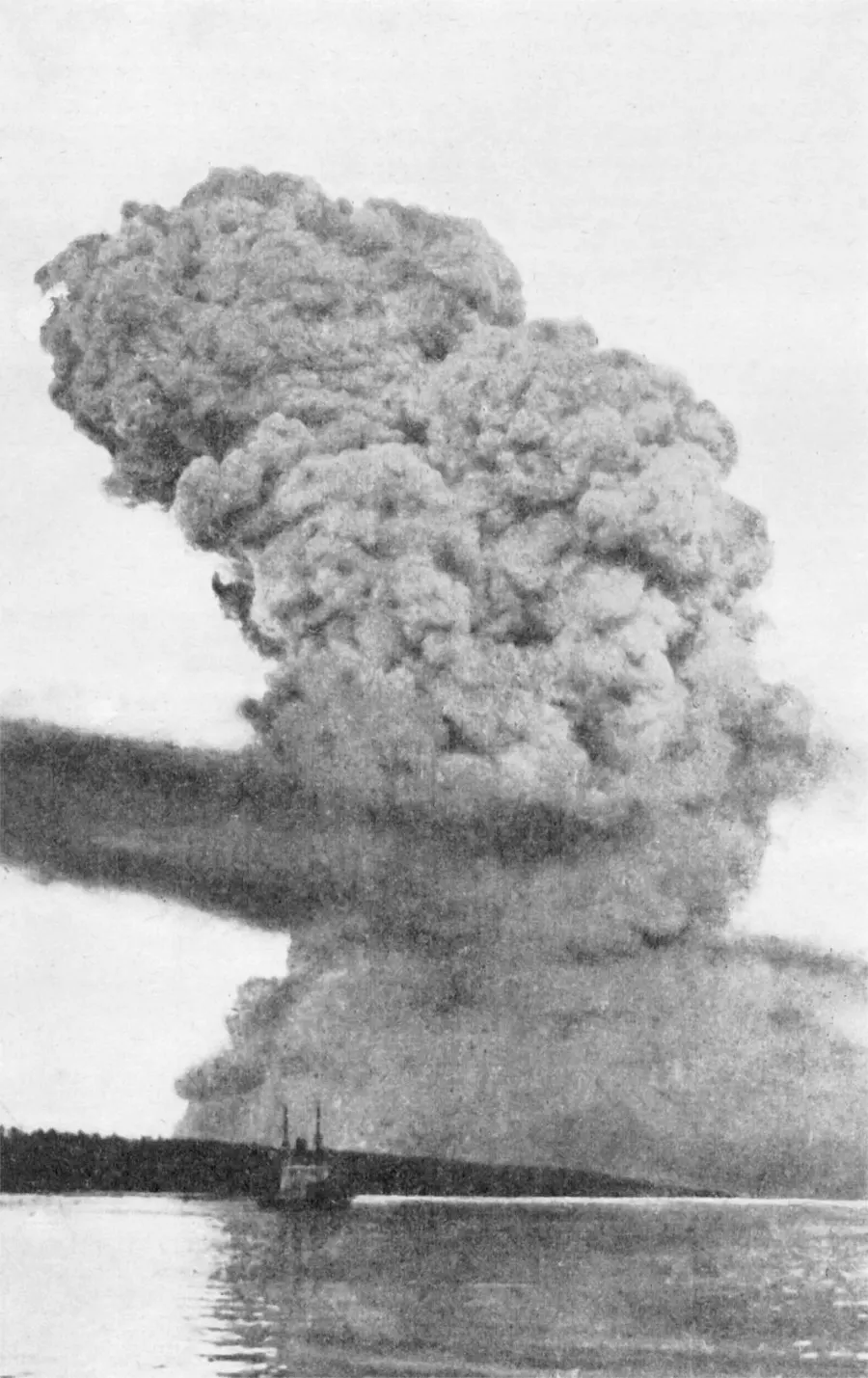
1917The Halifax Explosion
On the morning of 6 December 1917 the French freighter Mont-Blanc, loaded with almost 3,000 tonnes of explosives for the war in Europe, collided with the Norwegian ship Imo in the narrows of Halifax harbour, Nova Scotia. Fire broke out, the crew abandoned ship, and at 9.04 am the Mont-Blanc blew up.
It was one of the largest man-made explosions before the atomic bomb. Nearly 2,000 people were killed and about 9,000 injured, and more than 2.5 square km of the city were flattened. Help poured in, notably from Boston, which Nova Scotia still thanks each year with a Christmas tree.
Read the full storyHistory & Timeline →Source: Parks Canada: Halifax Explosion National Historic Event ↗