Explore 29 November

Explore 29 November: the UN votes to partition Palestine, Polish cadets start the November Uprising in Warsaw, Richard Byrd’s plane flies over the South Pole and FC Barcelona is founded. Meet Louisa May Alcott, C. S. Lewis and Christian Doppler, born on this date.

This day through time →8 verified events across 2 eras

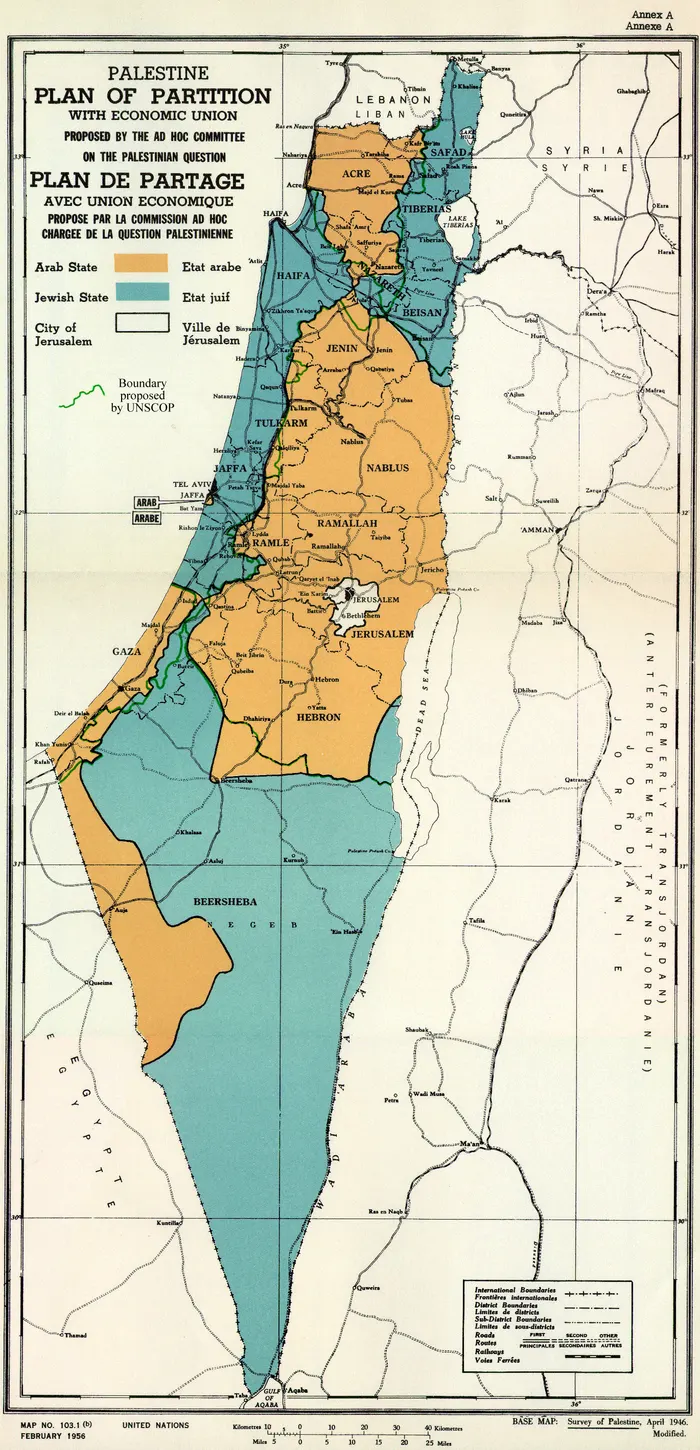
A UN map of the partition plan adopted in 1947, published in 1956.
Image creditZero0000A/RES/181(II) · Public domainResized and cropped for display.

The UN votes to partition Palestine

Britain, which had ruled Palestine under a League of Nations mandate since the First World War, handed the question of its future to the United Nations in 1947. On 29 November 1947 the General Assembly adopted Resolution 181 by 33 votes to 13, with 10 abstentions.

It proposed dividing Palestine into an Arab state and a Jewish state, with Jerusalem under an international regime. Jewish leaders accepted the plan and Arab leaders rejected it. Fighting broke out almost at once, and when the mandate ended in May 1948 Israel declared its independence. The UN now marks 29 November as its International Day of Solidarity with the Palestinian People.

Read the full storyHistory & Timeline →Source: United Nations: Resolution 181 (II), Future government of Palestine ↗
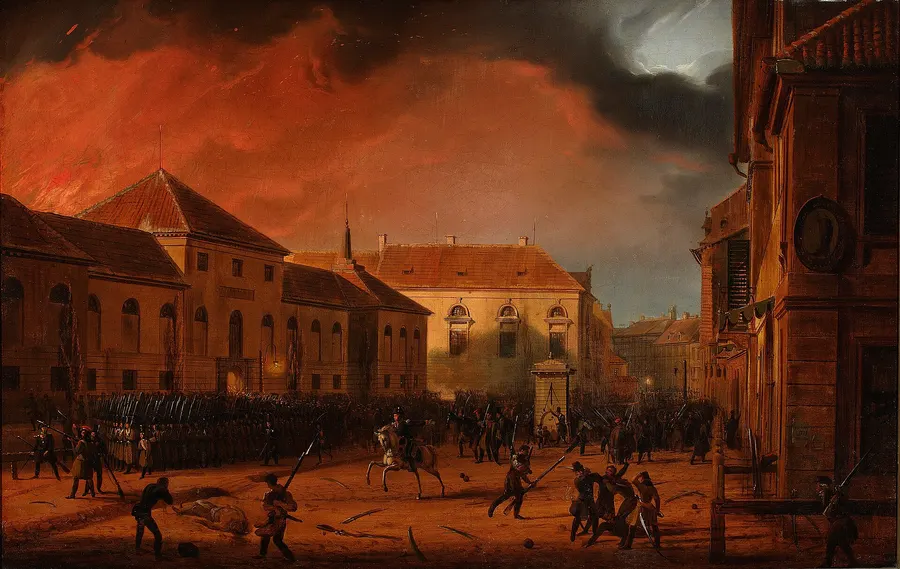
The capture of the Warsaw arsenal on the night of 29 November 1830, painted by Marcin Zaleski in 1831.
Image creditMarcin Zaleski · Public domainResized and cropped for display.

Polish cadets start the November Uprising

Since 1815 the Kingdom of Poland had been ruled by the Russian tsar. On the evening of 29 November 1830 young officers of the infantry cadet school in Warsaw, led by Lieutenant Piotr Wysocki, rose against Russian rule. A group stormed the Belweder Palace to seize the tsar’s brother, Grand Duke Constantine, who escaped.

The rebels seized the arsenal and armed the people of Warsaw, and the rising grew into a war between Poland and Russia. The Polish parliament deposed Tsar Nicholas I as king in January 1831, but the Russian army crushed the uprising by the autumn, and thousands of Poles went into exile.

Read the full storyHistory & Timeline →Source: Encyclopaedia Britannica: November Insurrection ↗
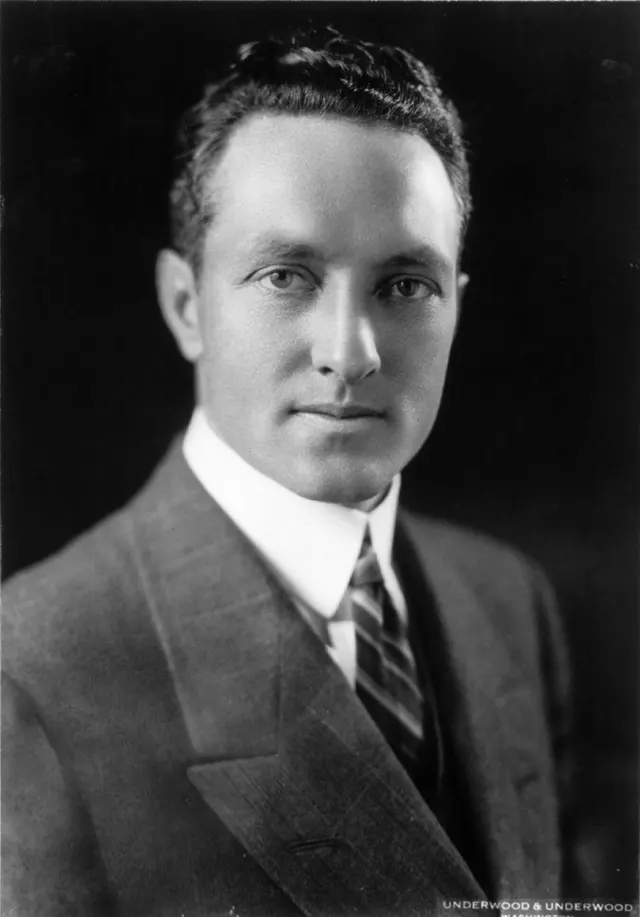
Richard E. Byrd in 1928.
Image creditUnderwood & Underwood · Public domainResized and cropped for display.

Richard Byrd’s plane flies over the South Pole

From his base at Little America on the Ross Ice Shelf, the American naval officer Richard E. Byrd took off on 28 November 1929 in a Ford Trimotor named the Floyd Bennett, with the Norwegian-American pilot Bernt Balchen and two companions.

Climbing over the mountains to the polar plateau, they passed over the South Pole in the early hours of 29 November and dropped an American flag, returning after a round trip of more than 18 hours. It was the first flight over the South Pole.

Read the full storyHistory & Timeline →Source: Encyclopaedia Britannica: Richard E. Byrd ↗
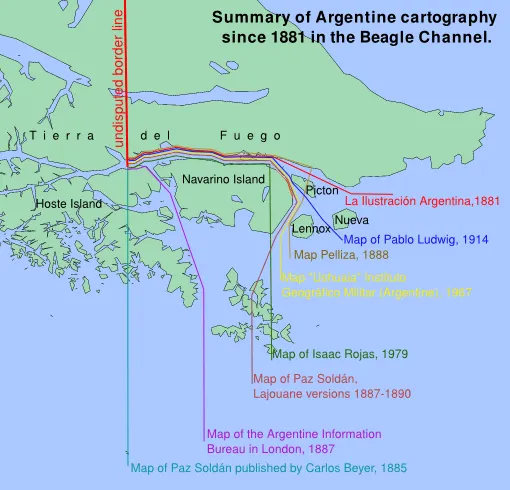
The Beagle Channel area at the tip of South America, with the boundary lines drawn on Argentine maps since 1881.
Image creditCreateaccount · CC BY-SA 3.0Resized and cropped for display.

Argentina and Chile make peace over the Beagle Channel

Argentina and Chile had long disputed three small islands at the eastern end of the Beagle Channel, near Cape Horn. In December 1978 their armies came close to war, until Pope John Paul II offered to mediate.

After six years of talks, the two countries signed a Treaty of Peace and Friendship in the Vatican on 29 November 1984. The islands went to Chile, and the treaty fixed the sea boundary and bound both sides to settle future disputes peacefully.

Read the full storyHistory & Timeline →Source: United Nations Treaty Series: Chile and Argentina, Treaty of peace and friendship (No. 23392) ↗
♙
PEOPLE

Born Today

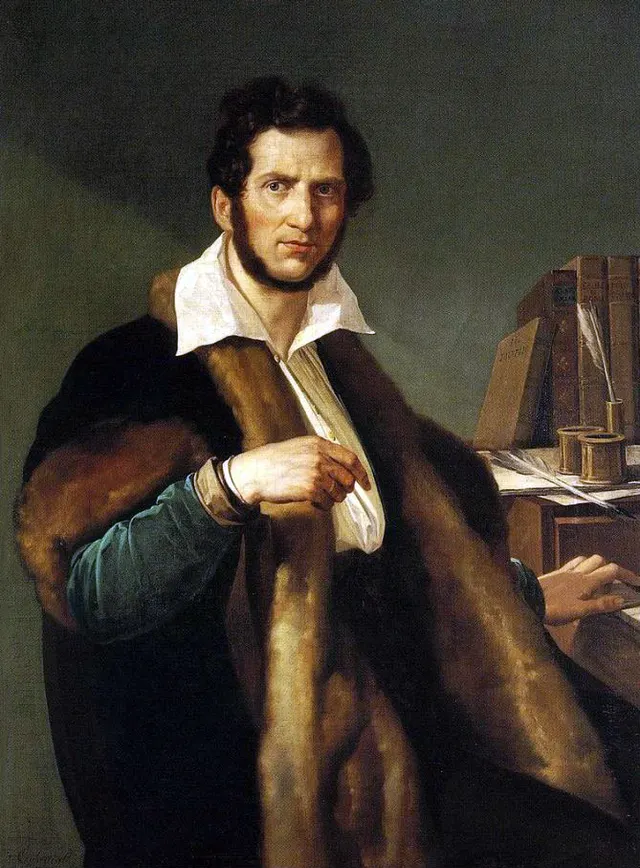
Gaetano Donizetti
Image creditFrancesco Coghetti · Public domainResized and cropped for display.

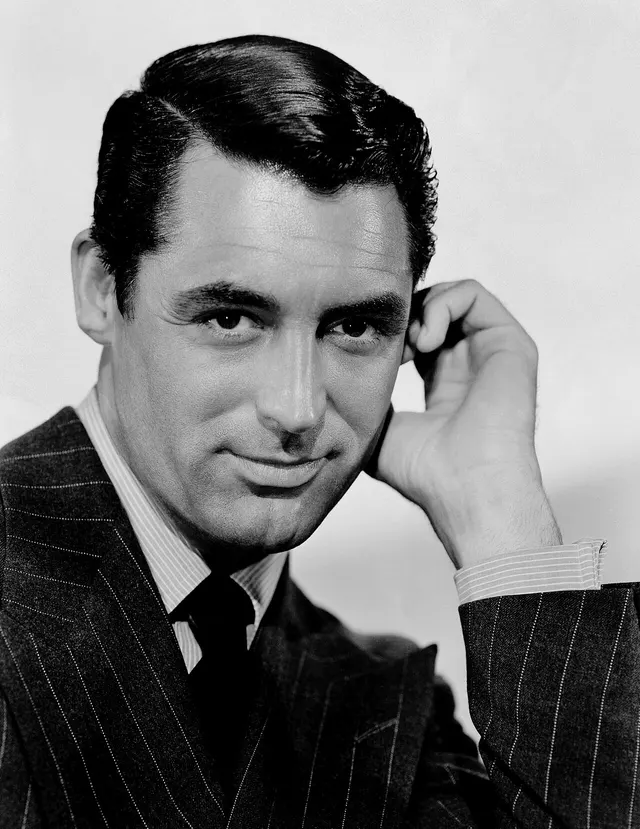
Gaetano Donizetti

Italian composer of the operas Lucia di Lammermoor and L’elisir d’amore.

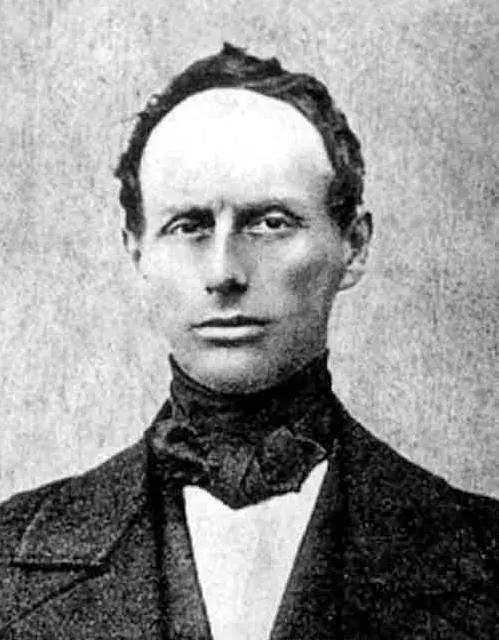
Christian Doppler
Image creditUnknown authorUnknown author · Public domainResized and cropped for display.

Christian Doppler

Austrian physicist who described the Doppler effect, the change in pitch of a moving source.

Louisa May Alcott
Image creditAdam Cuerden · Public domainResized and cropped for display.

Louisa May Alcott

American novelist, author of Little Women.

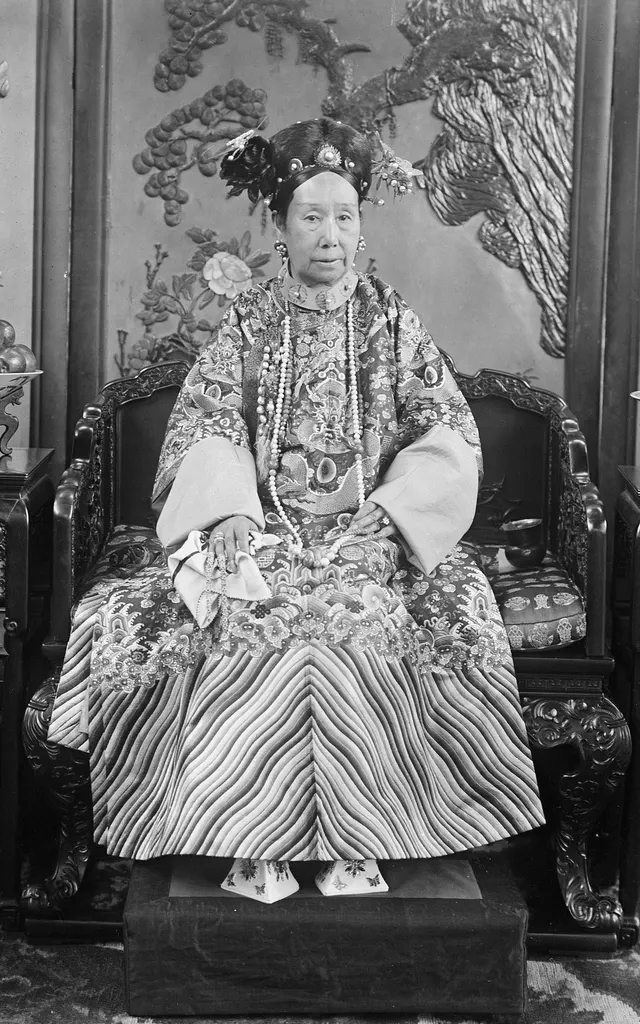
Empress Dowager Cixi
Image creditJohn Yu Shuinling · Public domainResized and cropped for display.

Empress Dowager Cixi

Chinese empress dowager who controlled the Qing government for nearly half a century.

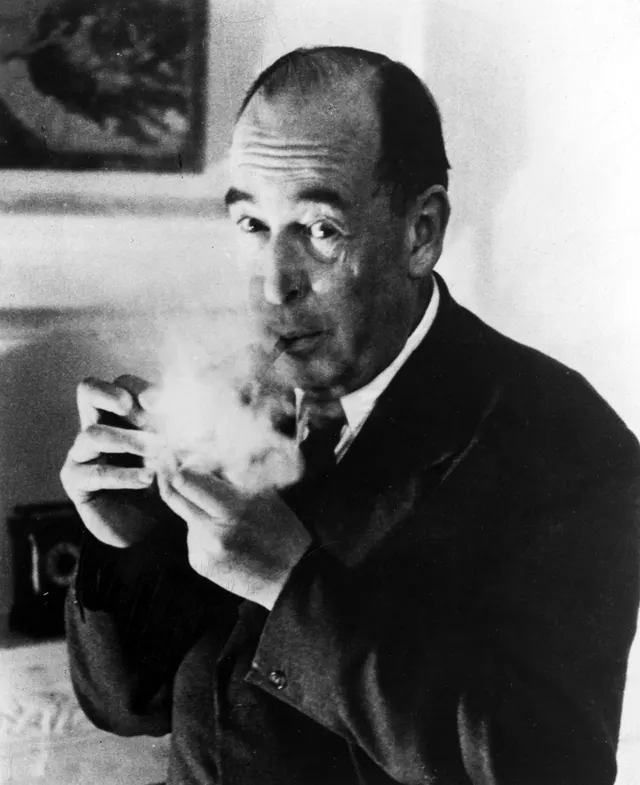
C. S. Lewis
Image creditJohn S. Murray · Public domainResized and cropped for display.

C. S. Lewis

Belfast-born writer and scholar, author of The Chronicles of Narnia.

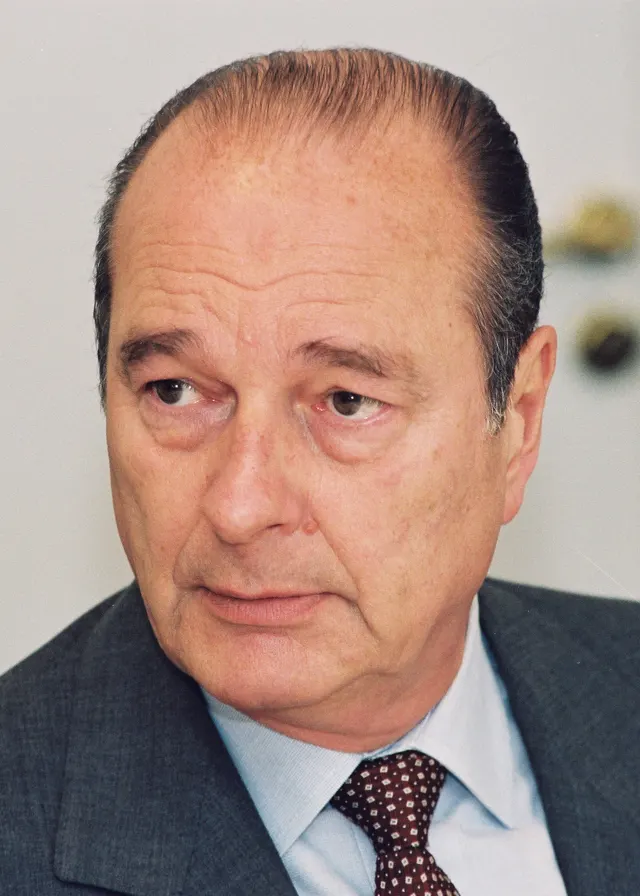
Jacques Chirac
Image creditChristian Lambiotte · CC BY 4.0Resized and cropped for display.

Jacques Chirac

French politician, prime minister twice and president from 1995 to 2007.

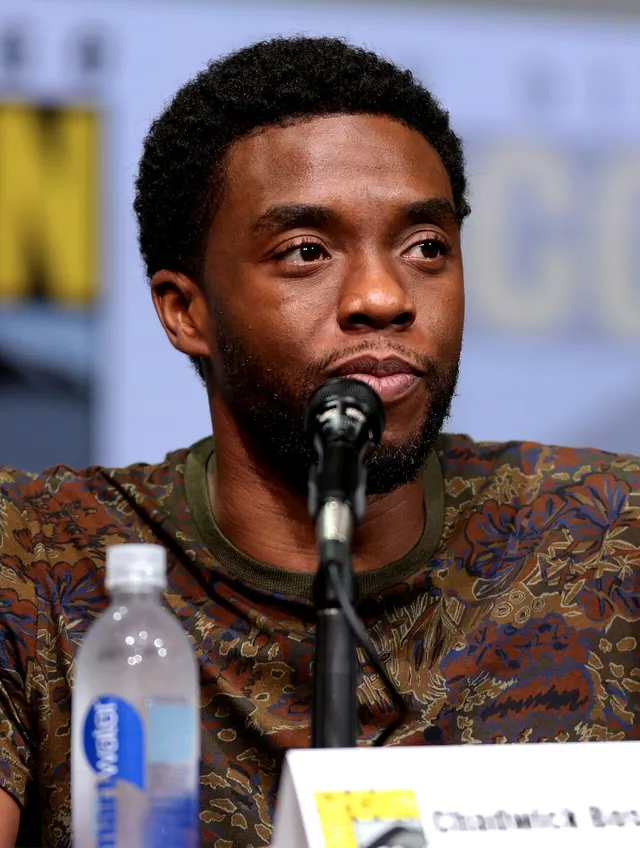
Chadwick Boseman
Image creditGage Skidmore · CC BY-SA 2.0Resized and cropped for display.

Chadwick Boseman

American actor who played King T’Challa in Black Panther.

◉
IDEAS THAT CHANGED THINGS

Firsts, Science & Discoveries

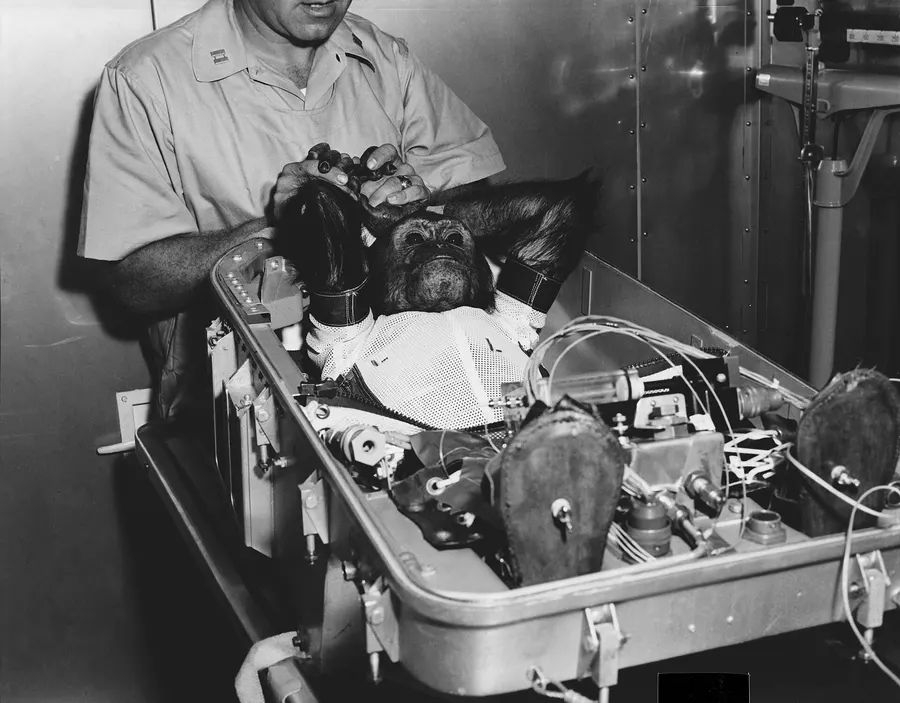
Enos in his flight couch, held by a handler, being prepared for the Mercury-Atlas 5 flight, 1961.
Image creditNASA · Public domainResized and cropped for display.

Enos the chimpanzee orbits the Earth

Before it would send an astronaut into orbit, NASA flew a chimpanzee named Enos, born in Cameroon, on the Mercury-Atlas 5 mission from Cape Canaveral on 29 November 1961.

A faulty thruster and an overheating part meant the capsule was brought down after two orbits instead of three, but Enos worked his test levers throughout and was recovered in good health. John Glenn made the first American orbital flight in February 1962.

Read the full storyHistory & Timeline →Source: Smithsonian National Air and Space Museum: Enos, the forgotten chimp ↗
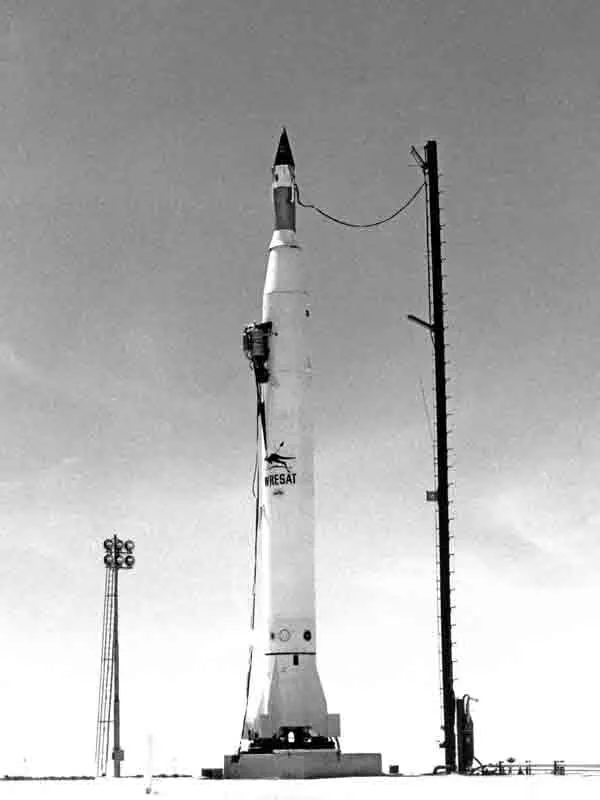
The Redstone rocket carrying WRESAT being prepared at Woomera for its launch on 29 November 1967.
Image creditUS Army · Public domainResized and cropped for display.

Australia launches its first satellite

On 29 November 1967 a spare American Redstone rocket lifted off from Woomera in South Australia carrying WRESAT, a satellite designed and built in eleven months by the Weapons Research Establishment and the University of Adelaide.

Australia became one of the first countries to launch a satellite from its own territory. WRESAT studied the upper atmosphere and made 642 orbits before it fell back to Earth in January 1968.

Read the full storyHistory & Timeline →Source: Defence Science and Technology Group (Australian Government): WRESAT, Weapons Research Establishment Satellite ↗
☆
SPORTING HISTORY

Sporting Moments

An FC Barcelona championship team of 1910.
Image creditUnknown authorUnknown author · Public domainResized and cropped for display.

FC Barcelona is founded

The Swiss businessman Joan Gamper placed a notice in a Barcelona sports paper inviting anyone interested in football to join him. On 29 November 1899 he and eleven others, from Switzerland, England, Germany, Catalonia and Aragon, met at the Solé Gymnasium and founded Futbol Club Barcelona.

Gamper wanted a club open to everyone and run by its members, as it still is. It grew into one of the most successful football clubs in the world and a symbol of Catalan identity.

Read the full storyHistory & Timeline →Source: FC Barcelona: 1899-1909, foundation and survival ↗
✦
LIVES REMEMBERED

Remembered Today

Philip IV of France
Image creditUnknown authorUnknown author · Public domainResized and cropped for display.

Philip IV of France

King of France, known as Philip the Fair, who suppressed the Knights Templar (Old Style date).

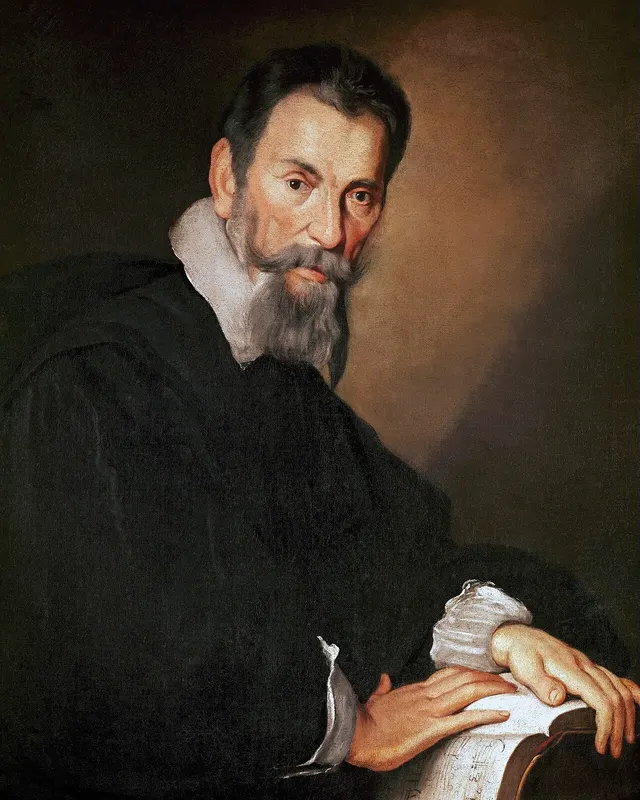
Claudio Monteverdi
Image creditBernardo Strozzi · Public domainResized and cropped for display.

Claudio Monteverdi

Italian composer whose L’Orfeo is one of the first great operas.

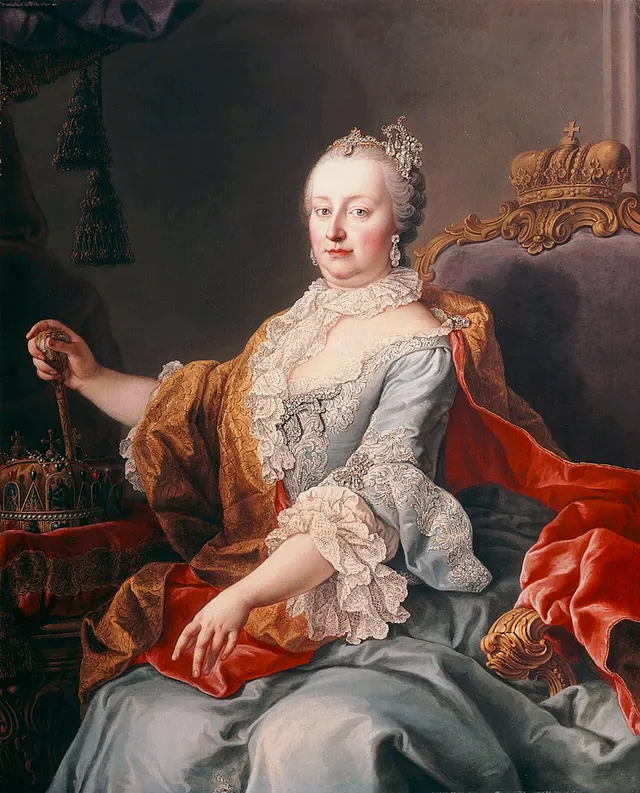
Maria Theresa
Image creditMartin van Meytens · Public domainResized and cropped for display.

Maria Theresa

Habsburg ruler of Austria, Hungary and Bohemia for forty years.

George Harrison
Image creditJohn Kelly · Public domainResized and cropped for display.

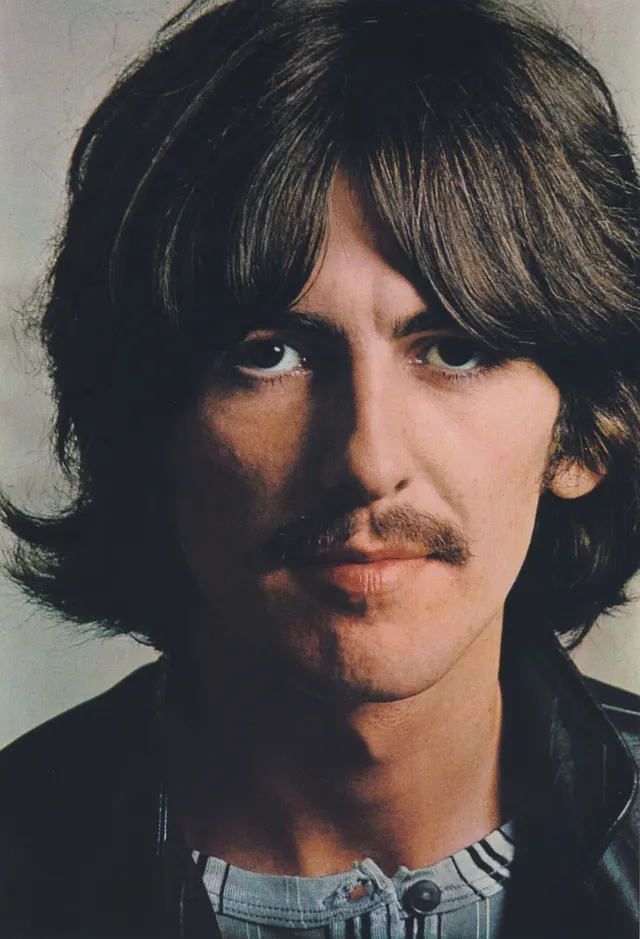
George Harrison

Lead guitarist of the Beatles and writer of ‘Something’ and ‘Here Comes the Sun’.

HISTORY & TIMELINE

Finished the highlights?

Follow 29 November chronologically, from the Middle Ages to the modern day, with 8 verified events and the sources behind them.

This day through time →