Explore 26 November

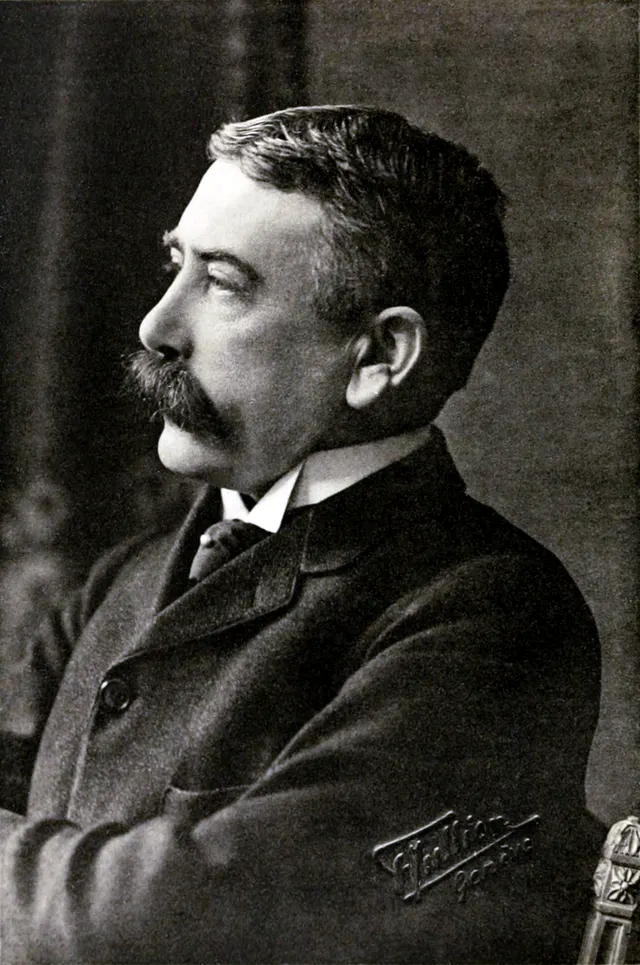
Explore 26 November: Howard Carter looks into Tutankhamun’s tomb and sees ‘wonderful things’, India adopts its constitution, Mongolia becomes a people’s republic and France puts its first satellite into orbit. Meet Ferdinand de Saussure, Charles Schulz and Tina Turner, born on this date.

This day through time →10 verified events across 4 eras

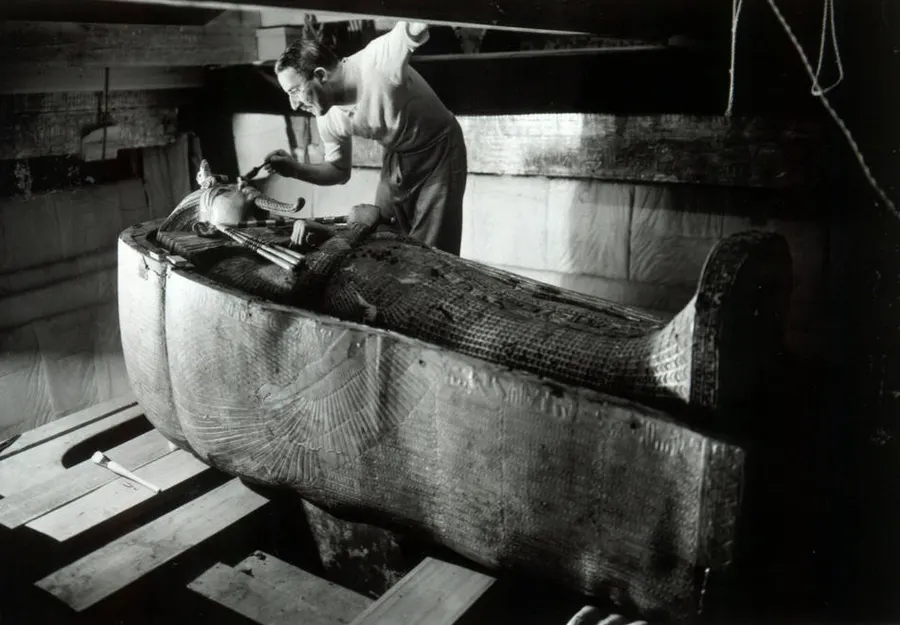
Howard Carter at work in the tomb of Tutankhamun, photographed by Harry Burton.
Image creditHarry Burton · Public domainResized and cropped for display.

Howard Carter looks into Tutankhamun’s tomb

After years of fruitless digging in the Valley of the Kings, Howard Carter found a step cut in the rock on 4 November 1922 and followed a stairway down to a sealed doorway. His patron Lord Carnarvon hurried out from England to join him.

On 26 November 1922 Carter made a small hole in the inner doorway and held up a candle. When Carnarvon asked whether he could see anything, Carter replied, ‘Yes, wonderful things.’ Beyond lay the nearly intact burial of the boy king Tutankhamun, the richest find in the history of Egyptology.

Read the full storyHistory & Timeline →Source: National Geographic: Unmasking Howard Carter, the man who found Tutankhamun ↗
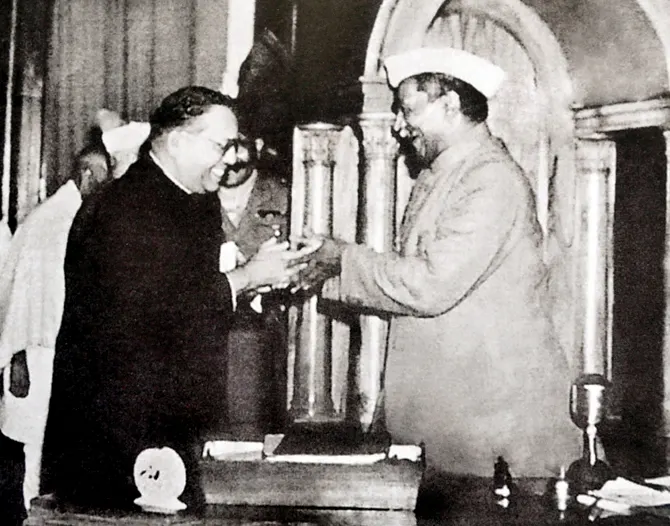
B. R. Ambedkar, chairman of the drafting committee, presents the final draft of the constitution to Rajendra Prasad, 25 November 1949.
Image creditUnknown authorUnknown author · Public domainResized and cropped for display.

India adopts its constitution

India’s Constituent Assembly first met in December 1946 and spent nearly three years debating a constitution clause by clause, with the lawyer B. R. Ambedkar chairing the drafting committee. On 26 November 1949 the Assembly adopted it.

With 395 articles it was the longest written constitution of any country. It came into force on 26 January 1950, when India became a republic. Since 2015 India has marked 26 November as Constitution Day, Samvidhan Divas.

Read the full storyHistory & Timeline →Source: Press Information Bureau, Government of India: Constitution Day, 26 November (backgrounder) ↗
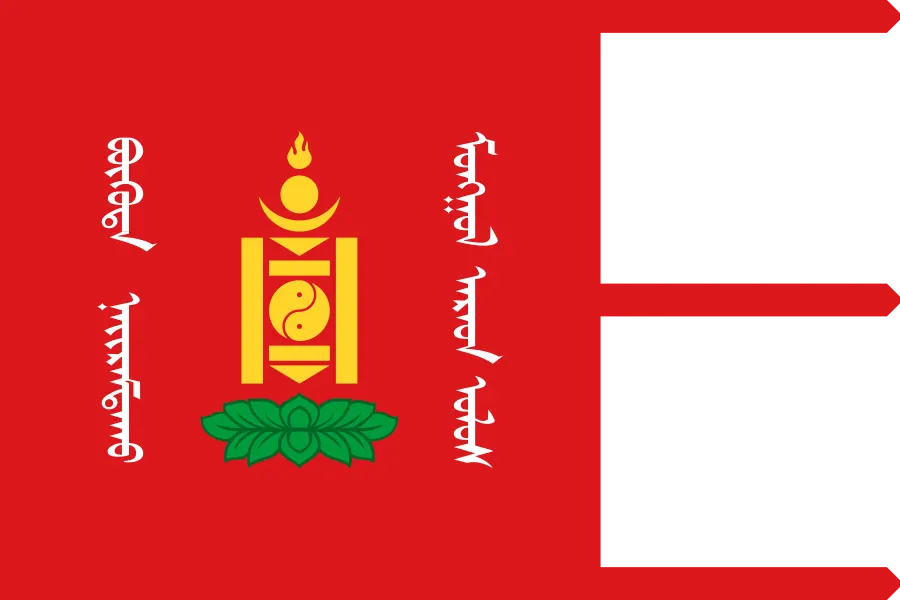
The flag of the Mongolian People's Republic in its first years, from 1924.
The flag of the Mongolian People’s Republic in its first years, from 1924.
Image creditDrawn by Joins2003 · Public domainResized and cropped for display.

Mongolia becomes a people’s republic

Outer Mongolia had broken away from China in 1911 under its religious leader, the Bogd Khan, and a revolution backed by Soviet Russia brought a communist-led government to power in 1921. When the Bogd Khan died in 1924, the monarchy was not renewed.

A Great Khural, or national assembly, met in November and on 26 November 1924 adopted Mongolia’s first constitution, proclaiming the Mongolian People’s Republic, the world’s second communist state after the Soviet Union. The capital was renamed Ulaanbaatar, ‘Red Hero’.

Read the full storyHistory & Timeline →Source: Encyclopaedia Britannica: Mongolia, independence and revolution ↗
The French army crossing the Berezina, in a watercolour probably by a witness or veteran of the campaign.
Image creditUnknown authorUnknown author · Public domainResized and cropped for display.

Napoleon’s retreating army begins to cross the Berezina

Retreating from Moscow in the Russian winter, Napoleon’s Grande Armée reached the Berezina river, in what is now Belarus, to find the bridge at Borisov destroyed and Russian armies closing in. A thaw had left the river unfrozen and full of ice.

Through the night of 25-26 November 1812 General Éblé’s engineers, working chest-deep in freezing water, built two bridges upstream at Studianka, and Oudinot’s corps crossed on the 26th. Most of the army followed over the next two days before the bridges were burned, leaving thousands of stragglers behind. ‘Bérézina’ became a French word for disaster.

Read the full storyHistory & Timeline →Source: Fondation Napoléon: The Battle of the Berezina, Napoleon’s great escape ↗
♙
PEOPLE

Born Today

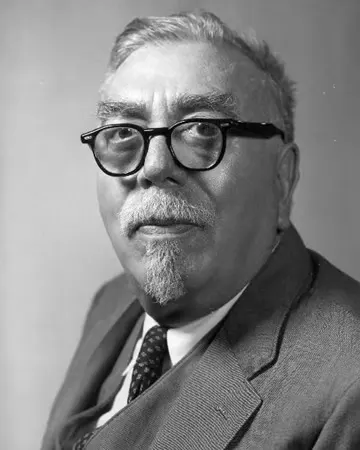
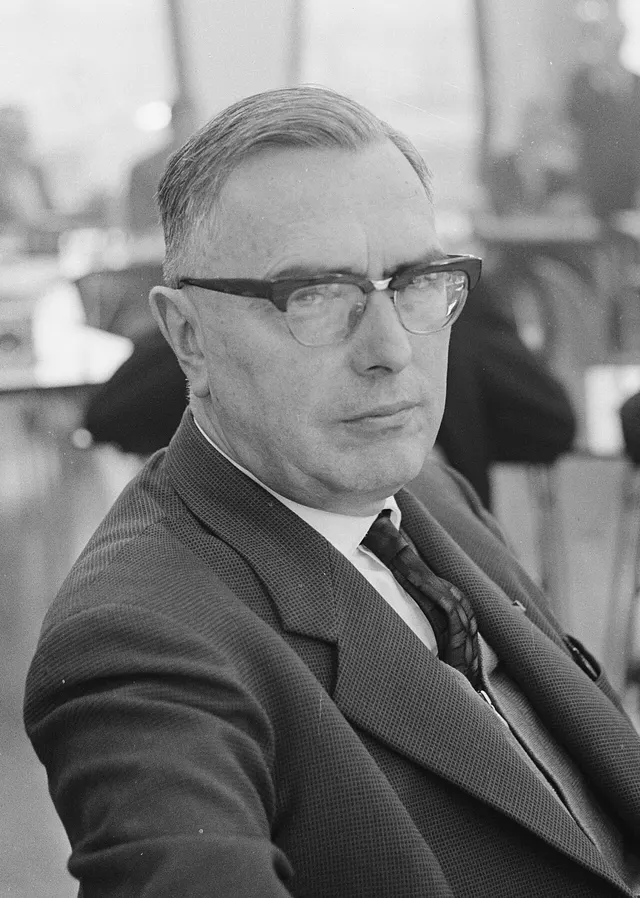
Norbert Wiener
Image creditGarry Olsh · CC0Resized and cropped for display.

Norbert Wiener

American mathematician who founded cybernetics, the study of control and communication in machines and living things.

Eugène Ionesco
Image creditGorupdebesanez · CC BY-SA 3.0Resized and cropped for display.

Eugène Ionesco

Romanian-born French playwright of the Theatre of the Absurd, author of The Bald Soprano and Rhinoceros.

Adolfo Pérez Esquivel
Image creditSecretaría de Cultura · CC BY-SA 2.0Resized and cropped for display.

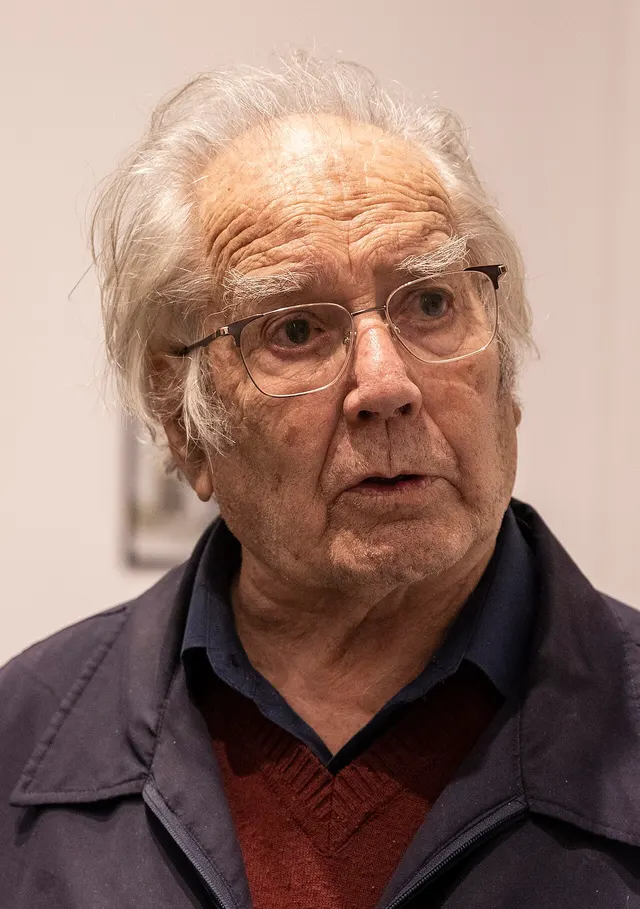
Adolfo Pérez Esquivel

Argentine human rights campaigner who won the 1980 Nobel Peace Prize.

Tina Turner
Image creditHBO · Public domainResized and cropped for display.

Tina Turner

American-born singer known as the Queen of Rock ‘n’ Roll, whose hits included ‘What’s Love Got to Do with It’.

◉
IDEAS THAT CHANGED THINGS

Firsts, Science & Discoveries

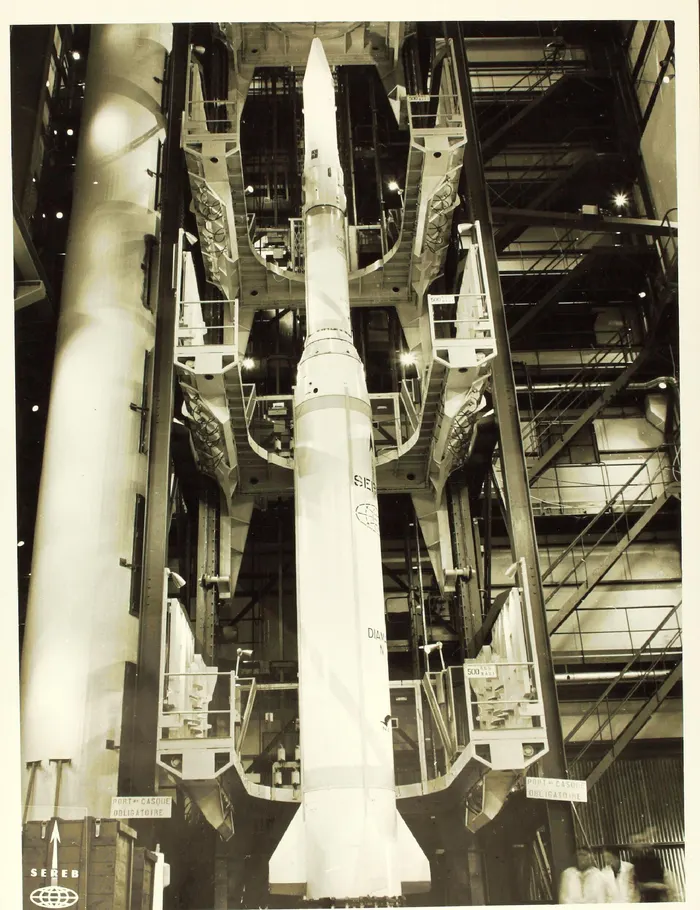
A Diamant A rocket, the French launcher that carried Astérix into orbit.
Image creditSan Diego Air & Space Museum · Public domainResized and cropped for display.

France launches its first satellite, Astérix

On 26 November 1965 a Diamant rocket lifted off from Hammaguir in the Algerian desert and placed a 42-kilogram satellite, A-1, nicknamed Astérix, into orbit. France became the third country, after the Soviet Union and the United States, to launch a satellite on its own rocket.

The satellite’s aerials were damaged at separation and it never sent back data, but the launch proved the rocket, and France went on to lead Europe’s Ariane programme.

Read the full storyHistory & Timeline →Source: CNES (French space agency): 60 years ago, the dawn of space France with Diamant and Astérix ↗
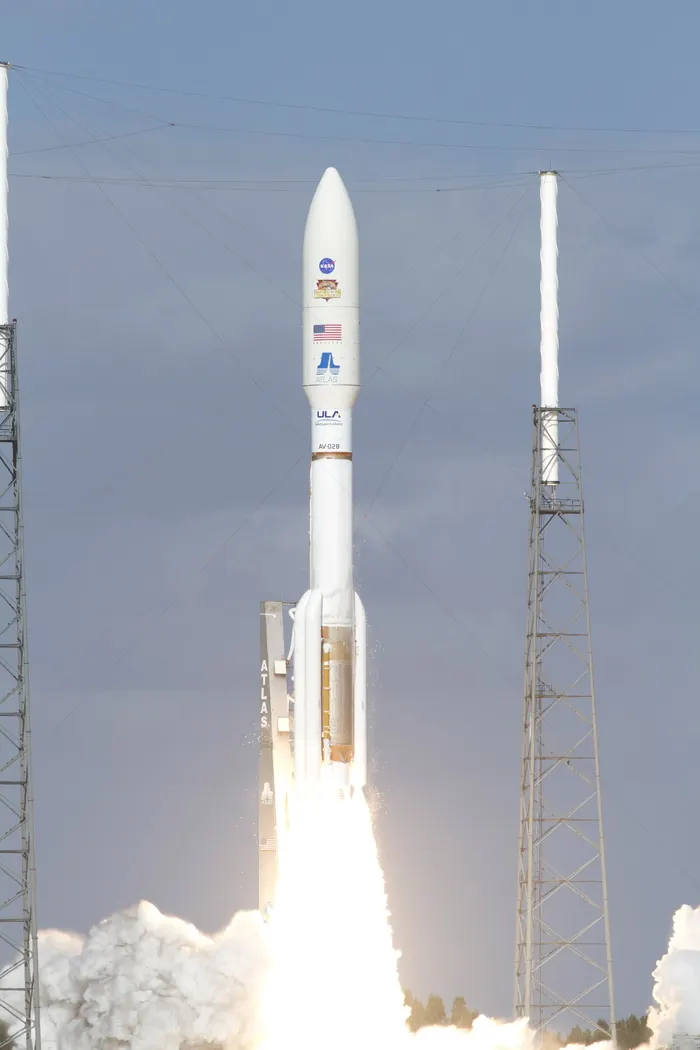
The Atlas V rocket carrying Curiosity lifts off from Cape Canaveral, 26 November 2011.
Image creditPhoto credit: NASA/George Roberts · Public domainResized and cropped for display.

The Curiosity rover sets off for Mars

An Atlas V rocket launched NASA’s Mars Science Laboratory from Cape Canaveral, Florida, at 10.02 a.m. local time on 26 November 2011. Inside was Curiosity, a car-sized rover carrying ten science instruments.

After a journey of some 350 million miles it landed in Gale Crater in August 2012, and found that Mars once had lakes of water with the chemical ingredients that life would need.

Read the full storyHistory & Timeline →Source: NASA Jet Propulsion Laboratory: NASA launches most capable and robust rover to Mars ↗
♫
MUSIC • FILM • BOOKS • CULTURE

Culture Stories

Humphrey Bogart and Ingrid Bergman in the trailer for Casablanca, 1942.
Image creditTrailer screenshot · Public domainResized and cropped for display.

Casablanca has its premiere

Warner Bros. brought forward the opening of Casablanca to take advantage of the Allied landings at the Moroccan port earlier in the month, and the film was first shown in New York on 26 November 1942. Directed by Michael Curtiz, it starred Humphrey Bogart as the café owner Rick and Ingrid Bergman as Ilsa, the woman he had lost.

It went on general release early in 1943, won the Academy Award for best picture, and became one of the most quoted films ever made.

Read the full storyHistory & Timeline →Source: AFI Catalog (American Film Institute): Casablanca (1942) ↗
✦
LIVES REMEMBERED

Remembered Today

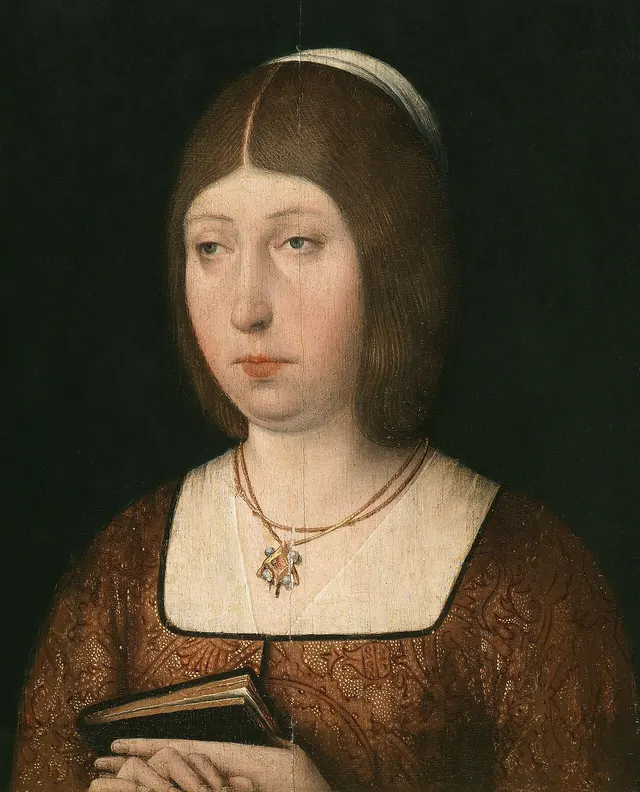
Isabella I of Castile
Image creditanonymous · Public domainResized and cropped for display.

Isabella I of Castile

Queen of Castile who, with Ferdinand of Aragon, united Spain and sponsored Columbus’s voyage (Old Style date).

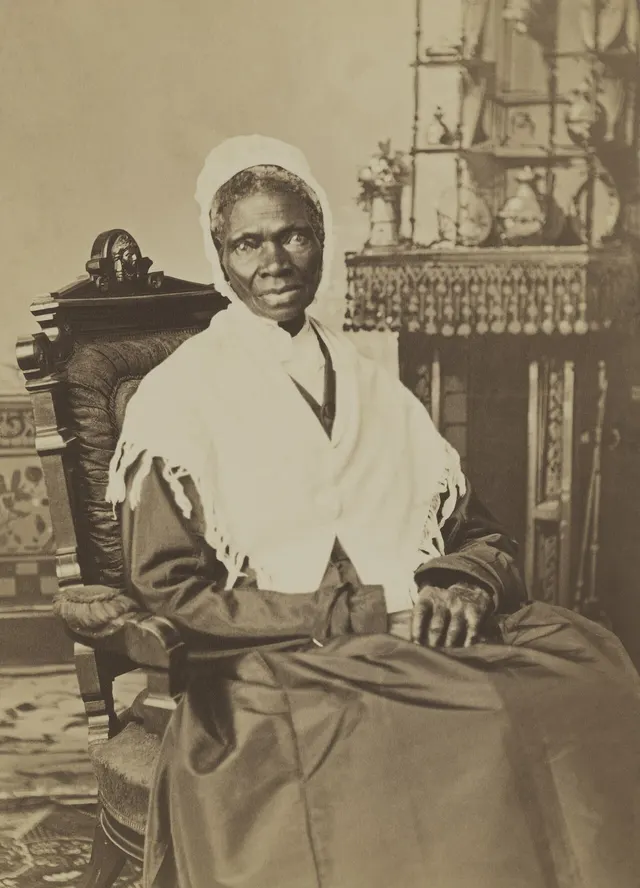
Sojourner Truth
Image creditRandall Studio · Public domainResized and cropped for display.

Sojourner Truth

American abolitionist and women’s rights campaigner who escaped slavery in 1826.

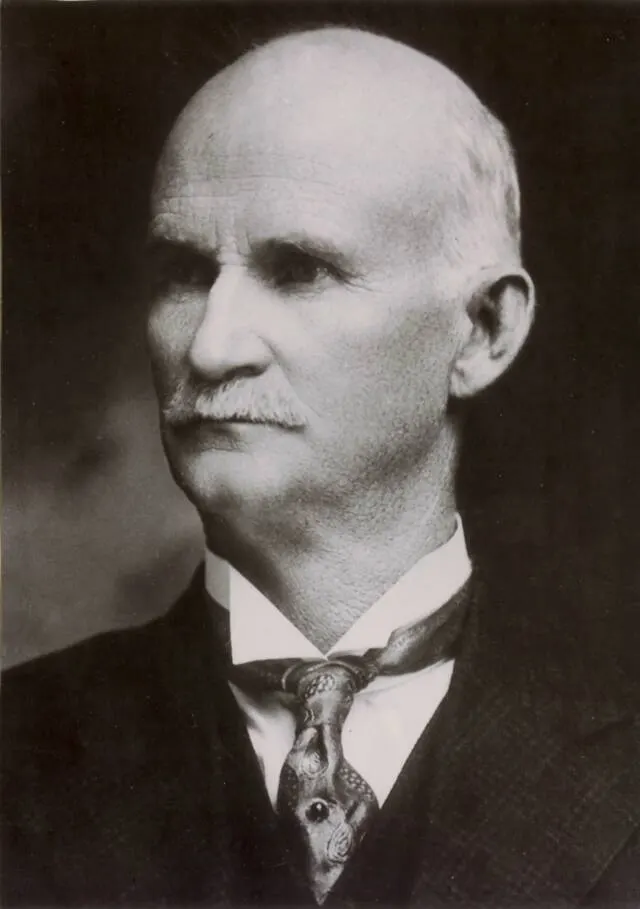
John Browning
Image creditunknown/Browning · Public domainResized and cropped for display.

John Browning

American gun designer whose pistols and machine guns were used around the world.

HISTORY & TIMELINE

Finished the highlights?

Follow 26 November chronologically, from the Middle Ages to the modern day, with 10 verified events and the sources behind them.

This day through time →