Explore 24 November

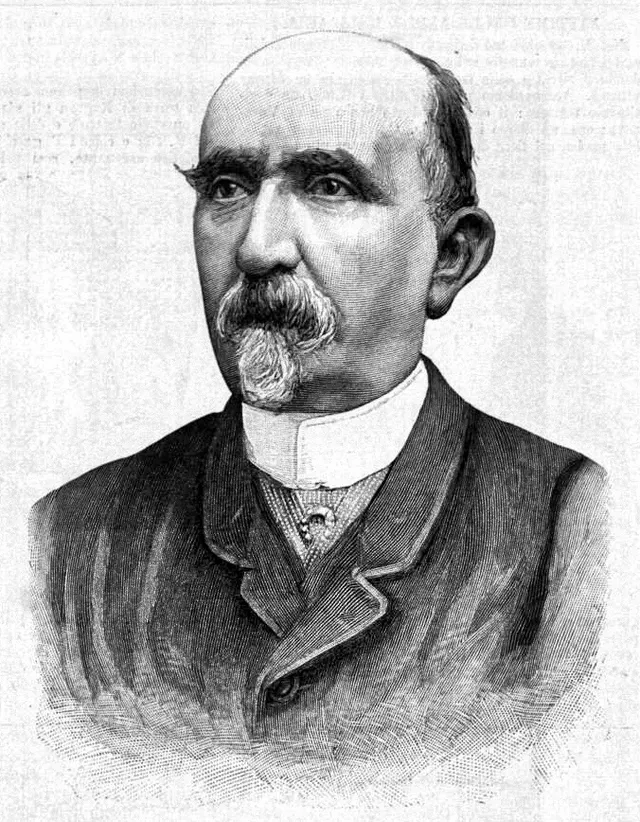
Explore 24 November: Darwin publishes On the Origin of Species, Abel Tasman sights the island now called Tasmania, the fossil ‘Lucy’ is found in Ethiopia and Apollo 12 comes home from the Moon. Meet Baruch Spinoza, Carlo Collodi and Henri de Toulouse-Lautrec, born on this date.

This day through time →8 verified events across 4 eras

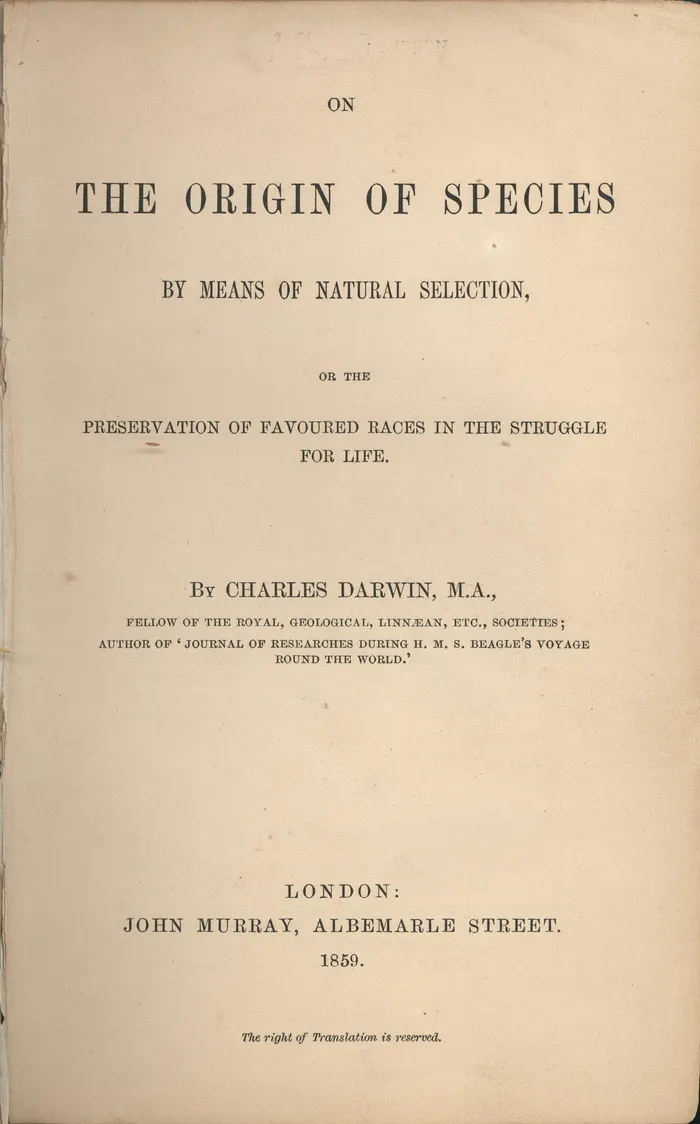
The title page of the first edition of On the Origin of Species, published by John Murray in 1859.
Image creditJohn Murray, Publisher · Public domainResized and cropped for display.

Darwin publishes On the Origin of Species

More than twenty years after his voyage on HMS Beagle, and hurried into print after Alfred Russel Wallace sent him a paper with the same idea, Charles Darwin published On the Origin of Species by Means of Natural Selection with John Murray of London on 24 November 1859.

The book argued that species are not fixed but change over many generations, as individuals better suited to their surroundings survive and leave more offspring. It sold well, stirred fierce debate and went through six editions in Darwin’s lifetime, becoming the foundation of modern biology.

Read the full storyHistory & Timeline →Source: Darwin Correspondence Project (University of Cambridge): Darwin in letters, 1858-1859, Origin ↗
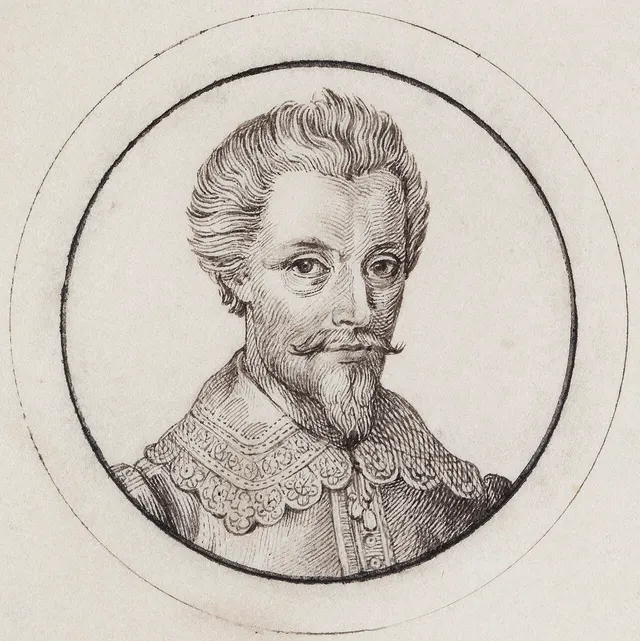
Abel Tasman, in a French engraving of about 1850.
Image creditUnknown authorUnknown author · Public domainResized and cropped for display.

Abel Tasman sights Tasmania

The Dutch East India Company sent Abel Tasman from Batavia (now Jakarta) on 14 August 1642 with two ships, the Heemskerck and the Zeehaen, to explore the unknown southern ocean. Sailing far to the south and then east, his crews sighted the mountains of an unknown coast on 24 November 1642.

Tasman named it Van Diemen’s Land after the company’s governor-general, Anthony van Diemen; it was renamed Tasmania in the 1850s. He sailed on to become the first European to reach New Zealand, in December.

Read the full storyHistory & Timeline →Source: Te Ara, the Encyclopedia of New Zealand: Abel Tasman ↗
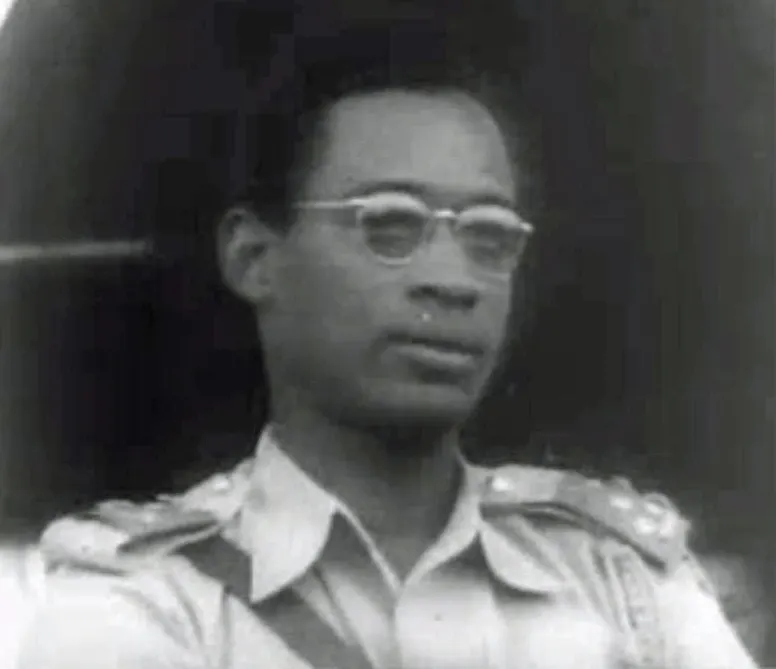
Colonel Joseph Mobutu in December 1960.
Image creditUniversal Studios · CC0Resized and cropped for display.

Mobutu seizes power in the Congo

Five years after independence from Belgium, the Congo was again deadlocked by a struggle between its president, Joseph Kasavubu, and its prime minister. On 24 November 1965 the army commander, General Joseph Mobutu, removed them both in a bloodless coup and took the presidency himself.

Mobutu ruled for more than thirty years. He renamed the country Zaire in 1971 and himself Mobutu Sese Seko, and his rule became known for corruption and repression until rebels drove him out in 1997.

Read the full storyHistory & Timeline →Source: Encyclopaedia Britannica: Mobutu Sese Seko ↗
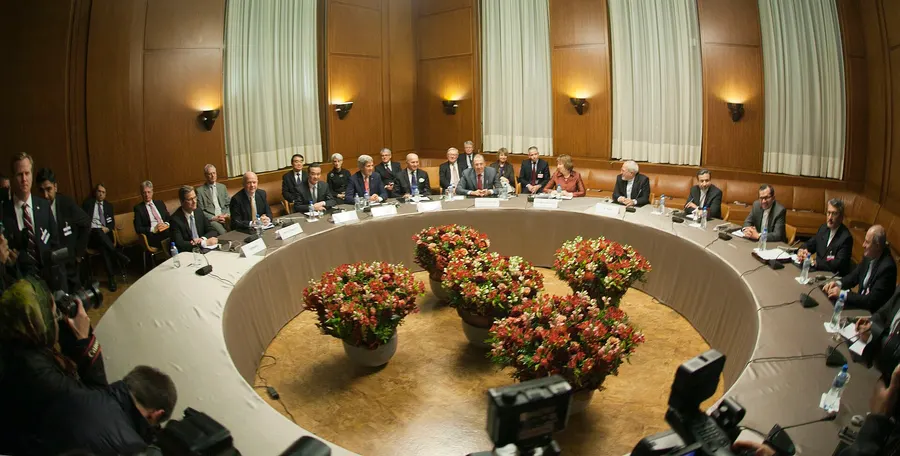
Foreign ministers of the six powers, the European Union and Iran meeting in Geneva in the early hours of 24 November 2013.
Image creditU.S. Department of State from United States · Public domainResized and cropped for display.

Iran and six powers agree an interim nuclear deal

After four days of talks in Geneva, Iran and six powers (China, France, Germany, Russia, the United Kingdom and the United States) signed an interim agreement, the Joint Plan of Action, in the early hours of 24 November 2013.

Iran agreed to cap uranium enrichment at 5 per cent and to neutralise its stock of more highly enriched uranium, in return for limited relief from sanctions. It was the first real limit on Iran’s nuclear programme in about a decade, and led to the fuller agreement of July 2015.

Read the full storyHistory & Timeline →Source: International Atomic Energy Agency: Statement by the Director General on the Geneva agreement ↗
♙
PEOPLE

Born Today

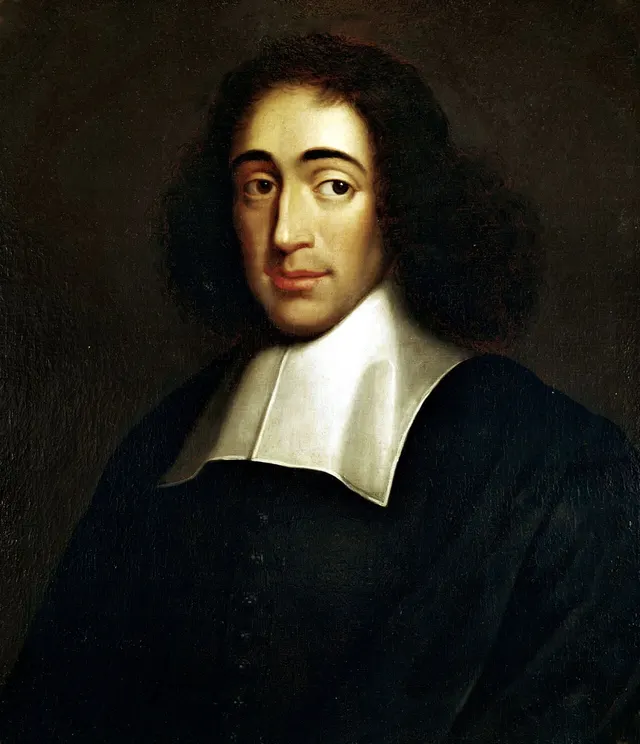
Baruch Spinoza
Image creditanonymous · Public domainResized and cropped for display.

Baruch Spinoza

Dutch philosopher of Portuguese Jewish descent, author of the Ethics.

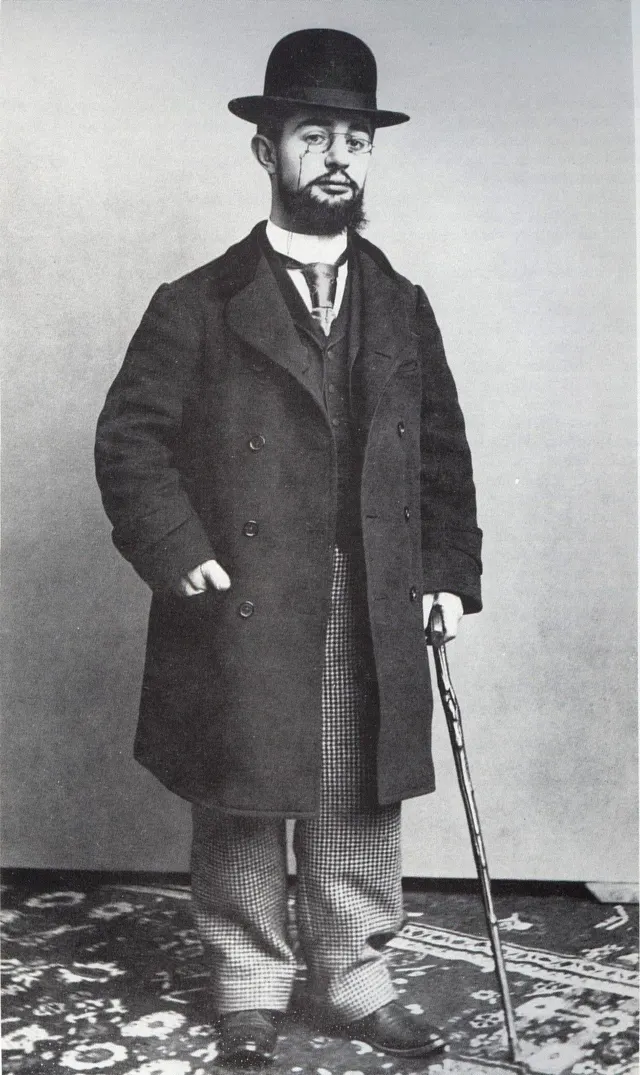
Henri de Toulouse-Lautrec
Image creditPaul Sescau · Public domainResized and cropped for display.

Henri de Toulouse-Lautrec

French painter and poster artist of Montmartre’s cabarets and dance halls.

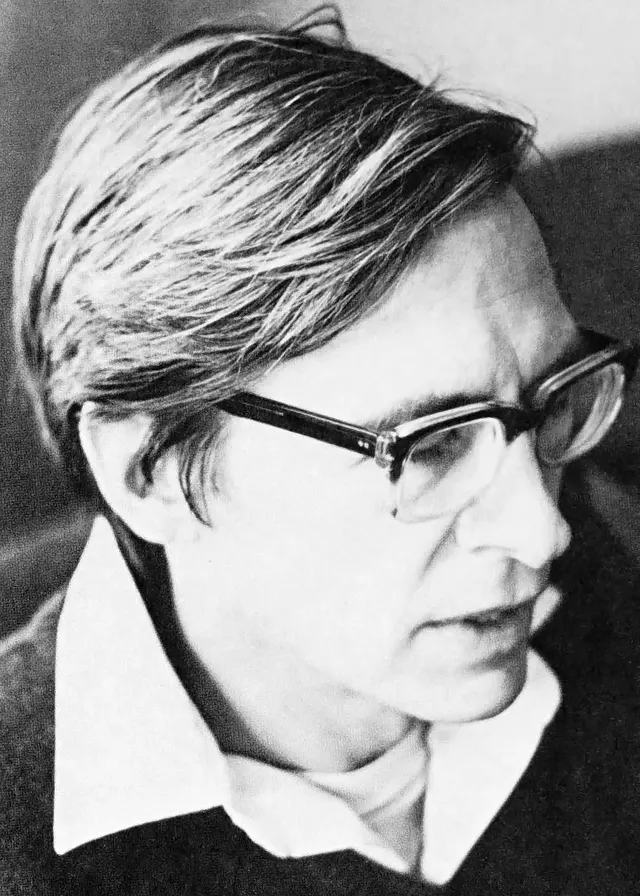
Tsung-Dao Lee
Image creditNobel foundation · Public domainResized and cropped for display.

Tsung-Dao Lee

Chinese-born American physicist who shared the 1957 Nobel Prize in Physics for work on the symmetry of particle interactions.

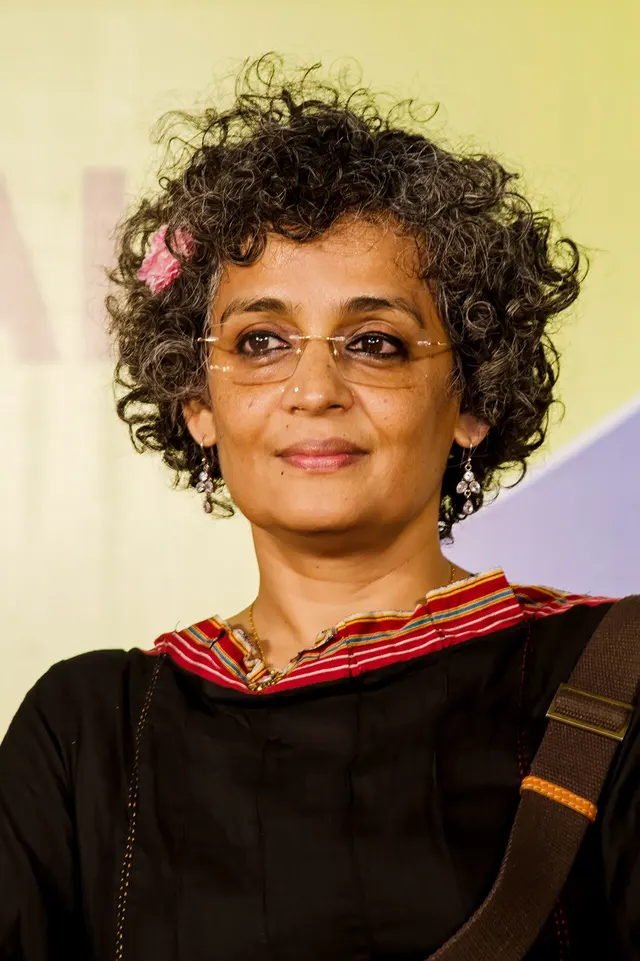
Arundhati Roy
Image creditAugustus Binu/ facebook · CC BY-SA 3.0Resized and cropped for display.

Arundhati Roy

Indian writer whose novel The God of Small Things won the 1997 Booker Prize.

◉
IDEAS THAT CHANGED THINGS

Firsts, Science & Discoveries

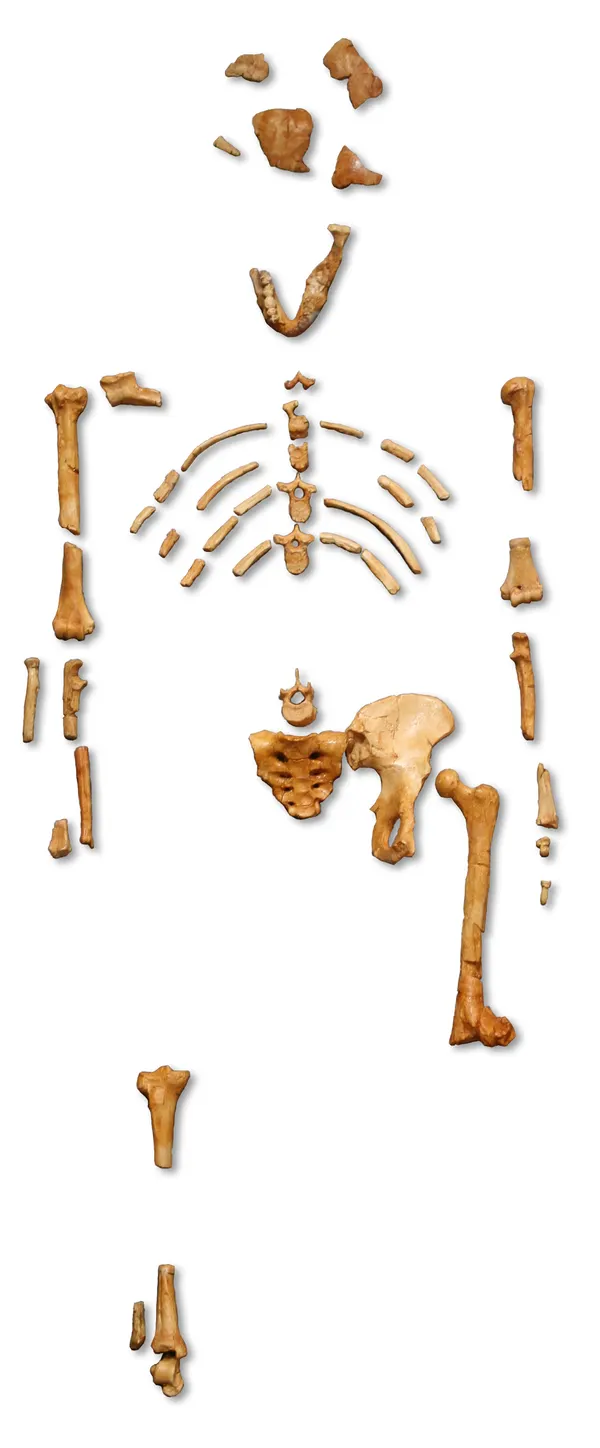
A cast of the 'Lucy' skeleton at the Muséum national d'histoire naturelle, Paris.
A cast of the ‘Lucy’ skeleton at the Muséum national d’histoire naturelle, Paris.
Image credit120 · CC BY 2.5Resized and cropped for display.

The fossil ‘Lucy’ is found in Ethiopia

On 24 November 1974 the palaeoanthropologist Donald Johanson and his student Tom Gray spotted a fragment of arm bone in a gully at Hadar, in the Afar region of Ethiopia. Over the following weeks the team recovered about 40 per cent of a single skeleton, about 3.2 million years old.

Nicknamed Lucy after the Beatles song played in camp, and known in Ethiopia as Dinkinesh, she belonged to the species Australopithecus afarensis. Her bones showed that our ancestors walked upright long before they had large brains.

Read the full storyHistory & Timeline →Source: Institute of Human Origins, Arizona State University: Lucy’s story ↗
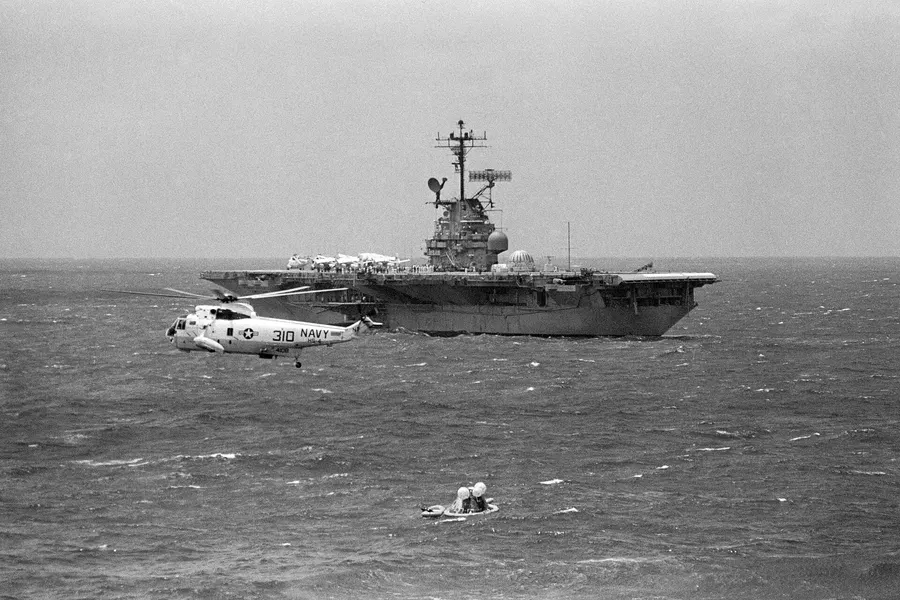
The recovery ship USS Hornet moves towards the floating Apollo 12 command module, 24 November 1969.
Image creditNASA Johnson Space Center · Public domainResized and cropped for display.

Apollo 12 splashes down after the second Moon landing

Charles ‘Pete’ Conrad, Richard Gordon and Alan Bean splashed down in the South Pacific, about 375 miles east of Pago Pago in American Samoa, on 24 November 1969, ending the second crewed Moon landing. Conrad and Bean had set down on the Ocean of Storms within walking distance of an earlier robot probe, Surveyor 3.

Helicopters lifted the crew to the aircraft carrier USS Hornet, where they went into quarantine in case they had brought back lunar germs.

Read the full storyHistory & Timeline →Source: NASA: 50 years ago, the recovery of Apollo 12 ↗
✦
LIVES REMEMBERED

Remembered Today

Georges Clemenceau
Image creditPaul Nadar · Public domainResized and cropped for display.

Georges Clemenceau

French prime minister who led France to victory in the First World War.

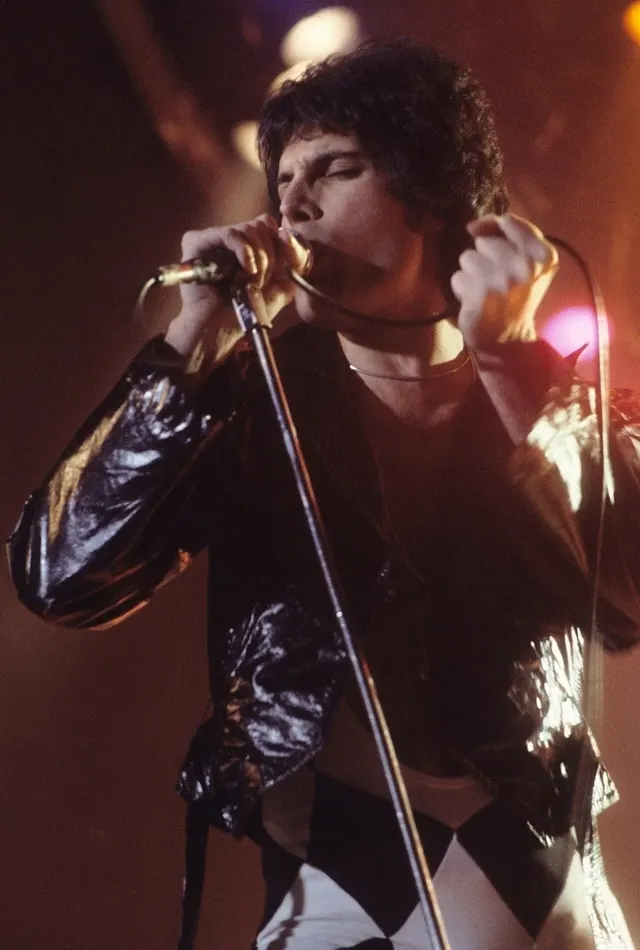
Freddie Mercury
Image creditCarl Lender · CC BY-SA 3.0Resized and cropped for display.

Freddie Mercury

Zanzibar-born singer and songwriter of the rock band Queen.

☉
AROUND THE WORLD

Observances & Anniversaries

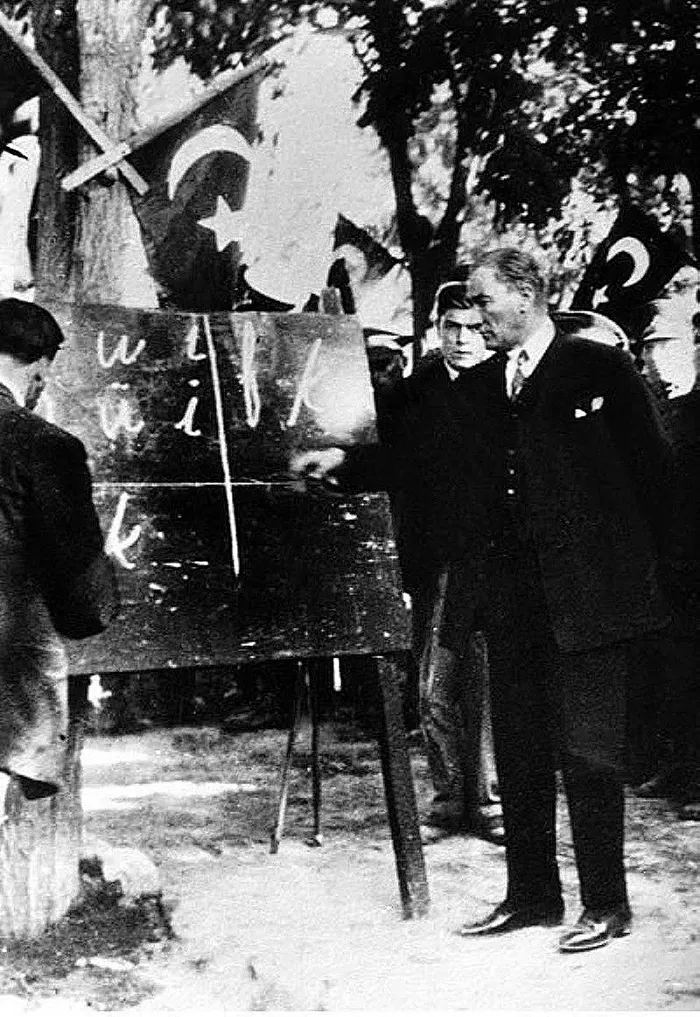
Mustafa Kemal Atatürk introduces the new Turkish alphabet to the people of Kayseri, 20 September 1928.
Image creditPresidency of the Republic of Turkey · Public domainResized and cropped for display.

Teachers’ Day in Turkey

Turkey celebrates its teachers on 24 November, honouring them together with Mustafa Kemal Atatürk as the nation’s ‘Chief Teacher’ (Başöğretmen), in recognition of the education reforms he led. Pupils bring flowers and cards, and teachers from every province visit his mausoleum in Ankara.

Source: Ministry of National Education of Türkiye: Message from the minister on 24 November Teachers’ Day ↗
HISTORY & TIMELINE

Finished the highlights?

Follow 24 November chronologically, from the Middle Ages to the modern day, with 8 verified events and the sources behind them.

This day through time →