Explore 20 November

Explore 20 November: the Nuremberg trials open, Mexico’s revolution begins, a whale sinks the Essex and Princess Elizabeth marries Philip. Meet Edwin Hubble, Selma Lagerlöf and Nadine Gordimer, born on this date.

This day through time →9 verified events across 2 eras

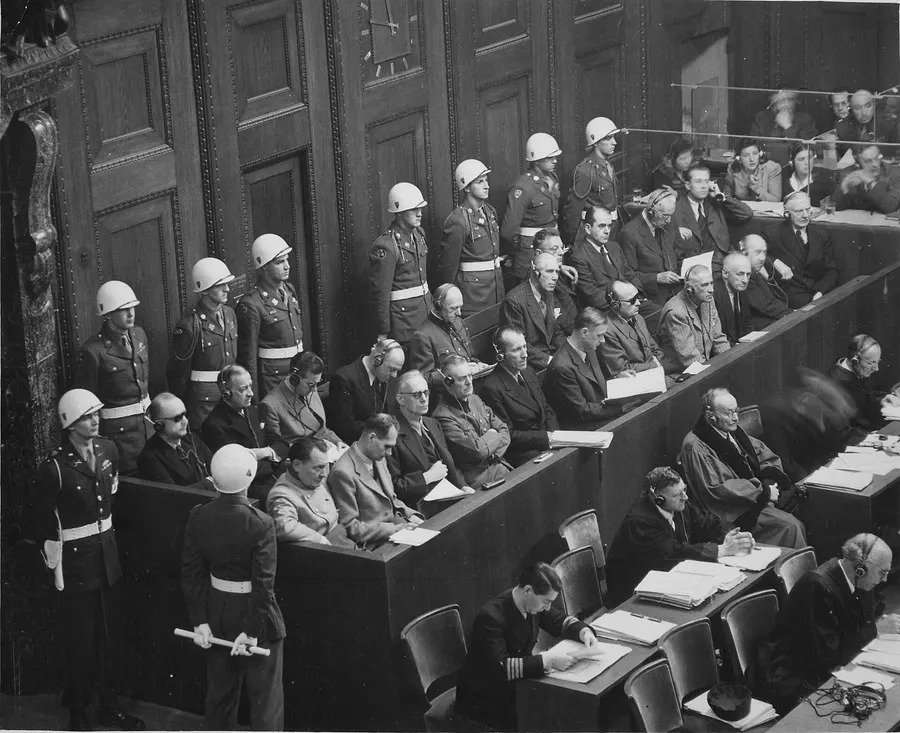
Looking down on the defendants' dock at the Nuremberg trials, 1945-46.
Looking down on the defendants’ dock at the Nuremberg trials, 1945-46.
Image creditRay D'Addario · Public domainResized and cropped for display.

The Nuremberg trials open

Six and a half months after Germany’s surrender, the International Military Tribunal opened in the Palace of Justice in Nuremberg on 20 November 1945. The United States, Britain, the Soviet Union and France each supplied a judge and a team of prosecutors, under the presidency of the British judge Sir Geoffrey Lawrence.

Leading Nazis, among them Hermann Göring and Rudolf Hess, were charged with conspiracy, crimes against peace, war crimes and crimes against humanity. It was the first time an international court had tried a nation’s leaders, and its principles shaped international criminal law for generations.

Read the full storyHistory & Timeline →Source: United States Holocaust Memorial Museum: International Military Tribunal at Nuremberg ↗
Francisco I. Madero, who called the Mexican people to rise on 20 November 1910.
Image creditUnknown authorUnknown author · Public domainResized and cropped for display.

The Mexican Revolution begins

Porfirio Díaz had ruled Mexico for more than thirty years when the reformer Francisco I. Madero challenged him in the election of 1910. Arrested on the eve of the vote, Madero escaped to San Antonio, Texas, and issued the Plan of San Luis Potosí, declaring himself provisional president under the slogan ‘effective suffrage, no re-election’.

The plan named 20 November 1910 as the day for Mexicans to take up arms. Uprisings spread, Díaz resigned in May 1911 and Madero became president, but the revolution went on for a decade of fighting. Mexico marks 20 November every year as Revolution Day.

Read the full storyHistory & Timeline →Source: Library of Congress: The rise of Francisco Madero, the Mexican Revolution and the United States ↗
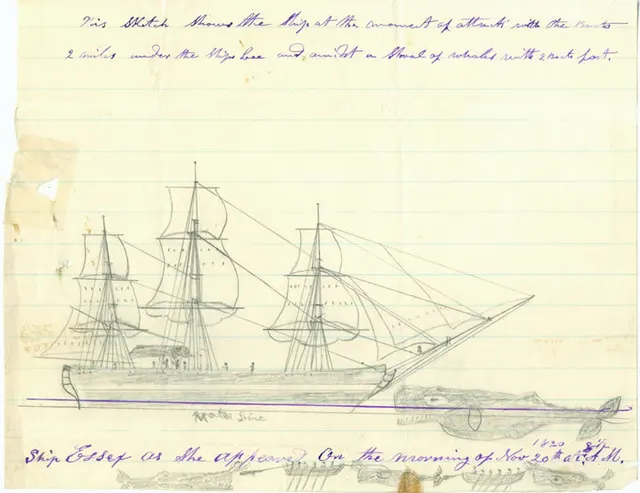
A hand-drawn sketch of the whaleship Essex.
Image creditUnknown · Public domainResized and cropped for display.

A whale sinks the Essex

On 20 November 1820, in the middle of the Pacific Ocean, a huge sperm whale rammed the Nantucket whaleship Essex, turned, and struck again, smashing a hole in its bow. No whaling ship had ever been sunk by a whale before.

The twenty crew escaped in three small whaleboats, more than a thousand miles from land. Three months later only a handful were rescued, and some had survived by eating the bodies of shipmates who had died. The story helped inspire Herman Melville’s Moby-Dick.

Read the full storyHistory & Timeline →Source: Nantucket Historical Association: The whaleship Essex ↗
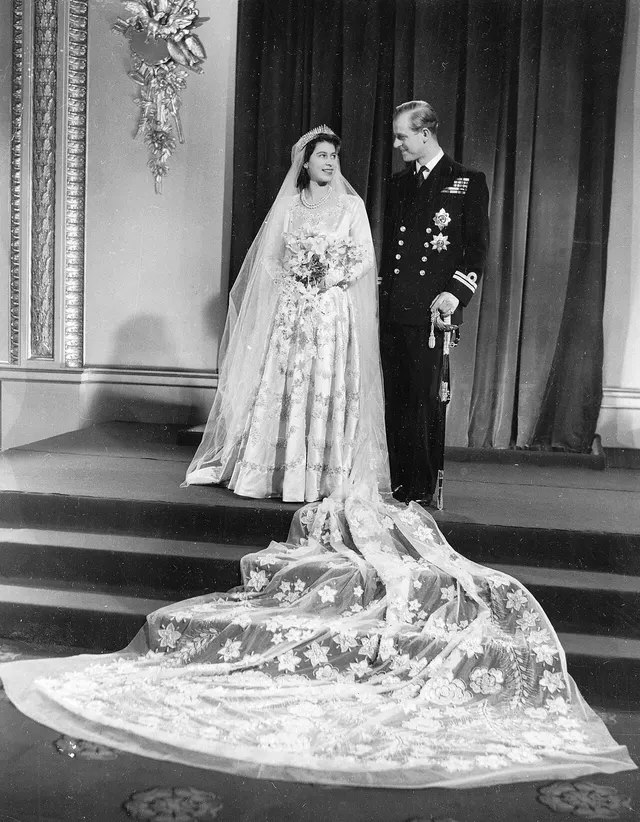
The official wedding photograph of Princess Elizabeth and the Duke of Edinburgh, 20 November 1947.
Image creditAssociated Press · Public domainResized and cropped for display.

Princess Elizabeth marries Philip

Princess Elizabeth, heir to the British throne, married Lieutenant Philip Mountbatten at Westminster Abbey at 10.30 in the morning of 20 November 1947. On the eve of the wedding he had been created Duke of Edinburgh.

In a country still living with post-war rationing, the bride’s ivory silk dress by Norman Hartnell, embroidered with thousands of pearls, was a moment of colour, and the ceremony was broadcast on radio around the world. The marriage lasted 73 years, until Prince Philip’s death in 2021.

Read the full storyHistory & Timeline →Source: The Royal Family: 70 facts about The Queen and The Duke of Edinburgh’s wedding ↗
♙
PEOPLE

Born Today

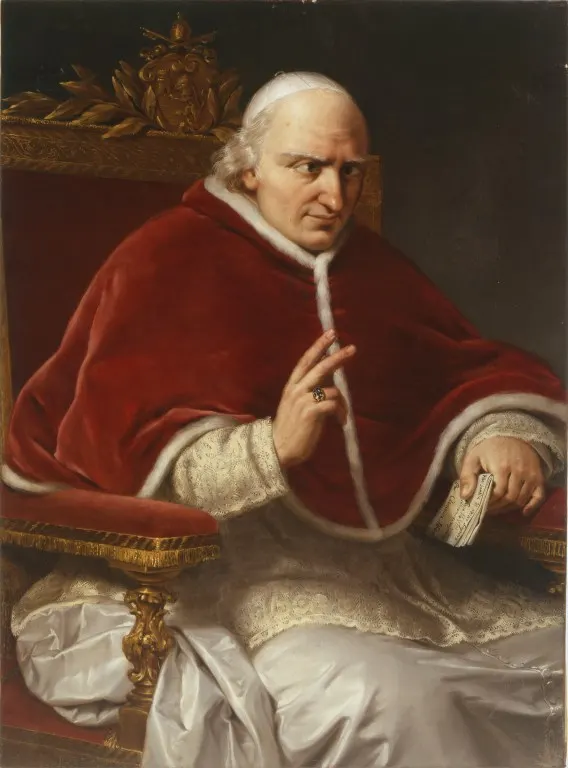
Pope Pius VIII
Image creditClemente Alberi · Public domainResized and cropped for display.

Pope Pius VIII

Italian pope who led the Catholic Church for less than two years, from 1829 to 1830.

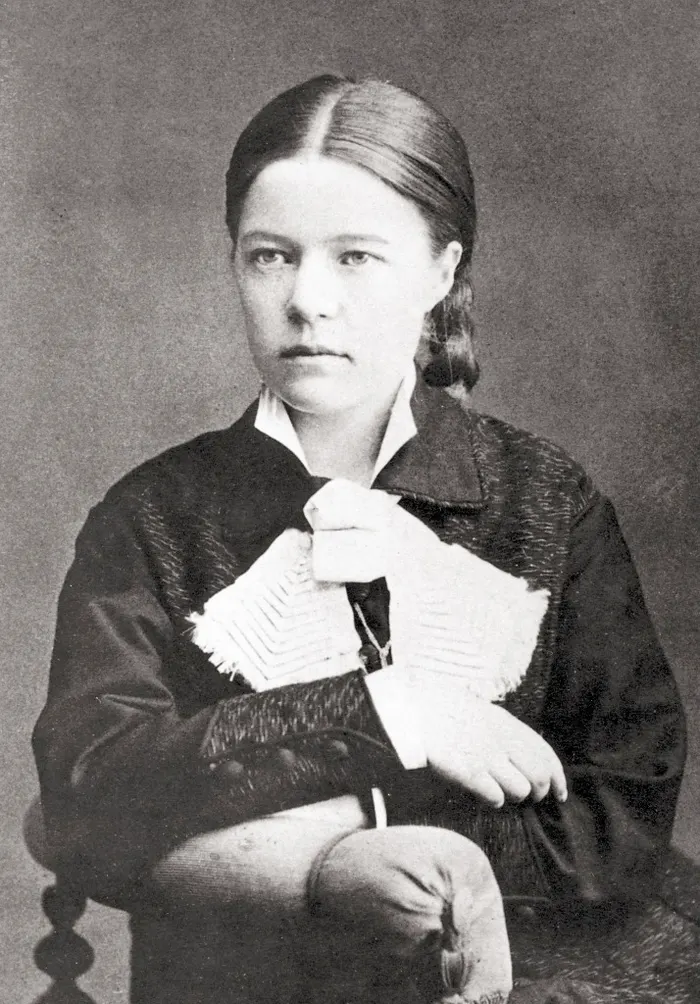
Selma Lagerlöf
Image creditAnna Ollson, Karlstad · Public domainResized and cropped for display.

Selma Lagerlöf

Swedish novelist, author of The Wonderful Adventures of Nils, and the first woman to win the Nobel Prize in Literature, in 1909.

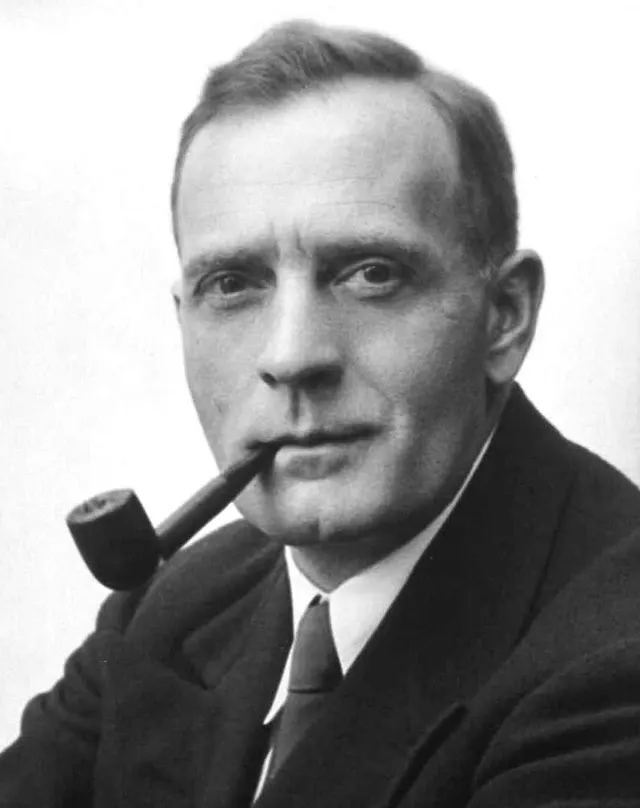
Edwin Hubble
Image creditJohan Hagemeyer · Public domainResized and cropped for display.

Edwin Hubble

American astronomer who showed that there are galaxies beyond our own and that the universe is expanding.

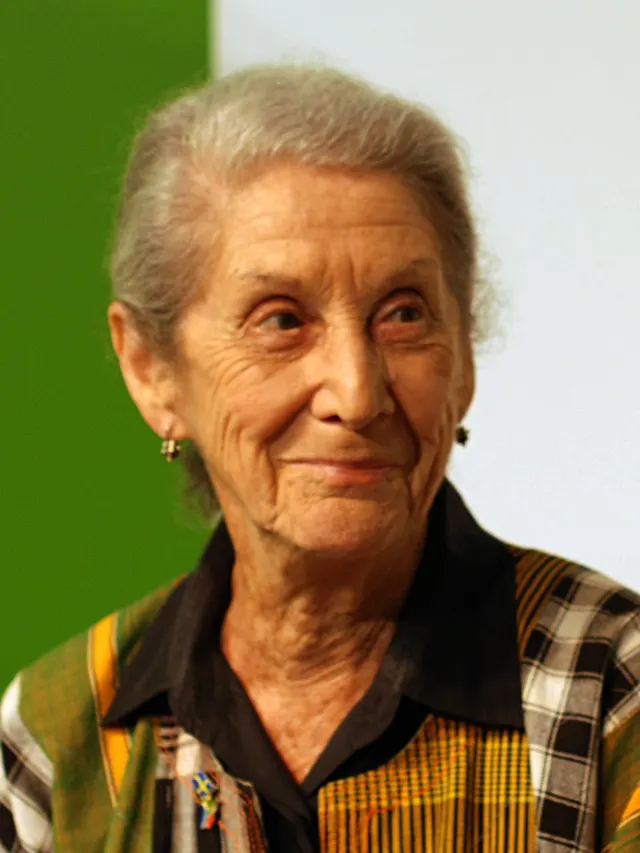
Nadine Gordimer
Image creditBoberger. Photo: Bengt Oberger · CC BY 3.0Resized and cropped for display.

Nadine Gordimer

South African novelist and opponent of apartheid who won the Nobel Prize in Literature in 1991.

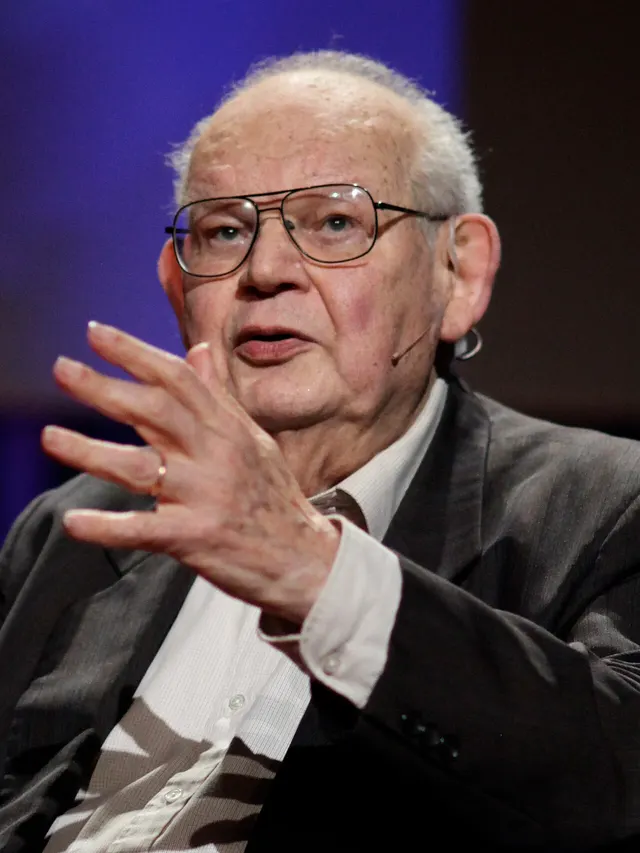
Benoit Mandelbrot
Image creditSteve Jurvetson · CC BY 2.0Resized and cropped for display.

Benoit Mandelbrot

Polish-born French-American mathematician who founded fractal geometry.

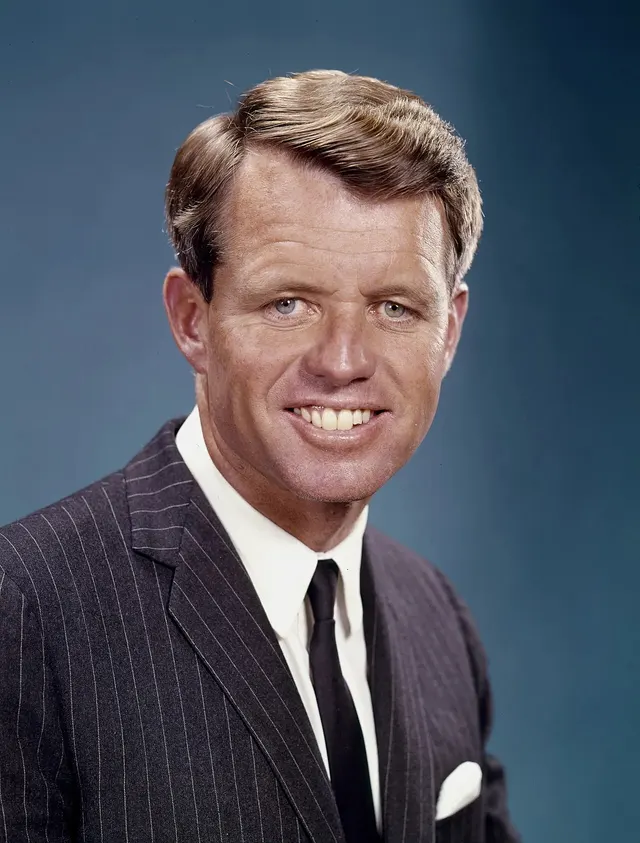
Robert F. Kennedy
Image creditHarry Warnecke · Public domainResized and cropped for display.

Robert F. Kennedy

US attorney general and senator, brother of President Kennedy, assassinated while running for president in 1968.

◉
IDEAS THAT CHANGED THINGS

Firsts, Science & Discoveries

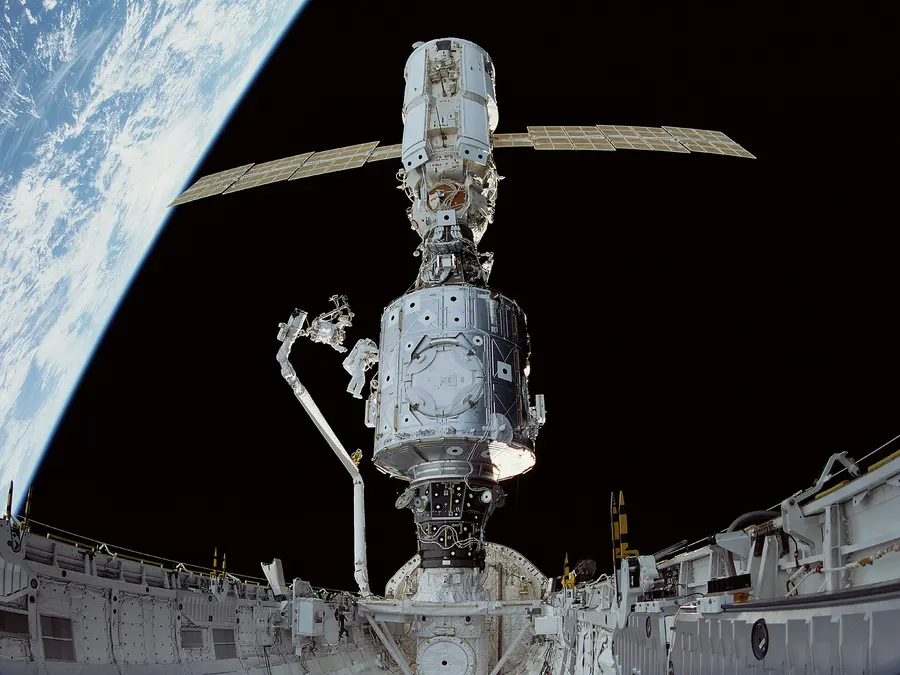
Astronauts at work on Zarya and the American Unity module in December 1998, days after they were joined.
Image creditNASA · Public domainResized and cropped for display.

The first piece of the International Space Station is launched

A Russian Proton rocket lifted off from the Baikonur cosmodrome in Kazakhstan on 20 November 1998 carrying Zarya, a module built in Moscow under contract to NASA. It was the first part of the International Space Station, the largest international building project ever attempted in space.

About two weeks later the crew of the Space Shuttle Endeavour captured Zarya with the shuttle’s robotic arm and joined it to the American module Unity. The two had never been fitted together on Earth, but they matched perfectly. Crews have lived aboard the station continuously since November 2000.

Read the full storyHistory & Timeline →Source: NASA: 20 years ago, space station construction begins ↗
♫
MUSIC • FILM • BOOKS • CULTURE

Culture Stories

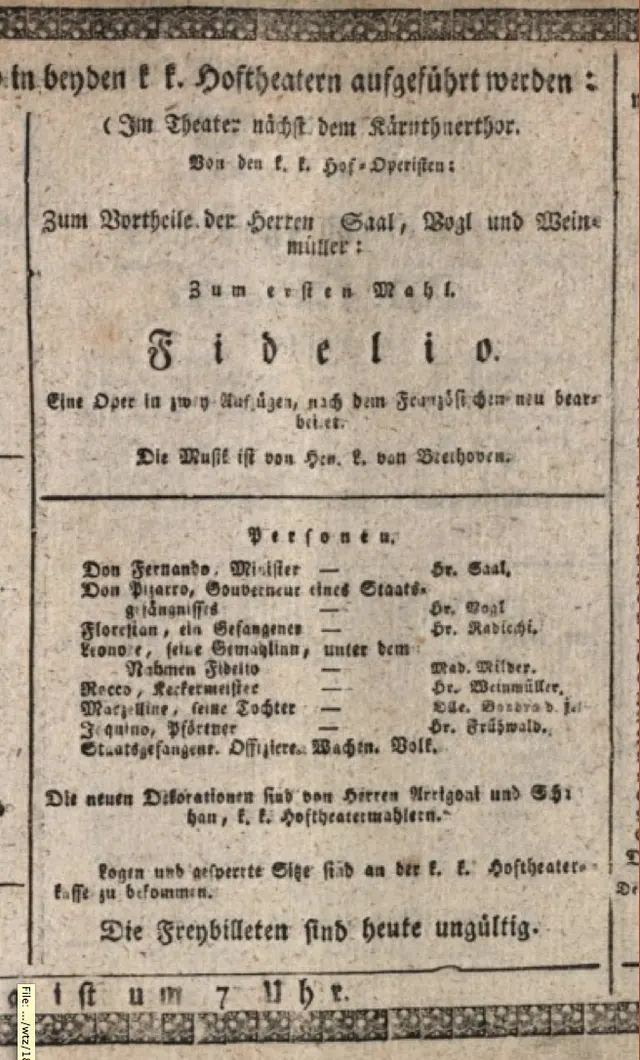
The playbill for the first performance of the final version of Fidelio, Vienna, 23 May 1814.
Image creditDruckerei Wiener Hoftheater · Public domainResized and cropped for display.

Beethoven’s Fidelio has its first night

Beethoven’s only opera, the story of a wife who disguises herself as a man to free her husband from a political prison, was first performed at the Theater an der Wien in Vienna on 20 November 1805. Napoleon’s troops had occupied the city a week earlier, and the audience was largely French officers.

The opera failed and was withdrawn after only a few performances. Beethoven revised it in 1806 and again in 1814, when the final version triumphed, and it has become one of the great operas about freedom.

Read the full storyHistory & Timeline →Source: Beethoven-Haus Bonn: Fidelio, opera in two (originally three) acts, op. 72 ↗
✦
LIVES REMEMBERED

Remembered Today

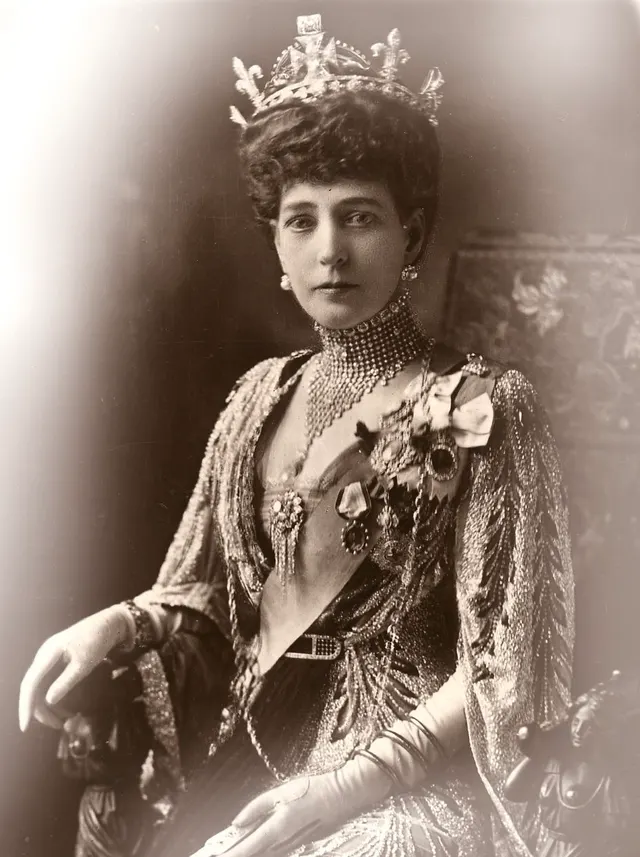
Alexandra of Denmark
Image creditW. & D. Downey · Public domainResized and cropped for display.

Alexandra of Denmark

Danish-born queen of Edward VII of the United Kingdom.

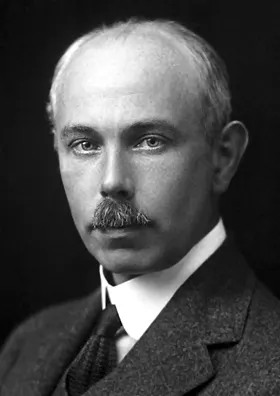
Francis William Aston
Image creditUnknown authorUnknown author · Public domainResized and cropped for display.

Francis William Aston

British scientist who invented the mass spectrograph and won the 1922 Nobel Prize in Chemistry.

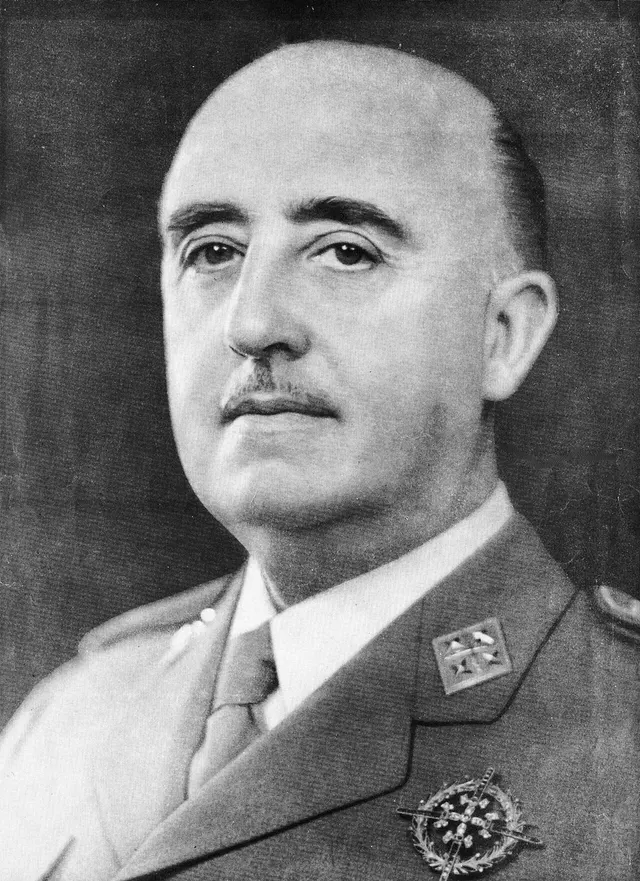
Francisco Franco
Image creditUnknown authorUnknown author · CC0Resized and cropped for display.

Francisco Franco

Spanish general who won the civil war of 1936-39 and ruled Spain as dictator until his death.

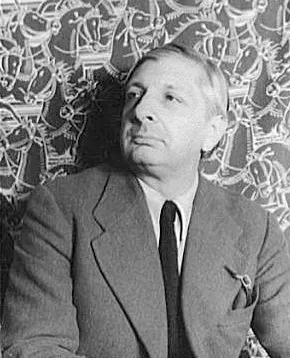
Giorgio de Chirico
Image creditCarl Van Vechten · Public domainResized and cropped for display.

Giorgio de Chirico

Italian painter of dreamlike ‘metaphysical’ city squares that influenced the Surrealists.

☉
AROUND THE WORLD

Observances & Anniversaries

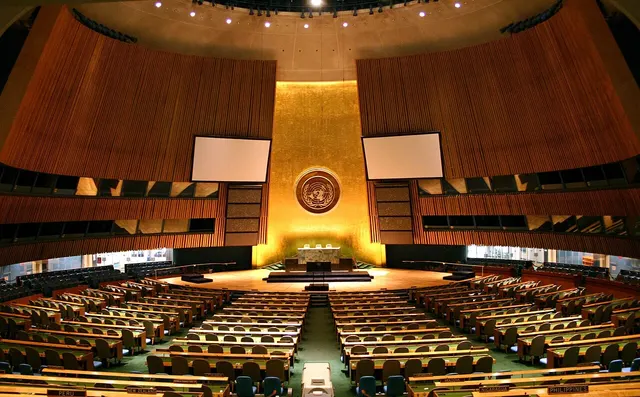
The UN General Assembly hall in New York, where both the Declaration and the Convention on the Rights of the Child were adopted.
Image creditPatrick Gruban, cropped and downsampled by Pine · CC BY-SA 2.0Resized and cropped for display.

World Children’s Day

On 20 November 1959 the UN General Assembly adopted the Declaration of the Rights of the Child, and on the same date in 1989 it adopted the Convention on the Rights of the Child, now the most widely ratified human rights treaty in history. The day is marked as World Children’s Day, with children taking over roles in media, politics and business to speak up for their rights.

Source: United Nations: World Children’s Day, background ↗
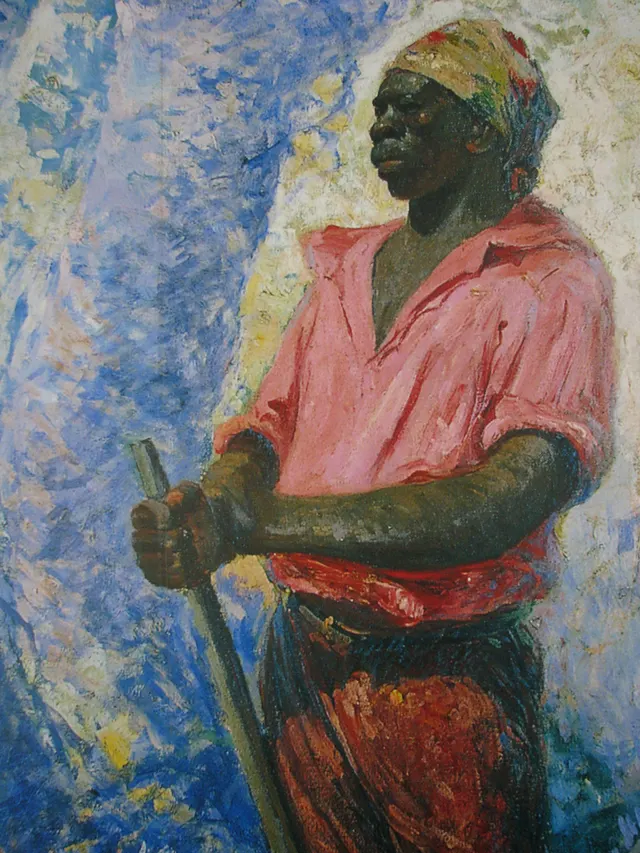
Zumbi, leader of the Quilombo dos Palmares, in a painting by Antônio Parreiras.
Image creditAntônio Parreiras · Public domainResized and cropped for display.

Black Consciousness Day in Brazil

Brazil keeps 20 November as the National Day of Zumbi and Black Consciousness, the anniversary of the death in 1695 of Zumbi, leader of Palmares, the largest community of people who had escaped slavery. First marked by activists in 1971, it became a national holiday in 2024.

Source: Agência Brasil: 20 de novembro, saiba a origem da data e quem foi Zumbi dos Palmares ↗
HISTORY & TIMELINE

Finished the highlights?

Follow 20 November chronologically, from the Middle Ages to the modern day, with 9 verified events and the sources behind them.

This day through time →