Explore 25 November

Explore 25 November: Suriname becomes independent, the White Ship goes down off Normandy, Einstein completes his general theory of relativity and Hungary’s ‘Magical Magyars’ beat England 6-3 at Wembley. Meet Andrew Carnegie, Karl Benz and Pope John XXIII, born on this date.

This day through time →10 verified events across 3 eras

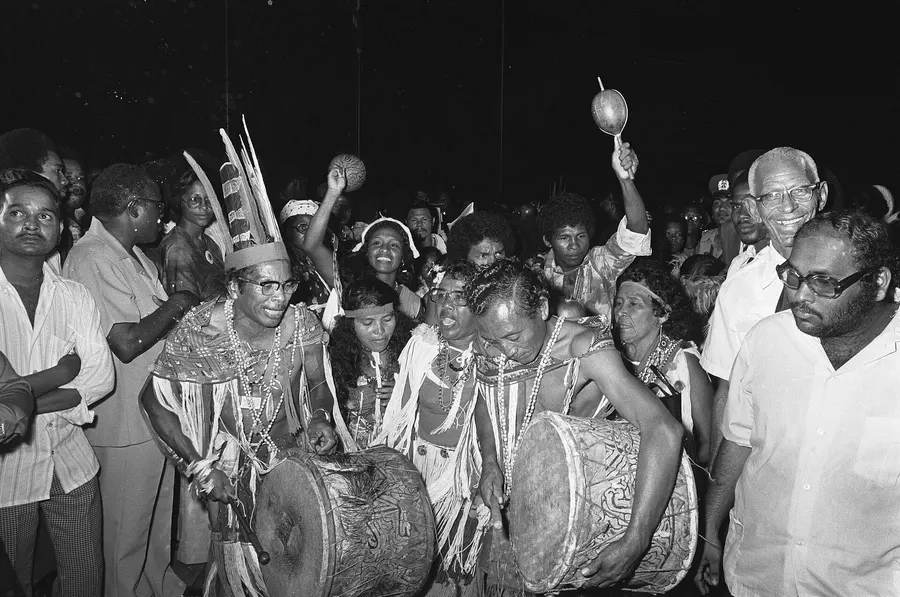
Celebrations in the stadium in Paramaribo at Suriname's independence, November 1975.
Celebrations in the stadium in Paramaribo at Suriname’s independence, November 1975.
Image creditBert Verhoeff / Anefo · CC0Resized and cropped for display.

Suriname becomes independent

Suriname, on the north-east coast of South America, had been a Dutch plantation colony since 1667, worked first by enslaved Africans and later by indentured labourers from India and Java. It gained self-government within the Kingdom of the Netherlands in 1954.

On 25 November 1975 it became a fully independent republic, and the flags were changed at a ceremony in the stadium in Paramaribo. Prime Minister Henck Arron, in office since 1973, had led the country to independence.

Read the full storyHistory & Timeline →Source: Encyclopaedia Britannica: History of Suriname ↗
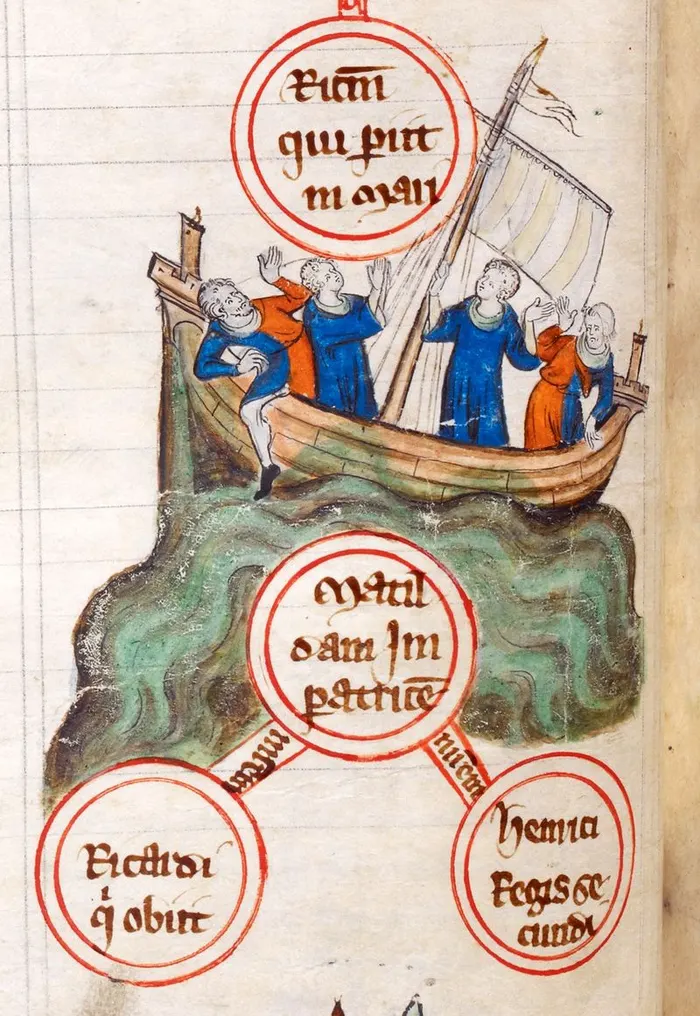
The sinking of the White Ship, in an English chronicle of about 1321.
Image creditUnknownUnknown , produced for the Corporation of the City of London · Public domainResized and cropped for display.

The White Ship sinks, and with it England’s heir

On the evening of 25 November 1120 the White Ship, a new vessel carrying about 300 people, left Barfleur in Normandy for England. On board was William Adelin, the 17-year-old only legitimate son of King Henry I, with many young nobles. Soon after setting out in the dark the ship struck a rock and sank; only one man is said to have survived.

Henry was left without a male heir. He named his daughter Matilda to succeed him, but on his death in 1135 his nephew Stephen seized the throne, and nearly twenty years of civil war, known as the Anarchy, followed.

Read the full storyHistory & Timeline →Source: British Library: 900 years since the White Ship disaster ↗
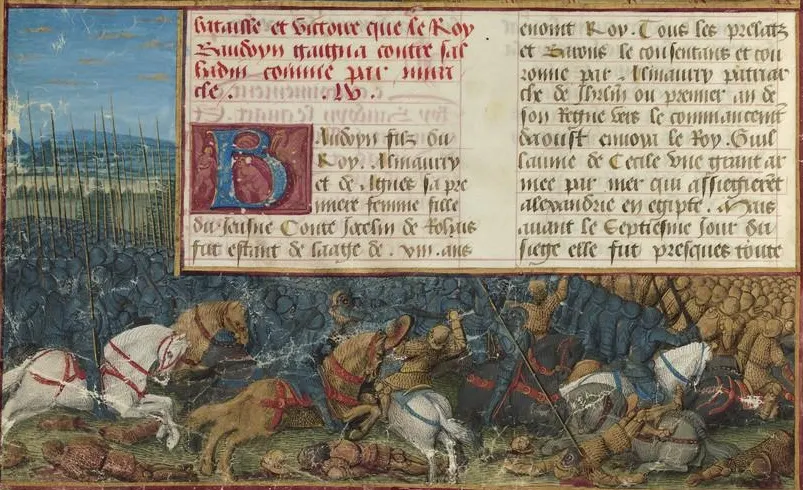
The battle of 1177, in a fifteenth-century manuscript of Sébastien Mamerot now in the Bibliothèque nationale de France.
Image creditUnknown authorUnknown author · Public domainResized and cropped for display.

The leper king Baldwin IV defeats Saladin at Montgisard

In November 1177 Saladin, sultan of Egypt and Syria, marched north into the crusader Kingdom of Jerusalem with a large army. Its young king, Baldwin IV, only 16 and already disabled by leprosy, gathered a much smaller force and caught Saladin’s army near Ramla.

On 25 November, St Catherine’s Day, the crusaders routed it at Montgisard; the chronicler William of Tyre says Saladin escaped on a racing camel. It was one of Saladin’s worst defeats, although ten years later he took Jerusalem.

Read the full storyHistory & Timeline →Source: Encyclopaedia Britannica: Baldwin IV ↗
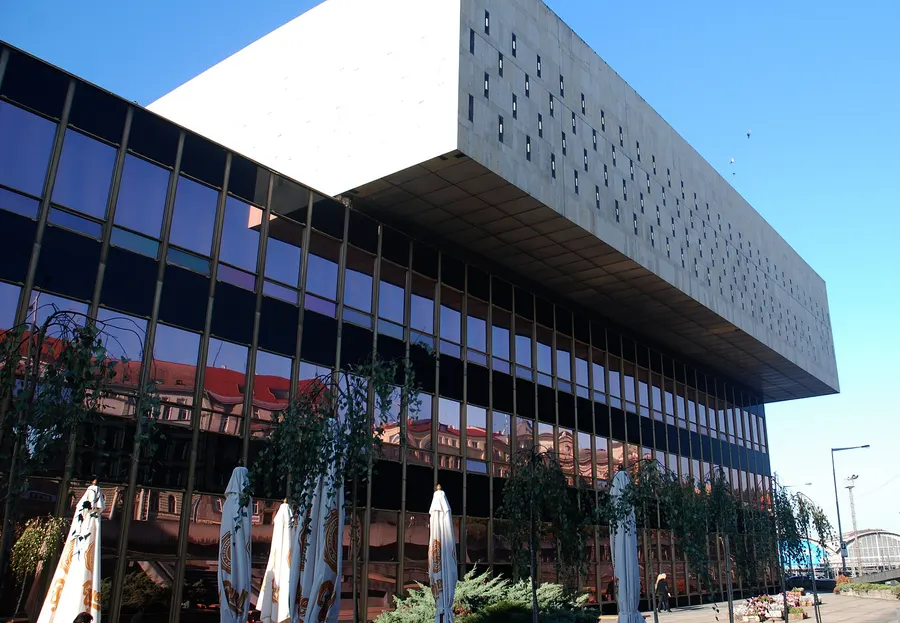
The former Federal Assembly building in Prague, photographed in 2011.
Image creditPastorius · CC BY-SA 3.0Resized and cropped for display.

Czechoslovakia votes to divide in two

After elections in June 1992 the Czech leader Václav Klaus and the Slovak leader Vladimír Mečiar could not agree how the country should be run, and agreed instead to separate. On 25 November 1992 the Federal Assembly in Prague adopted the constitutional act dissolving the Czech and Slovak Federal Republic.

At midnight on 31 December 1992 the Czech Republic and Slovakia became independent states, each an equal successor to the old federation. The peaceful parting became known as the Velvet Divorce.

Read the full storyHistory & Timeline →Source: Parliament of the Czech Republic, Chamber of Deputies: The tradition of Czech parliamentarism ↗
♙
PEOPLE

Born Today

Lope de Vega
Image creditAttributed to Eugenio Caxés · Public domainResized and cropped for display.

Lope de Vega

Spanish playwright and poet of Spain’s Golden Age, said to have written some 1,500 plays (Old Style date).

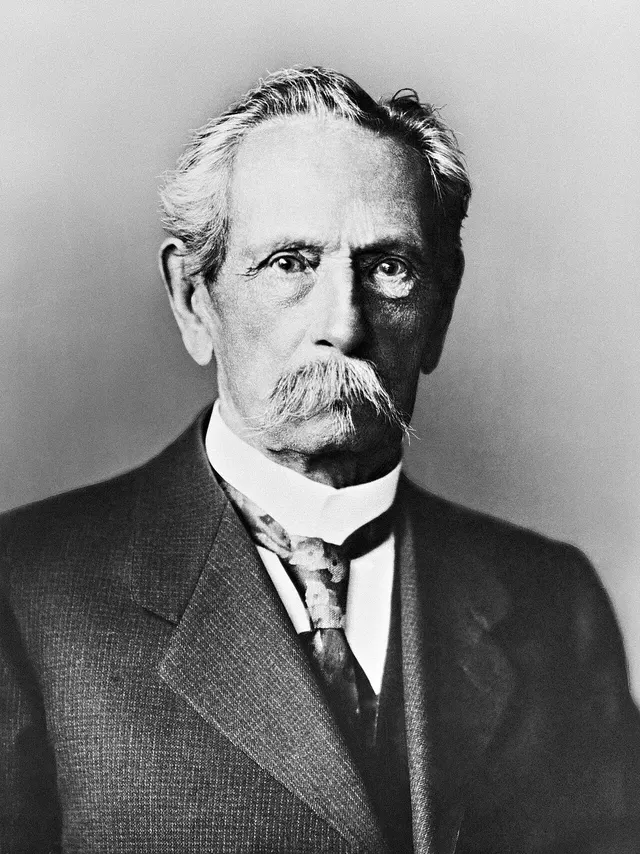
Andrew Carnegie
Image creditTheodore C. Marceau · Public domainResized and cropped for display.

Andrew Carnegie

Scottish-born American steel magnate who gave away most of his fortune, founding more than 2,500 public libraries.

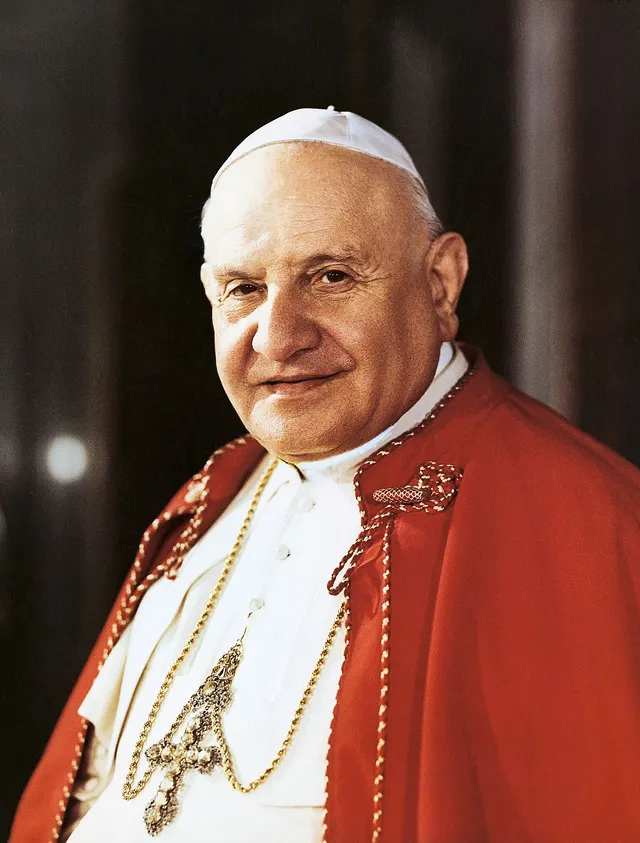
Pope John XXIII
Image creditDe Agostini Editore · Public domainResized and cropped for display.

Pope John XXIII

Italian pope from 1958 to 1963 who called the Second Vatican Council.

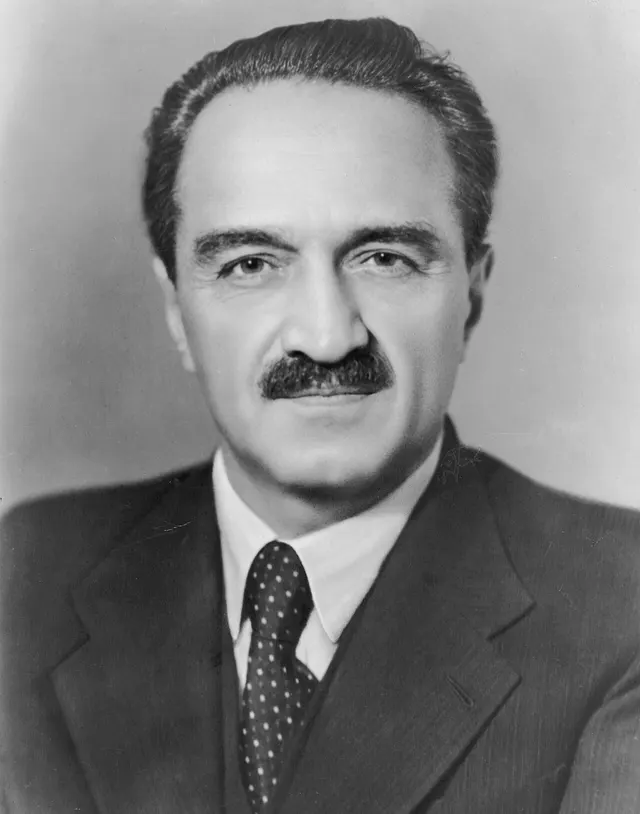
Anastas Mikoyan
Image creditG. Weil for TASS · Public domainResized and cropped for display.

Anastas Mikoyan

Armenian-born Soviet statesman who served in the leadership from Lenin’s time to Brezhnev’s.

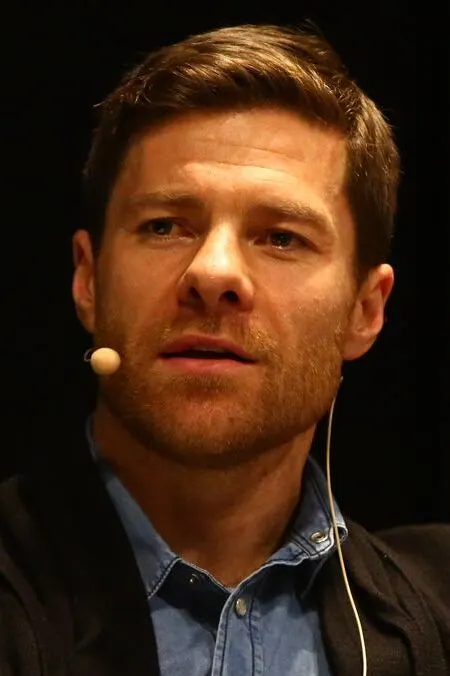
Xabi Alonso
Image creditDONOSTIA KULTURA · CC BY-SA 2.0Resized and cropped for display.

Xabi Alonso

Spanish midfielder who won the World Cup and two European Championships with Spain.

◉
IDEAS THAT CHANGED THINGS

Firsts, Science & Discoveries

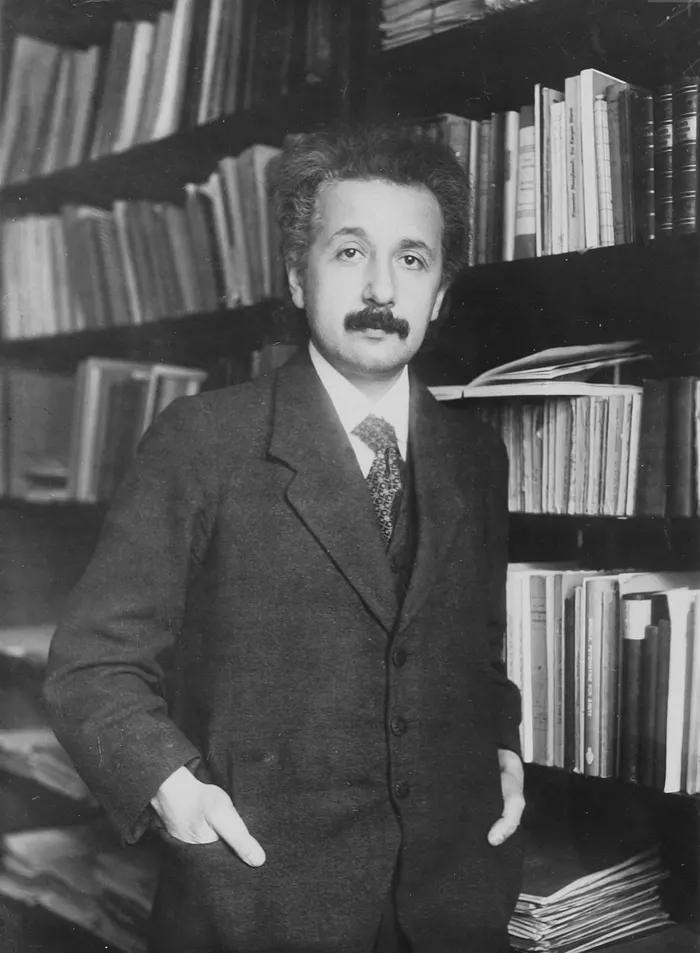
Albert Einstein in Paul Ehrenfest's library in Leiden, 1916.
Albert Einstein in Paul Ehrenfest’s library in Leiden, 1916.
Image creditPaul Ehrenfest · Public domainResized and cropped for display.

Einstein presents the field equations of general relativity

In November 1915, in a burst of work, Albert Einstein gave four papers to the Prussian Academy of Sciences in Berlin. In the last, a four-page paper on ‘The Field Equations of Gravitation’ presented on 25 November 1915, he set out the equations of his general theory of relativity in their final form.

They describe gravity not as a force but as the curving of space and time by matter and energy. A week earlier he had shown that the theory explained a long-standing puzzle in the orbit of Mercury; the bending of starlight seen in the eclipse of 1919 made him world-famous.

Read the full storyHistory & Timeline →Source: Physics Today (American Institute of Physics): Arch and scaffold, how Einstein found his field equations ↗
☆
SPORTING HISTORY

Sporting Moments

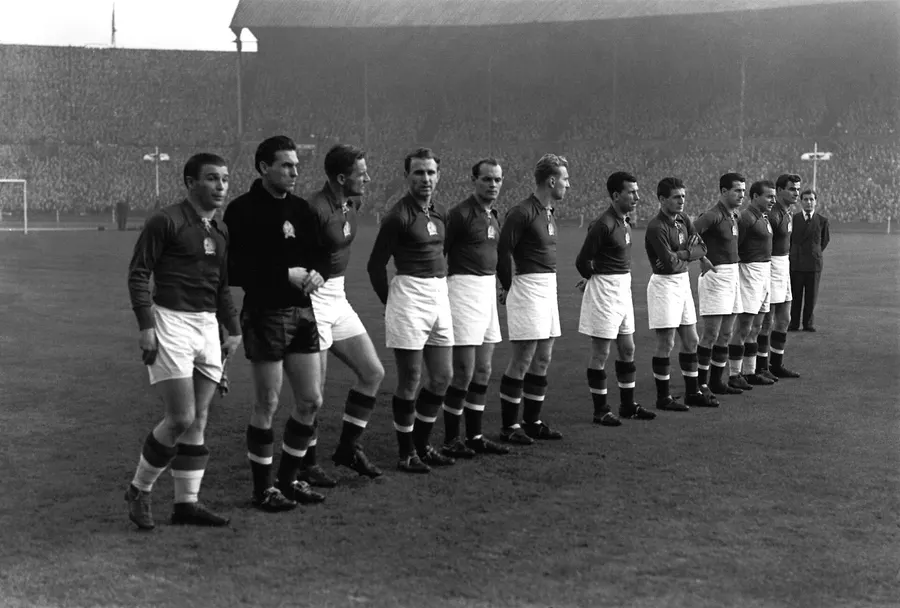
The Hungarian team lines up at Wembley before the match, 25 November 1953.
Image creditFOTO:Fortepan — ID 134742: Adományozó/Donor: Kovács József. · CC BY-SA 3.0Resized and cropped for display.

Hungary’s ‘Magical Magyars’ beat England 6-3 at Wembley

The Olympic champions Hungary, led by Ferenc Puskás, scored in the first minute at Wembley on 25 November 1953 through Nándor Hidegkuti, who went on to complete a hat-trick. Hungary led 4-2 at half-time and won 6-3.

England had never before lost at home to a team from outside the British Isles. The Hungarians’ fluid, swapping positions left England’s defenders unable to follow their men, and the match changed how football was coached across Europe.

Read the full storyHistory & Timeline →Source: National Football Museum: When Hungary stunned Wembley, and the world ↗
✦
LIVES REMEMBERED

Remembered Today

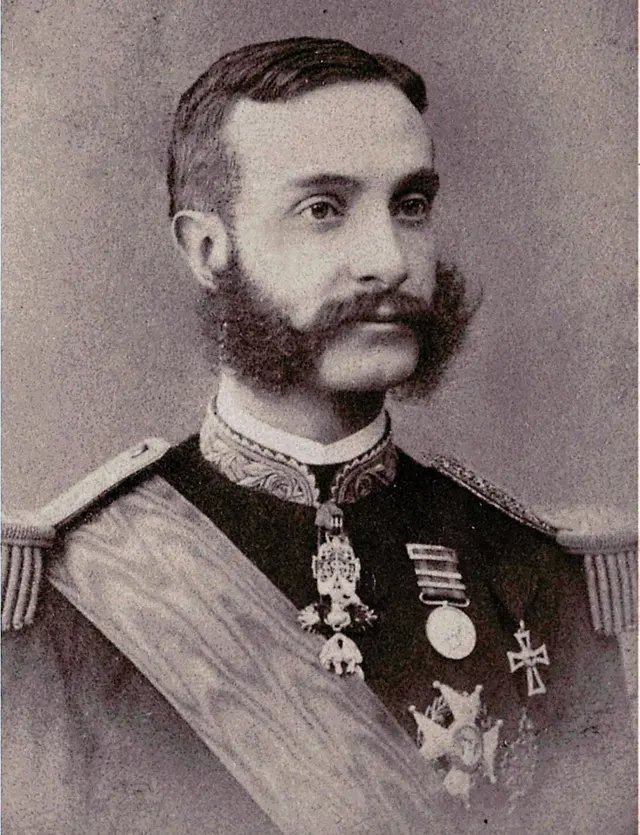
Alfonso XII
Image creditFernando Debás · Public domainResized and cropped for display.

Alfonso XII

King of Spain from 1874, whose reign restored the monarchy; he died of tuberculosis at 27.

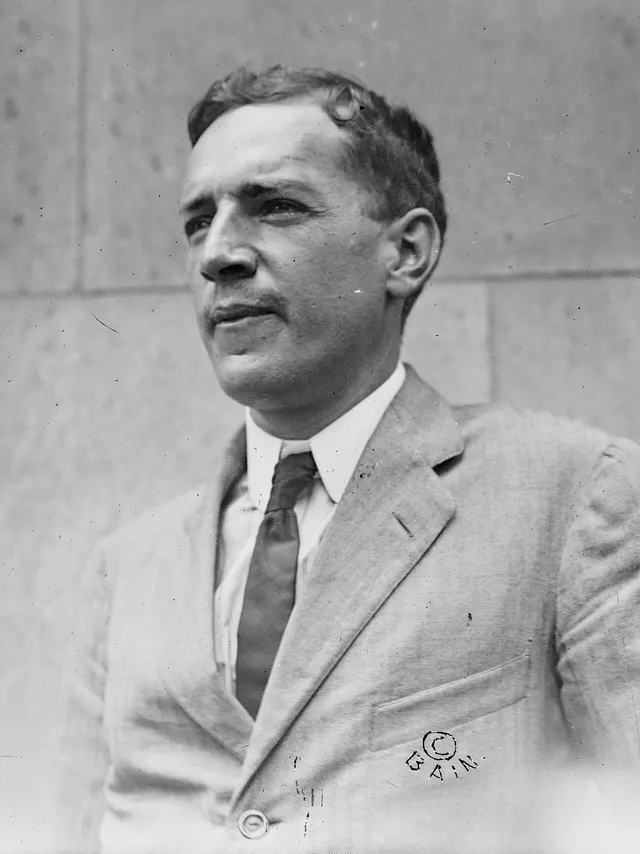
Upton Sinclair
Image creditBain News Service, publisher · Public domainResized and cropped for display.

Upton Sinclair

American novelist whose book The Jungle exposed conditions in Chicago’s meatpacking plants.

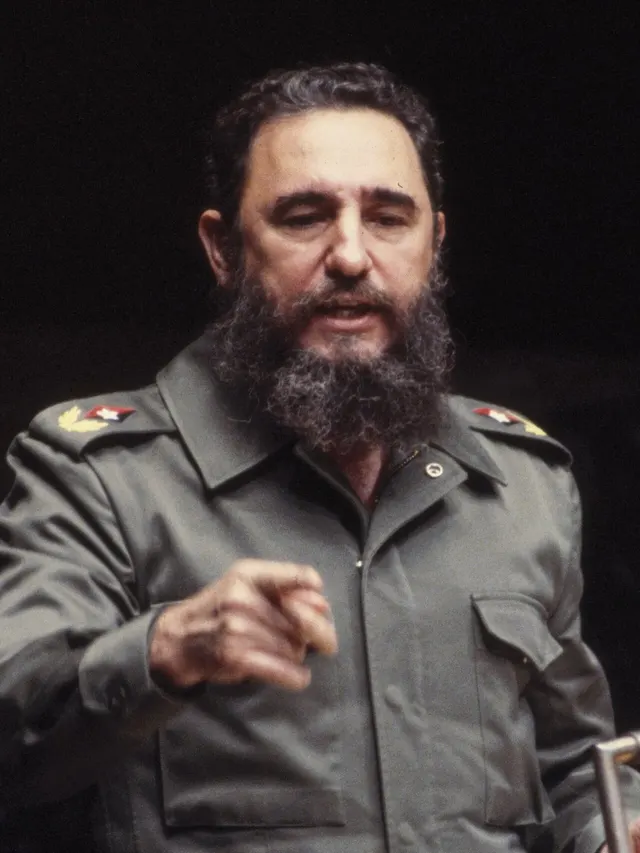
Fidel Castro
Image creditBernard Gotfryd · Public domainResized and cropped for display.

Fidel Castro

Cuban revolutionary who led Cuba from 1959 to 2008.

☉
AROUND THE WORLD

Observances & Anniversaries

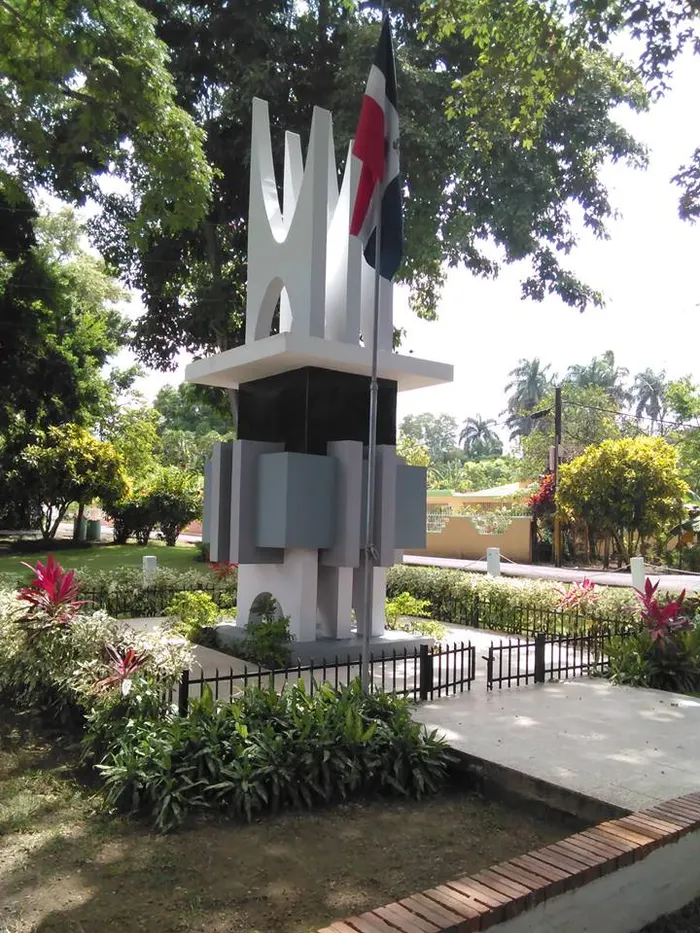
The monument to the Mirabal sisters at Ojo de Agua, Salcedo, Dominican Republic.
Image creditRonny Medina · CC BY-SA 4.0Resized and cropped for display.

International Day for the Elimination of Violence against Women

On 25 November 1960 the sisters Patria, Minerva and María Teresa Mirabal, opponents of the Dominican dictator Rafael Trujillo, were murdered on his orders. Activists in Latin America chose the date in their memory in 1981, and the UN General Assembly later made it the International Day for the Elimination of Violence against Women.

Source: United Nations: International Day for the Elimination of Violence against Women, background ↗
HISTORY & TIMELINE

Finished the highlights?

Follow 25 November chronologically, from the Middle Ages to the modern day, with 10 verified events and the sources behind them.

This day through time →