Explore 14 November

Explore 14 November: Czechoslovakia chooses its first president, Nellie Bly sets out to race around the world, the BBC begins daily broadcasts and Mariner 9 becomes the first spacecraft to orbit another planet. Meet Claude Monet, Jawaharlal Nehru and Astrid Lindgren, born on this date.

This day through time →9 verified events across 3 eras

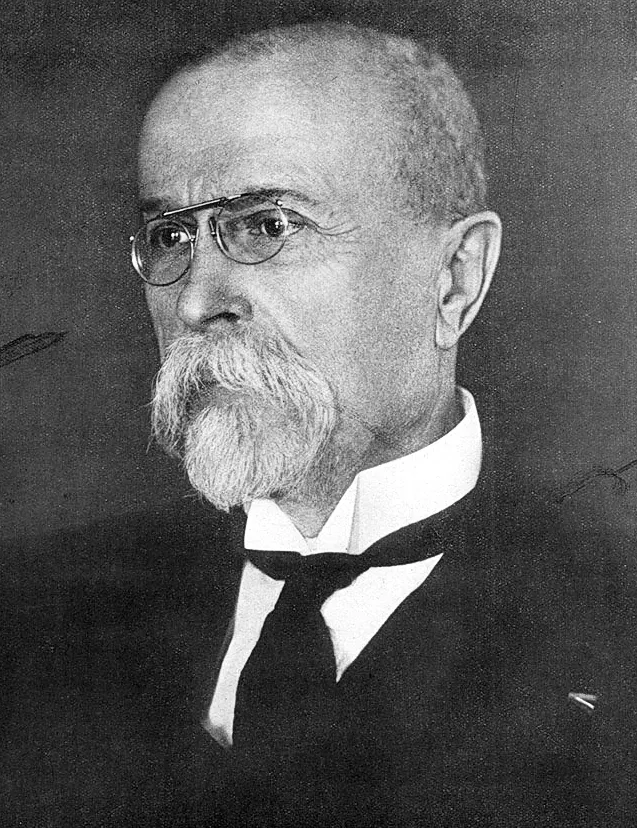
Tomáš Garrigue Masaryk, photographed in 1925.
Image creditUnknown authorUnknown author · Public domainResized and cropped for display.

Czechoslovakia names Masaryk its first president

Czechoslovakia had declared its independence from Austria-Hungary on 28 October 1918. On 14 November its Revolutionary National Assembly met for the first time in the Thun Palace in Prague, declared the new state a republic, deposed the Habsburgs from the Bohemian throne and elected Tomáš Garrigue Masaryk president by acclamation.

Masaryk, a 68-year-old philosopher who had spent the war abroad campaigning for independence, was still in the United States. He returned to a hero’s welcome in Prague in December and was re-elected three times, serving until 1935.

Read the full storyHistory & Timeline →Source: Prague Castle, Office of the President: Tomáš Garrigue Masaryk, life and works in dates ↗
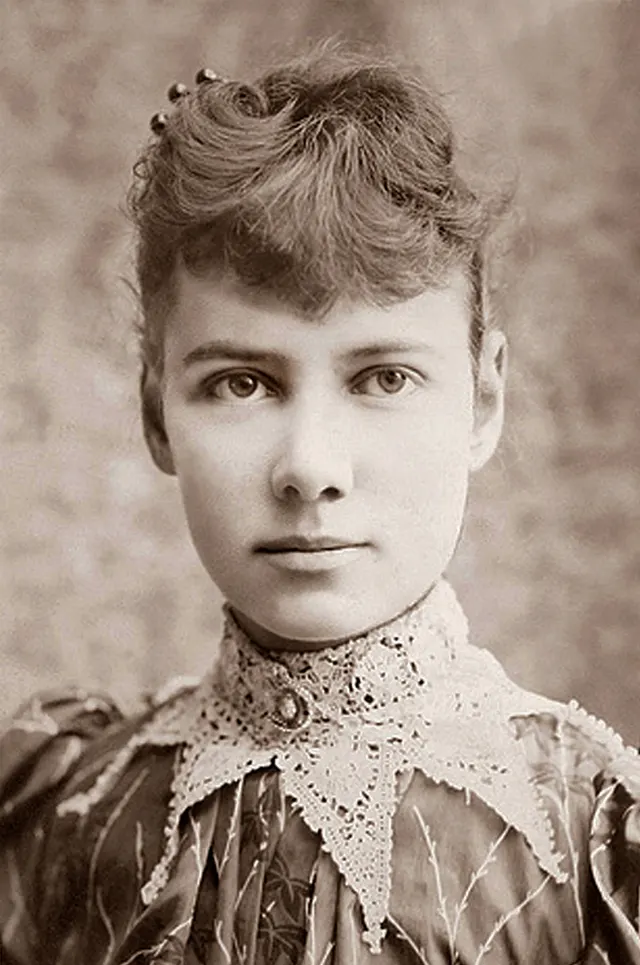
Nellie Bly, photographed by H. J. Myers around 1890.
Image creditH. J. Myers, photographer · Public domainResized and cropped for display.

Nellie Bly sets out to beat Phileas Fogg

On 14 November 1889 the 25-year-old New York World reporter Nellie Bly, the pen name of Elizabeth Cochrane, sailed from New Jersey with one small bag, determined to go around the world faster than Phileas Fogg, the hero of Jules Verne’s Around the World in Eighty Days.

Her newspaper printed daily reports and ran a contest for readers to guess her time. Travelling by steamship and train, and meeting Verne himself in France on the way, she was back in New Jersey after 72 days, 6 hours, 11 minutes and 14 seconds, a world record.

Read the full storyHistory & Timeline →Source: Encyclopaedia Britannica: Nellie Bly ↗
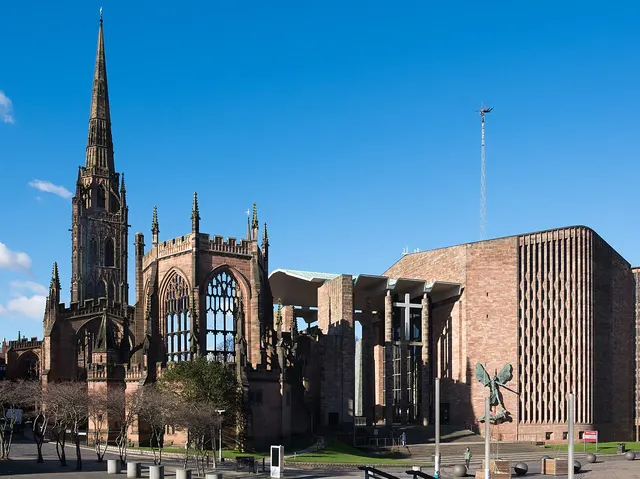
The ruins of Coventry's old cathedral beside the new cathedral built after the war.
The ruins of Coventry’s old cathedral beside the new cathedral built after the war.
Image creditDeFacto · CC BY-SA 4.0Resized and cropped for display.

The bombing of Coventry

On the night of 14 November 1940 hundreds of German bombers attacked the English city of Coventry in a raid code-named Moonlight Sonata. The sirens sounded at 7.10 p.m., and the bombing went on for about eleven hours. Incendiaries set the medieval cathedral of St Michael alight, and firefighters, their water supplies cut, could only watch it burn.

Several hundred people were killed, tens of thousands of homes were destroyed or damaged, and much of the city centre was flattened. The ruined cathedral was left standing as a memorial beside the new cathedral consecrated in 1962, and Coventry has since made reconciliation, especially with the German city of Dresden, part of its identity.

Read the full storyHistory & Timeline →Source: Imperial War Museums: Operation Moonlight Sonata, bomb damage in Coventry, November 1940 ↗
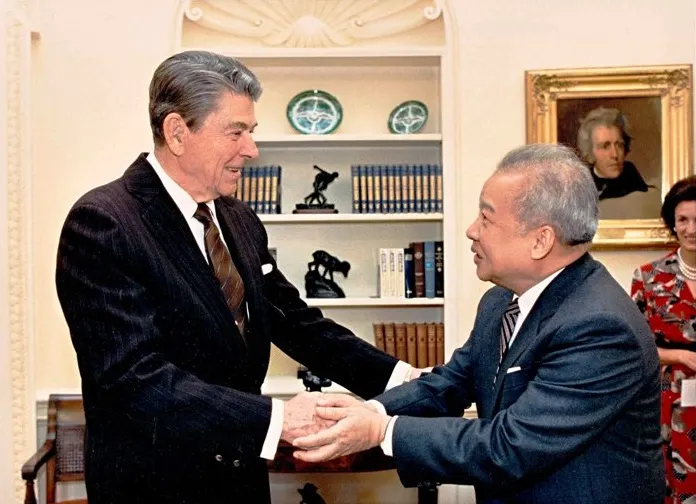
Norodom Sihanouk with US President Ronald Reagan at the White House in 1988.
Image creditWhite House · Public domainResized and cropped for display.

Sihanouk returns to Cambodia

Norodom Sihanouk, who had led Cambodia to independence in 1953, spent most of the years after 1979 in exile in China and North Korea, leading a coalition resisting the Vietnamese-backed government in Phnom Penh. The Paris Peace Agreements of October 1991 set out to end the long civil war under United Nations supervision.

On 14 November 1991 Sihanouk returned to Phnom Penh after thirteen years away and was greeted by huge crowds. After UN-run elections in 1993 he was restored as king, and he reigned until he abdicated in 2004.

Read the full storyHistory & Timeline →Source: Encyclopaedia Britannica: Norodom Sihanouk ↗

♙
PEOPLE

Born Today

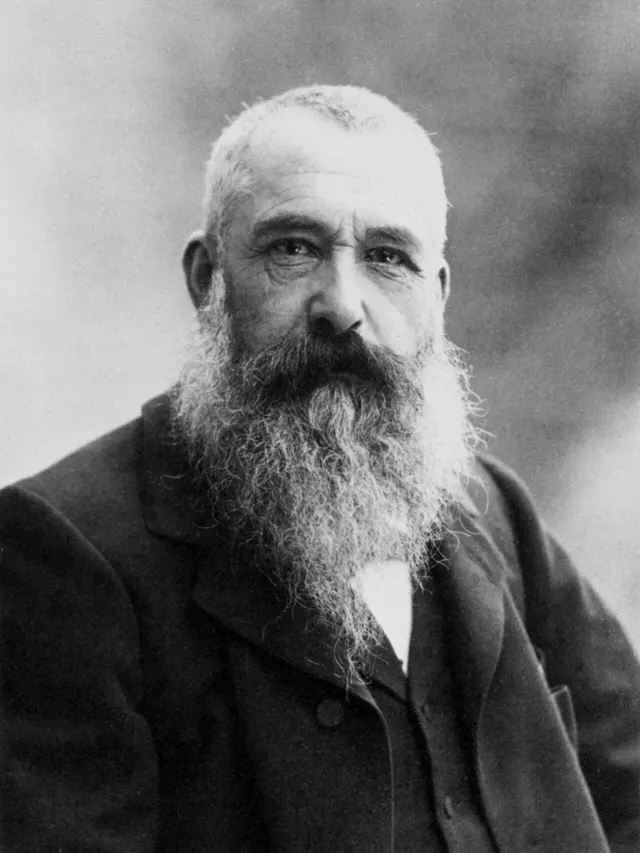
Claude Monet
Image creditNadar · Public domainResized and cropped for display.

Claude Monet

French painter whose Impression, Sunrise gave Impressionism its name.

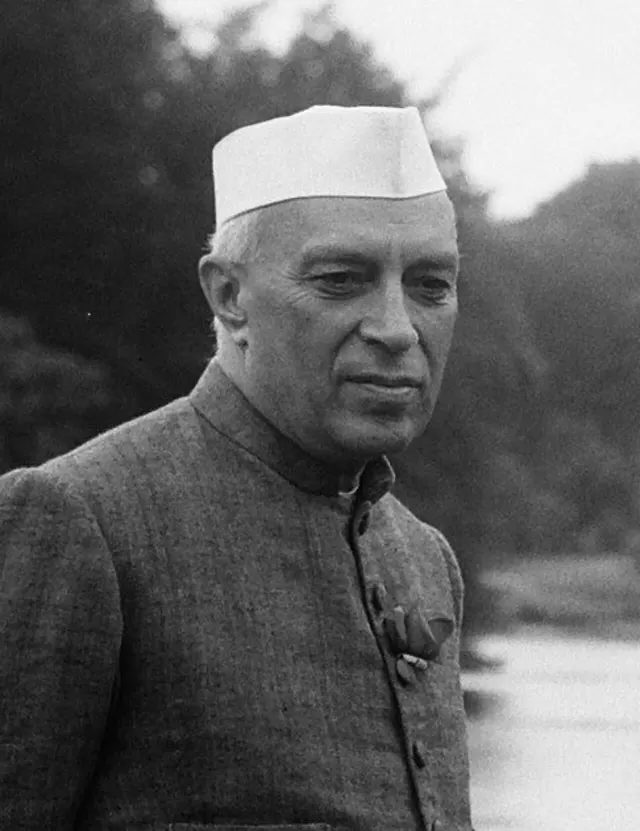
Jawaharlal Nehru
Image creditHarry Pot · CC0Resized and cropped for display.

Jawaharlal Nehru

First prime minister of independent India; his birthday is celebrated in India as Children’s Day.

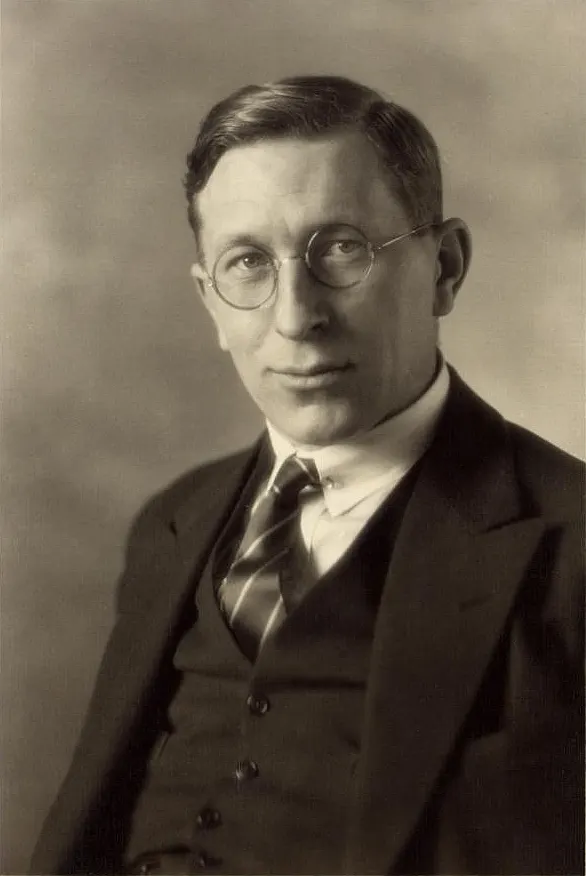
Frederick Banting
Image creditLouis Schmidt · Public domainResized and cropped for display.

Frederick Banting

Canadian doctor who helped discover insulin and shared the 1923 Nobel Prize in Physiology or Medicine.

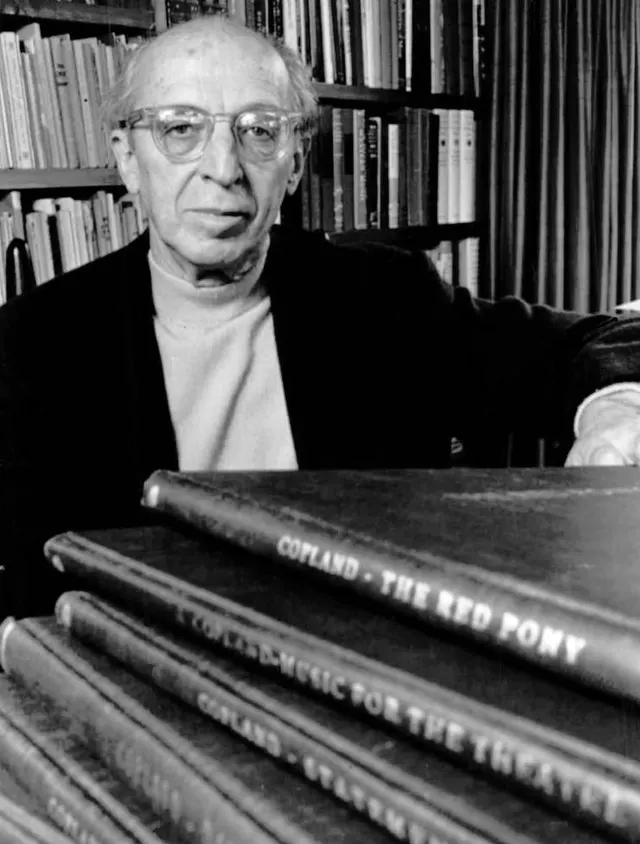
Aaron Copland
Image creditCBS Television · Public domainResized and cropped for display.

Aaron Copland

American composer of Appalachian Spring and Fanfare for the Common Man.

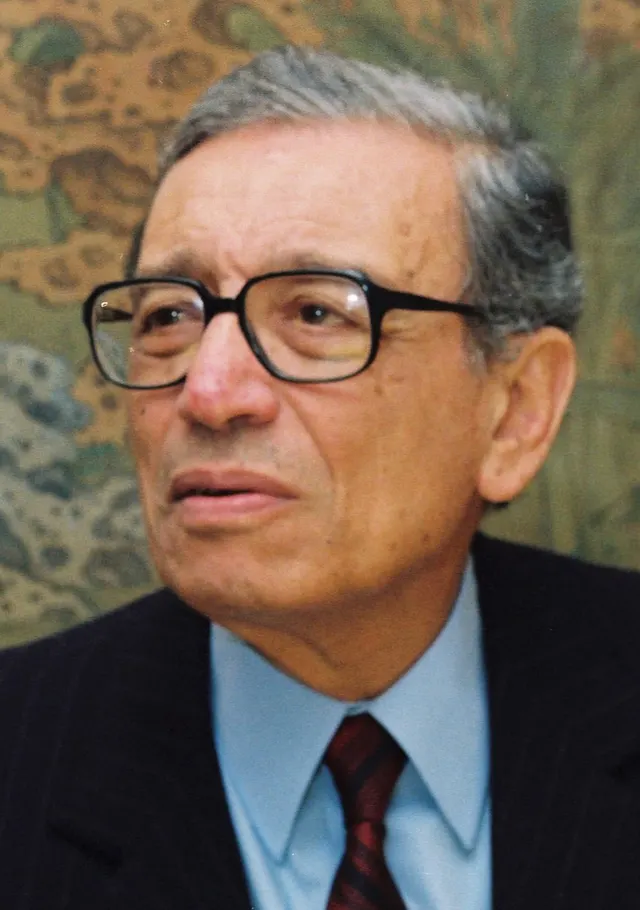
Boutros Boutros-Ghali
Image creditEC - Audiovisual Service · CC BY 4.0Resized and cropped for display.

Boutros Boutros-Ghali

Egyptian diplomat, Secretary-General of the United Nations from 1992 to 1996.

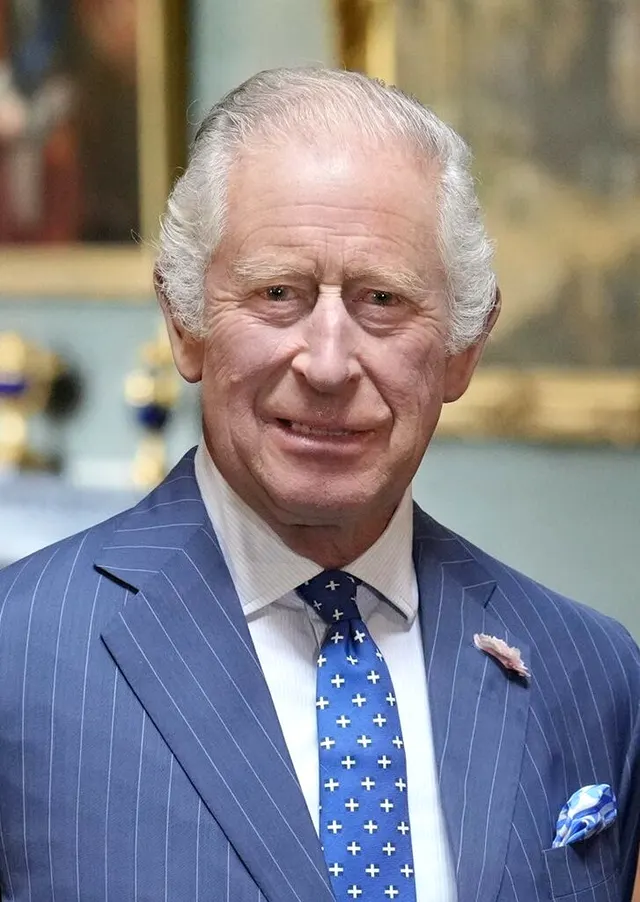
Charles III
Image creditWhite House · Public domainResized and cropped for display.

Charles III

King of the United Kingdom since 2022.

◉
IDEAS THAT CHANGED THINGS

Firsts, Science & Discoveries

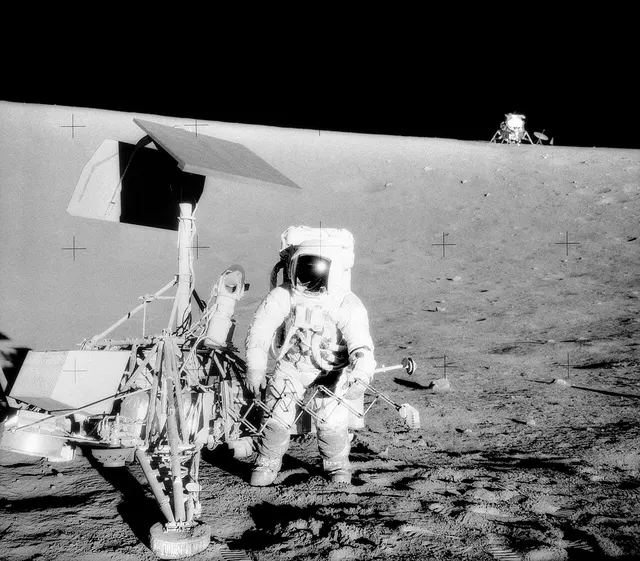
Pete Conrad beside the Surveyor 3 probe on the Moon, photographed by Alan Bean, November 1969.
Image creditNASA, Alan L. Bean · Public domainResized and cropped for display.

Apollo 12 is struck by lightning on the way to the Moon

Apollo 12 lifted off from the Kennedy Space Center in rain on 14 November 1969 with Pete Conrad, Richard Gordon and Alan Bean on board. Thirty-six seconds into the flight, and again at 52 seconds, the rocket was struck by lightning, knocking out the spacecraft’s electrical systems and filling the control panel with warning lights.

A flight controller, John Aaron, recognised the pattern and called for an obscure switch to be moved; Bean found it and power was restored. Five days later Conrad and Bean landed within walking distance of the Surveyor 3 probe, which had been sitting on the Moon since 1967.

Read the full storyHistory & Timeline →Source: NASA: 55 years ago, Apollo 12 launches ↗
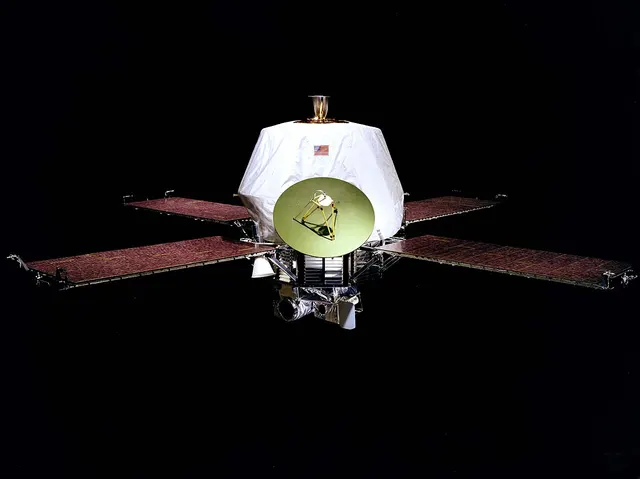
The Mariner 9 spacecraft.
Image creditNASA · Public domainResized and cropped for display.

Mariner 9 becomes the first spacecraft to orbit another planet

Early on 14 November 1971 (UTC), NASA’s Mariner 9 fired its main engine for just over fifteen minutes and slipped into orbit around Mars, the first spacecraft ever to orbit another planet. It arrived ahead of the Soviet probe Mars 2, which had been launched eleven days before it.

Mars was hidden at first by a planet-wide dust storm, but as it cleared Mariner 9 mapped most of the surface and sent back more than 7,000 pictures, revealing the giant volcano Olympus Mons, the canyon system later named Valles Marineris after the mission, and the small moons Phobos and Deimos.

Read the full storyHistory & Timeline →Source: NASA: 50 years ago, Mariner 9 enters Mars orbit ↗
♫
MUSIC • FILM • BOOKS • CULTURE

Culture Stories

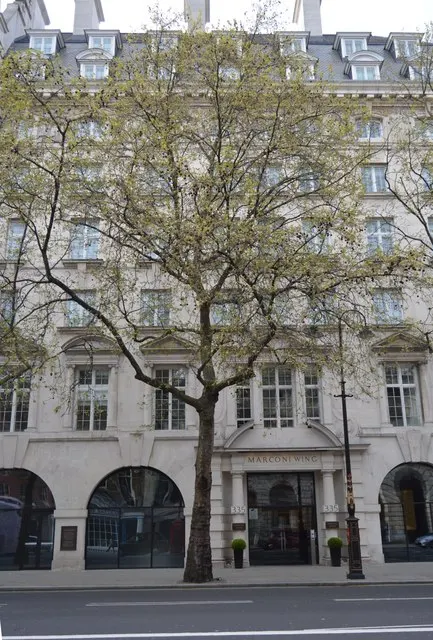
Marconi House on the Strand in London, home of the 2LO station.
Image creditN Chadwick · CC BY-SA 2.0Resized and cropped for display.

The BBC begins daily broadcasting

At 6 p.m. on 14 November 1922 Arthur Burrows, director of programmes of the new British Broadcasting Company, spoke into a microphone at Marconi House on the Strand in London: ‘This is 2LO, Marconi House, London calling.’ He read the news twice, once fast and once slowly, and asked listeners to write in to say which speed they preferred.

It was the start of Britain’s first daily national radio service. Within a few years radio had turned from a hobby for enthusiasts into a part of everyday life, and in 1927 the company became the public British Broadcasting Corporation.

Read the full storyHistory & Timeline →Source: Science Museum: 2LO calling, the birth of British public radio ↗
✦
LIVES REMEMBERED

Remembered Today

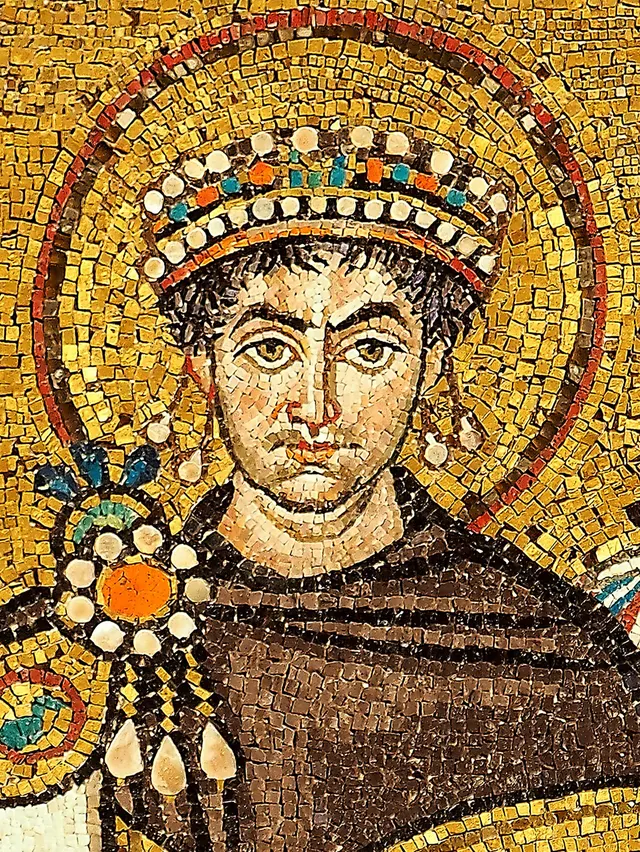
Justinian I
Image creditPetar Milošević · CC BY-SA 4.0Resized and cropped for display.

Justinian I

Byzantine emperor who codified Roman law and built Hagia Sophia in Constantinople. His death is recorded under the Julian calendar.

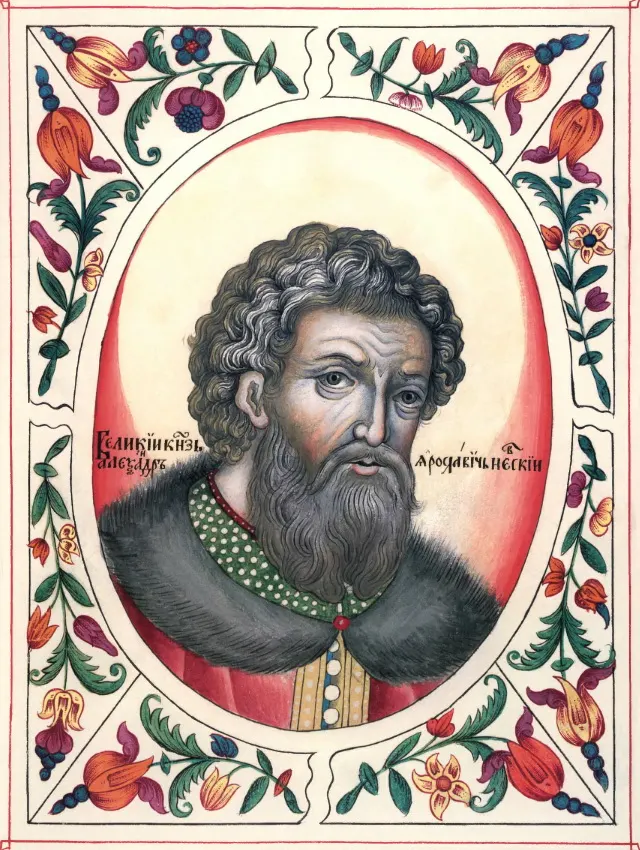
Alexander Nevsky
Image creditCollective of Kremlin Armory artists · Public domainResized and cropped for display.

Alexander Nevsky

Prince of Novgorod and Grand Prince of Vladimir, who defeated the Swedes and the Teutonic Knights. His death is recorded under the Julian calendar.

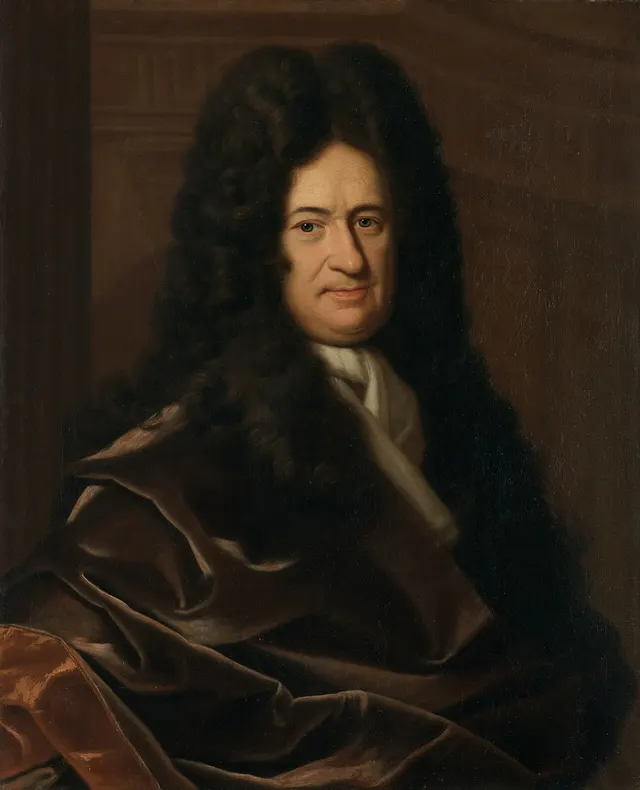
Gottfried Wilhelm Leibniz
Image creditChristoph Bernhard Francke · Public domainResized and cropped for display.

Gottfried Wilhelm Leibniz

German philosopher and mathematician who developed calculus independently of Newton.

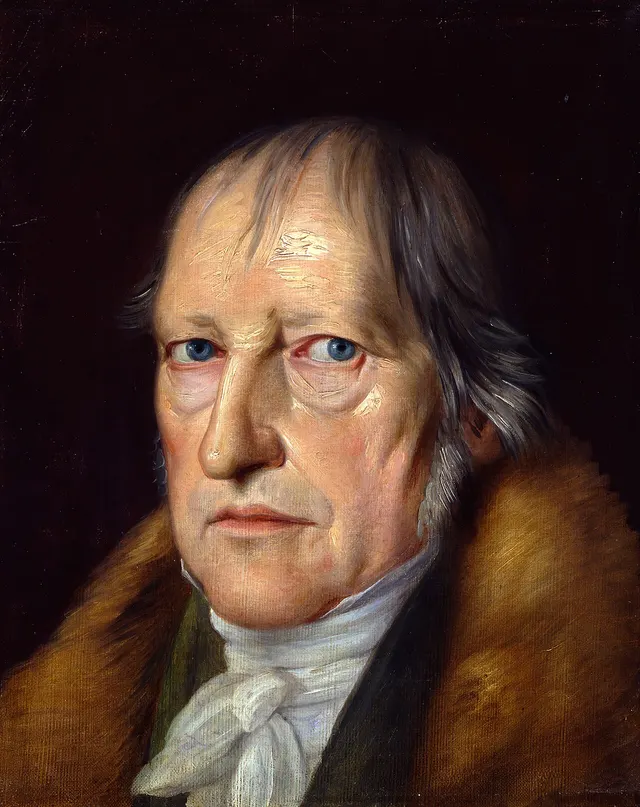
Georg Wilhelm Friedrich Hegel
Image creditJakob Schlesinger · Public domainResized and cropped for display.

Georg Wilhelm Friedrich Hegel

German philosopher whose ideas on history and the mind shaped much of modern thought.

Booker T. Washington
Image creditHarris & Ewing · Public domainResized and cropped for display.

Booker T. Washington

American educator, born into slavery, who led the Tuskegee Institute.

☉
AROUND THE WORLD

Observances & Anniversaries

The blue circle, the symbol of diabetes awareness.
Image creditIntDiabetesFed · Public domainResized and cropped for display.

World Diabetes Day

Held on the birthday of Frederick Banting, who helped discover insulin in 1921, World Diabetes Day was started in 1991 by the International Diabetes Federation and the World Health Organization and became an official United Nations day in 2006. It is the world’s largest diabetes awareness campaign.

Source: World Health Organization: World Diabetes Day ↗
HISTORY & TIMELINE

Finished the highlights?

Follow 14 November chronologically, from the Middle Ages to the modern day, with 9 verified events and the sources behind them.

This day through time →