Explore 7 November

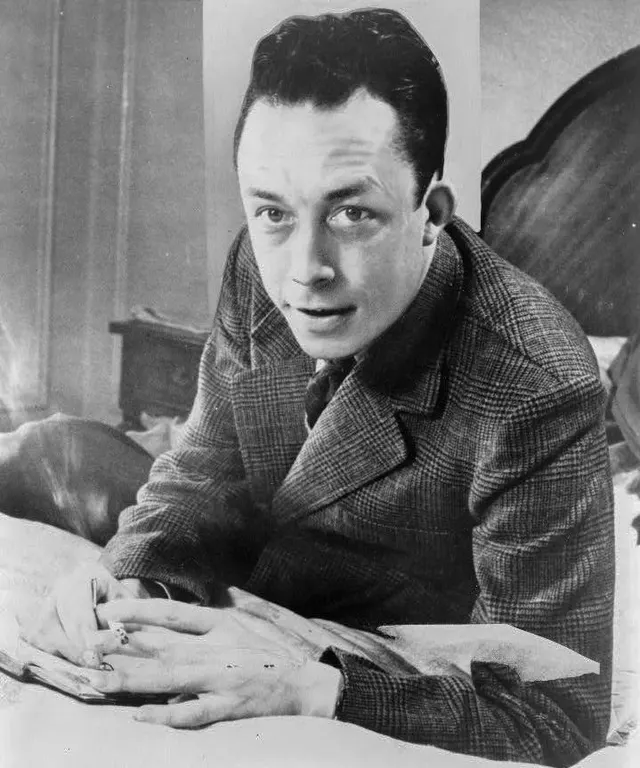
Explore 7 November: the Bolsheviks seize power in Petrograd, the last spike completes Canada’s railway to the Pacific, and Ireland elects its first woman president. Meet Marie Curie, Albert Camus and C. V. Raman, born on this date.

This day through time →11 verified events across 4 eras

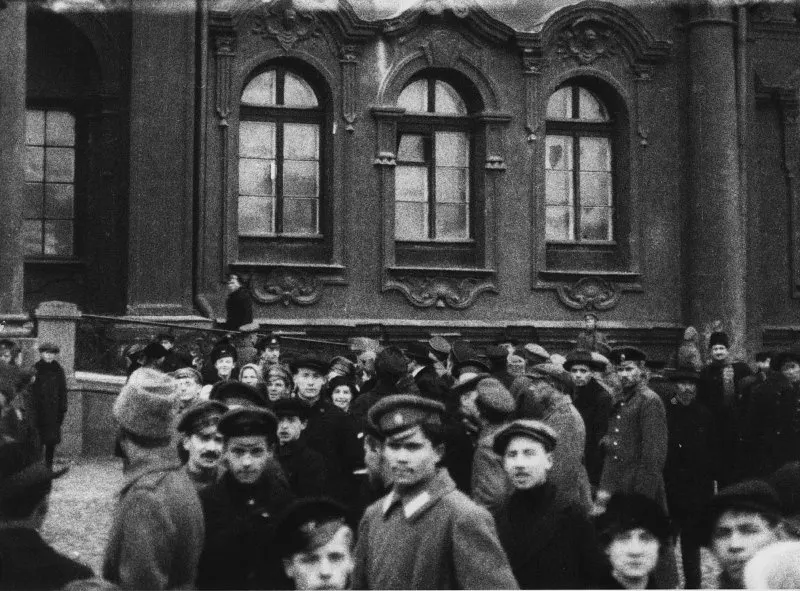
Crowds outside the Winter Palace after its capture, photographed by Pyotr Novitsky.
Image creditPyotr Novitsky · Public domainResized and cropped for display.

The Bolsheviks seize power in Petrograd

On the night of 7 November 1917, 25 October in the Julian calendar Russia still used, Red Guards, soldiers and sailors directed by the Bolsheviks’ Military Revolutionary Committee took the Winter Palace in Petrograd. A blank shot from the cruiser Aurora served as a signal, and in the early hours the ministers of the Provisional Government were arrested in a small dining room of the palace.

The seizure put Vladimir Lenin’s Bolsheviks in power. Because of the calendar, the event is still known as the October Revolution, and it led to civil war and, in 1922, the founding of the Soviet Union.

Read the full storyHistory & Timeline →Source: Encyclopaedia Britannica: Russian Revolution ↗
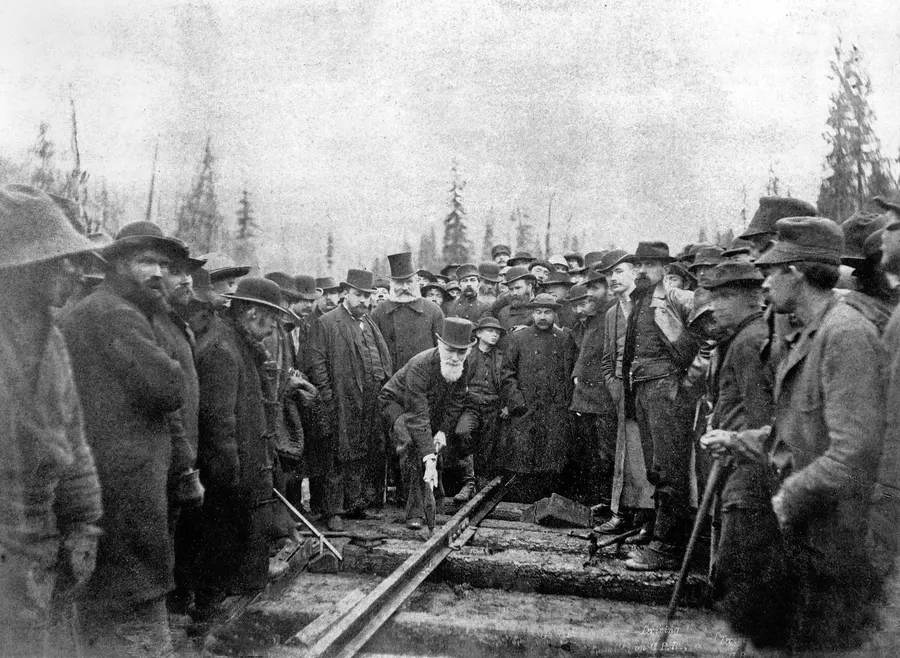
Donald Smith drives the last spike of the Canadian Pacific Railway at Craigellachie, 7 November 1885.
Image creditRoss, Alexander, Best & Co., Winnipeg · Public domainResized and cropped for display.

The last spike joins Canada from sea to sea

On 7 November 1885, at Craigellachie in Eagle Pass, British Columbia, where the crews building from east and west had met, Donald Smith drove the ceremonial last spike of the Canadian Pacific Railway. His first blow bent the spike so badly that it had to be replaced.

The railway had been promised to British Columbia as a condition of joining Canada. The next day the first through train reached the Pacific terminus at Port Moody, and the photograph of the plain iron spike became one of the best known in Canadian history.

Read the full storyHistory & Timeline →Source: The Canadian Encyclopedia: The Last Spike ↗
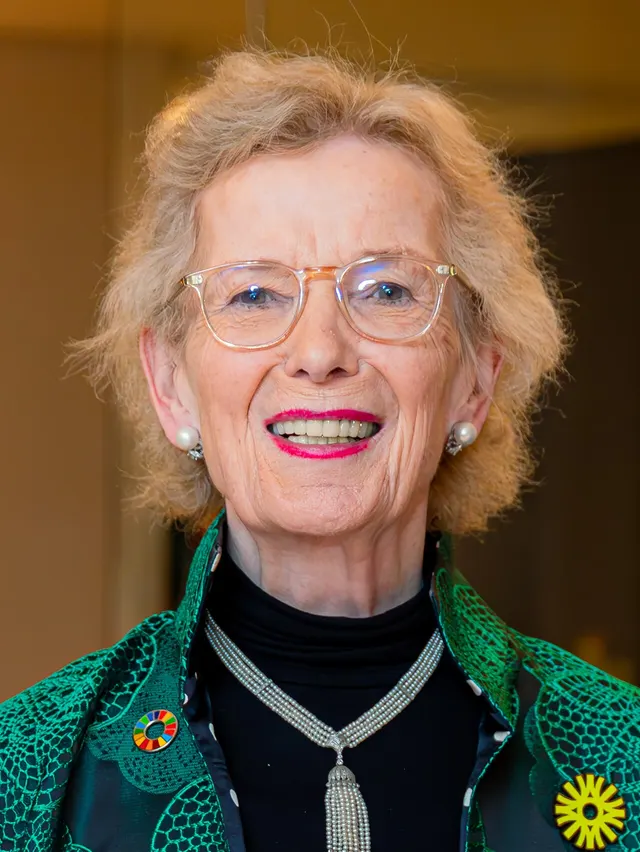
Mary Robinson, photographed in 2024.
Image creditEmbaixada dos EUA - Brasil · Public domainResized and cropped for display.

Ireland elects its first woman president

On 7 November 1990 the voters of Ireland elected Mary Robinson, a barrister and senator nominated by the Labour Party and backed by the Greens and the Workers’ Party, as their first woman president. Her victory was seen as a sign of how fast Irish society was changing.

Inaugurated on 3 December 1990, she made the largely ceremonial office far more visible, and as a campaigner for human rights she was the first head of state to visit Somalia after its famine of 1992 and Rwanda after the genocide of 1994. She later became United Nations High Commissioner for Human Rights.

Read the full storyHistory & Timeline →Source: President of Ireland: Mary Robinson ↗
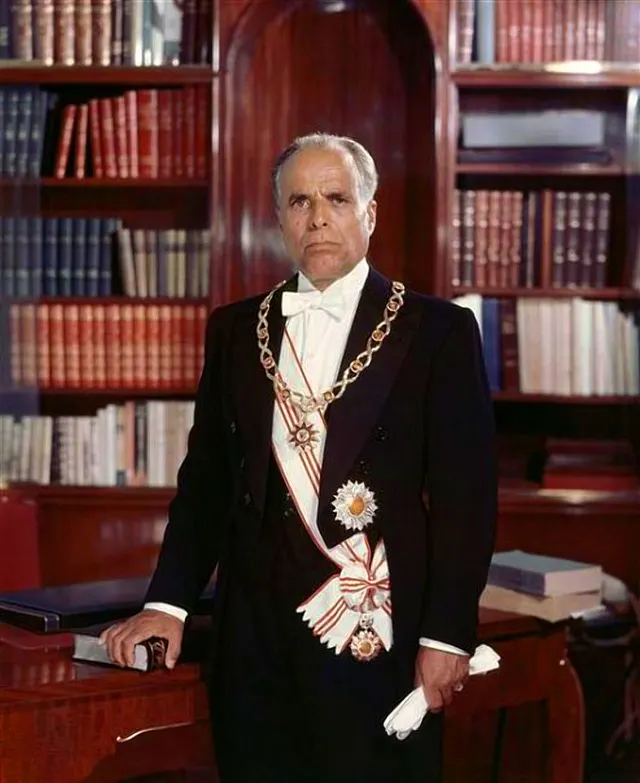
Habib Bourguiba, Tunisia's first president.
Habib Bourguiba, Tunisia’s first president.
Image creditHabib Osman · Public domainResized and cropped for display.

Tunisia’s first president is removed from office

Habib Bourguiba had led Tunisia since its independence from France in 1956, and was declared president for life in 1975. On 7 November 1987 his prime minister, Zine al-Abidine Ben Ali, had doctors declare the 84-year-old leader unfit to govern and took over under the article of the constitution that provided for the president’s incapacity.

The bloodless takeover was at first welcomed, but Ben Ali went on to rule for 23 years until he was driven out by the protests of January 2011 that began the Arab Spring.

Read the full storyHistory & Timeline →Source: Encyclopaedia Britannica: Zine al-Abidine Ben Ali ↗
♙
PEOPLE

Born Today

Marie Curie
Image creditHenri Manuel · Public domainResized and cropped for display.

Marie Curie

Polish-born French physicist and chemist, the first person to win Nobel Prizes in two sciences, for her work on radioactivity.

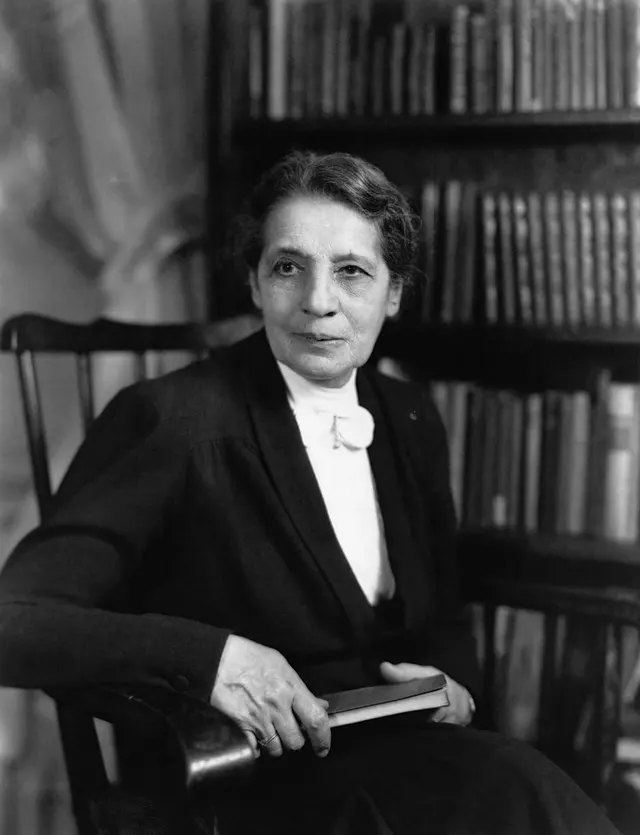
Lise Meitner
Image creditHarris & Ewing · Public domainResized and cropped for display.

Lise Meitner

Austrian-Swedish physicist who, with Otto Frisch, first explained nuclear fission.

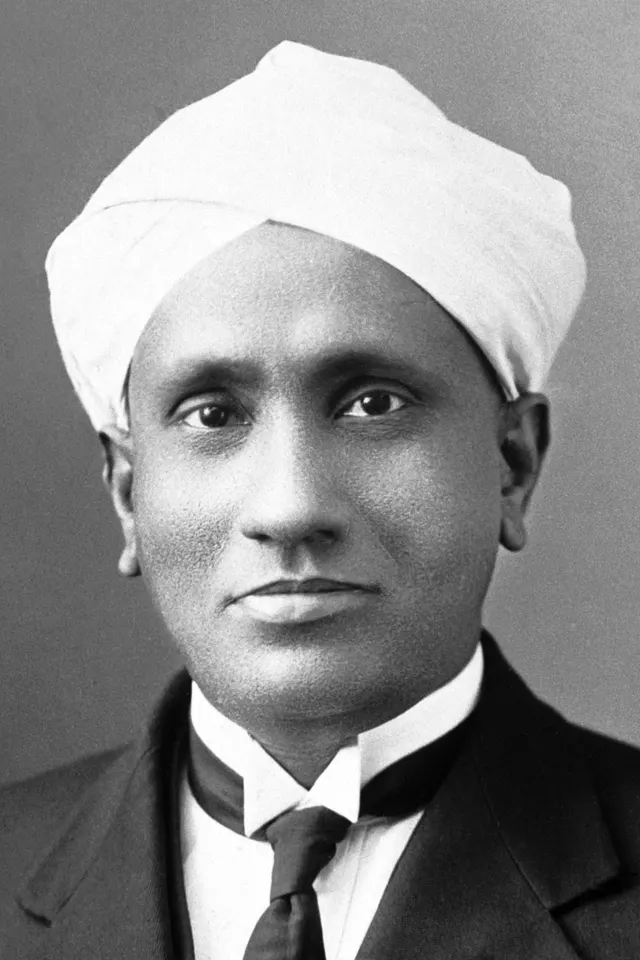
C. V. Raman
Image creditNobel Foundation · Public domainResized and cropped for display.

C. V. Raman

Indian physicist who discovered the scattering of light that bears his name and won the 1930 Nobel Prize in Physics.

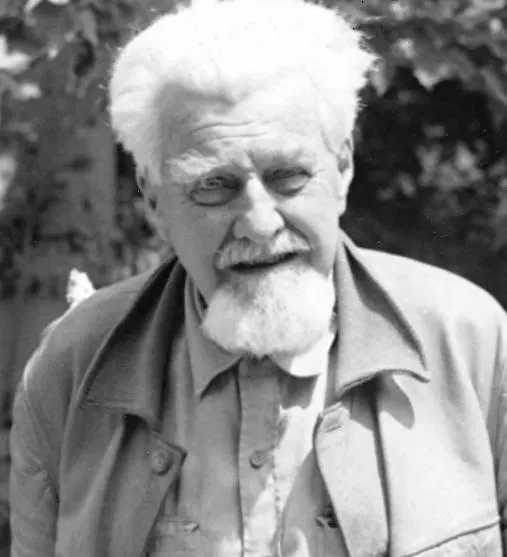
Konrad Lorenz
Image creditMax Planck Gesellschaft (Eurobas) · CC BY-SA 3.0Resized and cropped for display.

Konrad Lorenz

Austrian zoologist, a founder of the study of animal behaviour, who shared the 1973 Nobel Prize in Physiology or Medicine.

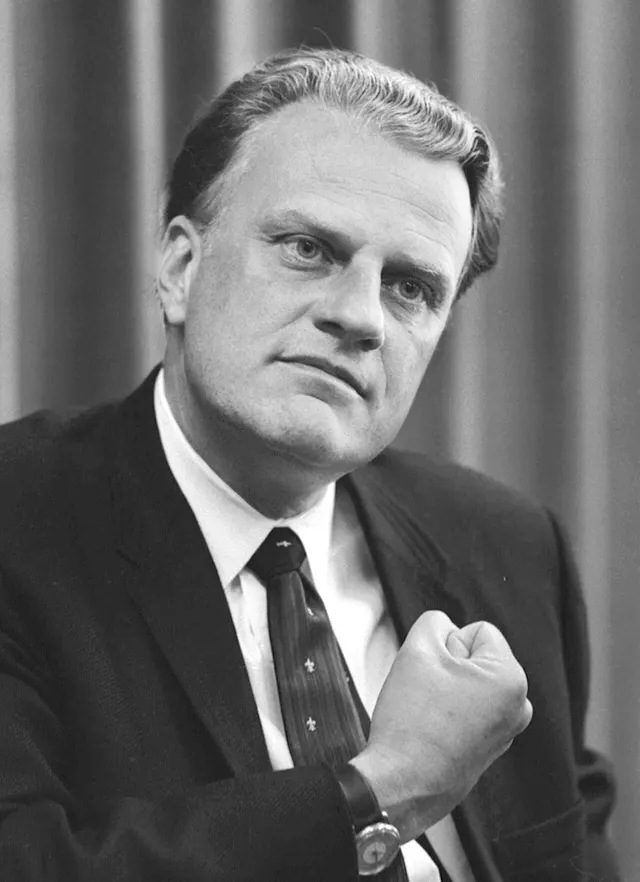
Billy Graham
Image creditWarren K. Leffler · Public domainResized and cropped for display.

Billy Graham

American evangelist who preached to vast crowds on every continent for more than six decades.

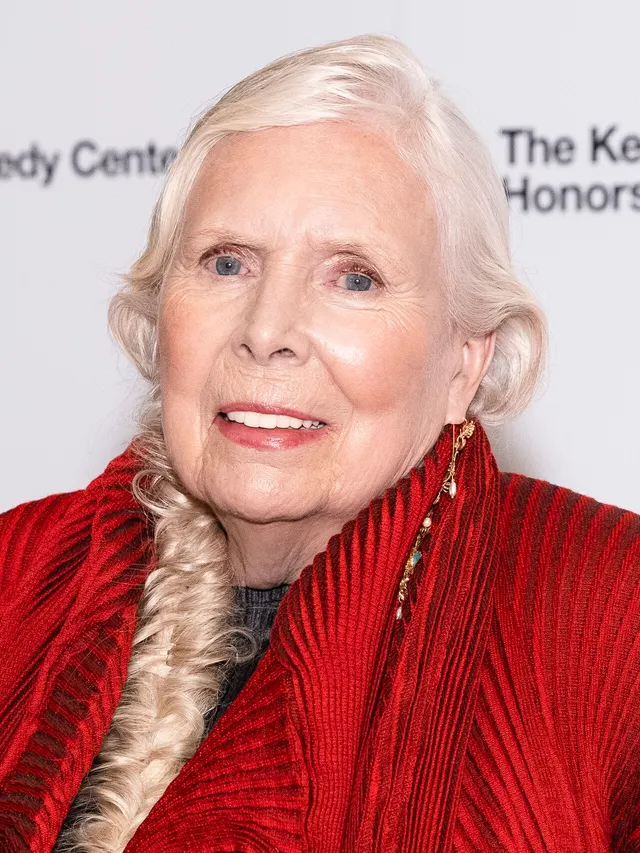
Joni Mitchell
Image creditLibrary of Congress Life · CC0Resized and cropped for display.

Joni Mitchell

Canadian singer-songwriter and painter, known for albums such as Blue and Court and Spark.

◉
IDEAS THAT CHANGED THINGS

Firsts, Science & Discoveries

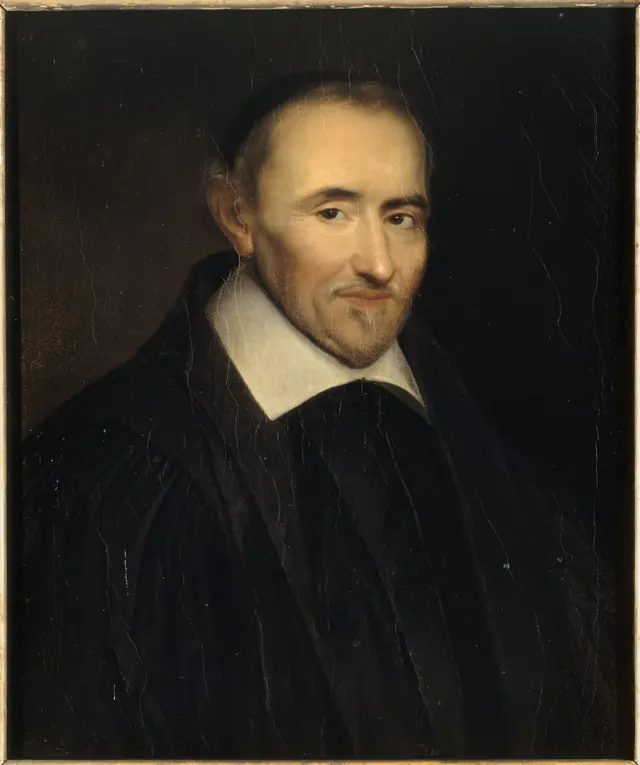
Pierre Gassendi, in a portrait by Louis-Édouard Rioult.
Image creditLouis-Édouard Rioult · Public domainResized and cropped for display.

Gassendi watches Mercury cross the Sun

Johannes Kepler had calculated that Mercury would pass across the face of the Sun in 1631 and asked astronomers to watch for it. In Paris Pierre Gassendi projected the Sun’s image on to a sheet of paper, and on 7 November 1631, after days of rain, he saw a small black dot moving across it.

It was the first transit of a planet ever observed. A month later Gassendi looked for the transit of Venus that Kepler had also predicted, but it could not be seen from Europe.

Read the full storyHistory & Timeline →Source: Royal Museums Greenwich: What is the transit of Mercury? ↗
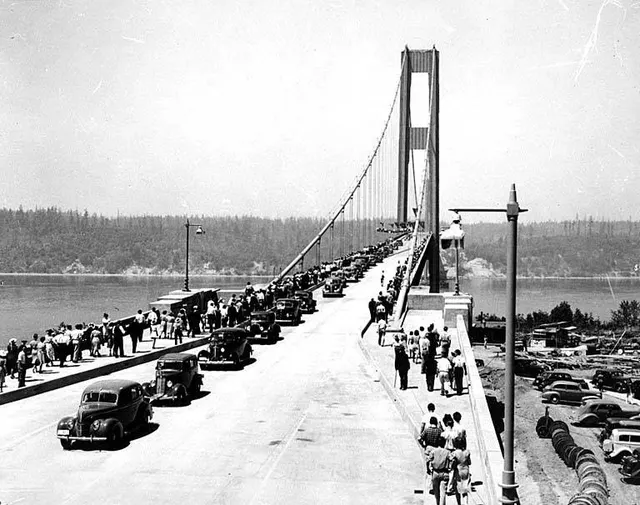
The Tacoma Narrows Bridge on its opening day, 1 July 1940.
Image creditUniversity of Washington Libraries Digital Collections · Public domainResized and cropped for display.

The Tacoma Narrows Bridge collapses

The Tacoma Narrows Bridge in Washington State had a main span of 2,800 feet, then the third longest of any suspension bridge. It moved so much in the wind that workers nicknamed it ‘Galloping Gertie’. On the morning of 7 November 1940, just four months after it opened, a steady wind of about 42 miles an hour set its deck twisting violently, and at about 11 o’clock the centre span tore loose and fell into Puget Sound. No person was killed.

Filmed as it happened, the collapse became a textbook case. Engineers learned that the slender deck had failed through aerodynamic ‘flutter’, and bridges have been tested in wind tunnels ever since.

Read the full storyHistory & Timeline →Source: Washington State Department of Transportation: Tacoma Narrows Bridge history, the collapse ↗
♫
MUSIC • FILM • BOOKS • CULTURE

Culture Stories

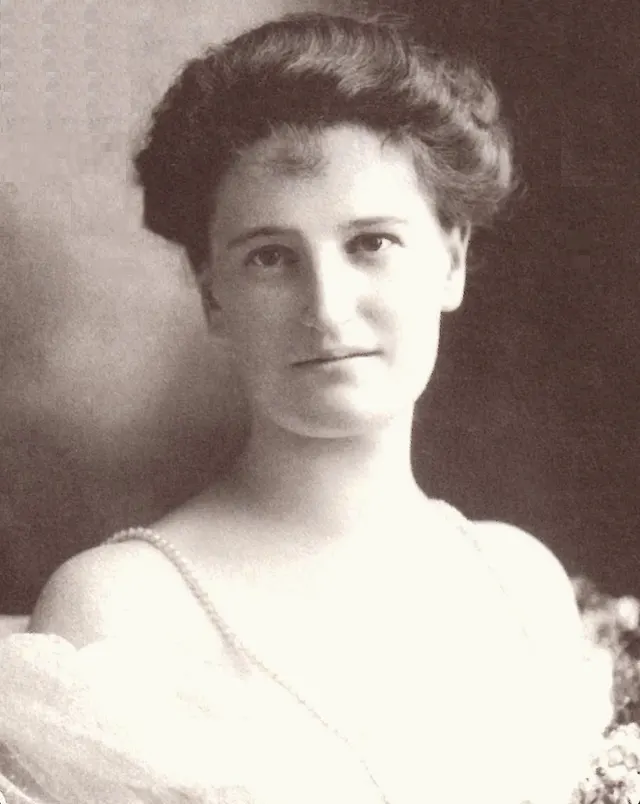
Abby Aldrich Rockefeller, one of the museum's three founders, photographed in 1893.
Abby Aldrich Rockefeller, one of the museum’s three founders, photographed in 1893.
Image creditAnonymousUnknown author · Public domainResized and cropped for display.

The Museum of Modern Art opens in New York

On 7 November 1929, ten days after the Wall Street Crash, the Museum of Modern Art opened to the public in rented rooms in Manhattan. It had been founded that year by three collectors, Lillie P. Bliss, Mary Quinn Sullivan and Abby Aldrich Rockefeller, with the 27-year-old Alfred H. Barr Jr. as its director.

Its first exhibition, of Cézanne, Gauguin, Seurat and van Gogh, drew large crowds. MoMA became one of the most influential museums of modern art in the world.

Read the full storyHistory & Timeline →Source: Museum of Modern Art: The Museum of Modern Art history ↗
✦
LIVES REMEMBERED

Remembered Today

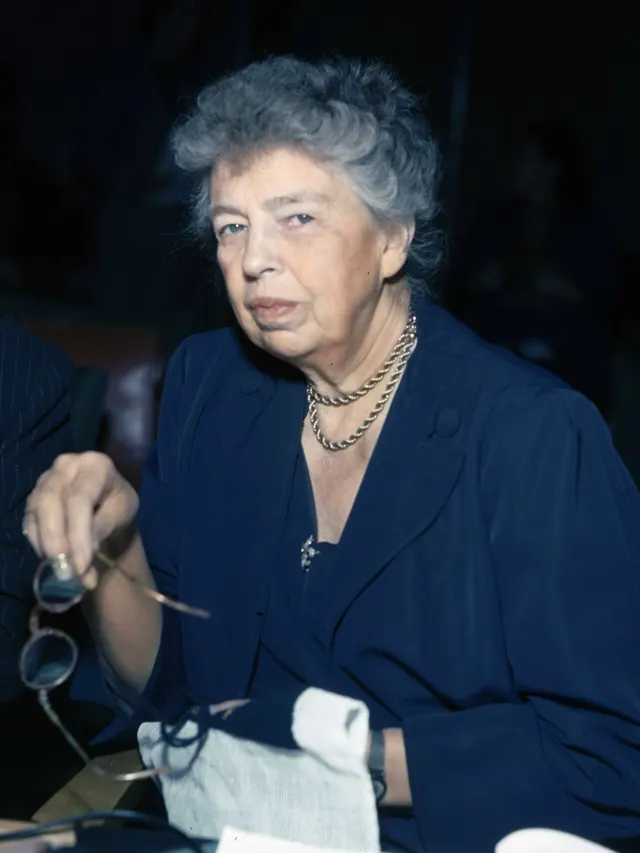
Eleanor Roosevelt
Image creditFDR Presidential Library & Museum · CC BY 2.0Resized and cropped for display.

Eleanor Roosevelt

American First Lady, diplomat and campaigner who chaired the committee that drafted the Universal Declaration of Human Rights.

Alexander Dubček
Image creditCTK · CC0Resized and cropped for display.

Alexander Dubček

Slovak politician who led the reforms of the Prague Spring in 1968 as head of Czechoslovakia’s Communist Party.

HISTORY & TIMELINE

Finished the highlights?

Follow 7 November chronologically, from the Middle Ages to the modern day, with 11 verified events and the sources behind them.

This day through time →