HISTORY & TIMELINE
7 November

A journey through
7 November in history

From a stone that fell out of the sky over Alsace in 1492 to Ireland’s presidential election of 1990, 7 November has brought revolutions, railways and firsts. This timeline follows the date across five centuries.

JUMP THROUGH TIME
II
THE MIDDLE AGES

Medieval History

Kingdoms, conflict, faith, power and the changing medieval world.

1492
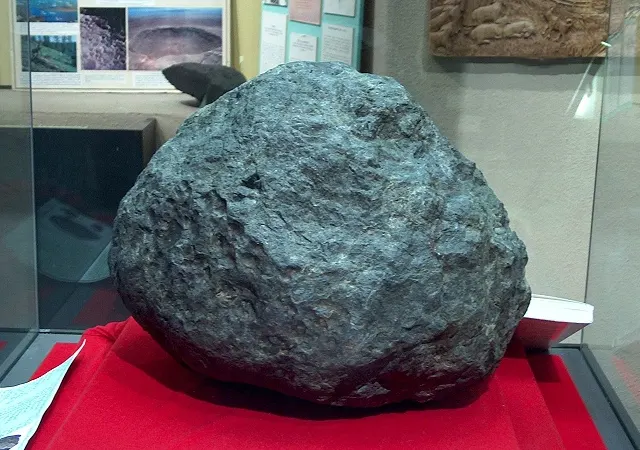
The Ensisheim meteorite on display in Ensisheim, 2007.The Ensisheim meteorite on display in Ensisheim, 2007.Image: Konrad Andrä · CC BY-SA 2.0 de
science · Europe

A meteorite falls at Ensisheim

Late in the morning of 7 November 1492 (Julian calendar; 16 November in the Gregorian), a boy saw a large stone fall from the sky into a wheat field near Ensisheim in Alsace. It weighed about 127 kg and is the oldest witnessed meteorite fall in the Western world from which the stone has been kept. Maximilian, soon to be Holy Roman Emperor, took it as a good omen and had it hung in the parish church. Visitors chipped away more than half of it over the centuries; the remaining 56 kg is still in the town.

Source: Encyclopaedia Britannica: Ensisheim meteorite ↗
III
A CHANGING WORLD

Early Modern Era

Exploration, political change, scientific development and expanding global connections.

1631
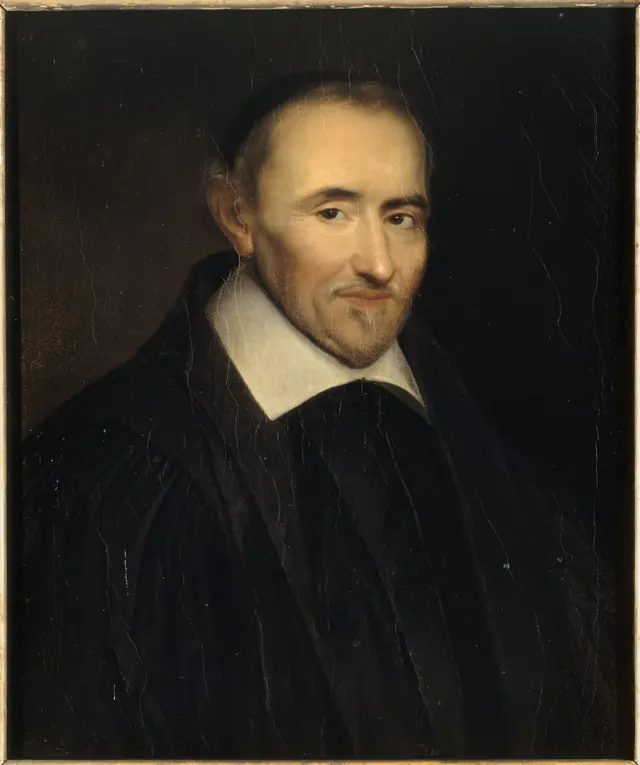
Pierre Gassendi, in a portrait by Louis-Édouard Rioult.Pierre Gassendi, in a portrait by Louis-Édouard Rioult.Image: Louis-Édouard Rioult · Public domain
science · Europe

Gassendi watches Mercury cross the Sun

Johannes Kepler had calculated that Mercury would pass across the face of the Sun in 1631 and asked astronomers to watch for it. In Paris Pierre Gassendi projected the Sun’s image on to a sheet of paper, and on 7 November 1631, after days of rain, he saw a small black dot moving across it. It was the first transit of a planet ever observed. A month later Gassendi looked for the transit of Venus that Kepler had also predicted, but it could not be seen from Europe.

Source: Royal Museums Greenwich: What is the transit of Mercury? ↗
IV
THE NINETEENTH CENTURY

The 1800s

Industry, empire, invention, reform and a century of enormous transformation.

1872
world · Americas

The Mary Celeste sails from New York

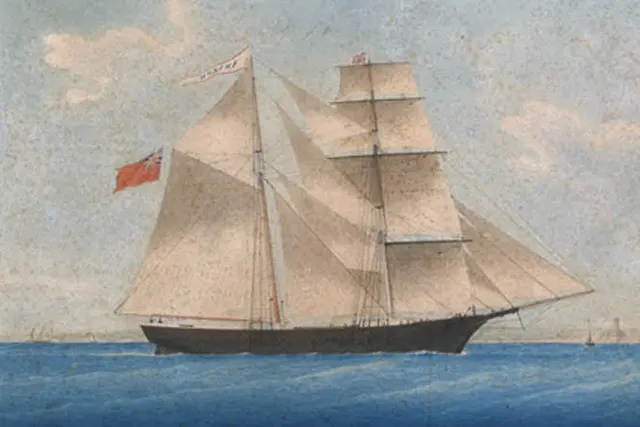
On 7 November 1872 the brigantine Mary Celeste left New York for Genoa with about 1,700 barrels of alcohol, Captain Benjamin Briggs, his wife Sarah, their two-year-old daughter Sophia and a crew of seven. On 4 December the crew of the Dei Gratia found her drifting in the Atlantic near the Azores, seaworthy but deserted, with her lifeboat gone. Nobody who sailed on her was ever seen again, and what happened remains one of the great mysteries of the sea.

Source: Royal Museums Greenwich: The mystery of the Mary Celeste ↗
1885
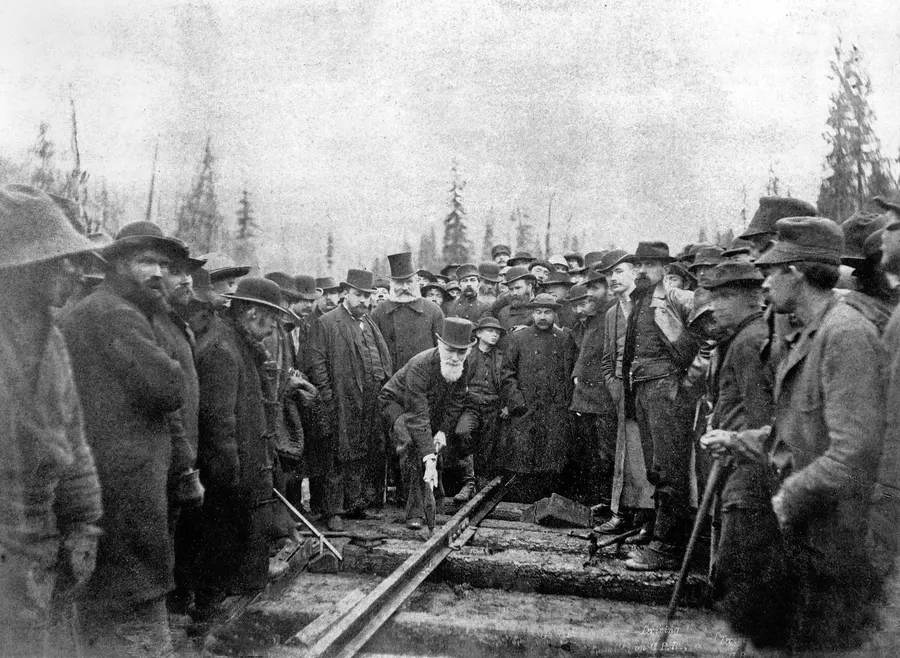
Donald Smith drives the last spike of the Canadian Pacific Railway at Craigellachie, 7 November 1885.Donald Smith drives the last spike of the Canadian Pacific Railway at Craigellachie, 7 November 1885.Image: Ross, Alexander, Best & Co., Winnipeg · Public domain
world · Americas

The last spike joins Canada from sea to sea

On 7 November 1885, at Craigellachie in Eagle Pass, British Columbia, where the crews building from east and west had met, Donald Smith drove the ceremonial last spike of the Canadian Pacific Railway. His first blow bent the spike so badly that it had to be replaced. The railway had been promised to British Columbia as a condition of joining Canada. The next day the first through train reached the Pacific terminus at Port Moody, and the photograph of the plain iron spike became one of the best known in Canadian history.

Source: The Canadian Encyclopedia: The Last Spike ↗
V
THE TWENTIETH CENTURY

The 1900s

War and peace, technological leaps, social change, politics, sport and popular culture.

1916
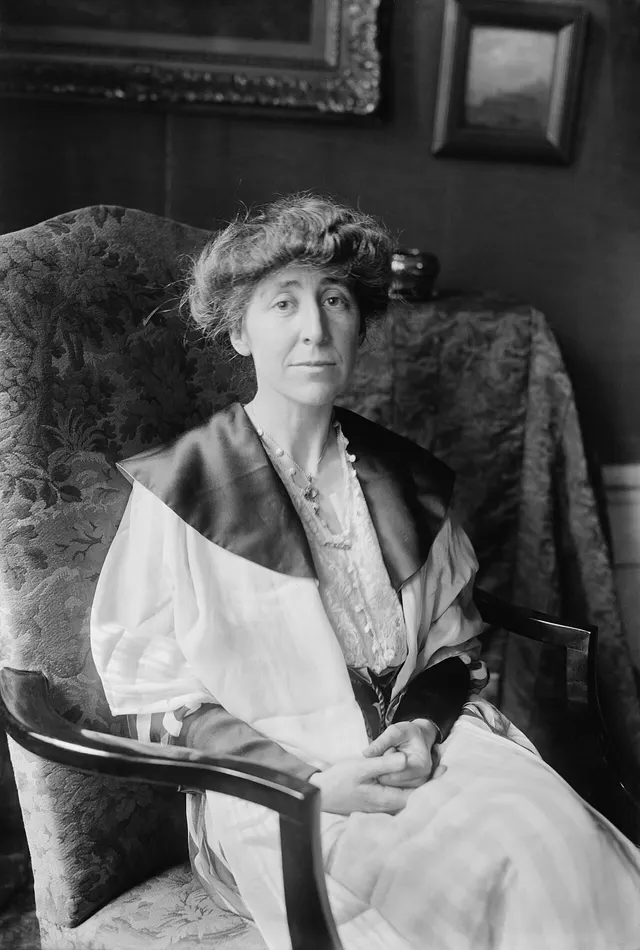
Jeannette Rankin, photographed by the Bain News Service.Jeannette Rankin, photographed by the Bain News Service.Image: Adam Cuerden · Public domain
politics · Americas

Jeannette Rankin is elected to Congress

On 7 November 1916 the voters of Montana elected Jeannette Rankin, a campaigner for women’s suffrage, as one of the state’s two members of the US House of Representatives. She was the first woman elected to Congress, four years before the Nineteenth Amendment gave women the vote across the whole country. A lifelong pacifist, she voted against American entry into both world wars.

Source: US House of Representatives, History, Art and Archives: Jeannette Rankin ↗
1917
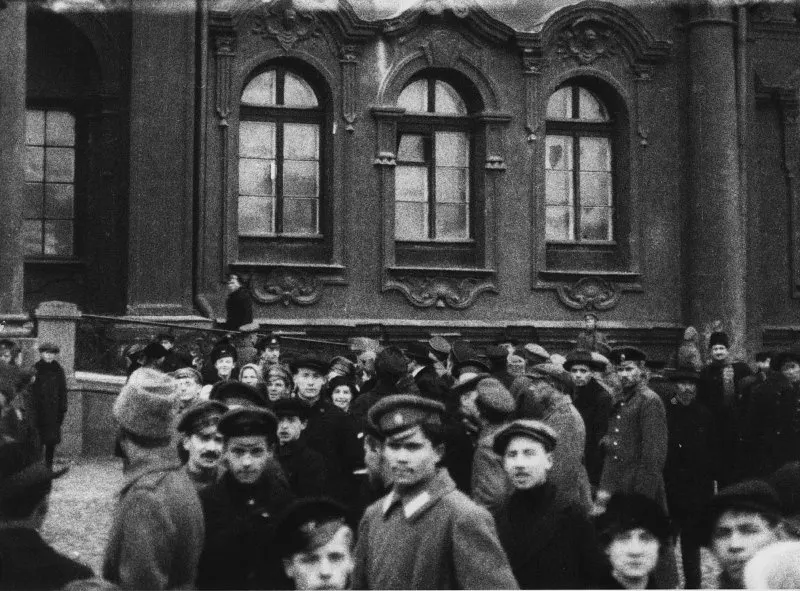
Crowds outside the Winter Palace after its capture, photographed by Pyotr Novitsky.Crowds outside the Winter Palace after its capture, photographed by Pyotr Novitsky.Image: Pyotr Novitsky · Public domain
politics · Europe

The Bolsheviks seize power in Petrograd

On the night of 7 November 1917, 25 October in the Julian calendar Russia still used, Red Guards, soldiers and sailors directed by the Bolsheviks’ Military Revolutionary Committee took the Winter Palace in Petrograd. A blank shot from the cruiser Aurora served as a signal, and in the early hours the ministers of the Provisional Government were arrested in a small dining room of the palace. The seizure put Vladimir Lenin’s Bolsheviks in power. Because of the calendar, the event is still known as the October Revolution, and it led to civil war and, in 1922, the founding of the Soviet Union.

Source: Encyclopaedia Britannica: Russian Revolution ↗
1929
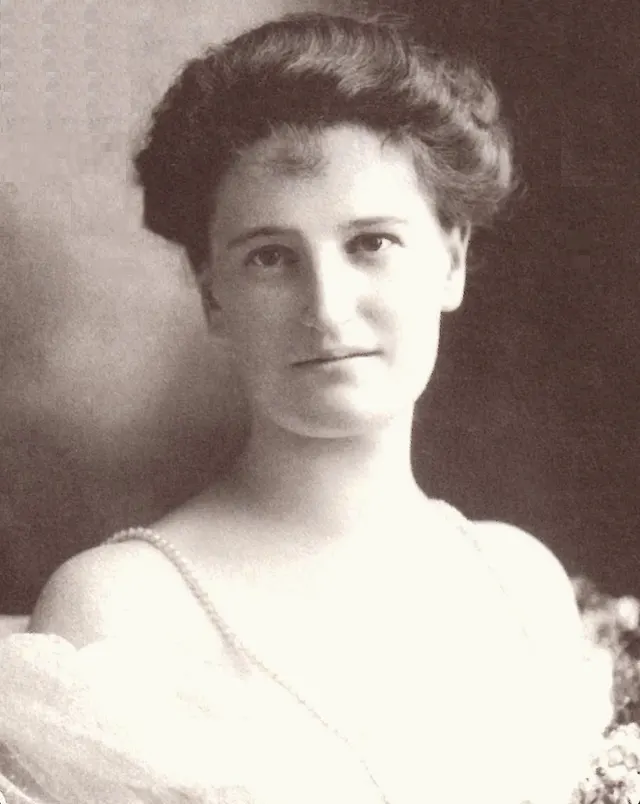
Abby Aldrich Rockefeller, one of the museum's three founders, photographed in 1893.Abby Aldrich Rockefeller, one of the museum’s three founders, photographed in 1893.Image: AnonymousUnknown author · Public domain
culture · Americas

The Museum of Modern Art opens in New York

On 7 November 1929, ten days after the Wall Street Crash, the Museum of Modern Art opened to the public in rented rooms in Manhattan. It had been founded that year by three collectors, Lillie P. Bliss, Mary Quinn Sullivan and Abby Aldrich Rockefeller, with the 27-year-old Alfred H. Barr Jr. as its director. Its first exhibition, of Cézanne, Gauguin, Seurat and van Gogh, drew large crowds. MoMA became one of the most influential museums of modern art in the world.

Source: Museum of Modern Art: The Museum of Modern Art history ↗
1931
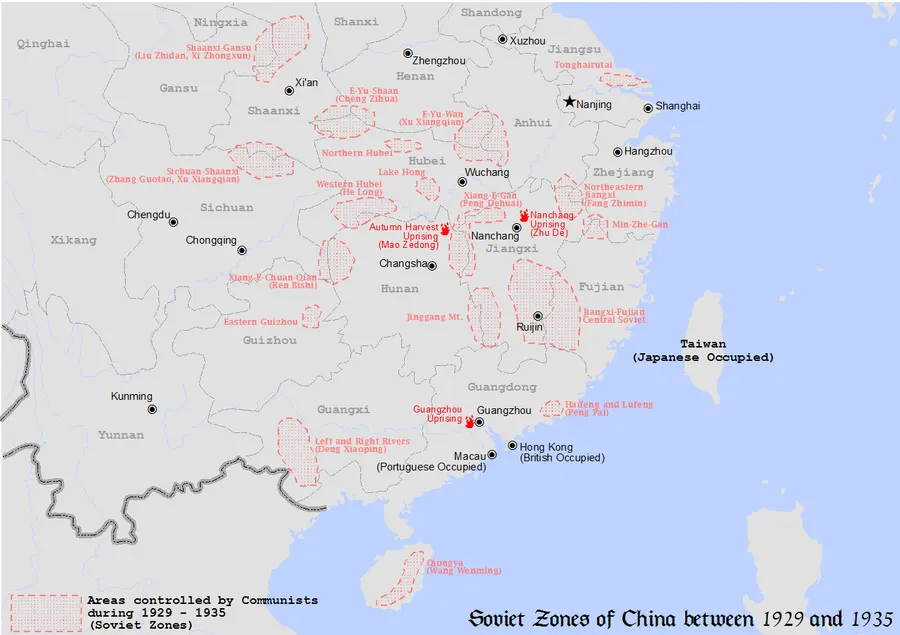
Map of the communist-held 'soviet' areas of China between 1929 and 1935.Map of the communist-held ‘soviet’ areas of China between 1929 and 1935.Image: SY · CC BY-SA 3.0
politics · Asia

The Chinese Soviet Republic is proclaimed

On 7 November 1931, the anniversary of the October Revolution, Chinese communists proclaimed a Chinese Soviet Republic, with its capital at Ruijin in Jiangxi province and Mao Zedong as its chairman. At its height it governed several million people in southern China. Under attack from Chiang Kai-shek’s Nationalist armies, the Red Army abandoned it in October 1934 and set out on the Long March.

Source: Encyclopaedia Britannica: Jiangxi Soviet ↗
1940
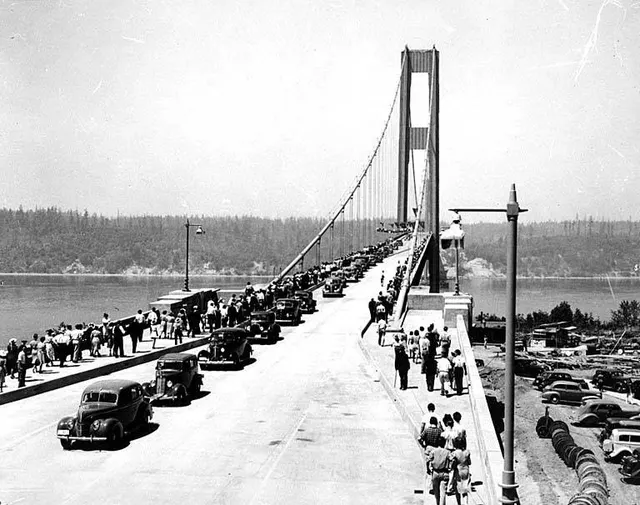
The Tacoma Narrows Bridge on its opening day, 1 July 1940.The Tacoma Narrows Bridge on its opening day, 1 July 1940.Image: University of Washington Libraries Digital Collections · Public domain
science · Americas

The Tacoma Narrows Bridge collapses

The Tacoma Narrows Bridge in Washington State had a main span of 2,800 feet, then the third longest of any suspension bridge. It moved so much in the wind that workers nicknamed it ‘Galloping Gertie’. On the morning of 7 November 1940, just four months after it opened, a steady wind of about 42 miles an hour set its deck twisting violently, and at about 11 o’clock the centre span tore loose and fell into Puget Sound. No person was killed. Filmed as it happened, the collapse became a textbook case. Engineers learned that the slender deck had failed through aerodynamic ‘flutter’, and bridges have been tested in wind tunnels ever since.

Source: Washington State Department of Transportation: Tacoma Narrows Bridge history, the collapse ↗
1987
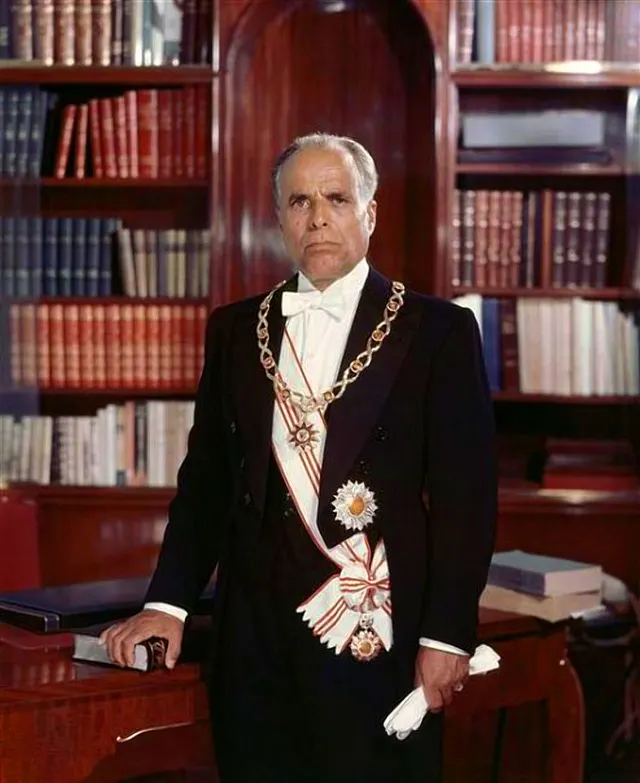
Habib Bourguiba, Tunisia's first president.Habib Bourguiba, Tunisia’s first president.Image: Habib Osman · Public domain

politics · Africa

Tunisia’s first president is removed from office

Habib Bourguiba had led Tunisia since its independence from France in 1956, and was declared president for life in 1975. On 7 November 1987 his prime minister, Zine al-Abidine Ben Ali, had doctors declare the 84-year-old leader unfit to govern and took over under the article of the constitution that provided for the president’s incapacity. The bloodless takeover was at first welcomed, but Ben Ali went on to rule for 23 years until he was driven out by the protests of January 2011 that began the Arab Spring.

Source: Encyclopaedia Britannica: Zine al-Abidine Ben Ali ↗
1990
Mary Robinson, photographed in 2024.Mary Robinson, photographed in 2024.Image: Embaixada dos EUA - Brasil · Public domain
politics · Europe

Ireland elects its first woman president

On 7 November 1990 the voters of Ireland elected Mary Robinson, a barrister and senator nominated by the Labour Party and backed by the Greens and the Workers’ Party, as their first woman president. Her victory was seen as a sign of how fast Irish society was changing. Inaugurated on 3 December 1990, she made the largely ceremonial office far more visible, and as a campaigner for human rights she was the first head of state to visit Somalia after its famine of 1992 and Rwanda after the genocide of 1994. She later became United Nations High Commissioner for Human Rights.

Source: President of Ireland: Mary Robinson ↗
WHY THESE MOMENTS?

Significance before volume

This page is not the longest possible list of events. It is a chronological journey through 7 November, where each entry is chosen for historical significance, human interest and reliability.

Facts are checked against authoritative museums, archives, universities and reference works. Where sources disagree, the page says so.

EXPLORED THE DEEPER STORY?

Return to the highlights of 7 November

Discover the lighter side of the date with famous birthdays, culture, firsts and lives remembered.

Explore This Day →
← PREVIOUS DAY6 November
HISTORY & TIMELINE7 November
NEXT DAY →8 November