Explore 8 November

Explore 8 November: Cortés meets Moctezuma at the gates of Tenochtitlan, Röntgen discovers X-rays, and Allied armies land in North Africa. Meet Edmond Halley, Bram Stoker and Christiaan Barnard, born on this date.

This day through time →11 verified events across 4 eras

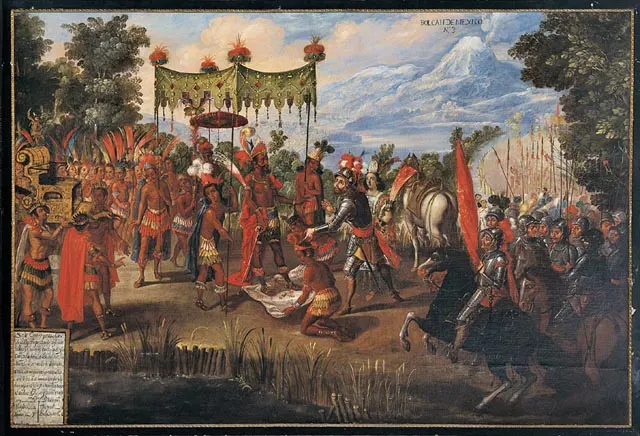
The meeting of Cortés and Moctezuma, in a painting by unknown artists.
Image creditUnknown artists · Public domainResized and cropped for display.

Cortés meets Moctezuma at Tenochtitlan

On 8 November 1519 (Julian calendar) the Spanish conquistador Hernán Cortés and his small force, with about a thousand allies from Tlaxcala, reached Tenochtitlan, the island capital of the Aztec (Mexica) empire. Moctezuma II came out to meet him on the causeway and, following the diplomatic custom of the country, received him with great honour and lodged the Spaniards in a palace.

Within days Cortés took Moctezuma prisoner, hoping to rule the empire through him. Moctezuma died in 1520, and in 1521, after a long siege, the Spanish and their Indigenous allies captured and destroyed the city, on whose ruins Mexico City was built.

Read the full storyHistory & Timeline →Source: Encyclopaedia Britannica: The Spanish conquest of the Aztecs, 1519-21 ↗
The Battle of White Mountain, painted by Peter Snayers.
Image creditPeter Snayers · Public domainResized and cropped for display.

The Battle of White Mountain

On 8 November 1620, on a low plateau called White Mountain (Bílá hora) a few miles west of Prague, the Catholic armies of the Habsburg emperor Ferdinand II and the Catholic League routed the army of the Protestant Bohemian estates in about an hour. It was the first major battle of the Thirty Years’ War.

Prague fell at once. Ferdinand had the rebel leaders tried and executed, seized the lands of their supporters and abolished the Bohemian constitution. The Czech lands stayed under Habsburg rule for three centuries, until 1918.

Read the full storyHistory & Timeline →Source: Encyclopaedia Britannica: Battle of White Mountain ↗
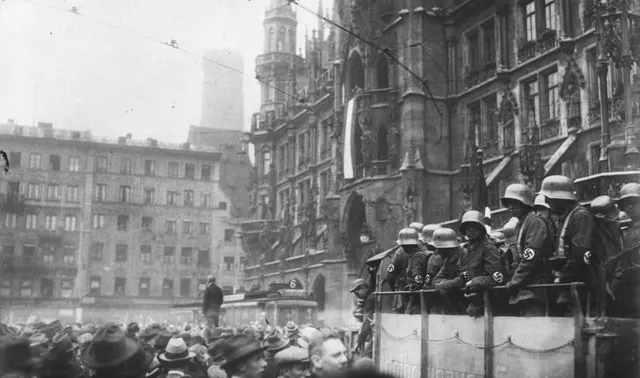
Armed putschists and onlookers on the Marienplatz in Munich during the putsch, November 1923.
Image creditUnknownUnknown · CC BY-SA 3.0 deResized and cropped for display.

Hitler’s Beer Hall Putsch fails

On the evening of 8 November 1923 Adolf Hitler and his armed Nazi stormtroopers, with the wartime general Erich Ludendorff, burst into a political meeting at the Bürgerbräukeller, a beer hall in Munich. Hitler announced a ‘national revolution’ and forced the leaders of the Bavarian government present to promise their support, planning to march on Berlin.

The next day the police opened fire on the marchers in the centre of Munich, killing more than a dozen of Hitler’s followers, and the putsch collapsed. Hitler was convicted of high treason and sentenced to five years in prison, but served less than one. He decided afterwards to seek power through elections.

Read the full storyHistory & Timeline →Source: United States Holocaust Memorial Museum, Holocaust Encyclopedia: Beer Hall Putsch ↗
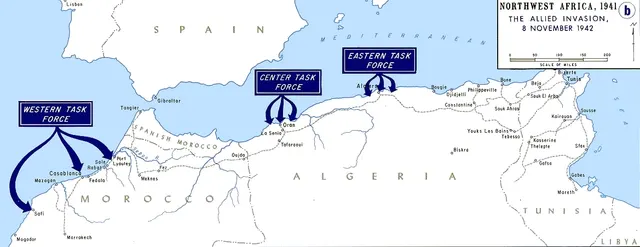
Map of the Allied landings in Morocco and Algeria, 8 November 1942.
Image creditUnknown · Public domainResized and cropped for display.

Operation Torch: the Allies land in North Africa

In the early hours of 8 November 1942 American and British troops landed on the Atlantic coast of Morocco and the Mediterranean coast of Algeria, both then held by Vichy France. Some 350 warships and 500 transports had carried about 107,000 troops from the United States and Britain for the invasion.

French forces resisted at first, but by 10 November the landings had reached their objectives and a ceasefire soon followed. The Allies now threatened the German and Italian armies in North Africa from the west, and the campaign ended with the Axis surrender in Tunisia in May 1943.

Read the full storyHistory & Timeline →Source: Naval History and Heritage Command: Operation Torch, invasion of North Africa ↗
♙
PEOPLE

Born Today

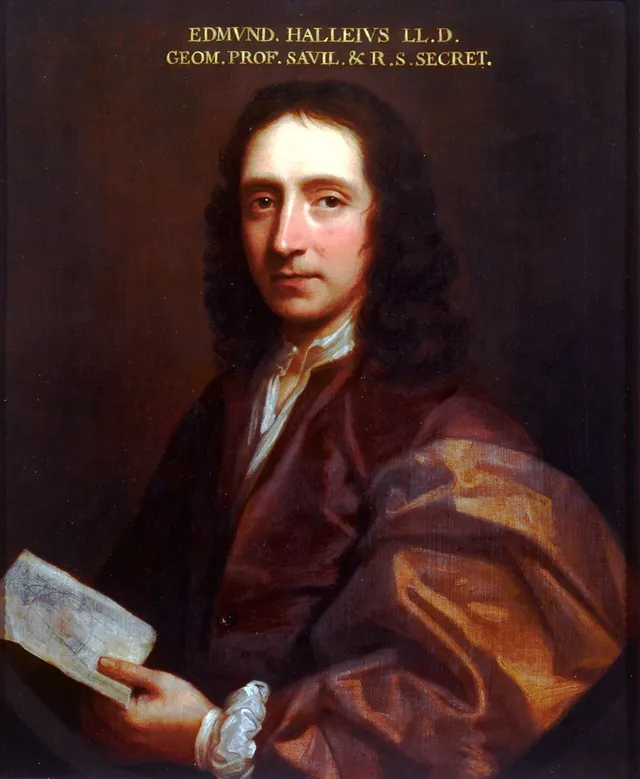
Edmond Halley
Image creditThomas Murray · Public domainResized and cropped for display.

Edmond Halley

English astronomer who predicted the return of the comet that bears his name.

Christiaan Barnard
Image creditIPPA photographer · CC BY 4.0Resized and cropped for display.

Christiaan Barnard

South African surgeon who performed the first human heart transplant, in Cape Town in 1967.

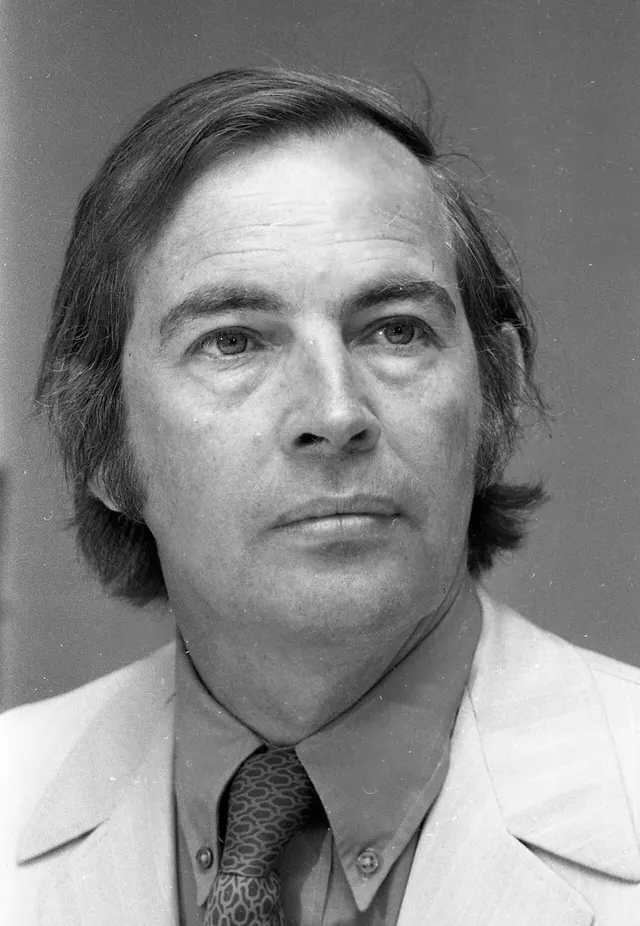
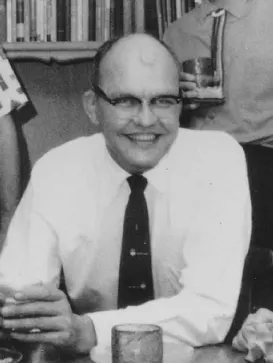
Jack Kilby
Image creditJames R. Biard · CC BY-SA 4.0Resized and cropped for display.

Jack Kilby

American engineer who built the first integrated circuit and shared the 2000 Nobel Prize in Physics.

Kazuo Ishiguro
Image creditMartin Kraft · CC BY-SA 4.0Resized and cropped for display.

Kazuo Ishiguro

Japanese-born British novelist, author of The Remains of the Day, awarded the Nobel Prize in Literature in 2017.

◉
IDEAS THAT CHANGED THINGS

Firsts, Science & Discoveries

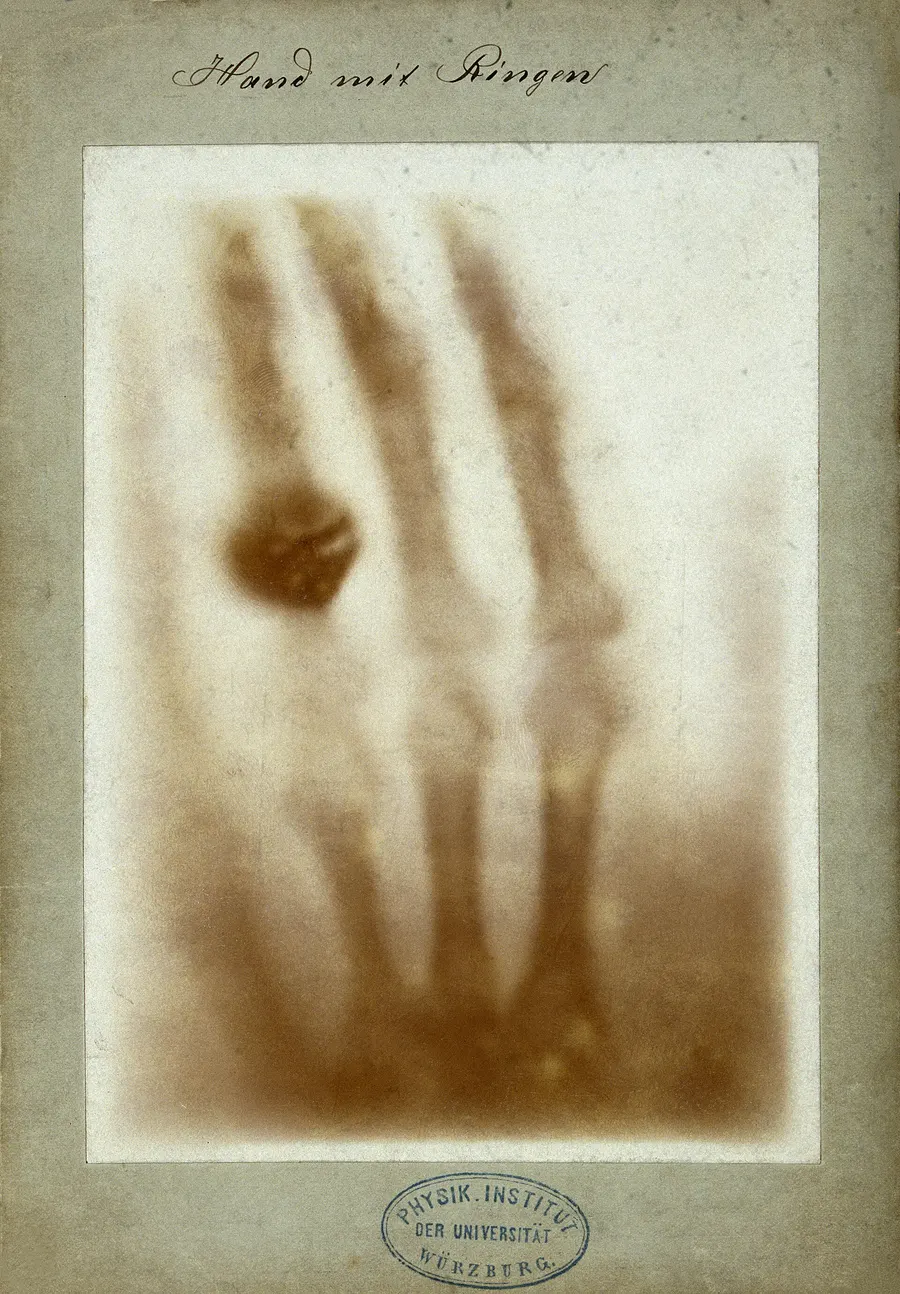
An X-ray of Anna Bertha Röntgen's hand and wedding ring, taken by her husband on 22 December 1895.
An X-ray of Anna Bertha Röntgen’s hand and wedding ring, taken by her husband on 22 December 1895.
Image creditWilhelm Röntgen · Public domainResized and cropped for display.

Röntgen discovers X-rays

On the evening of 8 November 1895, in his laboratory at the University of Würzburg, the physicist Wilhelm Conrad Röntgen was experimenting with a cathode-ray tube wrapped in black cardboard when he noticed that a fluorescent screen some distance away had begun to glow. Invisible rays from the tube were passing through the cardboard.

Röntgen called them X-rays, for an unknown kind of radiation. Within weeks he had made an image of the bones of his wife’s hand, and his paper ‘On a new kind of rays’ appeared at the end of December. Doctors began using X-rays almost at once, and in 1901 he received the first Nobel Prize in Physics.

Read the full storyHistory & Timeline →Source: American Physical Society: November 8, 1895, Roentgen’s discovery of X-rays ↗
♫
MUSIC • FILM • BOOKS • CULTURE

Culture Stories

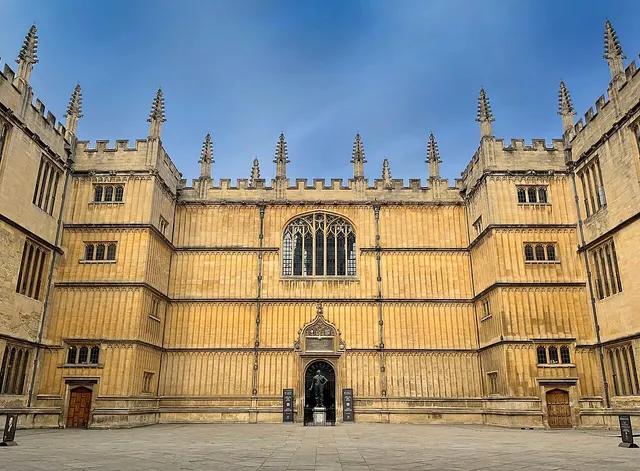
The Old Schools Quadrangle of the Bodleian Library, Oxford.
Image creditHoncques Laus · CC0Resized and cropped for display.

The Bodleian Library opens in Oxford

Oxford University’s old library had been stripped of its books in the 16th century. The scholar and diplomat Sir Thomas Bodley offered to restore it at his own expense, and after refitting the room and gathering about 2,500 books, some of them his own, the library opened on 8 November 1602 (Julian calendar), with Thomas James as its first librarian.

In 1610 Bodley agreed with the Stationers’ Company of London that the library would receive a copy of every book registered by its members, the forerunner of today’s legal deposit. The Bodleian is now one of the largest libraries in Britain.

Read the full storyHistory & Timeline →Source: Bodleian Libraries, University of Oxford: History of the Bodleian ↗
✦
LIVES REMEMBERED

Remembered Today

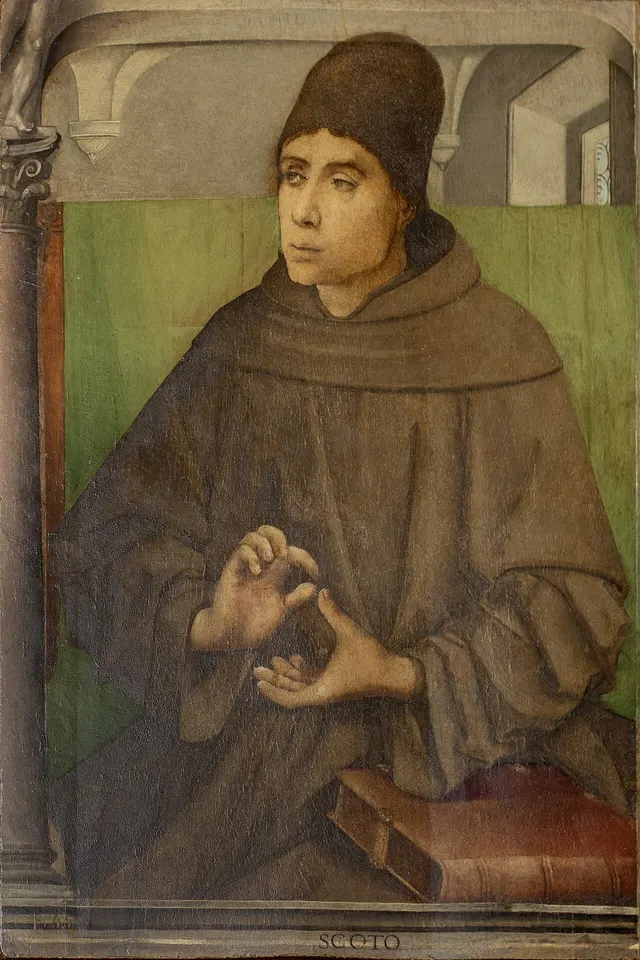
John Duns Scotus
Image creditJustus van Gent / Pedro Berruguete · Public domainResized and cropped for display.

John Duns Scotus

Scottish Franciscan philosopher and theologian, one of the most influential thinkers of the Middle Ages. His death is recorded under the Julian calendar.

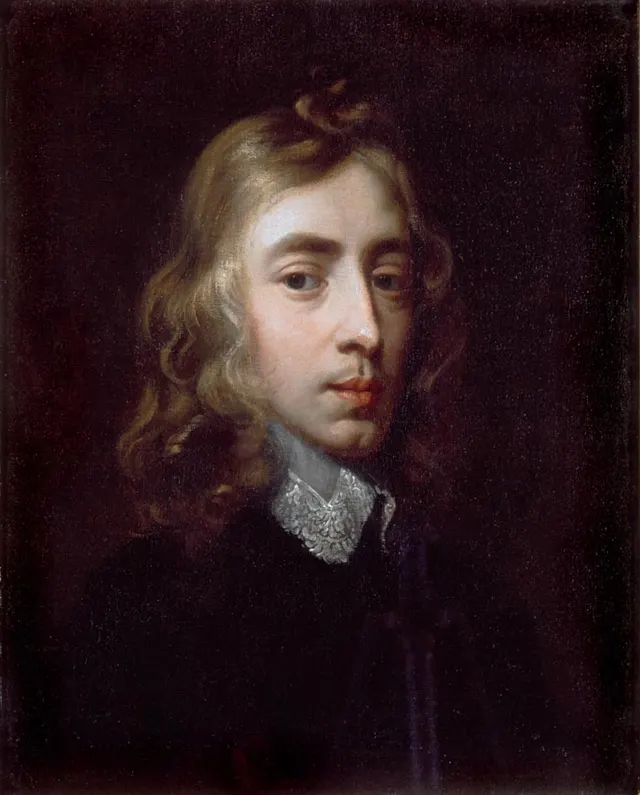
John Milton
Image creditMary Beale or Peter Lely · Public domainResized and cropped for display.

John Milton

English poet and pamphleteer, the author of Paradise Lost. His death is recorded under the Julian calendar then used in England.

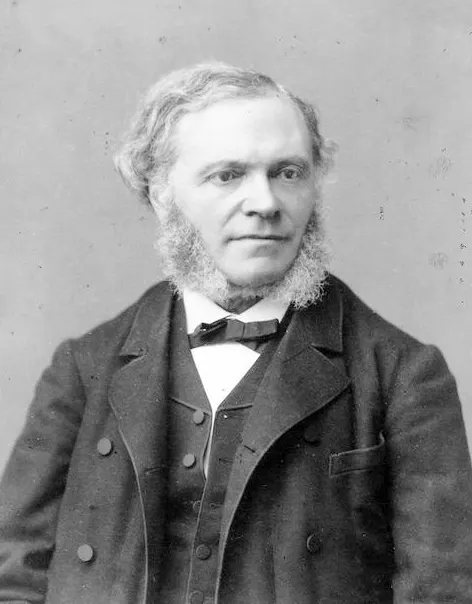
César Franck
Image creditPierre Petit · Public domainResized and cropped for display.

César Franck

Belgian-born French composer and organist, known for his Symphony in D minor.

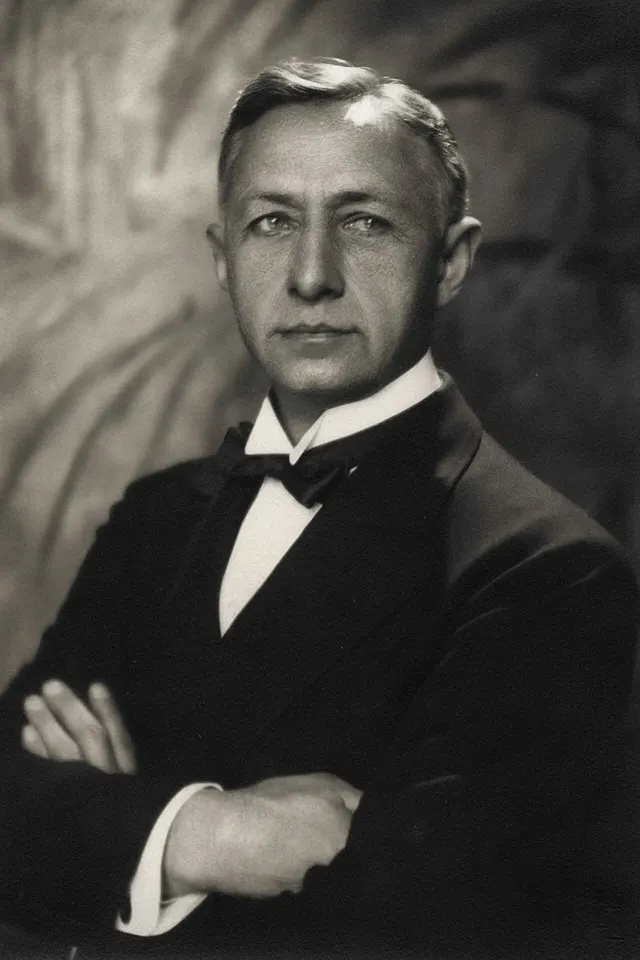
Ivan Bunin
Image creditUnknown authorUnknown author · CC BY 4.0Resized and cropped for display.

Ivan Bunin

Russian writer who in 1933 became the first Russian to win the Nobel Prize in Literature.

Vyacheslav Molotov
Image creditG. Weil for TASS · Public domainResized and cropped for display.

Vyacheslav Molotov

Soviet foreign minister under Stalin, who signed the Nazi-Soviet pact of 1939.

HISTORY & TIMELINE

Finished the highlights?

Follow 8 November chronologically, from the Middle Ages to the modern day, with 11 verified events and the sources behind them.

This day through time →