Explore 11 December

Explore 11 December: the United Nations sets up UNICEF, a king gives up a throne, China walks into the world trading system and the last two men to walk on the Moon touch down. Meet Robert Koch, Naguib Mahfouz and Hector Berlioz, born on this date.

This day through time →11 verified events across 4 eras

A UNICEF School-in-a-Box kit, one of the standard supply packages sent to emergencies.
Image creditheb@Wikimedia Commons (mail) · CC BY-SA 3.0Resized and cropped for display.

The United Nations creates UNICEF

On 11 December 1946 the United Nations General Assembly created the United Nations International Children’s Emergency Fund, to feed and treat children and mothers in the countries wrecked by the Second World War. It was meant to be temporary.

In 1950 its mandate was widened to the long-term needs of children and women in developing countries, and in 1953 it became a permanent part of the United Nations. The words ‘international’ and ‘emergency’ were dropped from the name, but nobody wanted to give up the acronym, so UNICEF it stayed.

Read the full storyHistory & Timeline →Source: UNICEF: our history ↗
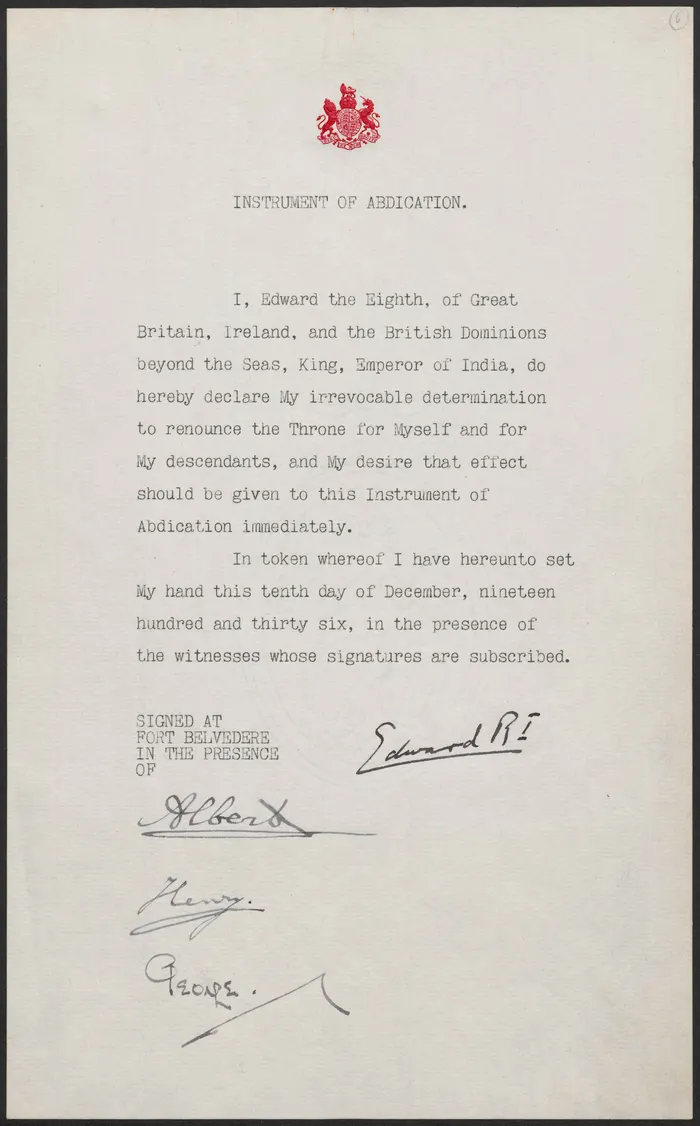
The Instrument of Abdication, signed by Edward VIII on 10 December 1936.
Image creditEdward VIII · Public domainResized and cropped for display.

Edward VIII gives up the throne

Edward VIII’s abdication took legal effect on 11 December 1936, when he gave royal assent to His Majesty’s Declaration of Abdication Act. Parliament had endorsed the Instrument of Abdication he had signed the day before at Fort Belvedere, witnessed by his three brothers; the Act excluded him and any children he might have from the succession. His brother Albert became George VI.

That evening the former king broadcast from Windsor Castle, telling listeners he had found it impossible to carry the burden of responsibility without the help of the woman he loved. He had reigned for 326 days and was never crowned. He married Wallis Simpson in France the following June.

Read the full storyHistory & Timeline →Source: The Royal Family: Edward VIII (Jan-Dec 1936) ↗
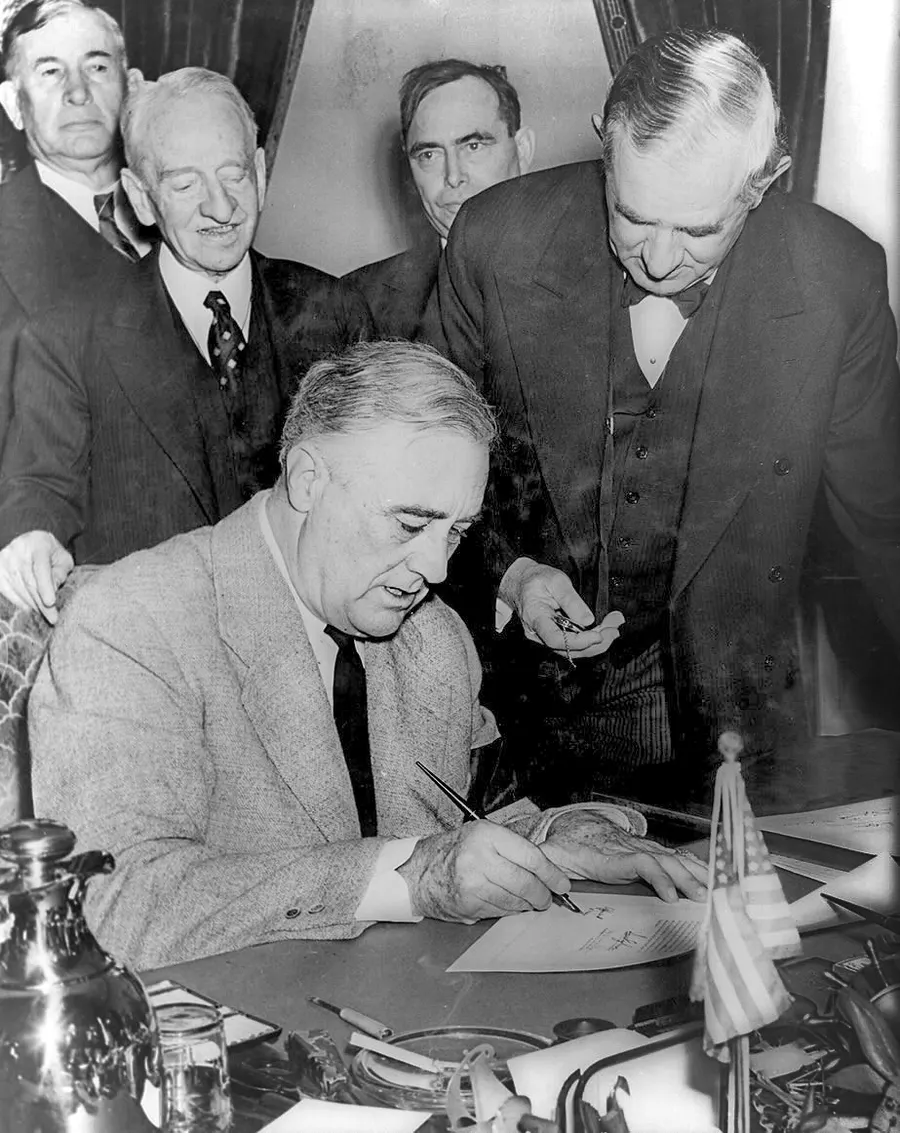
President Franklin Roosevelt signing the declaration of war against Germany on 11 December 1941.
Image creditFarm Security Administration/Office of War Information · Public domainResized and cropped for display.

Germany and Italy declare war on the United States

Four days after Pearl Harbor, on the morning of 11 December 1941, the German foreign minister Joachim von Ribbentrop handed a declaration of war to the American chargé d’affaires in Berlin. Hitler told the Reichstag, sitting in the Kroll Opera House, that he was acting under the Tripartite Pact signed with Japan and Italy in 1940. Mussolini declared war the same day.

Until then the United States had been fighting only Japan, and Roosevelt had faced strong resistance to entering the European war. Congress voted almost unanimously the same day, and a regional Pacific conflict became a single global one.

Read the full storyHistory & Timeline →Source: The National WWII Museum: Hitler’s declaration of war on the United States ↗
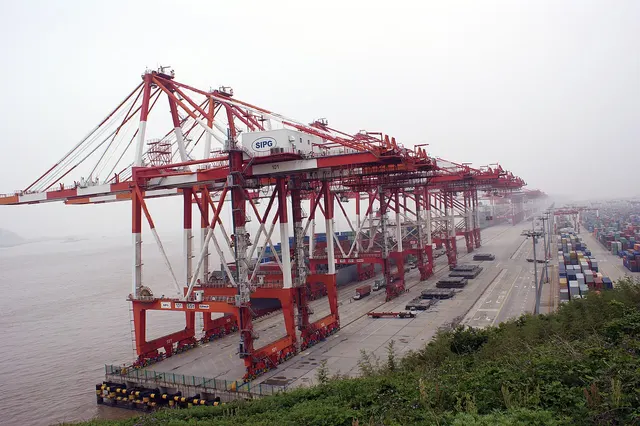
Container cranes at the port of Shanghai.
Image creditBruno Corpet (Quoique) · CC BY-SA 3.0Resized and cropped for display.

China joins the World Trade Organization

China became the 143rd member of the World Trade Organization on 11 December 2001, after fifteen years of negotiation — the longest accession talks in the history of the system. Average tariffs on manufactured goods came down from about 14.8 per cent, and large parts of the service economy were opened to foreign firms.

The effects were hard to overstate. Over the following two decades China moved from the sixth to the second largest economy in the world, and the shape of global manufacturing changed with it.

Read the full storyHistory & Timeline →Source: World Trade Organization: accessions — China ↗
♙
PEOPLE

Born Today

Robert Koch
Image creditUnknown authorUnknown author · Public domainResized and cropped for display.

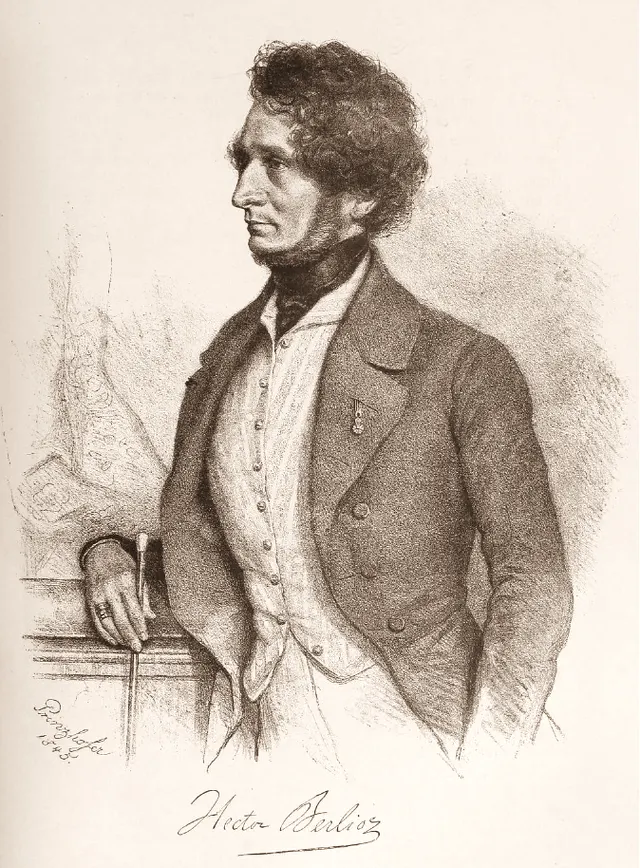
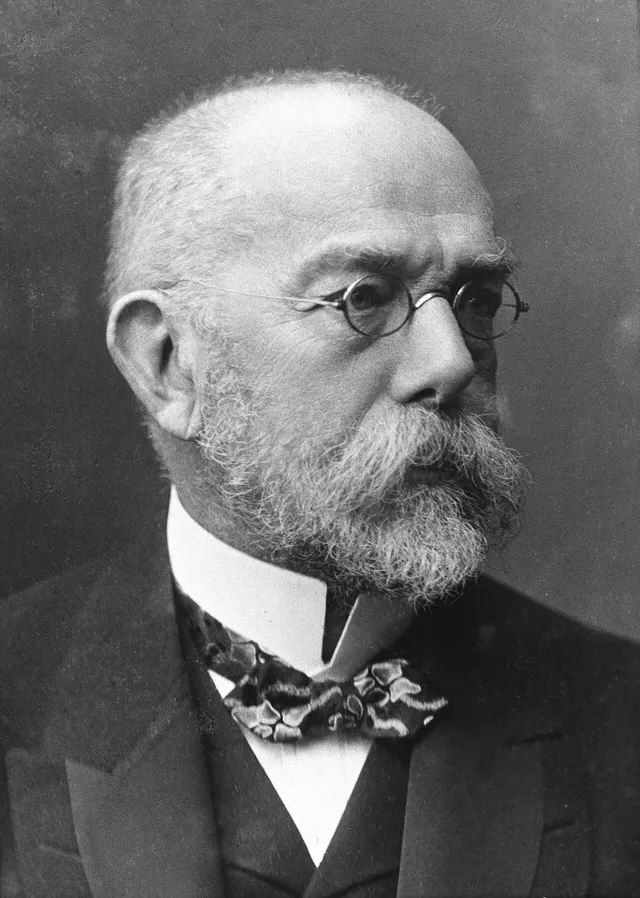
Robert Koch

German physician who identified the bacteria behind anthrax, tuberculosis and cholera, and won the 1905 Nobel Prize.

Max Born
Image creditUnknown · Public domainResized and cropped for display.

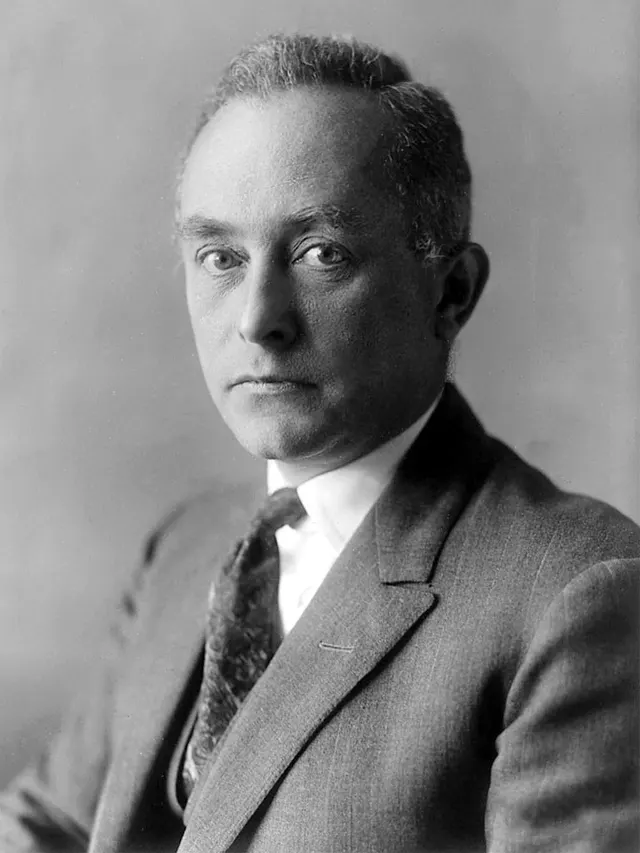
Max Born

German physicist whose statistical reading of the wave function won him the 1954 Nobel Prize in Physics.

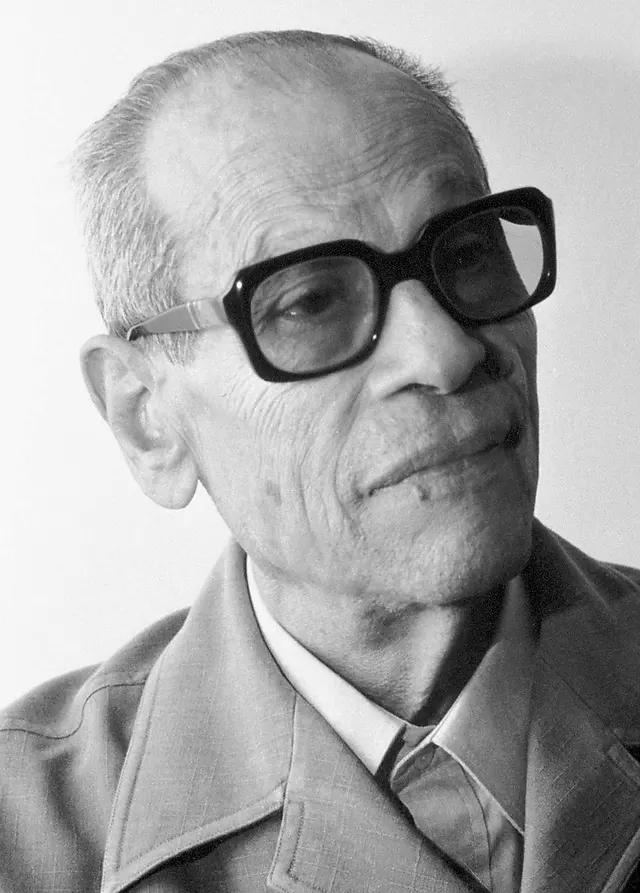
Naguib Mahfouz
Image creditUnknown authorUnknown author · Public domainResized and cropped for display.

Naguib Mahfouz

Egyptian novelist of the Cairo Trilogy and the first Arabic-language writer to win the Nobel Prize in Literature.

Aleksandr Solzhenitsyn
Image creditBert Verhoeff for Anefo · CC0Resized and cropped for display.

Aleksandr Solzhenitsyn

Russian writer whose accounts of the Soviet camps, from One Day in the Life of Ivan Denisovich to The Gulag Archipelago, got him expelled from his country.

Rita Moreno
Image creditPhilipRomanoPhoto · CC BY-SA 4.0Resized and cropped for display.

Rita Moreno

Puerto Rican actress, singer and dancer, and one of the few performers to have won an Oscar, an Emmy, a Grammy and a Tony.

Viswanathan Anand
Image creditWolfgang Jekel · CC BY 2.0Resized and cropped for display.

Viswanathan Anand

Indian chess grandmaster and world champion, the first from India to hold the title.

◉
IDEAS THAT CHANGED THINGS

Firsts, Science & Discoveries

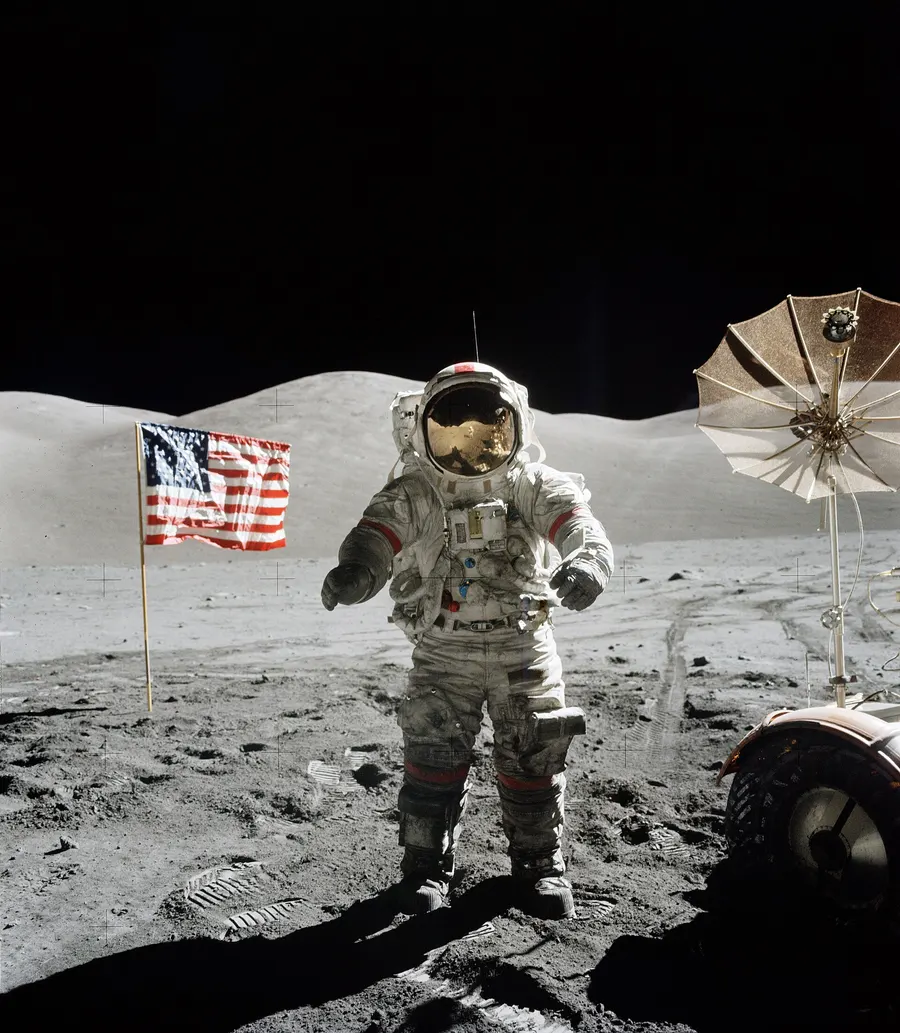
Eugene Cernan beside the flag at the Taurus-Littrow landing site, with the lunar rover behind him.
Image creditHarrison Schmitt / Apollo 17 · Public domainResized and cropped for display.

The last landing on the Moon

The lunar module Challenger touched down in the Taurus-Littrow valley on 11 December 1972, carrying Eugene Cernan and Harrison Schmitt — the only professional geologist ever to reach the Moon. Ronald Evans stayed in orbit aboard the command module America.

Over three days the two men spent twenty-two hours outside, drove the rover some thirty-six kilometres and brought back 110 kilograms of rock and soil, including the orange volcanic glass Schmitt spotted at Shorty crater. They lifted off on 14 December. Nobody has walked on the Moon since.

Read the full storyHistory & Timeline →Source: NASA: 50 years ago, Apollo 17 lands at Taurus-Littrow ↗
✦
LIVES REMEMBERED

Remembered Today

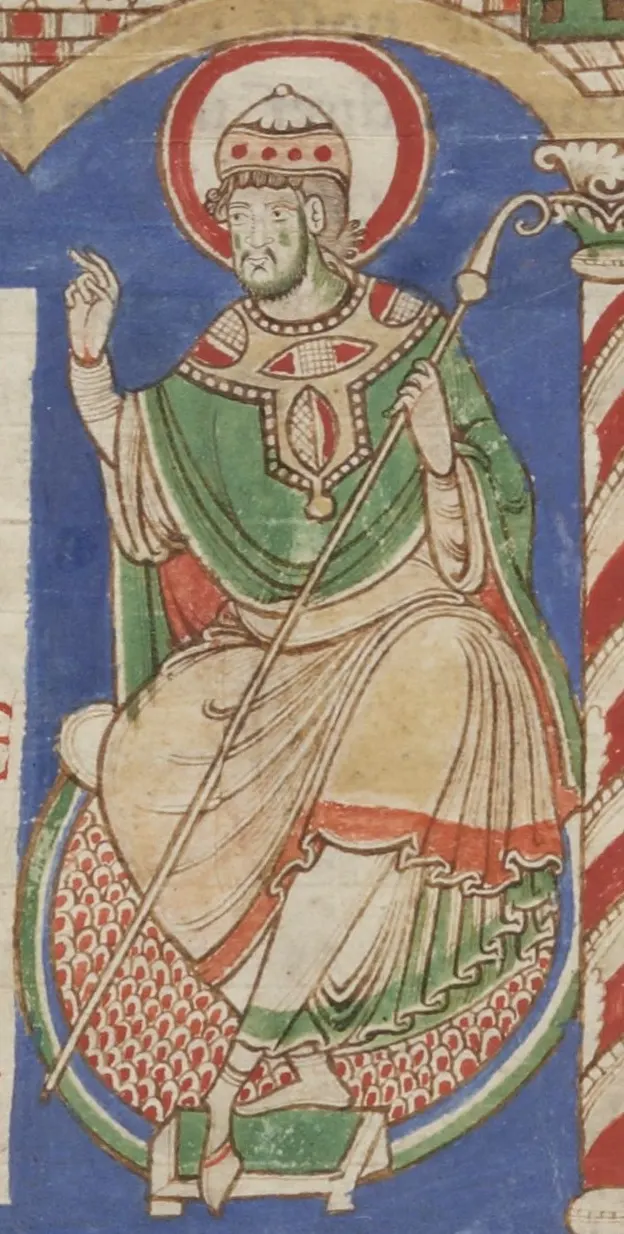
Pope Damasus I
Image creditUnknown authorUnknown author · Public domainResized and cropped for display.

Pope Damasus I

Pope who commissioned Jerome’s Latin translation of the Bible and promoted the cult of the Roman martyrs.

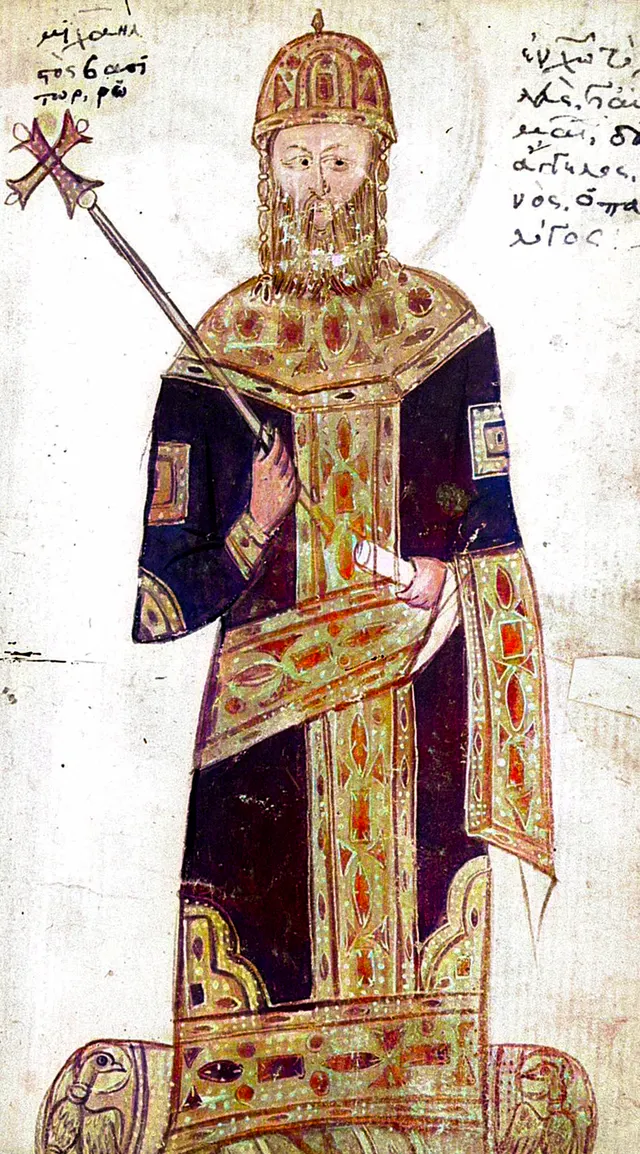
Michael VIII Palaiologos
Image creditGeorge Pachymeres · Public domainResized and cropped for display.

Michael VIII Palaiologos

Byzantine emperor who recovered Constantinople from the Latins in 1261 and founded the Palaiologan dynasty.

Emperor Kōkaku
Image creditToyooka Harusuke · Public domainResized and cropped for display.

Emperor Kōkaku

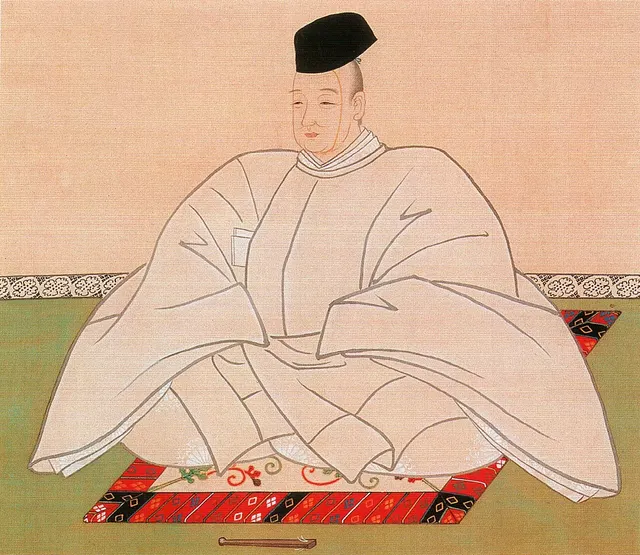
Emperor of Japan from 1780 to 1817, and the last to abdicate until Akihito in 2019.

Sam Cooke
Image creditRCA Victor Records · Public domainResized and cropped for display.

Sam Cooke

American singer and songwriter, a founder of soul music, shot dead in Los Angeles at thirty-three.

Ravi Shankar
Image creditMarkgoff2972 · CC BY-SA 4.0Resized and cropped for display.

Ravi Shankar

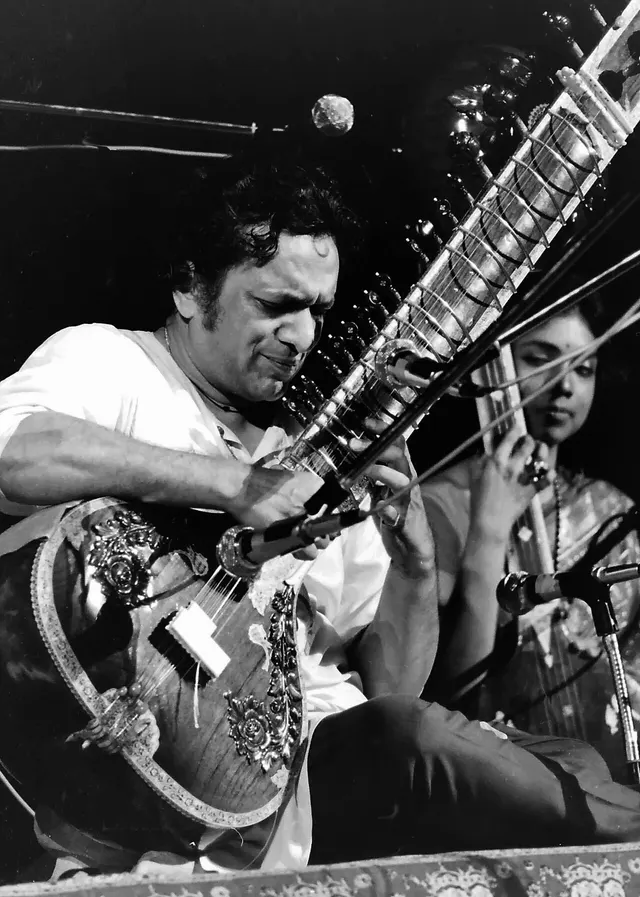
Indian sitar player and composer who brought Hindustani classical music to audiences around the world.

☉
AROUND THE WORLD

Observances & Anniversaries

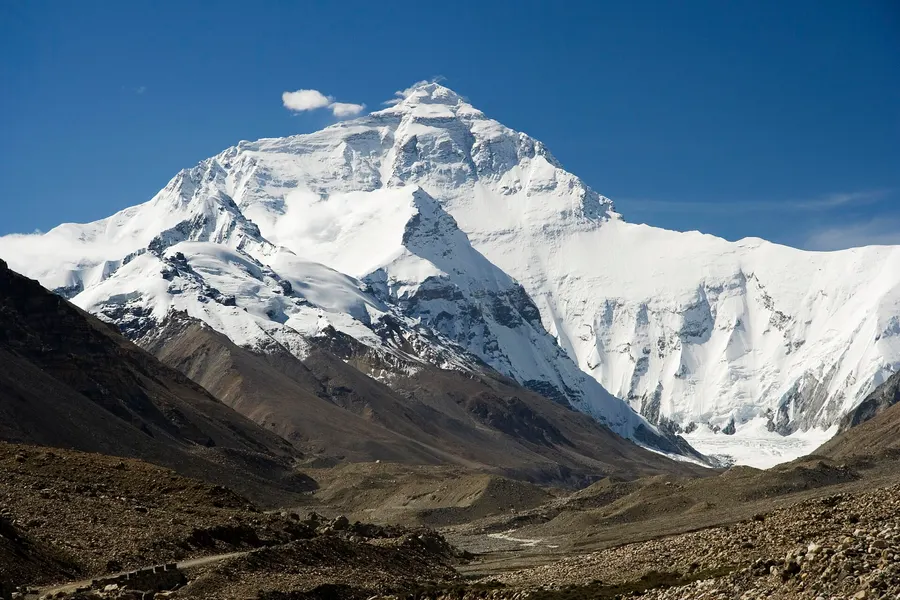
The north face of Everest, seen from the Tibetan side.
Image creditLuca Galuzzi (Lucag) · CC BY-SA 2.5Resized and cropped for display.

International Mountain Day

The United Nations General Assembly named 11 December International Mountain Day, observed every year since 2003 and coordinated by the Food and Agriculture Organization. Mountains cover about a quarter of the world’s land, hold most of its fresh water and are home to roughly one person in ten; the day is used to press the case for the communities who live in them and the ecosystems they depend on.

Source: United Nations: International Mountain Day ↗
HISTORY & TIMELINE

Finished the highlights?

Follow 11 December chronologically, from the Middle Ages to the modern day, with 11 verified events and the sources behind them.

This day through time →