Explore 15 December

Explore 15 December: Virginia makes the Bill of Rights law, a Soviet capsule survives the surface of Venus, a court in Jerusalem sentences Adolf Eichmann and Atlanta turns out for Gone with the Wind. Meet Gustave Eiffel, Henri Becquerel and Oscar Niemeyer, born on this date.

This day through time →11 verified events across 5 eras

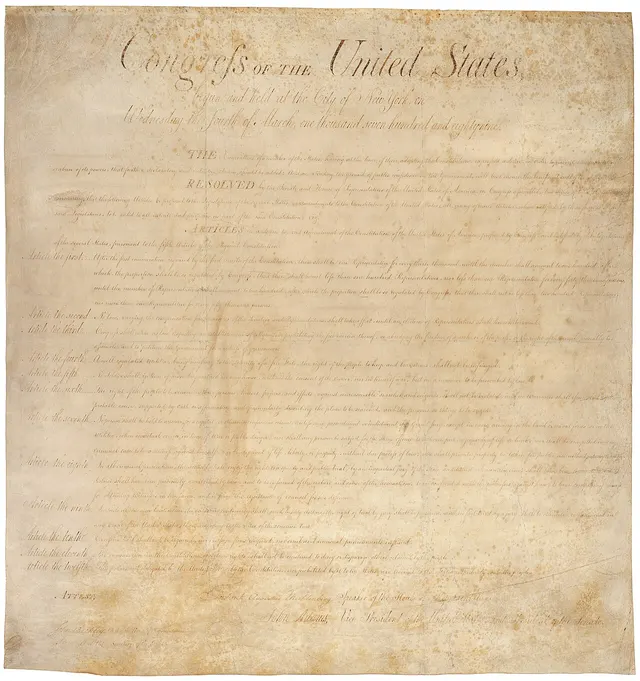
The United States Bill of Rights, as ratified.
Image creditNational Archives and Records Administration. Office of the Federal Register. 4/1/1985 · Public domainResized and cropped for display.

The Bill of Rights becomes law

When Virginia ratified on 15 December 1791 it became the eleventh state to do so, and ten of the twelve amendments Congress had sent out two years earlier reached the three-quarters needed to enter the United States Constitution. They are the Bill of Rights: free speech, religion, assembly and the press; the right to bear arms; protection against unreasonable search, self-incrimination and cruel punishment; trial by jury.

The two that failed concerned the size of congressional districts and the pay of members of Congress. The second of them was finally ratified in 1992, 203 years after it was proposed, as the Twenty-seventh Amendment.

Read the full storyHistory & Timeline →Source: US National Archives: Bill of Rights (1791) ↗
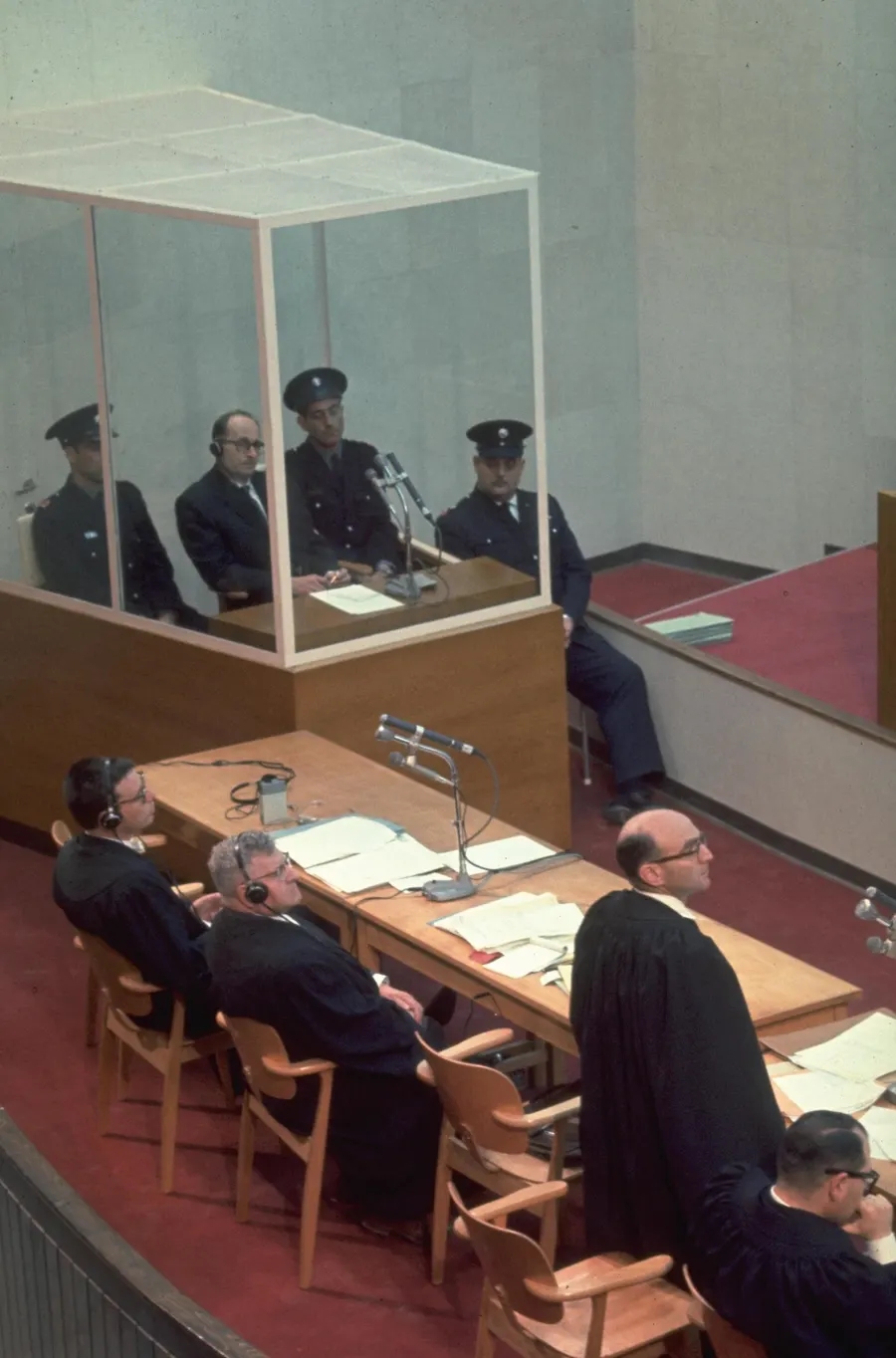
The courtroom in Jerusalem, with the bullet-proof glass booth built for the defendant.
Image creditMilli John · Public domainResized and cropped for display.

Eichmann is sentenced to death in Jerusalem

A special tribunal of the Jerusalem District Court sentenced Adolf Eichmann to death on 15 December 1961. He had been found guilty three days earlier of crimes against the Jewish people, crimes against humanity and war crimes for his part in organising the deportation of Jews to the extermination camps. Israeli agents had seized him in Argentina in 1960.

More than a hundred survivors gave evidence over four months, much of it broadcast; for many people it was the first sustained public account of the Holocaust. Eichmann was hanged on 1 June 1962 — the only judicial execution Israel has ever carried out.

Read the full storyHistory & Timeline →Source: United States Holocaust Memorial Museum: the Eichmann trial ↗
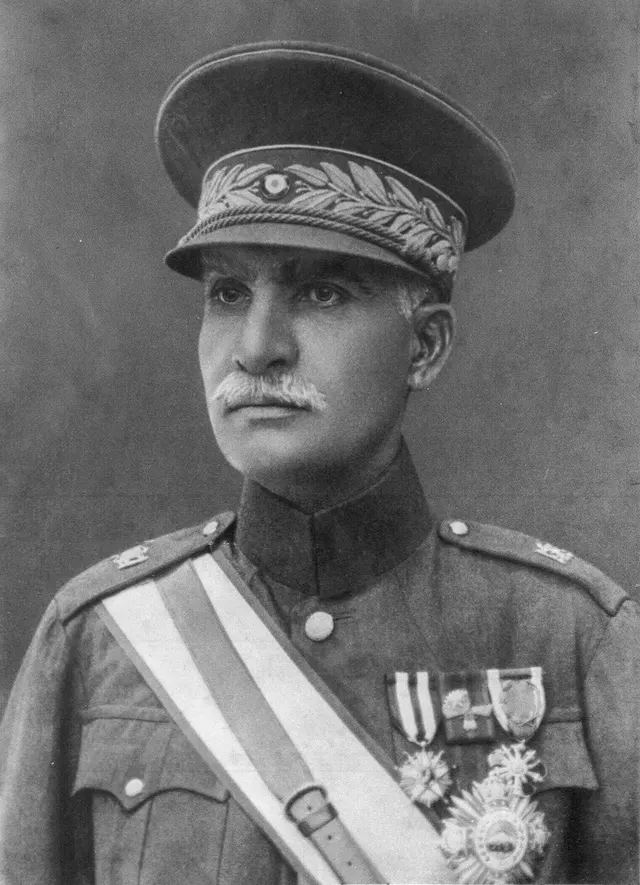
Reza Shah Pahlavi.
Reza Shah Pahlavi.
Image creditUnknown authorUnknown author · Public domainResized and cropped for display.

Reza Khan founds the Pahlavi dynasty

Reza Khan, the Cossack officer who had seized power in a coup in 1921 and become prime minister in 1923, took the oath of office as Shah of Iran on 15 December 1925. The Majlis had voted on 31 October to depose the last Qajar ruler, and a constituent assembly amended the constitution in December to give the throne to Reza and his heirs. He was crowned the following April.

As Reza Shah he pushed through railways, schools, a modern army and a legal code, banned the veil and required Western dress. In 1941 British and Soviet forces occupied the country and made him abdicate in favour of his son.

Read the full storyHistory & Timeline →Source: Encyclopaedia Britannica: Reza Shah Pahlavi ↗
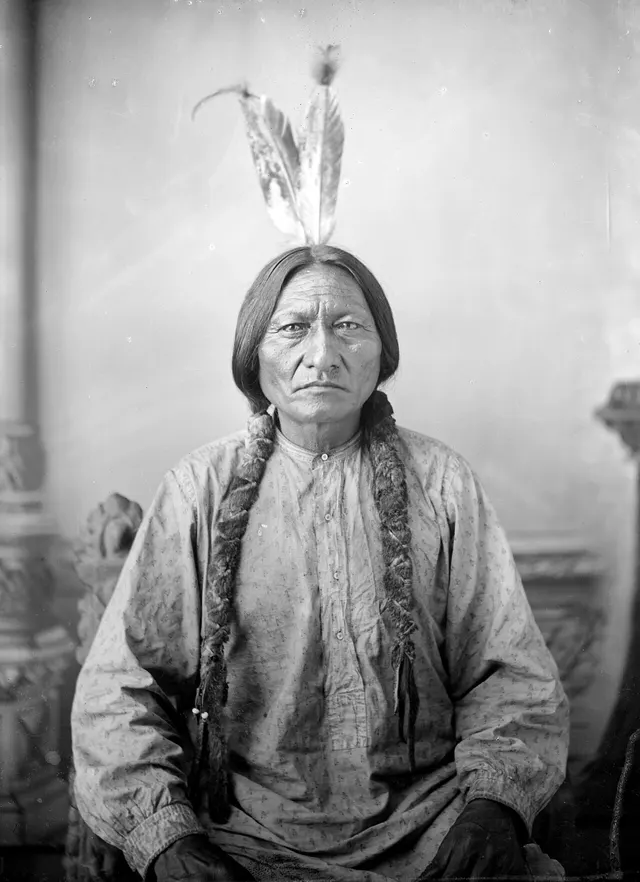
Sitting Bull, photographed by David F. Barry.
Image creditDavid F. Barry, Photographer, Bismarck, Dakota Territory · Public domainResized and cropped for display.

Sitting Bull is killed at Standing Rock

Before dawn on 15 December 1890, reservation police sent by the agent James McLaughlin came to arrest Sitting Bull at his cabin on the Grand River, on the Standing Rock reservation. McLaughlin wanted him held for allowing the Ghost Dance movement to spread. His supporters gathered, shooting began, and Sitting Bull and his son Crow Foot were killed along with six others and six policemen.

He was the Hunkpapa Lakota leader who had held the coalition together at the Little Bighorn in 1876. Two weeks after his death the Seventh Cavalry killed some 250 Lakota at Wounded Knee.

Read the full storyHistory & Timeline →Source: Encyclopaedia Britannica: Sitting Bull ↗
♙
PEOPLE

Born Today

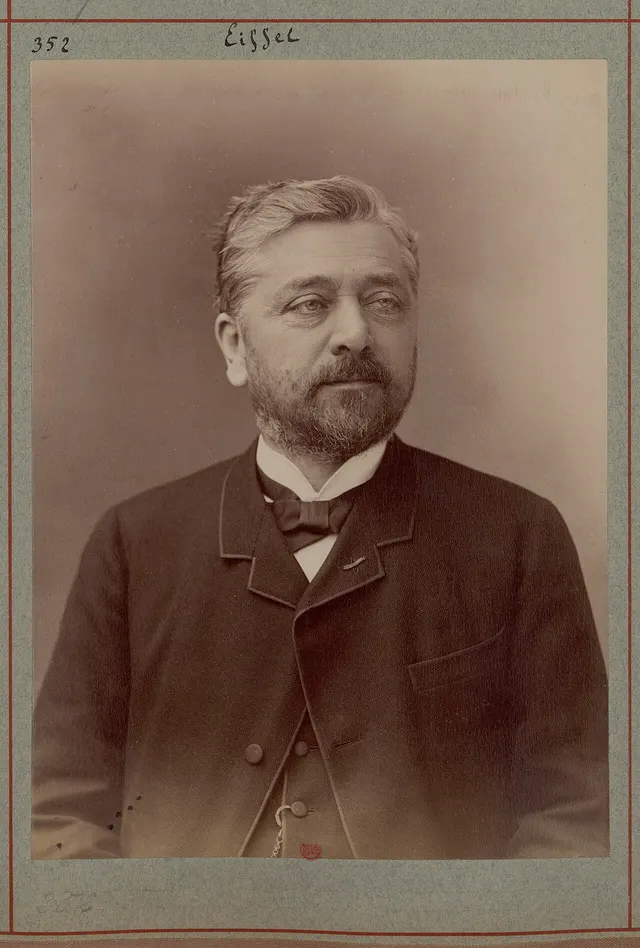
Gustave Eiffel
Image creditNadar · Public domainResized and cropped for display.

Gustave Eiffel

French engineer whose firm built the tower in Paris that bears his name, and the iron frame inside the Statue of Liberty.

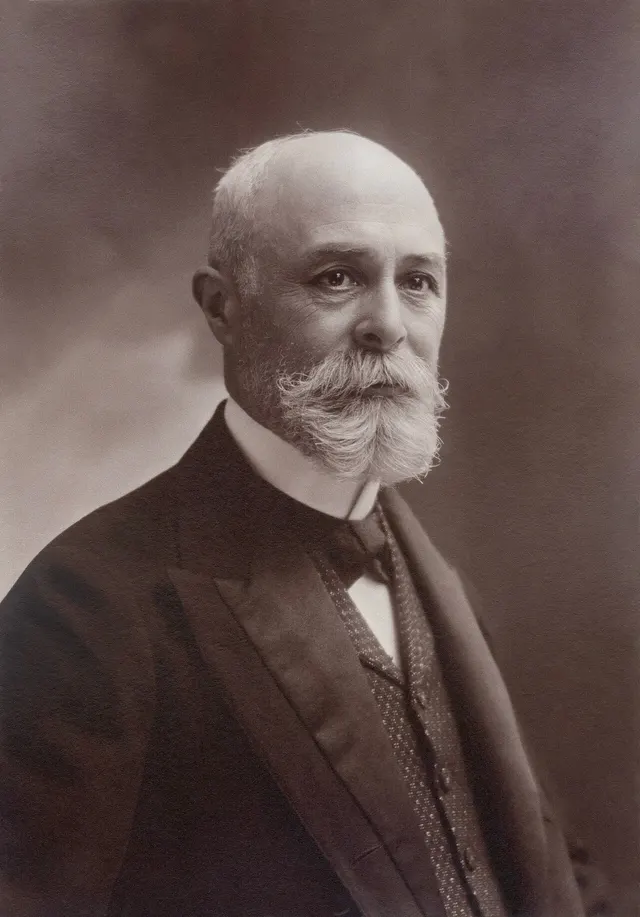
Henri Becquerel
Image creditPaul Nadar / Adam Cuerden · Public domainResized and cropped for display.

Henri Becquerel

French physicist who discovered radioactivity and shared the 1903 Nobel Prize with the Curies.

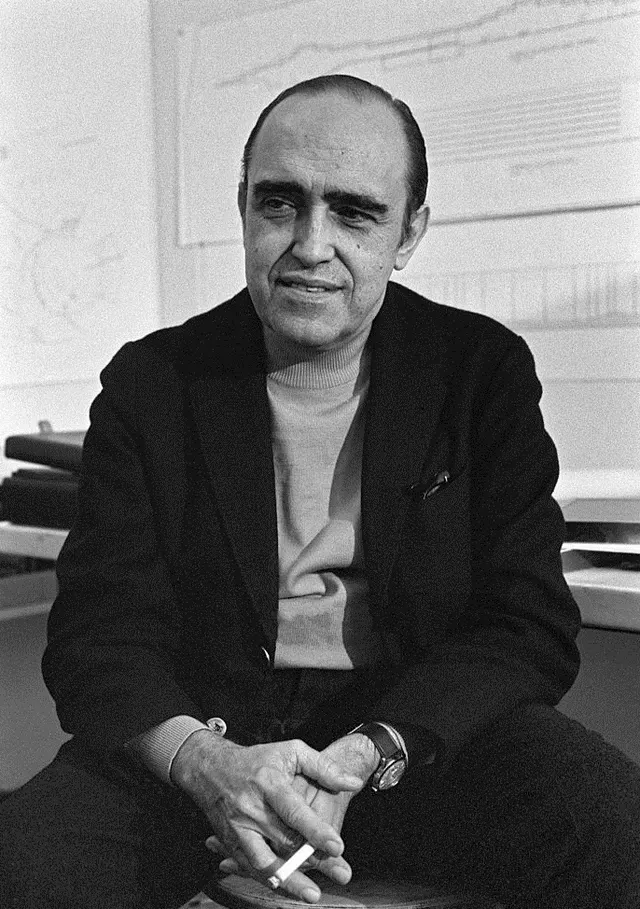
Oscar Niemeyer
Image creditUnknown (Mondadori Publishers) · Public domainResized and cropped for display.

Oscar Niemeyer

Brazilian architect of the curved concrete buildings of Brasília, who worked past his hundredth birthday.

Freeman Dyson
Image creditioerror · CC BY-SA 2.0Resized and cropped for display.

Freeman Dyson

English-American physicist and mathematician who unified the competing versions of quantum electrodynamics.

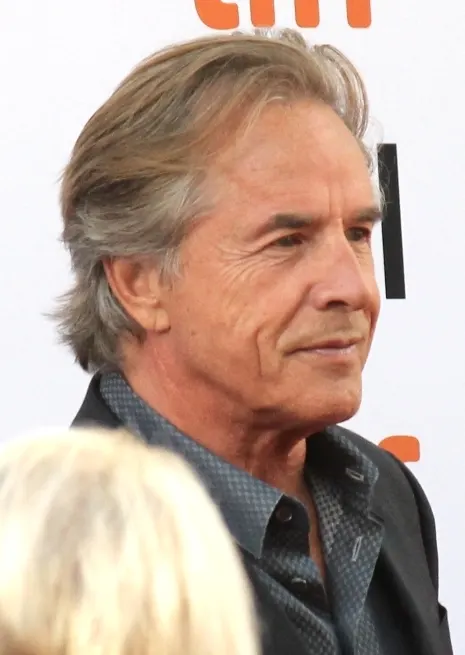
Don Johnson
Image creditPeter Kudlacz · CC BY 2.0Resized and cropped for display.

Don Johnson

American actor, best known for Miami Vice.

Keylor Navas
Image creditАнтон Зайцев · CC BY-SA 3.0Resized and cropped for display.

Keylor Navas

Costa Rican goalkeeper, three times a Champions League winner with Real Madrid.

◉
IDEAS THAT CHANGED THINGS

Firsts, Science & Discoveries

A Venera descent capsule on display.
Image creditEmerezhko · CC BY-SA 4.0Resized and cropped for display.

Venera 7 lands on Venus

The Soviet probe Venera 7 entered the atmosphere of Venus on 15 December 1970 and reached the surface — the first spacecraft to land on another planet and send data home. Its parachute had partly failed and it hit hard, and for a while the mission was thought to have ended there.

Re-analysis of the tape showed a faint signal continuing for another twenty-three minutes. It reported a surface temperature around 475°C and a pressure ninety times that on Earth: conditions that killed every lander sent after it within hours.

Read the full storyHistory & Timeline →Source: NASA Space Science Data Coordinated Archive: Venera 7 ↗
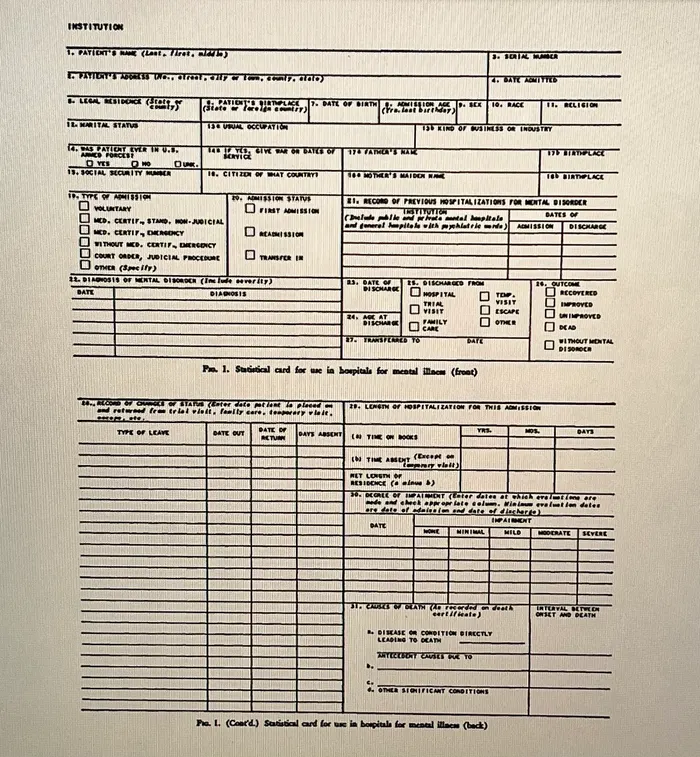
A statistical card of the kind once used to record diagnoses in mental hospitals.
Image creditBobAllen1357 · CC BY-SA 4.0Resized and cropped for display.

Homosexuality is removed from the American psychiatric manual

On 15 December 1973 the board of the American Psychiatric Association voted to strike homosexuality from the Diagnostic and Statistical Manual of Mental Disorders. There had been no evidence for the illness model, and years of pressure from gay activists and from psychiatrists inside the association, led by Robert Spitzer, had made the argument impossible to avoid.

Members who objected forced a referendum; the decision was upheld in April 1974. The American Psychological Association endorsed it in 1975, and the World Health Organization followed only in 1990.

Read the full storyHistory & Timeline →Source: National Institutes of Health, PMC: Out of DSM — depathologizing homosexuality ↗
♫
MUSIC • FILM • BOOKS • CULTURE

Culture Stories

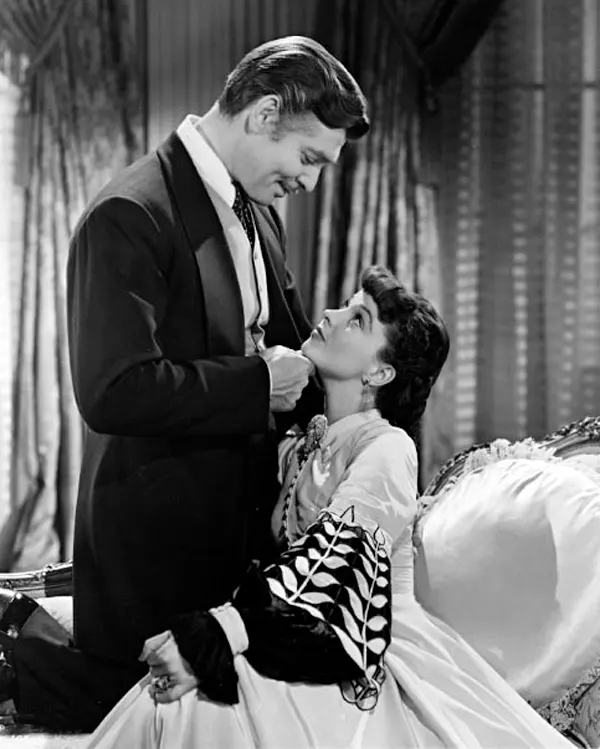
Clark Gable and Vivien Leigh in a publicity still for Gone with the Wind.
Image creditSelznick International Pictures; Fred Parrish, photographer · Public domainResized and cropped for display.

Gone with the Wind opens in Atlanta

Gone with the Wind had its premiere at Loew’s Grand Theatre in Atlanta on 15 December 1939. The mayor declared a public holiday, the front of the cinema was dressed as a plantation house and 18,000 people filled the street outside. Clark Gable and Vivien Leigh were there, and walked Margaret Mitchell onto the stage.

Hattie McDaniel, who two months later became the first African American to win an Academy Award, was not invited: Georgia’s segregation laws kept the Black members of the cast away from their own premiere. Adjusted for inflation, the film has still made more money than any other.

Read the full storyHistory & Timeline →Source: New Georgia Encyclopedia: Gone With the Wind premiere ↗
✦
LIVES REMEMBERED

Remembered Today

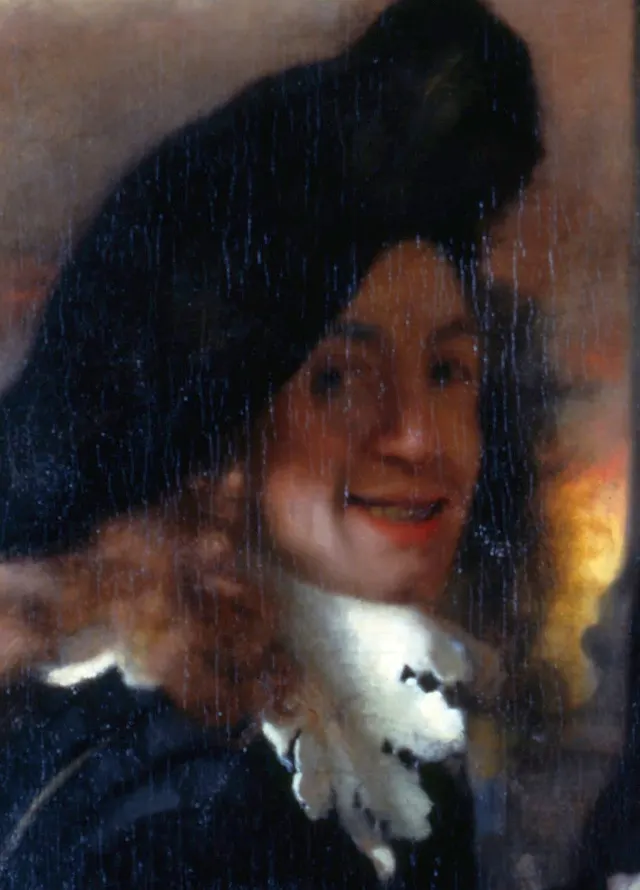
Johannes Vermeer
Image creditJohannes Vermeer · Public domainResized and cropped for display.

Johannes Vermeer

Dutch painter of quiet interiors, who left about thirty-five pictures and died in debt at forty-three.

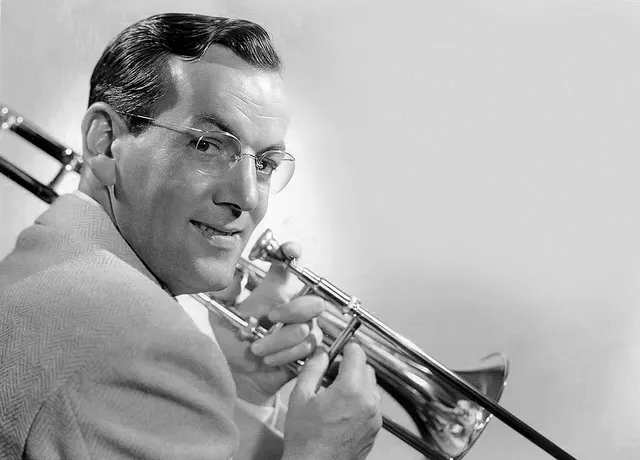
Glenn Miller
Image creditUnknown authorUnknown author · Public domainResized and cropped for display.

Glenn Miller

American bandleader whose aircraft disappeared over the Channel on his way to play for troops in Paris.

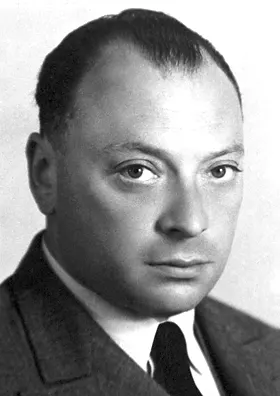
Wolfgang Pauli
Image creditNobel foundation · Public domainResized and cropped for display.

Wolfgang Pauli

Austrian physicist who formulated the exclusion principle and predicted the neutrino.

Charles Laughton
Image creditClarence Sinclair Bull · Public domainResized and cropped for display.

Charles Laughton

British-American actor and director, an Oscar winner for The Private Life of Henry VIII.

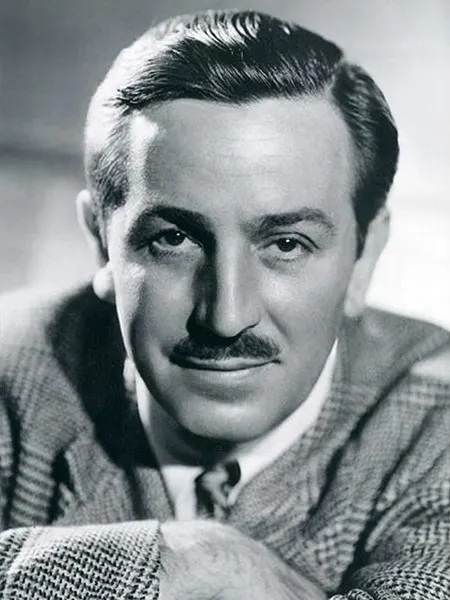
Walt Disney
Image creditBoy Scouts of America · Public domainResized and cropped for display.

Walt Disney

American animator and producer who created Mickey Mouse and built the studio and the theme parks.

☉
AROUND THE WORLD

Observances & Anniversaries

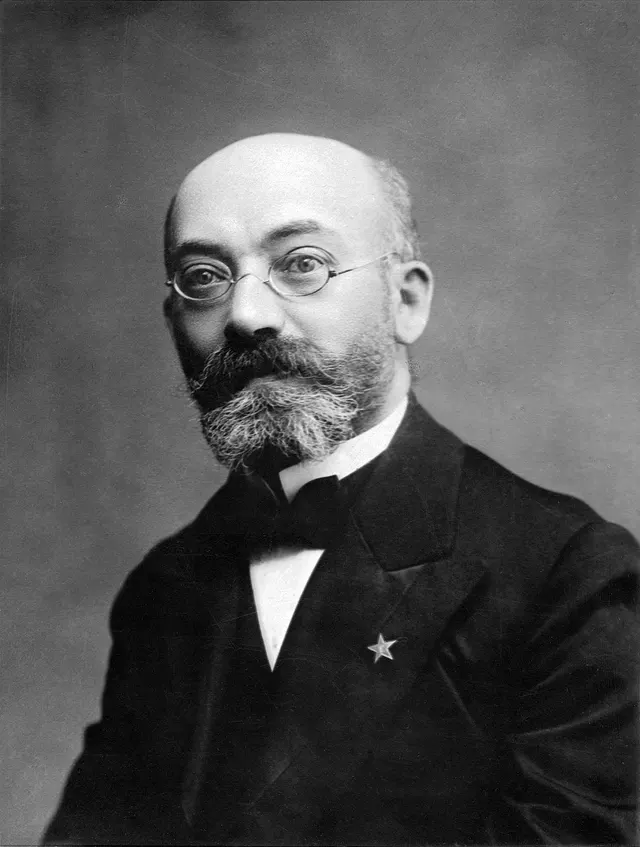
L. L. Zamenhof, who published the first Esperanto grammar in 1887.
Image creditUnknown authorUnknown author · Public domainResized and cropped for display.

Zamenhof Day

Esperanto speakers keep 15 December as Zamenhof Day, the birthday of Ludwik Lejzer Zamenhof, the Białystok eye doctor who published the first grammar of the language in 1887 under the pen name Doktoro Esperanto — ‘one who hopes’. He grew up in a town where Poles, Jews, Germans and Russians lived side by side and mostly failed to understand each other, and built a language he hoped would be nobody’s and everybody’s. It is still spoken, by perhaps a hundred thousand people worldwide.

Source: Encyclopaedia Britannica: L. L. Zamenhof ↗
HISTORY & TIMELINE

Finished the highlights?

Follow 15 December chronologically, from the Middle Ages to the modern day, with 11 verified events and the sources behind them.

This day through time →