Explore 16 December

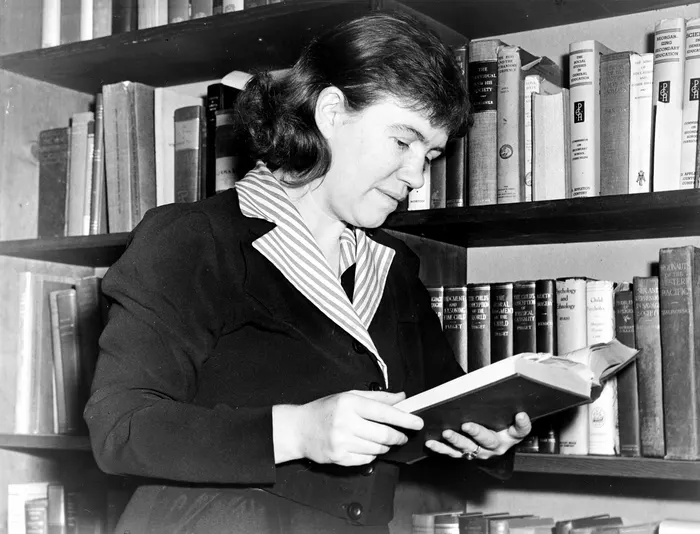
Explore 16 December: tea goes into Boston harbour, Pakistan’s army surrenders in Dhaka, German tanks come through the Ardennes and a crowd in Timișoara refuses to go home. Meet Jane Austen, Margaret Mead and Arthur C. Clarke, born on this date.

This day through time →10 verified events across 4 eras

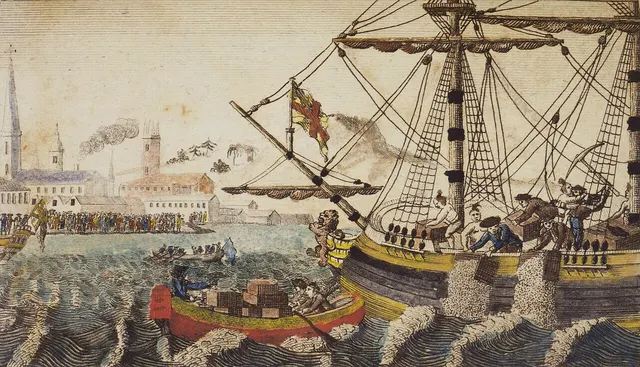
A nineteenth-century print of the destruction of the tea in Boston harbour.
Image creditOriginal uploader was Cornischong at lb.wikipedia · Public domainResized and cropped for display.

The Boston Tea Party

On the night of 16 December 1773, after a mass meeting at the Old South Meeting House at which the governor refused to let the tea ships leave without unloading, between thirty and sixty men in rough disguise walked down to Griffin’s Wharf. Over about three hours they broke open 340 chests aboard the Dartmouth, Eleanor and Beaver and tipped some 90,000 pounds of East India Company tea into the harbour.

Nothing else was damaged and nobody was hurt. Parliament’s answer was the Coercive Acts of 1774, closing the port of Boston and stripping Massachusetts of self-government; the colonies called them the Intolerable Acts, and the first Continental Congress met that September.

Read the full storyHistory & Timeline →Source: Massachusetts Historical Society: collections relating to the Boston Tea Party ↗
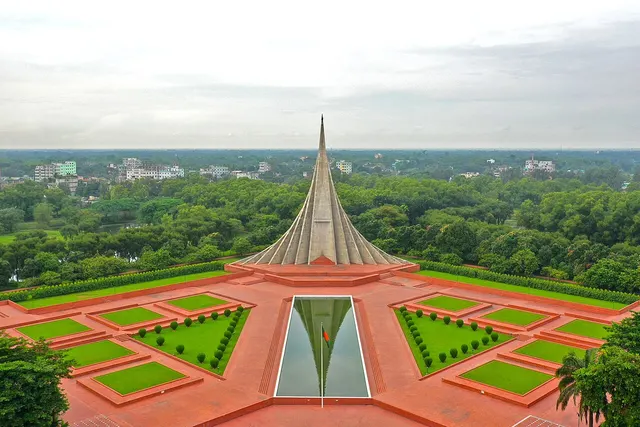
The National Martyrs' Memorial at Savar, outside Dhaka.
The National Martyrs’ Memorial at Savar, outside Dhaka.
Image creditPinu Rahman · CC BY-SA 4.0Resized and cropped for display.

Pakistan surrenders at Dhaka and Bangladesh is free

The Pakistani commander in the east, Lieutenant General A. A. K. Niazi, signed the instrument of surrender at the Ramna Race Course in Dhaka on 16 December 1971, handing over some 90,000 men to the joint command of Bangladeshi and Indian forces. Nine months of war ended that afternoon.

It had begun on 25 March with Operation Searchlight, the Pakistani army’s attempt to crush the Bengali independence movement by force; millions fled into India. The date is kept in Bangladesh as Bijoy Dibosh, Victory Day, and in India as Vijay Diwas.

Read the full storyHistory & Timeline →Source: The National Archives (UK): the independence of Bangladesh in 1971 ↗
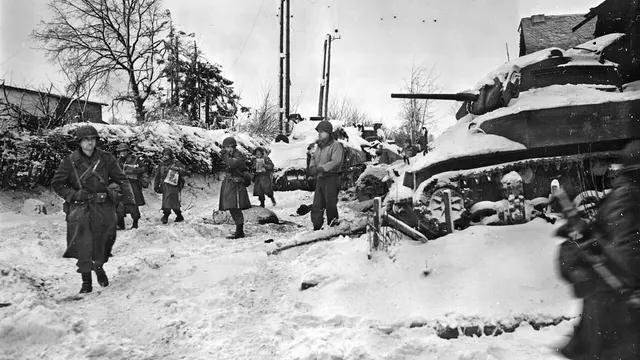
American troops in the snow during the fighting in the Ardennes.
Image creditU.S. Army · Public domainResized and cropped for display.

The Battle of the Bulge begins

Before dawn on 16 December 1944 more than 200,000 German troops and close to a thousand tanks came out of the Ardennes forest into a thinly held stretch of the American line. The plan was to cross the Meuse, take Antwerp and split the British and American armies; the fog and snow that made it a surprise also kept Allied aircraft on the ground.

The bulge the attack pushed into the line gave the battle its name. It lasted six weeks and was the largest the United States Army has ever fought: 75,000 American casualties, 19,276 of them dead, and perhaps 100,000 German. It used up the last German reserves in the west.

Read the full storyHistory & Timeline →Source: The National WWII Museum: the Battle of the Bulge ↗
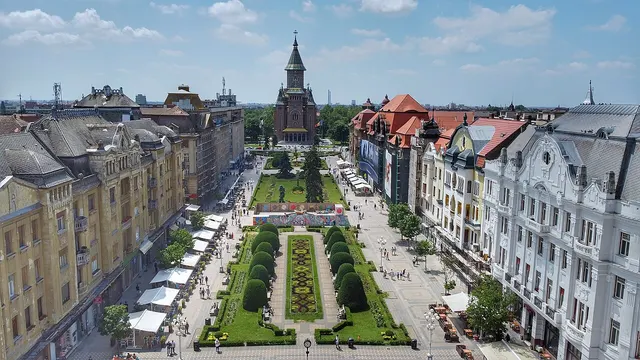
Timișoara today; the revolution began in its streets.
Image creditMarius Catalin Boldeanu · CC BY-SA 4.0Resized and cropped for display.

The Romanian revolution starts in Timișoara

The crowd that gathered outside a flat in Timișoara on 15 and 16 December 1989 was there to stop the eviction of László Tőkés, a Hungarian Reformed pastor who had criticised the government. By the 16th it had turned into an open protest against Nicolae Ceaușescu — the first in Romania for years that did not melt away.

The security forces opened fire the next day. The protests spread to Bucharest; on 22 December the army changed sides and the Ceaușescus fled by helicopter. They were caught, tried by a military tribunal and shot on Christmas Day. It was the only one of 1989’s revolutions in Europe that ended in bloodshed.

Read the full storyHistory & Timeline →Source: Encyclopaedia Britannica: Romania — national communism ↗
♙
PEOPLE

Born Today

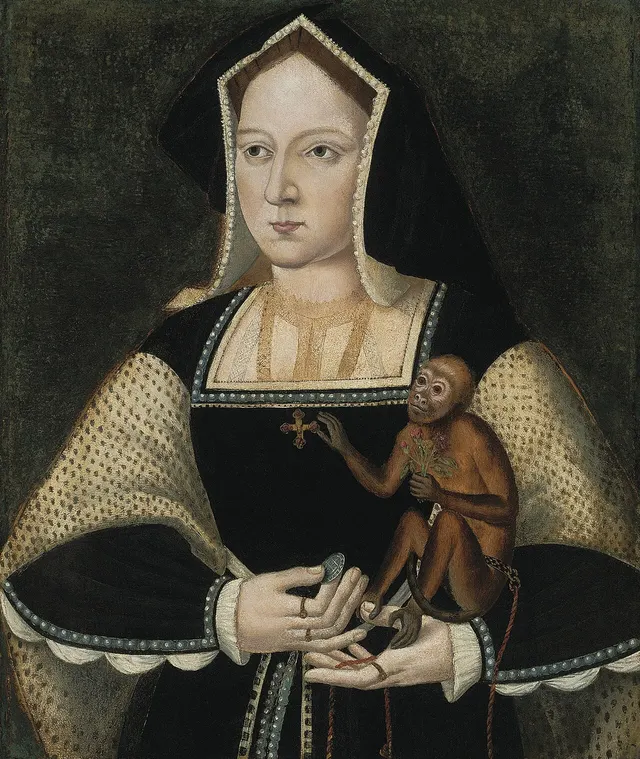
Catherine of Aragon
Image creditLucas Horenbout · Public domainResized and cropped for display.

Catherine of Aragon

Spanish princess and first wife of Henry VIII, whose refusal to accept an annulment helped break England from Rome.

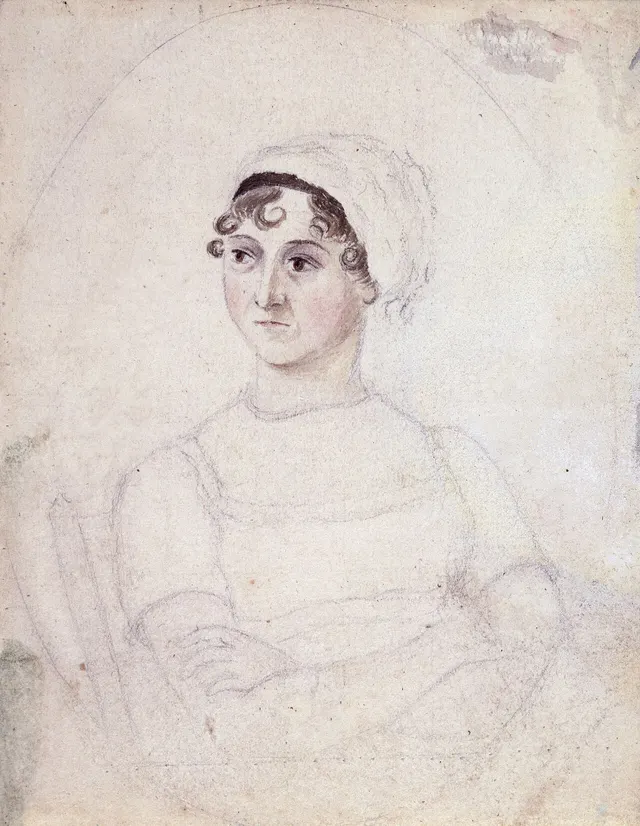
Jane Austen
Image creditCassandra Austen · Public domainResized and cropped for display.

Jane Austen

English novelist of Pride and Prejudice and Emma, published anonymously in her lifetime.

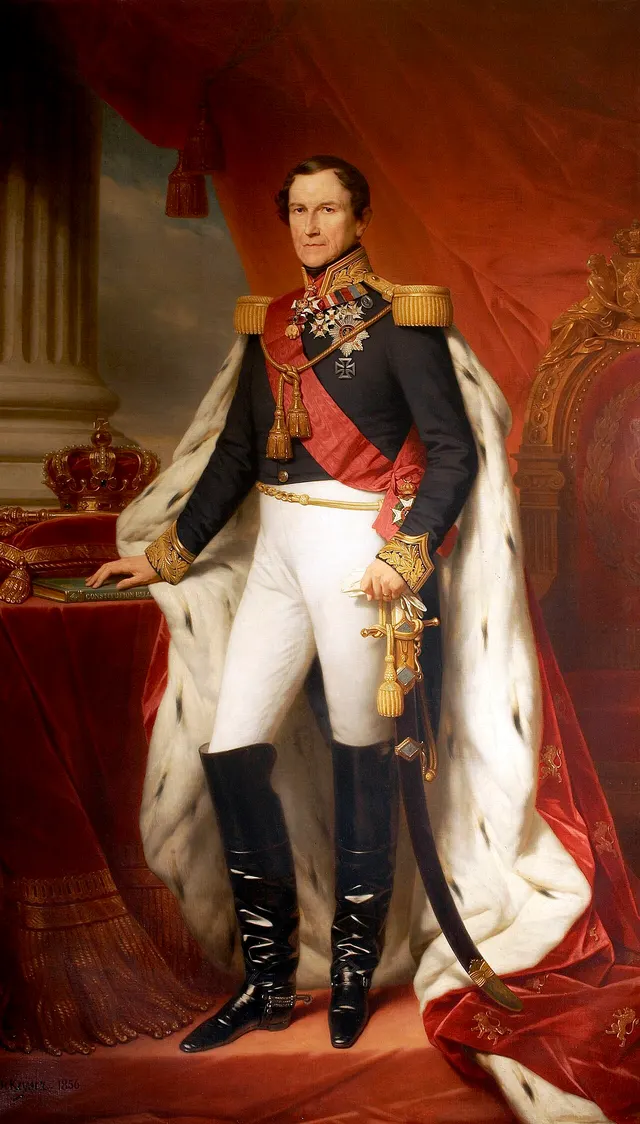
Leopold I of Belgium
Image creditNicaise de Keyser · Public domainResized and cropped for display.

Leopold I of Belgium

German prince who turned down the throne of Greece and became the first King of the Belgians in 1831.

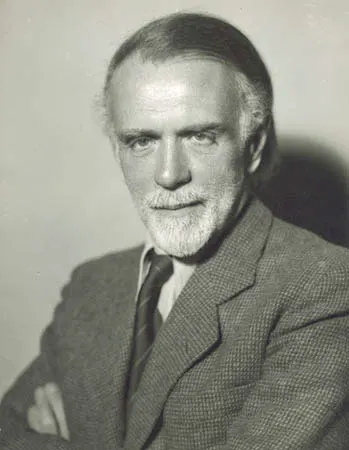
Zoltán Kodály
Image creditUnknown authorUnknown author · Public domainResized and cropped for display.

Zoltán Kodály

Hungarian composer and collector of folk song, whose method of teaching music is used worldwide.

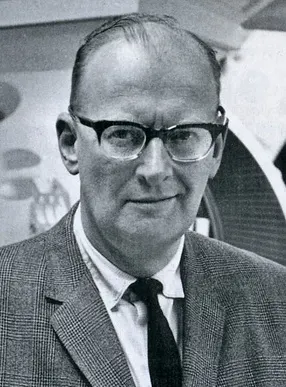
Arthur C. Clarke
Image creditITU Pictures · CC BY 2.0Resized and cropped for display.

Arthur C. Clarke

British science fiction writer who described geostationary communications satellites in 1945 and wrote 2001: A Space Odyssey.

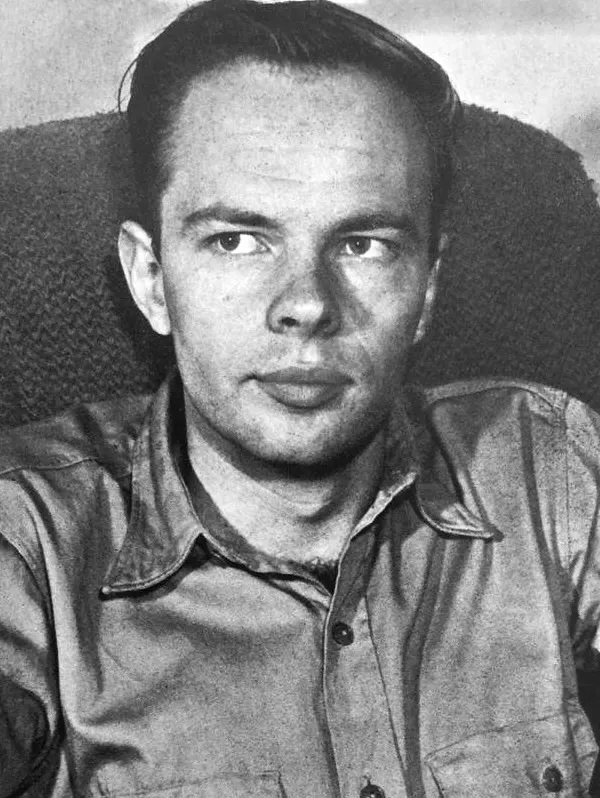
Philip K. Dick
Image creditArthur Knight (photographer) · Public domainResized and cropped for display.

Philip K. Dick

American science fiction writer whose books became Blade Runner, Total Recall and Minority Report.

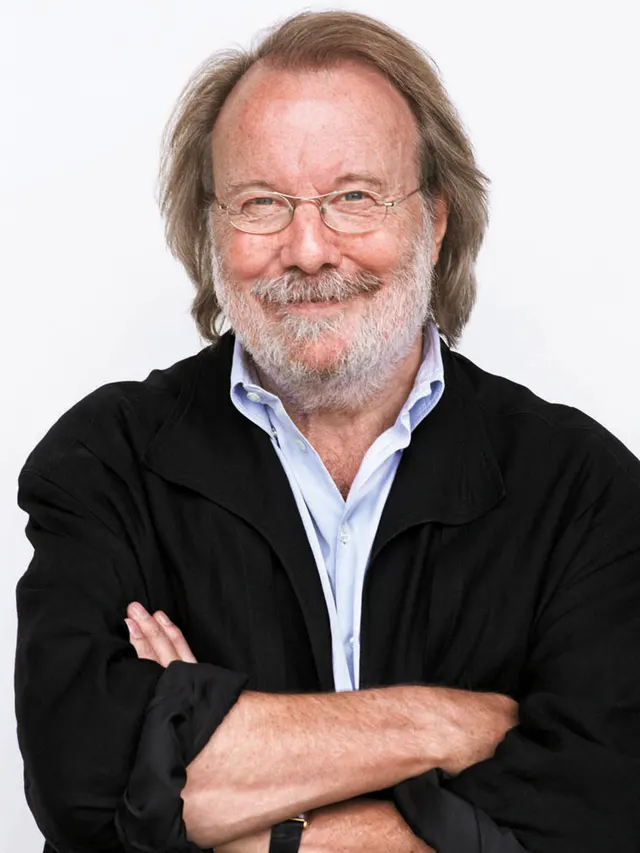
Benny Andersson
Image creditNicho Södling · CC BY 3.0Resized and cropped for display.

Benny Andersson

Swedish composer and keyboard player, one half of the songwriting team behind ABBA.

☆
SPORTING HISTORY

Sporting Moments

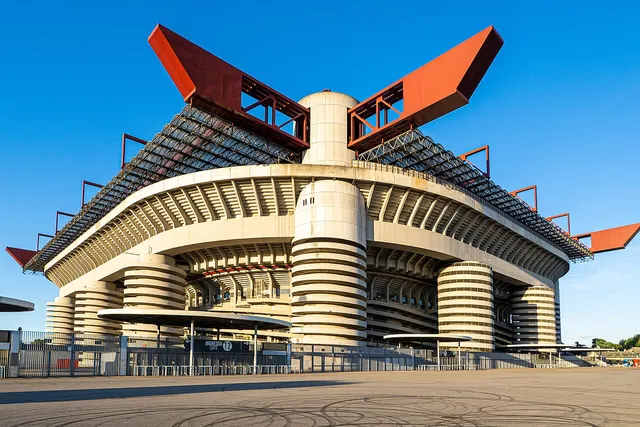
San Siro, the stadium AC Milan has shared with Internazionale since 1947.
Image creditPrelvini · CC BY-SA 4.0Resized and cropped for display.

AC Milan is founded

The Milan Football and Cricket Club was founded on 16 December 1899 by a group of Englishmen and Italians, among them Herbert Kilpin, a lace worker from Nottingham who became the club’s first captain and coach, and Alfred Edwards, its first president. The English spelling of the city’s name has been kept ever since.

The club won the Italian championship for the first time on 5 May 1901, beating Genoa 3-0. It has since won the European Cup or Champions League seven times.

Read the full storyHistory & Timeline →Source: AC Milan: club history ↗
✦
LIVES REMEMBERED

Remembered Today

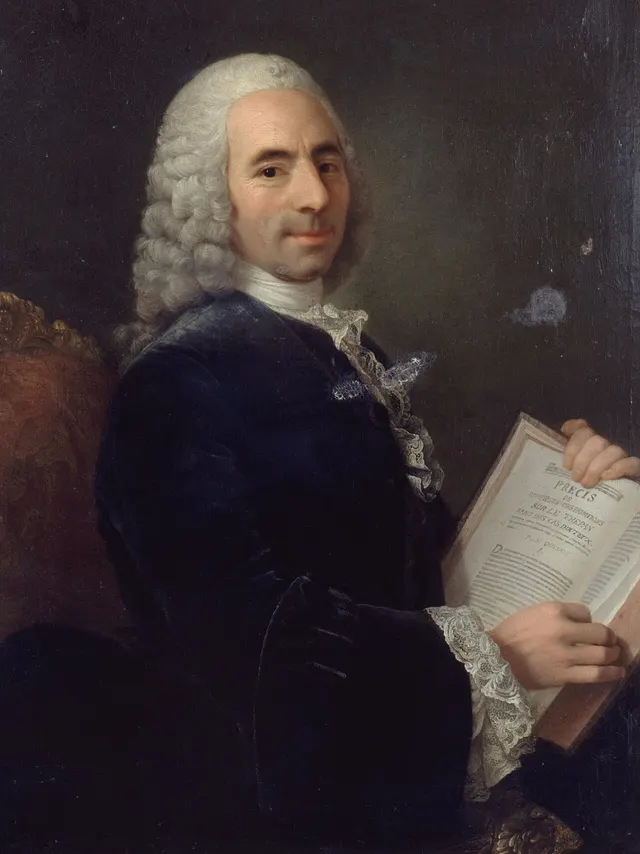
François Quesnay
Image creditUnknown · Public domainResized and cropped for display.

François Quesnay

French physician and economist, leader of the Physiocrats and author of the first model of an economy as a circular flow.

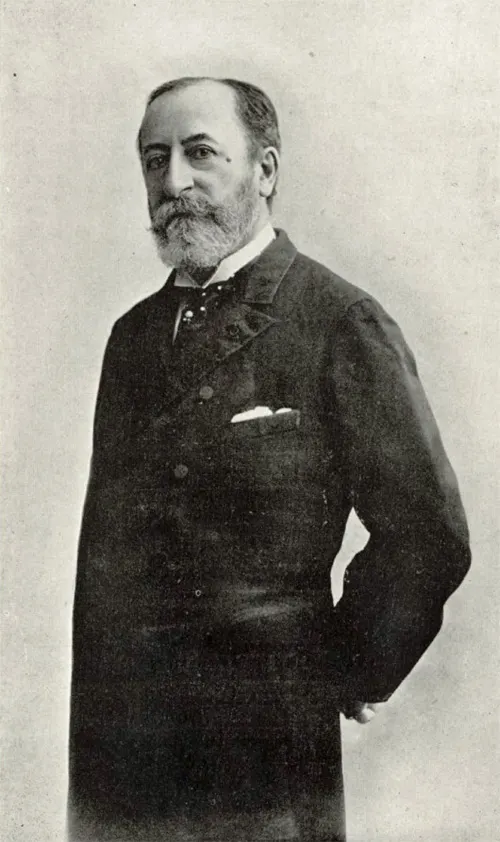
Camille Saint-Saëns
Image creditCharles Reutlinger (1816–81) · Public domainResized and cropped for display.

Camille Saint-Saëns

French composer of the Organ Symphony and The Carnival of the Animals, which he refused to publish in his lifetime.

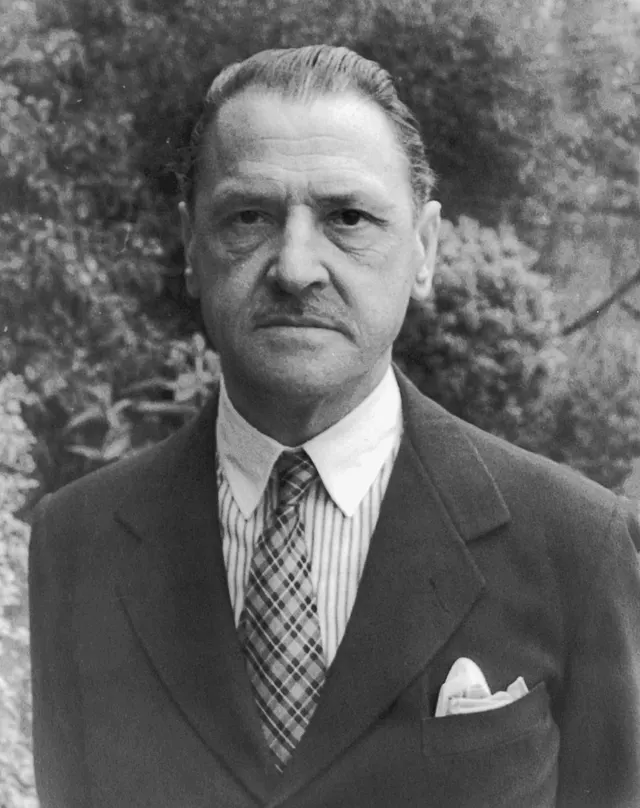
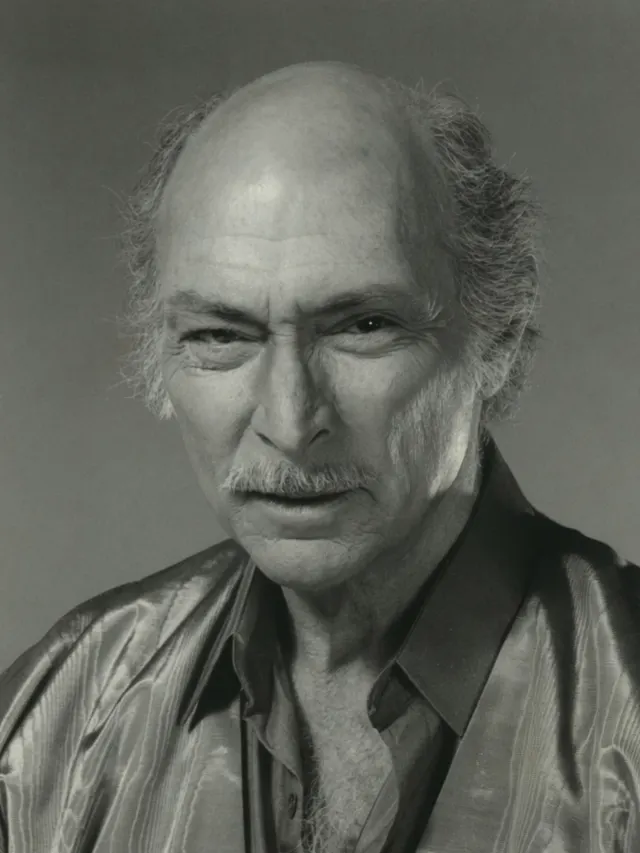
Lee Van Cleef
Image creditNBC Photo · Public domainResized and cropped for display.

Lee Van Cleef

American actor, the cold-eyed gunman of The Good, the Bad and the Ugly.

☉
AROUND THE WORLD

Observances & Anniversaries

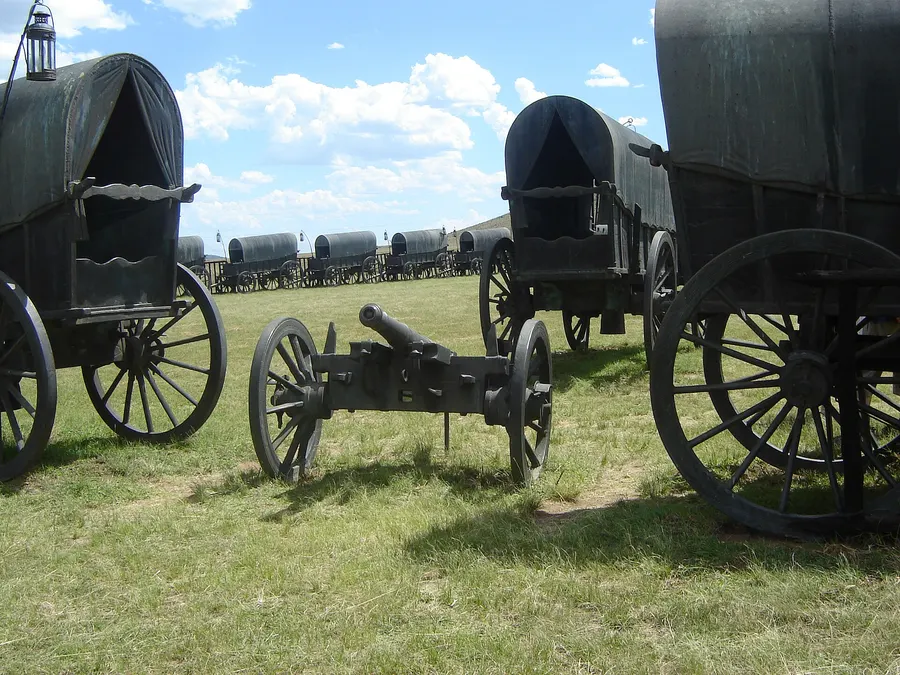
The bronze wagon laager at the Blood River memorial in KwaZulu-Natal.
Image creditRenier Maritz · CC BY-SA 3.0Resized and cropped for display.

Day of Reconciliation

South Africa keeps 16 December as the Day of Reconciliation. The date carried opposite meanings for a century and a half: Afrikaners marked it as the Day of the Vow, for the promise made before the Battle of Blood River in 1838, while for the liberation movements it was the anniversary of the founding of Umkhonto we Sizwe in 1961. After 1994 the new government kept the day and changed its meaning, making it a public holiday for national unity in 1995.

Source: South African Government: Day of Reconciliation ↗
HISTORY & TIMELINE

Finished the highlights?

Follow 16 December chronologically, from the Middle Ages to the modern day, with 10 verified events and the sources behind them.

This day through time →