Explore 22 December

Explore 22 December: Alfred Dreyfus is wrongly convicted, the Brandenburg Gate opens again, Japan gets its first prime minister and Médecins Sans Frontières is founded. Meet Giacomo Puccini, Srinivasa Ramanujan and Ralph Fiennes, born on this date.

This day through time →8 verified events across 2 eras

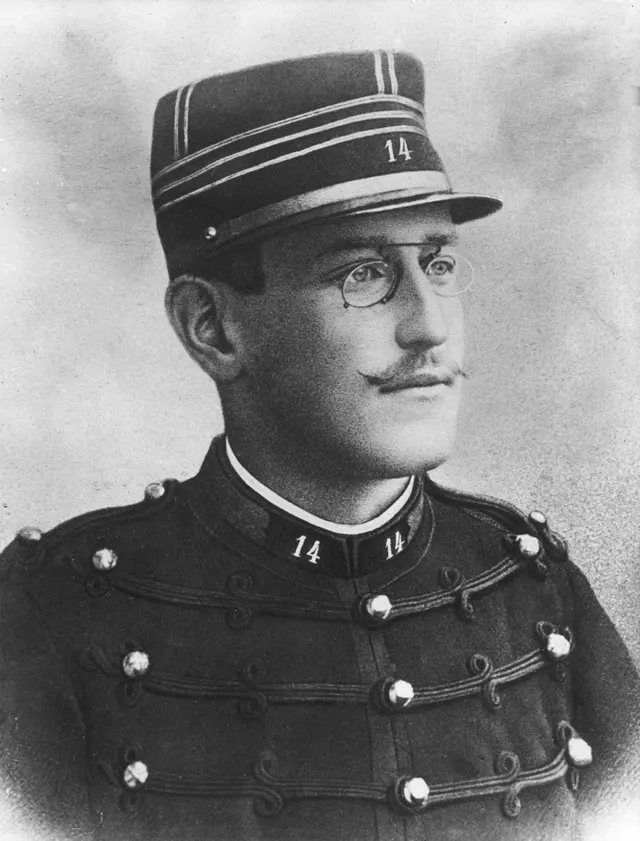
Captain Alfred Dreyfus, about 1894.
Image creditAron Gerschel · Public domainResized and cropped for display.

Alfred Dreyfus is wrongly convicted of treason

On 22 December 1894 a court-martial in Paris found Captain Alfred Dreyfus, a Jewish artillery officer on the French general staff, guilty of passing military secrets to Germany, and sentenced him to deportation for life. The evidence was a single handwritten note; the judges were also shown a secret file, some of it forged, that his lawyer was never allowed to see.

Dreyfus was publicly stripped of his rank and shipped to Devil’s Island off French Guiana. The real traitor was another officer, Ferdinand Esterhazy. The fight to free Dreyfus, taken up by Émile Zola in ‘J’accuse’ in 1898, split France for a decade and exposed the antisemitism in its army; he was fully cleared only in 1906.

Read the full storyHistory & Timeline →Source: Encyclopaedia Britannica: Dreyfus affair ↗
East and West German politicians under the Brandenburg Gate at its opening, 22 December 1989.
Image creditSSgt. F. Lee Corkran · Public domainResized and cropped for display.

The Brandenburg Gate opens again

Six weeks after the Berlin Wall was opened, the Brandenburg Gate itself — shut in the no-man’s-land between East and West since 1961 — was opened for pedestrians on 22 December 1989. In the rain that afternoon the West German chancellor, Helmut Kohl, walked through to shake hands with the East German prime minister, Hans Modrow, as a crowd of more than 100,000 cheered.

Built in the 1790s as a triumphal gateway to Berlin, the gate had become the most familiar symbol of the city’s division. Germany was reunified less than a year later, on 3 October 1990.

Read the full storyHistory & Timeline →Source: Berlin.de: Brandenburg Gate ↗
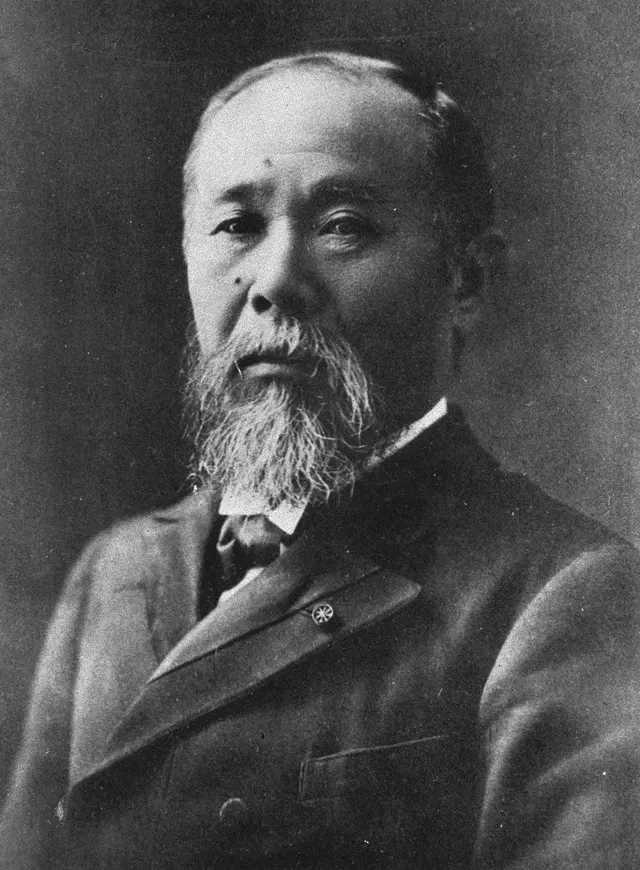
Itō Hirobumi in 1900.
Image creditUnknown authorUnknown author · Public domainResized and cropped for display.

Japan gets its first prime minister

On 22 December 1885 Japan replaced its old council of state with a European-style cabinet, and Itō Hirobumi, a former samurai from Chōshū who had studied in Britain as a young man, became the country’s first prime minister. He was forty-four.

Itō went on to lead the drafting of the Meiji Constitution of 1889, which gave Japan a parliament, and served as prime minister four times. He was assassinated in 1909 at Harbin by a Korean nationalist, An Jung-geun, after serving as Japan’s first resident-general in Korea.

Read the full storyHistory & Timeline →Source: Prime Minister of Japan and His Cabinet: establishment of the cabinet system ↗
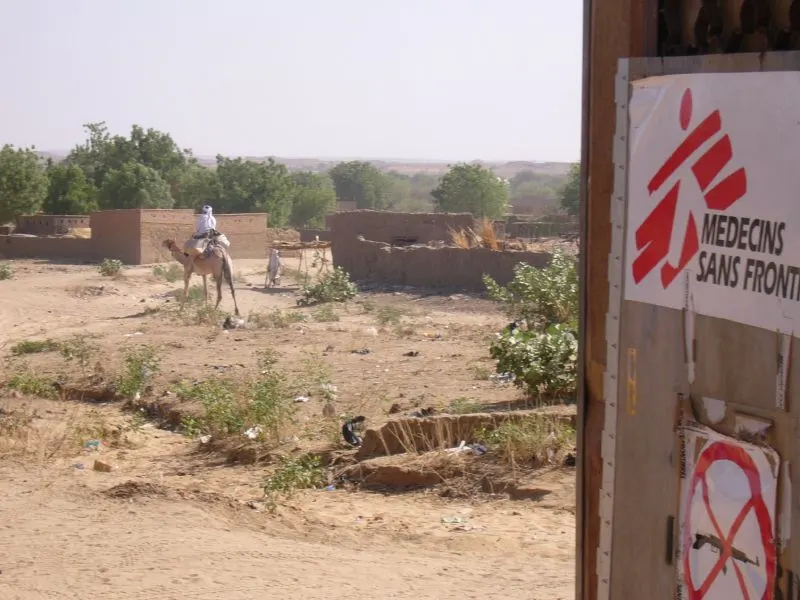
The entrance to a Médecins Sans Frontières post at a camp for refugees from Darfur, Chad, 2005.
Image creditMark Knobil from Pittsburgh, usa · CC BY 2.0Resized and cropped for display.

Médecins Sans Frontières is founded

Médecins Sans Frontières — Doctors Without Borders — was founded in Paris on 22 December 1971 by a group of doctors and journalists. Several of the doctors had worked for the Red Cross in the Nigerian civil war in Biafra and had been frustrated by the rule that aid workers must keep silent about what they saw.

The new organisation set out to send medical teams quickly wherever they were needed, independent of governments, and to speak out when it saw abuses. It now works in some seventy countries and was awarded the Nobel Peace Prize in 1999.

Read the full storyHistory & Timeline →Source: Doctors Without Borders: our history ↗
♙
PEOPLE

Born Today

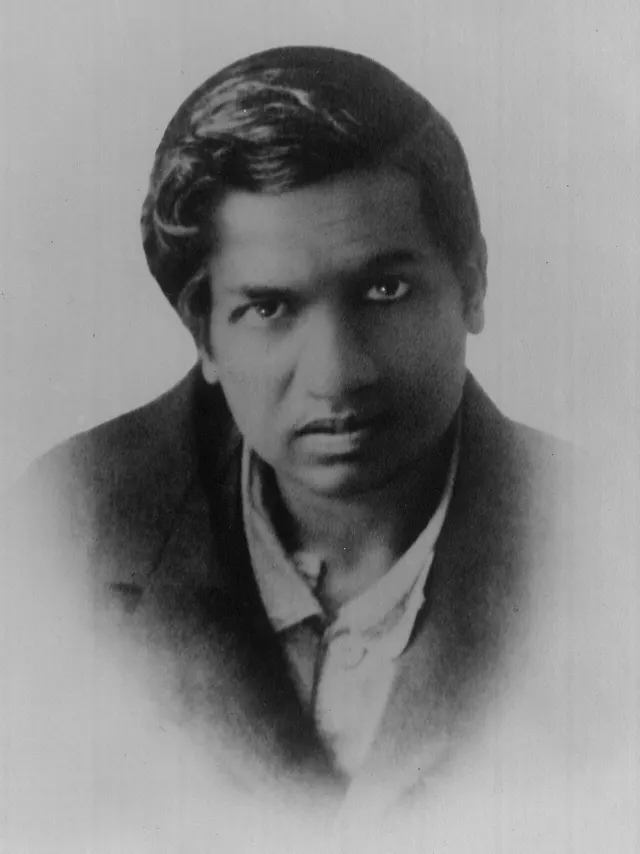
Srinivasa Ramanujan
Image creditUnknown authorUnknown author · CC BY 4.0Resized and cropped for display.

Srinivasa Ramanujan

Largely self-taught Indian mathematician whose letters to G. H. Hardy took him to Cambridge; he died at thirty-two.

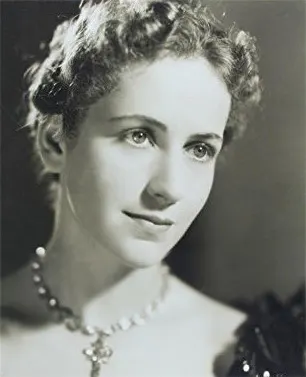
Peggy Ashcroft
Image creditCulver Pictures, New York · Public domainResized and cropped for display.

Peggy Ashcroft

English stage actress for six decades, who won an Oscar late in life for A Passage to India.

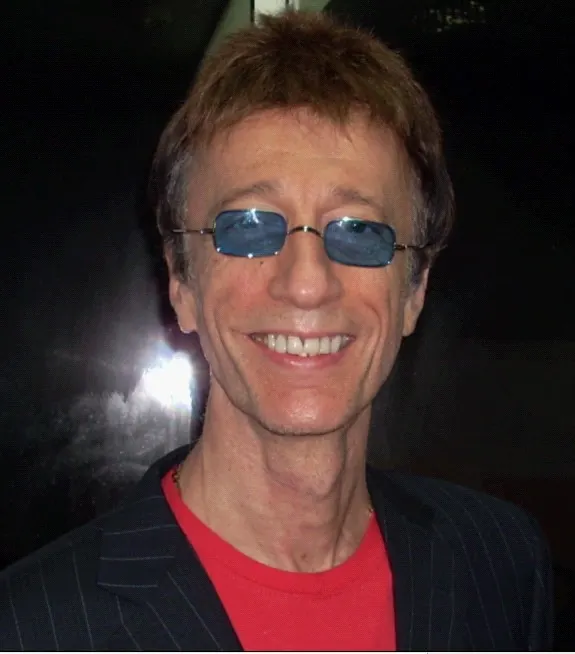
Robin Gibb
Image creditRobinReigns · Public domainResized and cropped for display.

Robin Gibb

Singer with the Bee Gees; his twin brother Maurice, born the same day on the Isle of Man, played bass and keyboards in the group.

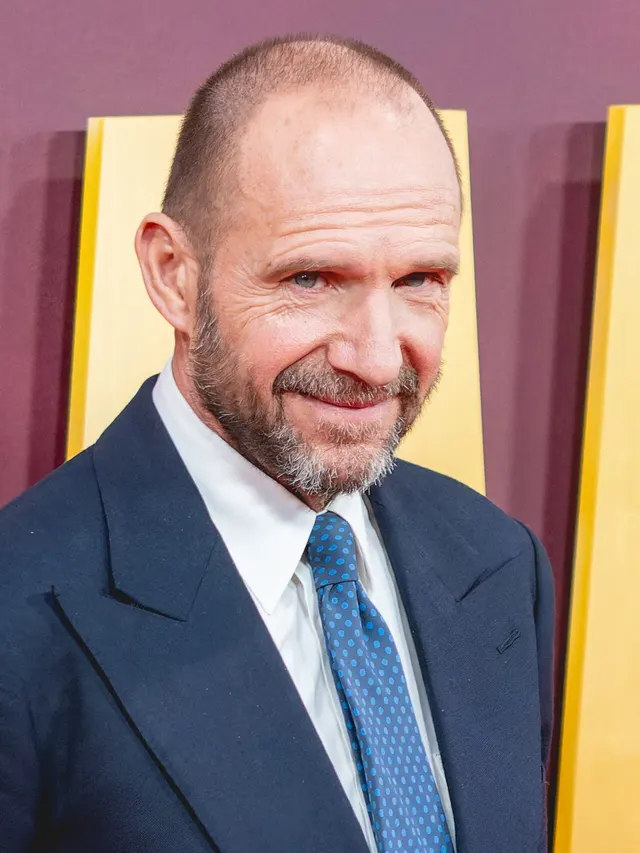
Ralph Fiennes
Image creditRaph_PH · CC BY 2.0Resized and cropped for display.

Ralph Fiennes

English actor of Schindler’s List, The English Patient and The Grand Budapest Hotel.

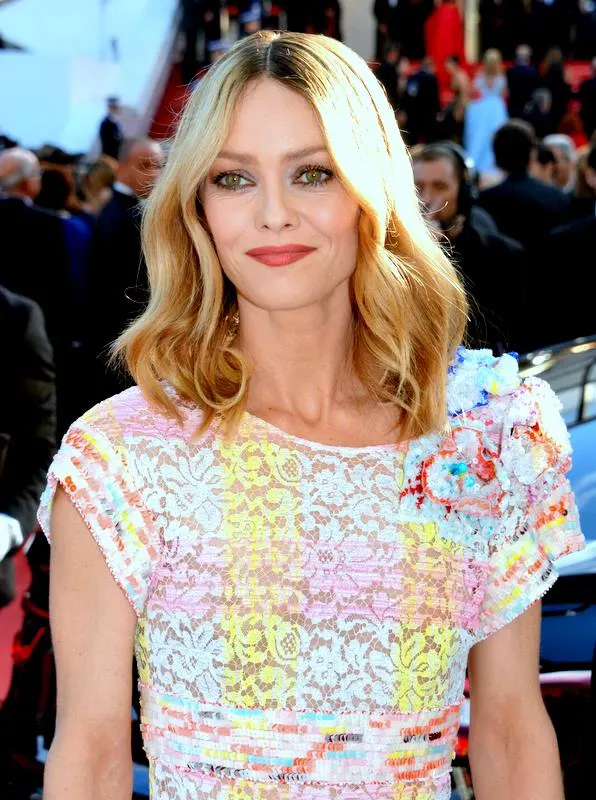
Vanessa Paradis
Image creditGeorges Biard · CC BY-SA 3.0Resized and cropped for display.

Vanessa Paradis

French singer and actress who had a hit with Joe le taxi at fourteen.

♫
MUSIC • FILM • BOOKS • CULTURE

Culture Stories

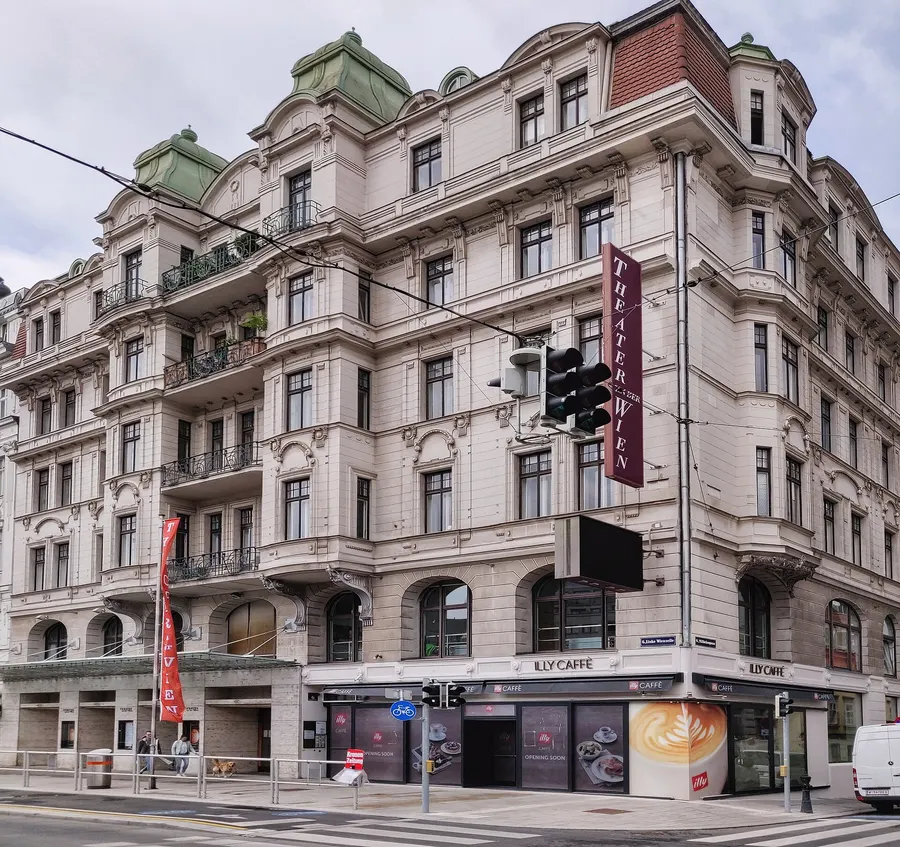
The Theater an der Wien in Vienna, 2020.
Image creditRosso Robot · CC BY-SA 4.0Resized and cropped for display.

Beethoven’s Fifth and Sixth Symphonies are first heard

On 22 December 1808 Beethoven put on a concert of his own music at the Theater an der Wien in Vienna. It lasted about four hours, in an unheated hall, and included the first public performances of the Fifth and Sixth Symphonies, the Fourth Piano Concerto, with Beethoven as soloist, and the Choral Fantasy.

The under-rehearsed orchestra struggled and the Choral Fantasy broke down and had to be restarted. At that first performance the numbers of the two symphonies were the other way round; Beethoven swapped them before publication.

Read the full storyHistory & Timeline →Source: Beethoven-Haus Bonn: chronology, Beethoven in Vienna ↗
✦
LIVES REMEMBERED

Remembered Today

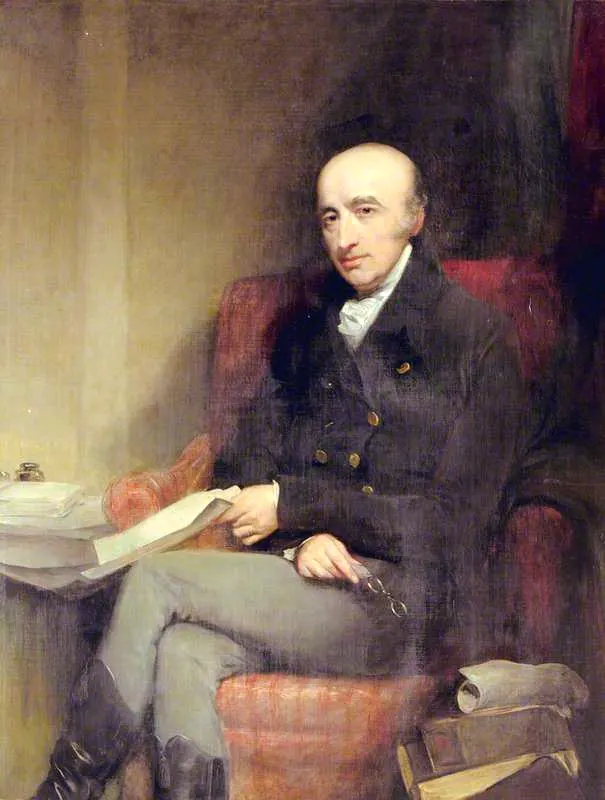
William Hyde Wollaston
Image creditJohn Jackson · Public domainResized and cropped for display.

William Hyde Wollaston

English chemist who discovered palladium and rhodium and found a way to work platinum.

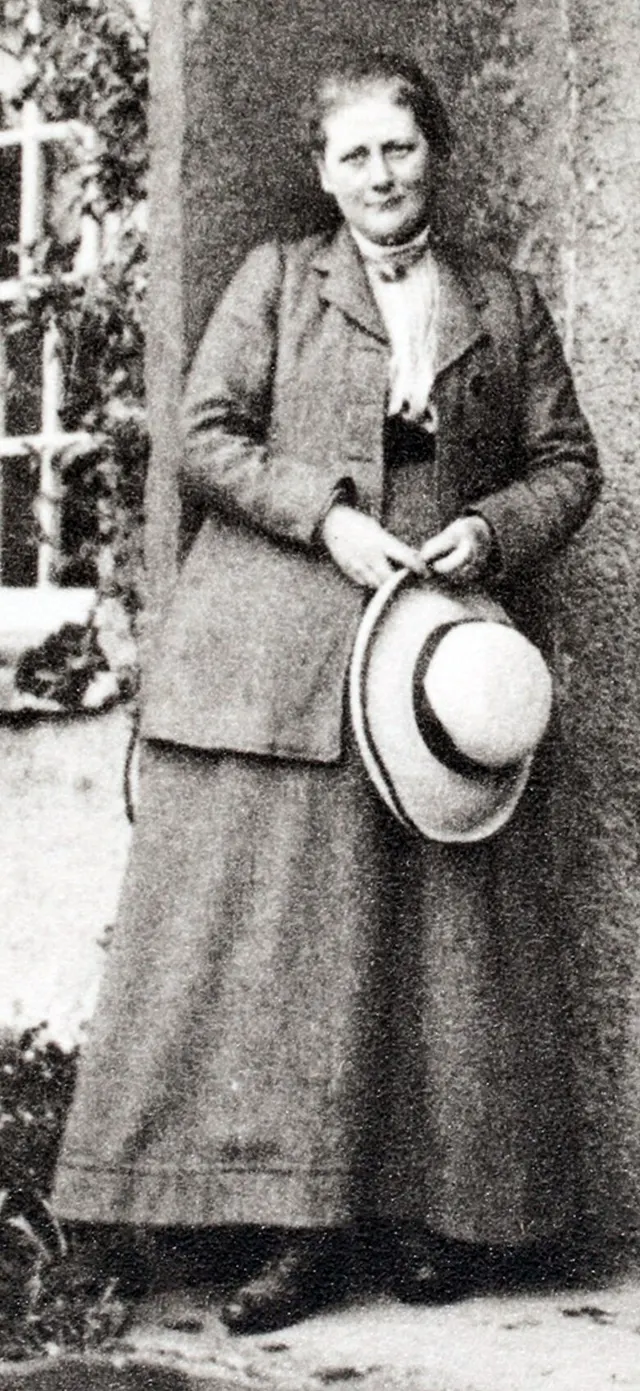
Beatrix Potter
Image creditCharles G.Y. King (1854-1937) · Public domainResized and cropped for display.

Beatrix Potter

English author and illustrator of The Tale of Peter Rabbit, who left her Lake District farms to the National Trust.

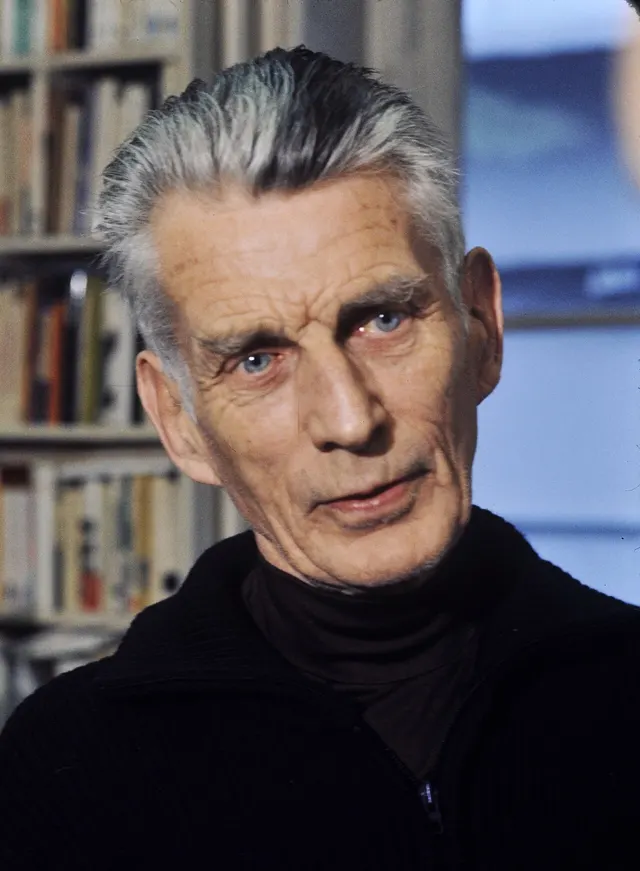
Samuel Beckett
Image creditRoger Pic · Public domainResized and cropped for display.

Samuel Beckett

Irish playwright and novelist of Waiting for Godot, winner of the 1969 Nobel Prize in Literature.

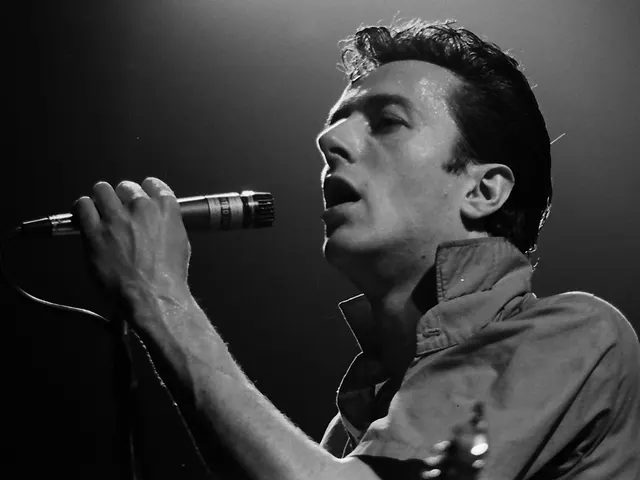
Joe Strummer
Image creditJohn Coffey · CC BY 2.0Resized and cropped for display.

Joe Strummer

Singer and guitarist of the Clash, the punk band of London Calling.

Joe Cocker
Image creditA & M Records · Public domainResized and cropped for display.

Joe Cocker

Sheffield singer whose raw version of With a Little Help from My Friends was a high point of Woodstock.

☉
AROUND THE WORLD

Observances & Anniversaries

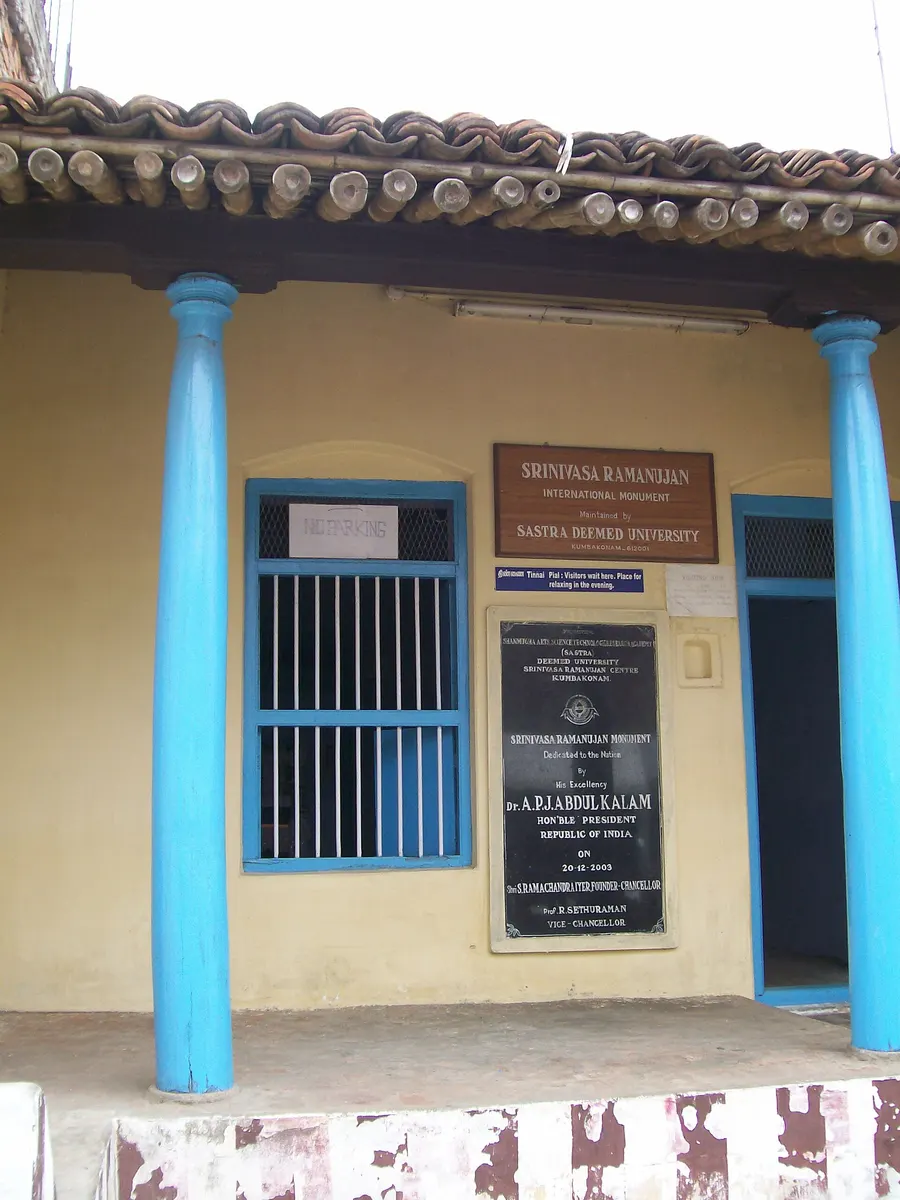
Ramanujan's family home on Sarangapani Street, Kumbakonam.
Ramanujan’s family home on Sarangapani Street, Kumbakonam.
Image creditAdiswini at English Wikipedia · Public domainResized and cropped for display.

National Mathematics Day (India)

India keeps 22 December, the birthday of Srinivasa Ramanujan, as National Mathematics Day. The Government of India declared it in December 2011, on the 125th anniversary of his birth, and 2012 was celebrated as National Mathematics Year.

Source: Press Information Bureau, Government of India: National Mathematics Day ↗
HISTORY & TIMELINE

Finished the highlights?

Follow 22 December chronologically, from the Middle Ages to the modern day, with 8 verified events and the sources behind them.

This day through time →