Explore 25 December

Explore 25 December: Charlemagne is crowned emperor in Rome, Washington crosses the icy Delaware, Hong Kong falls and the red flag comes down over the Kremlin. Meet Clara Barton, Muhammad Ali Jinnah and Humphrey Bogart, born on Christmas Day.

This day through time →13 verified events across 4 eras

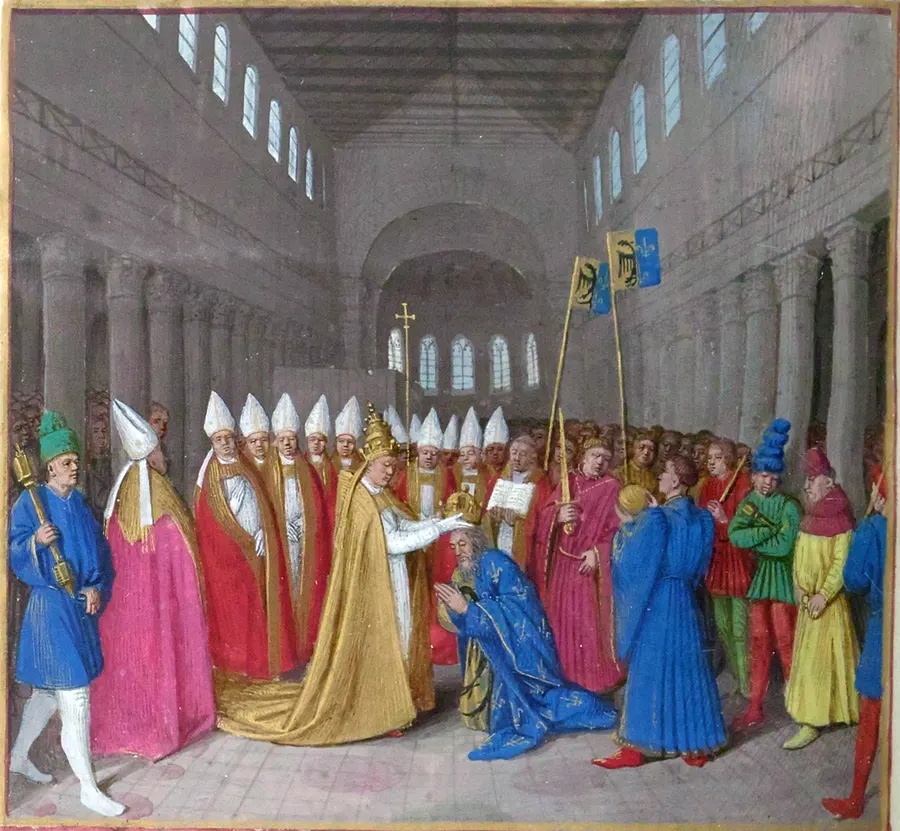
The coronation of Charlemagne in St Peter's, Rome, painted by Jean Fouquet for the Grandes Chroniques de France, about 1455-60.
The coronation of Charlemagne in St Peter’s, Rome, painted by Jean Fouquet for the Grandes Chroniques de France, about 1455-60.
Image creditJean Fouquet, Tours · Public domainResized and cropped for display.

Charlemagne is crowned emperor in Rome

At Christmas Mass in St Peter’s, Rome, in 800, Pope Leo III placed a crown on the head of Charlemagne, King of the Franks, as he rose from prayer, and the congregation hailed him as emperor. For the first time since the fifth century there was an emperor in the West.

Leo had been attacked by enemies in Rome the year before and had fled to Charlemagne for protection. The new title bound the papacy and the Frankish kings together and laid the ground for what became the Holy Roman Empire, which lasted in one form or another until 1806.

Read the full storyHistory & Timeline →Source: Encyclopaedia Britannica: Holy Roman Empire, the coronation of Charlemagne as emperor ↗
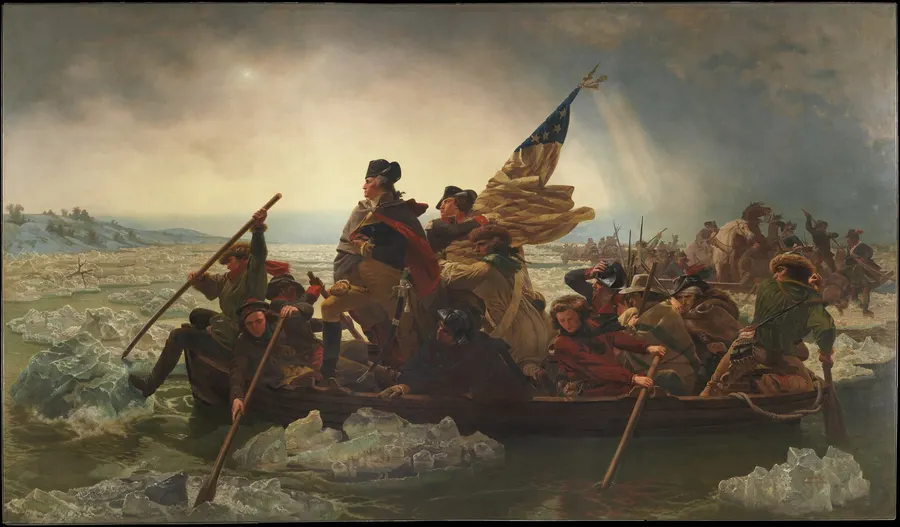
Emanuel Leutze's painting Washington Crossing the Delaware, 1851, in the Metropolitan Museum of Art.
Emanuel Leutze’s painting Washington Crossing the Delaware, 1851, in the Metropolitan Museum of Art.
Image creditEmanuel Leutze · CC0Resized and cropped for display.

Washington crosses the Delaware

On the night of Christmas Day 1776, in sleet and snow, George Washington took about 2,400 men of the Continental Army across the ice-choked Delaware River from Pennsylvania into New Jersey. Boatmen and fishermen of John Glover’s Massachusetts regiment ferried them over.

After a march of some nine miles they fell on the Hessian garrison at Trenton early on 26 December and took around 900 prisoners. After months of defeats, the small victory lifted the spirits of the army and persuaded many soldiers to stay on for the new year.

Read the full storyHistory & Timeline →Source: George Washington’s Mount Vernon: Crossing of the Delaware ↗
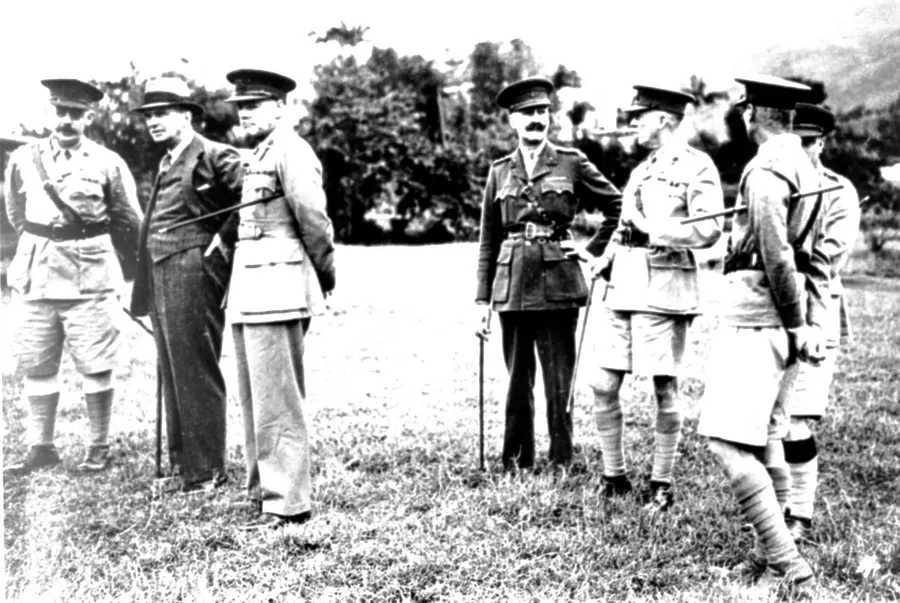
Sir Mark Young, Governor of Hong Kong, inspecting defence works soon after his arrival in September 1941.
Image creditUnknown · Public domainResized and cropped for display.

Hong Kong surrenders to Japan

Japanese forces attacked Hong Kong on 8 December 1941, the same day as the raid on Pearl Harbor. British, Canadian, Indian and local troops fell back from the mainland, and on 18 December the Japanese landed on Hong Kong Island.

On the afternoon of Christmas Day, with the defenders split apart and further resistance hopeless, the Governor, Sir Mark Young, surrendered the colony. It was the start of three years and eight months of Japanese occupation, which ended only in August 1945.

Read the full storyHistory & Timeline →Source: Government Records Service, Hong Kong: the siege ↗
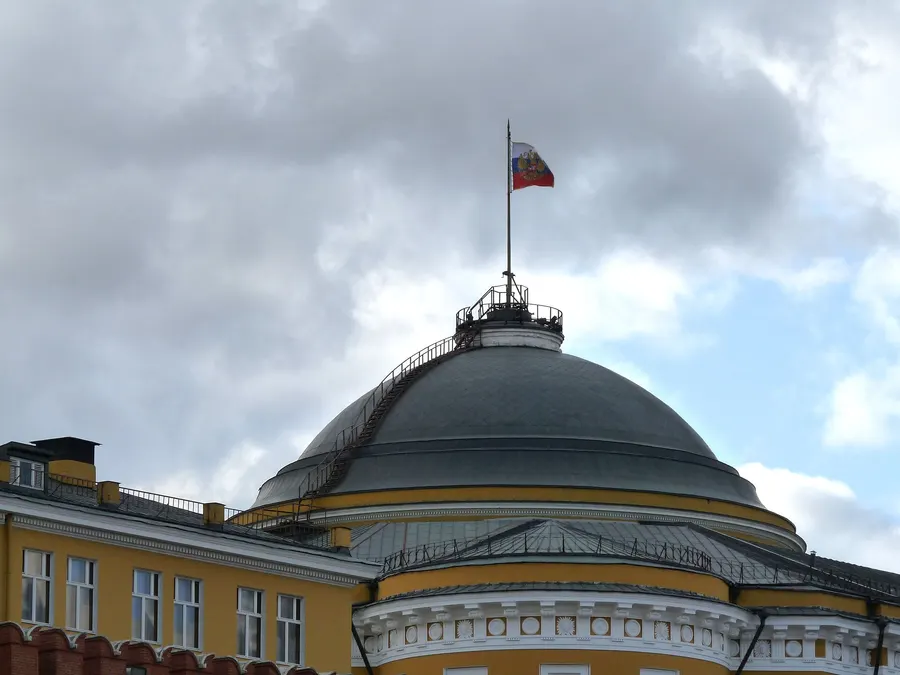
The dome of the Senate building in the Moscow Kremlin, flying the Russian flag.
Image creditmichael clarke stuff · CC BY-SA 2.0Resized and cropped for display.

Gorbachev resigns and the red flag comes down

On the evening of 25 December 1991 Mikhail Gorbachev went on television to say he was stepping down as President of the Soviet Union. The republics had already agreed to replace the union with a Commonwealth of Independent States, and there was no country left for him to lead.

At 7.32 pm, less than half an hour after he finished speaking, the Soviet hammer-and-sickle flag was lowered over the Kremlin for the last time and the Russian tricolour raised in its place. The union formally ceased to exist at the end of the year.

Read the full storyHistory & Timeline →Source: US Department of State, Office of the Historian: the collapse of the Soviet Union ↗
♙
PEOPLE

Born Today

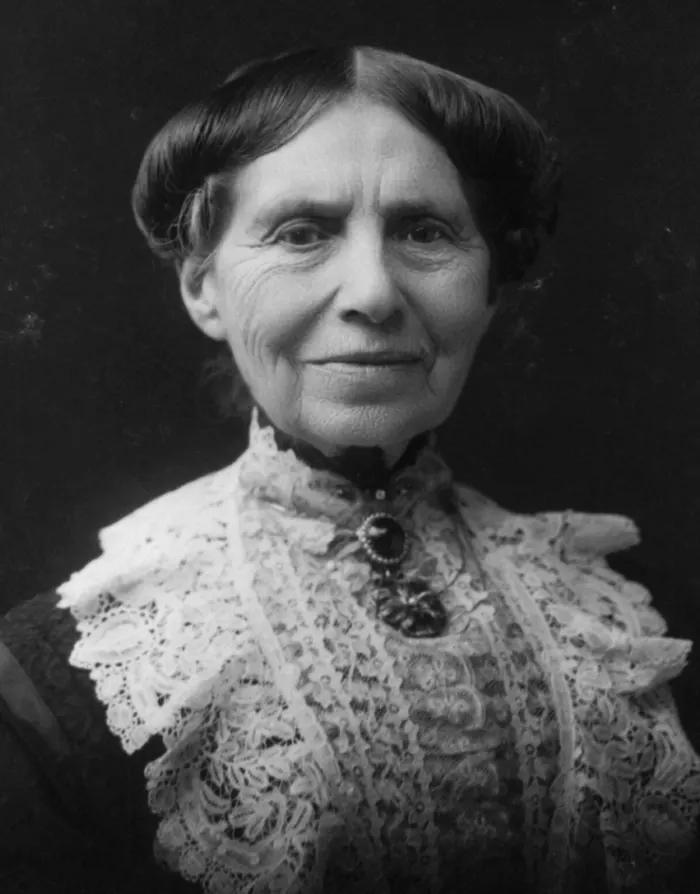
Clara Barton
Image creditJames E. Purdy · Public domainResized and cropped for display.

Clara Barton

American nurse, known as the ‘angel of the battlefield’ in the Civil War, who founded the American Red Cross in 1881.

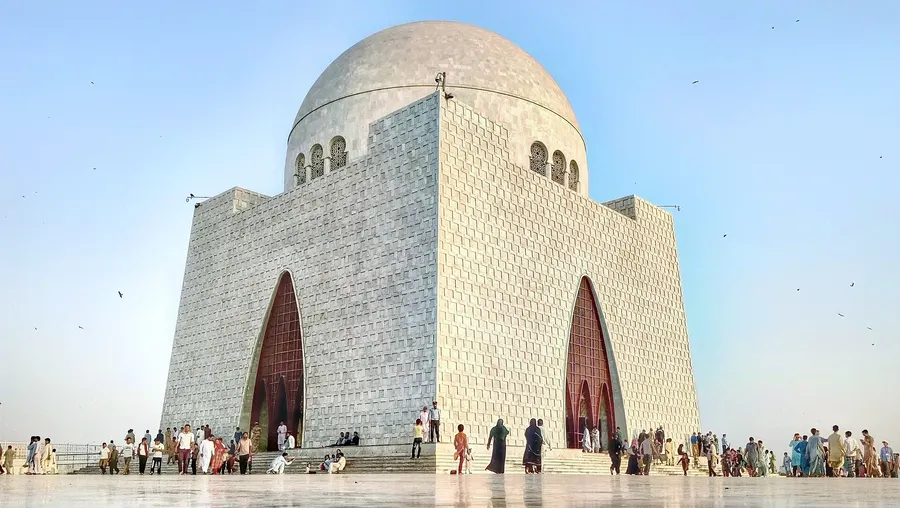
Muhammad Ali Jinnah
Image creditUnknown authorUnknown author · Public domainResized and cropped for display.

Muhammad Ali Jinnah

Lawyer and leader of the Muslim League who became the founder and first Governor-General of Pakistan.

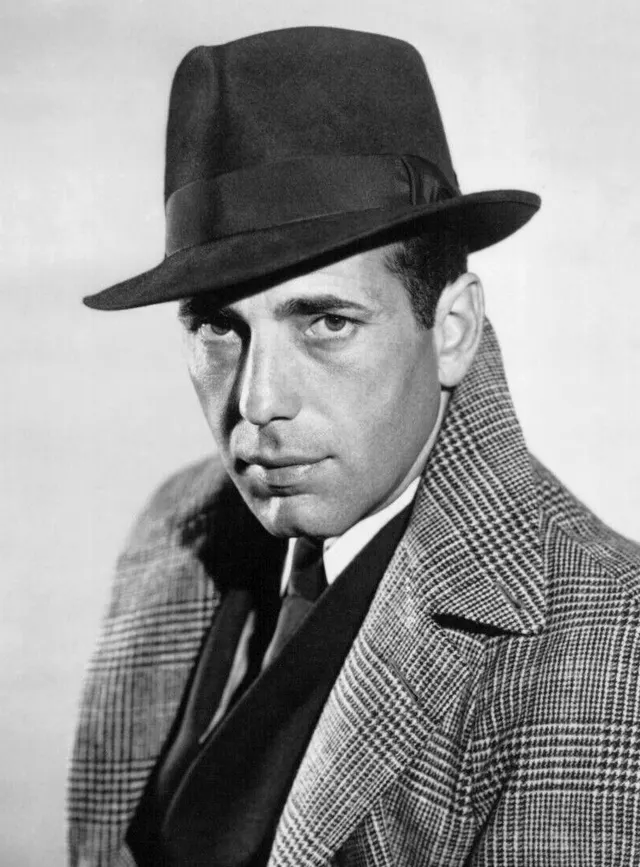
Humphrey Bogart
Image creditElmer Fryer · Public domainResized and cropped for display.

Humphrey Bogart

American film star of Casablanca, The Maltese Falcon and The African Queen.

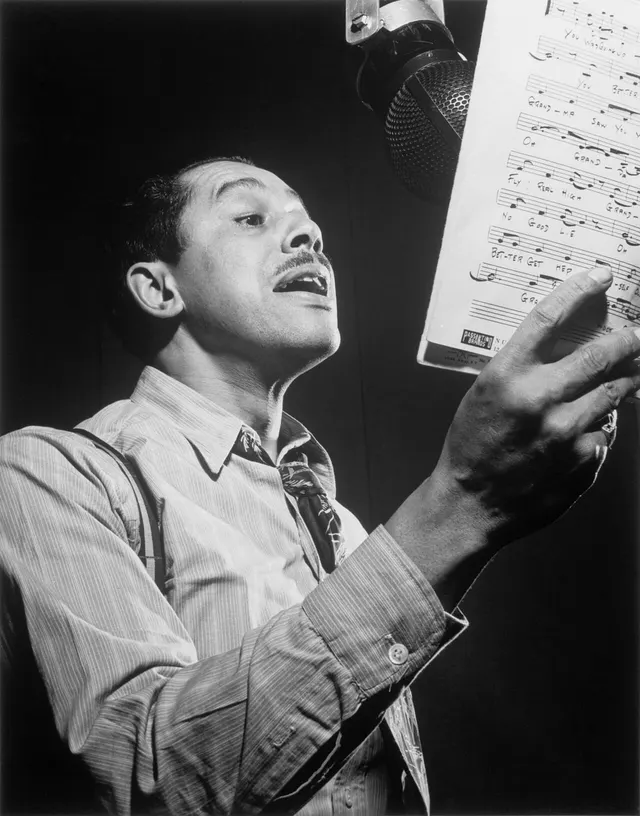
Cab Calloway
Image creditWilliam P. Gottlieb · Public domainResized and cropped for display.

Cab Calloway

American bandleader and singer of ‘Minnie the Moocher’, a star of Harlem’s Cotton Club.

Ahmed Ben Bella
Image creditaziz3d · Public domainResized and cropped for display.

Ahmed Ben Bella

Leader in Algeria’s war of independence and the country’s first president, from 1963 to 1965.

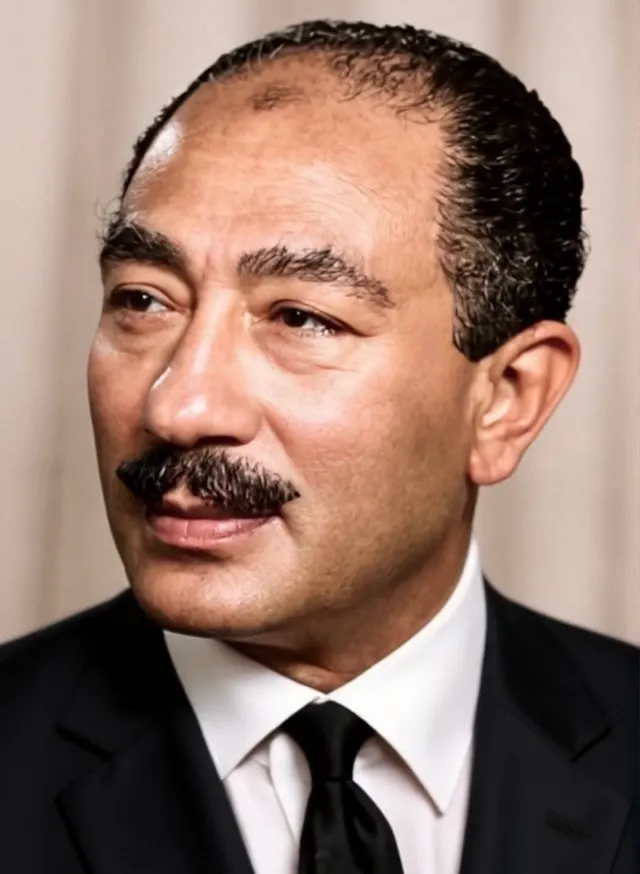
Anwar Sadat
Image creditGovernment · Public domainResized and cropped for display.

Anwar Sadat

President of Egypt who made peace with Israel and shared the 1978 Nobel Peace Prize with Menachem Begin.

Annie Lennox
Image creditLibrary of Congress Life · CC0Resized and cropped for display.

Annie Lennox

Scottish singer of Eurythmics and a solo artist, and a campaigner on HIV and AIDS.

◉
IDEAS THAT CHANGED THINGS

Firsts, Science & Discoveries

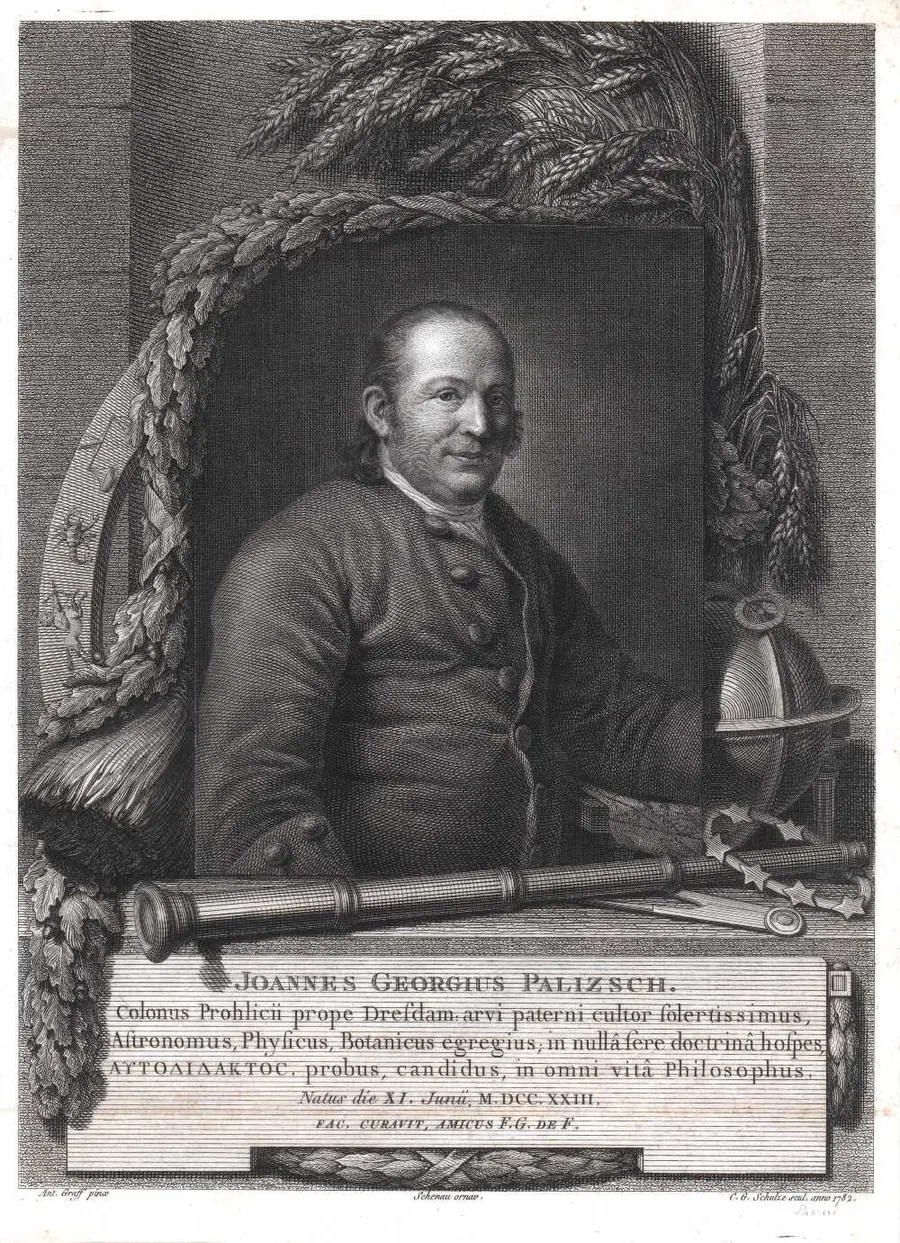
Johann Georg Palitzsch, the Saxon farmer and astronomer, in an engraving after a portrait by Anton Graff.
Image creditAnton Graff (1736-1813) · Public domainResized and cropped for display.

Halley’s Comet comes back on time

Edmond Halley had worked out that the comets seen in 1531, 1607 and 1682 were one and the same, and predicted it would return in 1758. He died in 1742 and never knew if he was right.

On Christmas night 1758 Johann Georg Palitzsch, a farmer and amateur astronomer near Dresden, spotted it through his telescope. It was the first time anyone had successfully predicted the return of a comet, and a striking proof of Newton’s laws of gravity. The comet has carried Halley’s name ever since.

Read the full storyHistory & Timeline →Source: NASA Science: 1P/Halley ↗
The Ariane 5 rocket carrying the James Webb Space Telescope lifts off from Kourou, French Guiana, 25 December 2021.
Image creditBill Ingalls · Public domainResized and cropped for display.

The James Webb Space Telescope is launched

At 12.20 GMT on Christmas Day 2021 a European Ariane 5 rocket lifted off from Kourou in French Guiana carrying the James Webb Space Telescope, built by NASA with the European and Canadian space agencies. It was the largest and most complex telescope ever sent into space.

Its gold-coated mirror, 6.5 metres across, had to unfold in space. A month later it reached its station 1.5 million kilometres from Earth, and since 2022 it has sent back pictures of some of the earliest galaxies ever seen.

Read the full storyHistory & Timeline →Source: NASA Science: Webb’s launch ↗
♫
MUSIC • FILM • BOOKS • CULTURE

Culture Stories

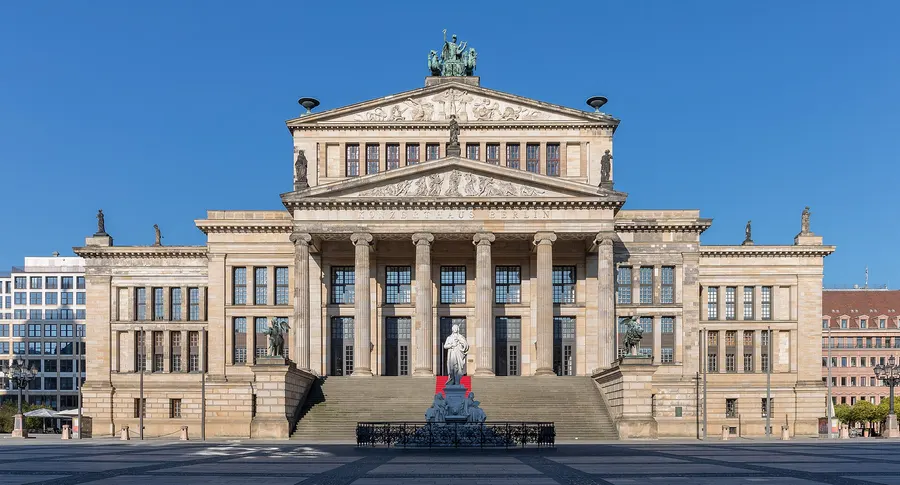
The Konzerthaus on the Gendarmenmarkt in Berlin, called the Schauspielhaus in 1989.
Image creditAnsgar Koreng · CC BY 3.0 deResized and cropped for display.

Bernstein conducts an ‘Ode to Freedom’ in Berlin

Six weeks after the Berlin Wall opened, Leonard Bernstein conducted Beethoven’s Ninth Symphony in East Berlin on Christmas Day 1989 with musicians from both German states and from the four countries that had occupied Berlin since 1945.

In the choral finale he changed one word of Schiller’s poem, having the choir sing Freiheit (freedom) instead of Freude (joy). The concert was broadcast in more than twenty countries.

Read the full storyHistory & Timeline →Source: Leonard Bernstein Office: Berlin Wall concert, 1989 ↗
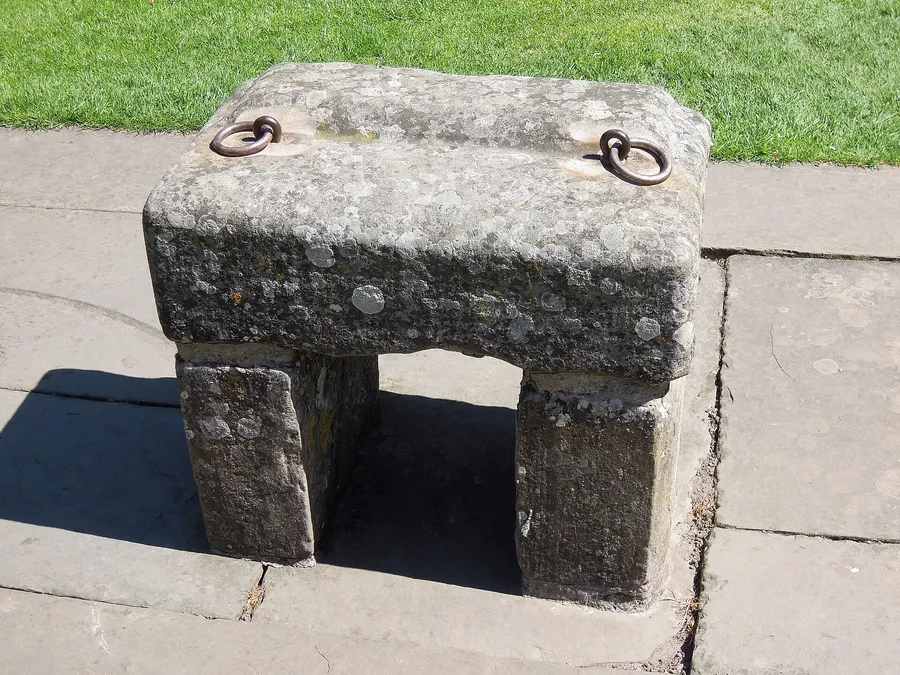
A replica of the Stone of Scone at Scone Palace, Perthshire.
Image creditAaron Bradley from Vancouver, Canada · CC BY-SA 2.0Resized and cropped for display.

Students take the Stone of Destiny

In the early hours of Christmas Day 1950 four Scottish students from Glasgow, Ian Hamilton, Gavin Vernon, Kay Matheson and Alan Stuart, got into Westminster Abbey and dragged the Stone of Scone out from under the Coronation Chair, where it had sat since Edward I carried it off from Scotland in 1296.

The stone turned up at Arbroath Abbey in April 1951 and was taken back to Westminster. No one was prosecuted. It was returned to Scotland in 1996 and now travels to London only for coronations.

Read the full storyHistory & Timeline →Source: Historic Environment Scotland: 20 facts about the Stone of Destiny ↗
✦
LIVES REMEMBERED

Remembered Today

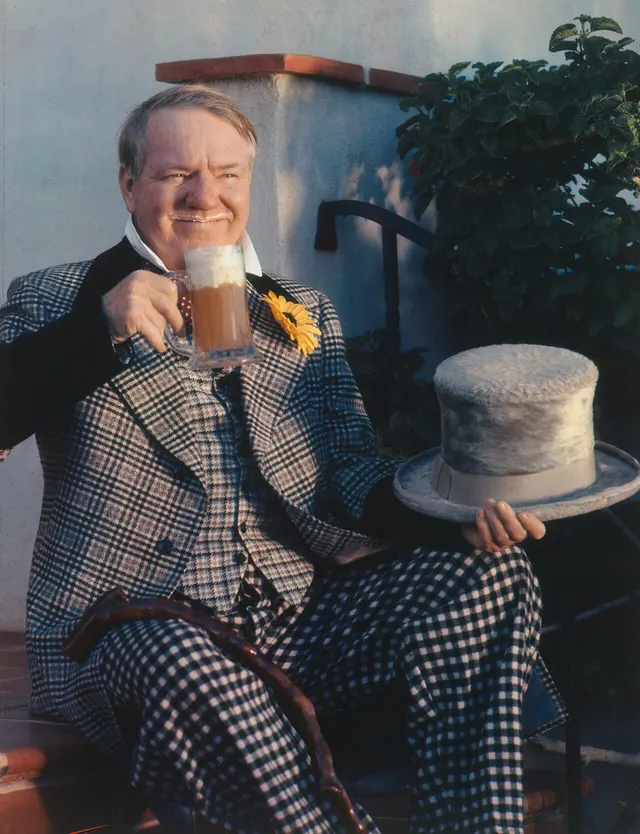
W. C. Fields
Image creditHarry Warnecke / Lee Jennings Elkins · CC0Resized and cropped for display.

W. C. Fields

American comedian and juggler, the gravel-voiced star of It’s a Gift and The Bank Dick.

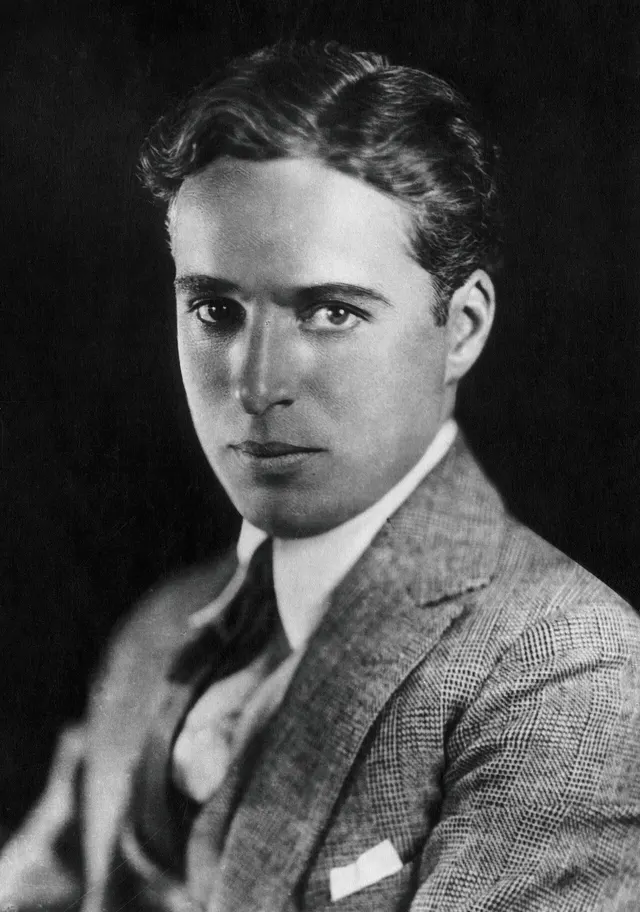
Charlie Chaplin
Image creditStrauss-Peyton Studio · Public domainResized and cropped for display.

Charlie Chaplin

London-born comic genius of the silent screen, creator of the Tramp; he died at his home in Switzerland.

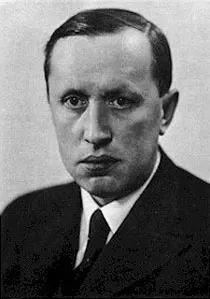
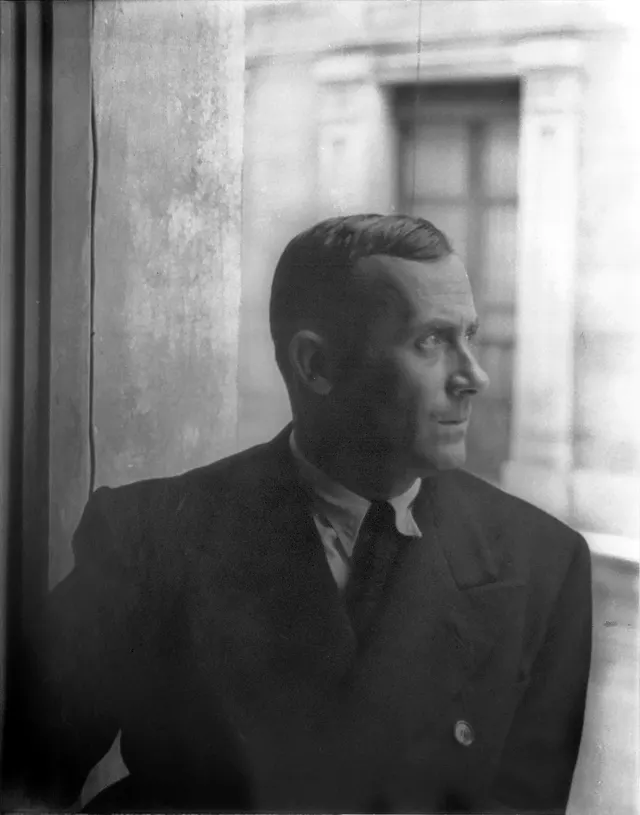
Joan Miró
Image creditCarl Van Vechten · Public domainResized and cropped for display.

Joan Miró

Catalan painter and sculptor whose bright, playful shapes made him a leading figure of modern art.

☉
AROUND THE WORLD

Observances & Anniversaries

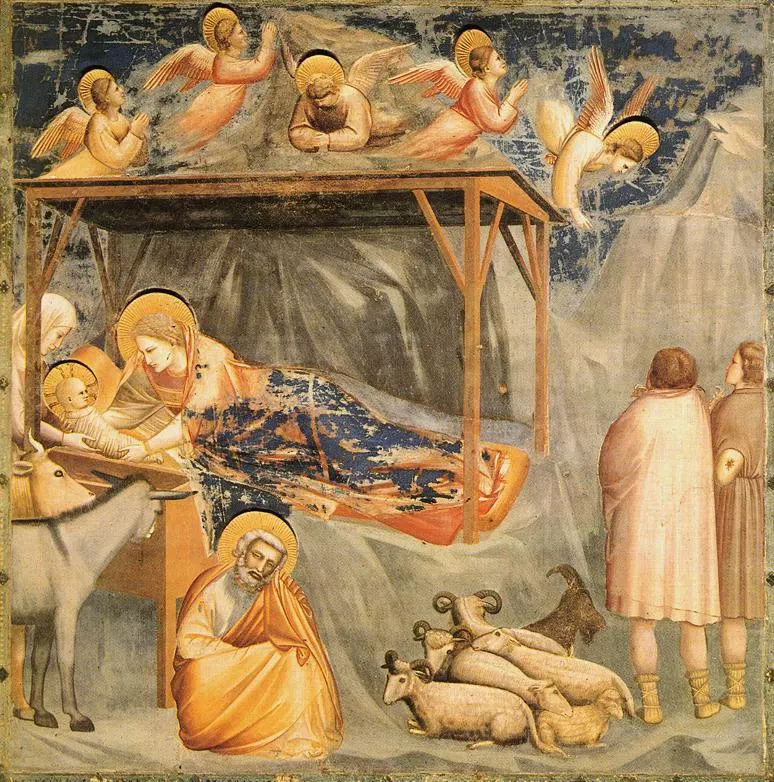
The Nativity, painted by Giotto in the Scrovegni Chapel, Padua, about 1305.
Image creditGiotto · Public domainResized and cropped for display.

Christmas Day

Christians in much of the world celebrate the birth of Jesus on 25 December, a date recorded in Rome by the fourth century; several Orthodox churches keep it on 7 January, following the old calendar. It is a public holiday in a great many countries, often marked with gifts, feasting and family gatherings as well as church services.

Source: Encyclopaedia Britannica: Christmas ↗
HISTORY & TIMELINE

Finished the highlights?

Follow 25 December chronologically, from the Middle Ages to the modern day, with 13 verified events and the sources behind them.

This day through time →